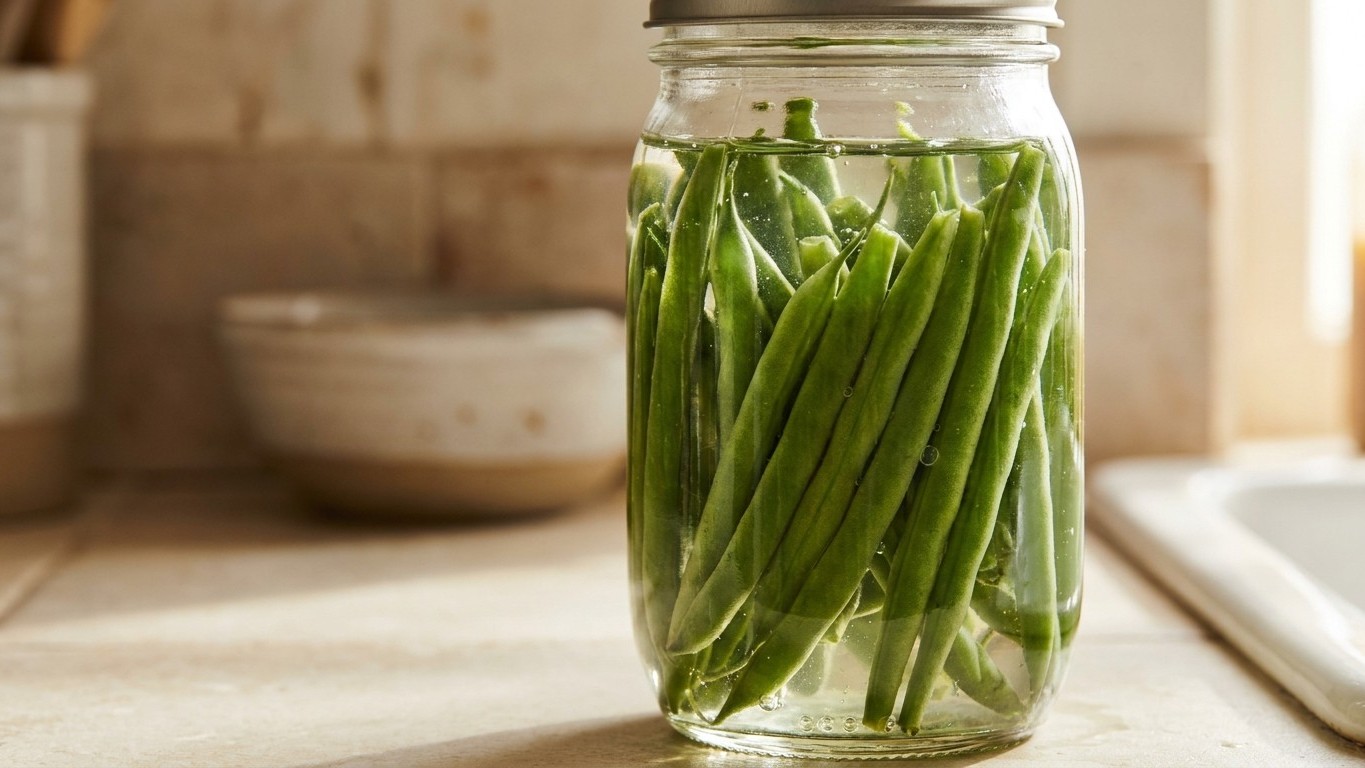

Fast, cold-tolerant leafy types are The Best Asian Greens for Minnesota: mizuna, tatsoi, komatsuna, mustard greens and compact bok choy, sown in spring and again in late summer. Napa cabbage earns a place only as a fall crop. Heat lovers such as water spinach are gambles outdoors. The ranking comes from the Twin Cities’ frost dates and winter cold, and the rest of the state runs tighter.
The short answer for Minnesota
Sort Asian greens by how long they need and how they react to heat, and the decision gets simple. Grow the quick, cool-loving types twice a year, give the slower heading types one well-timed fall run, and treat anything that wants real summer heat as an experiment. The Growing Asian Greens in Minnesota overview covers the basics. This page makes the variety call.
The numbers behind that call come from NOAA’s 1991-2020 Climate Normals for the Minneapolis reference station. The last spring frost falls between April 17 and April 30. The first fall frost falls between October 11 and October 23. Both are probabilities, not promises: they mark the band where the chance of a 32°F freeze sits between 30 and 70 percent. Inside that band, a freeze is still close to a coin flip.
Counting from the later spring date to the earlier fall date gives about 164 days. Counting from the earlier spring date to the later fall date gives about 189. That is the span with no real frost risk in the Twin Cities, which are the mild south of the state. Most Asian greens are not tied to that span, though. Mizuna, tatsoi, komatsuna and bok choy shrug off light frost, so both ends of their season stretch past the frost-free window. That is why they top the list.
This page’s facts do not include a summer high-temperature figure for Minnesota, so the heat side of the answer rests on plant behavior. Cool-season brassicas bolt when days lengthen and temperatures climb, and that is the real limit on spring plantings. It is also why the fall crop often tastes better than the spring one.
| Type | Spring sowing | Fall sowing | Verdict for Minnesota |
|---|---|---|---|
| Mizuna, tatsoi, komatsuna, mustard greens | Reliable, harvest as baby leaves | Reliable, often the best flavor | Best bets |
| Compact bok choy | Works, but bolts in a warm spell | Very good | Strong choice, favor fall |
| Gai lan, yu choy | Possible, bolts quickly in heat | Good | Worth trying, fall first |
| Napa cabbage and other heading types | Poor, tends to bolt before heading | Good if sown on time | Fall only |
| Water spinach and other heat lovers | Not suited | Not suited | Experiment only |
For exact sowing dates by season, see When to Sow Asian Greens in Minnesota. Here the question is which type earns the space.
What will not work here

Start with winter. The mean daily minimum of the coldest month is 8.8°F at the Minneapolis reference station. No Asian green overwinters in open ground at that number. Anything sown in fall for a spring harvest, which works in milder climates, ends as a frozen mat. Plan every planting as an annual.
The fall deadline is the next casualty. If the first fall frost lands between October 11 and October 23, a crop that needs a long stretch of growth has to be started in the heat of midsummer. Napa cabbage is the usual victim. Sown in spring, it reads the lengthening days as a signal to flower and sends up a stalk instead of a head. Sown too late in summer, it runs out of warm weeks before it forms one. The window is narrow, and it narrows further the farther north you garden.
Heat lovers are the quietest failure. Water spinach and similar tropical greens want sustained warmth, and a Minnesota season that opens with a coin-flip freeze band in late April does not give it. They can be coaxed along in containers or under cover, but they are not a sensible bed crop here. Spending space on them means giving up reliable mizuna.
Early transplanting is a smaller trap. Hardy greens can go out before the last frost, yes, and the frost band is wide enough that a hard freeze after the middle of April is still entirely possible. A bed of tender, pampered seedlings with no cover will not forgive a night in the low 20s. Direct-sown seed or hardened-off plants under a light row cover take the hit far better.
Dense planting deserves a warning too, though the facts here do not include a Minnesota humidity figure, so take this as plant behavior rather than a local statistic. Tightly spaced leafy brassicas hold moisture in the canopy during warm, damp stretches, and that invites leaf spots and rot. Give bok choy heads room, and cut baby greens before they crowd.
The last failure is slow varieties in the north. A type that takes its time to reach harvest might squeak by in the Twin Cities. Two to three weeks of lost season at both ends can leave it unfinished in the northern part of the state.
What changes across Minnesota
Minnesota is not one garden. The USDA Plant Hardiness Zone Map 2023, built on 1991-2020 normals, spans zones 3a to 5a across the state. That range is wide, and there is no single answer for it. The zone system rests on one variable, the average annual extreme minimum temperature, so it tells you about winter survival. It says little about how fast a spring warms or how soon a September night drops to freezing.
For that reason, the dates on this page belong to the reference city, Minneapolis. The frost dates carry a caution: northern Minnesota runs two to three weeks tighter at both ends. Spring starts later and fall arrives sooner. A reader in the northern counties should push the spring dates later and pull the fall dates earlier by that margin, and treat the Twin Cities window as a ceiling, not a target.
In practice that shifts the variety mix. In the north, lean harder on the fastest leafy types: mizuna, tatsoi, komatsuna and baby-leaf mustards, harvested young. Compact bok choy is still realistic, especially for fall. Napa cabbage and gai lan become riskier bets, and row cover or a low tunnel is worth its cost for stretching the fall end. In the southern part of the state, the Twin Cities window gives you room to try heading types, and a second sowing in late summer has more weeks to work with.
Which zone you are in is not something this page can tell you. Look up your location on the USDA Plant Hardiness Zone Map, and treat the result as a winter-cold clue, not a planting date. Frost timing near big lakes, in low pockets and on open hilltops can differ from the county average, which is the next reason to check closer to home.
Where to check this for your own county
Your state extension service is the next stop. University of Minnesota Extension is the land-grant university’s public arm, and it publishes research-based gardening guidance written for the state’s own conditions. Look for two things there: the planting calendar for your area, and any list of vegetable varieties trialed in your county or a neighboring one.
The trial results matter more than most gardeners expect. A variety that performed well in a university plot has been grown under local frost, local soil and Local Pests, with notes on bolting and disease. That is a stronger recommendation than a seed catalog description written for the whole country.
A county recommendation beats a state one, plainly. This page is the state one. It rests on a single reference station in the Twin Cities and a statewide hardiness range, which makes it a good starting frame and a poor final word. If the extension calendar for your county disagrees with a date here, trust the county.
When you search, use the specific crop names (bok choy, mizuna, napa cabbage) alongside your county. If extension material on a given green is thin, look for its closest relative, such as other cool-season brassicas or leafy mustards. The timing logic carries over even where Asian greens are not named. This page does not reproduce any county-level calendar, because its facts do not include one.
Checking this against your own garden
Every date above is an average. Your yard has its own record, and it outranks the table. Three observations cost nothing and need no equipment.
- Soil warmth by feel. Push a bare hand into the bed. Cold, soggy soil that clumps and chills your fingers is too early for seed, and seed there sits and rots. Soil that crumbles and feels neutral against your skin is ready. A sunny, sloped bed will reach that point days ahead of a shaded, low one, and that gap is your microclimate.
- The first true leaves. After the seed leaves come the first true leaves, shaped like the mature plant’s. How fast they appear tells you how warm that bed really is. If a row lags behind another sown the same day, you have found a cold spot, and you can move the slow crops there only in the fall, when the cooler spot helps.
- The first flush of male flowers. If you grow squash, the first wave of male blooms signals that summer warmth has settled in. Treat it as your cue to stop expecting tender spring greens and to start planning the late-summer sowing. When it comes early in your yard, your spring greens will bolt early too.
Write the dates down for a season or two. A scribbled note on when the soil felt ready and when the first stalk rose is worth more than any average, and it makes the state numbers on this page work for your garden.
Common questions
What is the single easiest Asian green to grow in Minnesota?
Mizuna is a safe first pick. It tolerates light frost, grows quickly, and works as baby leaves in both the spring and fall windows. Tatsoi and komatsuna are close behind.
Can I grow napa cabbage in Minnesota?
Yes, as a fall crop. In spring it tends to bolt before forming a head. Start it in midsummer so it matures before the first fall frost, which falls between October 11 and October 23 at the Twin Cities reference station.
Will any Asian greens survive a Minnesota winter outdoors?
Not in open ground. The mean daily minimum of the coldest month is 8.8°F at the Minneapolis reference station. Treat every Asian green as an annual and harvest before the hard freezes.
Do the frost dates on this page apply to northern Minnesota?
No. They come from the Twin Cities. Northern Minnesota runs two to three weeks tighter at both ends, so spring sowing starts later and fall sowing must start earlier. Check University of Minnesota Extension for your own area.