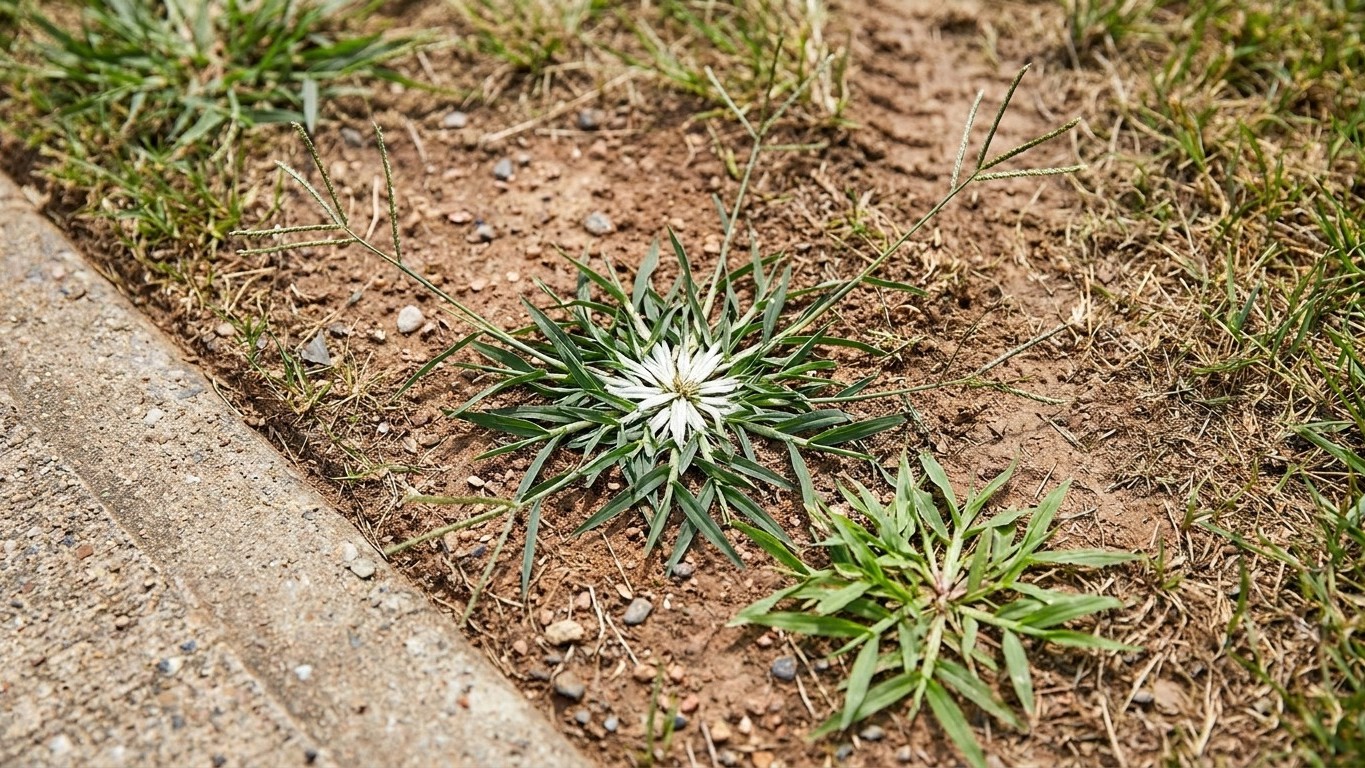

In Virginia, aerate a cool-season lawn in early to mid fall, while the grass is still growing, and finish ahead of the first fall frost window of November 10 to November 24 (NOAA NCEI 1991-2020 Climate Normals, Virginia Beach). Aerate a warm-season lawn in summer, when it grows fastest. Virginia sits in the transition zone, so the right window depends on which grass you actually have.
When to aerate a lawn in Virginia
The Homestead Post places Virginia’s reference city, Virginia Beach, in the transition zone. It reads the climate normals against the season tolerances in Clemson Cooperative Extension’s HGIC 1214. The numeric thresholds used for that placement are ours, not a published standard. A state is not a zone, either. Higher ground and the far southwest can fall in the neighboring zone, and the Blue Ridge runs weeks colder.
Transition means neither type of grass excels. The grasses recommended in Clemson’s HGIC 1214 (with Penn State Extension for the cool-season species) are Tall Fescue, Kentucky Bluegrass and Perennial Ryegrass on one side, Zoysiagrass and Bermudagrass on the other. The trade-off is simple. A cool-season lawn suffers in July. A warm-season lawn is brown from October to April. Our guide to the best grass seed for Virginia lawns covers that choice.
Extension timing rules come from other states, so read them for the condition, not the calendar. The University of Nebraska-Lincoln Extension says: “Cool season grasses, including Kentucky bluegrass, fescues, and perennial ryegrass, can be aerated in spring from early April through the end of May and again in fall from late August through the end of October.” For warm-season grasses it says aerate “when they are growing actively, which is late May though late August.” Those months are Nebraska’s. They are not Virginia’s dates.
What transfers to Virginia
The condition transfers: aerate when the grass is actively growing and can heal the holes. The table applies it to each grass.
| Grass | Season type | Aerate when |
|---|---|---|
| Tall Fescue | Cool-season | Fall, while growing, ahead of the frost window; spring is a second choice |
| Kentucky Bluegrass | Cool-season | Fall, while growing, ahead of the frost window; spring is a second choice |
| Perennial Ryegrass | Cool-season | Fall, while growing, ahead of the frost window; spring is a second choice |
| Zoysiagrass | Warm-season | Summer, during active growth |
| Bermudagrass | Warm-season | Summer, during active growth |
The date to write down
For a cool-season lawn, aerate in early to mid fall and be done well before the first frost window of November 10 to November 24. That window is the 32F freeze probability band (30 to 70 percent) at the NAS Oceana station, the mild coastal end of the state. In the Blue Ridge and southwest Virginia, fall frost arrives earlier, so the job moves earlier too. Spring aeration works for these grasses, but it leaves less time to recover before July heat. If your lawn stays green through winter, it is cool-season. If it turns tan by late fall, it is warm-season. The first and last frost dates in Virginia show how your area compares.
Core aeration, not spikes
Spikes push a tine into the ground and leave the soil around the hole squeezed tighter than before. Core aerators pull out small plugs of soil and leave real voids. The University of Nebraska-Lincoln Extension article notes that solid-tine or spike aeration is “not effective in clay/silt soil,” and that core aeration is the method for compacted soils.
What Virginia’s soil tends to do
USDA lists the Pamunkey series as the soil that represents Virginia. It is an Alfisol, a forest soil of moderate fertility that holds nutrients reasonably well. USDA’s representative surface values for the series (NRCS Soil Data Access, queried 2026-08-29) are loam to silt: 50 percent sand, 11 percent clay and 39 percent silt. Organic matter is about 1.2 percent, the surface pH is about 6.2 (slightly acid), and the soil is well drained.
That is the soil that represents the state, not the soil in your yard. Virginia has hundreds of soil series, and river bottoms, hill country and any lot a builder scraped or filled can behave completely differently. A silty surface with little organic matter tends to seal and pack down under mowers and foot traffic, which is the case for a core aerator and against spikes. A soil test through your local extension office gives your own pH and texture.
What to look for on the day
Good cores are intact plugs that come out cleanly and lie on the surface. Crumbled debris or shallow scratches mean the soil is too dry or too hard. Aim for moist but not wet. Wet soil smears and the plugs turn to mud, and bone-dry soil can stop the tines short. Water deeply a day or two beforehand if it has been dry, and wait for a wet spell to drain if it has not. Leave the plugs where they fall. They break down in a few weeks.
Aerating and overseeding together
For a cool-season lawn, aeration and overseeding belong in the same fall weekend. The holes give seed contact with soil, protect it from drying out and wash-off, and let new roots start inside a loosened pocket. Tall Fescue, Kentucky Bluegrass and Perennial Ryegrass all germinate best in fall, when soil is still warm and the air is cooling. Seed dropped on a packed, thatchy surface mostly sits on top. Our guide to when to overseed a lawn in Virginia has the seeding side of the job.
Aerate first, seed the same day, and keep the seedbed damp. Run the aerator in two directions if the ground is firm, spread the seed, then water lightly and often until it sprouts. Finish early enough that young grass gets established before the first frost window of November 10 to November 24 at Virginia Beach, and earlier in the mountains. Seedlings that are still tiny when the freeze arrives struggle.
When the pairing does not fit
Warm-season lawns follow a different rhythm. Zoysiagrass and Bermudagrass are aerated in summer growth, which is the wrong season for cool-season seed. Fall seeding also makes little sense on a lawn headed toward its October to April brown spell. These grasses spread sideways and fill the holes themselves, so aeration there is about relieving compaction and not about adding seed.
The same sort of limit applies to a transition-zone mixed lawn. If you carry a cool-season lawn through July and want to thicken it, fall is the time to do both jobs. If you grow a warm-season lawn, aerate in summer and leave overseeding out. For the full sequence of seasonal chores, see the Virginia lawn care calendar, month by month, or browse Lawn Care for other jobs.
What goes wrong
Aerating a dormant lawn is the most common slip. A warm-season lawn that has gone tan in fall cannot grow into the holes, so they stay open to weeds. The same happens to a cool-season lawn that has stalled in summer heat. Aerate only when the grass is visibly growing.
Aerating too close to the first frost comes next. Holes opened in the Virginia Beach frost window of November 10 to November 24 (or earlier in the Blue Ridge and southwest) leave roots exposed and seed with no time to establish. Treat the start of the window as a hard stop and work backward from it.
Soil moisture goes wrong in both directions. Waterlogged soil smears into slick walls around the holes, which can seal them, and the heavy machine can compact more than it relieves. Bone-dry soil leaves tines skipping across the surface with shallow, ragged results. Check with a screwdriver or probe. If it slides in easily, you are ready.
Then there is the hope that spikes will fix clay. According to the University of Nebraska-Lincoln Extension, spike aeration is “not effective in clay/silt soil,” and that is the texture most compaction complaints involve. If your yard is clay or silt-heavy, stick with core aeration, and expect to repeat it when compaction returns.
Common questions
Can I aerate in spring in Virginia?
You can, for cool-season lawns, but fall is the better choice. Spring aeration leaves less time to recover before the July stress that hits Tall Fescue, Kentucky Bluegrass and Perennial Ryegrass. Warm-season lawns should wait for summer growth.
How often should I aerate?
The figures in our sources do not set a number of years. Compacted, heavily used or silty ground may need it more often. A lawn on loose, well-drained soil may need it less. Watch for water running off or pooling instead of soaking in.
Should I aerate before or after seeding?
Before. Pull the cores first, then spread seed so it falls into the holes and onto the loosened surface.
Is Virginia a cool-season or warm-season state?
Neither, on the whole. The reference city is in the transition zone, and higher ground or the far southwest can fall in the neighboring one. Aerate by your grass type: fall for cool-season lawns, summer for warm-season lawns.