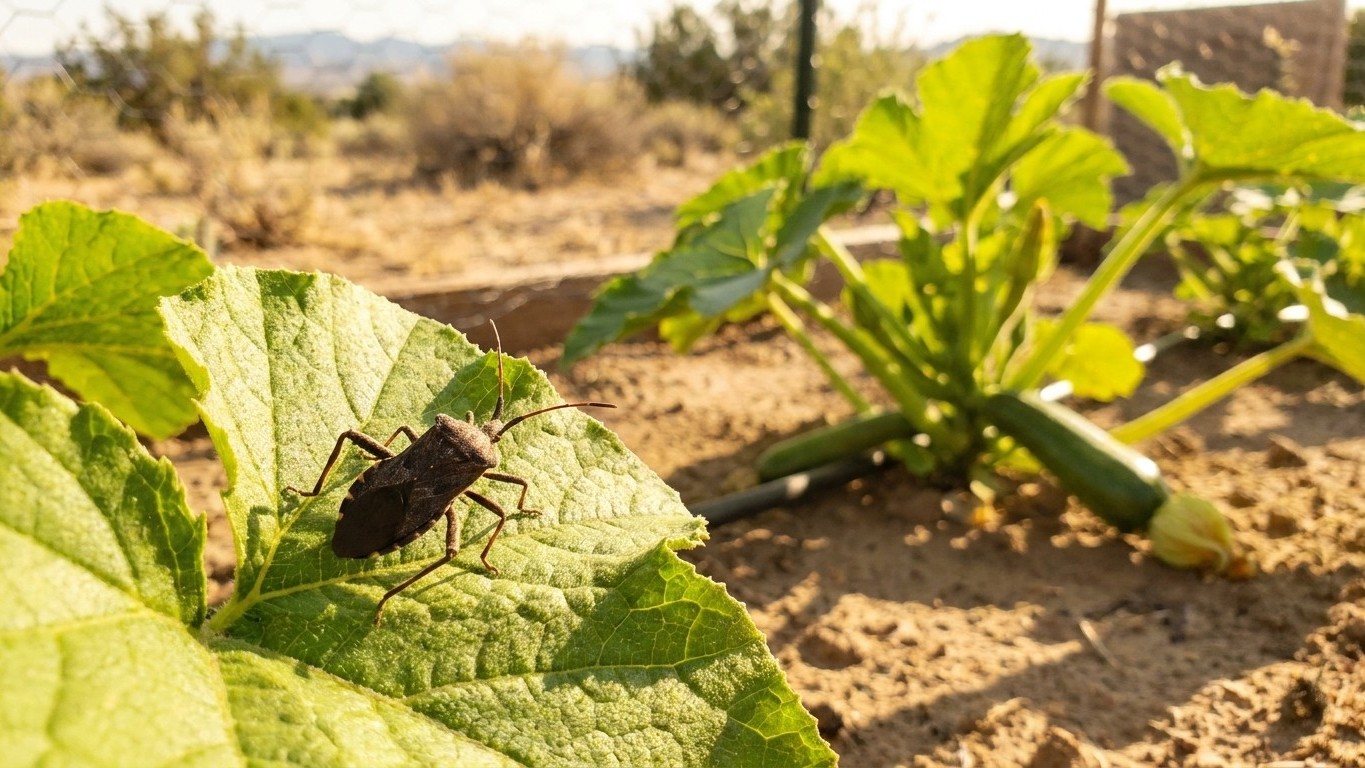

Pick summer squash small and often, every day or two once the plants start bearing. A fresh squash keeps only about a week in the refrigerator, so a heavy harvest has to be frozen, cooked down or given away. Spring-sown plants in North Carolina start producing in early summer, and the heat then pushes them hard. Timing and storage both come down to the same habit of staying ahead of the plant.
When summer squash are ready in North Carolina
Pick summer squash while the skin is still glossy and a thumbnail pierces it easily, and the fruit is no longer than your hand. For a spring sowing in the Piedmont, that usually means early to mid June, about 55 days after planting, the count Clemson Cooperative Extension gives for summer squash.
The 55 days run from sowing, because squash seed goes straight into the ground. Frost sets the starting line. At the Charlotte reference station, NOAA’s 1991-2020 normals put the 30 to 70 percent probability band for a 32F freeze between March 23 and April 5 in spring. Squash is frost-tender and sulks in cold soil, so most gardeners sow in April once that window has closed. A mid-April sowing puts the first picking in early June. A sowing at the end of April lands in the middle of June.
How do frost dates change the window across the state?
Charlotte sits in the Piedmont. The Blue Ridge to the west runs several weeks later in spring, and the coastal plain runs earlier, so the same 55-day count starts from a different calendar date. The state spans USDA zones 5b to 8b on the 2023 map, which is why a neighbor 100 miles away can be picking weeks before or after you. Go by the plant signal rather than the date.
Fall sets the other end. The same normals put the first fall freeze between October 30 and November 8. A second sowing in mid-July reaches first picking in early September, with several weeks of harvest before the plants die. Heat helps in the meantime: Charlotte averages 35 days a year at 90F or more, and fruit that is tender on Monday can be oversized by Thursday during a hot stretch.
How often should you pick?
Every day or two once fruit appears. A plant that lets one squash reach full size stops setting new ones, so the interval between pickings decides your total yield. The oversized fruit you missed under the leaves is the one slowing the plant down. Cut it off, even if it goes straight to the compost pile.
Water matters too. Charlotte averages about 12.1 inches of rain across June, July and August, with July the driest month at 3.74 inches. Much of it comes as summer thunderstorms that run off rather than soak in, and sandy soil drains within a day while clay holds water for a week. A rain gauge on your own plot tells you more than the regional normals do. Plants that swing between dry spells and soakings produce uneven fruit, so steady water keeps the harvest predictable. Squash bugs and vine borers can cut the harvest short, and What Eats Summer Squash in North Carolina, and When covers when each one shows up. For heavy producers, The Best Summer Squash to Grow in North Carolina is a good place to start.
Keeping them, and for how long
Summer squash does not store. Clemson Cooperative Extension says to keep it in a plastic bag in the refrigerator for up to 1 week. That is a maximum under good conditions, with fruit picked young and undamaged and a fridge that holds steady. A bruised squash, or one that sat in a hot car or on a warm counter first, will go sooner.
The thin skin is why. Winter squash such as butternut or acorn has a hard rind and cures for months in a cool, dry spot. Summer squash is eaten immature, so the skin is thin and the flesh is mostly water. A cellar, a cool pantry or a sunroom shelf will not stretch its life the way it would for a pumpkin. Past a week, the skin wrinkles, the flesh softens and the ends turn slimy.
Don’t wash it before bagging, since extra moisture speeds rot. Rinse it just before you cook. Cut stem ends and blemished spots are the first places to spoil, so use those squash first.
What can you do with a glut?
Move it into a form that keeps. The usual options for a bumper crop are:
- Freezing, either blanched slices or shredded squash packed in portions for baking and soups
- Cooking into soups, sauces and casseroles that freeze well
- Pickling or relishing, using a tested recipe
- Drying thin slices for chips or soup stock
Blanching times, headspace and pickling acidity all matter for safety and quality, so follow a tested method from NC State Extension or your county office rather than guessing. Giving squash to neighbors, a church kitchen or a food pantry also works, and it is a use most gardeners reach for by August. Frozen squash turns soft once thawed, so plan on it for cooked dishes and not for sauté.
If you are planning next year’s planting, Growing Summer Squash in North Carolina covers spacing and sowing in more detail. Fewer plants, picked on time, often yield more usable fruit than a crowded row you cannot keep up with.
Where in the house that actually is
The refrigerator is the only place the extension advice points to. A domestic fridge runs colder than some crops tolerate, and the coldest spots are the back wall and anywhere near the cooling vent. Squash left in those spots for days can develop pitted, watery patches on the skin. A bag in the crisper drawer, away from the back wall, is the closest match to Clemson’s one-week advice, and the plastic bag holds in moisture so the fruit does not shrivel.
A heated room fails the other way. The kitchen counter is fine for a day, since you will cook the squash soon anyway, but a squash left out all week softens and shrinks. Central heat and sunny windowsills make it worse.
The garage is the least reliable. Concrete and a closed door hold summer heat well past sunset, and in North Carolina that heat load is real, with about 35 days a year at 90F or more in Charlotte. A garage also swings with the weather in spring and fall, so a shelf there can be cold one week and hot the next. A basement is the nearest thing to a cellar, and mountain homes with one have the best odds, but it is a place for winter squash. A summer squash left there still runs out of time in about a week.
How do you check the fridge?
Before you trust a harvest to the drawer, set an appliance thermometer in it for a day and read it morning and evening. Compare it with the middle shelf. If the drawer reads colder, move the squash to a middle shelf, or bag them loosely and keep them out of direct contact with the back wall. Skipping the check can cost you a week’s harvest to pitted skin you only notice when you slice the first one.
A full crisper drawer also pushes air flow around, so a packed drawer of squash, greens and fruit can run differently than a half-empty one. Check again after the season’s first big pick, when the drawer is fullest.
Common questions
How do I know a summer squash is ready to pick?
The skin should be glossy and soft enough that a thumbnail pierces it easily. If the skin looks dull and tough, or the fruit is much larger than your hand, it has gone past its best. Large seeds and stringy flesh follow.
Can I store summer squash in a cellar like winter squash?
No. Summer squash has thin skin and holds a lot of water, so it keeps for about a week in the refrigerator, in a plastic bag, according to Clemson Cooperative Extension. A cellar will not extend that. For long keeping, freeze or preserve it.
Why did my squash plant stop making fruit?
Often because a fruit was left to mature. Once one squash reaches full size, the plant stops setting more. Pick everything small, remove oversized fruit, and the plant usually keeps going. Heat stress, uneven watering and borers can also end production.
Can I still plant summer squash in the fall?
By mid-October, no. The first fall freeze comes between October 30 and November 8 at the Charlotte reference station, and squash needs about 55 days from sowing to first fruit. A fall crop has to go in by mid-July, so that is something to plan for next summer.