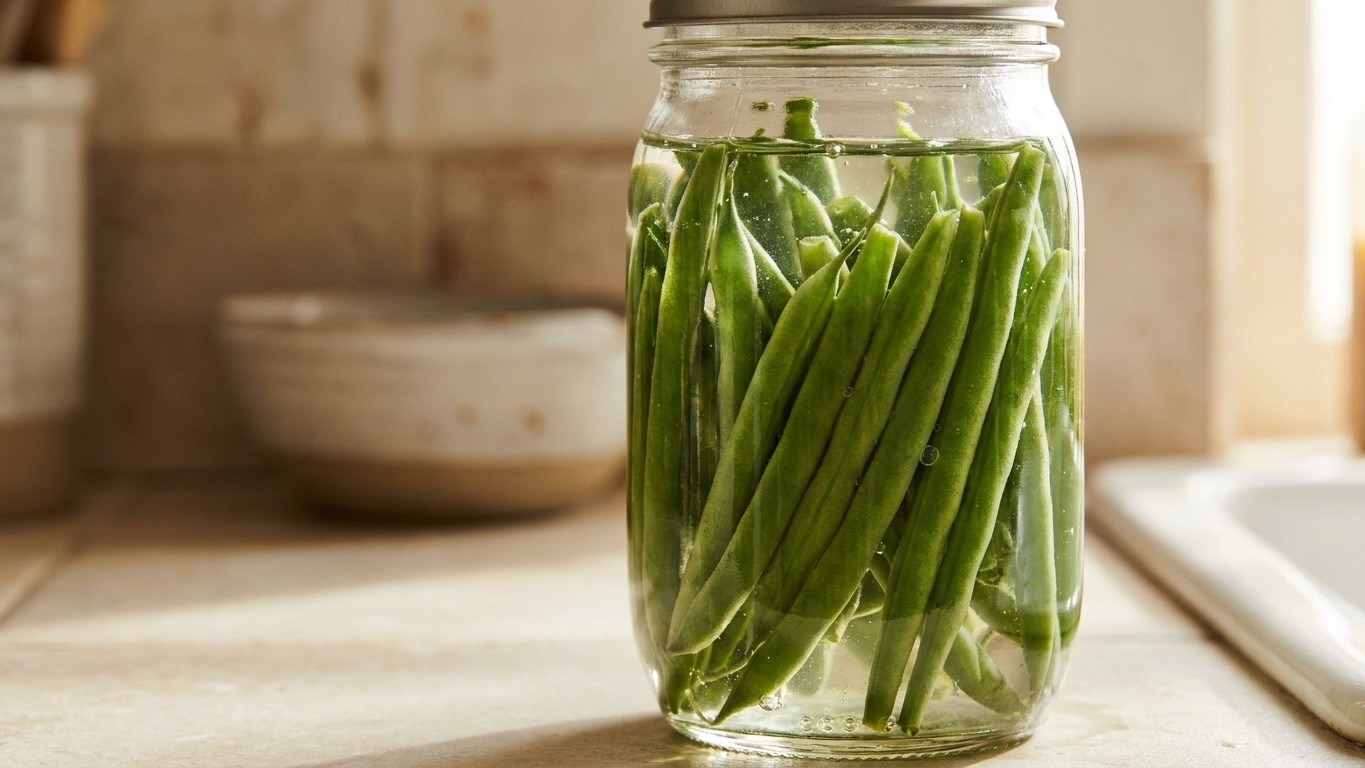

Asian greens grow well around Anchorage when sowing dates follow the soil rather than the calendar. Sow once the ground has thawed and drained after the last spring freeze, which falls between May 3 and May 12 at the Anchorage reference station. Sow again in summer for a fall crop. Quick, cool-tolerant types such as bok choy, tatsoi and mizuna fit the short season best. The first fall freeze, between September 22 and October 1, sets the finish line.
When the soil is warm enough in Alaska
The date question starts in early May. At the Anchorage station (USW00026451), NOAA’s 1991-2020 Climate Normals put the last spring freeze at 32 F between May 3 and May 12, using the 30-70% probability band. Those dates summarize thirty years of odds, so a freeze after May 12 can still happen in any given spring, and a cover cloth on hand is cheap insurance.
Gardeners tend to treat that date as the green light. For Asian greens, it only tells you the air has stopped dropping to freezing. The seed cares about the ground, and the ground warms after the frost risk ends. In a cold, saturated bed, mustard-family seed sits for weeks, germinates unevenly, and some of it rots before it ever emerges. Seed sown into soil that has lost its winter chill comes up together and grows fast from the start.
Timing matters for a second reason. Sown in spring, most Asian greens meet days that are getting longer. Long summer daylight is one of the things that pushes bok choy, mizuna and their relatives to bolt, and Anchorage has a great deal of it. A spring sowing here is best treated as a quick crop for baby leaves and small heads. It is not a plan for big, slow-maturing plants.
How do you tell the soil is warm enough?
Start with the feel of the bed. The top several inches should be fully thawed, drained, and crumbly when squeezed. If a handful smears or drips, the bed is too wet to sow. A soil thermometer pushed in about two inches deep, read in the morning when the ground is at its coolest, gives a better answer than the air temperature. Compare it against the minimum listed on the seed packet.
Raised beds drain and warm sooner than flat ground, and clear plastic or a layer of row cover laid over the bed for several days beforehand speeds things along. The same row cover, once the seed is in, keeps flea beetles off the first leaves. Local timing and trial results for each type are tracked by the University of Alaska Fairbanks Cooperative Extension Service, which is the right place to confirm dates for a specific yard, since conditions shift a lot between the Anchorage bowl, the Mat-Su Valley and the Kenai Peninsula.
How long the season lasts here
The reference station has about 143 frost-free days between the mean last spring frost (May 3 to May 12) and the mean first fall frost (September 22 to October 1). That is one of the longer growing windows in the state. Anchorage is among the mildest inhabited parts of Alaska, and the Interior and the north are far shorter. Long summer daylight makes up for part of the shortfall, because plants keep photosynthesizing late into the evening.
What that window allows is more useful than the number. Asian greens are fast crops, and 143 days leaves room for two plantings in the same bed: one in spring and a second after the long days begin to shorten. The second planting is often the better one. It grows into cooling weather, so bolting is less of a risk, and it can finish after the first light frost, which these greens tolerate far better than tomatoes or beans do. The sowing sequence is laid out in the succession sowing guide on this site.
Is a second sowing worth it around Anchorage?
Yes, and the sowing can run well past midsummer. The calculation works backward from the first fall frost window. Count the weeks the chosen type needs to reach a usable size, add a margin because growth slows as light and warmth fade in the fall, and sow by then. Baby-leaf sizes tolerate the latest sowings. Full-size heads, such as napa cabbage, need the most room on the calendar and carry the most risk.
Is transplanting worth the root check?
For leafy types, direct sowing usually wins. Disturbed or crowded roots are a common trigger for bolting, so a seedling that sat too long in a small cell can flower almost as soon as it is planted. Before setting out any transplant, slide it from the cell and look at the roots. White roots filling the soil in a loose network are fine. A tight, circling mass means the plant has been held back and is likely to bolt. In a shorter season, the head start from transplants matters most for heading types. Farther north, where the window shrinks, the first sowing becomes the only one, and the Interior calls for different planning. The Growing Asian Greens in Yukon page shows how a northern gardener handles it.
Heat and water in Alaska
Heat is not the limiting factor around Anchorage. Summers run cool, and the hot afternoons that make bok choy bolt and turn mustard bitter in the Lower 48 are not what a local gardener plans around. Bolting here comes mainly from long days, root disturbance, or a cold snap early in a plant’s life. Shade cloth, a worry in hot-summer climates, is not a priority.
Because these greens belong to the second half of the year, two cold facts matter more. The first is the first fall frost, September 22 to October 1 at the reference station, which sets how late a sowing can still finish. The second is the winter low. The mean daily minimum of the coldest month at Anchorage is 11.0 F, and that figure decides how far past fall any of these crops can go. At that temperature the ground freezes and a plant tissue that is mostly water does not survive outdoors. Even the hardiest types, such as tatsoi and mizuna, stand through a few light frosts and sometimes a hard freeze under a low tunnel or row cover. A cover buys extra weeks of fall harvest, and none of these greens winter over outdoors here.
A note on hardiness zones: the USDA Plant Hardiness Zone Map (2023 edition) spans zones 1a to 8a across the whole territory. It is built on one variable, the average annual extreme minimum temperature, so the range says little about a given yard. For planning, use the figures from a nearby station and ask the extension office about your valley.
What does a cool, damp summer do to Asian greens?
Slow growth and disease. When leaves stay wet for long stretches, downy mildew and other leaf spots follow, and slugs feed on the soft, crowded leaves of bok choy and similar types. Cool soil slows ripening and delays the harvest, which pushes the crop closer to the first fall freeze. Water at the base of the plants in the morning, space them so air moves through, and clear plant debris at the end of the season. In a dry spell, these shallow-rooted plants need steady moisture, and a mulch of straw or grass clippings helps hold it.
All of these greens are brassicas, and so are turnips and rutabagas. They share their pests and diseases with cabbage, kale and mustard, so rotating them into a bed that held any of those has not rotated anything. Follow the crop rotation guide and keep at least a few seasons between brassica plantings in the same spot. Gardeners in other cool, damp climates deal with similar disease pressure, as in Growing Asian Greens in Newfoundland and Labrador.
Which Asian greens suit Alaska
Choose by type, and let the season set the criteria. A short season favors the quickest types. Cool, damp weather makes disease resistance the first thing to look for on a seed packet. Heat is a minor worry, so the choice rarely turns on heat tolerance. The overview of the whole family is in Growing Asian Greens: Fast, Cold-Hardy, and Prone to Bolting.
Which types fit a short, cool season?
| Type | Pace | Fit for a short, cool season |
|---|---|---|
| Tatsoi | Quick | Low rosette, tolerates frost, good for fall |
| Mizuna | Quick | Cut-and-come-again leaves, cold-tolerant |
| Baby bok choy (pak choi) | Quick | Small heads finish early; sensitive to bolting in spring |
| Komatsuna | Quick to moderate | Sturdy leaves, handles cool weather |
| Napa cabbage | Slow | Needs the most calendar room; the riskiest choice |
The table covers general behavior of each type. It does not replace local trial results. Within each type, varieties differ in bolting resistance, disease resistance and speed, and the differences are large enough to decide whether a bed succeeds. I am not naming a variety here because the only recommendation worth following is one trialled in Alaska conditions, and a name borrowed from another region can fail in an Anchorage bed.
The place to get that list is the University of Alaska Fairbanks Cooperative Extension Service. Its publications and local offices know which varieties have been grown in the Anchorage area, the Mat-Su Valley and the Interior. In the meantime, read seed descriptions for words like “bolt-resistant,” “cold-tolerant,” and mildew resistance, and favor the types that finish earliest.
Common questions
When do you plant Asian greens in Anchorage?
Sow outdoors in spring once the soil has thawed, drained and crumbles in the hand, which comes after the last freeze window of May 3 to May 12. A second sowing in midsummer finishes in cooling weather and often does better than the first. Both dates describe odds, so keep a cover handy.
Can Asian greens survive an Alaska winter outdoors?
No. The mean daily minimum of the coldest month at Anchorage is 11.0 F, and the ground freezes. Tatsoi and mizuna take light frosts and may last into late fall under a low tunnel or row cover, but they do not winter over. Plan to harvest them before or soon after the first hard freeze.
Why do my Asian greens bolt in spring?
Days lengthen quickly from spring into summer, and long daylight is a main trigger. Root disturbance and a cold snap soon after sowing add to it. Sow quick baby-leaf types, avoid leaving transplants in cells too long, and move the main crop to the late-summer sowing.
Do the same dates apply in Fairbanks or farther north?
No. The dates here come from the Anchorage station, and the Interior and the north have much shorter seasons. A gardener there has less time for a second sowing and should check with the local extension office before relying on any date from this article.