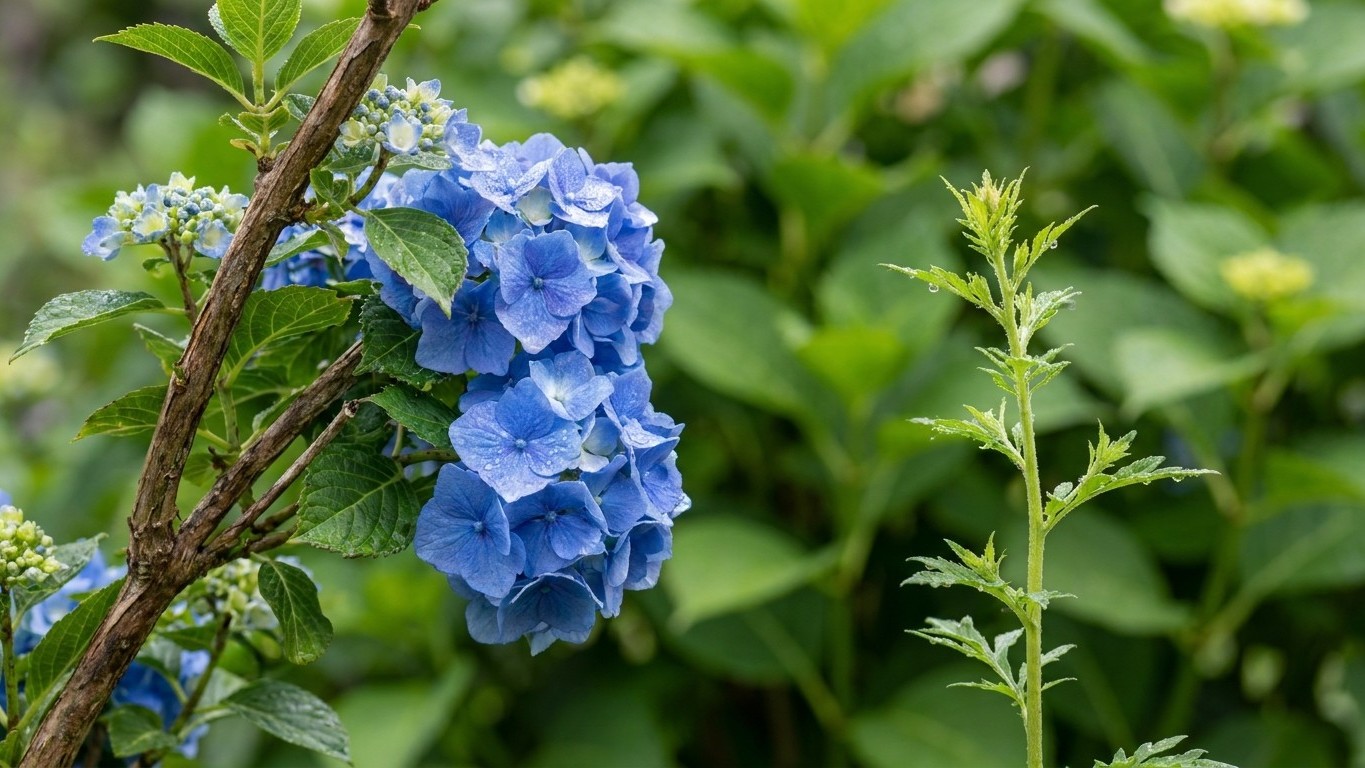

Panicle and smooth hydrangeas come through a Rhode Island winter with almost no fuss, and they bloom every year because they flower on new wood. Oakleaf hydrangeas are nearly as dependable. Bigleaf types survive too, but they often lose the flower buds set the previous summer, so the shrub lives while the blooms don’t. The right choice depends mostly on where your garden sits between the coast and the northwestern hills.
What this comes down to in Rhode Island

The weather station at Providence’s airport records a last spring frost between April 7 and April 17 and a first fall frost between October 24 and November 3, per NOAA NCEI climate normals. That leaves plenty of growing season for any hydrangea below to leaf out, bloom and harden off. Winter is the real test, and the USDA Plant Hardiness Zone Map, which rates zones by the average annual extreme minimum temperature, puts the state at 6b to 7b.
Every cultivar below tolerates those minimums. What separates them is the flower bud. Panicle and smooth hydrangeas build buds on stems grown the same spring, so winter has nothing to kill. Oakleaf and bigleaf types set buds the summer before and carry them through the cold, and a bitter January or a warm spell followed by a hard freeze can wipe them out while the stems stay alive. The cultivars run here from the shortest season needed to the longest.
Quick Fire
A panicle hydrangea hardy in zones 3 to 8. Its white flowers open earlier than most panicles and age to pink and red. It blooms on new wood, so winter dieback only delays flowering. This is a safe pick for a cold inland yard.
Annabelle
A smooth hydrangea rated for zones 3 to 9, with big white round blooms on new wood. Hard winters often cut it to the ground, and it still flowers in summer. The stems flop under heavy rain.
Incrediball
Another smooth hydrangea, hardy in zones 3 to 8, with white blooms on new wood. It was bred for sturdier stems than Annabelle, so it stands up better after a storm. It makes the same reliable bloom after a rough winter.
Limelight
A panicle hydrangea hardy in zones 3 to 8. Its blooms open lime green, turn white, then blush pink as fall cools, all on new wood. It handles coastal wind well and flowers from midsummer into autumn.
Snow Queen
An oakleaf hydrangea rated for zones 5 to 9, with white cone-shaped clusters in early summer. It blooms on old wood, but its buds hold up better than bigleaf buds. The leaves turn burgundy in fall, and the shrub wants shelter from the harshest wind.
Endless Summer
A bigleaf hydrangea hardy in zones 4 to 9, with blue or pink flowers depending on soil acidity. It blooms on both old and new wood, so a winter that kills the buds does not cancel the year. It needs the most warm weeks of any plant on this list.
Working it out for your own garden
How do you work out a planting window from the frost window?
Start with the spring range. Frost risk at the reference station ends between April 7 and April 17, and the ground needs a few more weeks to warm, so planting runs from late April through May. For fall, count back from the first frost. Hydrangeas want a stretch of mild weather to root before the ground chills. Gardens that get frost one to two weeks earlier than the airport should finish planting in early September.
Will a given cultivar bloom before the first fall frost?
Take Limelight planted in early May. It usually opens in midsummer, well after planting. The first fall frost is still well away, so the plant has a long cushion, and it will flower and then keep flowering into autumn. Quick Fire passes the same test with more room to spare.
Now try Endless Summer. Its second flush grows on stems made after the first bloom fades, and those stems need weeks of warm weather. In a garden where fall frost arrives one to two weeks ahead of the airport, that late flush may get only a few open flowers. Plant it in September and it spends the whole fall rooting, so expect little or no bloom until the next year.
How can you tell winter damage from other problems?
Scratch a stem with a fingernail. Green underneath means it is alive, and brown and dry means it is dead. Wait until the shrub should be leafing out before cutting anything. Stems that stay bare while others leaf out are dead. Blackened, limp new leaves right after a late freeze are frost injury, and the plant normally grows replacements. Spotted leaves in summer with brown or purple edges point to a leaf disease, which has nothing to do with winter.
What changes across the state
Narragansett Bay and the Atlantic soften winter along the south coast and on the islands. Newport, Block Island and the shoreline run toward the warmer end of the 6b to 7b range, with later fall frost and milder lows. Bigleaf hydrangeas are common in seaside gardens for that reason. Coastal sites have their own hazard, which is winter wind that dries stems and buds. A fence or a building on the windward side protects them.
Move inland and north and the numbers shift. The northwestern hills, around towns such as Burrillville, Foster and Scituate, sit higher and run colder, toward the 6b end. Cold air drains into hollows there and pools on still nights, so a garden at the bottom of a slope can freeze when the top stays clear. The airport figures come from the lowlands near the bay. Suburban and rural gardens typically see the last spring frost one to two weeks later and the first fall frost one to two weeks earlier, and more than that at elevation.
Towns and cities change things on a smaller scale. Paved areas in Providence hold heat, so a yard near buildings may stay milder than open farmland a few miles away. A south-facing wall can also warm a spot. For a cold inland garden, panicle and smooth hydrangeas are the dependable choice. Near the coast you can try bigleaf and oakleaf types with better odds.
The mistakes this state punishes

Rhode Island springs swing hard. A run of warm days in March or early April tempts gardeners to plant and wakes old-wood hydrangeas early, and a freeze can follow within days. Soil warms in the afternoon and chills again overnight, so roots set in too early sit in cold ground. Wait until the last frost range has passed and the soil holds its warmth through the night.
Pruning old-wood types is another costly habit. Cutting oakleaf or bigleaf stems in fall or early spring removes the buds that would have opened that summer. Prune them right after they bloom, and leave dead-looking stems alone until leaves show. Panicle and smooth types bloom on new wood, so they take a hard spring cut without losing flowers.
Late feeding hurts too. Fertilizer in late summer pushes soft new growth that frost catches before it hardens. Stop feeding by midsummer. Pulling winter mulch or burlap too early invites the same trouble, so keep protection on until the frost range has passed. Finally, avoid a long-season bigleaf in an exposed inland spot and then wait for flowers. A hardier panicle will give you a better summer there.
Checking this against your county
The airport numbers are a starting point for your garden. Your county’s frost dates, soil and elevation set the real window. University of Rhode Island Cooperative Extension can tell you what holds in your town and answer questions about local conditions. For the rest of the basics, including site, soil and care, see our guide to growing hydrangeas in Rhode Island.
Common questions
Which hydrangea is hardiest for Rhode Island?
Smooth types such as Annabelle and Incrediball, and panicle types such as Limelight and Quick Fire, are the hardiest. All are rated to zone 3 and bloom on new wood, so even a brutal winter is unlikely to cost you the flowers.
Will bigleaf hydrangeas survive a Rhode Island winter?
The plants do, and the roots almost always do. Flower buds on old wood are the weak point, particularly inland and in exposed spots. Reblooming types such as Endless Summer give you a second chance on new growth.
Do hydrangeas need winter protection here?
Established panicle and smooth types need none. Bigleaf and oakleaf types benefit from a layer of mulch over the roots and a windbreak, especially in the northwestern hills and on exposed coastal sites.
Why did my hydrangea leaf out but not bloom?
Old-wood types usually lose their buds to a cold snap or to pruning at the wrong time. Check for live green wood by scratching a stem, then prune only after bloom the following year.