Forcing Spring Bulbs Indoors in Alaska
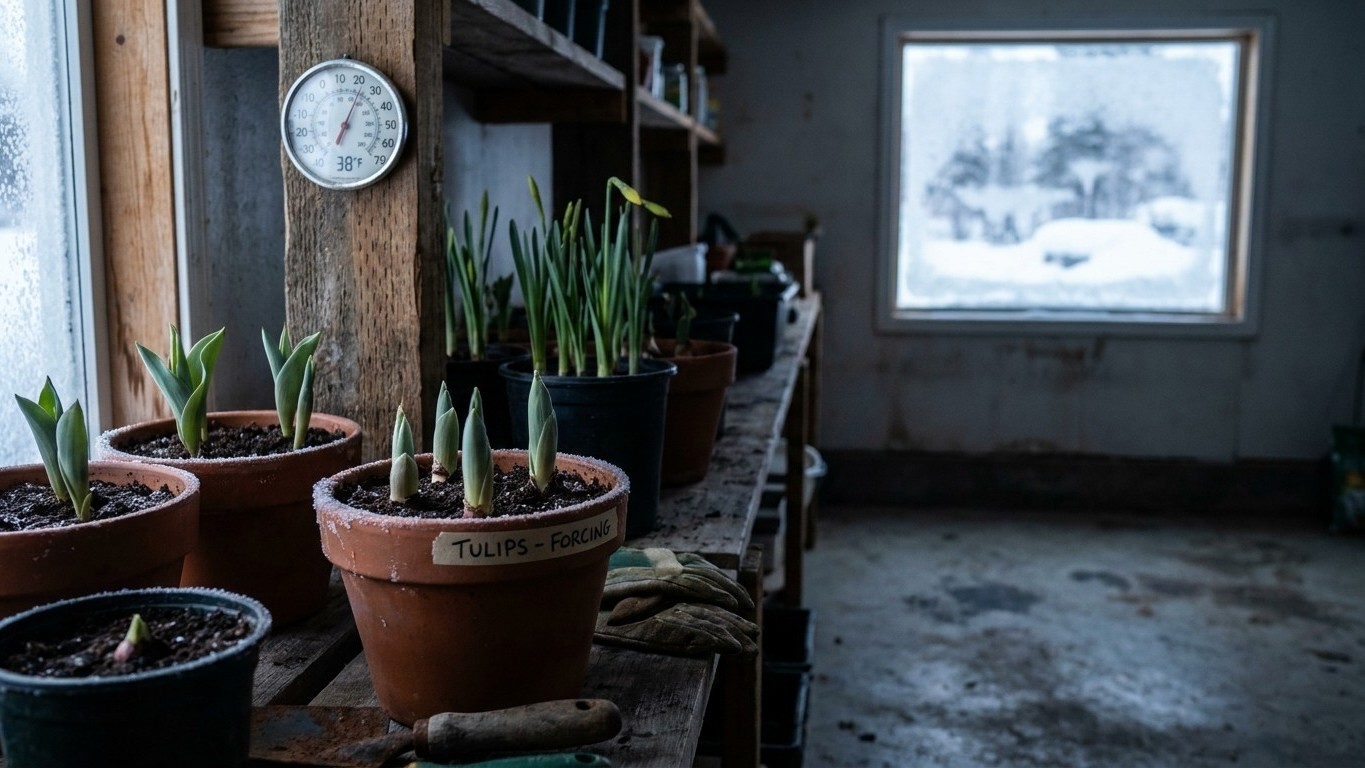
An unheated garage that holds steady in the high 30s does more for a bulb here than any greenhouse.
Home & garden, state by state
Everything we have worked out for Alaska: what to plant and when, which varieties finish in time, the pests that actually turn up here, and the jobs that pay off month by month. We also cover the rest of the property, from lawns and soil to home care and energy, because a garden rarely stops at the vegetable bed.
The numbers first, because everything else follows from them. Measured at the weather station in Anchorage, the last spring freeze runs May 3 to May 12 and the first fall freeze runs September 22 to October 1, USDA zones 1a-8a, 917 growing degree days in the year.
That is little accumulated warmth: tomatoes need a tunnel or a greenhouse here, whatever the frost dates suggest. Garlic does well: 34.8 weeks below 40 °F, comfortably past the six it needs to form a proper head.
Elsewhere on the property in Alaska: the pests that turn up here.
Figures from NOAA's 1991-2020 climate normals. A state is not one climate: elevation, a large lake or the coast can move these dates by two weeks either way, so check your own county with the extension service before you spend money.
An unheated garage that holds steady in the high 30s does more for a bulb here than any greenhouse.
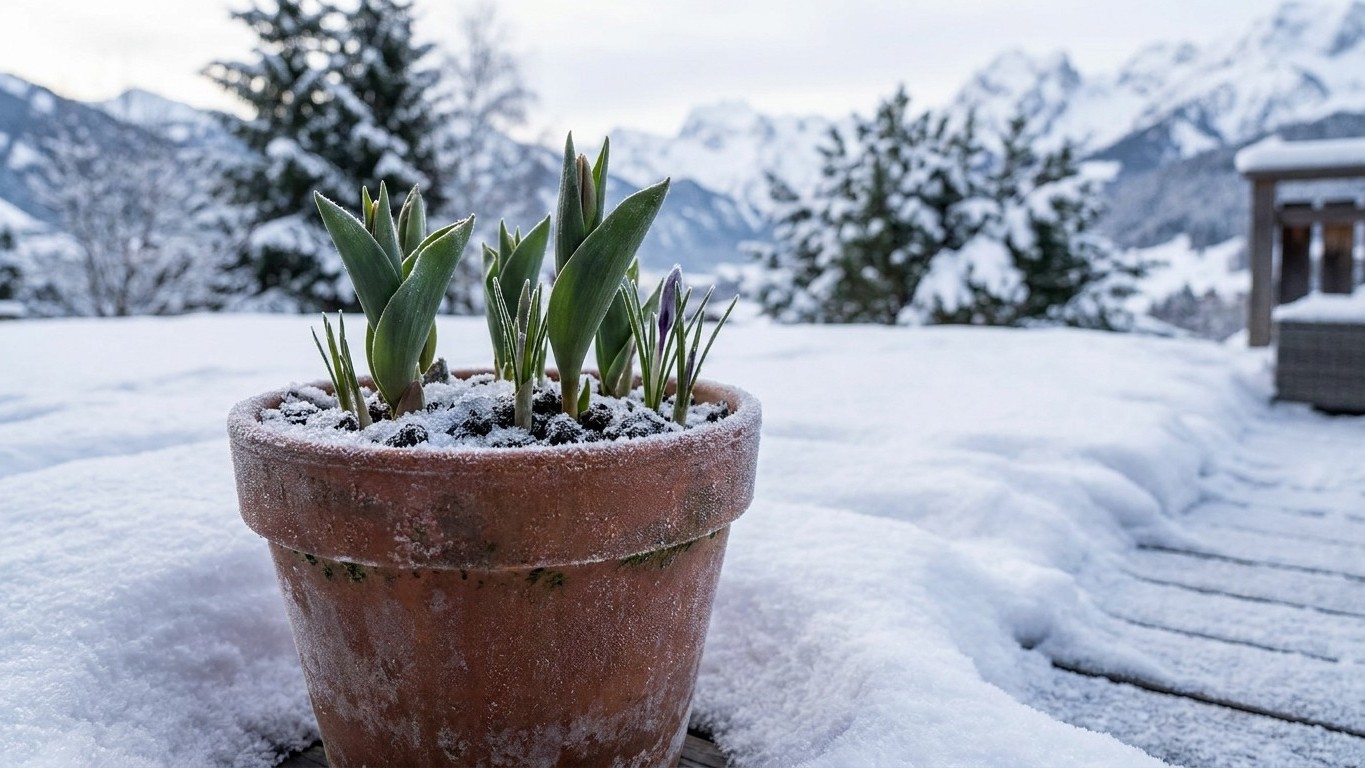
Alaska’s cold season doesn’t lack chill, it has more of it than almost any bulb needs.
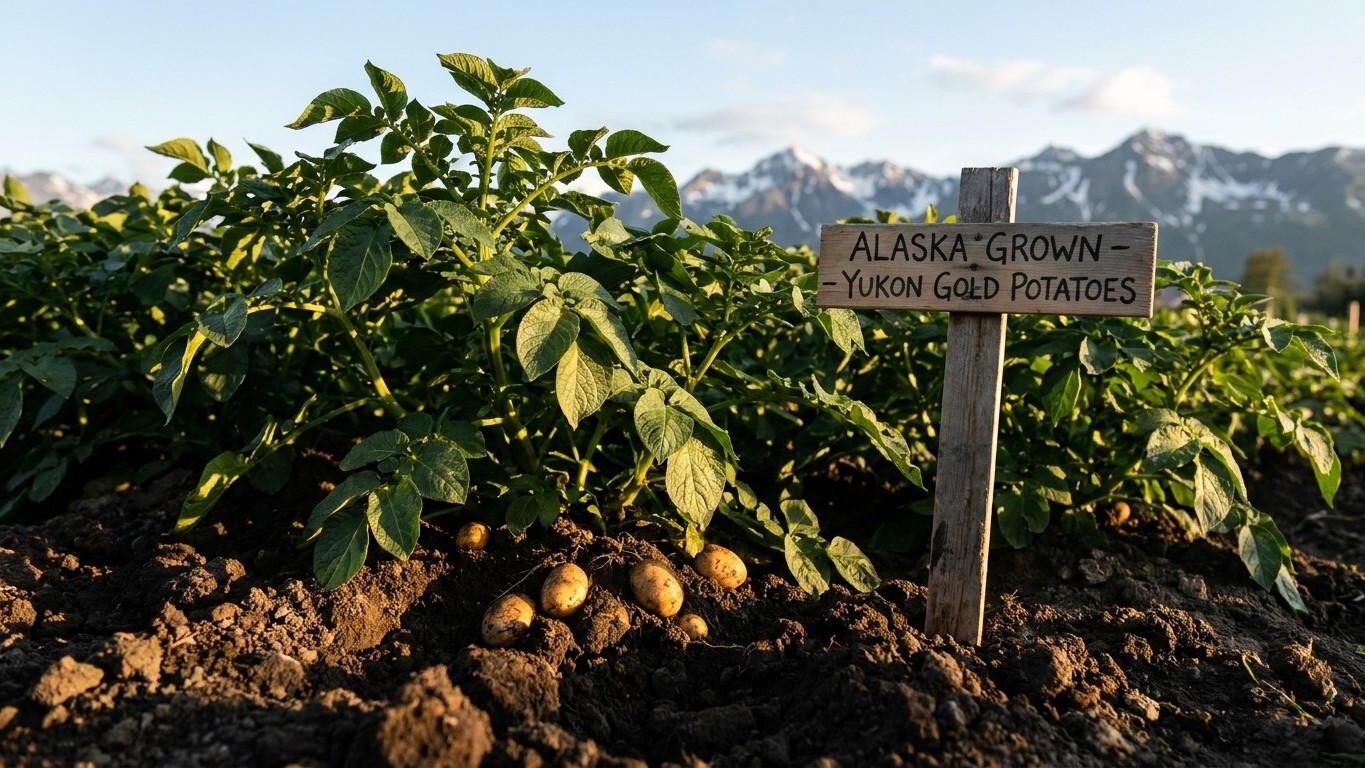
In Anchorage, the reference city for this state’s climate data, summer never gets hot enough to hurt a potato crop.
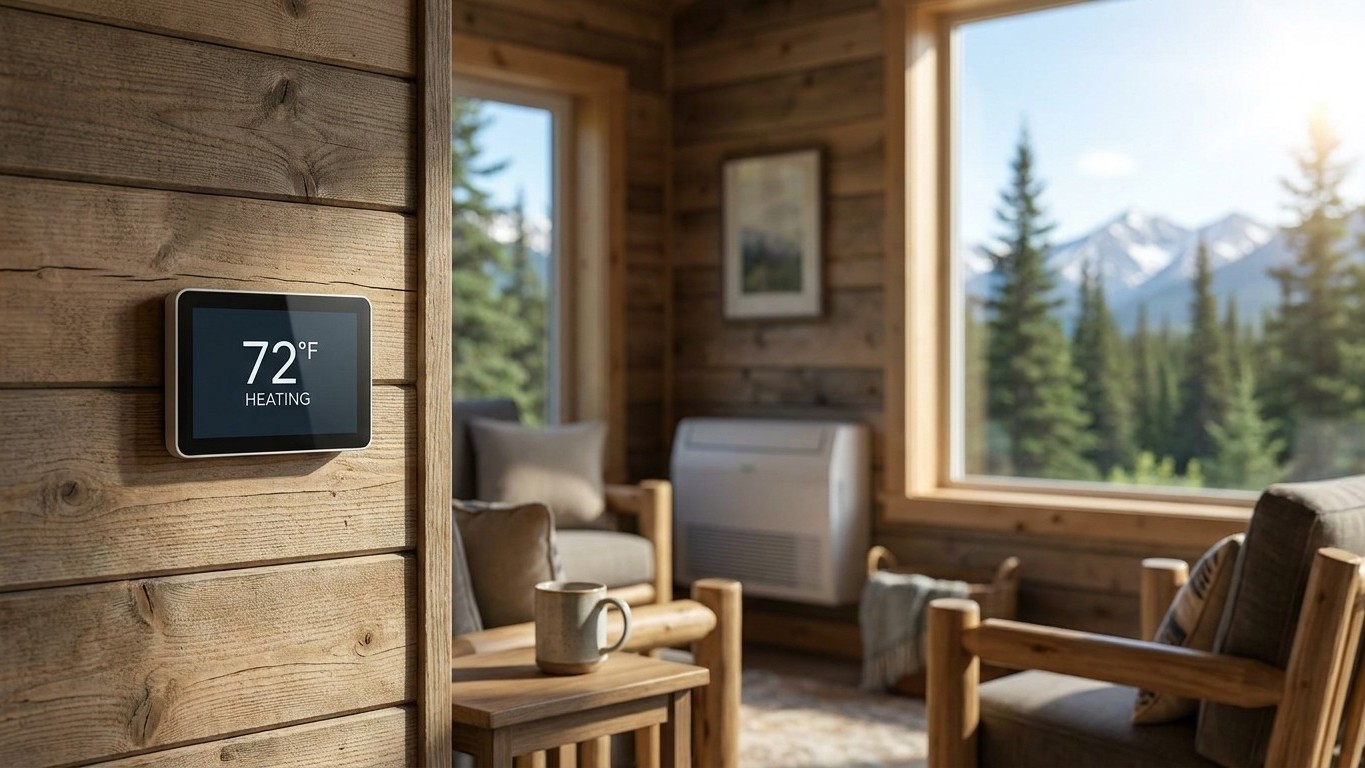
The heating season in Alaska doesn’t really have a start. At the Anchorage weather station, the 30-year average temperature never climbs above the 65°F…
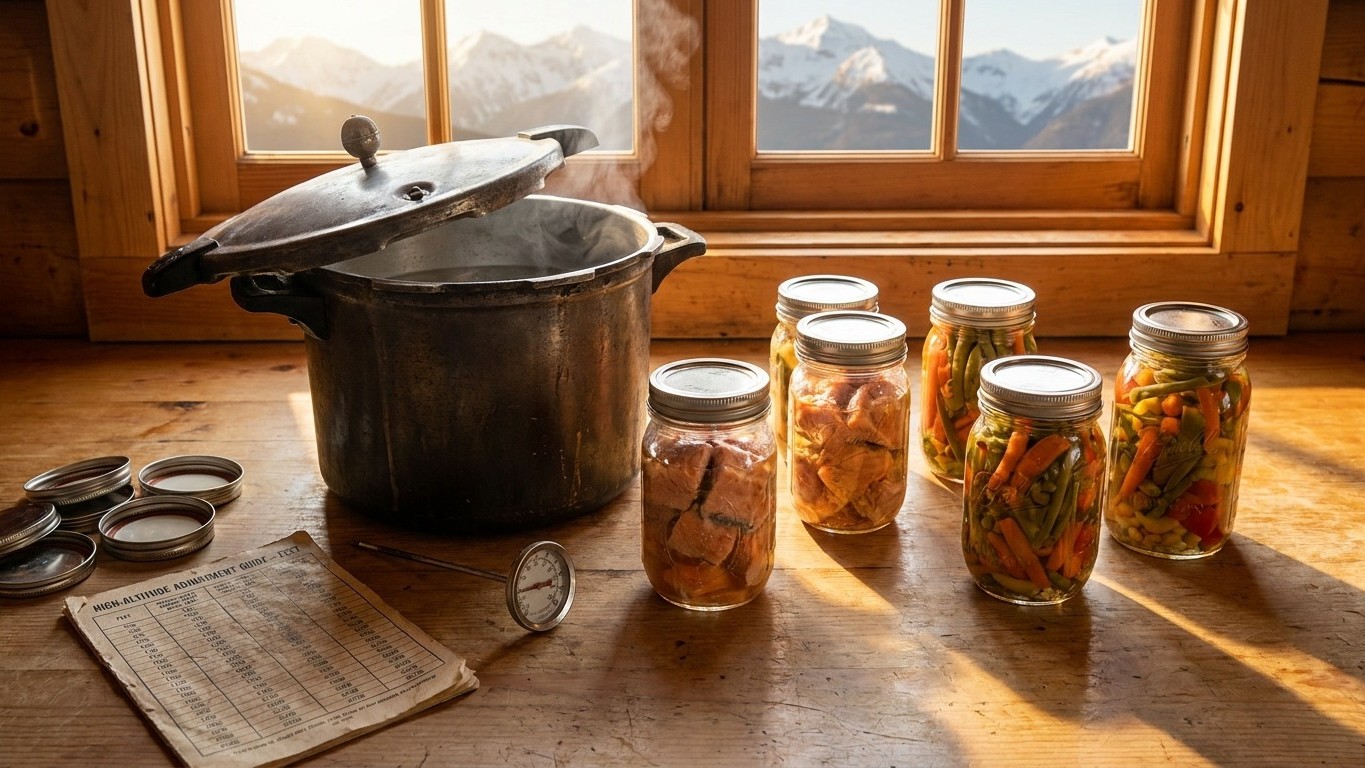
Anchorage sits at 102 feet above sea level, and water there boils somewhere between 208°F and 212°F.
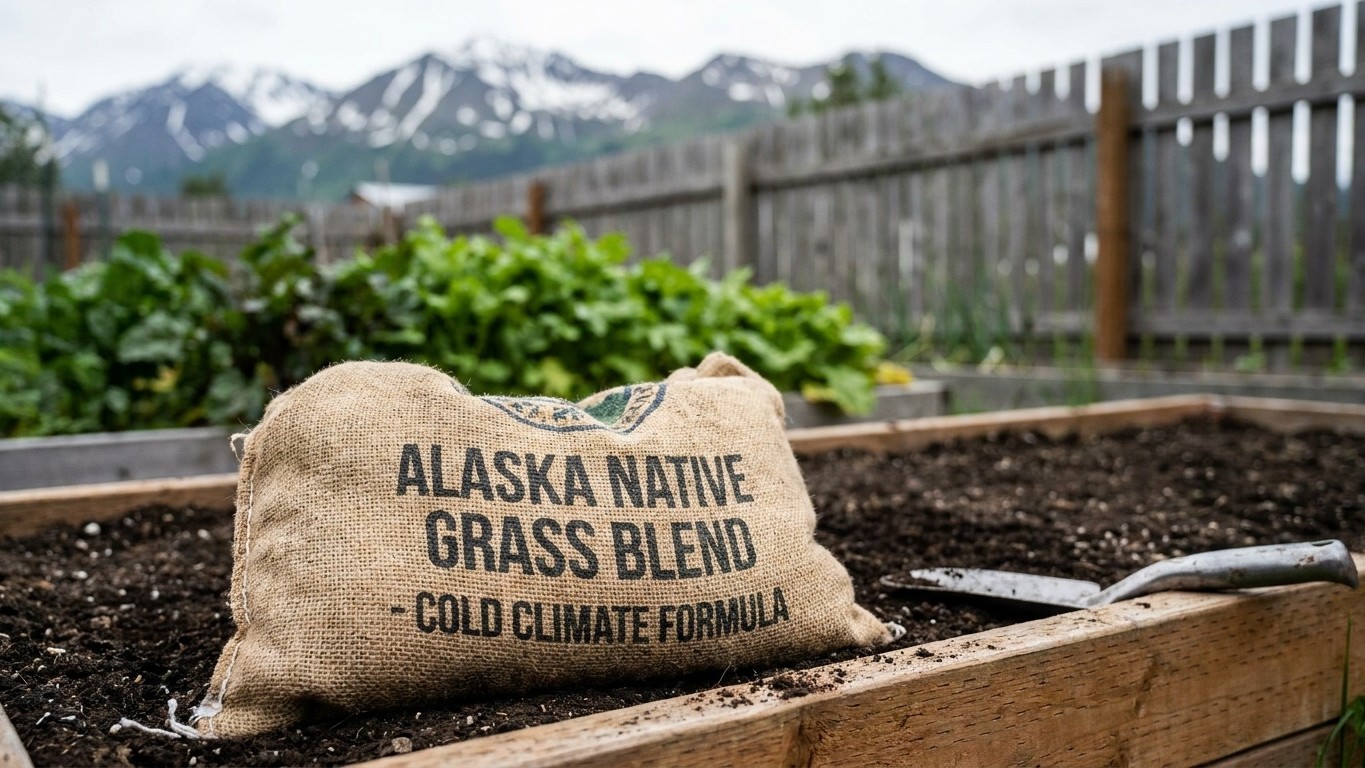
Fine fescue, perennial ryegrass and Kentucky bluegrass all grow in Alaska, but each trades speed, density or drought tolerance for something else.
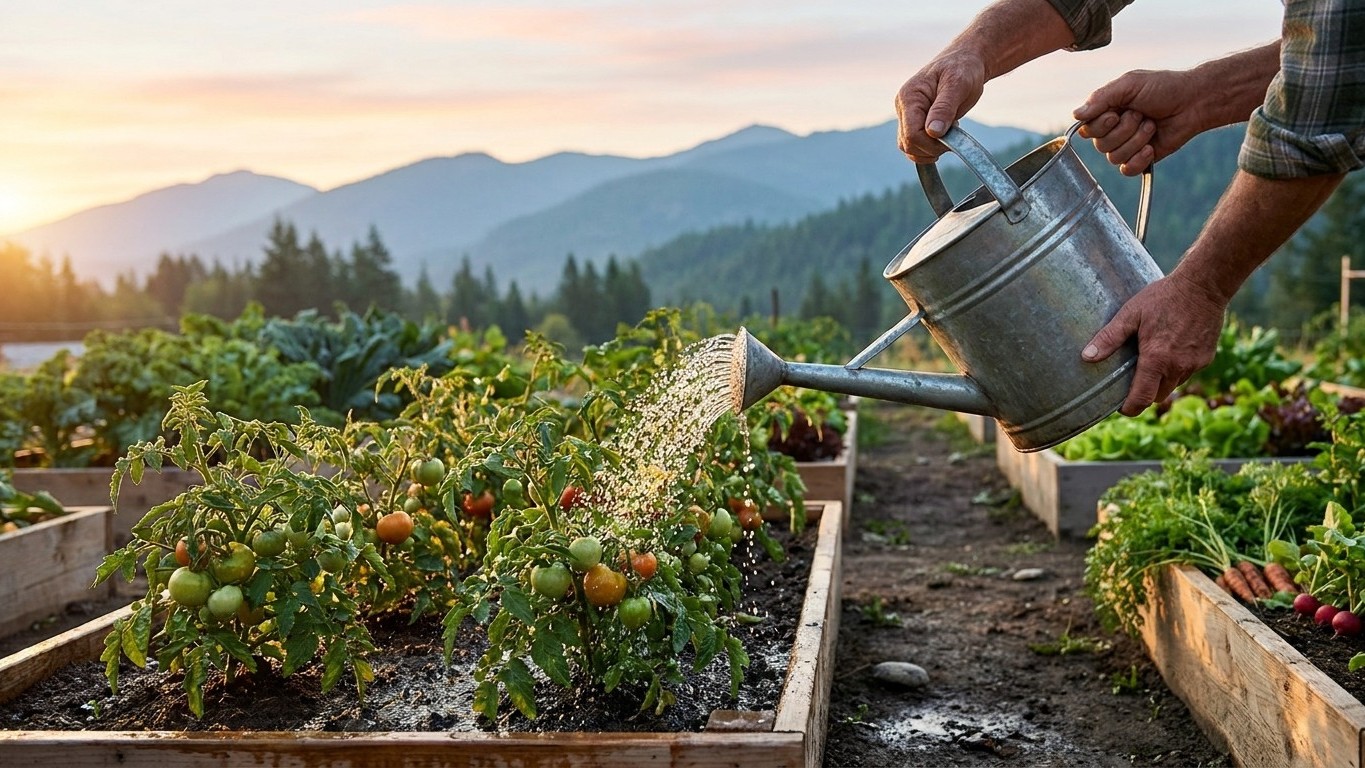
Alaska’s watering math looks nothing like the Lower 48’s. With zero days a year hitting 90F and a frost-free season that barely tops four months in even…
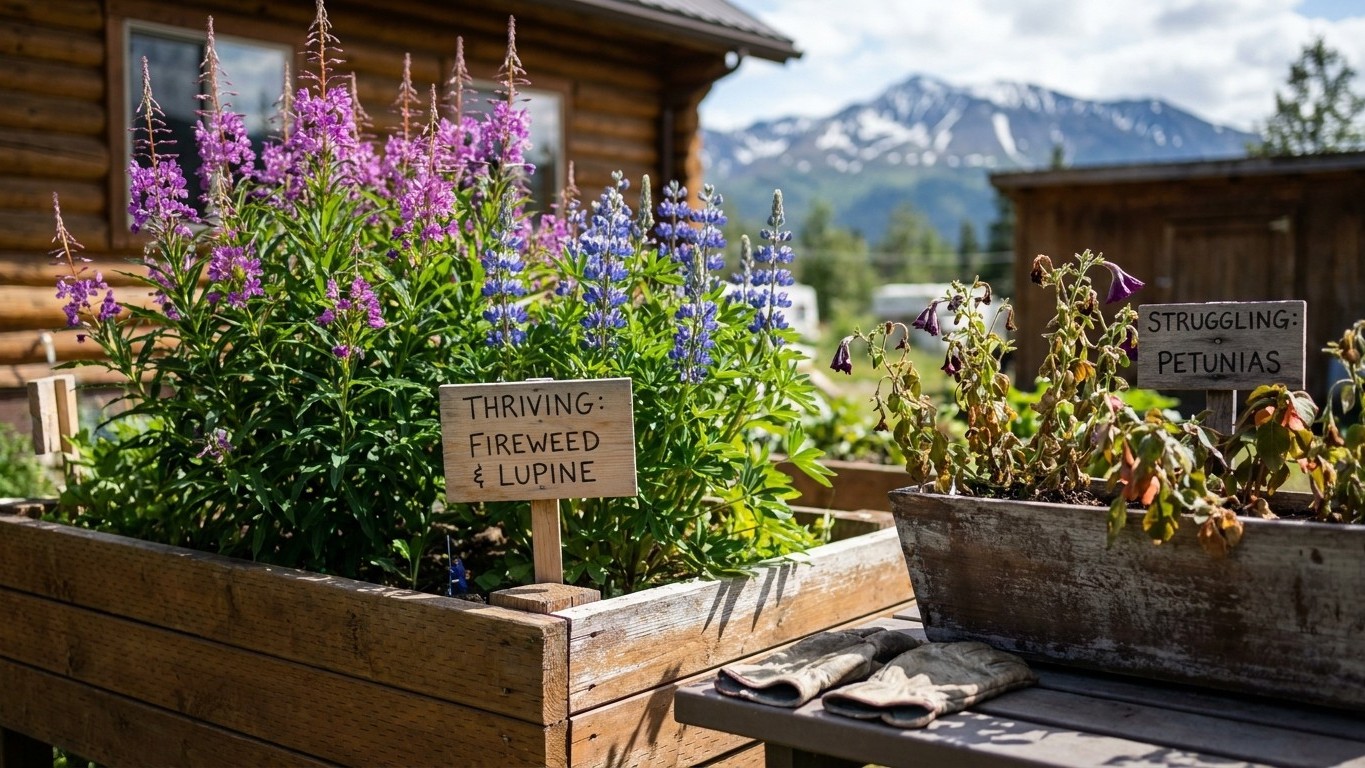
Alaska’s short summers and cold winters favor frost-tolerant flowers like pansies, poppies and lupine, while heat-loving annuals common elsewhere rarely succeed here.
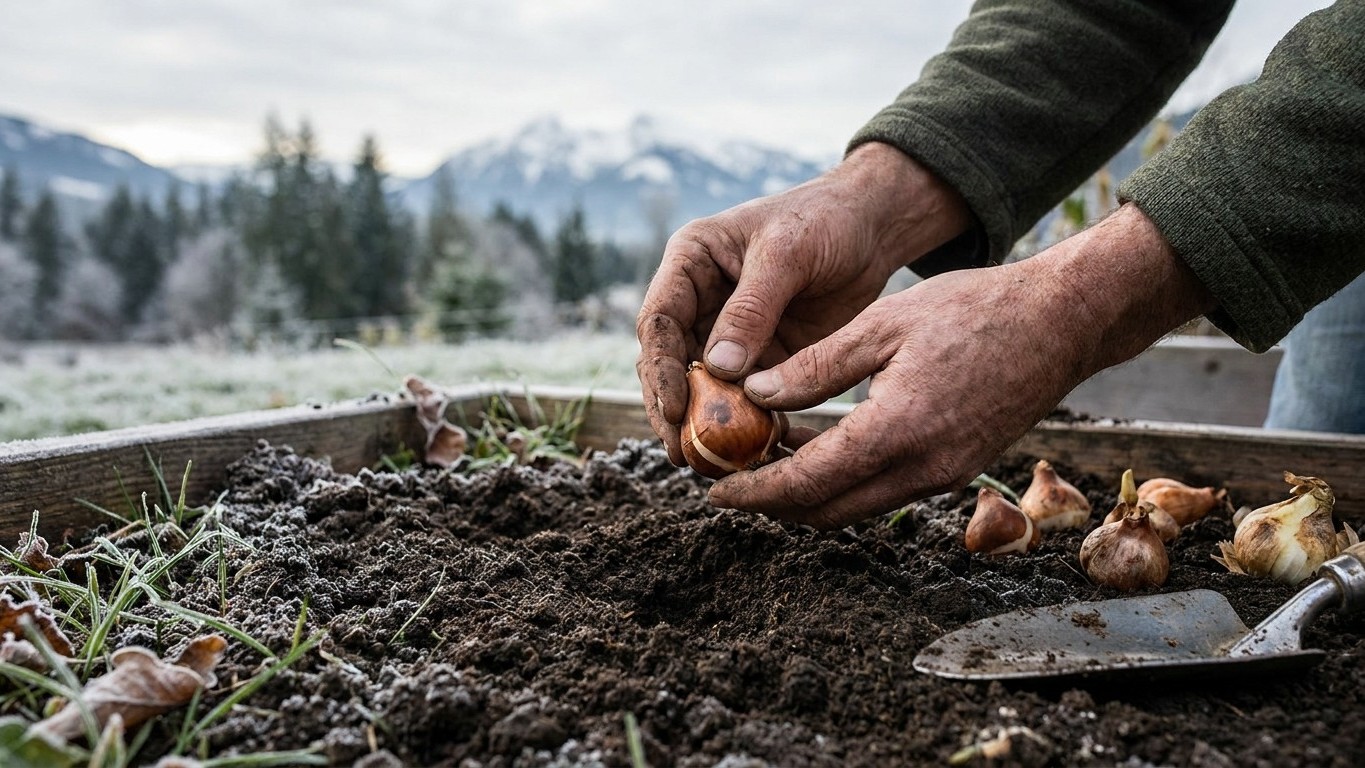
Alaska’s coldest winters check every box a tulip or daffodil bulb could ask for; the timing of your planting, not the temperature, is what trips people up.
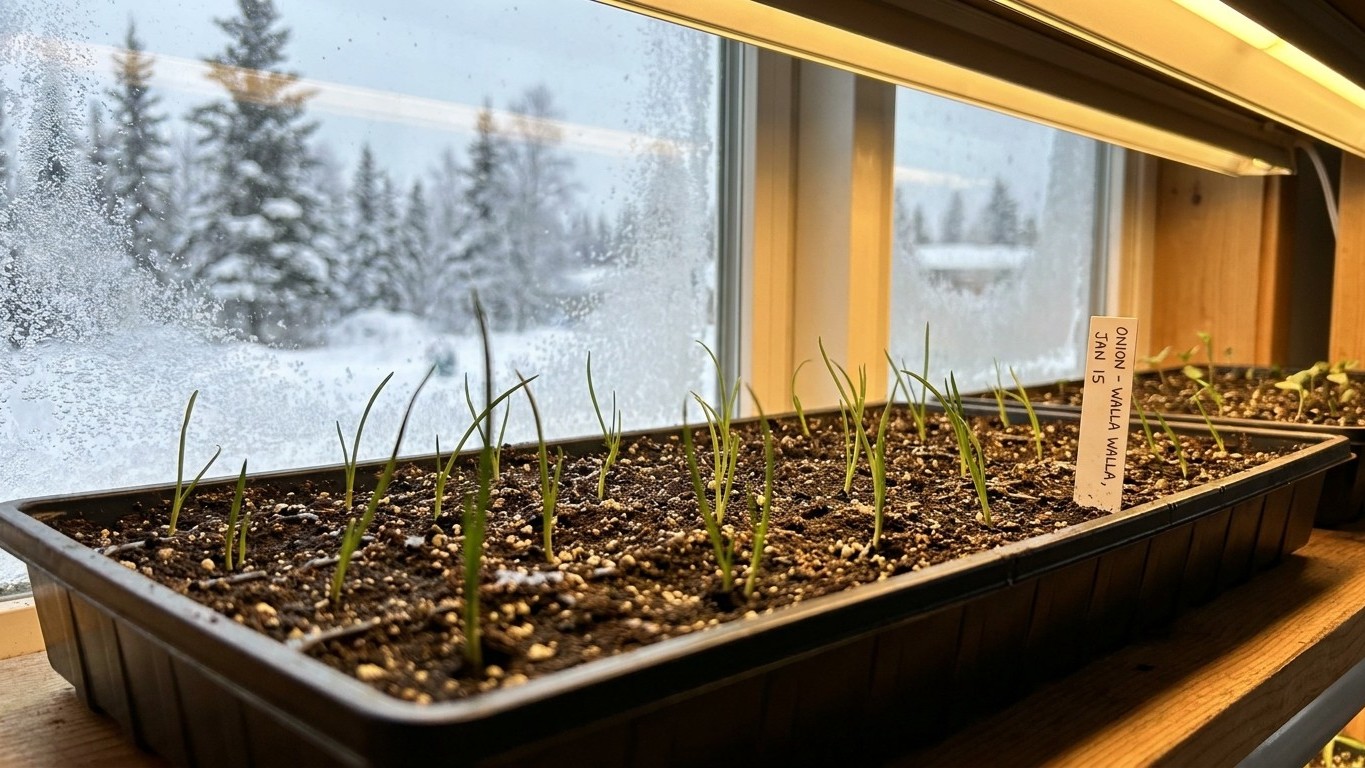
At 61.17 degrees north, the reference latitude for this territory, the answer is straightforward: sow onion seeds indoors in February, transplant them…