The Best Onion Varieties for Alaska
Anchorage sits at 61.17 degrees north, and on the longest day of the year the sun gives the city 18 hours and 56 minutes of daylight.
Home & garden, state by state
Everything we have worked out for Alaska: what to plant and when, which varieties finish in time, the pests that actually turn up here, and the jobs that pay off month by month. We also cover the rest of the property, from lawns and soil to home care and energy, because a garden rarely stops at the vegetable bed.
The numbers first, because everything else follows from them. Measured at the weather station in Anchorage, the last spring freeze runs May 3 to May 12 and the first fall freeze runs September 22 to October 1, USDA zones 1a-8a, 917 growing degree days in the year.
That is little accumulated warmth: tomatoes need a tunnel or a greenhouse here, whatever the frost dates suggest. Garlic does well: 34.8 weeks below 40 °F, comfortably past the six it needs to form a proper head.
Elsewhere on the property in Alaska: the pests that turn up here.
Figures from NOAA's 1991-2020 climate normals. A state is not one climate: elevation, a large lake or the coast can move these dates by two weeks either way, so check your own county with the extension service before you spend money.
Anchorage sits at 61.17 degrees north, and on the longest day of the year the sun gives the city 18 hours and 56 minutes of daylight.
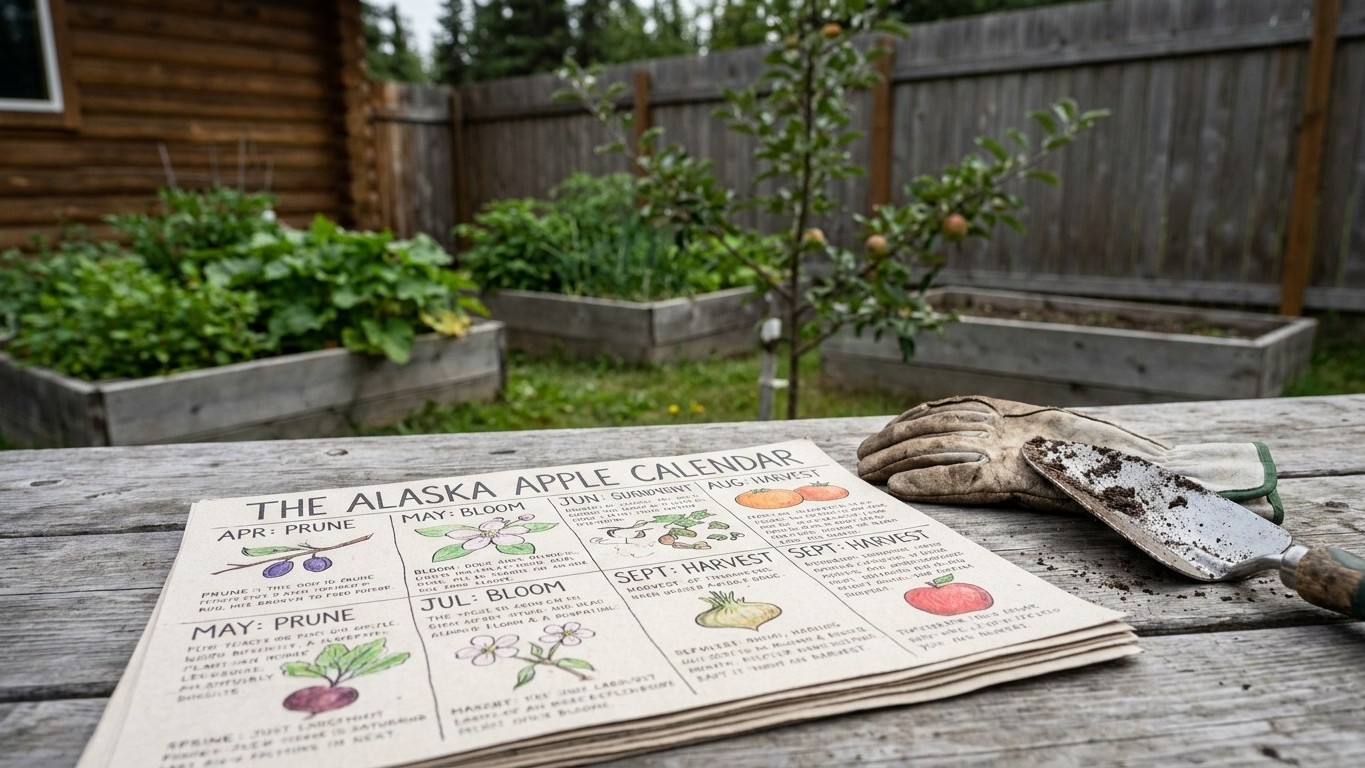
Anchorage’s NOAA frost dates set the apple calendar for Alaska, and this guide walks through each stage from dormancy to harvest with what to check.
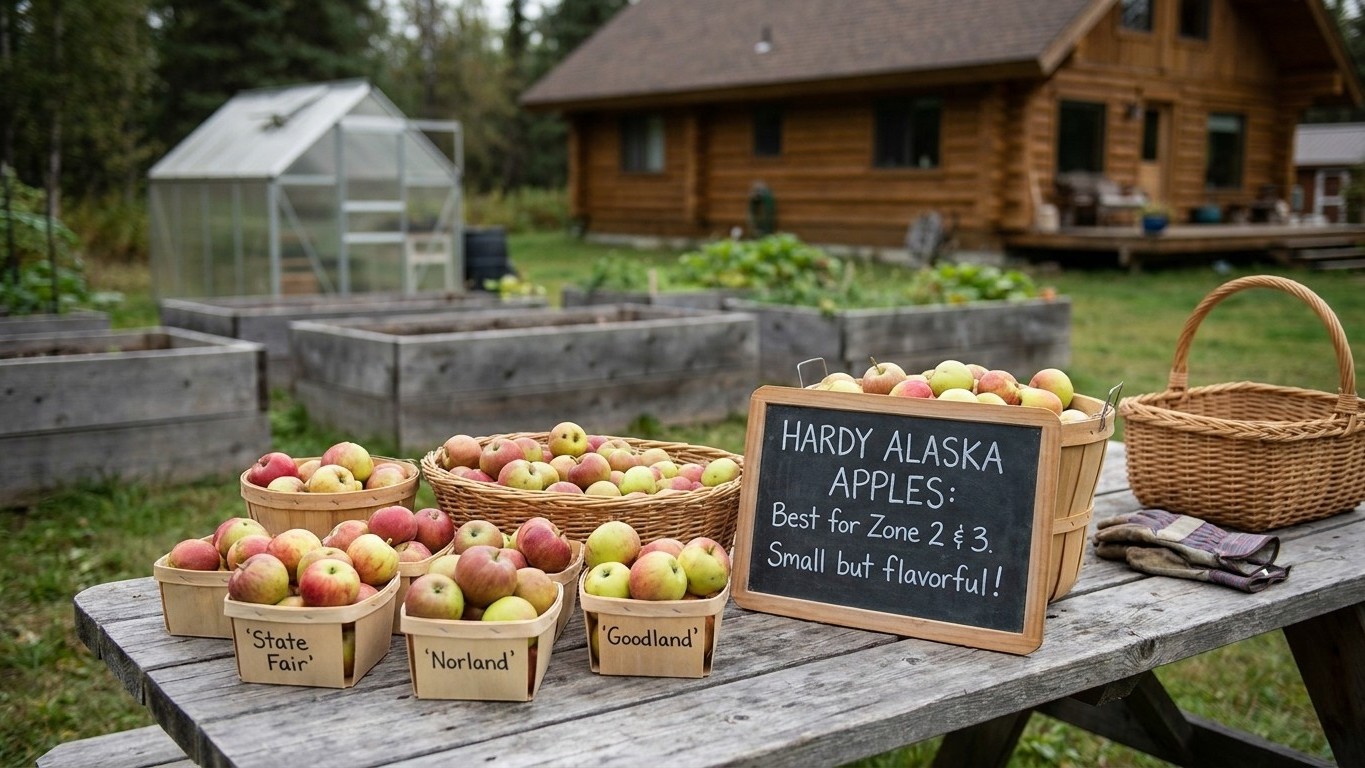
Alaska’s short, cold season limits apple varieties to the hardiest early types, and this page explains what hardiness and chill mean for growers near Anchorage and beyond.
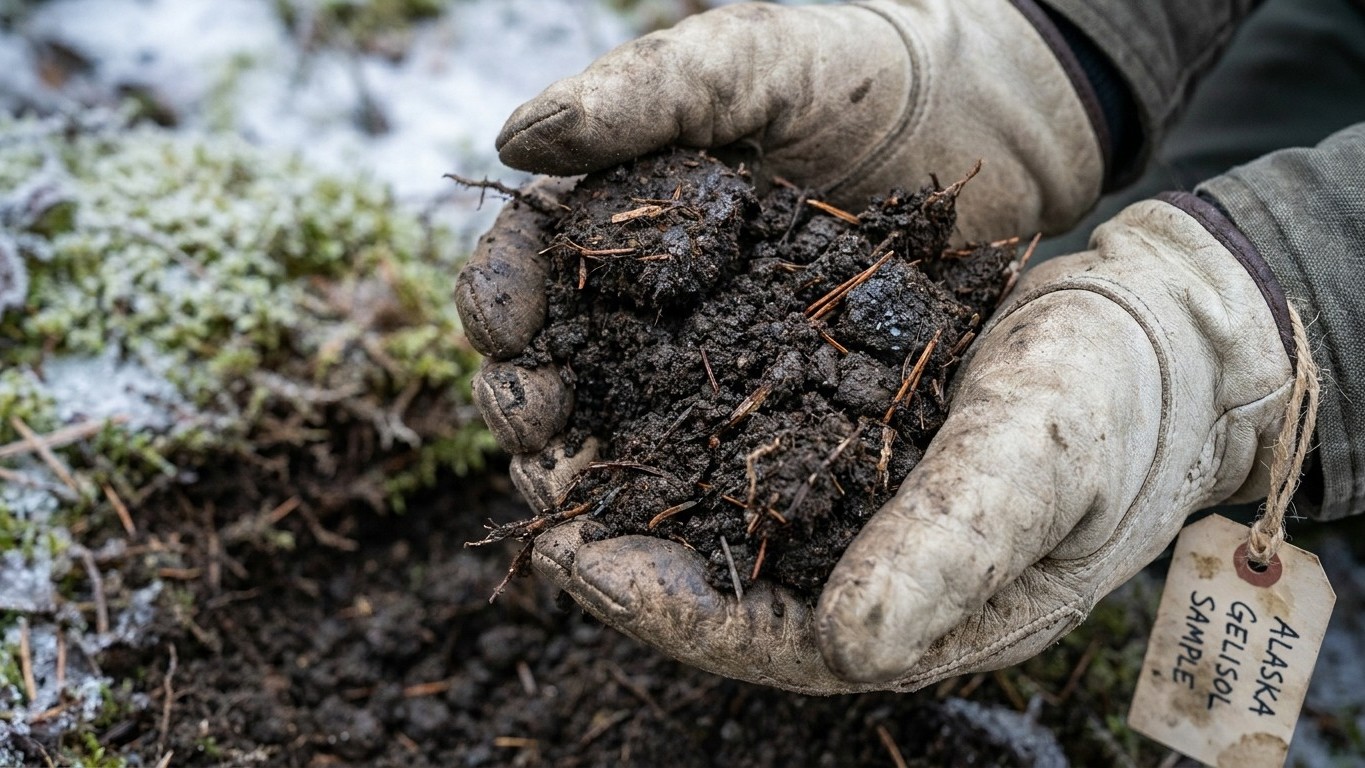
Under much of Alaska, the ground itself works against you before you ever pick up a trowel: cold, acid, and often sitting on frozen soil that won’t let…
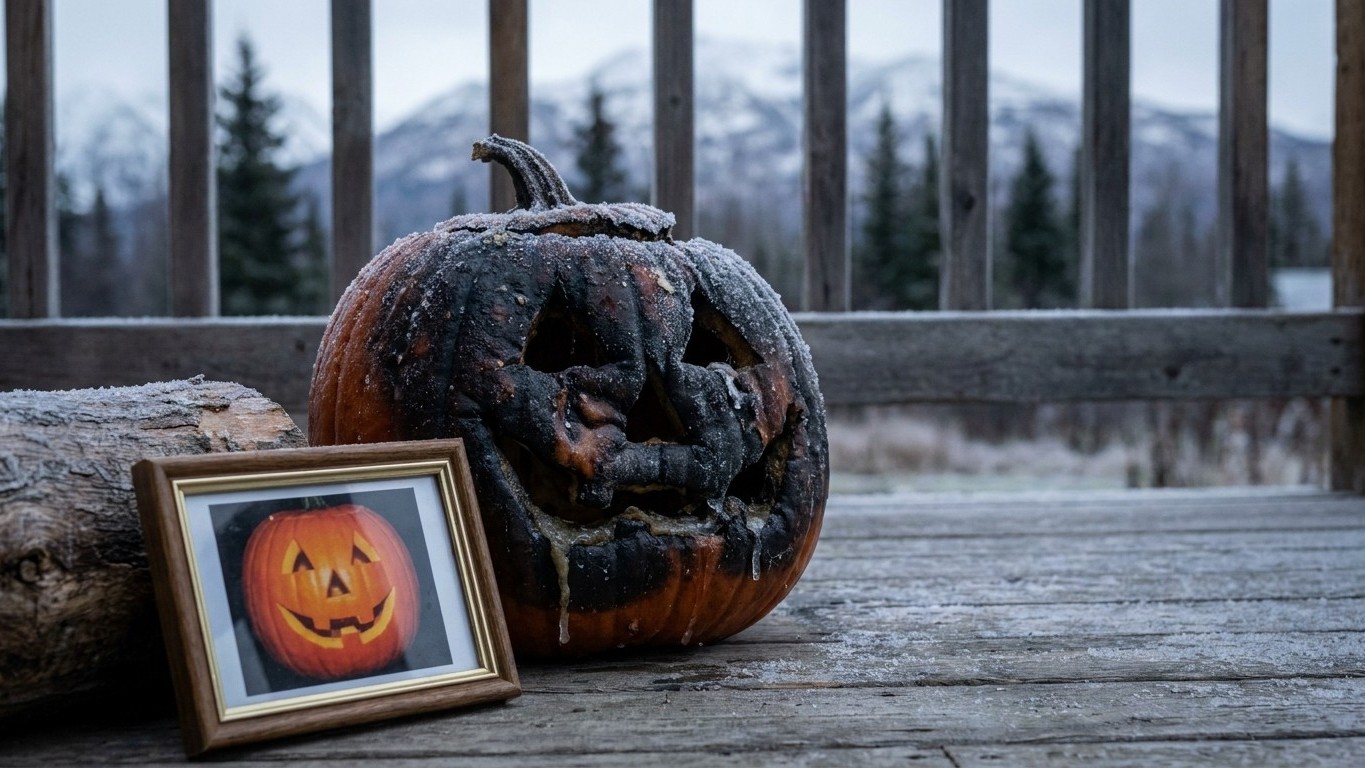
Anchorage’s mean first fall frost lands around September 22 to October 1, roughly three to five weeks ahead of Halloween.
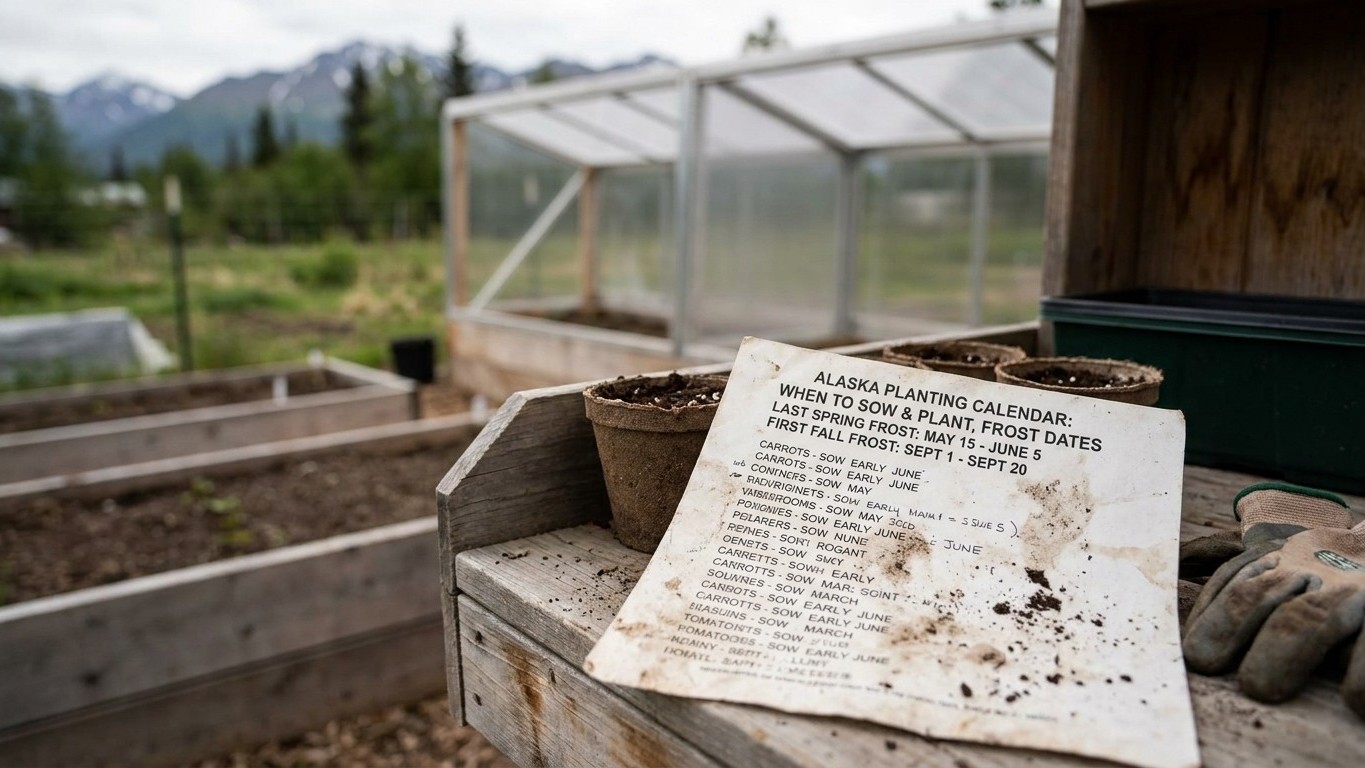
This calendar sets Alaska planting dates from NOAA’s Anchorage frost normals, covering cool-season crops, tomato varieties by days to maturity, and the fall sowing window.
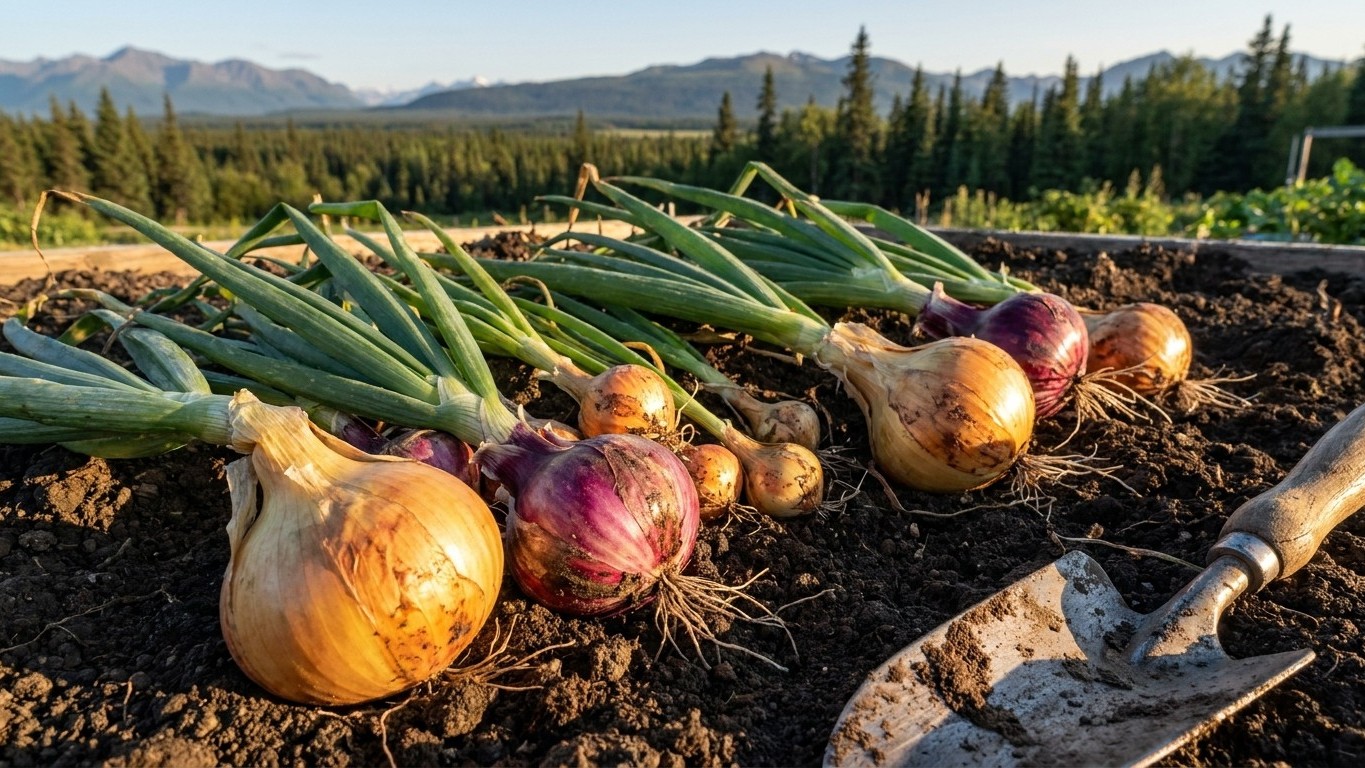
At 61.17 degrees north, Anchorage gets 18 hours and 56 minutes of daylight on the longest day of the year.
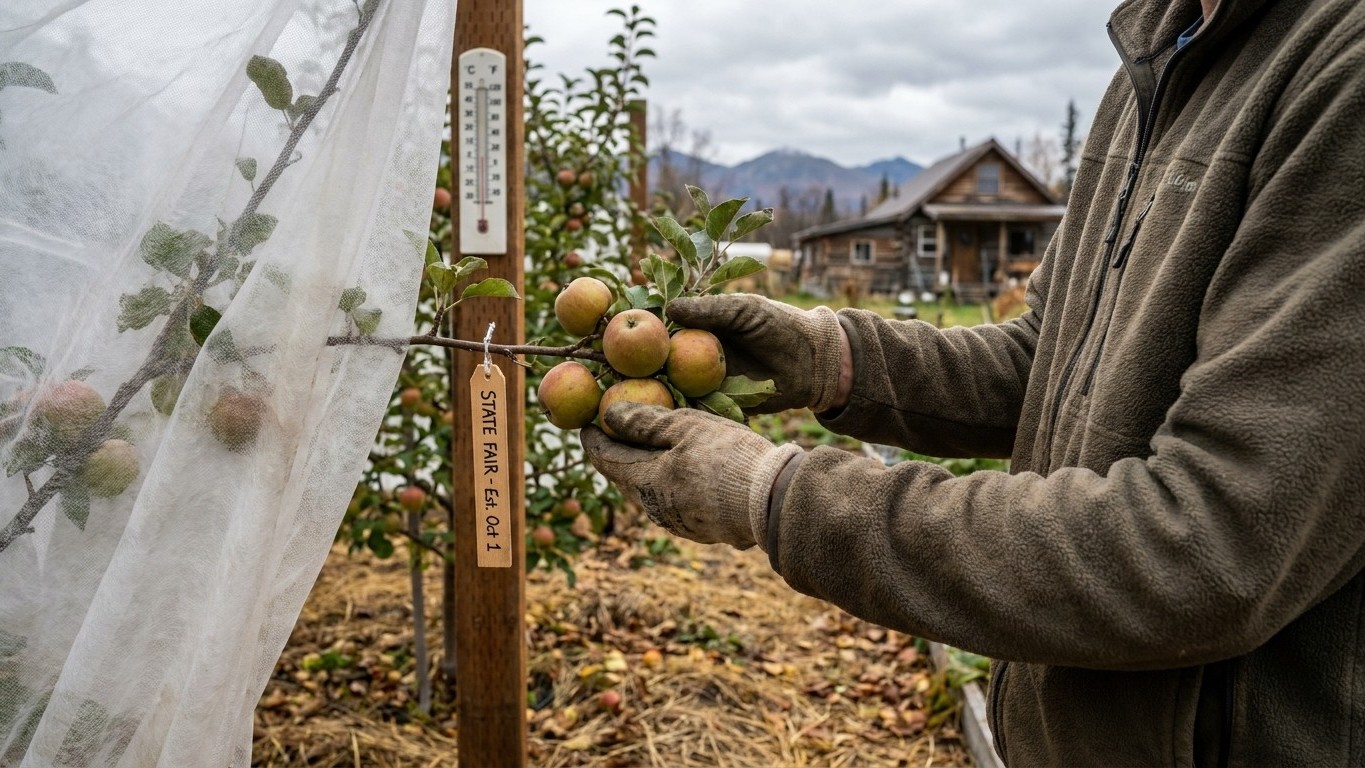
Anchorage’s mild pocket of Alaska can grow apples if you pick a cold-hardy, early-blooming cultivar and pair it with a fertile pollinizer that flowers at the same time.
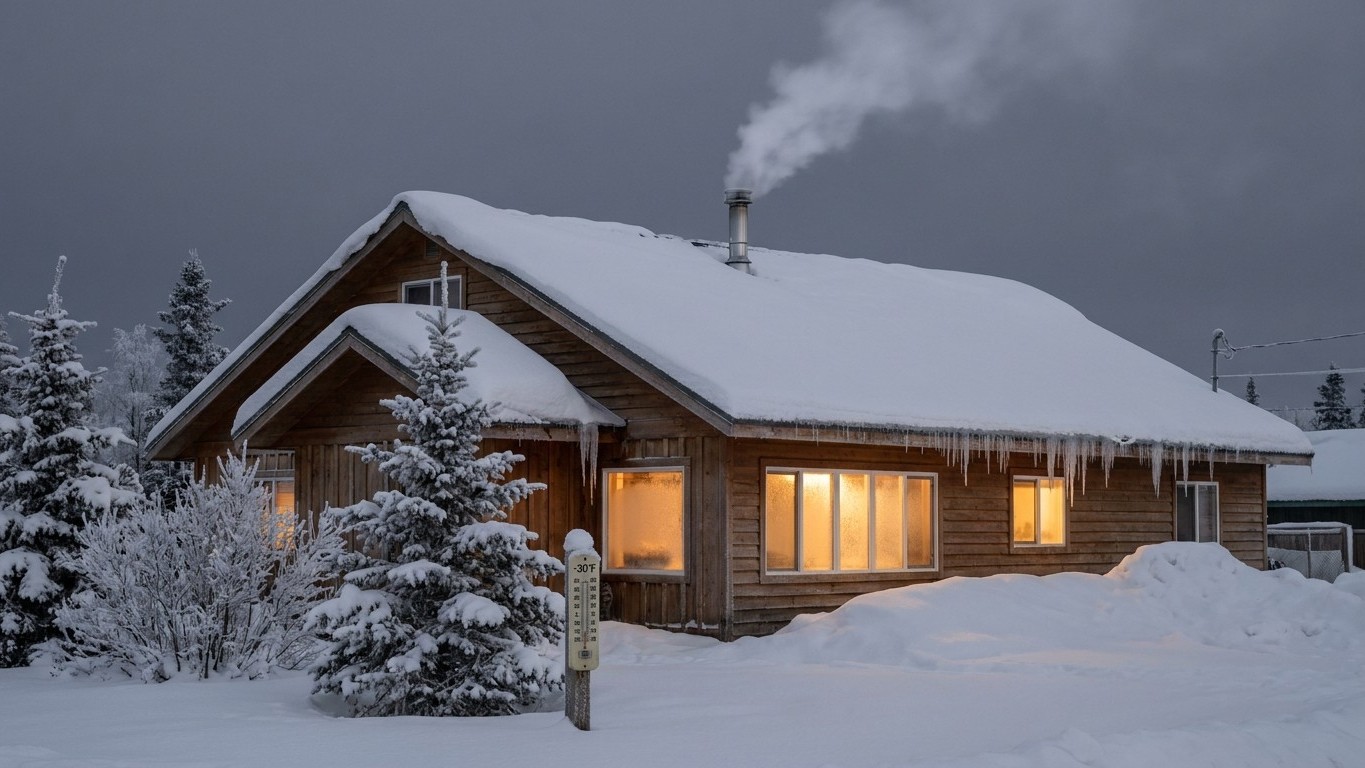
Anchorage’s coldest month has an average daily minimum of 11°F. That single number explains why heating this state runs so different from heating a home…
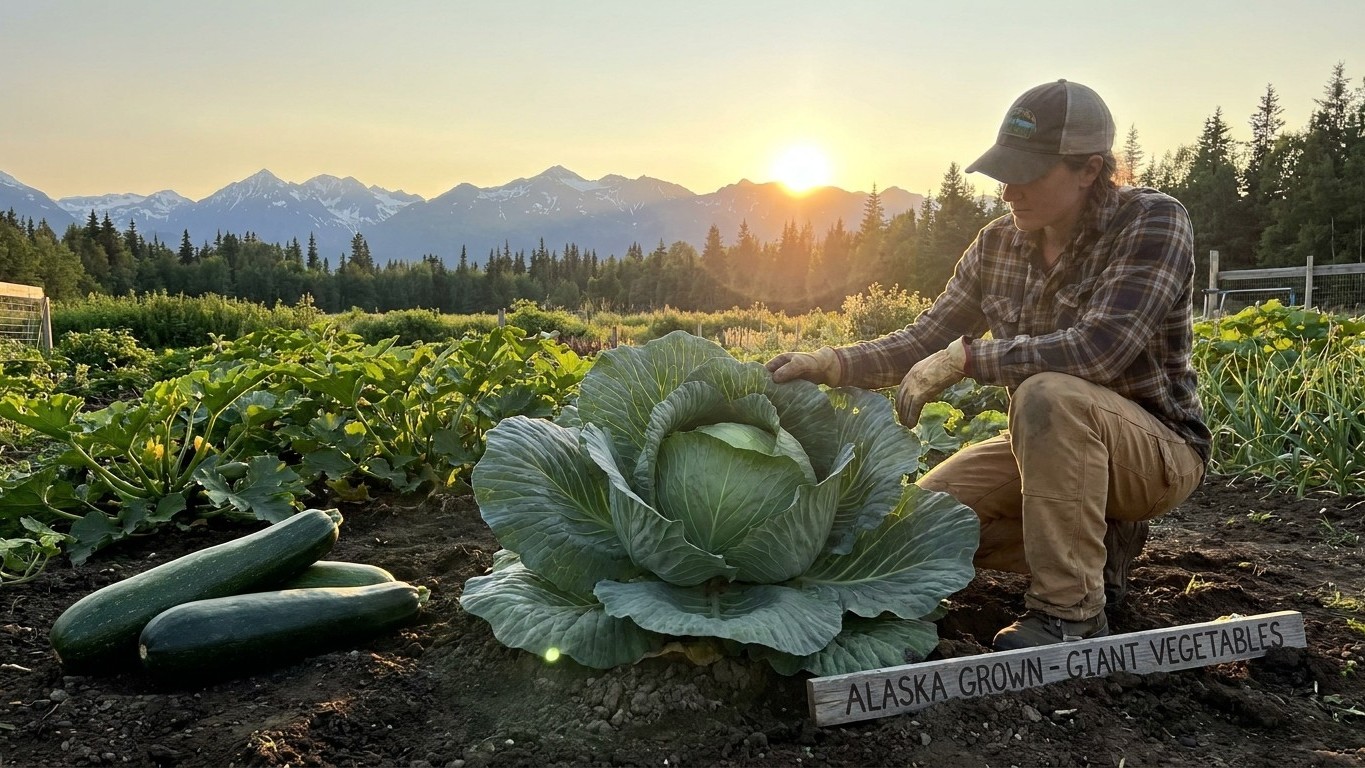
Short summers, ridiculously long days, and soil that ranges from rich glacial silt to solid permafrost: that’s the real math behind growing anything in…