Watering Pots and Containers in Colorado
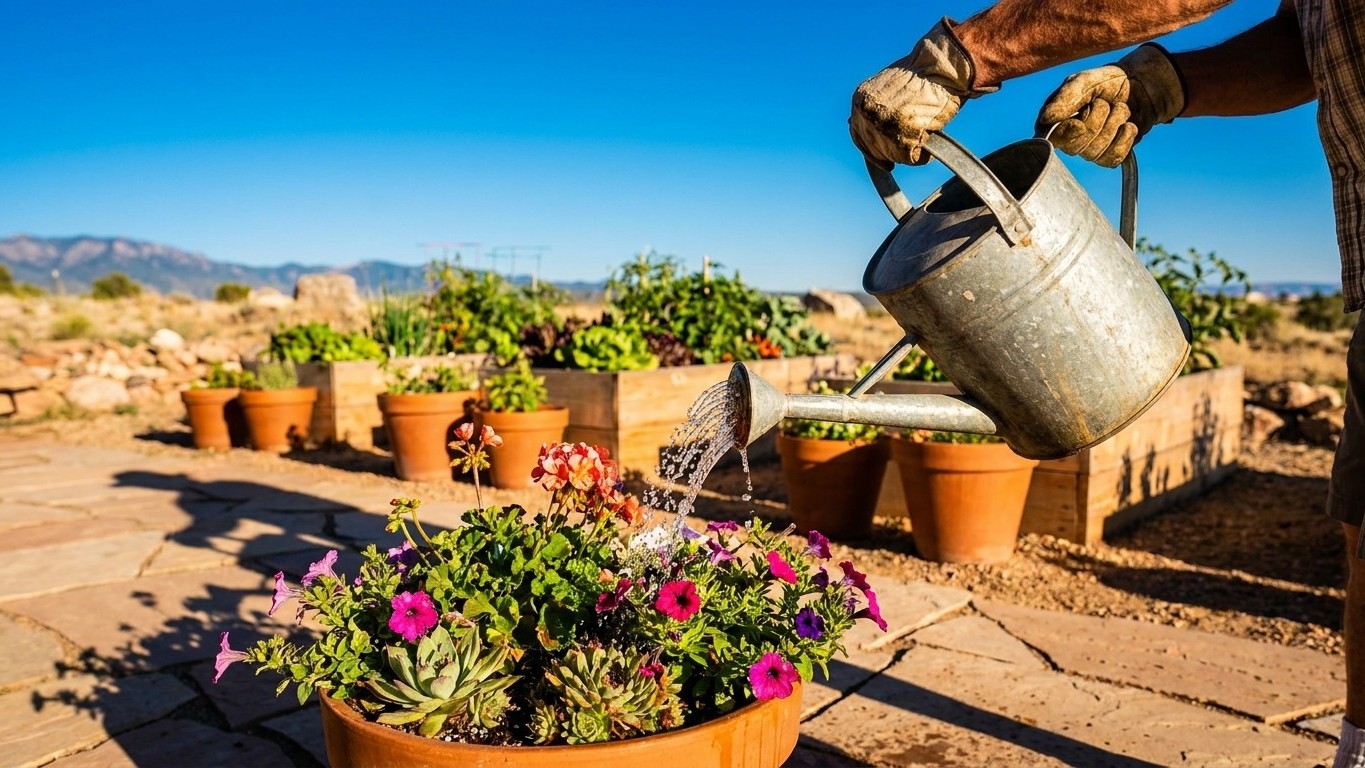
Colorado’s summer sky delivers far less water than most gardens need, and the state’s heat pushes that gap even wider.
Home & garden, state by state
Everything we have worked out for Colorado: what to plant and when, which varieties finish in time, the pests that actually turn up here, and the jobs that pay off month by month. We also cover the rest of the property, from lawns and soil to home care and energy, because a garden rarely stops at the vegetable bed.
The numbers first, because everything else follows from them. Measured at the weather station in Denver, the last spring freeze runs May 1 to May 11 and the first fall freeze runs September 30 to October 12, USDA zones 3b-7b, 3,401 growing degree days in the year.
Garlic does well: 30.4 weeks below 40 °F, comfortably past the six it needs to form a proper head.
Elsewhere on the property in Colorado: the pests that turn up here.
Figures from NOAA's 1991-2020 climate normals. A state is not one climate: elevation, a large lake or the coast can move these dates by two weeks either way, so check your own county with the extension service before you spend money.
Colorado’s summer sky delivers far less water than most gardens need, and the state’s heat pushes that gap even wider.
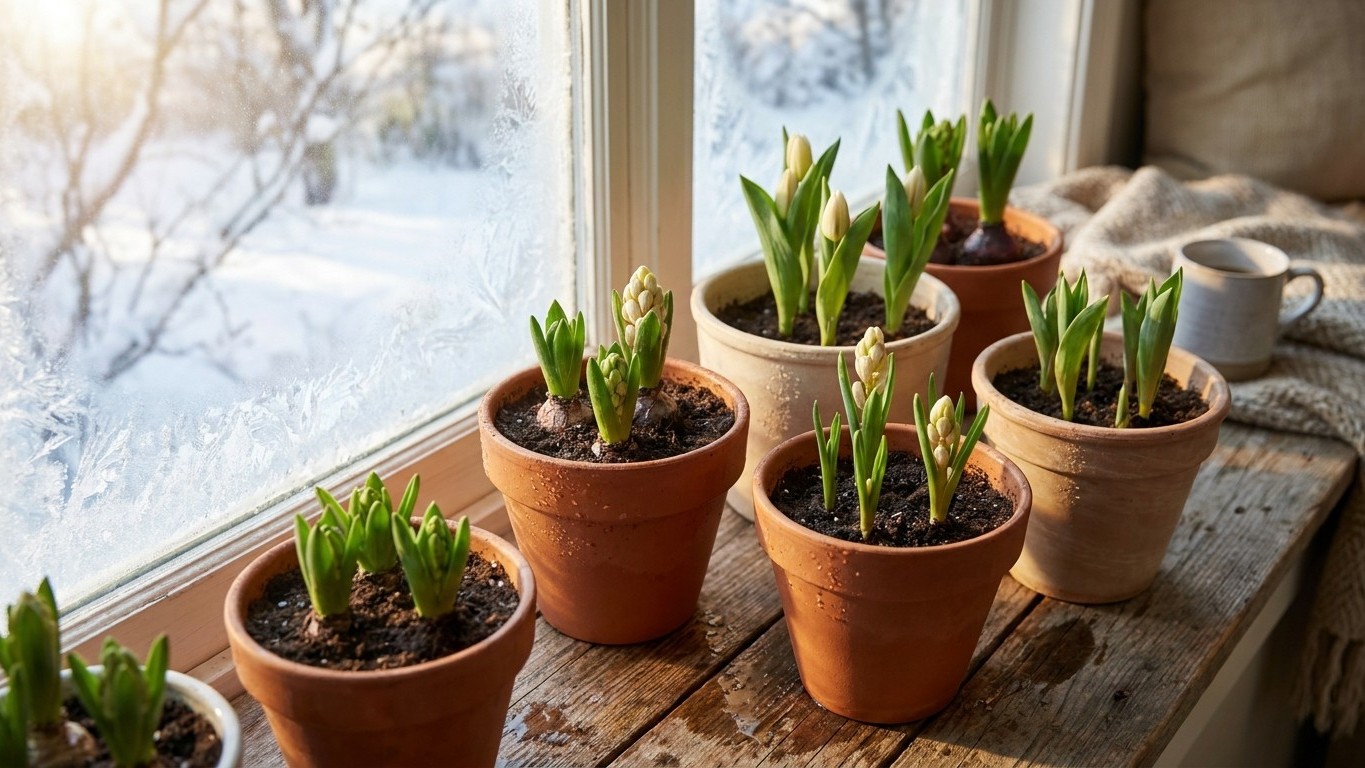
Denver’s coldest month averages an 18.4°F low overnight, according to NOAA’s 1991-2020 Climate Normals.
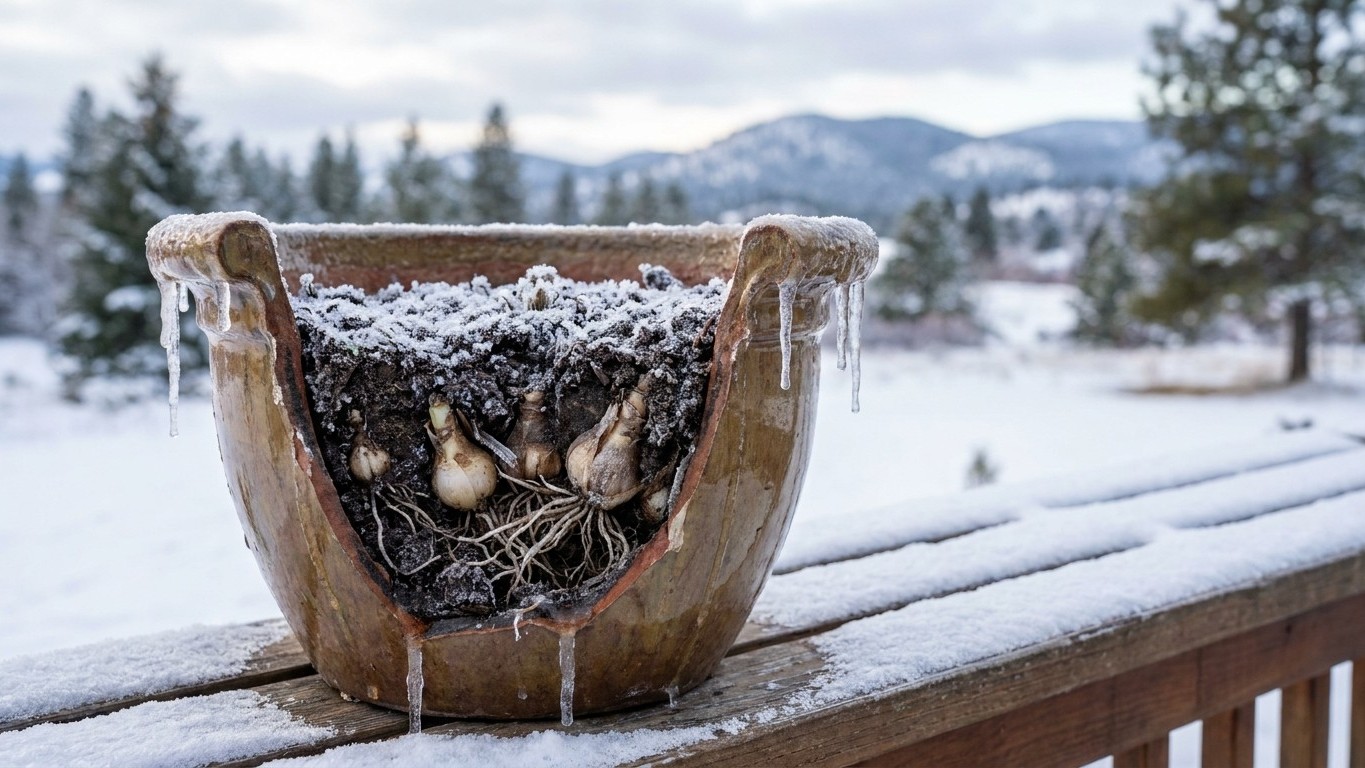
Denver’s coldest month averages a nightly low of 18.4°F, according to NOAA’s Climate Normals for 1991-2020.
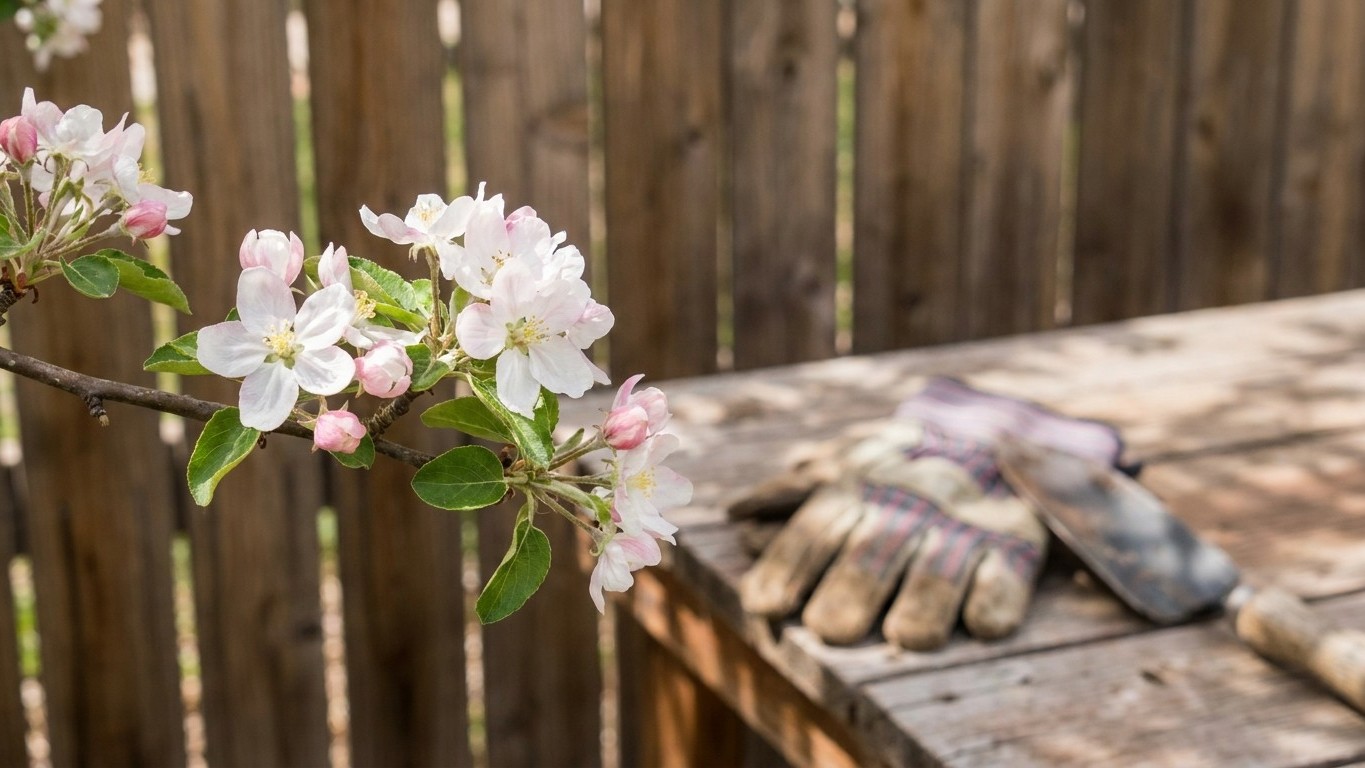
A stage-by-stage guide to timing apple pruning, bloom, and harvest around Denver’s frost dates, and how mountain and western slope sites differ.
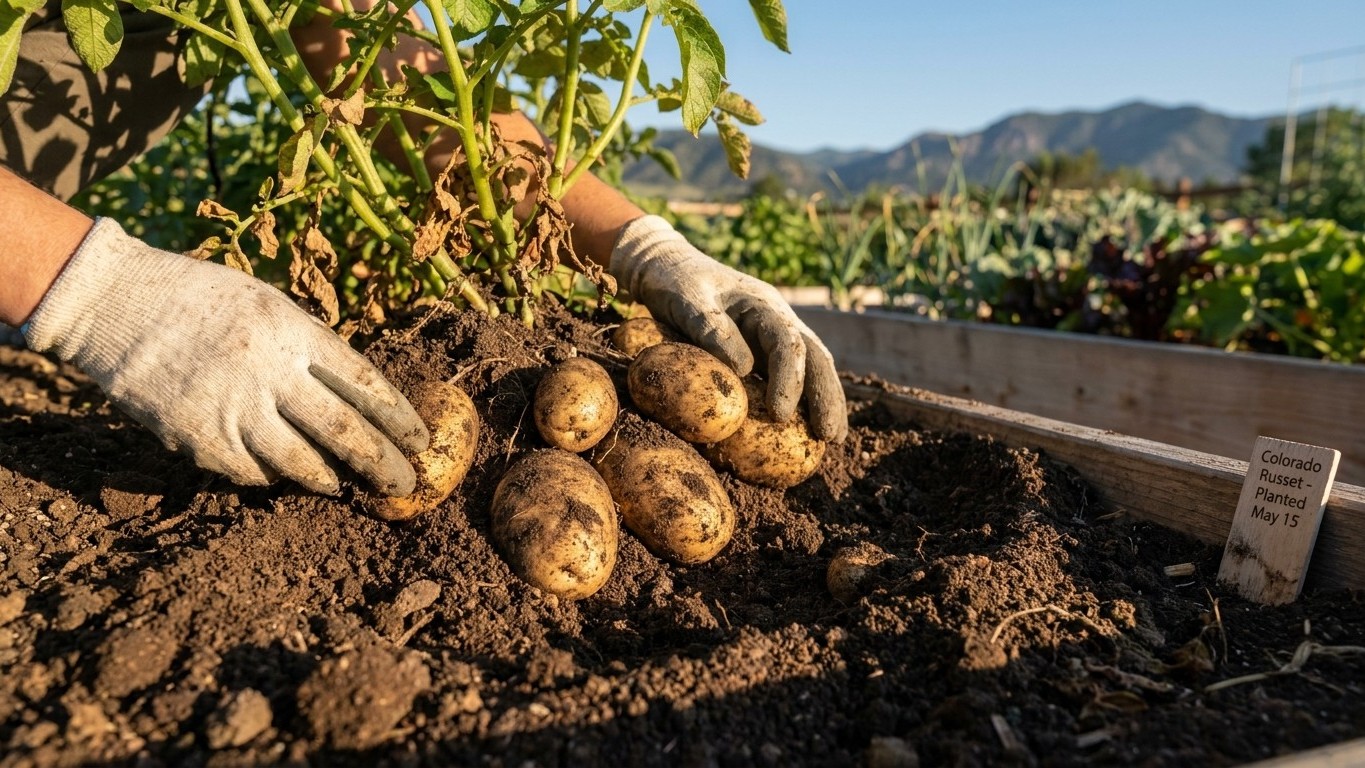
Yes, potatoes grow well on Colorado’s Front Range if you plant early and treat the season as spring-to-midsummer rather than a full summer run.
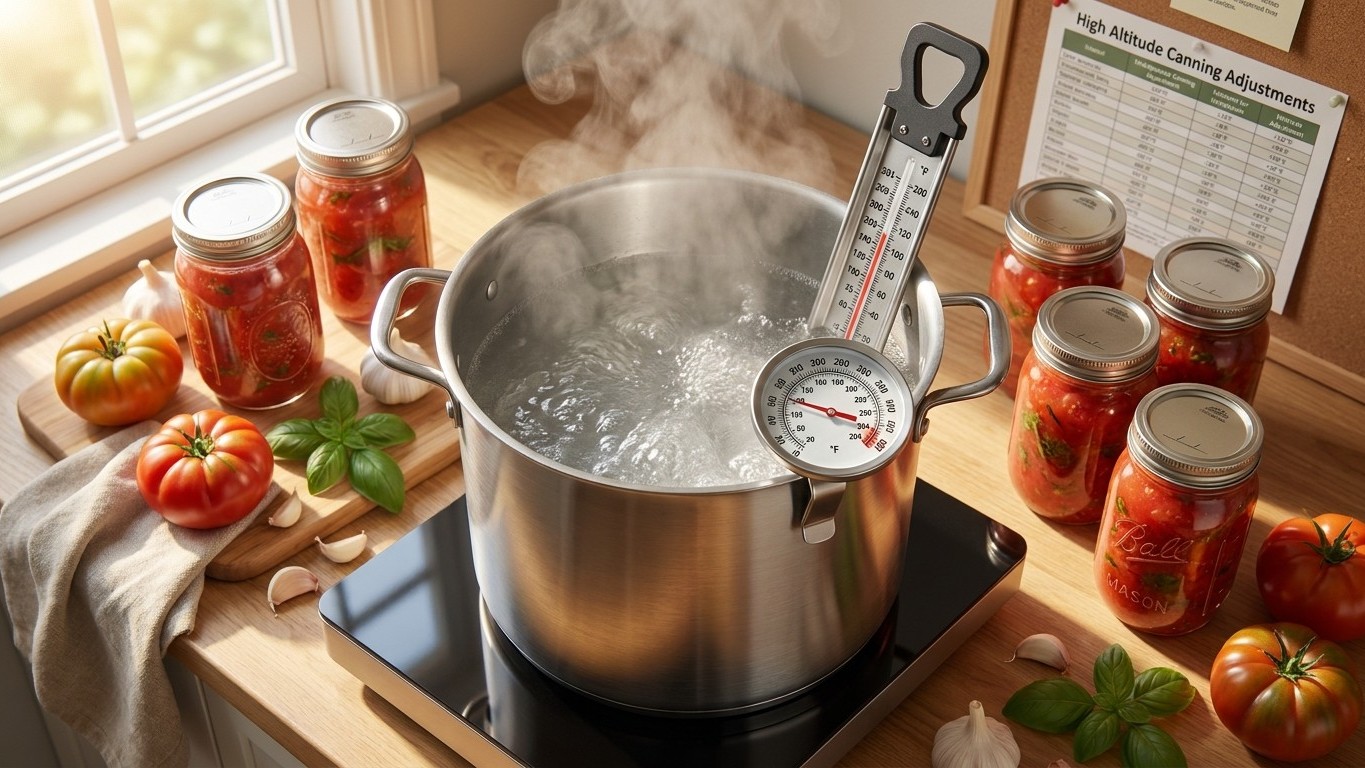
Denver sits at 5,279 feet, where water boils somewhere between 201°F and 204°F instead of the 212°F most recipes assume.
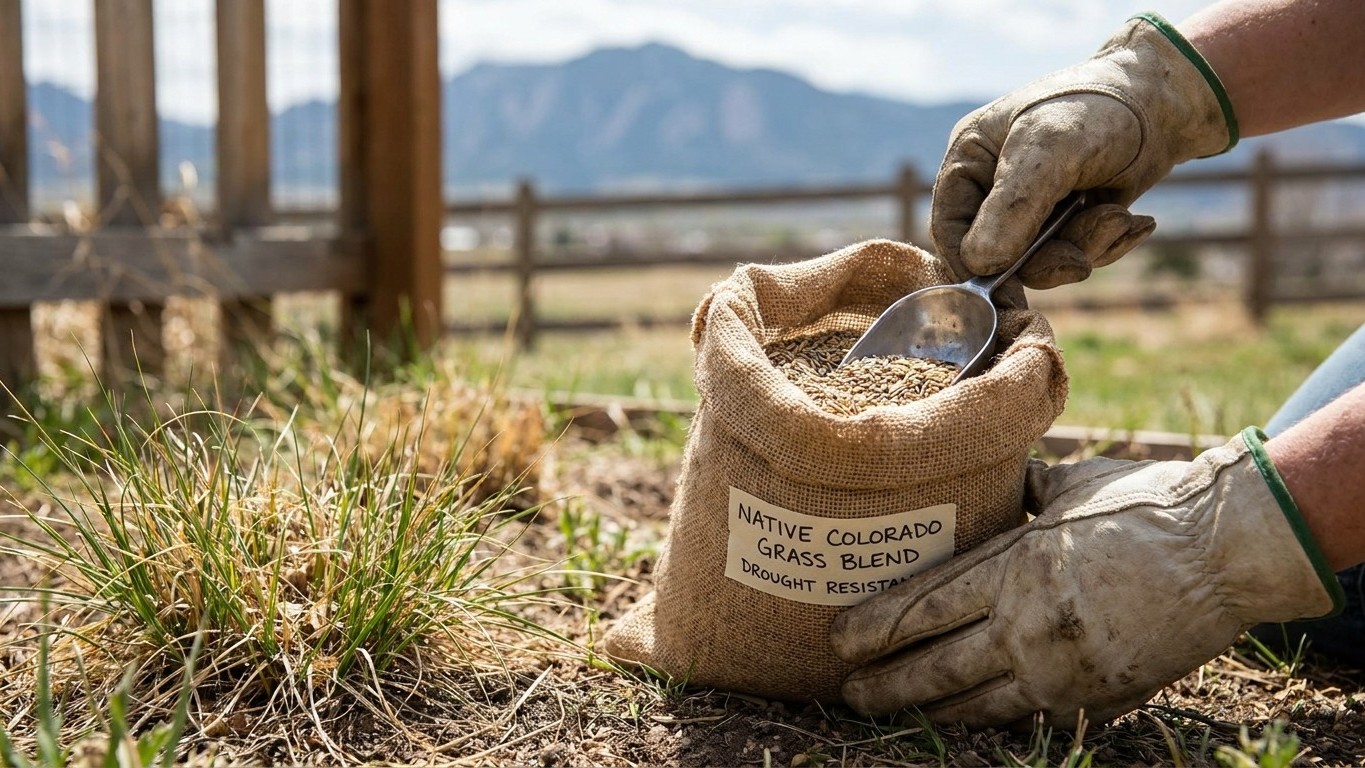
Colorado’s transition-zone climate means cool-season and warm-season grass seed each trade summer toughness for months of dormant brown lawn across the Front Range.
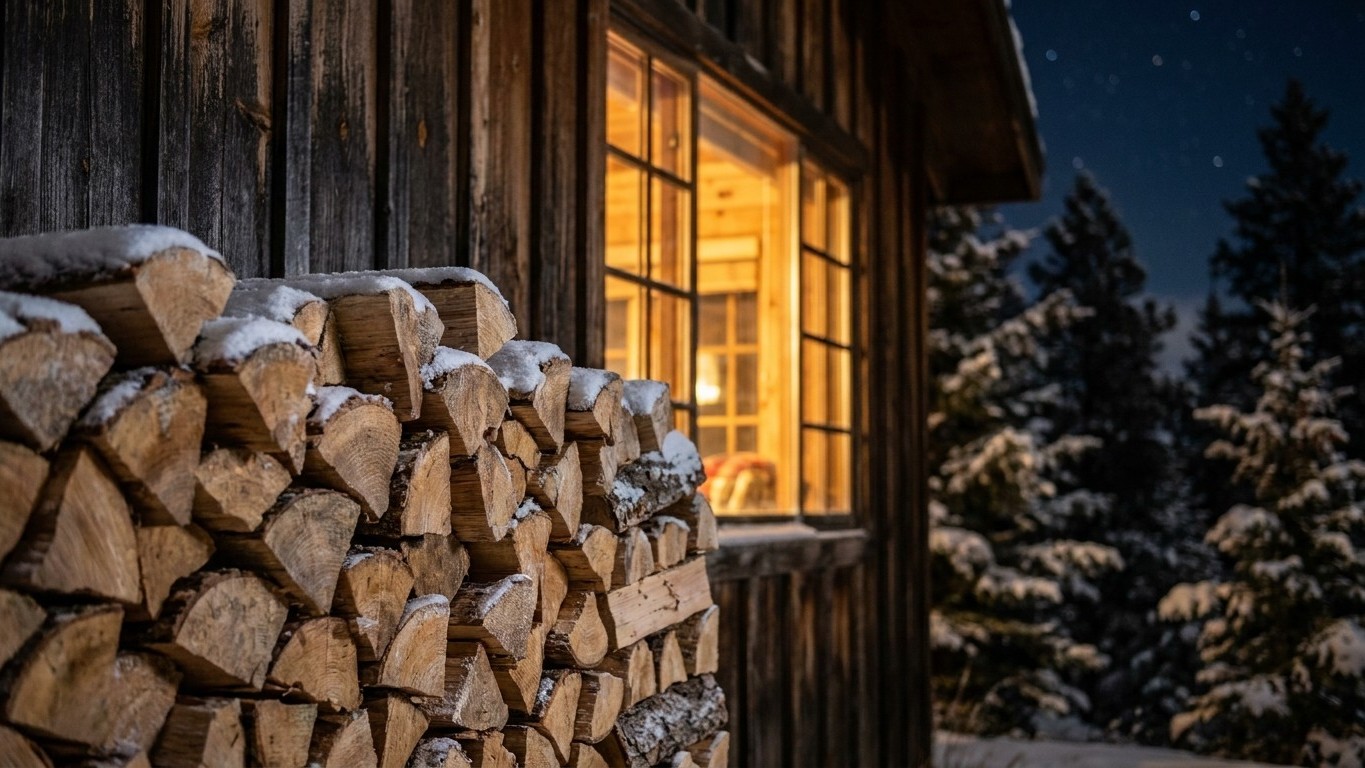
Colorado winters get cold enough that firewood stops being decor and becomes a heating plan.
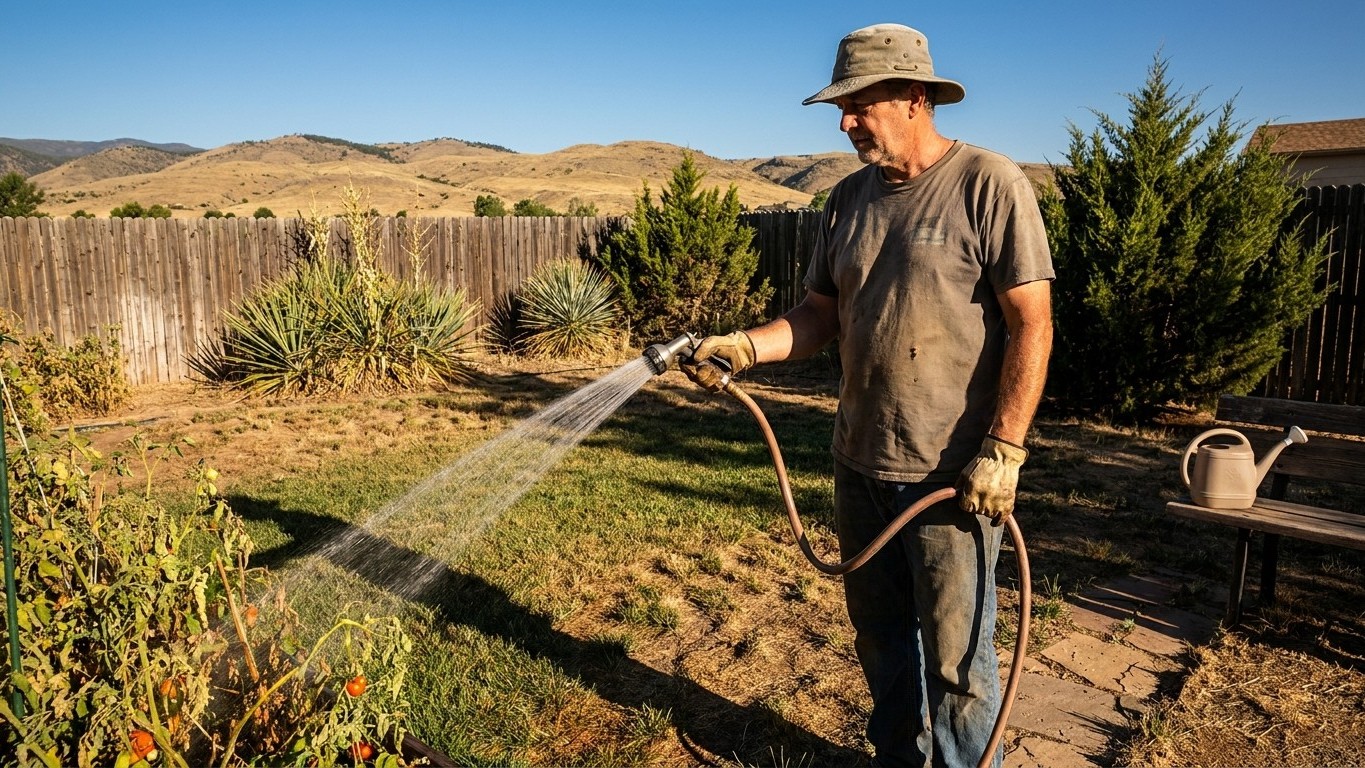
Colorado doesn’t get watering restrictions because of habit or paranoia. It gets them because the state runs hot, dry, and increasingly crowded, and…
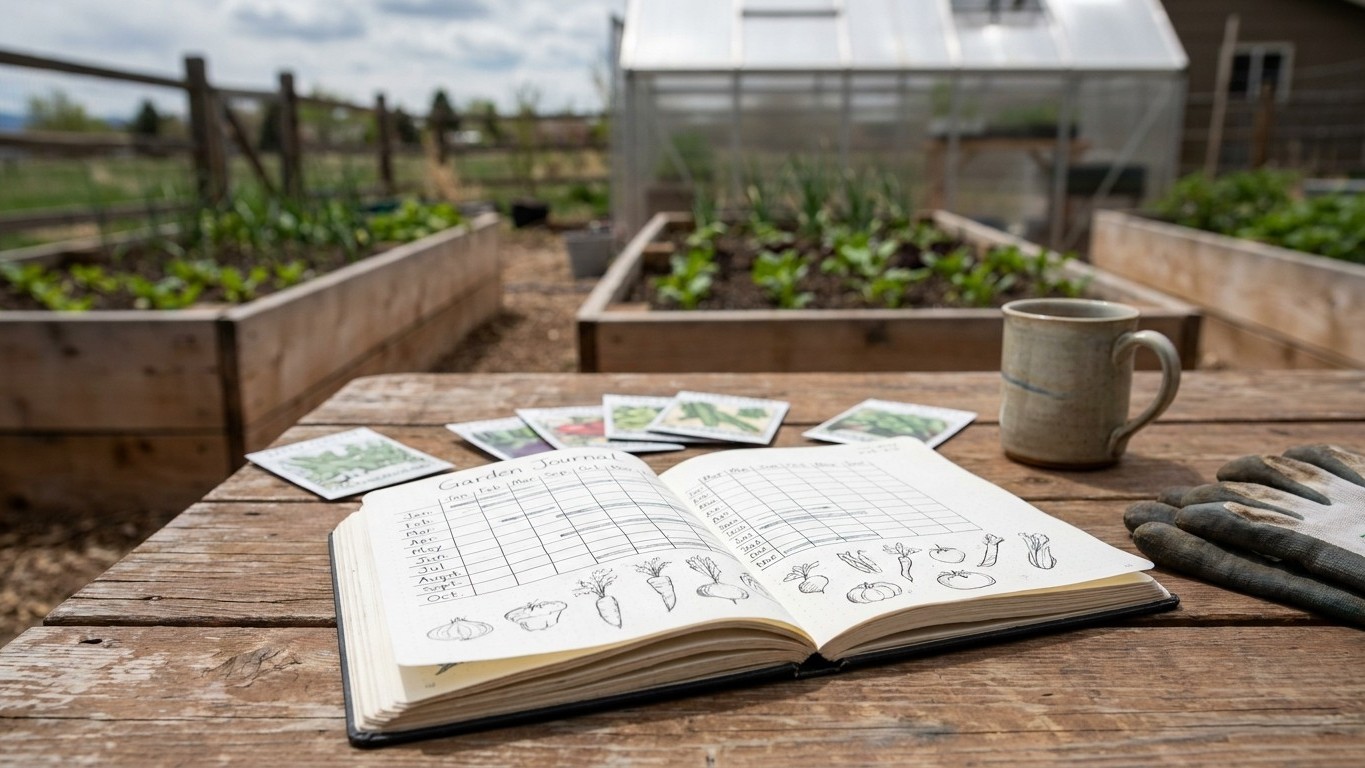
Colorado’s frost dates run from early May to early October near Denver, with mountain and western-slope gardens working on a shorter, later calendar.