What Eats Carrot in Colorado, and When
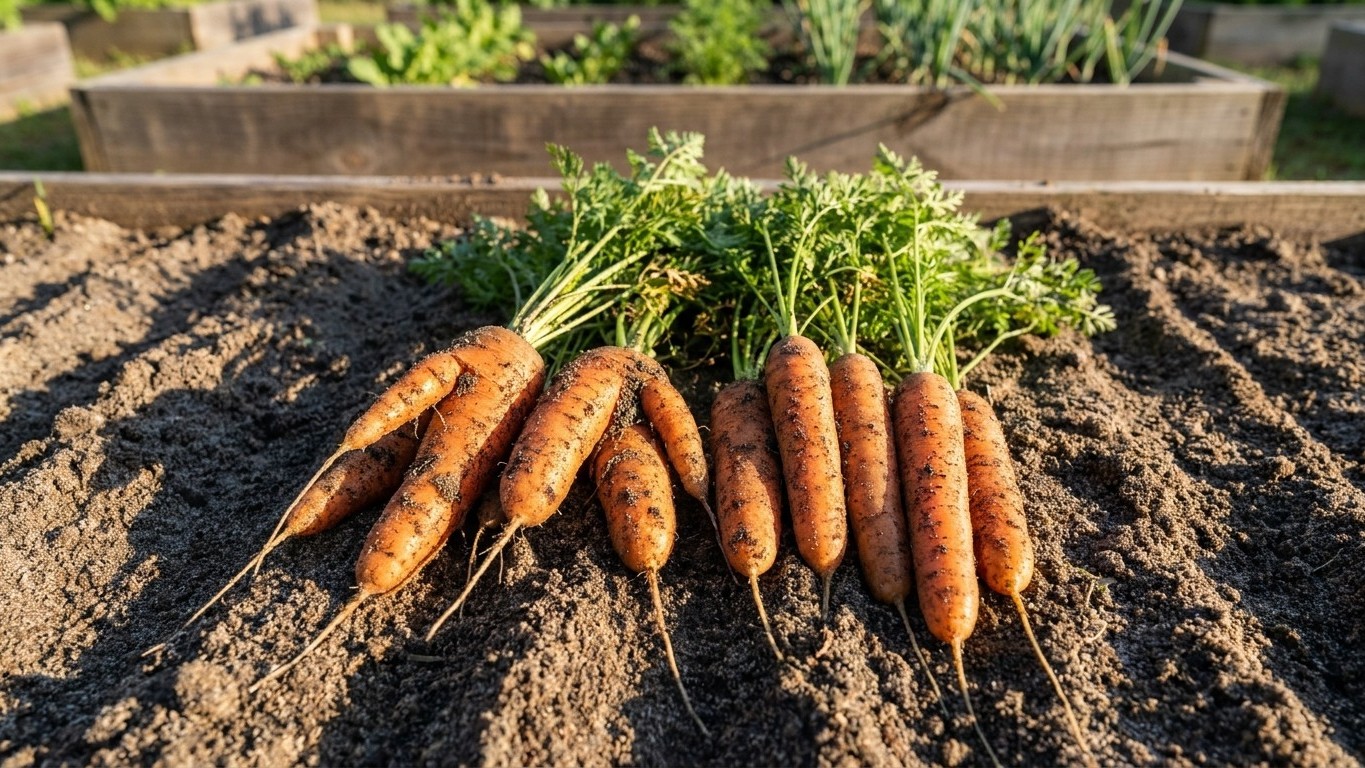
In Colorado, five kinds of pests show up on carrot foliage and seedlings across a typical growing season: cutworms and seedcorn maggots right at seeding…
Home & garden, state by state
Everything we have worked out for Colorado: what to plant and when, which varieties finish in time, the pests that actually turn up here, and the jobs that pay off month by month. We also cover the rest of the property, from lawns and soil to home care and energy, because a garden rarely stops at the vegetable bed.
The numbers first, because everything else follows from them. Measured at the weather station in Denver, the last spring freeze runs May 1 to May 11 and the first fall freeze runs September 30 to October 12, USDA zones 3b-7b, 3,401 growing degree days in the year.
Garlic does well: 30.4 weeks below 40 °F, comfortably past the six it needs to form a proper head.
Elsewhere on the property in Colorado: the pests that turn up here.
Figures from NOAA's 1991-2020 climate normals. A state is not one climate: elevation, a large lake or the coast can move these dates by two weeks either way, so check your own county with the extension service before you spend money.
In Colorado, five kinds of pests show up on carrot foliage and seedlings across a typical growing season: cutworms and seedcorn maggots right at seeding…
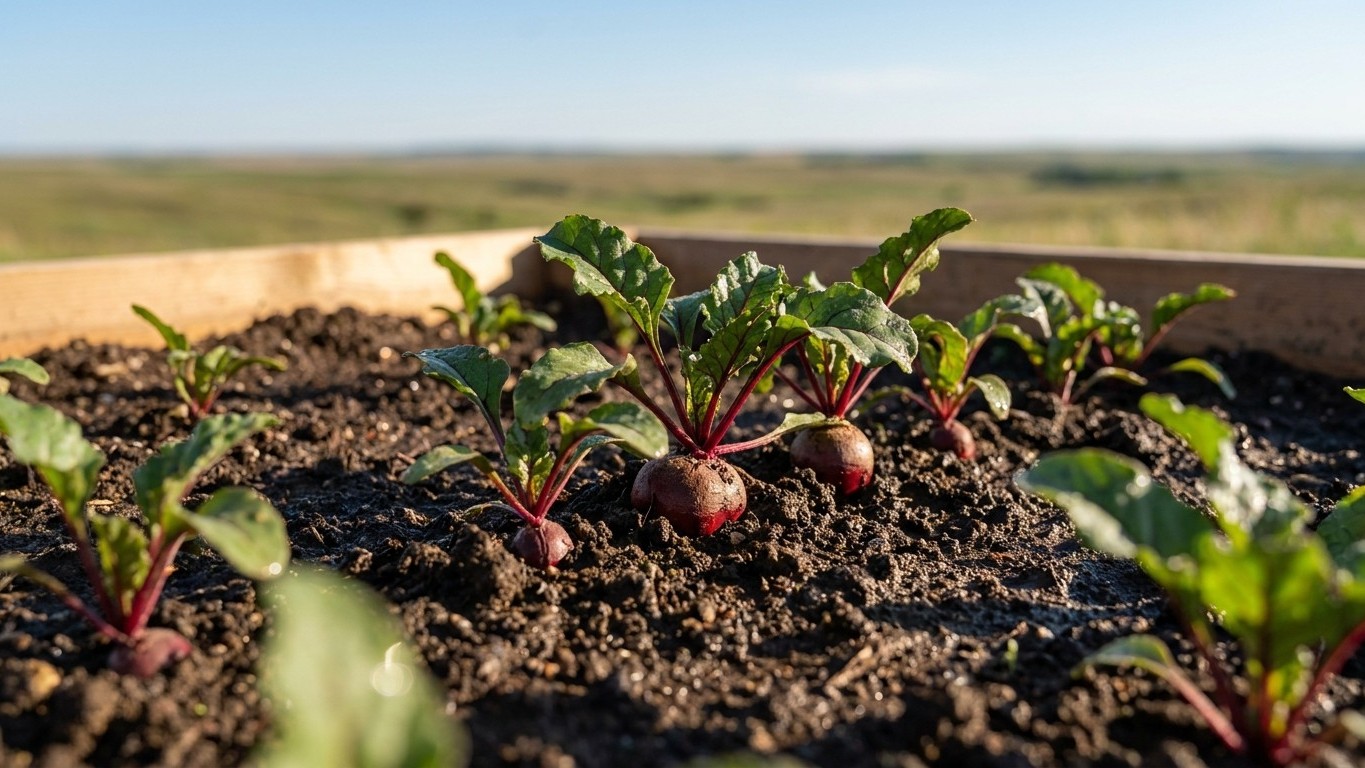
Colorado State University Extension documents ten pest species active in home gardens across the state, and five of them feed on beet: cutworms and…
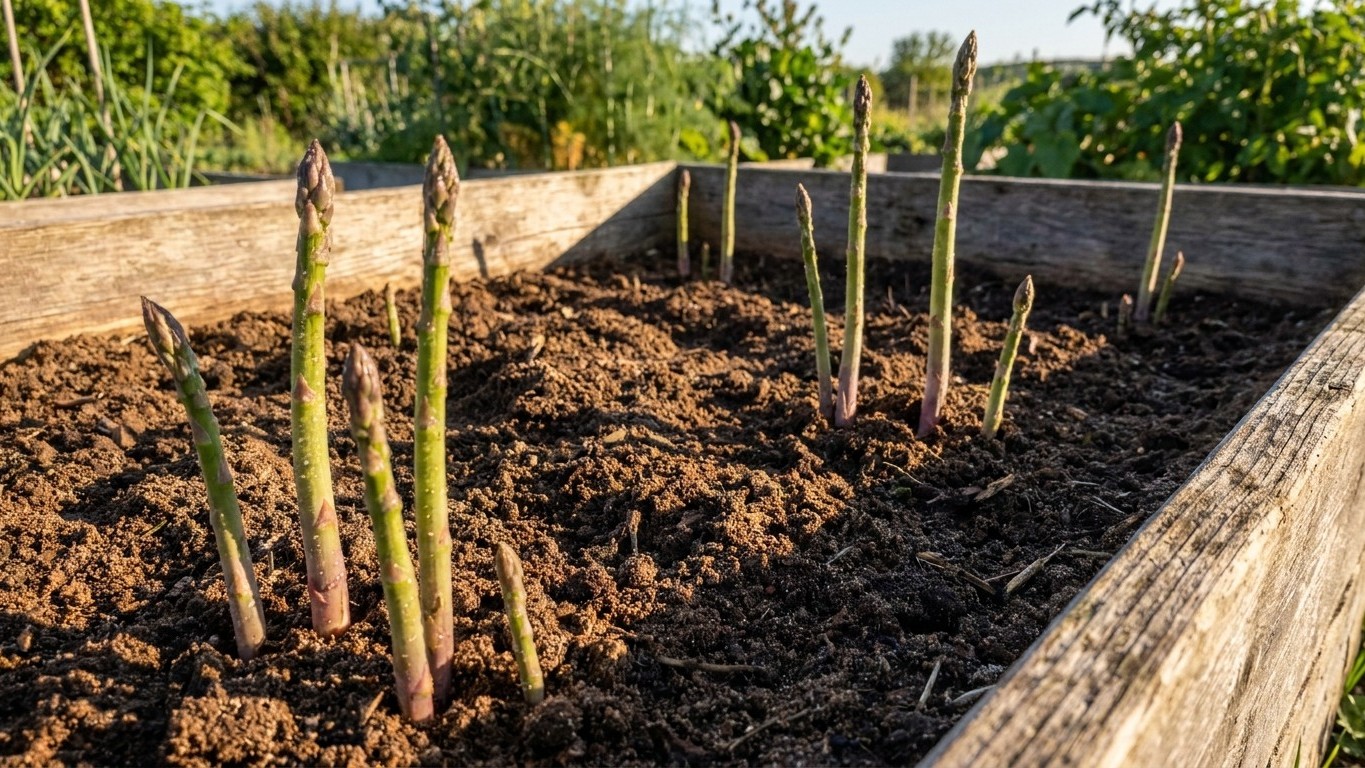
Colorado State University Extension documents ten garden pests common enough across the state to warrant identification sheets, but only five of them…
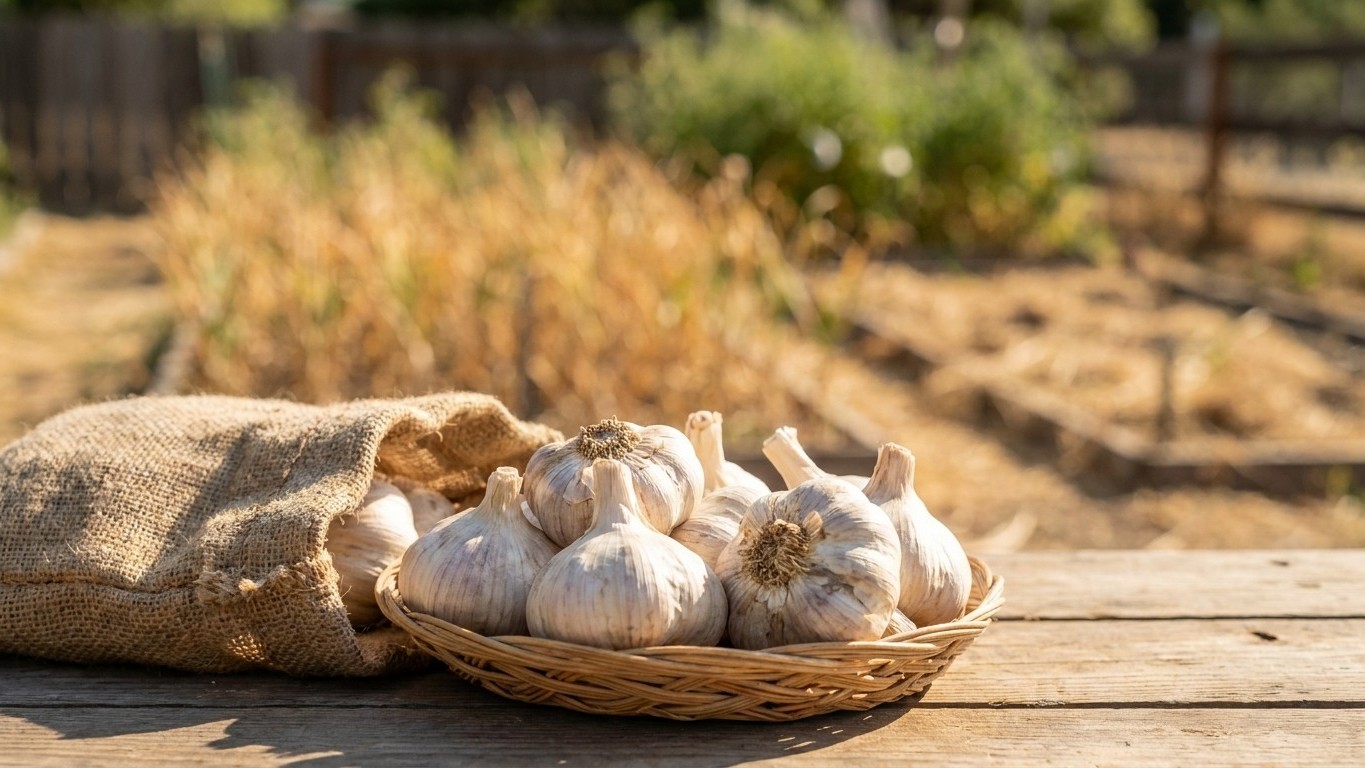
Garlic damage in Colorado usually traces to one of five feeders: cutworms and seedcorn maggots working underground at planting, then flea beetles…
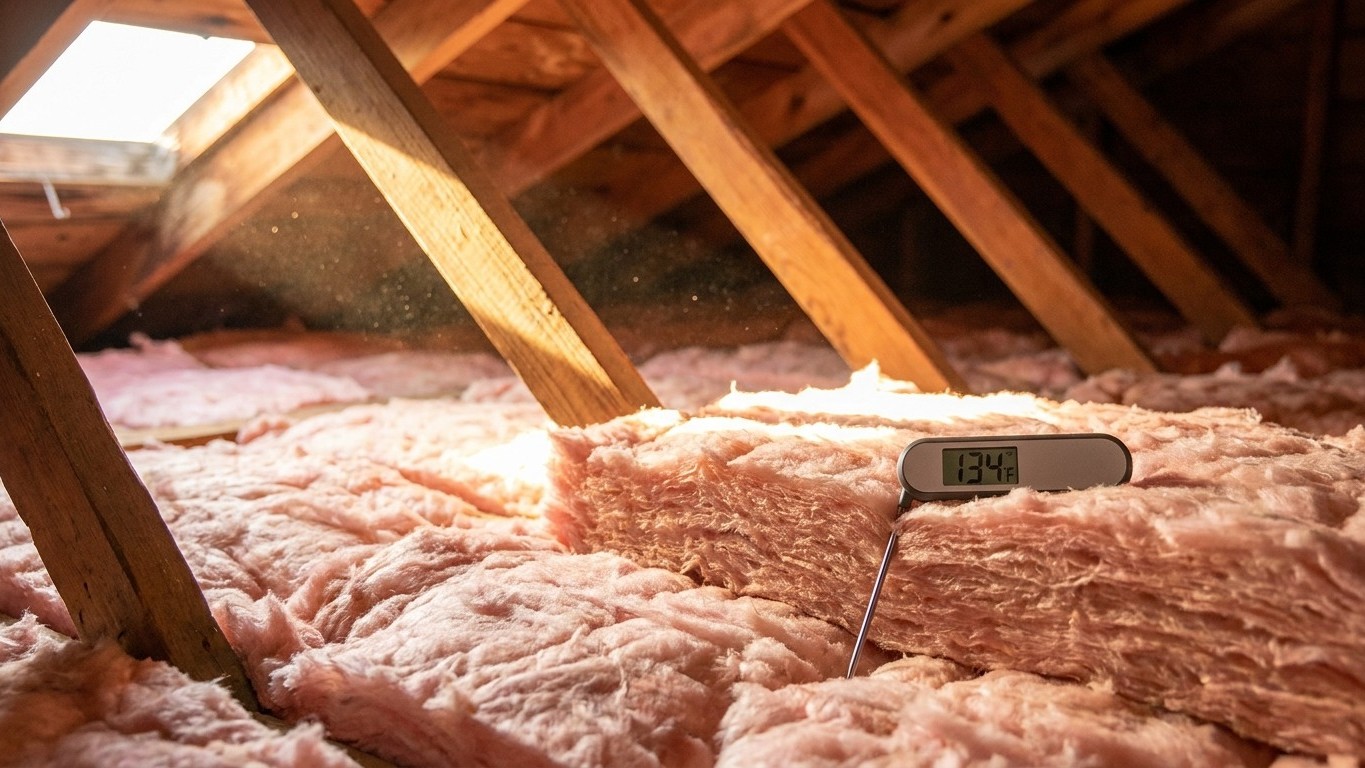
Yes, insulation cuts summer heat in Colorado, but how much it matters depends on where in the state you are.
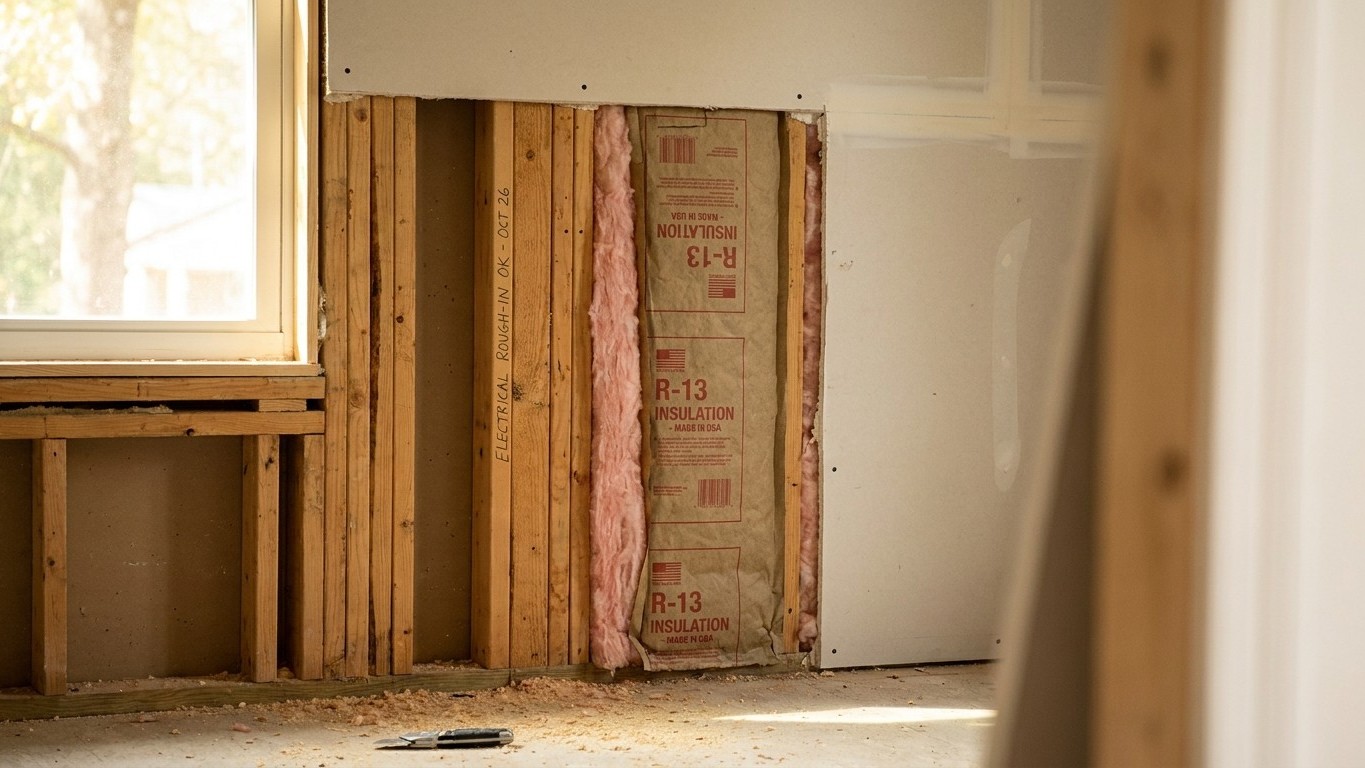
Yes. Every county in Colorado sits in Climate Zone 4B, 5B, 6B, or 7, and none of those fall inside the exception the 2021 International Residential Code…
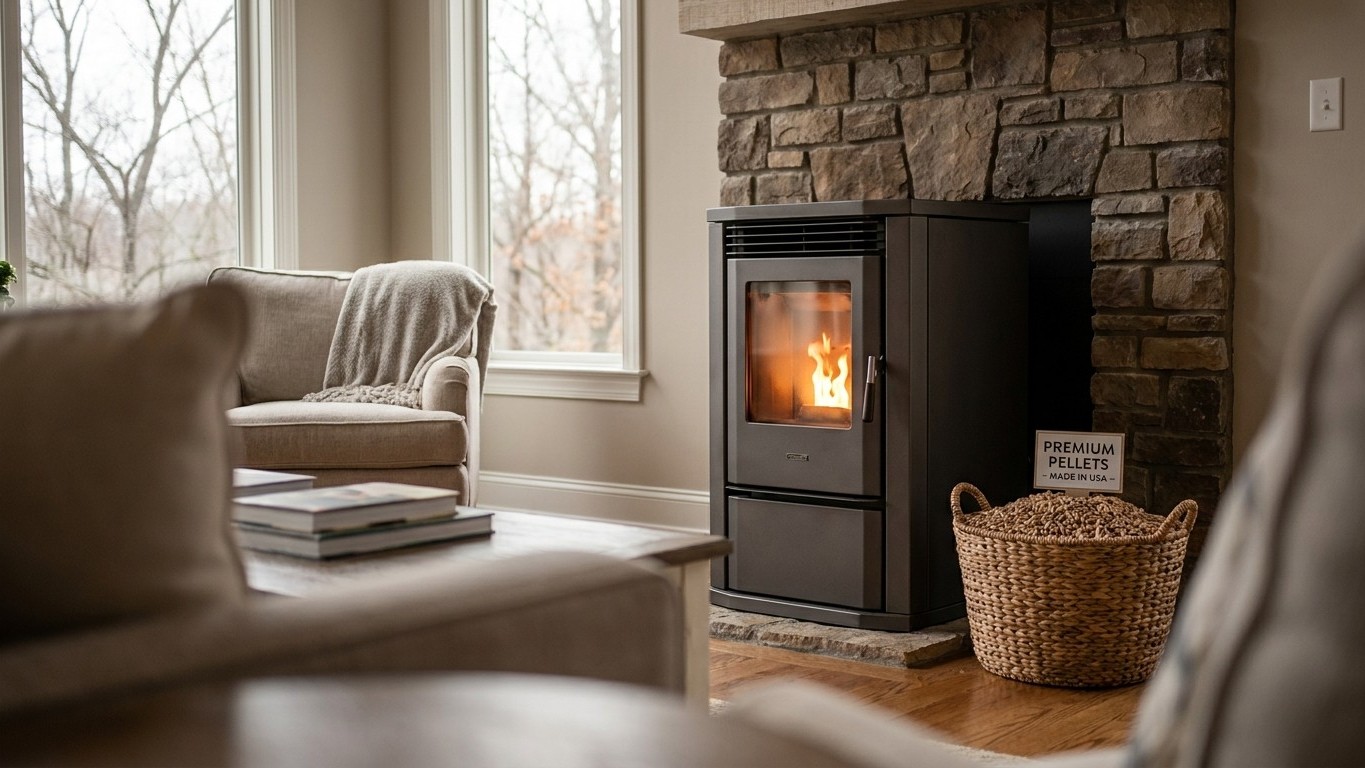
Denver’s reference station logs about 5,862 heating degree days a year, a total that puts pellet heating in Colorado closer to real furnace-level work…
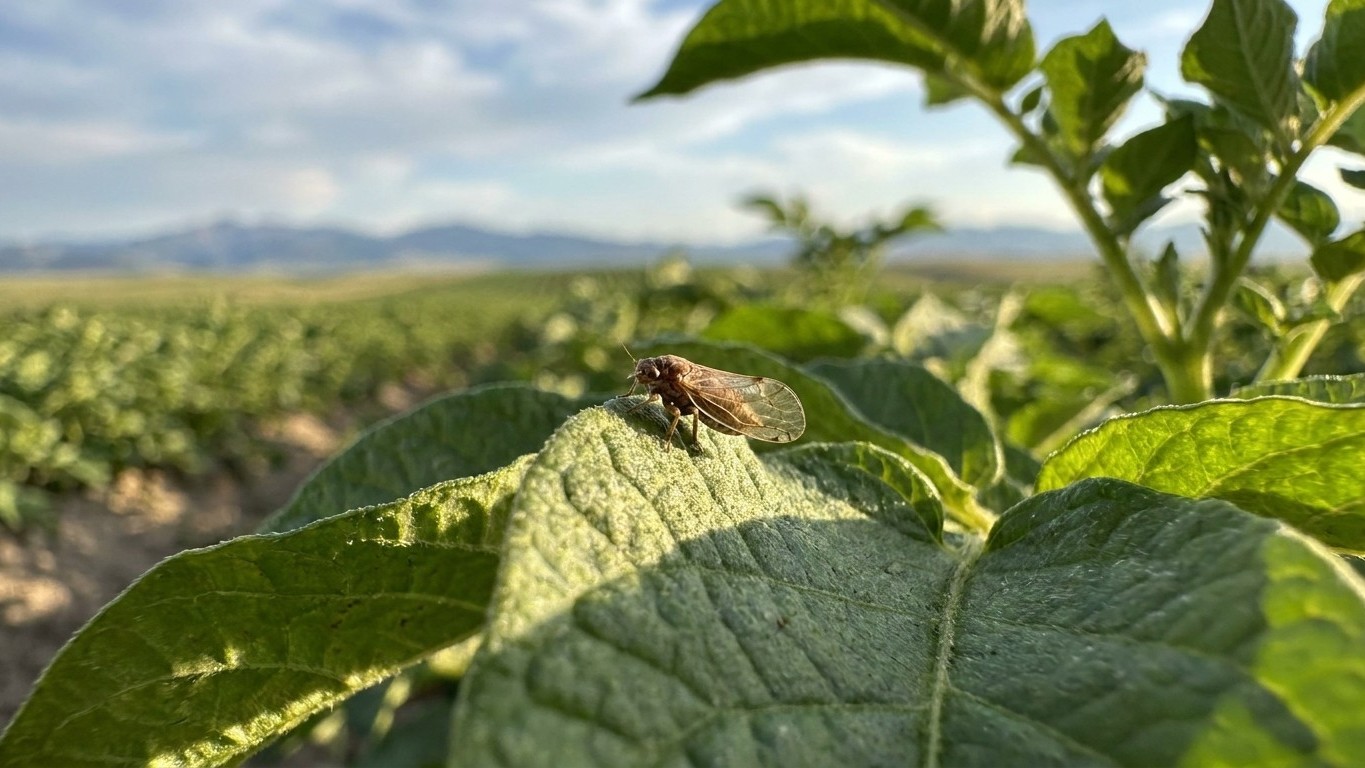
Adult potato psyllids don’t follow a fixed date on a Colorado calendar. They ride warm air currents north each year, and how early they show up on Front…
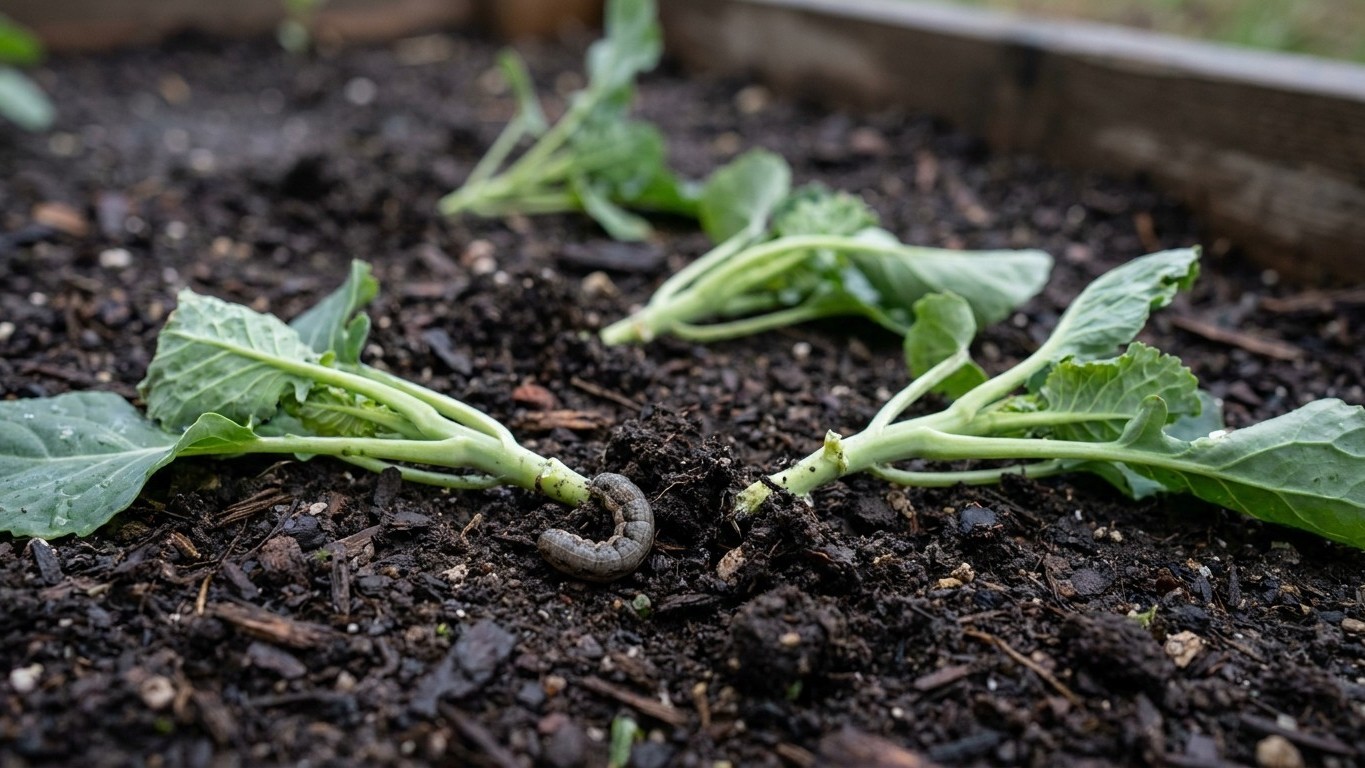
Cutworms show up in Colorado gardens in spring, as soil warms enough for overwintering larvae to start feeding at night on young transplants.
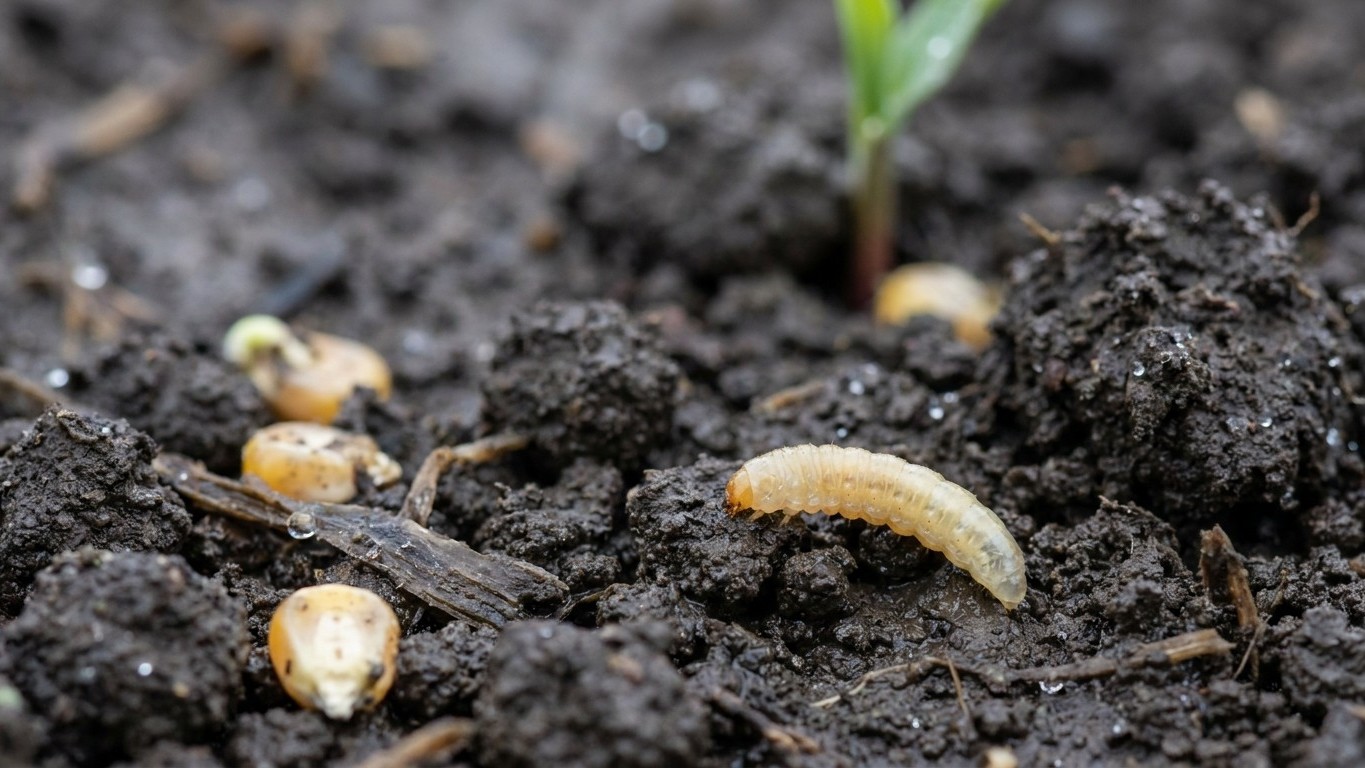
Seedcorn maggot shows up in Colorado gardens in early spring, right when cool, wet soil slows germination and gives the larvae time to attack seeds…