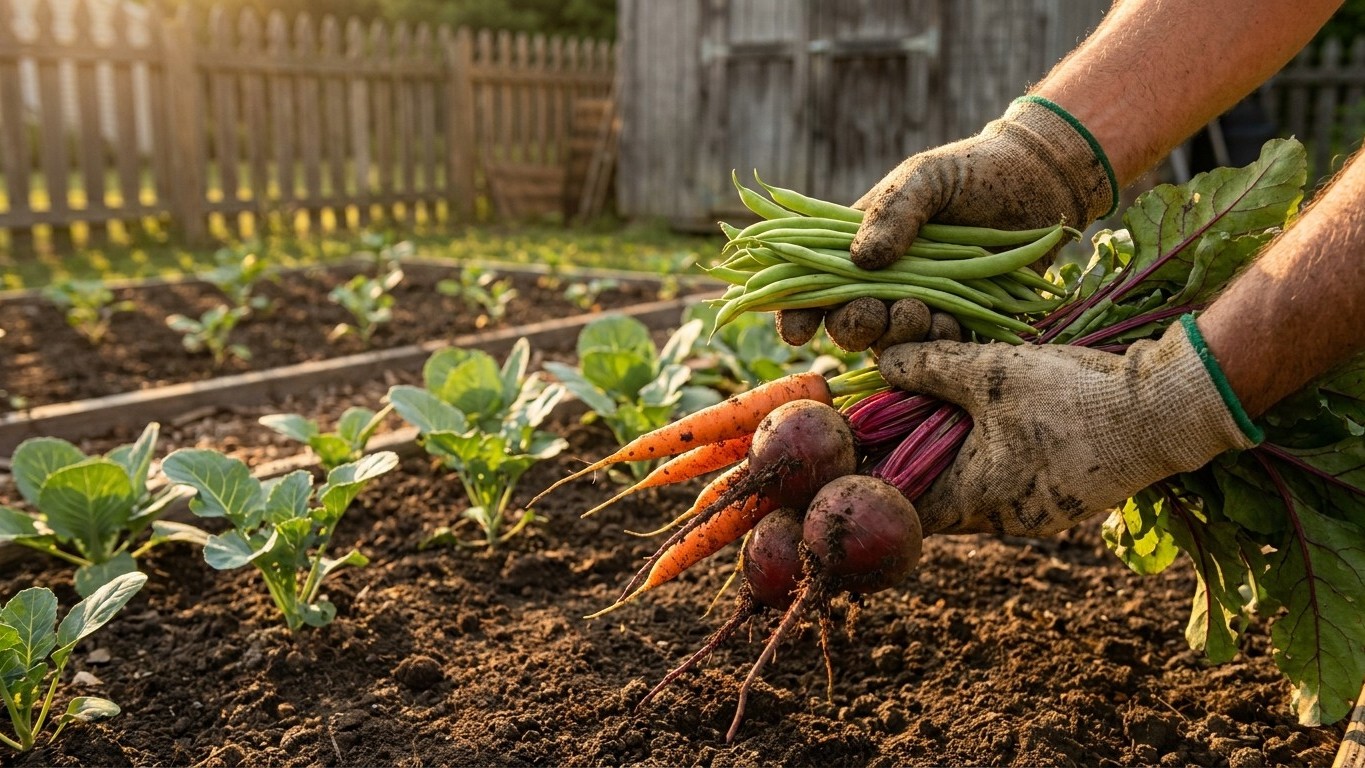

August in Delaware means direct-sowing fast fall crops like bush beans, beets, carrots and turnips, transplanting broccoli, cabbage and cauliflower started weeks earlier, and holding off on new tomato or pepper plants. The state sits in USDA zones 7a-8a, and the first fall frost typically lands between October 26 and November 7 near Wilmington. That leaves roughly nine to eleven weeks of open ground, enough for quick crops but tight for anything slow to mature.
What goes in the ground in August

Soil temperature and the number of days left before frost decide what belongs in the ground this month, not the fact that August feels like the heart of the growing season. Count backward from the October 26 to November 7 frost window and match it against a crop’s days-to-maturity, and the safe list gets clear fast.
Bush beans sown in the first week or two of August, at 50 to 55 days to maturity, still have time to produce before frost arrives. Beets, turnips and radishes fall in the same safe category, and so do quick lettuce varieties and spinach, especially once the sown late in the month when soil temperatures start easing off their July peak. Kale, collards and mustard greens are the most forgiving of the bunch: they tolerate a light frost and can keep producing into the cooler weeks that follow.
Carrots are the borderline case. At 70 to 80 days to maturity, an early-August sowing lands right at the edge of the frost window, workable but with no room for delay. Anything sown after the second week of the month is a gamble on a warm fall stretching the harvest window.
Transplants of broccoli, cabbage and cauliflower, if started from seed back in July, go into the garden now for a fall harvest. Skip new plantings of tomatoes, peppers, melons and summer squash. The hardiness zone technically supports them, but there simply isn’t enough season left for fruit to size and ripen. Garlic and shallots are not an August crop here either; they wait for the cooler soil of October and November.
What to start under cover
“Under cover” in August usually means protecting seedlings from heat rather than from cold. Soil surface temperatures can run well above the ideal germination range for cool-season crops, so starting broccoli, cabbage and cauliflower seed in trays under light shade, or indoors under lights, gives better germination odds than sowing directly into baked garden soil.
Do the arithmetic from the frost end of the season, not from a fixed date. Broccoli and cabbage transplants need roughly 60 to 70 days from transplanting to harvest, plus two to three weeks in the tray before they’re ready to go in the ground. Working backward from an October 26 frost, seed started in the first half of August and transplanted by early September lands with room to spare. Wait until Labor Day to start those same seeds, and the plants run out of season before they size up.
The two failure points are predictable. Start too early relative to the heat and seedlings damp off or bolt under stress before they ever reach the garden. Start too late and the plants are still small when the light drops and growth slows, leaving stunted transplants that never catch up. A shaded seed tray, checked daily for moisture in the August heat, splits the difference: cooler root zone, steady germination, and a transplant ready right when the calendar math says it should be.
What is ready to pick
August is peak harvest for the crops planted back in spring. Tomatoes, peppers, cucumbers, summer squash, corn, snap beans, okra and melons are all coming in, often faster than a household can eat them. Basil and other tender herbs are also at their most productive, provided they’re being cut regularly to prevent flowering.
Ripeness signs are worth checking crop by crop. Tomatoes should give slightly under gentle pressure and show full color for the variety. Summer squash and cucumbers are best picked young and firm; left too long, they turn seedy and bitter. Corn is ready when the husk feels tight and the kernels run milky when pierced, not clear and not dry. Melons tend to slip easily from the vine at the stem when fully ripe, rather than needing to be cut.
Onions and garlic pulled earlier in the summer should be curing in a dry, ventilated spot by now. Check that batch periodically for any bulb going soft at the neck or showing mold, and pull it before it spreads to the rest of the storage crop. Harvesting fruiting crops every day or two, rather than letting them pile up on the plant, keeps production going through the rest of the month instead of tapering off early.
The jobs that matter this month
Watering rhythm matters more in August than almost any other month. Inconsistent moisture on tomatoes and peppers, dry stretches followed by a heavy soak, is the most common cause of blossom-end rot and split fruit. Deep, less frequent watering that reaches the root zone beats a daily light sprinkle that only wets the surface.
Mulch does double duty here: it keeps soil temperatures down for those new fall seedlings and slows moisture loss during dry spells. A two to three inch layer of straw or shredded leaves around new transplants makes a measurable difference in how often they need watering.
Staking and tying can’t wait. Tomato plants loaded with August fruit will snap or sprawl onto the soil without support, inviting rot and slug damage on fruit that touches the ground. Check ties on anything staked earlier in the season, since stems have thickened since spring.
Pest scouting pays off directly this month. Japanese beetles, squash vine borer and tomato hornworms are all active, and catching squash vine borer early, before it’s inside the stem, is the difference between losing a plant and saving it. Check the base of squash and zucchini stems for the telltale frass, a sawdust-like residue, and remove any affected stem section promptly.
Succession sowing of quick crops like radishes, lettuce and bush beans every two weeks keeps the harvest coming instead of arriving all at once. And as spring crops finish up, clearing spent plants and working compost into that bed now sets up the fall planting that follows right behind it.
What not to do in August
The most common mistake is planting warm-season crops because the weather still feels like summer. A tomato or pepper transplant put in the ground in mid-August has no realistic path to ripe fruit before the frost window opens in late October. That energy is better spent on a fall broccoli or cabbage transplant instead.
Feeding high-nitrogen fertilizer to fruiting crops late in their cycle is another common error. Nitrogen pushes leafy growth at the expense of fruit set and can make plants more attractive to aphids and other soft-bodied pests. Crops already loaded with fruit generally need less nitrogen and, if anything, a boost in potassium to support the fruit they’re carrying, not more green growth.
Letting a dry stretch go unaddressed because “it rained last week” is a habit worth breaking in August. Heat evaporates soil moisture fast, and a week without rain in high summer can stress a garden more than a week without rain in spring.
Ignoring pest damage until it’s visible on the leaves is the last trap. Squash vine borer and cucumber beetle damage often starts inside the stem or at the soil line, invisible until the plant is already collapsing. A quick check of stem bases every few days catches problems while they’re still fixable.
Checking this against your own county
Delaware is small, but frost timing still shifts across it. The frost window given here, October 26 to November 7, comes from an airport weather station, and gardens away from that kind of paved, open site typically see frost arrive earlier in fall, sometimes by a week or two, especially in low-lying or rural spots in Kent and Sussex counties compared with the milder pockets near the coast. Treat this page as a starting point, not a guarantee for a specific yard.
For county-level guidance and a Delaware-specific planting calendar, the University of Delaware Cooperative Extension is the right next stop.
Common questions
Can I still plant tomatoes in August in Delaware?
Not new transplants. With frost arriving between October 26 and November 7, there isn’t enough time left for a new tomato plant to set and ripen fruit. Existing plants already fruiting should keep producing through most of the month with regular watering and pest checks.
When should I plant garlic in Delaware?
Garlic goes in during the cooler soil of October and November, not August. Planting it now, while soil temperatures are still high, encourages premature top growth instead of the root development garlic needs before winter.
What vegetables can I direct sow in Delaware in August?
Bush beans, beets, turnips, radishes, quick lettuce varieties, spinach and kale all work well sown directly in August, with earlier sowings in the month favoring crops with longer days-to-maturity like carrots.
How do I protect fall seedlings from August heat?
Start seeds in trays under light shade or indoors rather than sowing directly into hot, sun-baked soil, and keep the growing medium consistently moist. Mulching transplants after they go into the garden also helps keep root zone temperatures down while they establish.