Heating a Home in Michigan: What the Winter Actually Costs
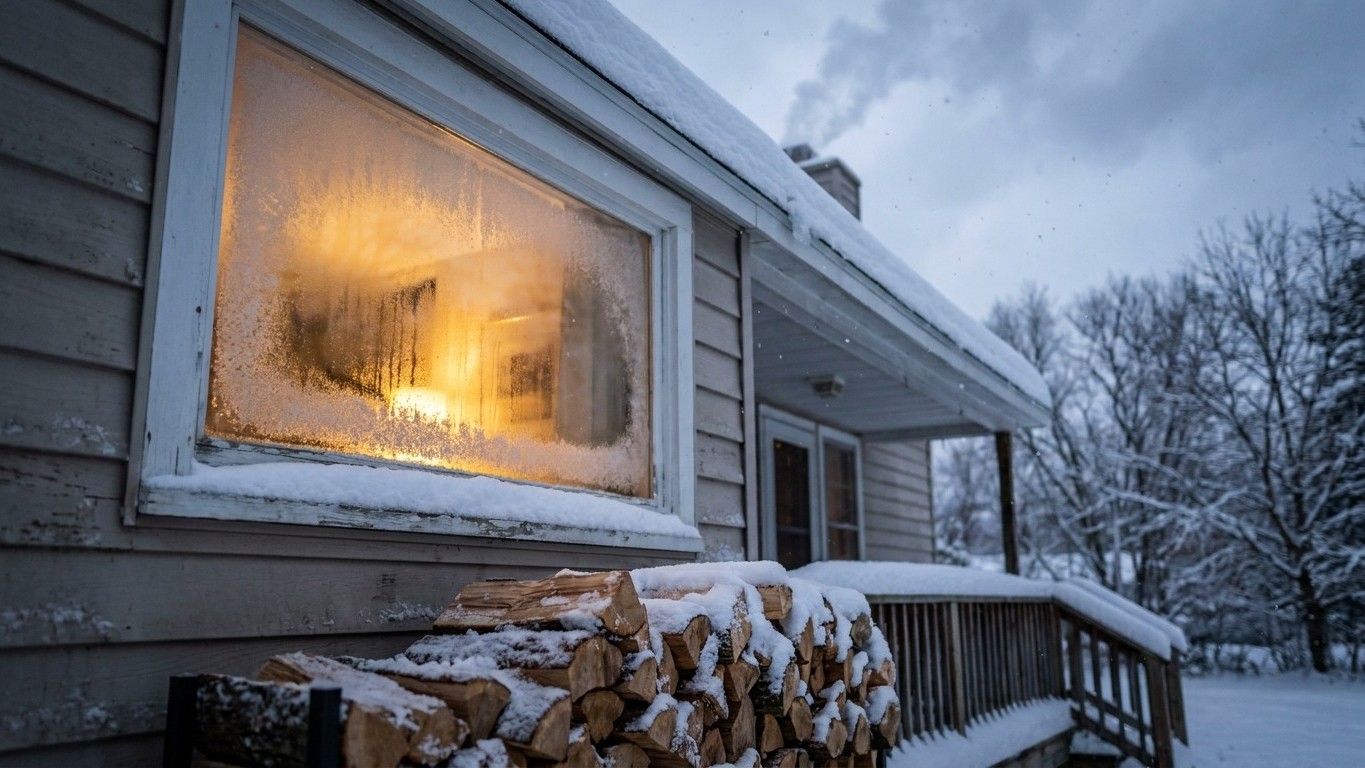
A Michigan winter means four to five months where the furnace or wood stove runs daily, not just on the coldest nights.
Home & garden, state by state
A Michigan winter means four to five months where the furnace or wood stove runs daily, not just on the coldest nights.
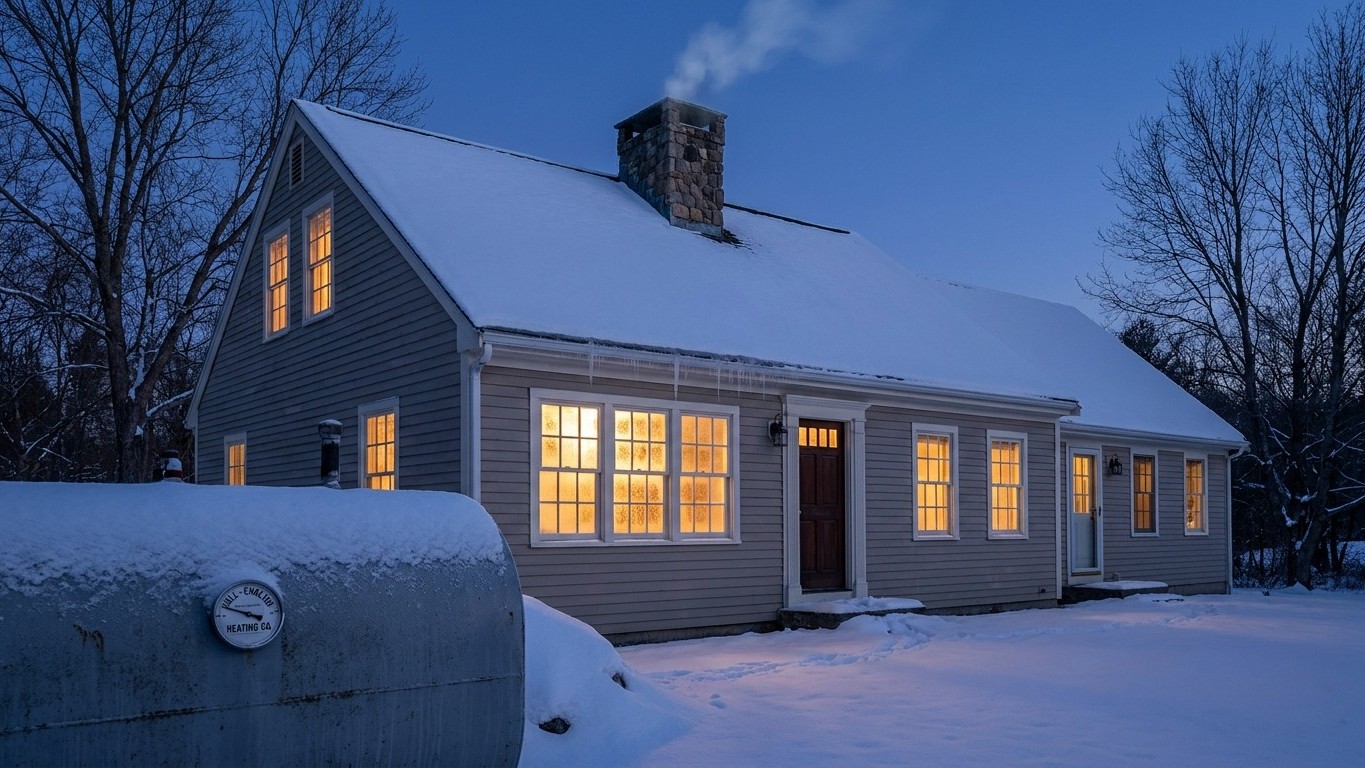
Winter in Massachusetts runs long rather than brutal: the coldest month averages a low of 23.1°F, which puts the state’s furnaces and wood stoves to work…
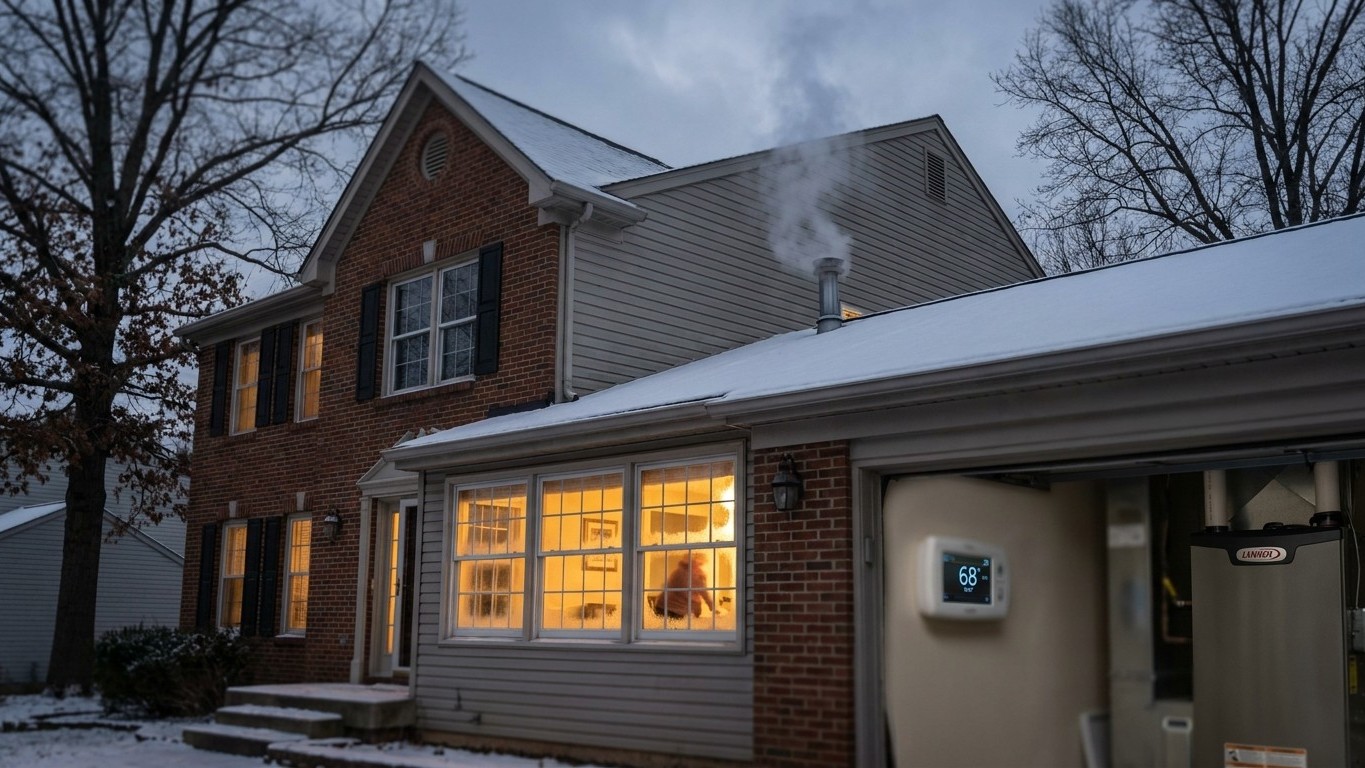
Baltimore’s coldest month sits at a mean daily minimum of 25.4°F. That single number shapes how much wood, propane, or heating oil a Maryland household…
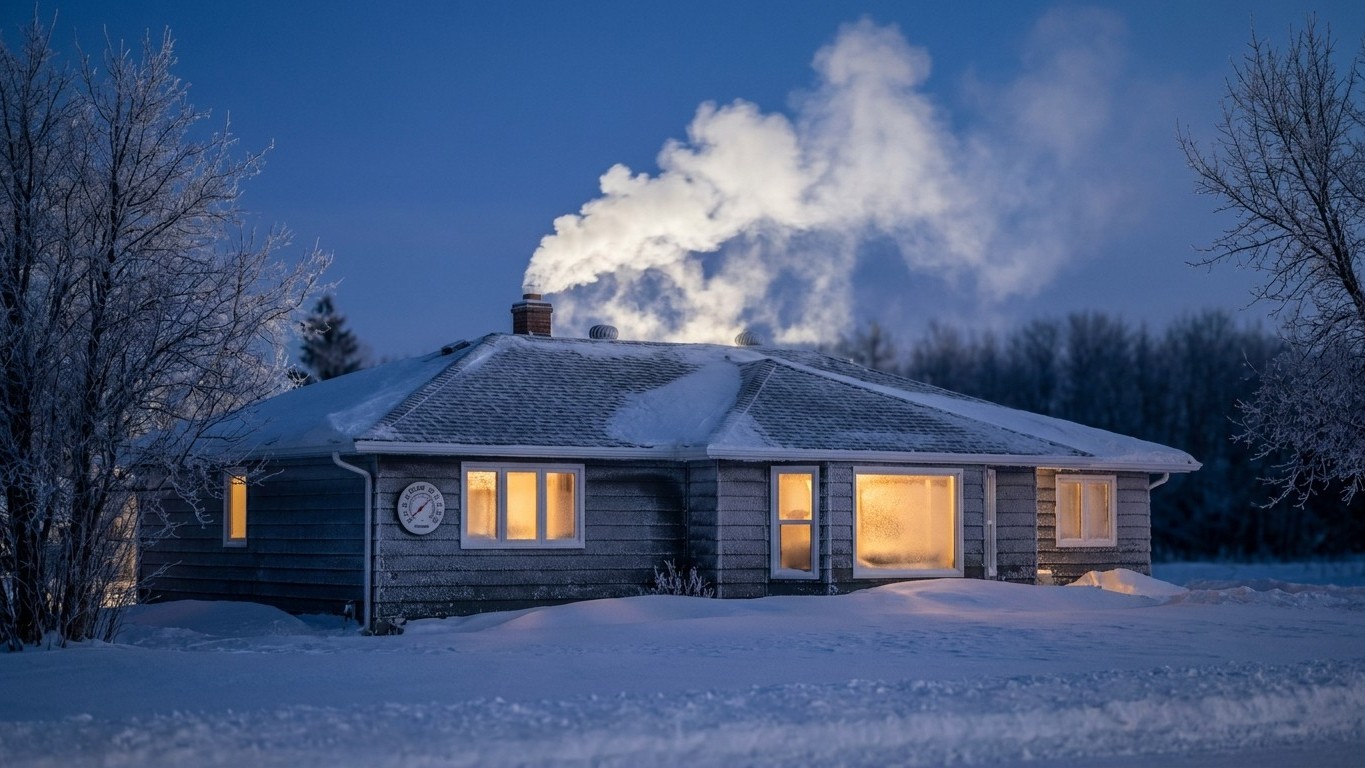
Winnipeg’s coldest month averages a daily low of -6.6°F, and that single number reshapes everything about how a Manitoba home stays warm: furnace sizing…
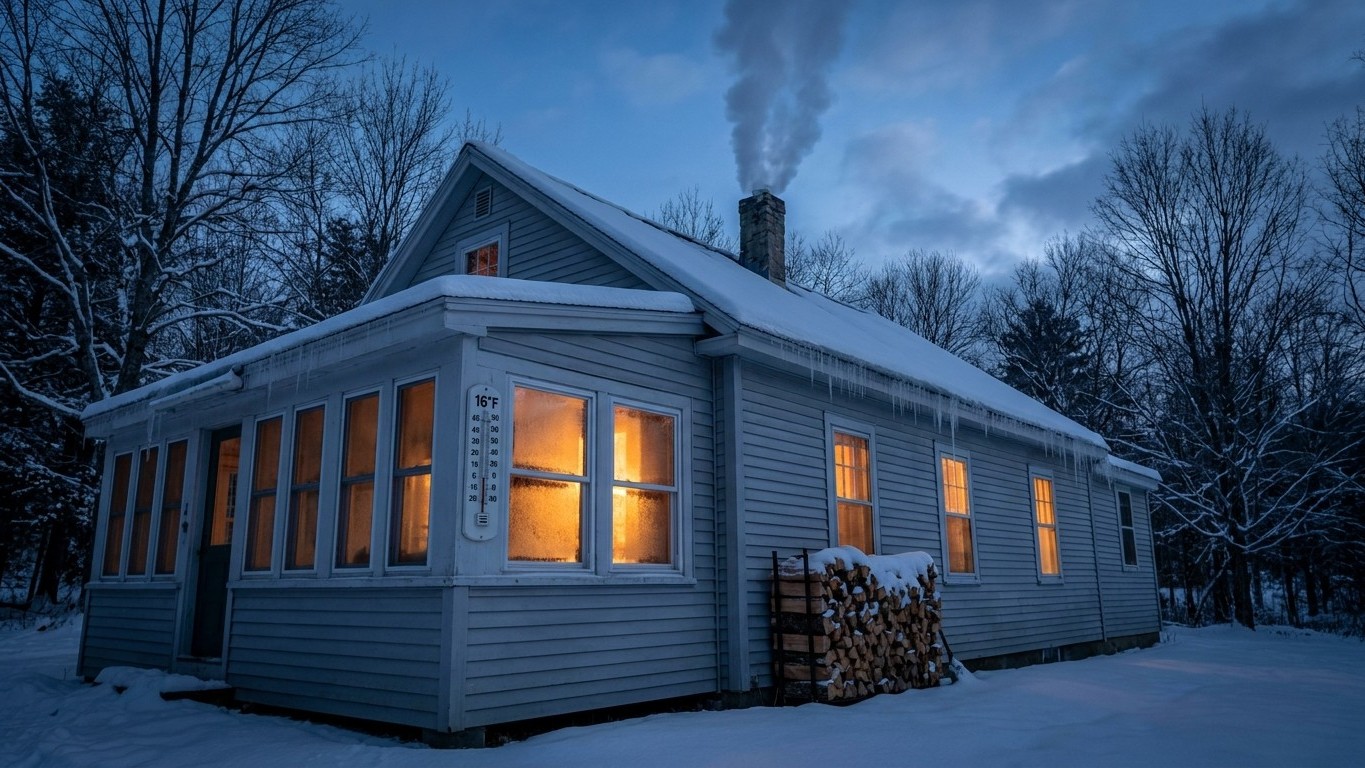
Maine winters mean four to five months of the furnace or woodstove running, with January mornings regularly bottoming out near 16°F.
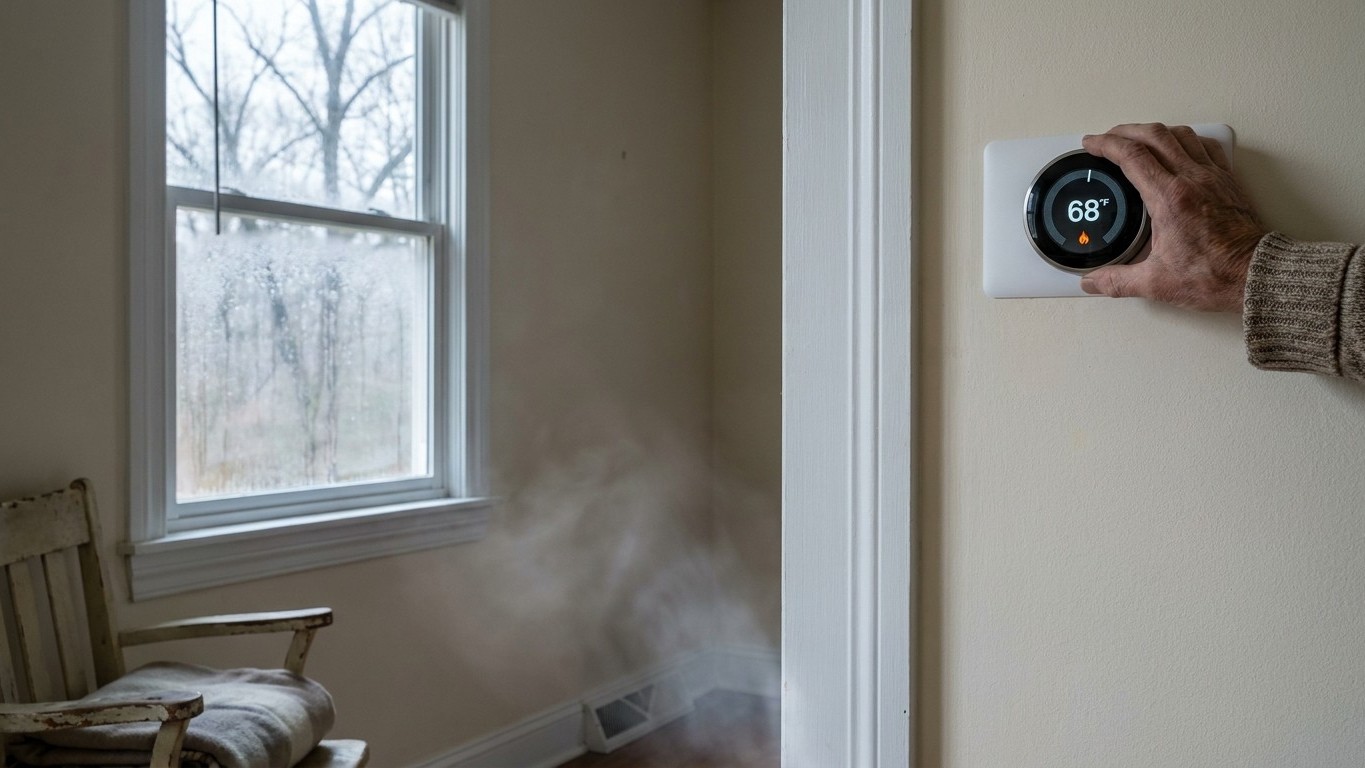
Louisiana winters rarely bite hard, but they linger long enough to matter. A house here doesn’t need to survive a deep freeze so much as it needs to…
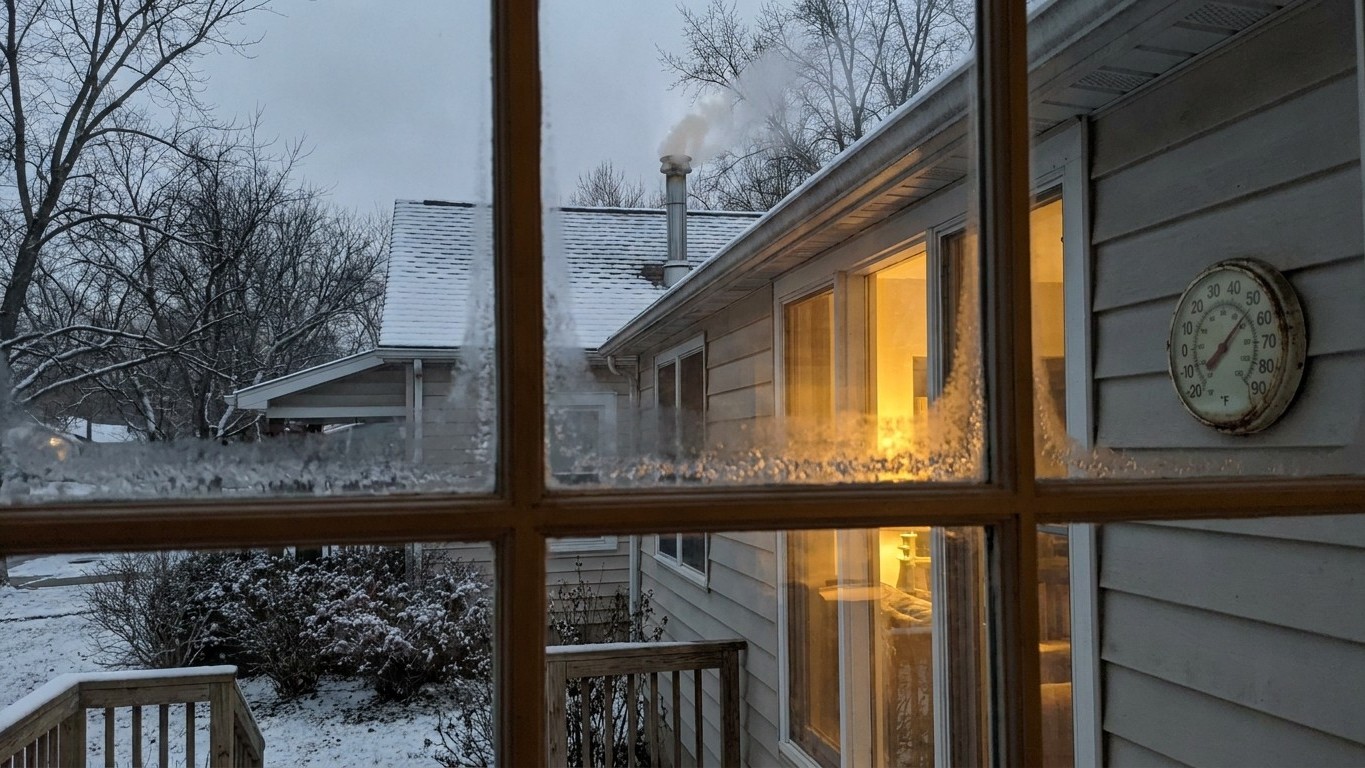
Kentucky winters hover close to freezing more often than they plunge deep below it, but that steady chill is exactly what drives up a heating bill.
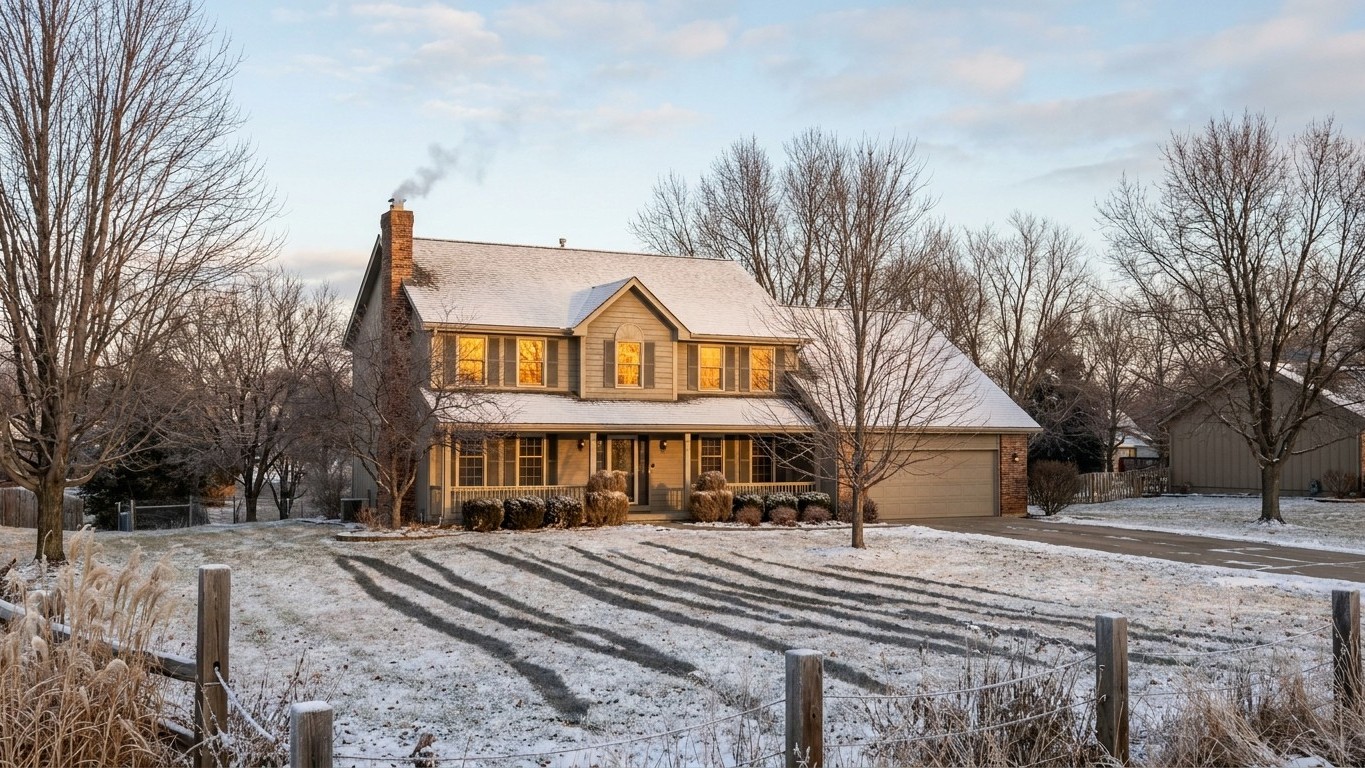
Kansas winters hover right around freezing for months at a stretch, which means furnaces run long and often rather than in short brutal bursts.
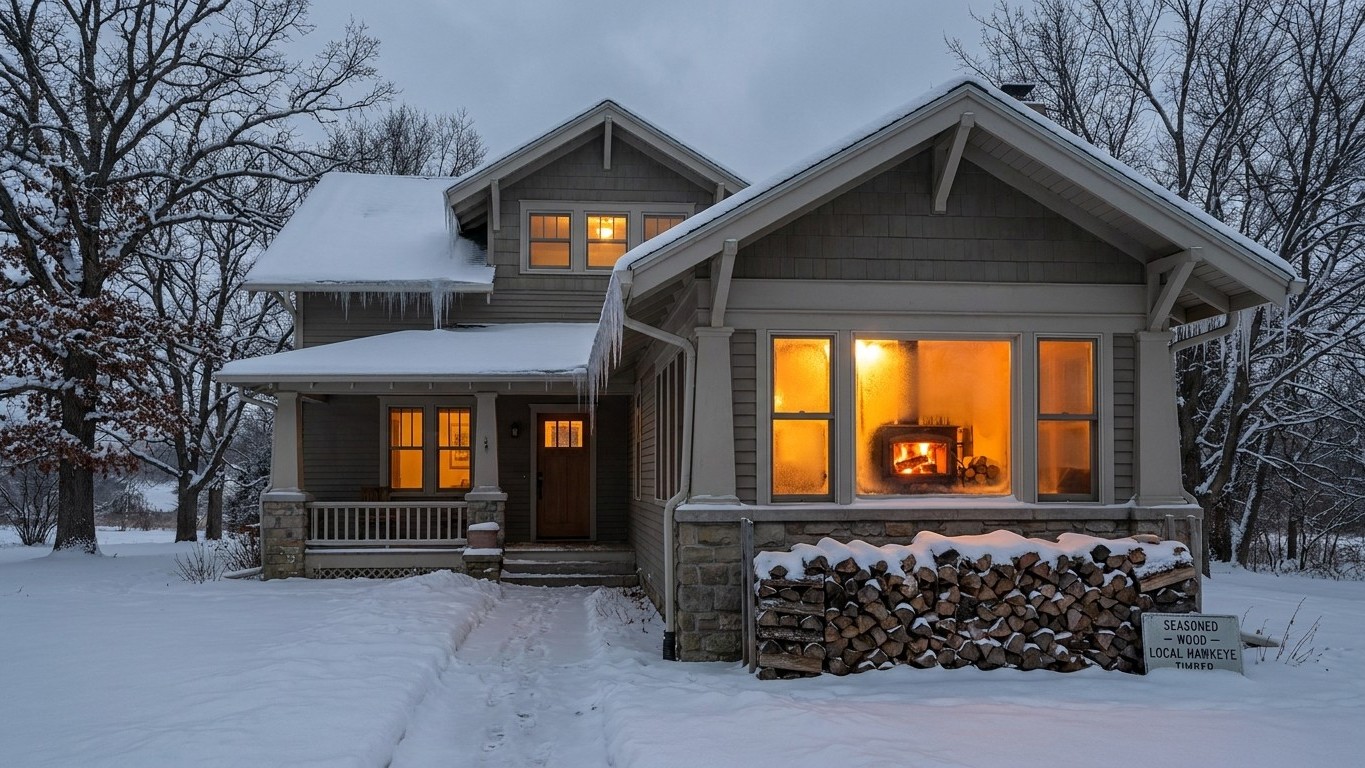
Winters in Iowa mean months of furnace runtime and, for a good share of households, a wood stove or fireplace insert doing real work.
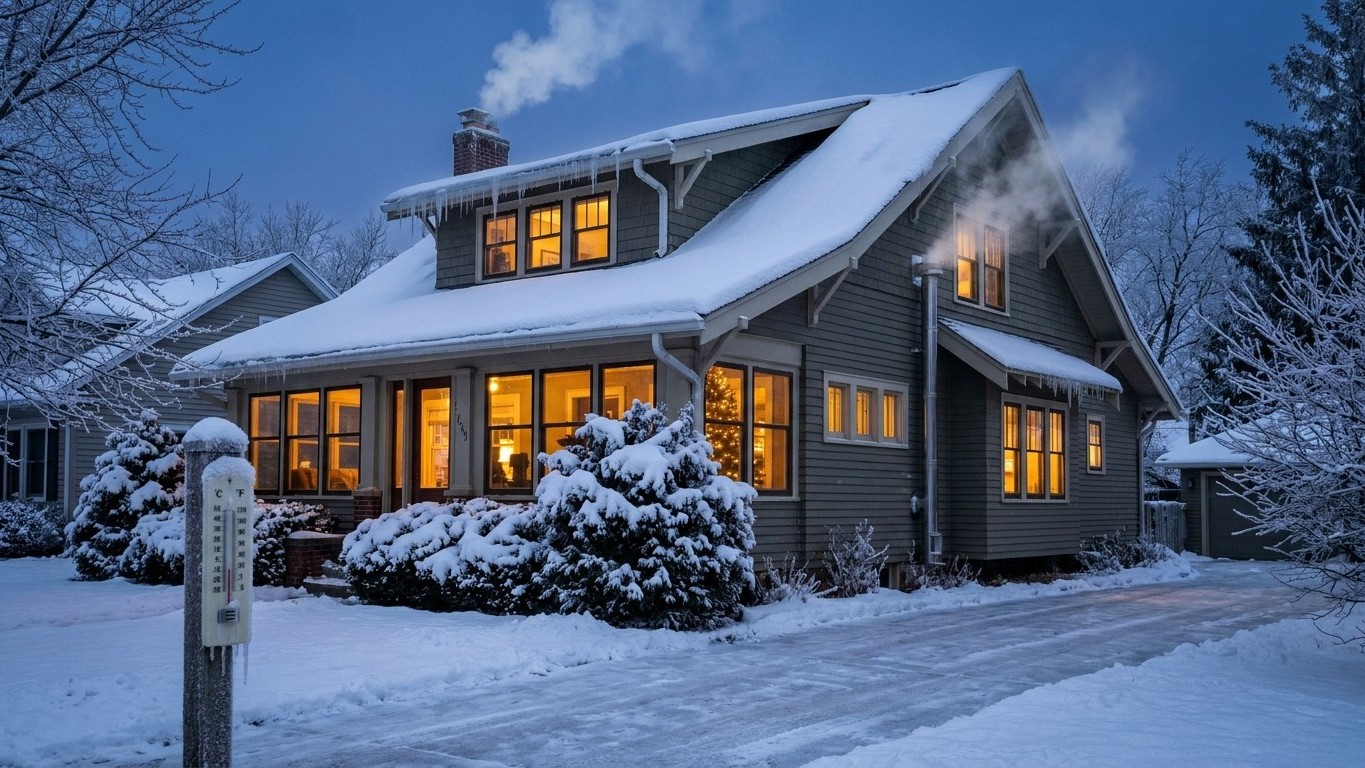
Indiana winters hover near freezing for months at a stretch, and the coldest month averages a low of 20.9°F.