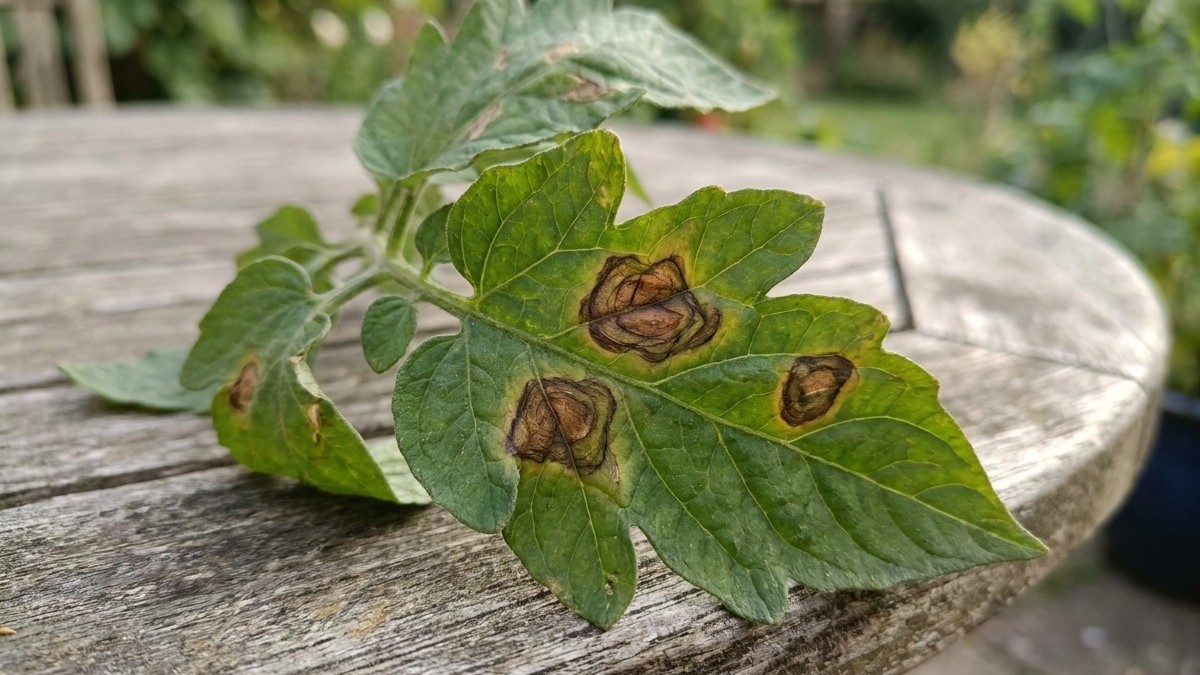

Florida’s potato patch faces a short list of documented feeders, and the pest that shows up first depends on which side of the frost line you’re standing on. In north Florida, aphids and thrips move in as soon as foliage breaks ground, weeks before the last frost risk clears. In central and south Florida, where frost barely registers, the pressure builds through the warm months instead.
Which pests attack potato in Florida
UF/IFAS Extension documents eleven pests for this territory: Aphids, Chilli thrips (Scirtothrips dorsalis), Cycad aulacaspis scale, Eastern lubber grasshopper (Romalea microptera), Fall armyworm, Fire ants, Hornworm caterpillars, Melonworm, Pickleworm, Root-knot nematodes, and Whiteflies. That’s the full list this service publishes for the state. It’s short, and it stays short here rather than getting padded with names that sound plausible but aren’t in the record.
Not every name on that list belongs in a potato conversation. Sorting the list correctly matters more than reading the whole thing, because a gardener chasing the wrong insect wastes a season. Cycad aulacaspis scale is a sago palm and cycad specialist. It doesn’t feed on potato foliage, tubers, or roots, and finding it on a nearby palm tells you nothing about your rows. Melonworm and pickleworm are cucurbit feeders, they go after squash, cucumber, and melon vines, and their caterpillars have no interest in a solanaceous crop like potato. Fire ants don’t consume plant tissue at all. They’re a nuisance and a sting risk at harvest time, and they’ll tend aphid colonies for the sugary honeydew those aphids produce, but they aren’t eating your potato leaves. Eastern lubber grasshopper is a generalist that UF/IFAS documents mainly chewing on ornamentals like amaryllis and lilies; it can wander into a vegetable bed, but it isn’t a specialist feeder on this crop the way it is on landscape plants.
That leaves six species worth watching in a Florida potato patch: Aphids, Chilli thrips, Fall armyworm, Hornworm caterpillars, Root-knot nematodes, and Whiteflies. Aphids and whiteflies work the underside of leaves and spread viruses along the way. Chilli thrips scar new growth and buds. Fall armyworm and hornworm caterpillars chew through foliage, sometimes fast enough to strip a plant in days. Root-knot nematodes work underground, out of sight, until the tubers themselves show the damage.
When each one shows up, and what it does first
North Florida’s last spring frost window runs February 16 to March 7 at the Jacksonville station, based on NOAA NCEI’s 1991-2020 climate normals. That’s the 30 to 70 percent freeze-probability band, not a hard cutoff, and it matters here because seed potatoes typically go in the ground before that window closes, with tubers underground surviving a light frost that would hurt exposed foliage. Central and south Florida don’t work this way at all: frost is a non-event there, and the growing calendar flips, with the main season running through winter and summer becoming the difficult stretch. None of what follows about frost timing applies to Orlando or Miami.
In north Florida, aphids and whiteflies are usually the first visible activity, showing up on the undersides of young leaves within the first couple of weeks after shoots emerge, often before the frost window has fully closed. The tell is sticky residue on leaves (honeydew) and a fine stippling or yellowing where they’ve been feeding in numbers.
Chilli thrips tend to follow a few weeks later, once new growth is flushing steadily. Their damage looks like bronzed or curled leaf tips and distorted new leaves, not chewed holes. Fall armyworm and hornworm caterpillars arrive once foliage is well established and dense enough to hide a caterpillar; the first sign is usually ragged chew marks on leaf edges, then whole leaflets disappearing, sometimes overnight if the population is heavy.
Root-knot nematodes give no early warning above ground. Their damage shows up as stunted, yellowing plants that never quite thrive, and the confirmation only comes when you dig and find swollen, knotted roots or tubers. In central and south Florida, this same progression plays out on a winter planting schedule, with the caterpillar and sucking-insect pressure shifting into the warm months instead of clustering around a spring frost line.
Telling the damage apart from everything else
Potato foliage takes a beating from more than insects, and mixing up the cause wastes whatever time you spend responding. Pulling a struggling plant and looking at the roots is the single move that tells nematode damage apart from everything else, because nothing else on this list produces knotted, swollen roots.
| Symptom | Possible insect cause | Could also be | What distinguishes it |
|---|---|---|---|
| Sticky, shiny leaf surface | Aphids or whiteflies | Fungal growth after rain | Check leaf undersides for clustered insects; sticky residue with no visible insects points elsewhere |
| Bronzed, curled new growth | Chilli thrips | Herbicide drift or heat stress | Thrips damage concentrates on the newest leaves; heat and drift stress tends to hit whole plant sections evenly |
| Ragged holes, missing leaflets | Fall armyworm or hornworm caterpillars | Grasshopper feeding, hail damage | Caterpillar frass (small dark droppings) on leaves or soil below is the giveaway; grasshopper damage is rarer on potato specifically |
| Stunted plant, yellowing overall | Root-knot nematodes | Nitrogen deficiency, drought stress, poor drainage | Only digging and checking roots for knots confirms nematodes; nutrient and water problems don’t produce swollen roots |
Mechanical damage from wind, hail, or foot traffic can mimic caterpillar feeding, but it tends to be uniform across a bed rather than concentrated on individual plants the way an active caterpillar population works through a row. When the cause isn’t obvious from the leaf itself, a local extension agent looking at the whole plant, including the roots, settles it faster than guessing.
What actually works here, and what is a waste of time
Timing beats almost everything else on a short Florida season. Getting seed potatoes into the ground before the frost window closes, rather than after, gives the crop its best head start before aphid and whitefly pressure builds, and that single scheduling decision does more work than most interventions applied later. Physical barriers, floating row covers put in place at planting and kept on until plants are established, are genuinely useful against early aphid and thrips colonization, and they cost nothing in terms of pest identification skill.
Starting with certified seed potatoes is not a minor detail. Uncertified seed carries virus, often without visible symptoms on the tuber itself, and that virus load undermines the whole season before a single insect shows up. Rotating out of potato and other solanaceous crops for a season in beds where nematode damage has shown up also does real work, since root-knot nematodes build up in soil where the same host crops are planted repeatedly.
What wastes time: treating a plant before confirming what’s actually feeding on it. Spraying for caterpillars when the real problem is a nutrient deficiency doesn’t just fail to fix the plant, it can knock back beneficial insects that would otherwise be keeping aphid numbers in check. Reacting to yellowing foliage by watering more, without checking whether nematodes are the actual cause, can make root rot worse instead of helping. And because Florida doesn’t have a uniform statewide product recommendation, no home garden treatment here should be picked off a label at random. The University of Florida’s extension service, not a product shelf, is the source that knows what’s actually legal and effective to use in this state, and this site doesn’t prescribe pesticides for that reason.
Where to check this for your own county
UF/IFAS Extension is the authority that documents this pest list for Florida, but a statewide list doesn’t tell you what’s actually active in a specific backyard. Pest pressure varies inside the state as much as it varies between north and central Florida’s frost calendars, and a county in the Panhandle can see different timing than one two hundred miles south on the peninsula.
Calling the county extension office before planting, not after damage appears, is the move that actually pays off. Every Florida county has a UF/IFAS Extension office, staffed by agents who track what’s showing up locally and who can look at a sample or a photo and give a straight answer instead of a guess.
A statewide fact sheet is a starting point, not a diagnosis. If foliage looks off or a plant is failing to thrive, the next useful step is reaching out to the local office, not searching for a match to a photo online. That’s the one action that turns a documented state-level list into something useful for the actual rows in the ground.
Common questions
Do potatoes need protection from frost in Florida?
In north Florida, tubers underground tolerate a light frost that would damage exposed foliage, which is why seed potatoes typically go in before the last frost window closes rather than after. In central and south Florida, frost isn’t a factor in the growing calendar at all.
Are fire ants a real threat to a potato crop?
Not to the plant itself. Fire ants don’t feed on potato foliage or tubers, but they will sting during harvest and they tend aphid colonies for the honeydew those aphids produce, which can indirectly support an aphid problem.
Why do root-knot nematodes go unnoticed for so long?
They work below ground on roots and tubers, and the only above-ground sign is a plant that stays stunted and yellow without an obvious reason. Confirming them requires pulling the plant and checking the roots for knots.
Should uncertified seed potatoes ever be used?
Uncertified seed can carry virus without visible symptoms, and that virus undermines the whole season regardless of how well pests are managed afterward. Certified seed is the starting point extension services recommend for this reason.