Rose Diseases in Virginia: What the Climate Here Actually Brings
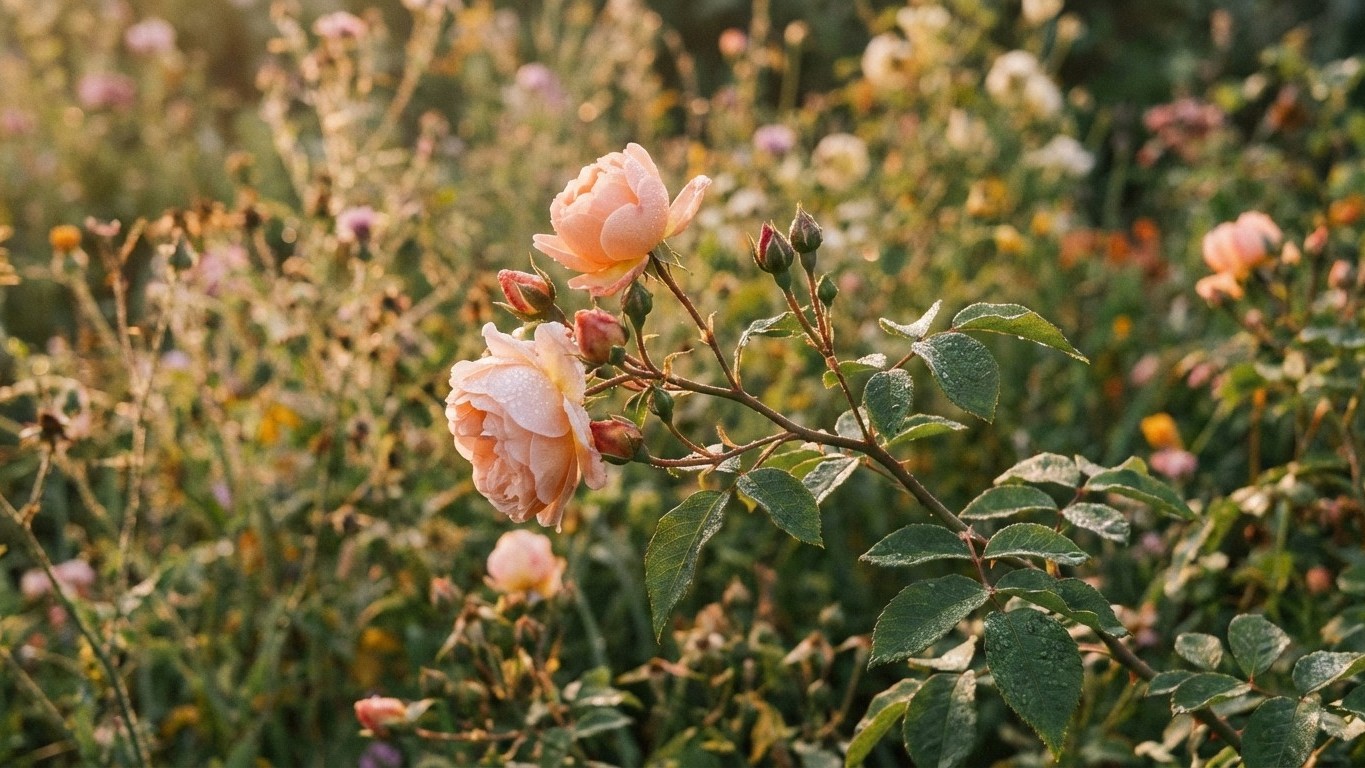
Black spot is the disease most Virginia rose growers meet first, because warm, humid summers give the fungus everything it needs.
Home & garden, state by state
Black spot is the disease most Virginia rose growers meet first, because warm, humid summers give the fungus everything it needs.
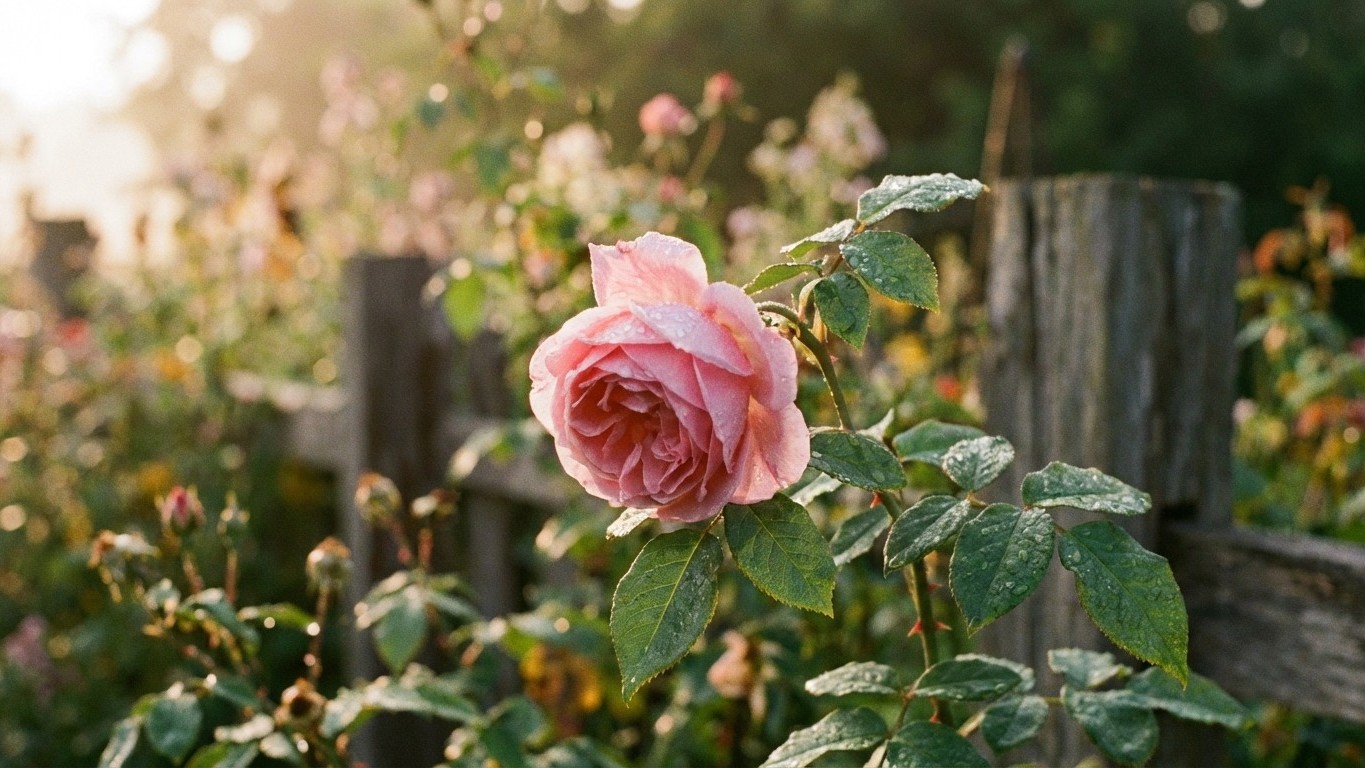
Three fungal diseases cause most rose trouble in Quebec: black spot, powdery mildew and downy mildew.
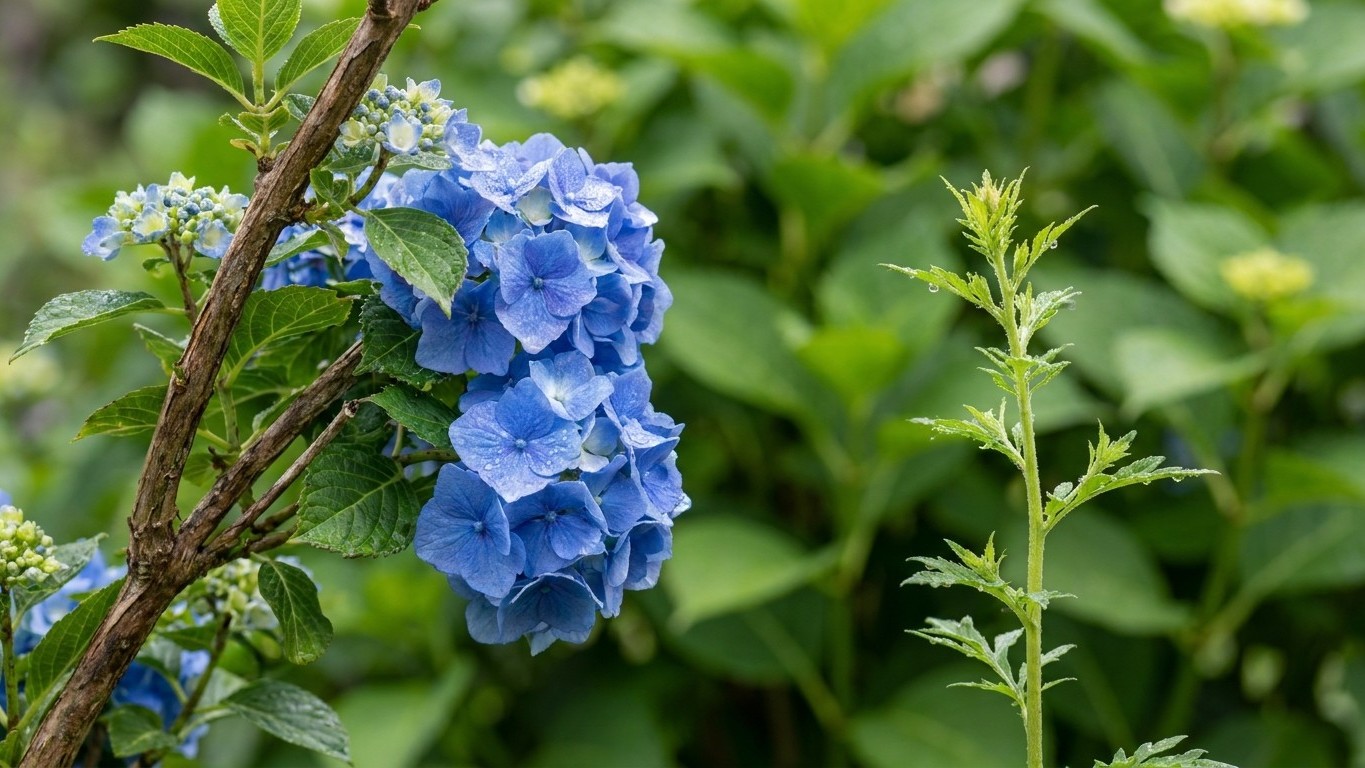
Prune hydrangeas in Saskatchewan in spring, just as the buds swell and before the leaves open.
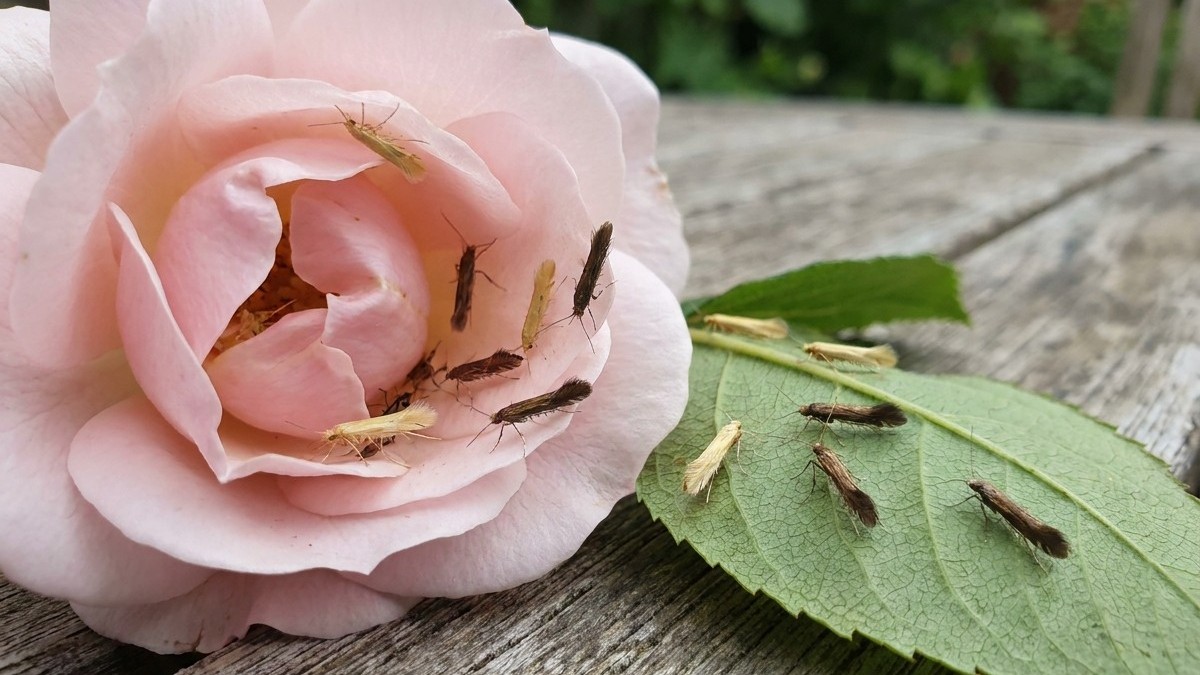
Yes, in nearly all of Vermont. The USDA Plant Hardiness Zone Map puts the state in zones 3b to 5b, and grafted roses such as hybrid teas, floribundas and…
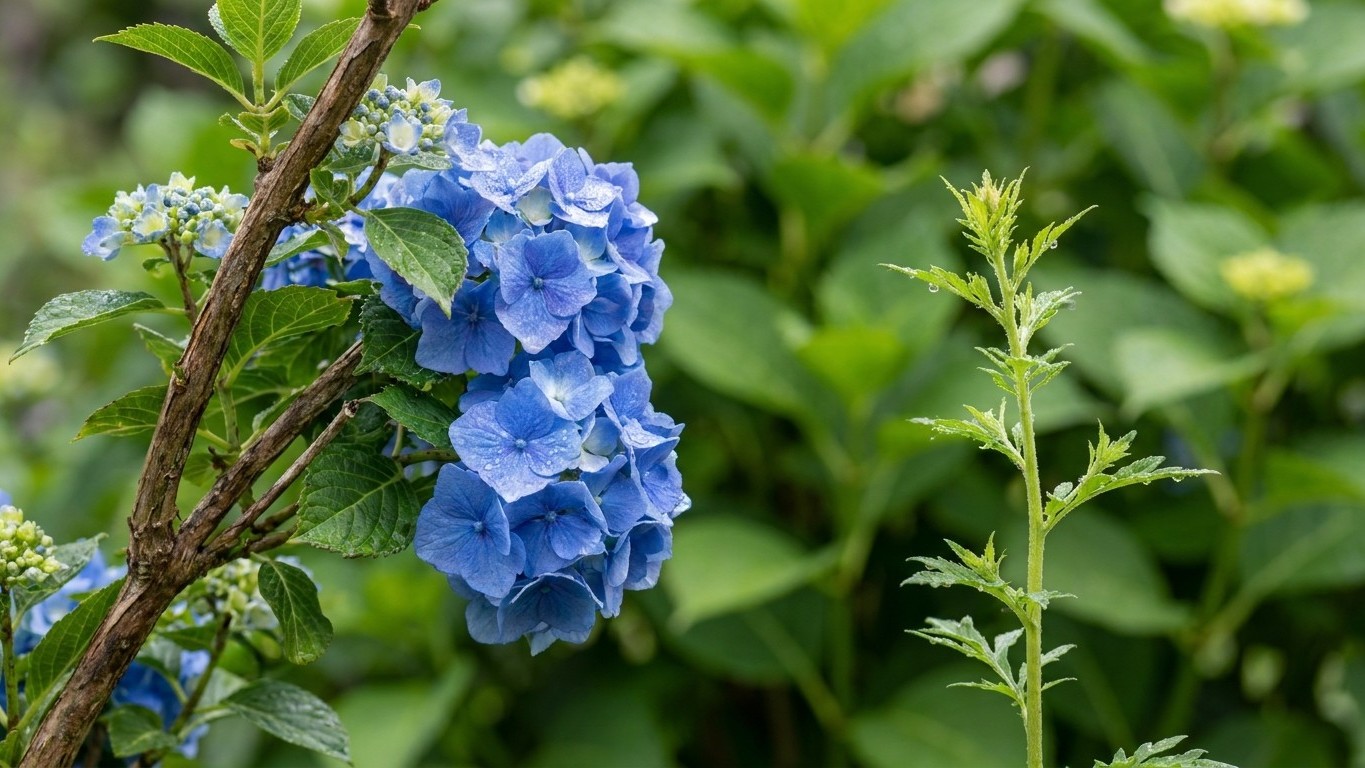
Most hydrangeas in Rhode Island need little more than a mulch ring and a deep watering before the ground freezes. Bigleaf types are the exception.
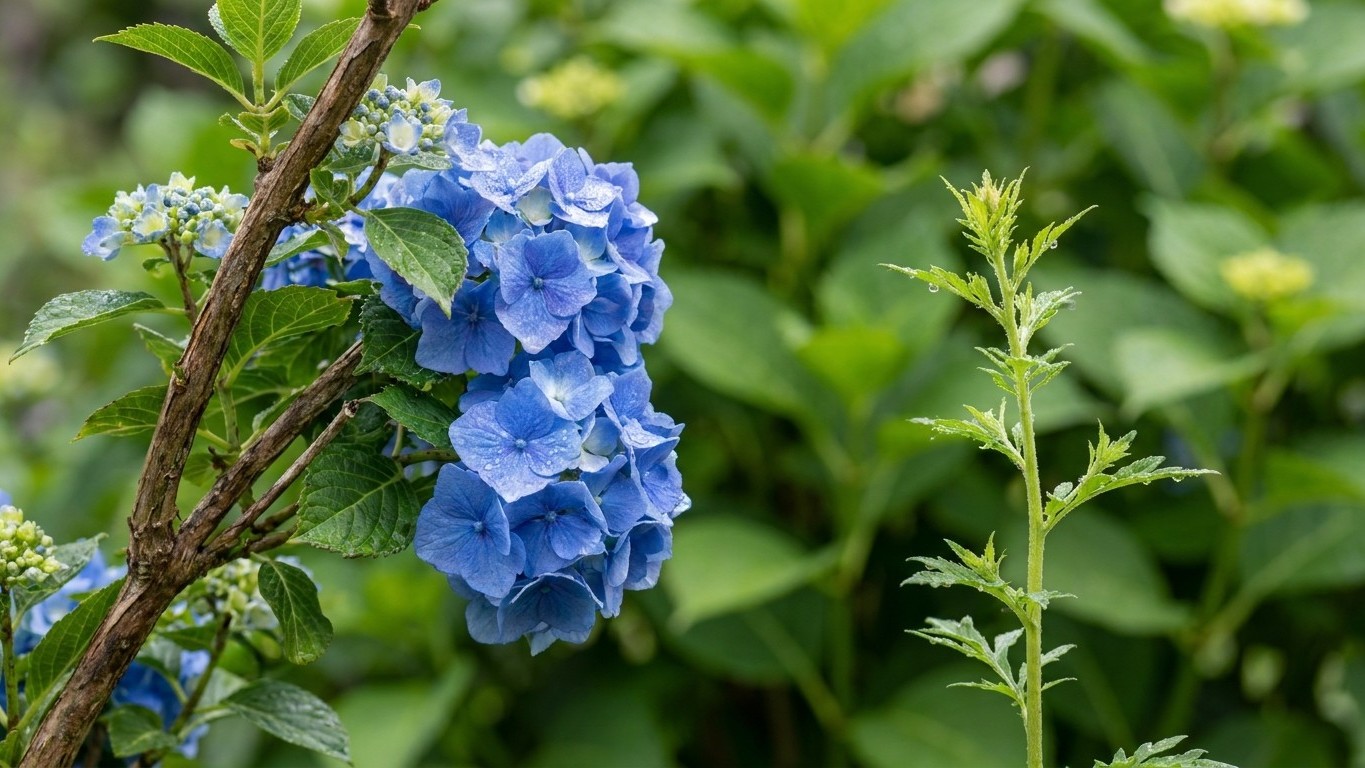
Panicle and smooth hydrangeas come through a Rhode Island winter with almost no fuss, and they bloom every year because they flower on new wood.
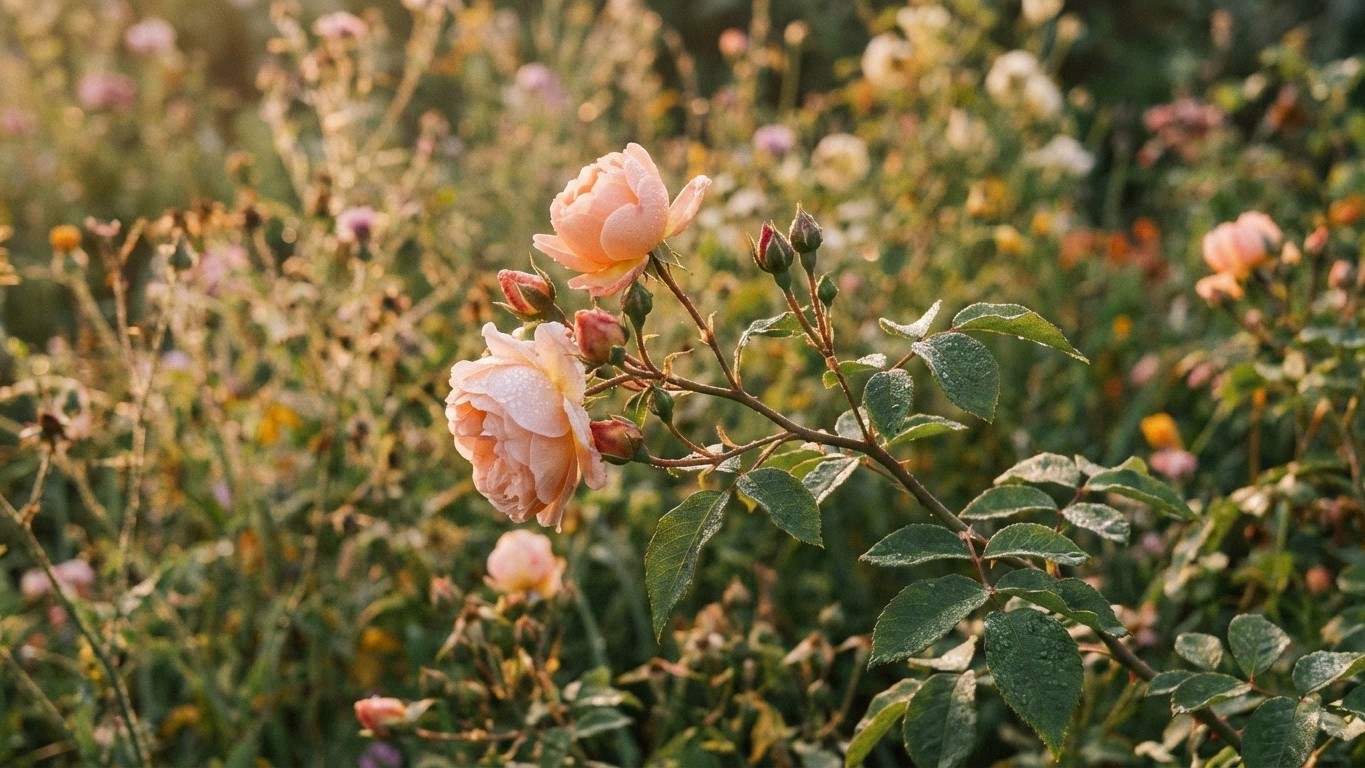
Yes, grafted roses in Prince Edward Island need winter protection. The job is simple: bury the base of each bush under 10 to 12 inches of bagged soil…
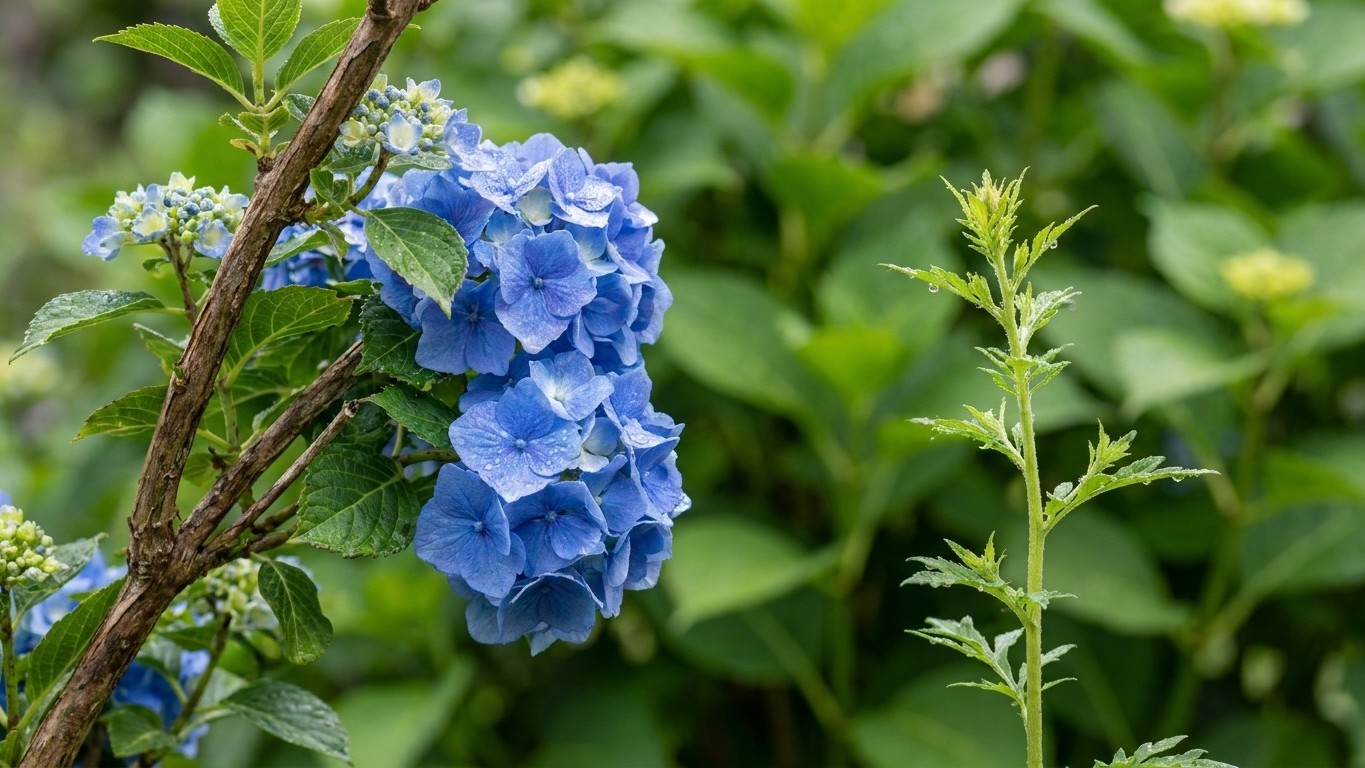
Bigleaf hydrangea flowers work like a pH switch. In soil with a pH of about 5.5 or lower, they turn blue.
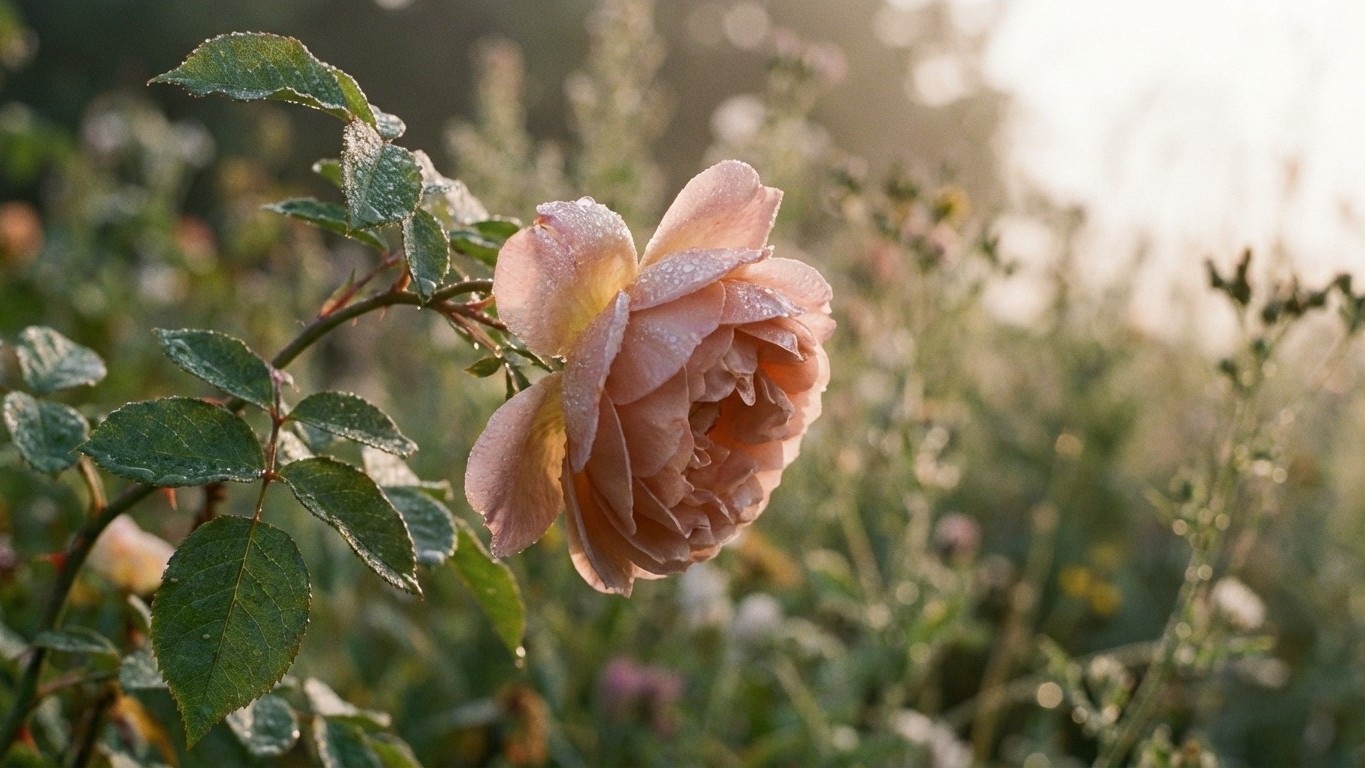
Rugosas and Canadian Explorer roses are the safest bets for a Vermont yard, and they come through winter with little help.
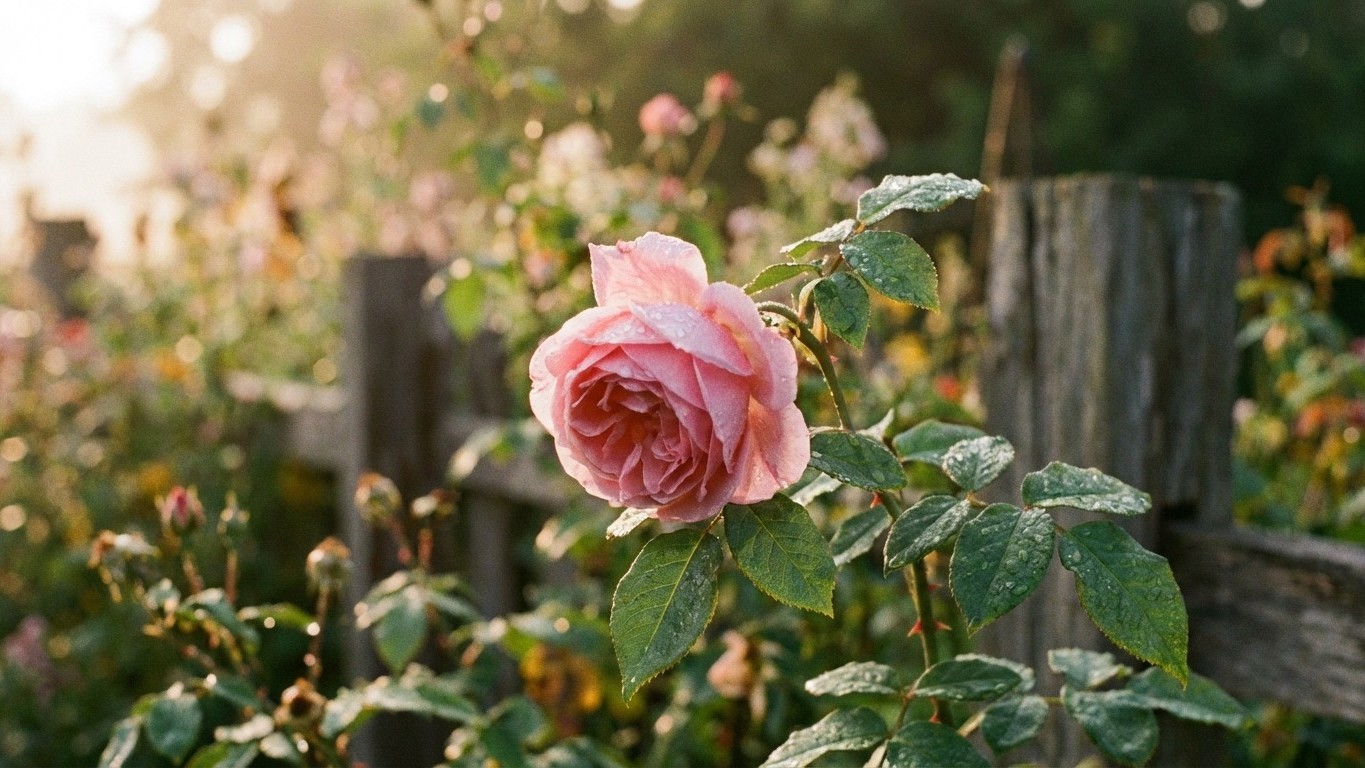
Rugosa roses, the Explorer series and tough shrub roses such as Hansa and Therese Bugnet come through Island winters with little fuss.