Hedge Plants for Indiana: What Holds, and What Only Looks Hardy
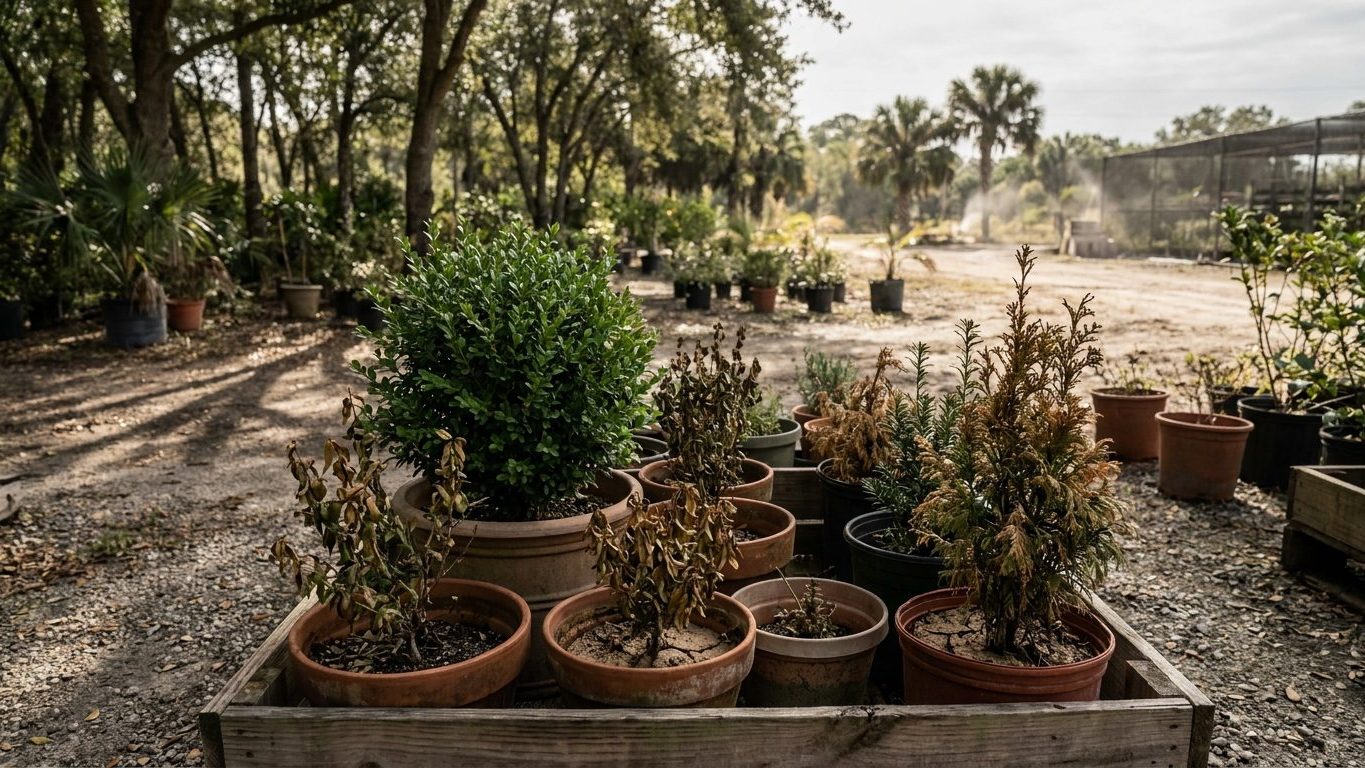
Ten of the twelve hedge species documented on this site survive the full range of Indiana winters, USDA zones 5b to 7a.
Home & garden, state by state
Ten of the twelve hedge species documented on this site survive the full range of Indiana winters, USDA zones 5b to 7a.
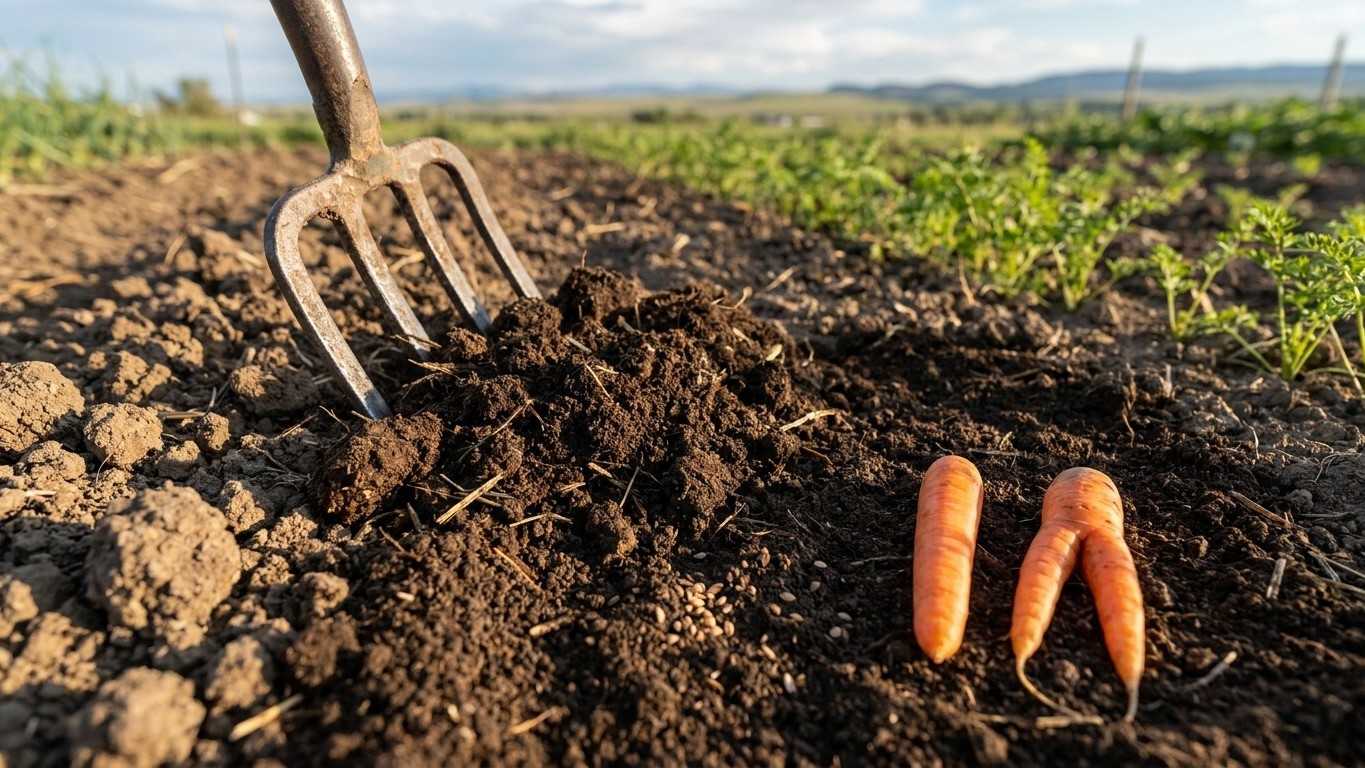
Pull carrots when the tops are full and green and the orange shoulders show at the soil line, which is about 65 to 75 days after planting by Clemson…
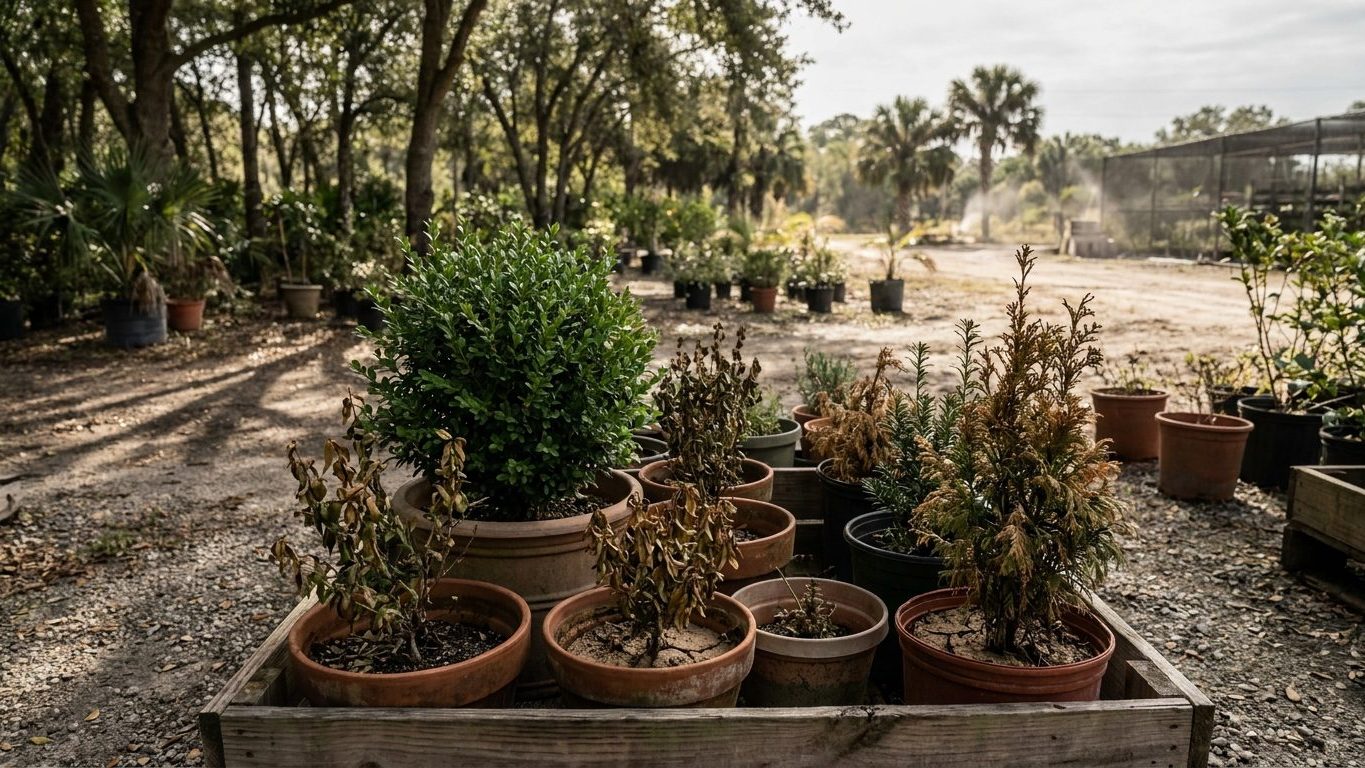
Ten of the twelve hedge plants on this site hold across all of Illinois, which runs from USDA zone 5a to 7b. Two do not.
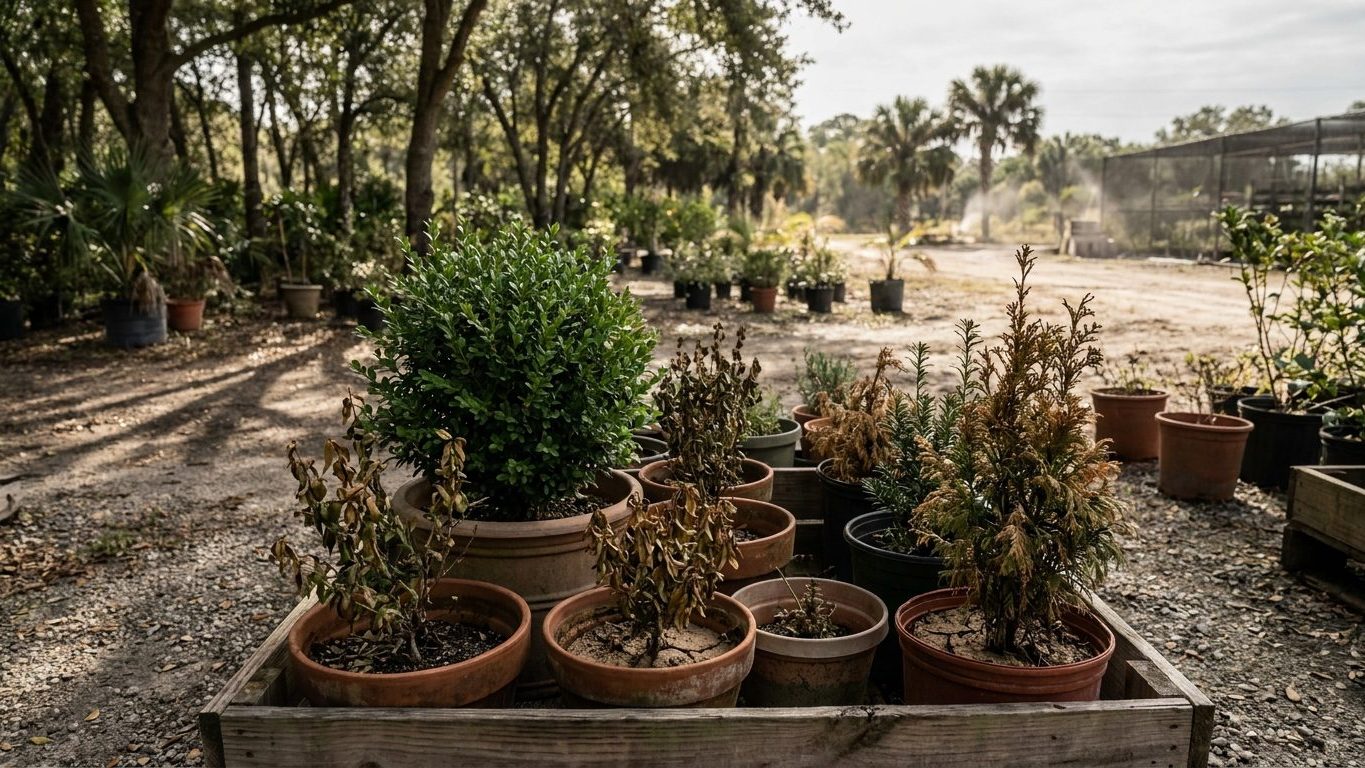
Six of the twelve hedge species tracked on this site hold across all of Idaho. The other six survive in only part of it, and none fail everywhere.
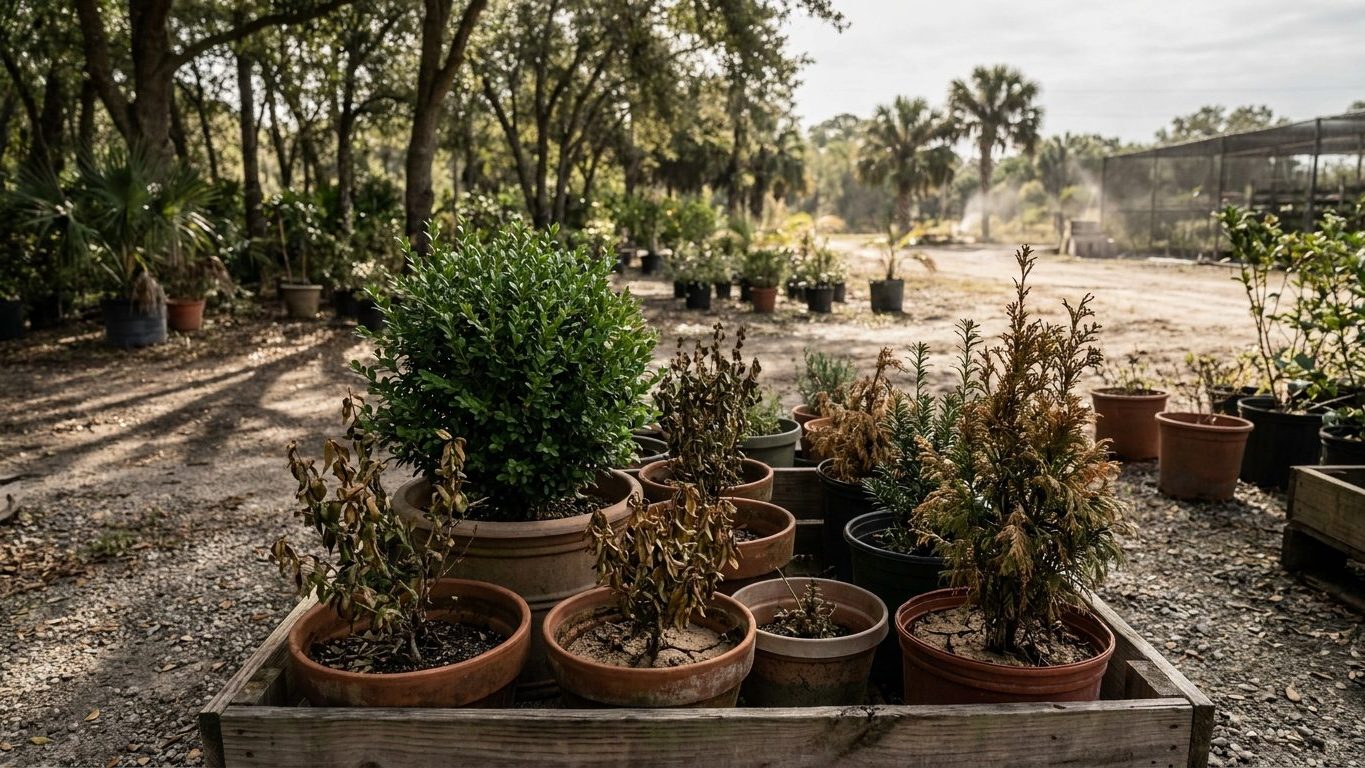
Of the 12 hedge species documented on this site, none holds across all of Hawaii, which spans USDA zones 9a to 13a. Seven fail everywhere in the state.
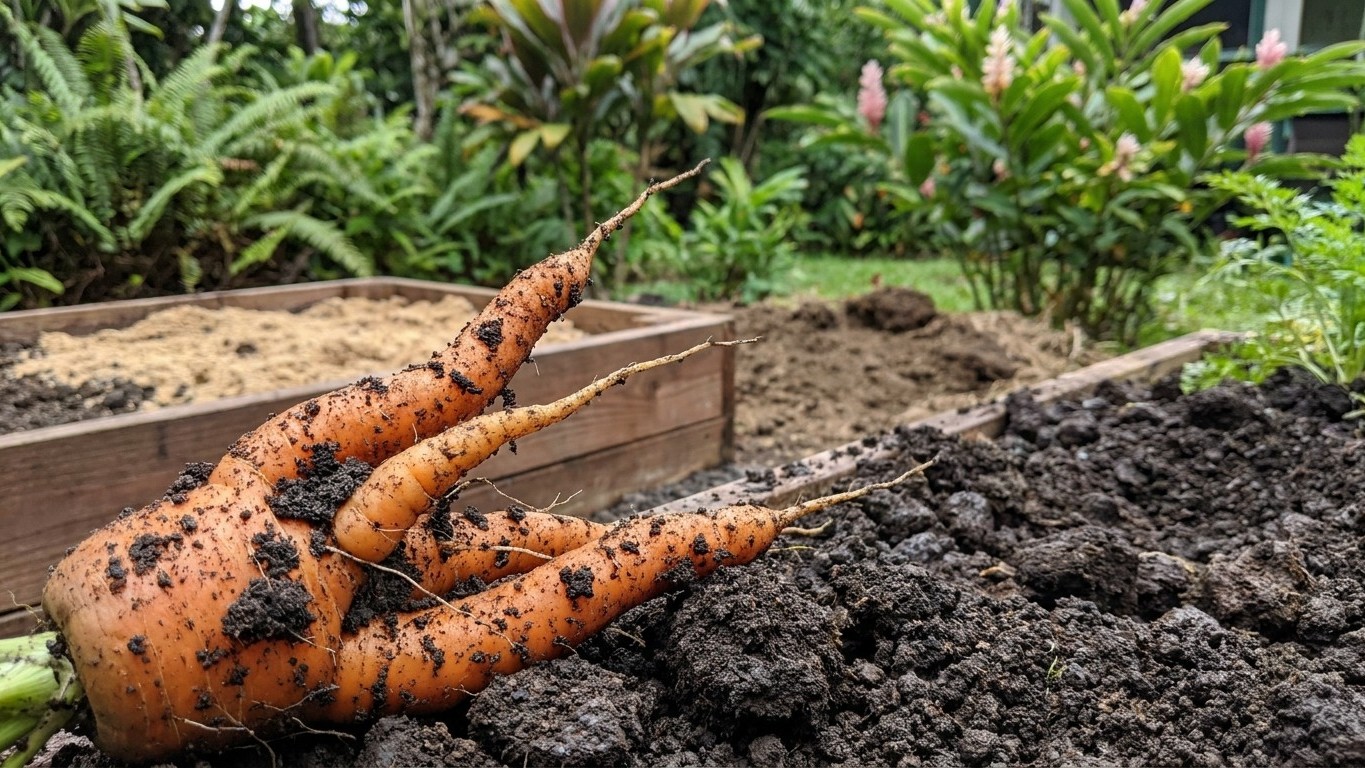
Pull carrots when the shoulders are broad and deep orange, then cut the tops off and chill the roots just above freezing.
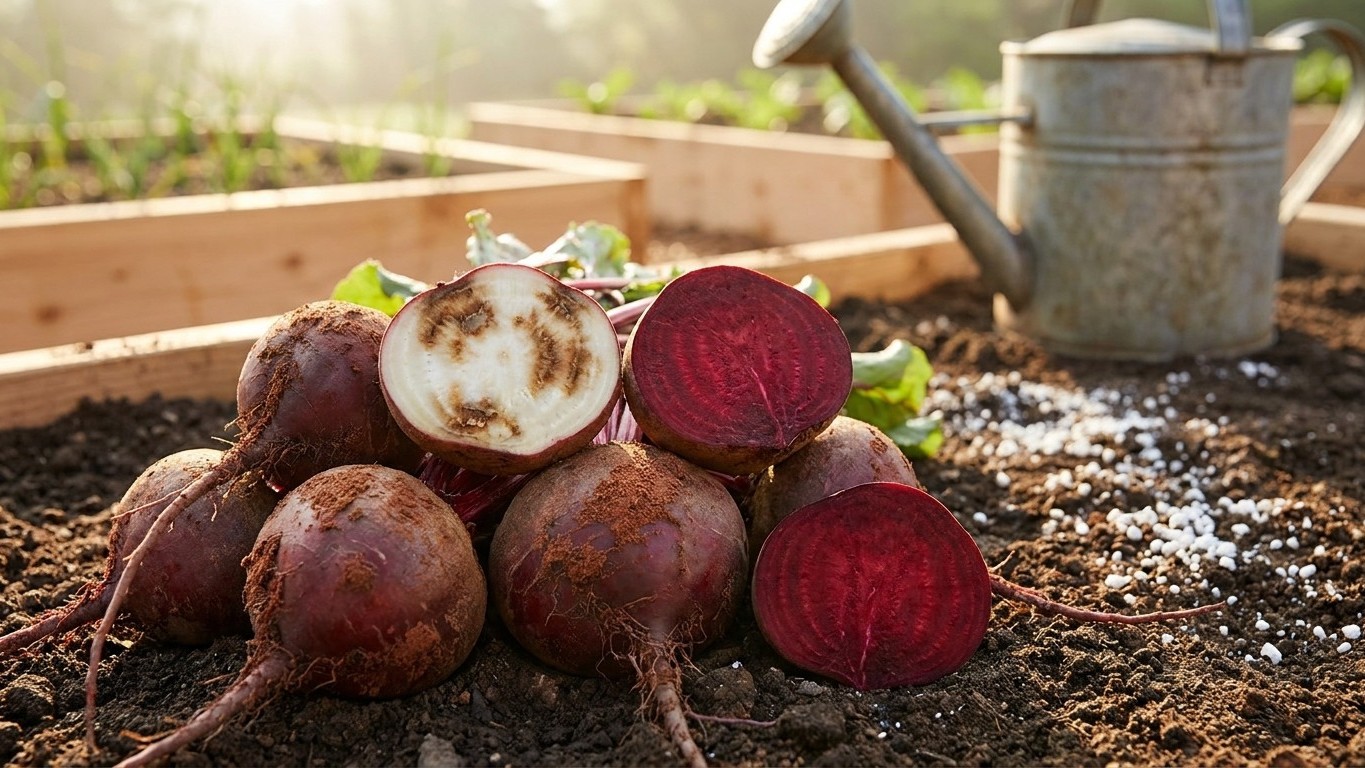
Kentucky’s extension entomologists document ten insects for the state, and only a few have any business in a beet row.
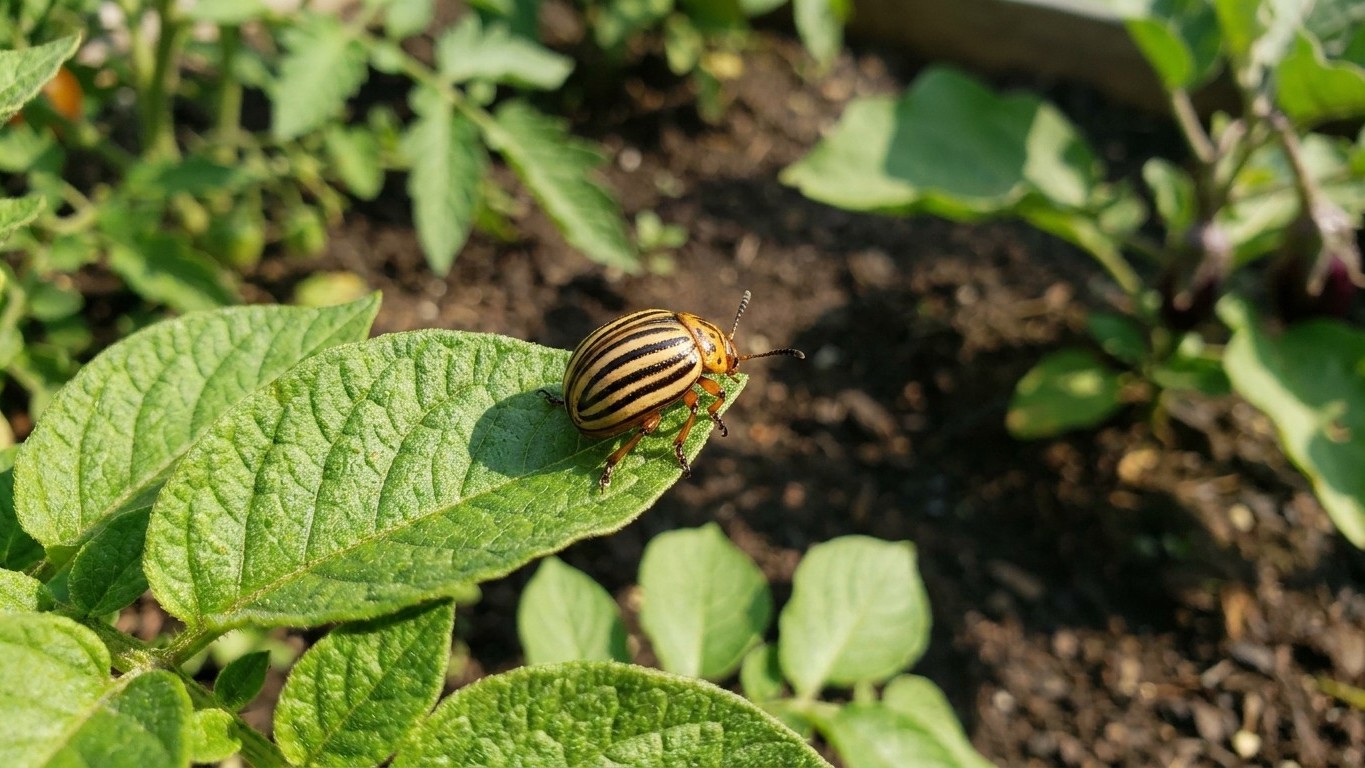
Four of the five pests documented for this area feed on potato: aphids, cutworms, root maggots and slugs. The fifth, spruce beetle, belongs to the forest.
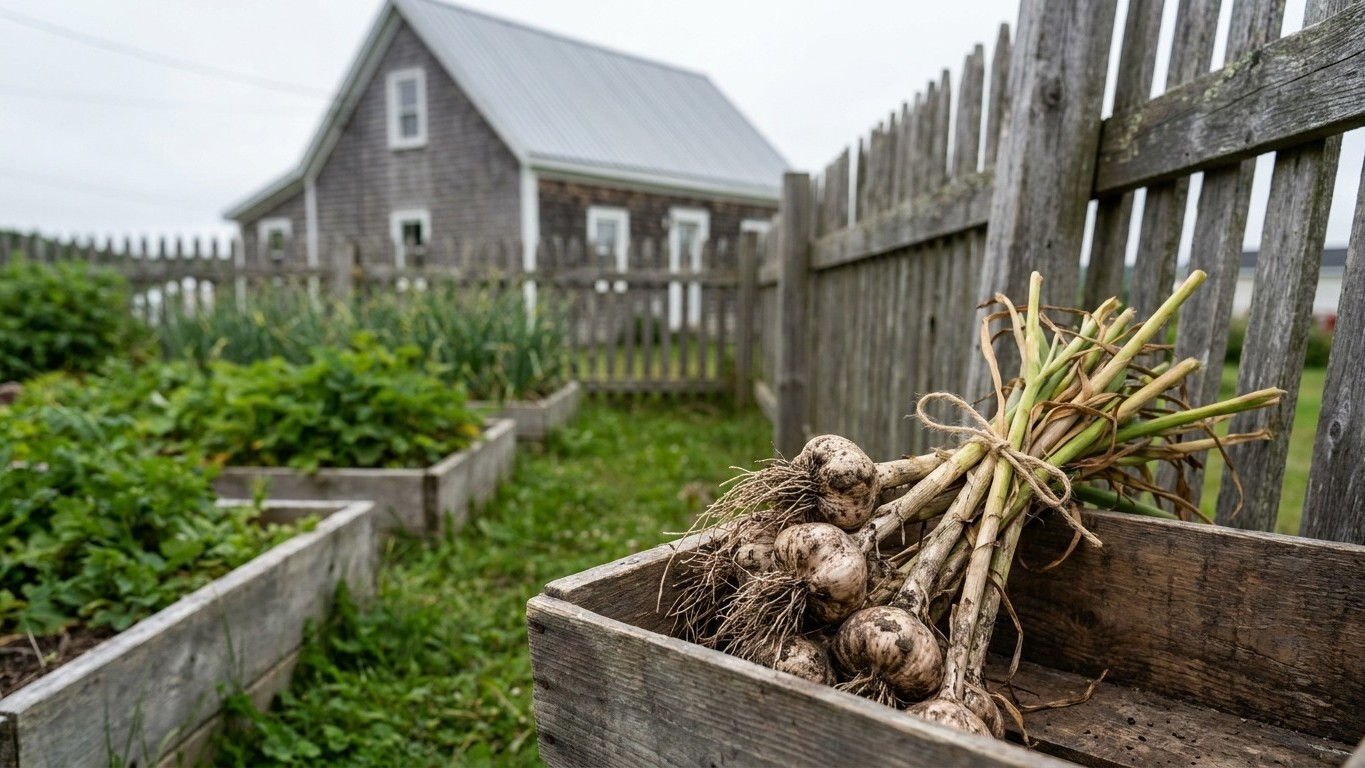
University of Wyoming Extension documents a list of garden pests for the state, and about eight of them actually go after potato: Colorado potato beetle…
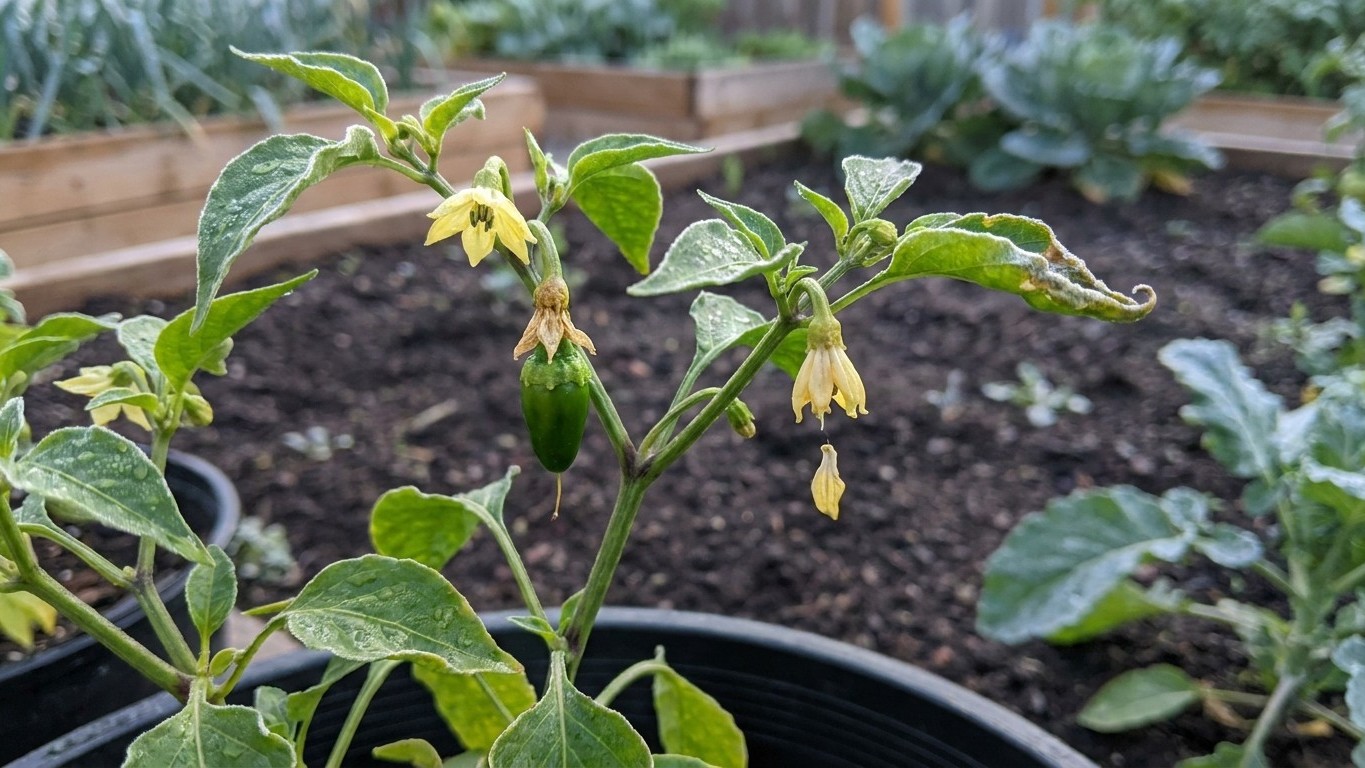
The University of Wisconsin-Madison Division of Extension documents a long list of garden insects for the state, but only a handful of them feed on potato.