What Eats Parsnip in South Carolina, and When
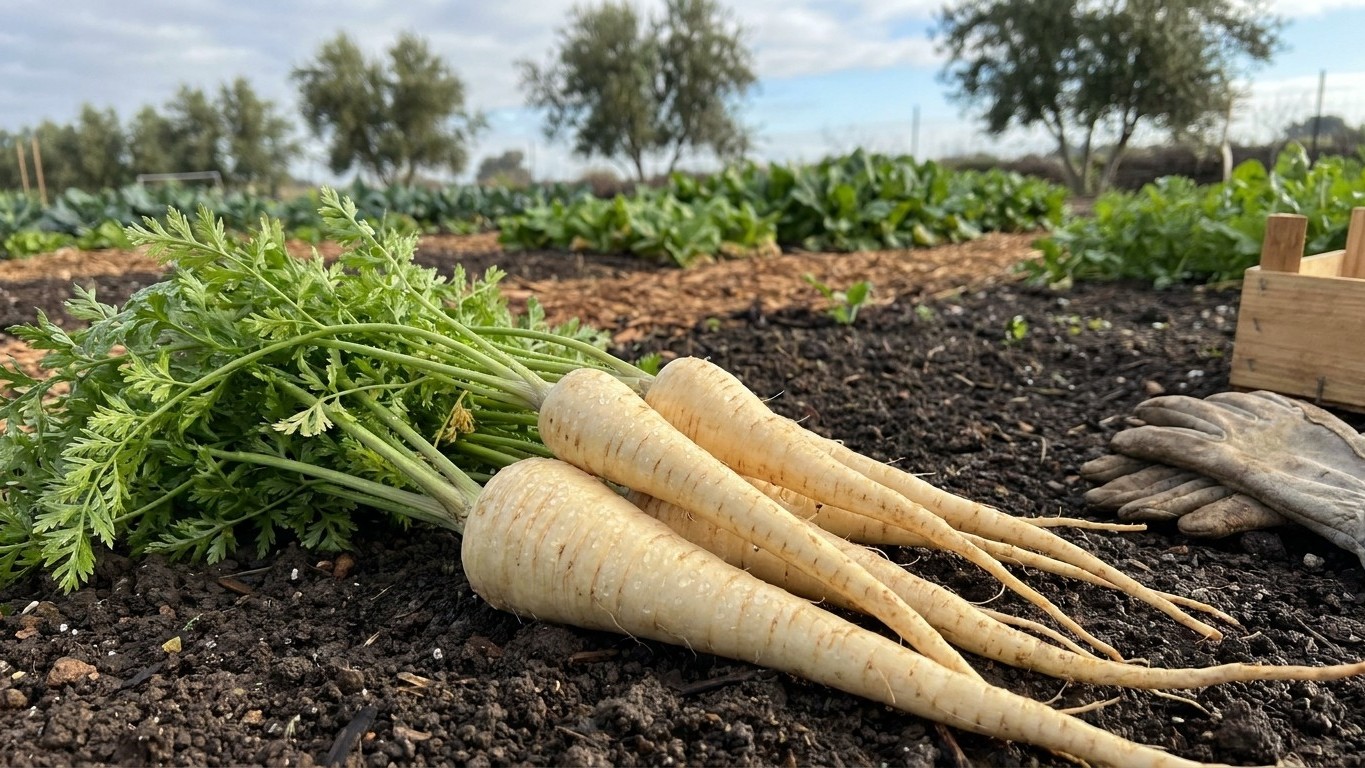
South Carolina gardeners growing parsnip mostly deal with general-feeding insects rather than a root-specific pest: stink bugs, leaffooted bugs, cabbage…
Home & garden, state by state
South Carolina gardeners growing parsnip mostly deal with general-feeding insects rather than a root-specific pest: stink bugs, leaffooted bugs, cabbage…
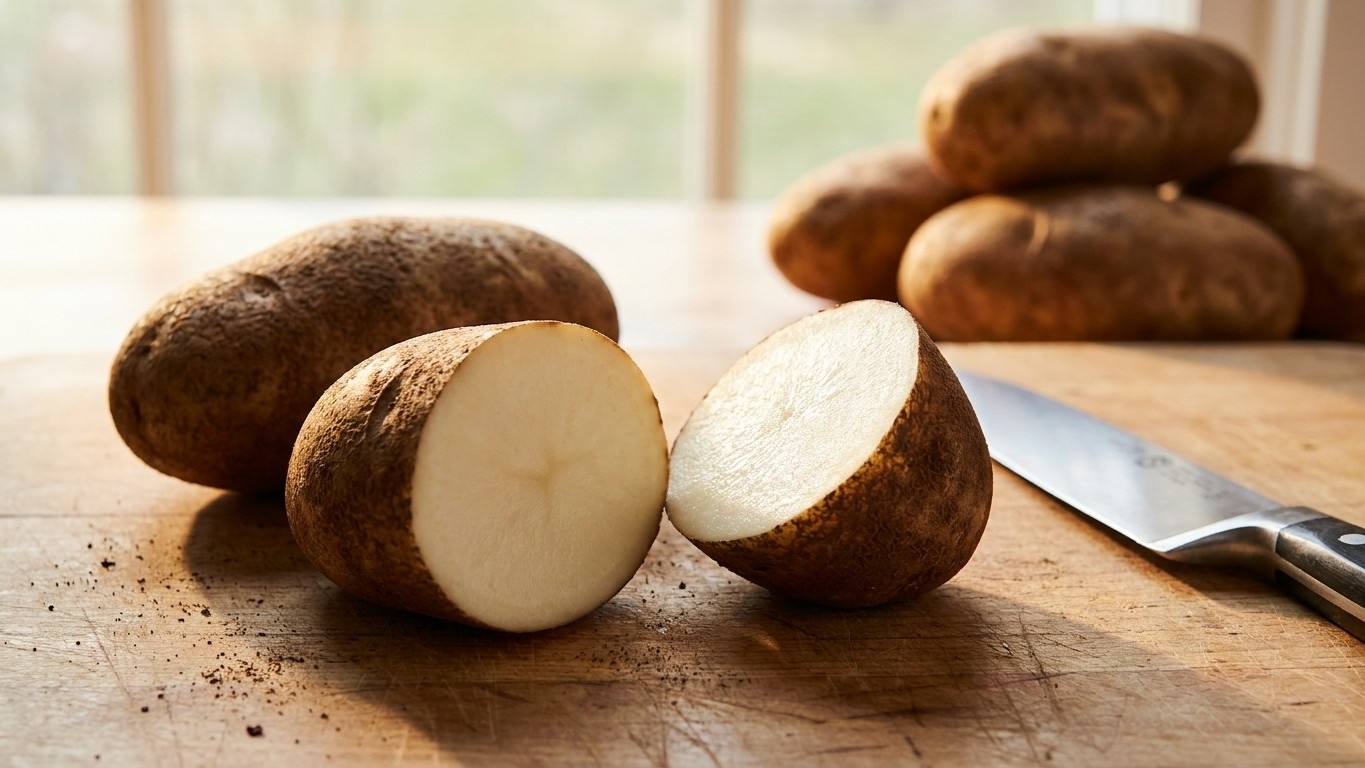
Two insects on Nova Scotia’s documented pest list actually feed on potato: the Colorado potato beetle, which strips foliage from the plant above ground…
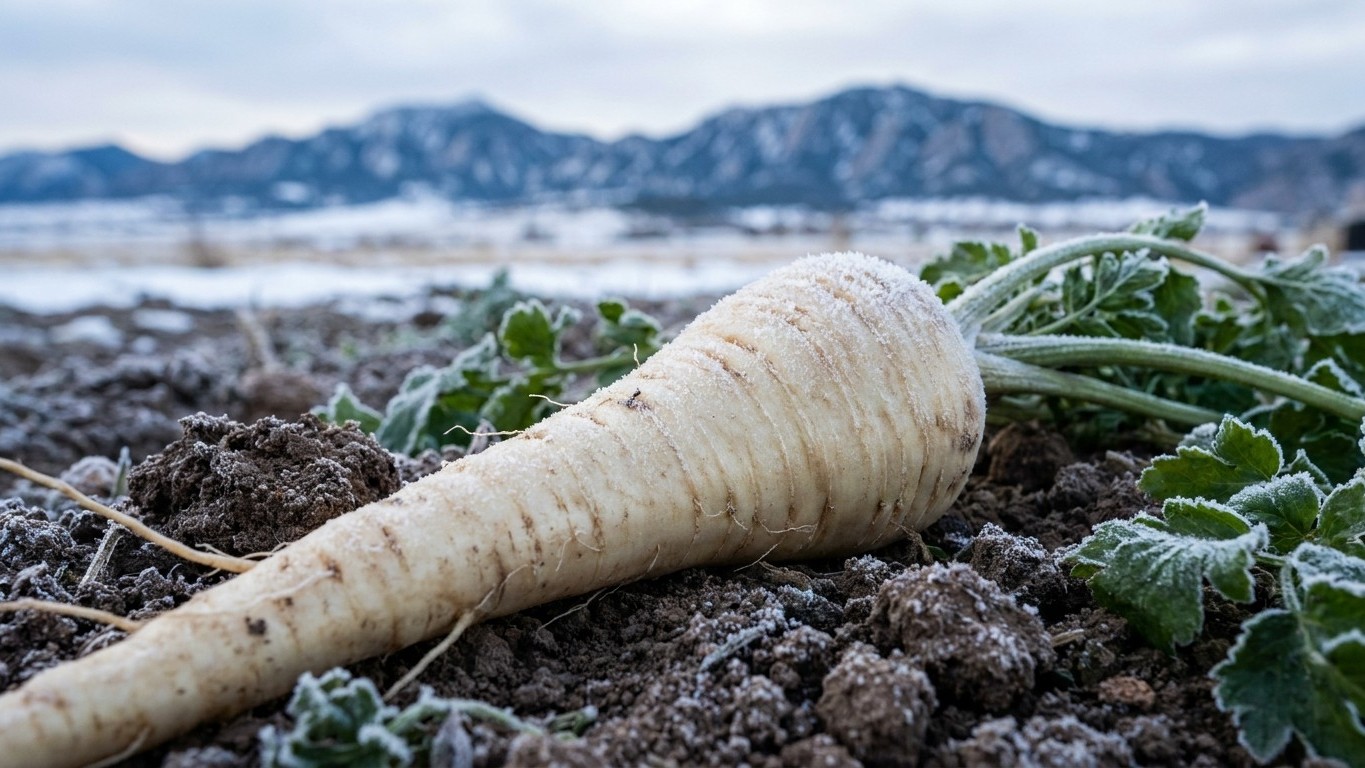
Two insects on the documented list for this borderland region actually feed on parsnip foliage: grasshoppers and thrips.
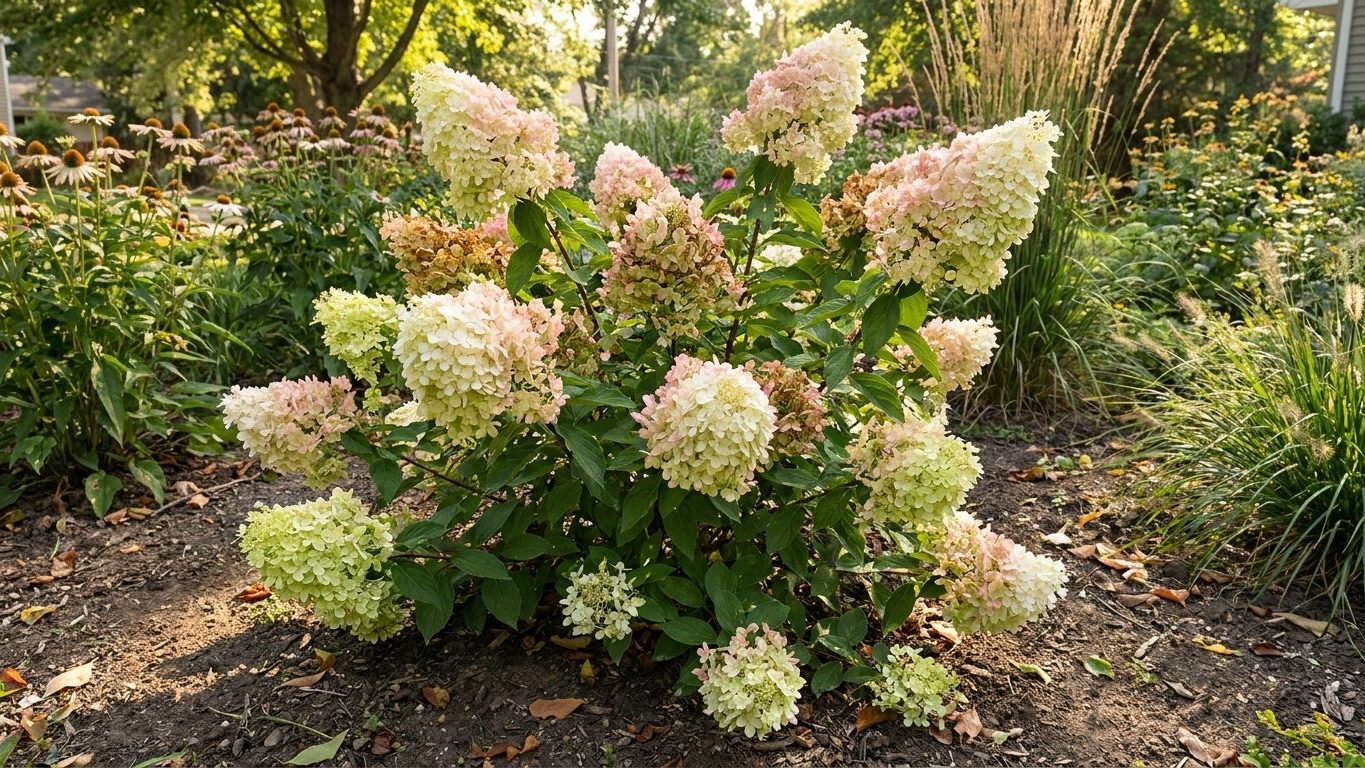
Little Lime is a dwarf panicle hydrangea (Hydrangea paniculata), hardy from USDA zone 3a to 8b, a range that covers nearly every U.S.
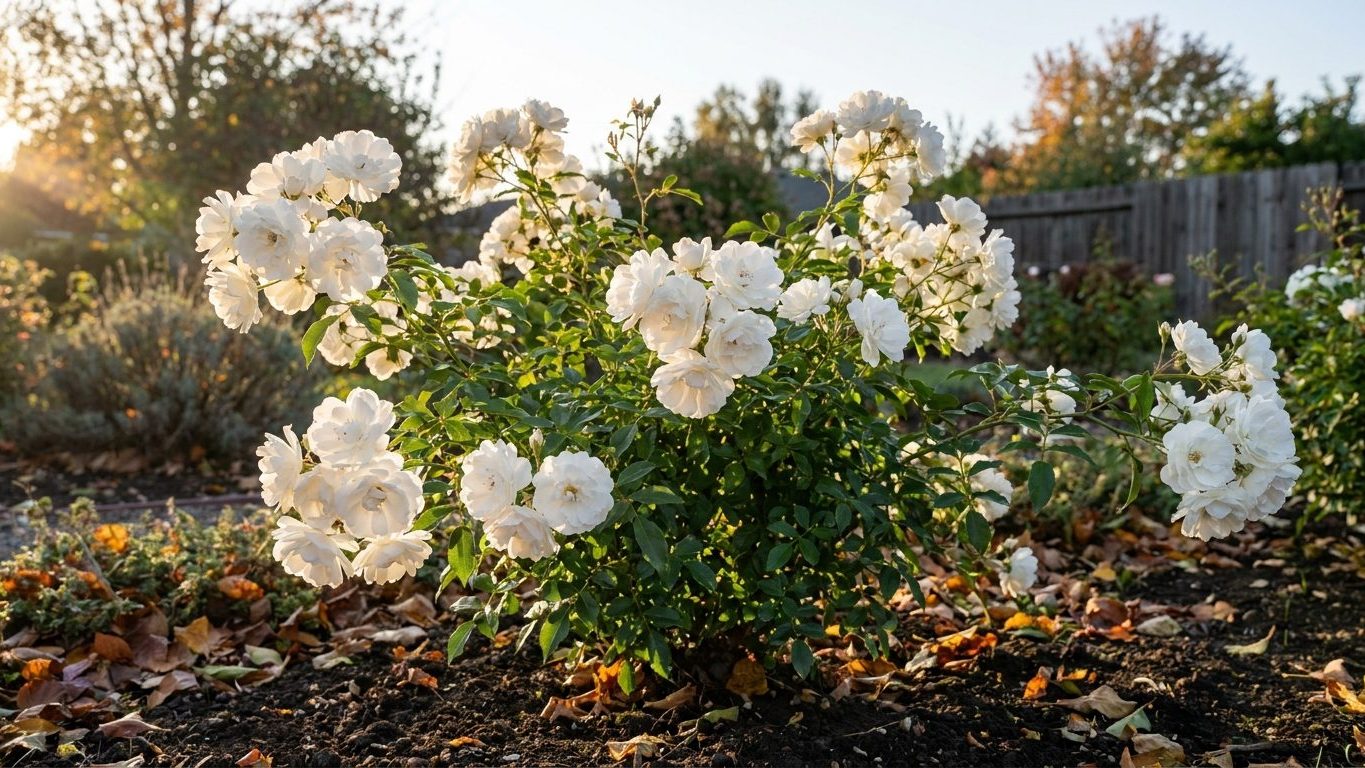
Iceberg is a Floribunda rose grown for clusters of simple white flowers, lightly scented, that keep opening from spring into fall almost anywhere winters…
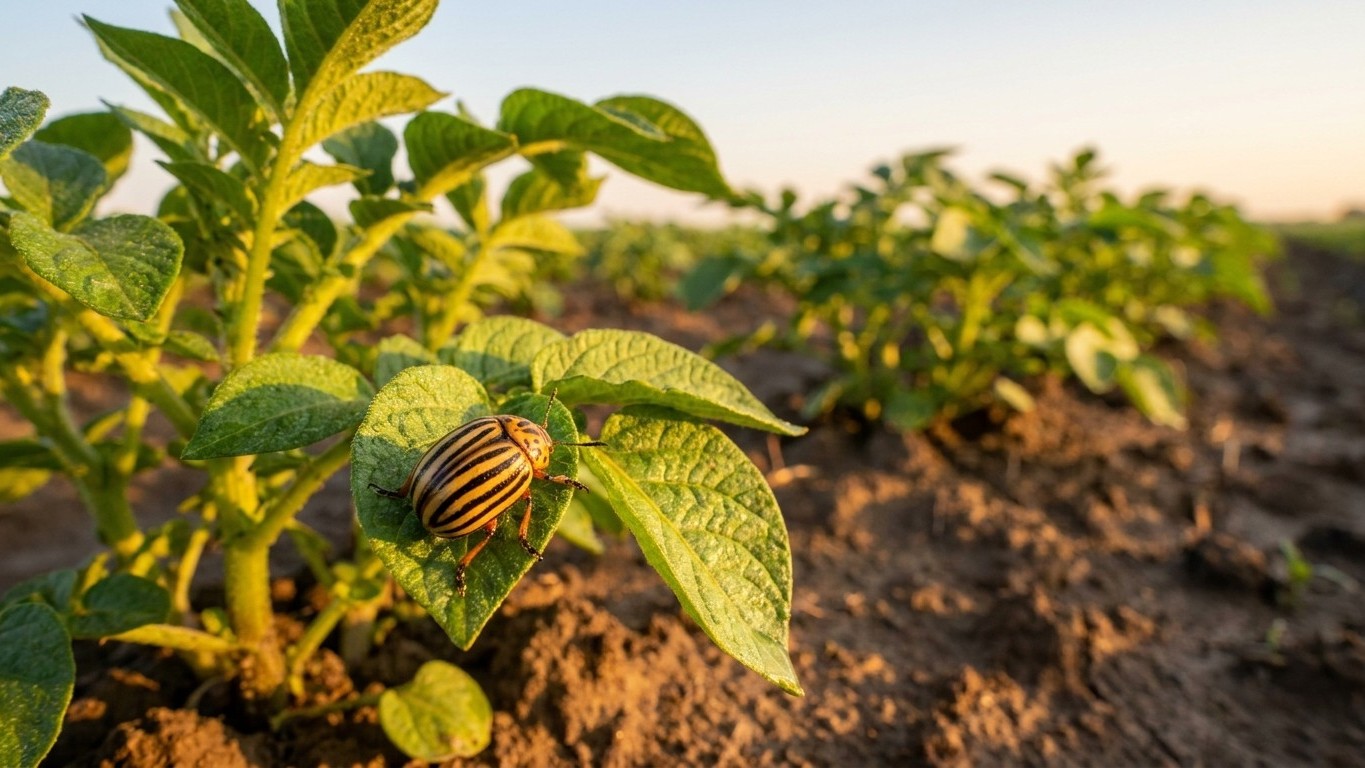
Four insects and one mollusk make the documented list for potato in this territory, according to the UAF Cooperative Extension, the closest source that…
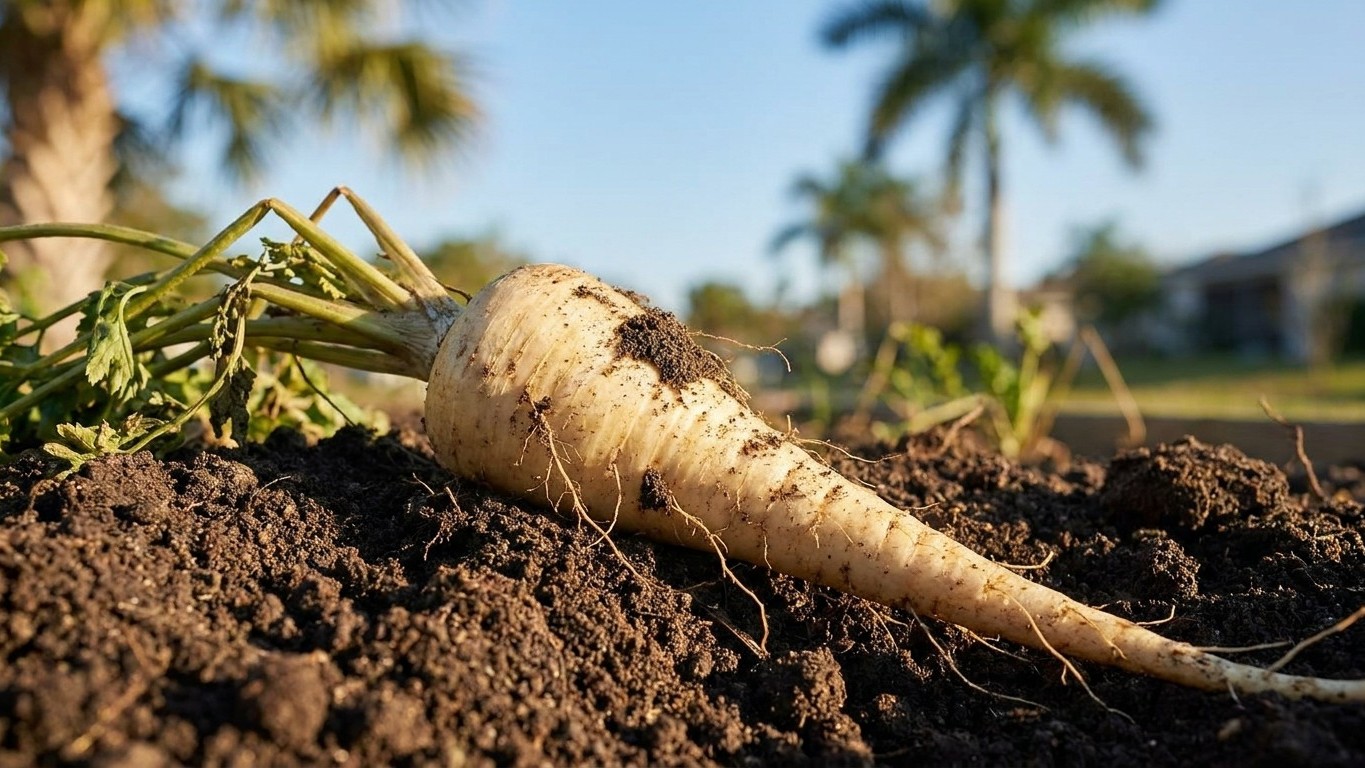
The University of Rhode Island Cooperative Extension and URI Biocontrol Lab track seven insects statewide, but only one of them has any real bearing on a…
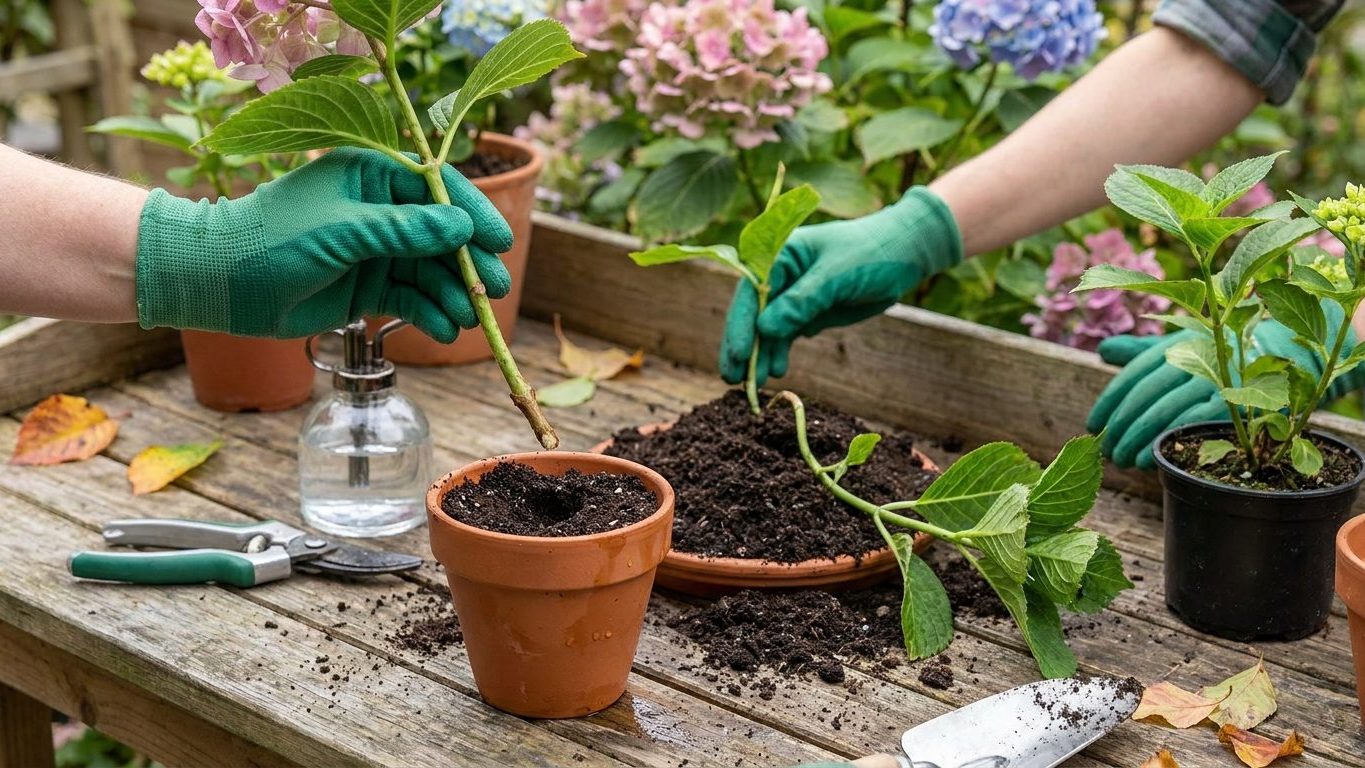
Both stem cuttings and layering turn a single hydrangea into several, using the plant’s own tissue rather than seed.
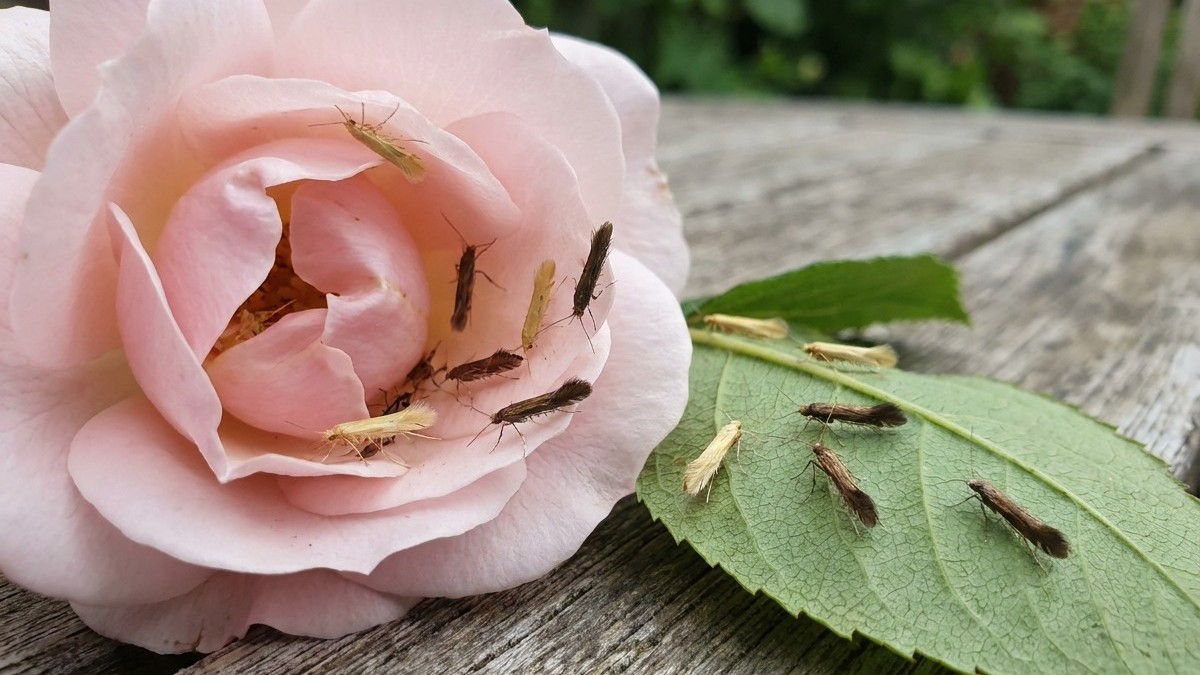
Roses grow well across Georgia’s long, humid growing season, but timing depends on the type of rose you’re planting.
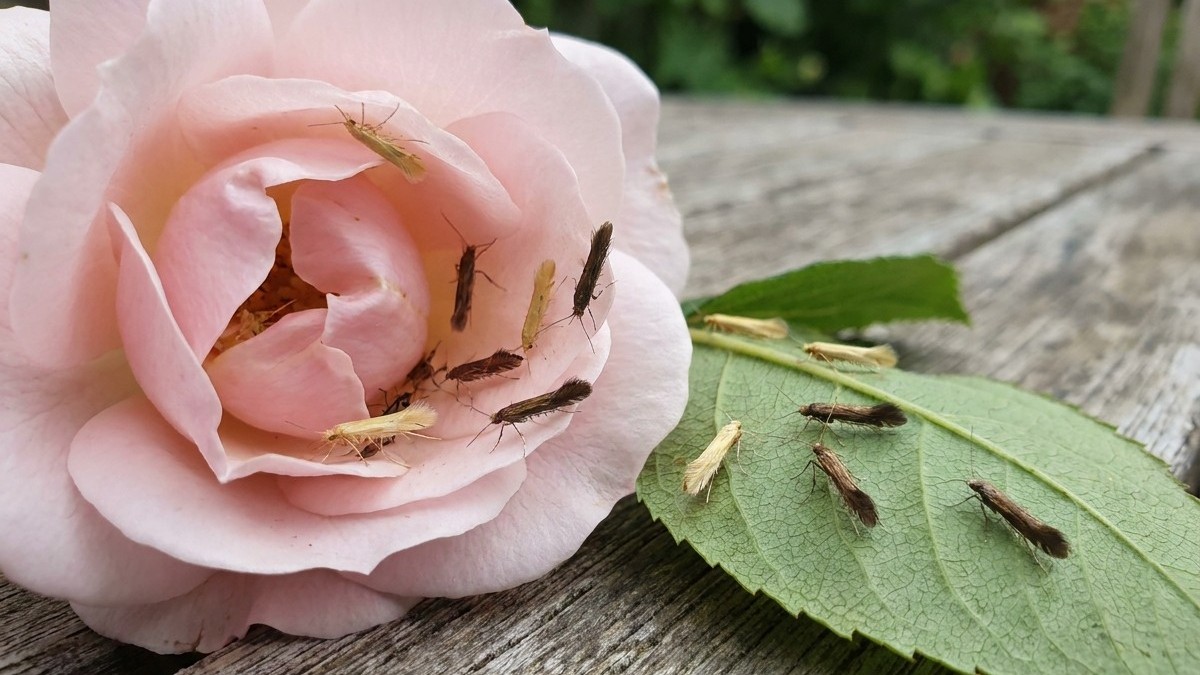
Yes, but the “why” matters more than the “yes.” Alberta’s Canadian hardiness zone runs cold enough that most garden roses need a physical barrier between…