The Best Cover Crops for Virginia
Virginia’s growing season stretches long enough near the coast to support both a fall-planted legume and a fast-growing brassica in the same year, but…
Home & garden, state by state
Virginia’s growing season stretches long enough near the coast to support both a fall-planted legume and a fast-growing brassica in the same year, but…
Fall cover crops in Vermont go in the ground between mid-August and the first week of September, timed against the state’s first fall frost of October 3…
Winter rye is the cover crop that works nearly everywhere in Vermont, because it tolerates the state’s coldest winters and still fits inside a growing…
Fall-sown cover crops go in the ground in Utah between roughly early September and early October, timed to establish before the first fall freeze.
Cereal rye and hairy vetch cover almost every Utah garden and field, from cold high valleys to warmer river bottoms.
Houston’s own frost dates only stretch from February 4 to March 1 in spring and December 1 to 19 in fall, and that’s for one station in the mildest…
Texas cover crop success comes down to matching the plant to the season length and heat, not to what works in cooler states.
Tennessee’s cover-crop calendar splits in two: warm-season species like buckwheat, cowpeas, and sorghum-sudangrass go in after the last spring frost…
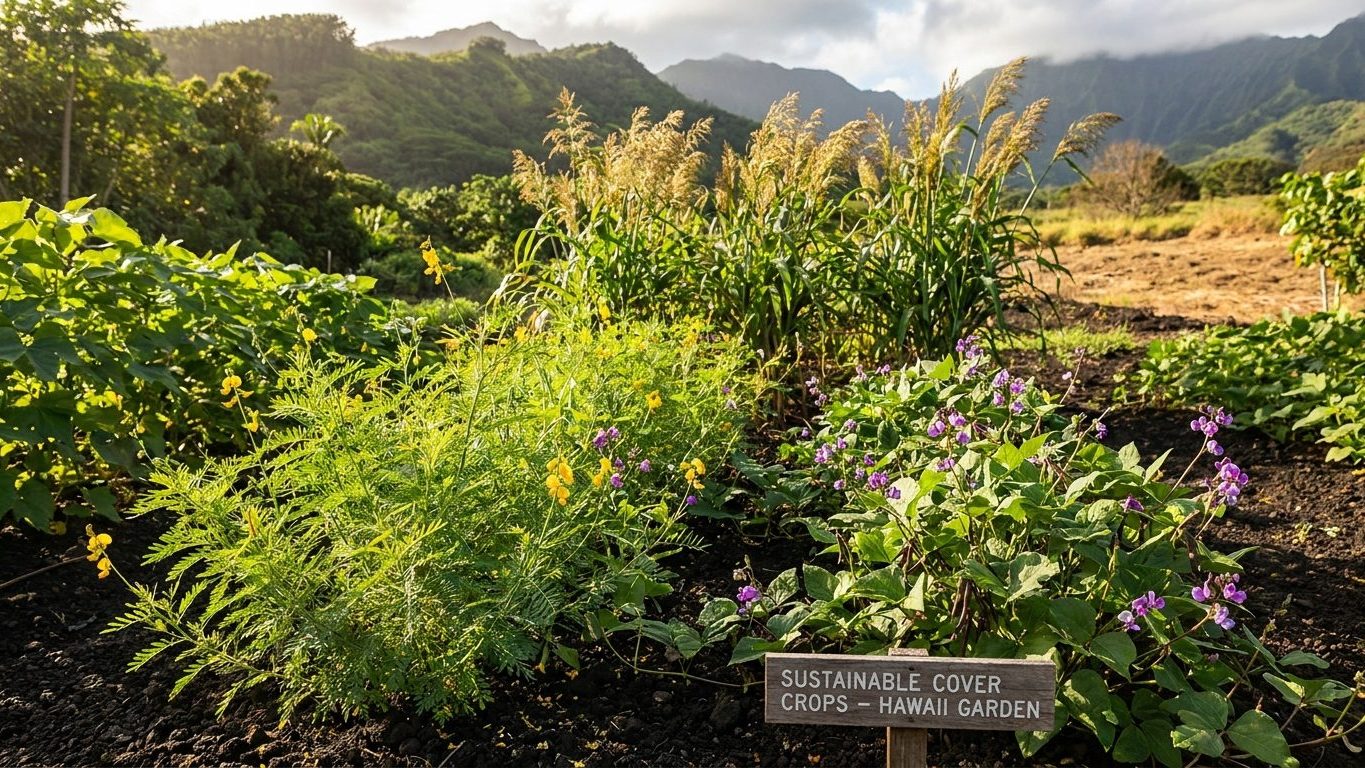
Tennessee’s frost-free window runs roughly 199 to 222 days depending on where you sit in the state, and that stretch decides everything.
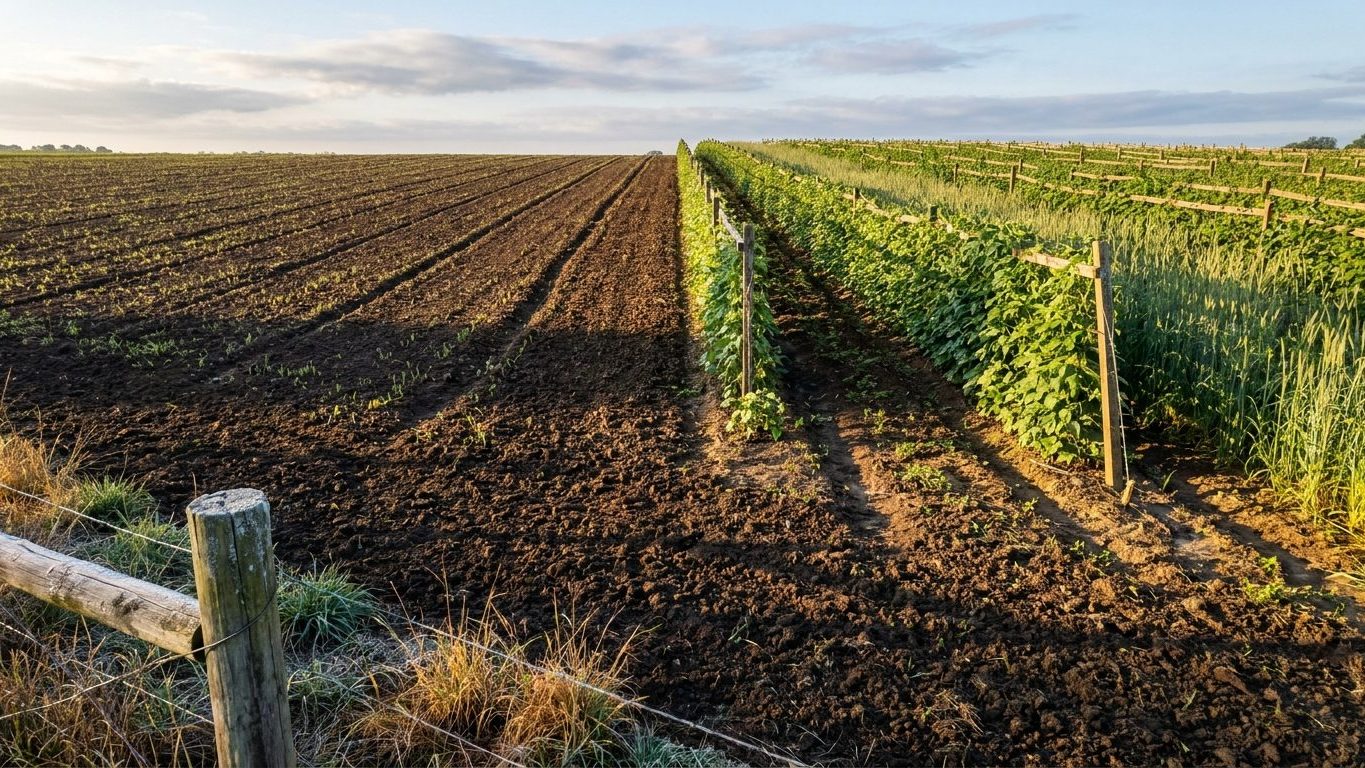
In South Dakota, cool-season covers like oats, field peas, and brassicas can go in as early as mid-April and tolerate the last frost, which lands April…