When to Mulch Strawberries and Perennials for Winter in Virginia
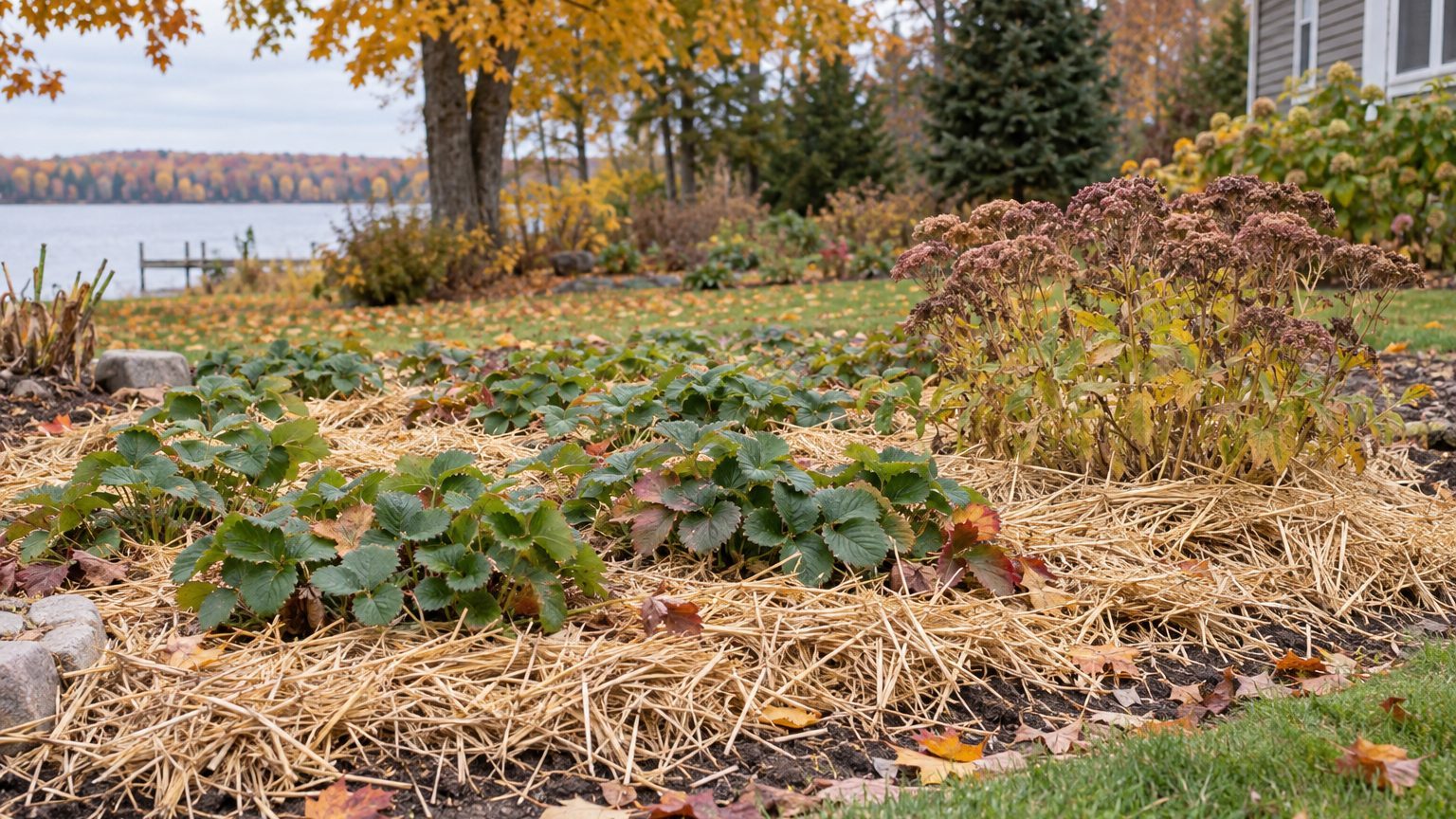
In Virginia, winter mulch goes down after the first fall frost and after the soil has started to freeze, not before.
Home & garden, state by state
In Virginia, winter mulch goes down after the first fall frost and after the soil has started to freeze, not before.
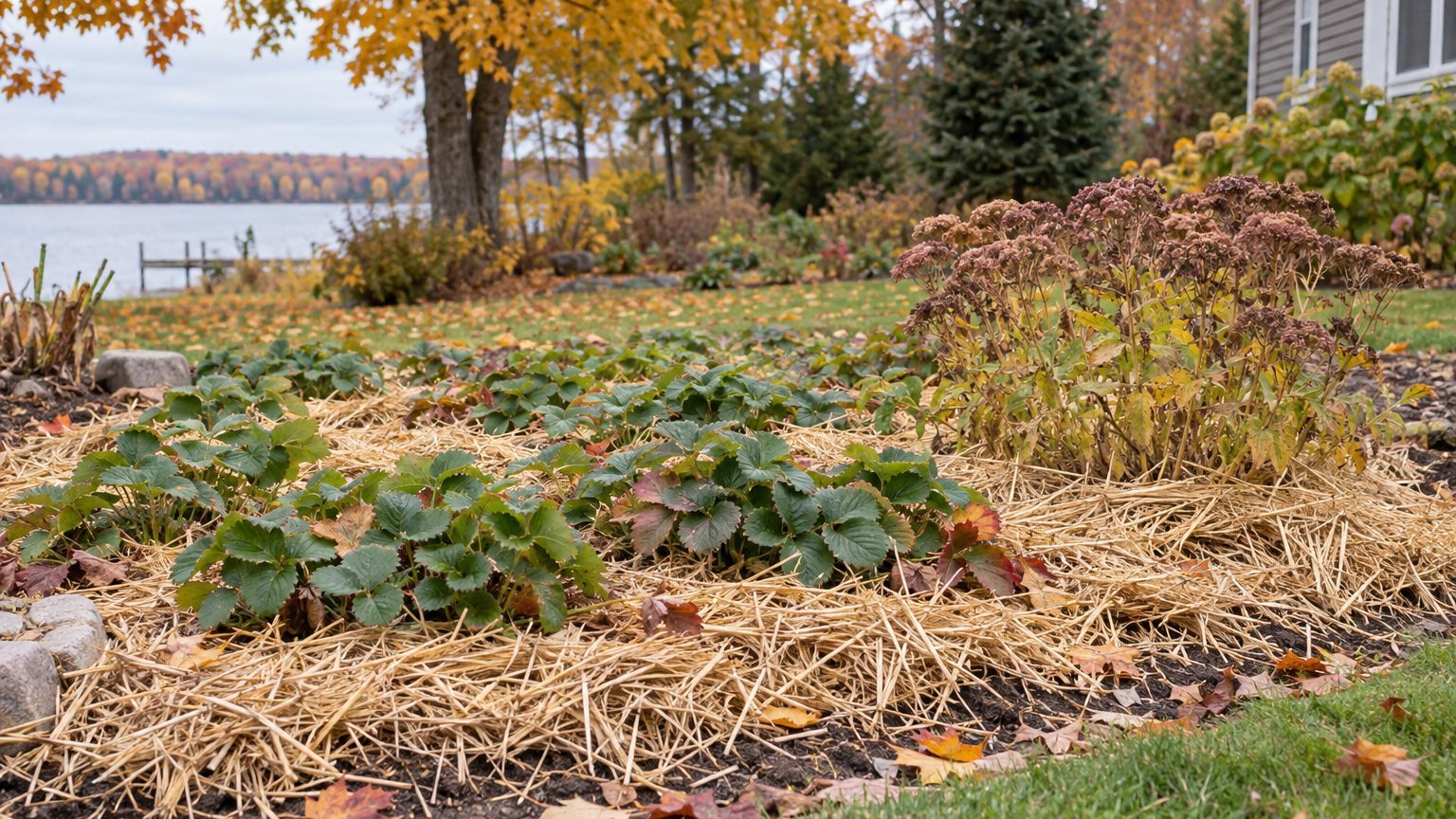
On the British Columbia coast, put winter mulch on strawberries and perennials in the weeks after the first fall frost, which averages November 10 at…
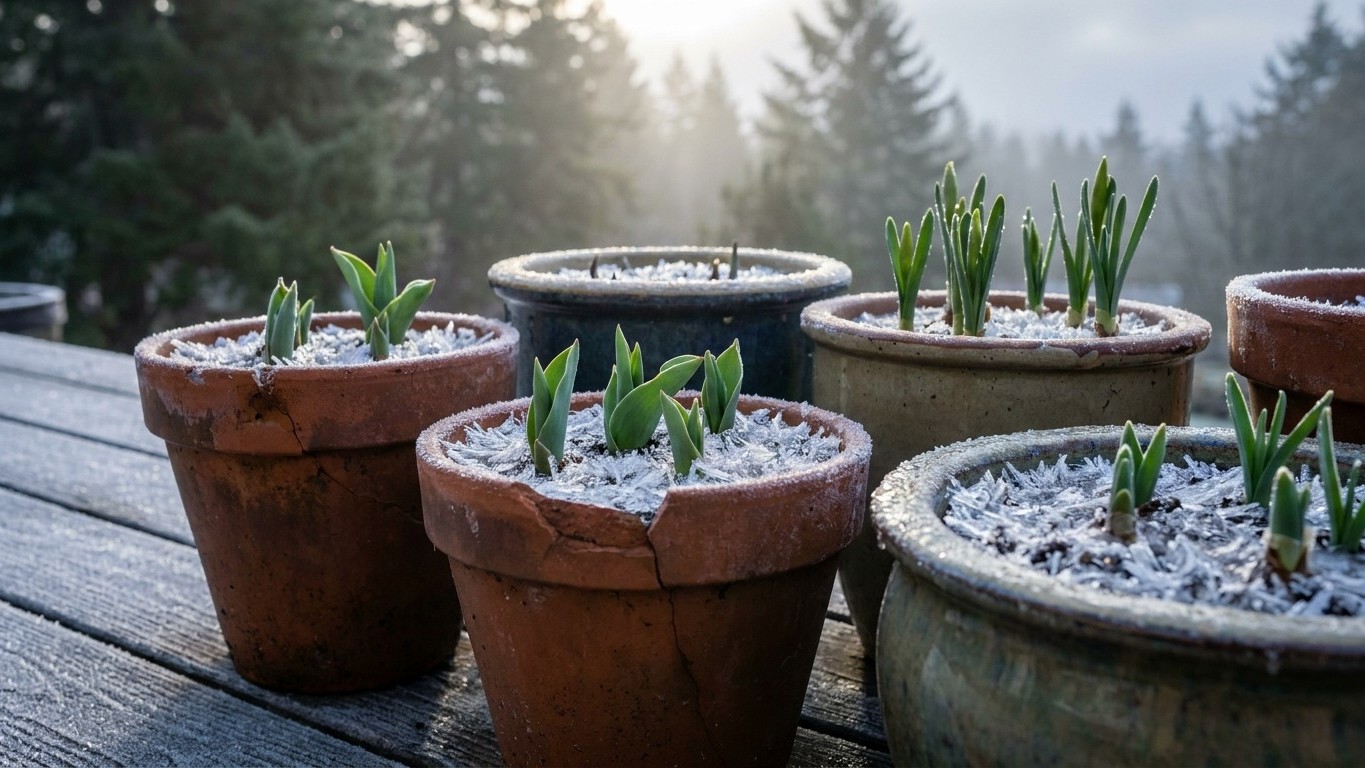
On the mild south coast, dahlias, cannas and gladiolus can often stay in the ground under mulch. In colder districts they have to come up.
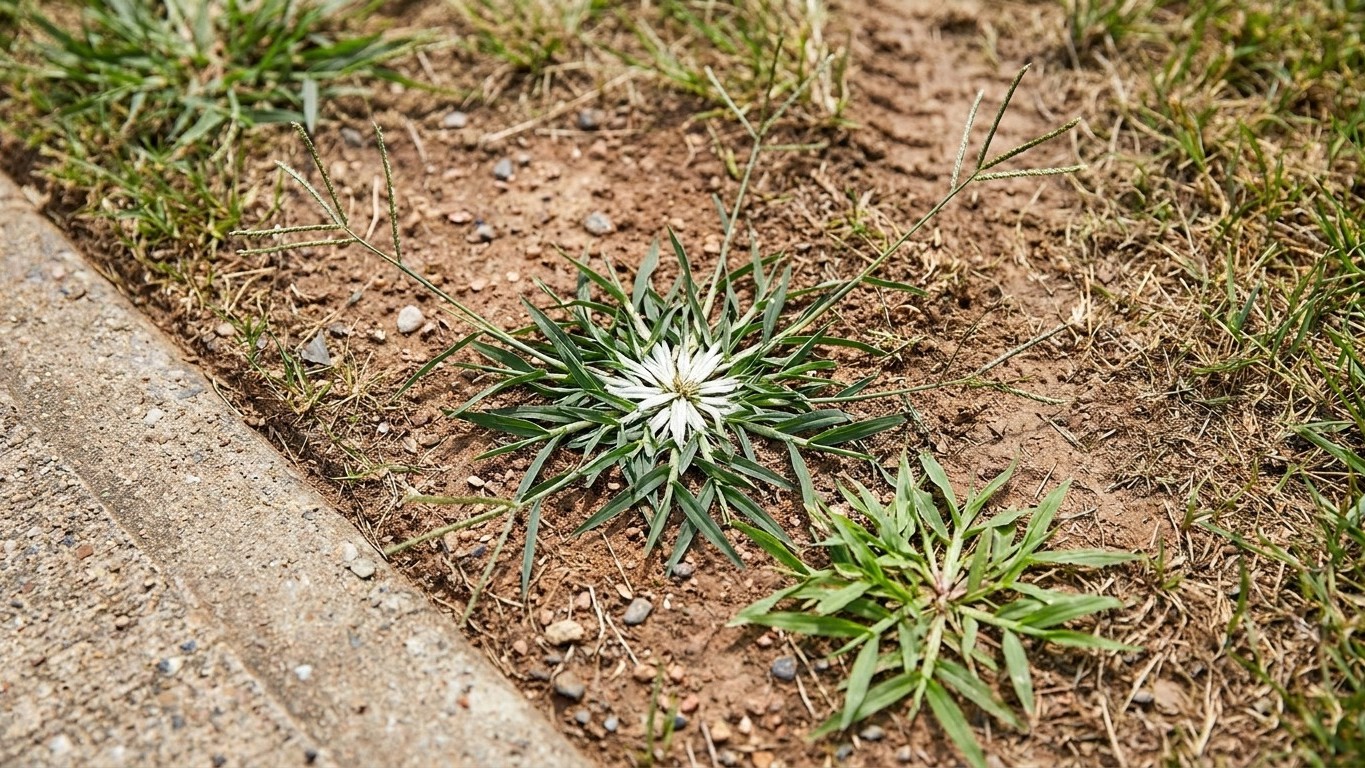
Virginia sits in the transition zone, so the right height depends on which grass you actually have.
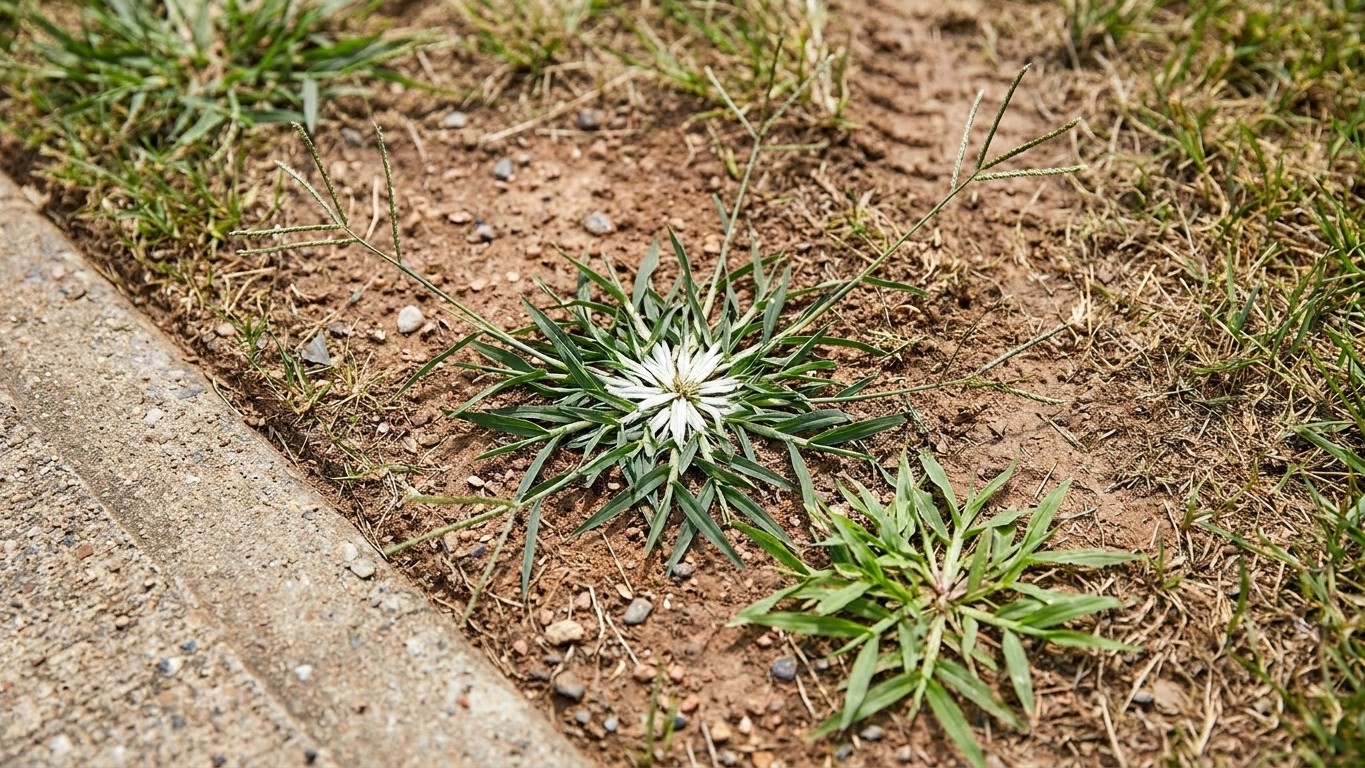
Mow each lawn at the height its grass prefers. Tall fescue does best at 3 to 3.5 inches, Kentucky bluegrass at 2 to 3 inches, and perennial ryegrass at…
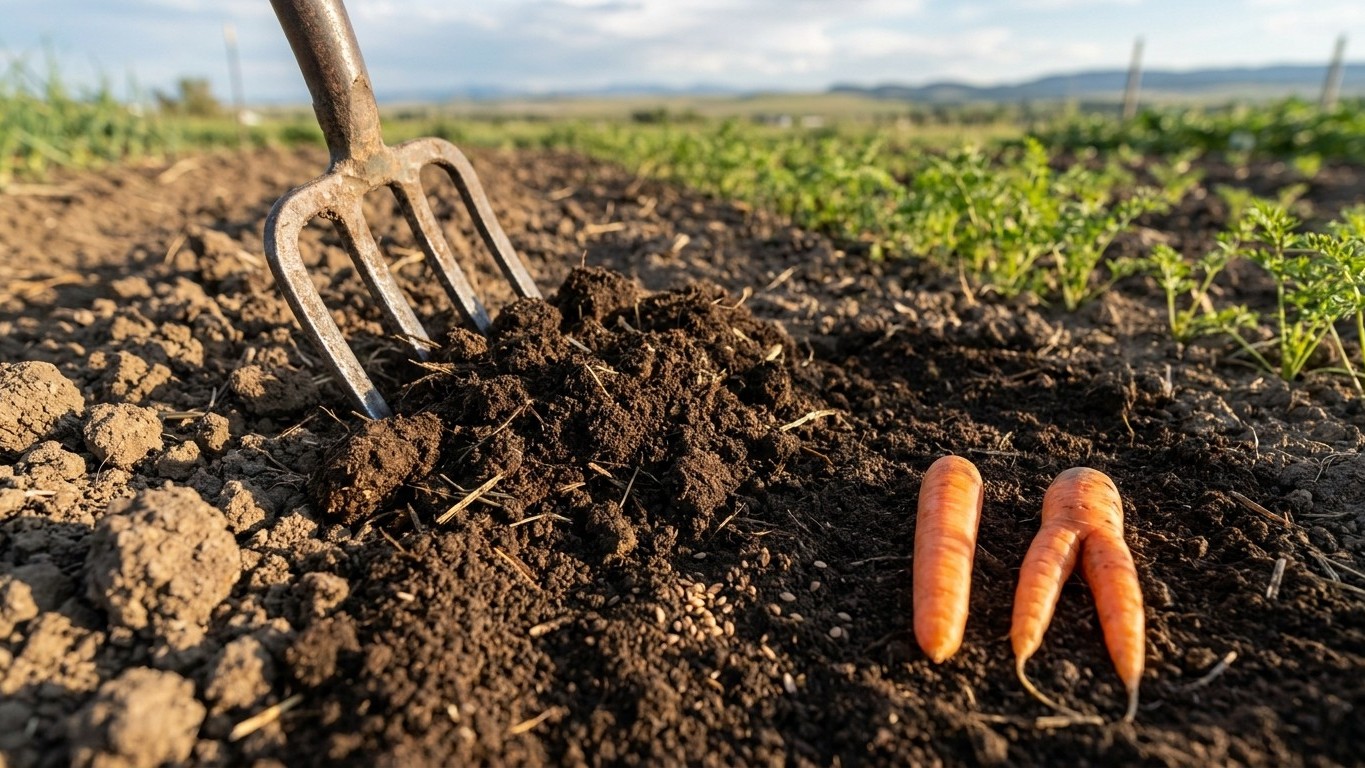
Pull carrots once the roots reach the size the packet promises, usually 70 to 100 days from seeding, and before the soil freezes hard.
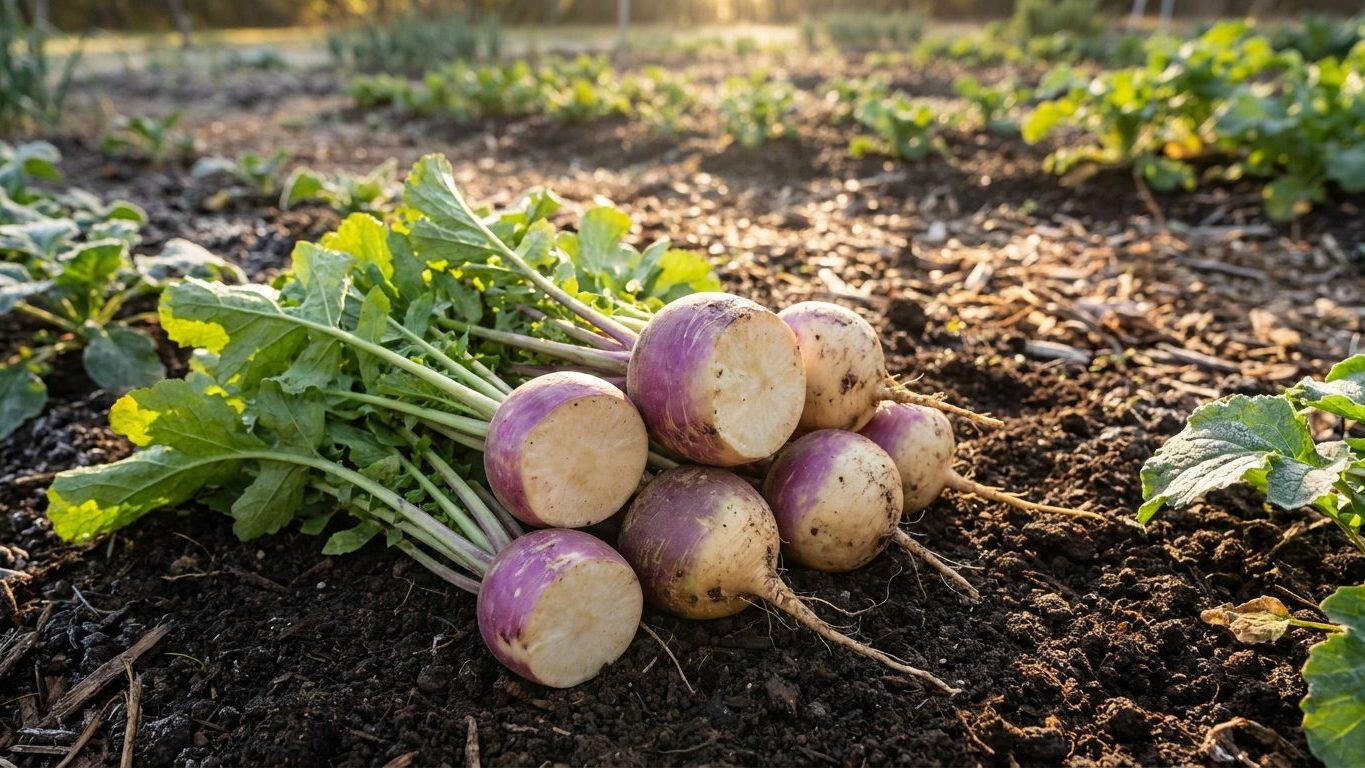
Growing turnips in Oregon works best as a fall crop west of the Cascades, where the Portland area has mild winters and a long stretch between freezes.
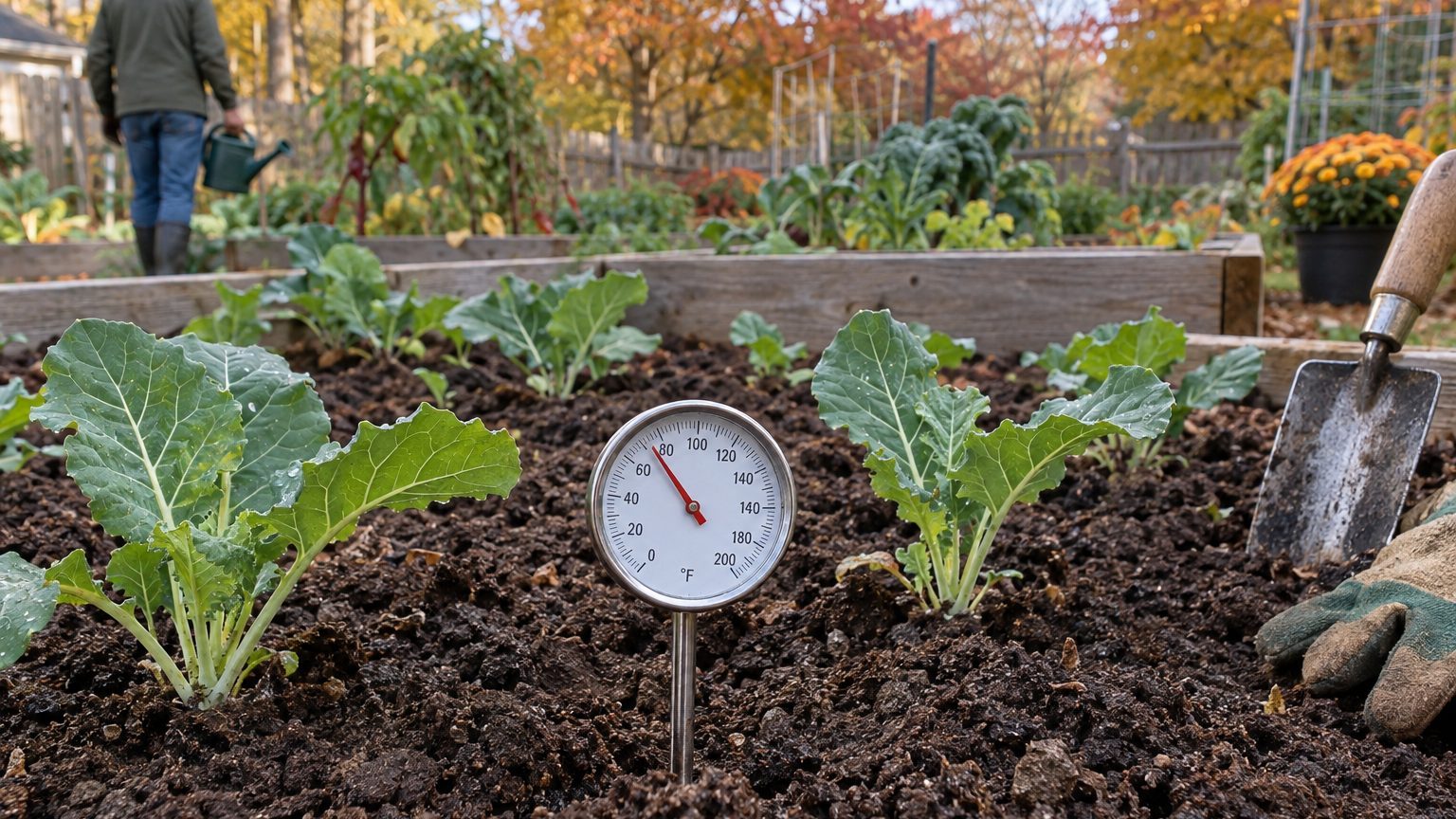
Collards do well in British Columbia, and on the mild south coast they can be picked from late fall through winter.
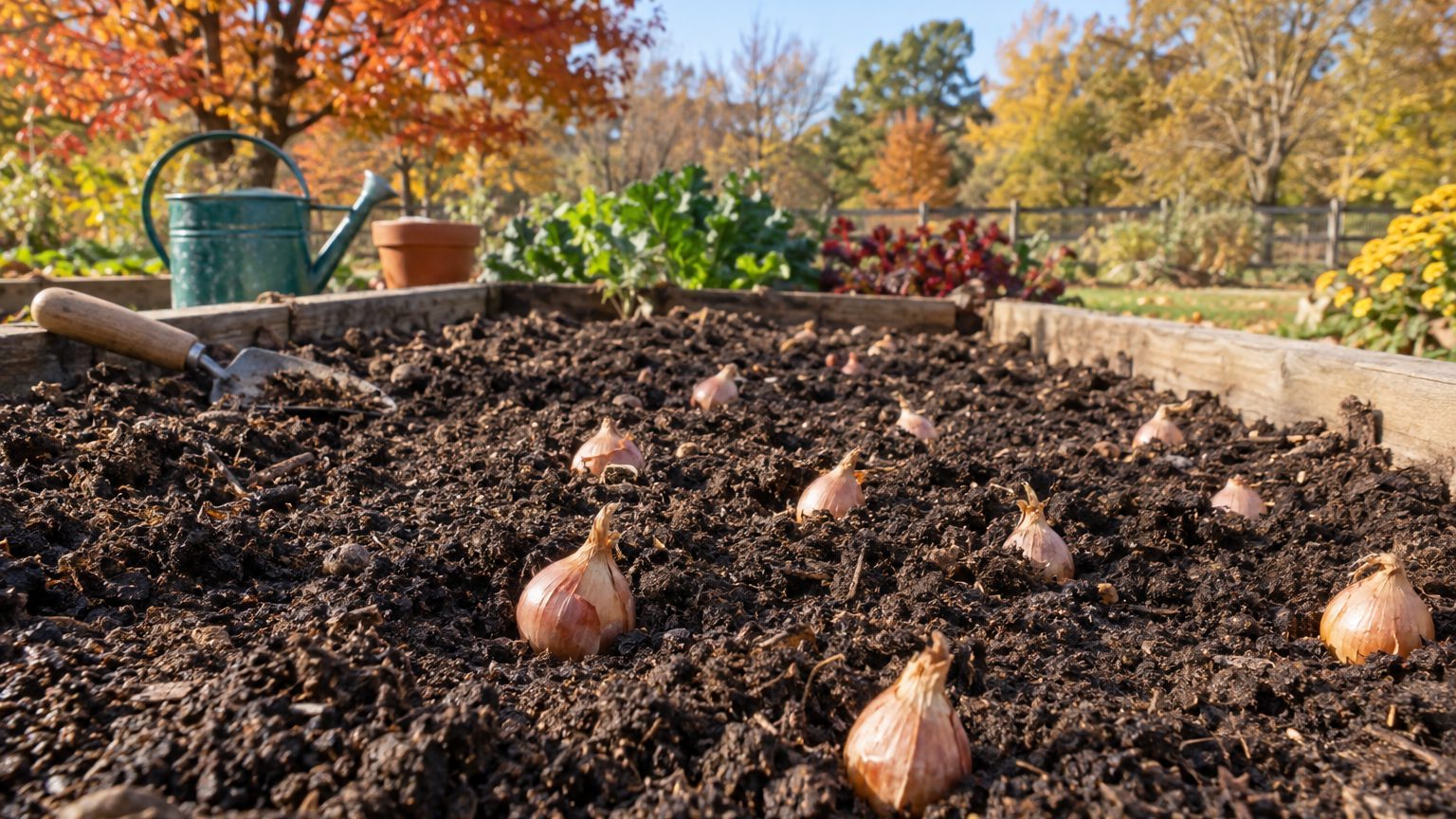
Shallots go in the ground in fall or in late winter, and Virginia’s wide climate range moves both windows by weeks.
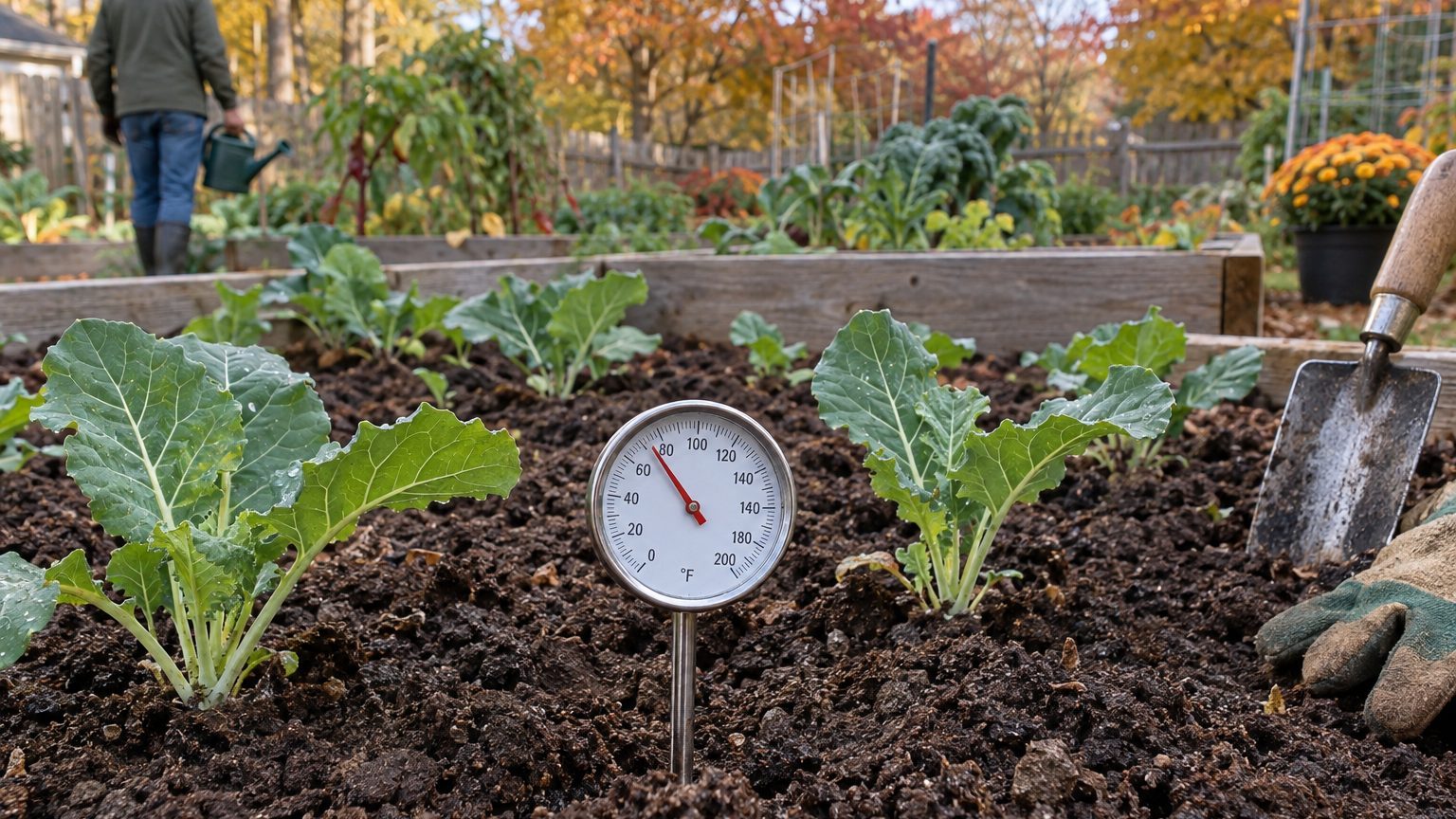
Collards do well in Arkansas, and the state gives them two seasons: a spring planting and, better still, a fall planting that sweetens after frost.