Prunus persica: Hardiness, Site and What It Needs to Crop
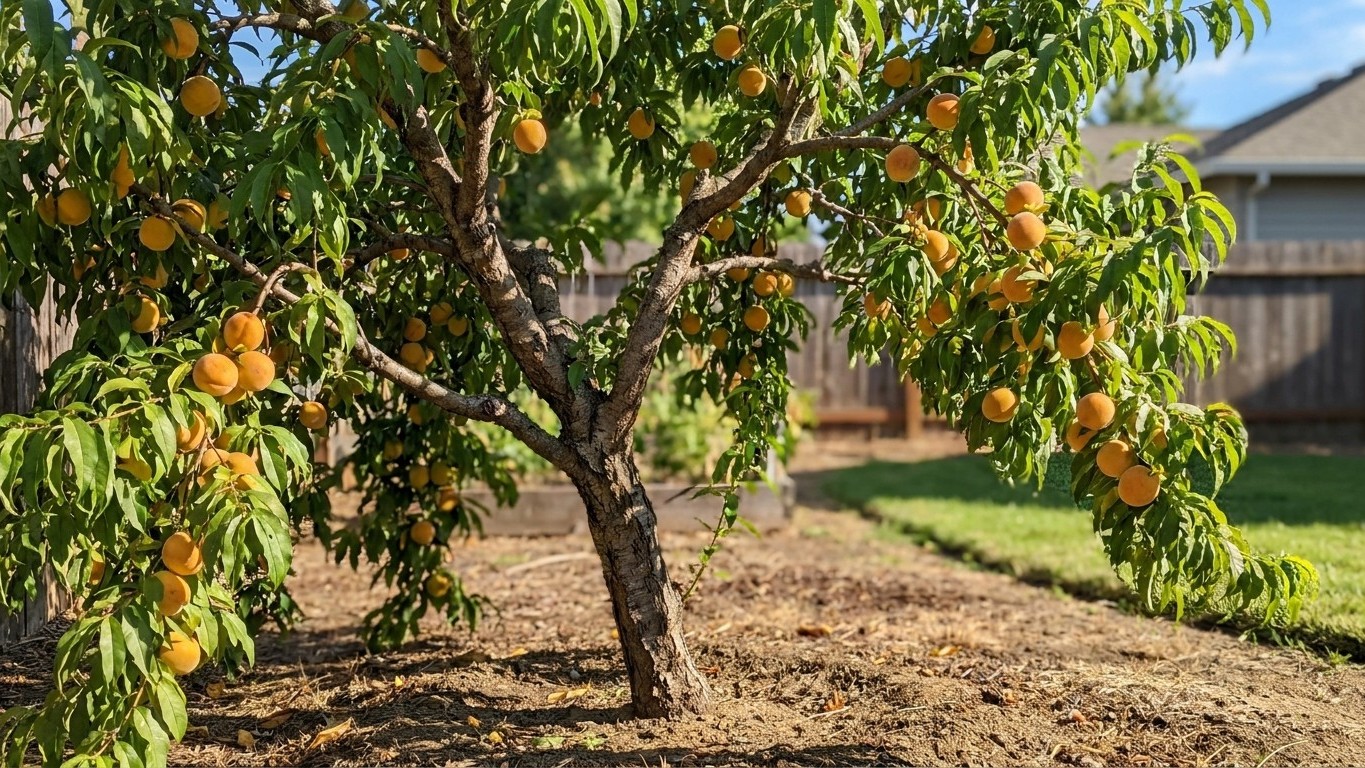
Prunus persica, better known as the peach (and nectarine), survives across USDA zones 5a-9b, but that range only tells you where the wood can take the…
Home & garden, state by state
Prunus persica, better known as the peach (and nectarine), survives across USDA zones 5a-9b, but that range only tells you where the wood can take the…
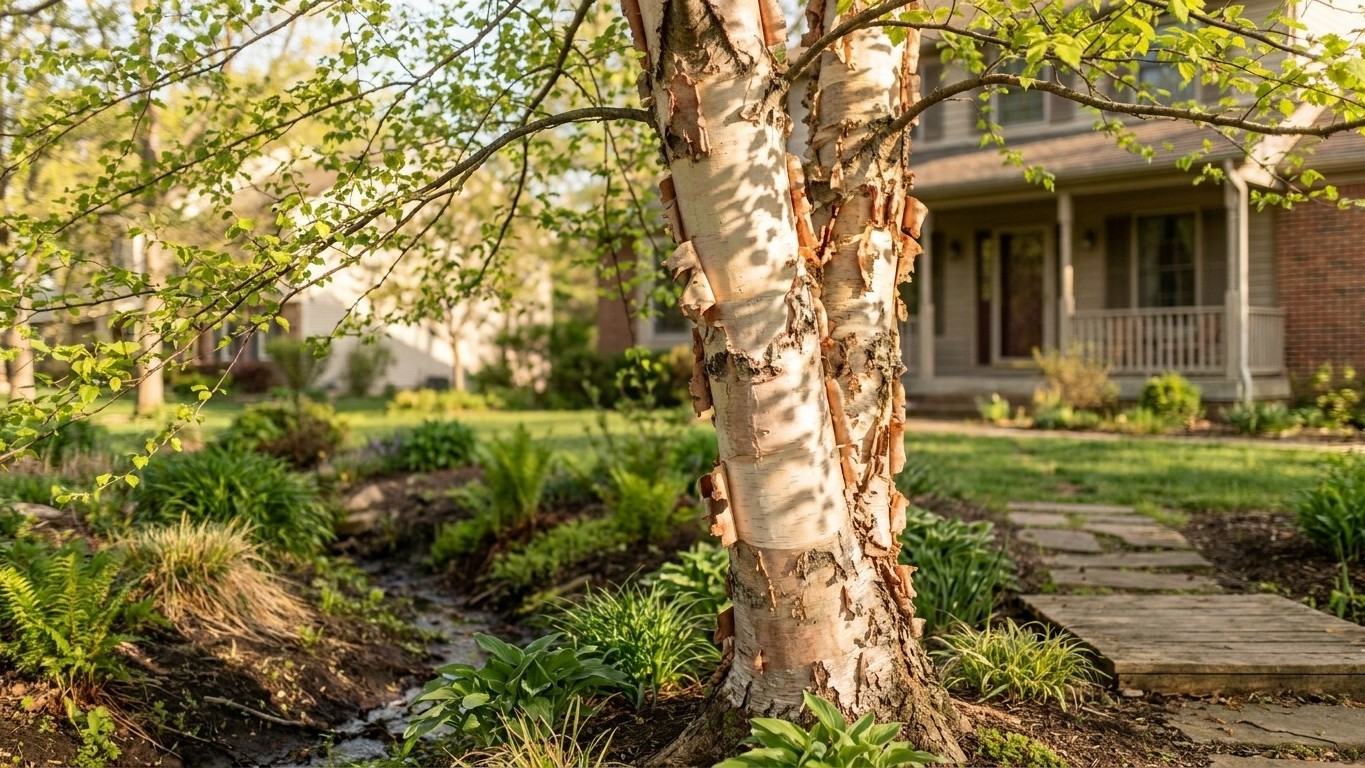
River Birch, Black Birch, Red Birch, Water Birch — Betula nigra goes by several names, none more official than the others.
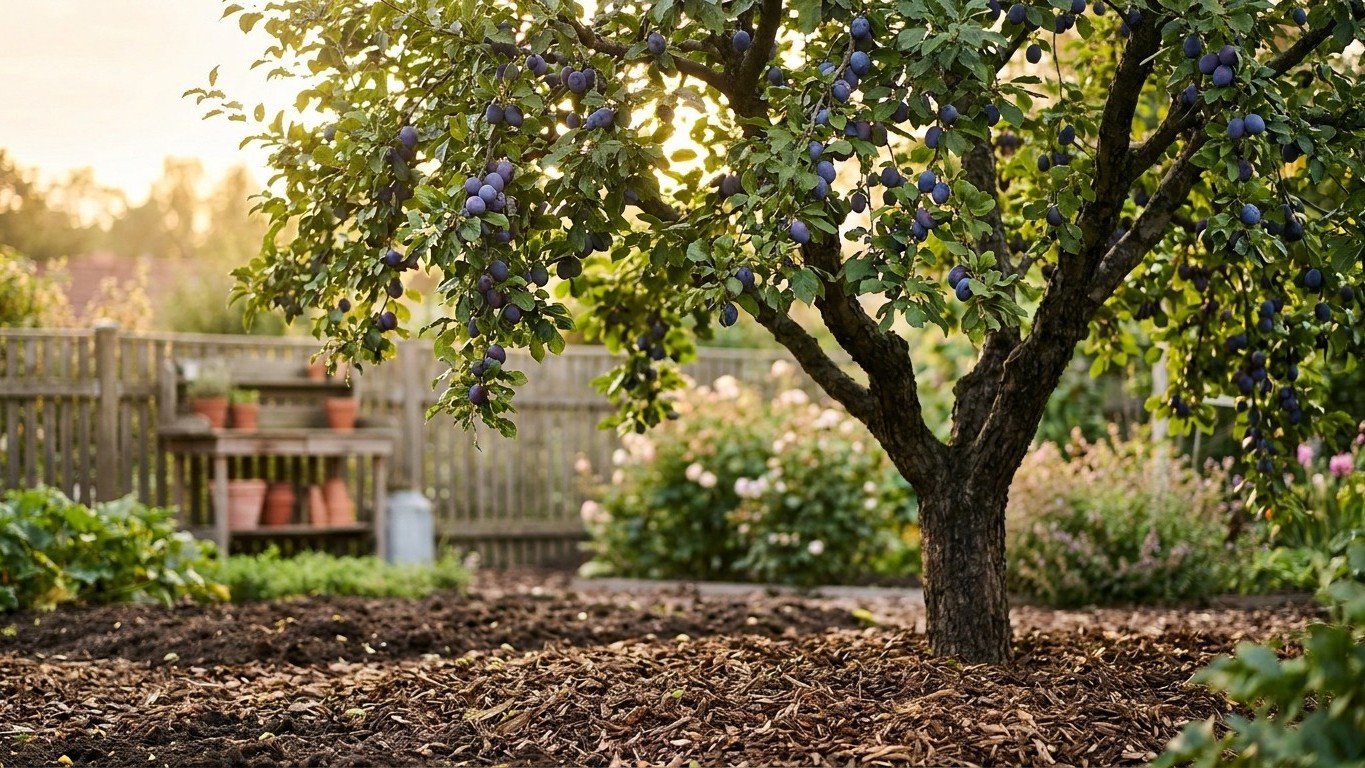
Prunus domestica, the European plum, survives across USDA hardiness zones 4a through 9b, a wide band that covers most of the country, but that range…
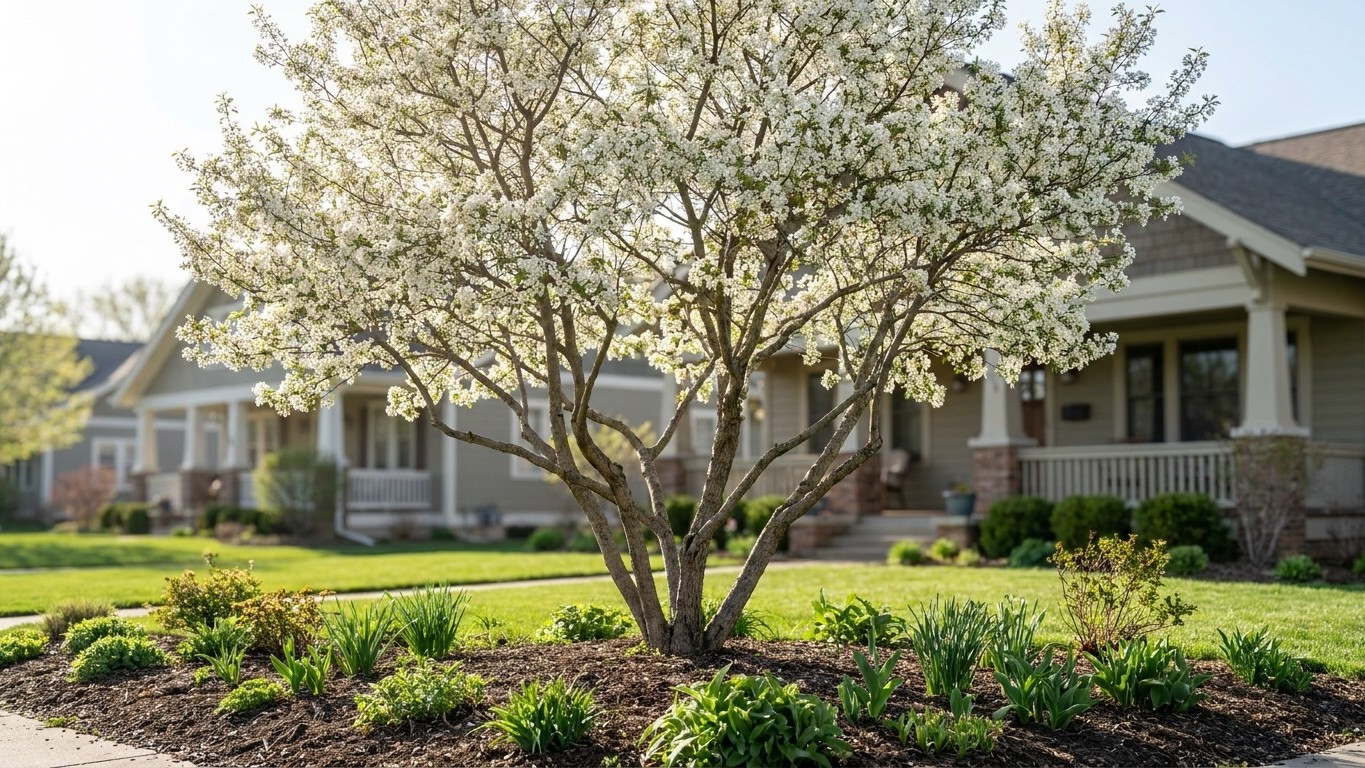
Amelanchier canadensis, sold under names including Canadian Serviceberry, Eastern Serviceberry, Juneberry, Serviceberry, Shadblow serviceberry, and…
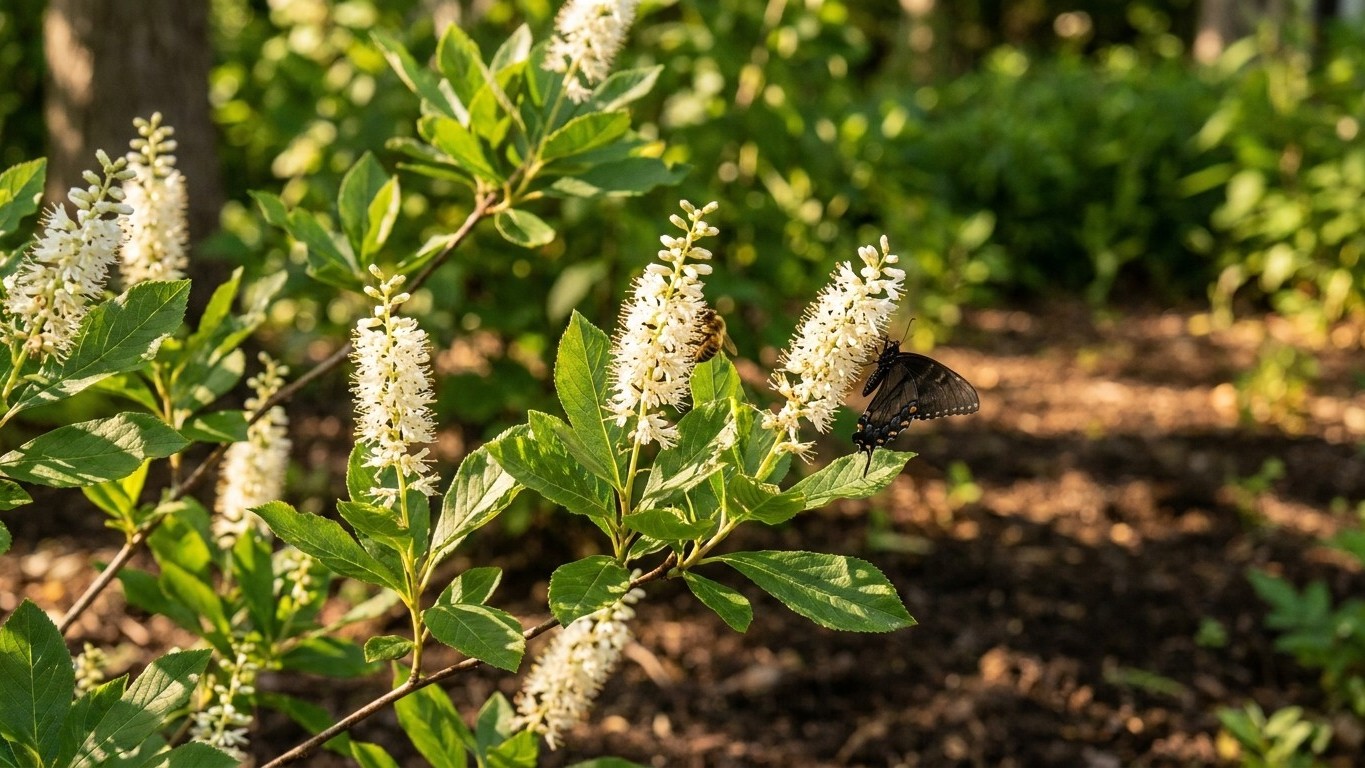
Clethra alnifolia, also sold as Alderleaf Clethra, Alderleaf Pepperbush, Coastal Sweet-pepperbush, or Sweet Pepperbush, is a deciduous native shrub hardy…
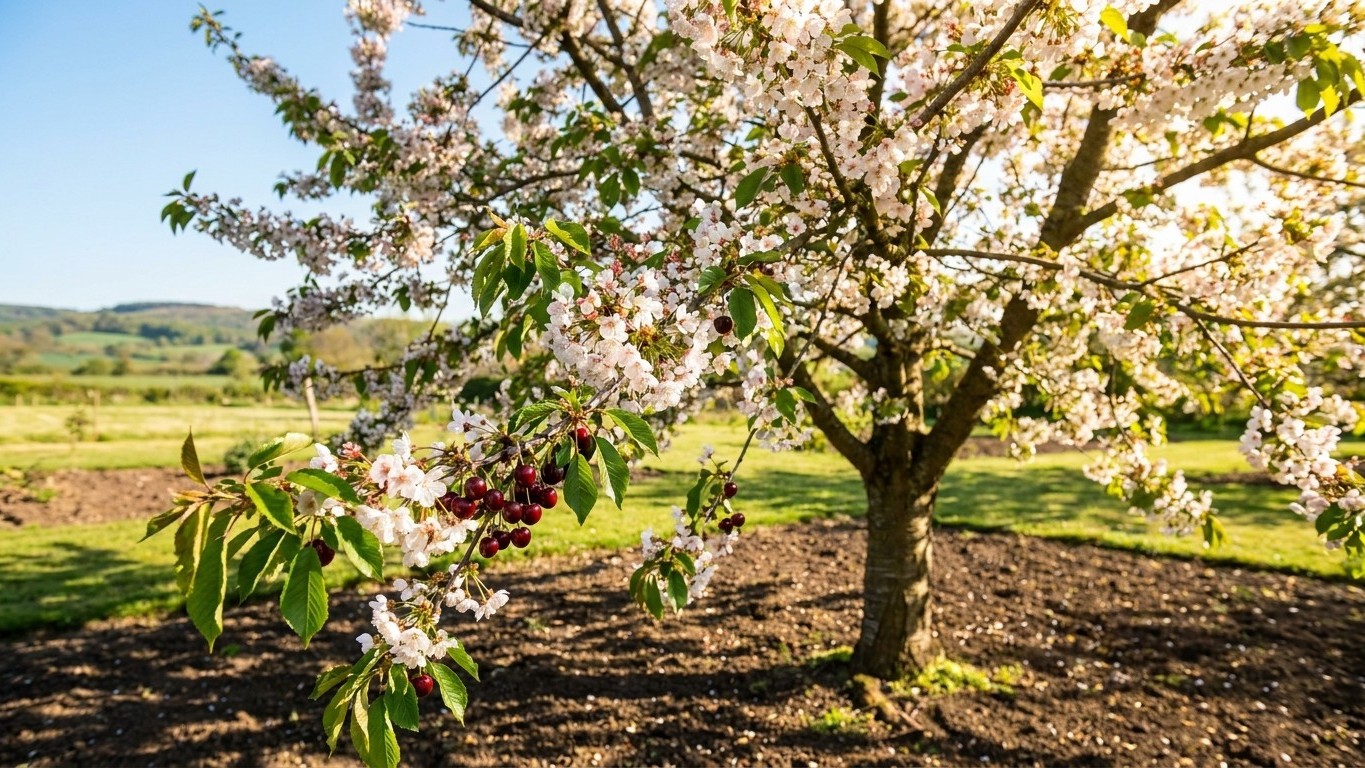
Prunus avium is the botanical name for the sweet cherry tree, hardy in USDA zones 3a to 8b, needing full sun and a lot of room to reach its mature shape.
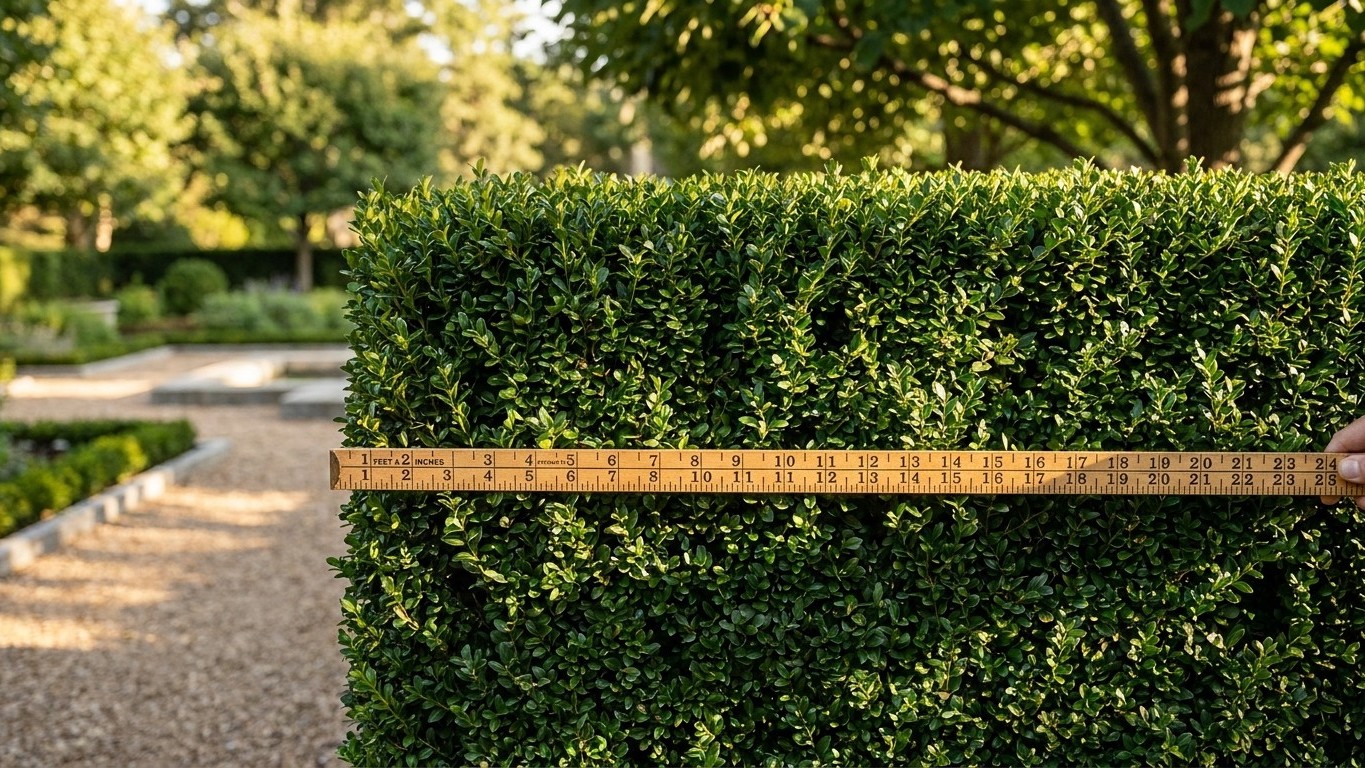
Buxus sempervirens, commonly sold as boxwood, common box, common boxwood or European box, survives across USDA hardiness zones 5a-8b, tolerates full sun…
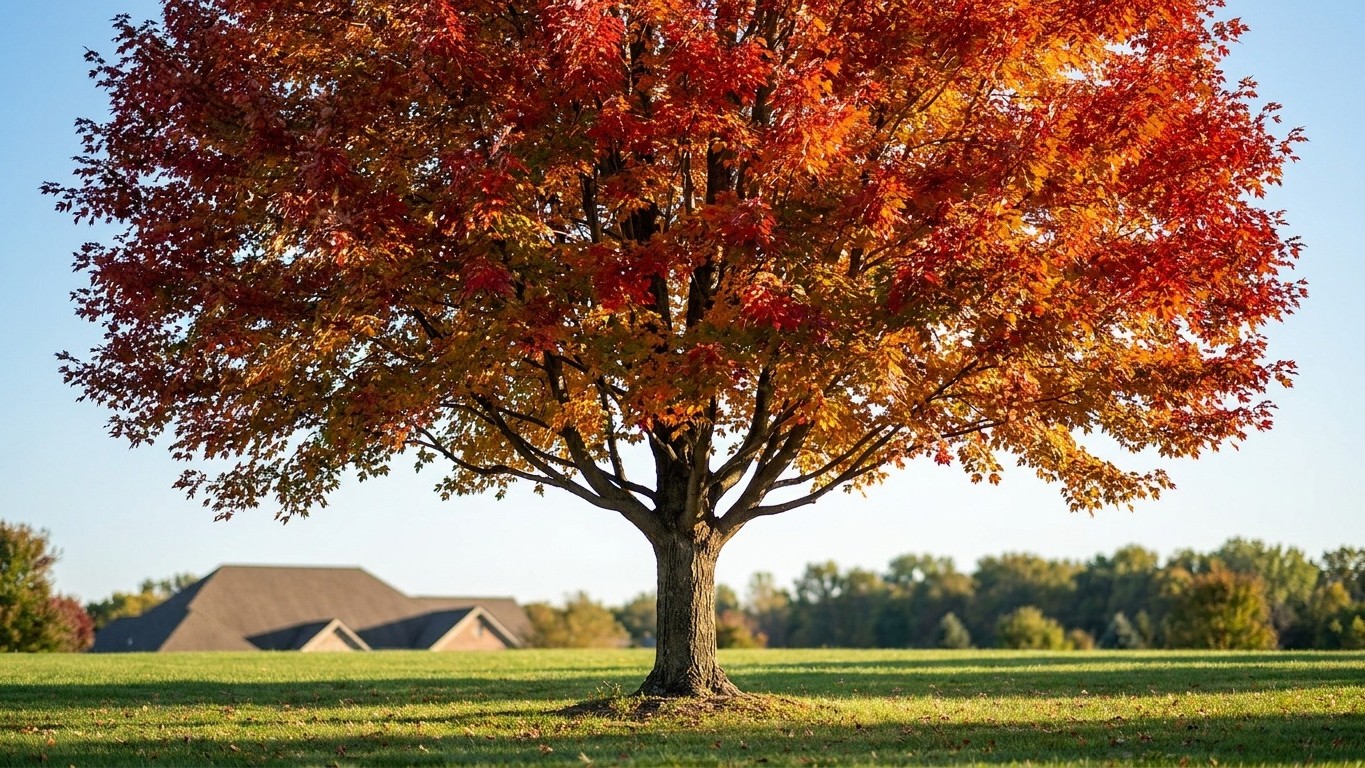
Acer saccharum, better known as Sugar Maple or Hard Maple, survives across USDA hardiness zones 3a to 8b, a band wide enough to cover most of the eastern…
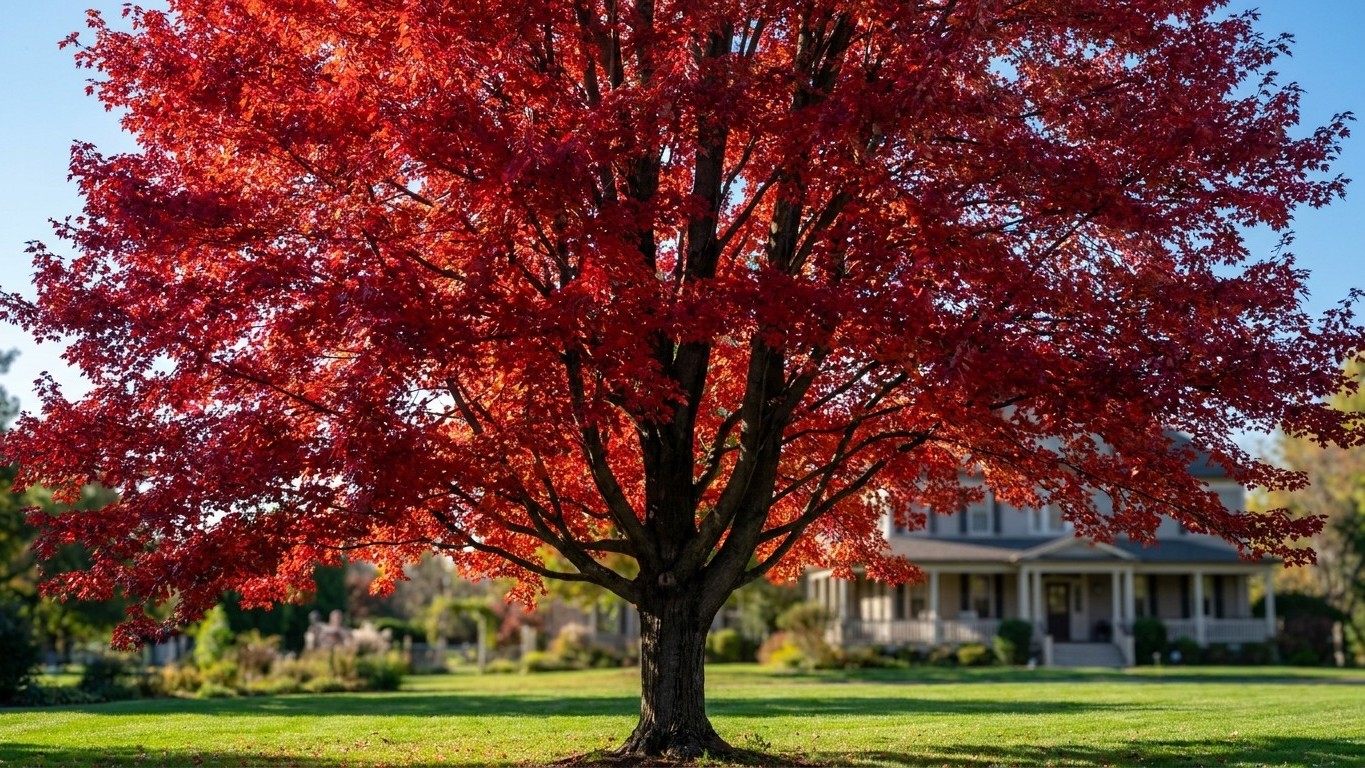
Acer rubrum, known under several common names including Red Maple, Swamp Maple, Scarlet Maple, Soft Maple, and Carolina Maple, is a deciduous native tree…
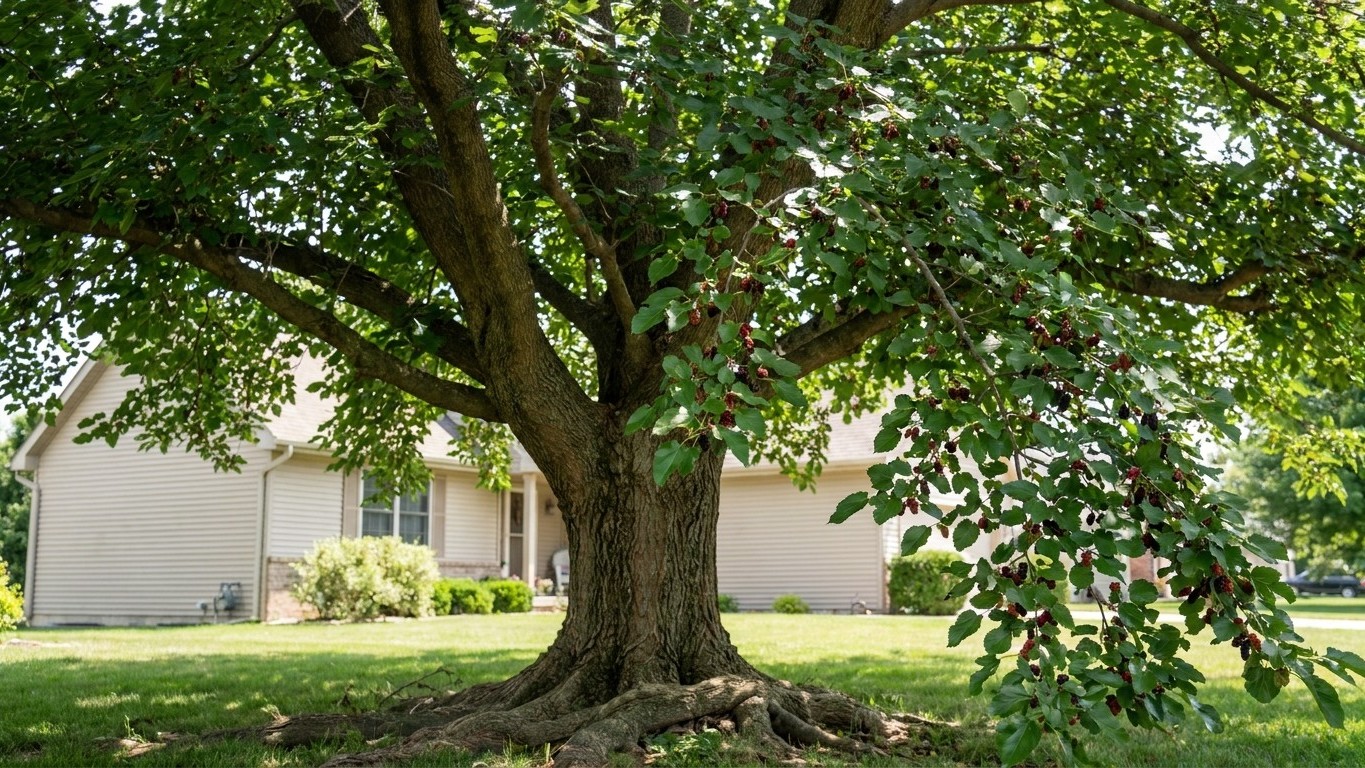
Morus rubra survives across USDA zones 4a-9b, tolerates deep shade to full sun, and grows into a 24- to 60-foot tree if left alone.