Watering a Garden in Arkansas: How Much, How Often, and the Local Rules
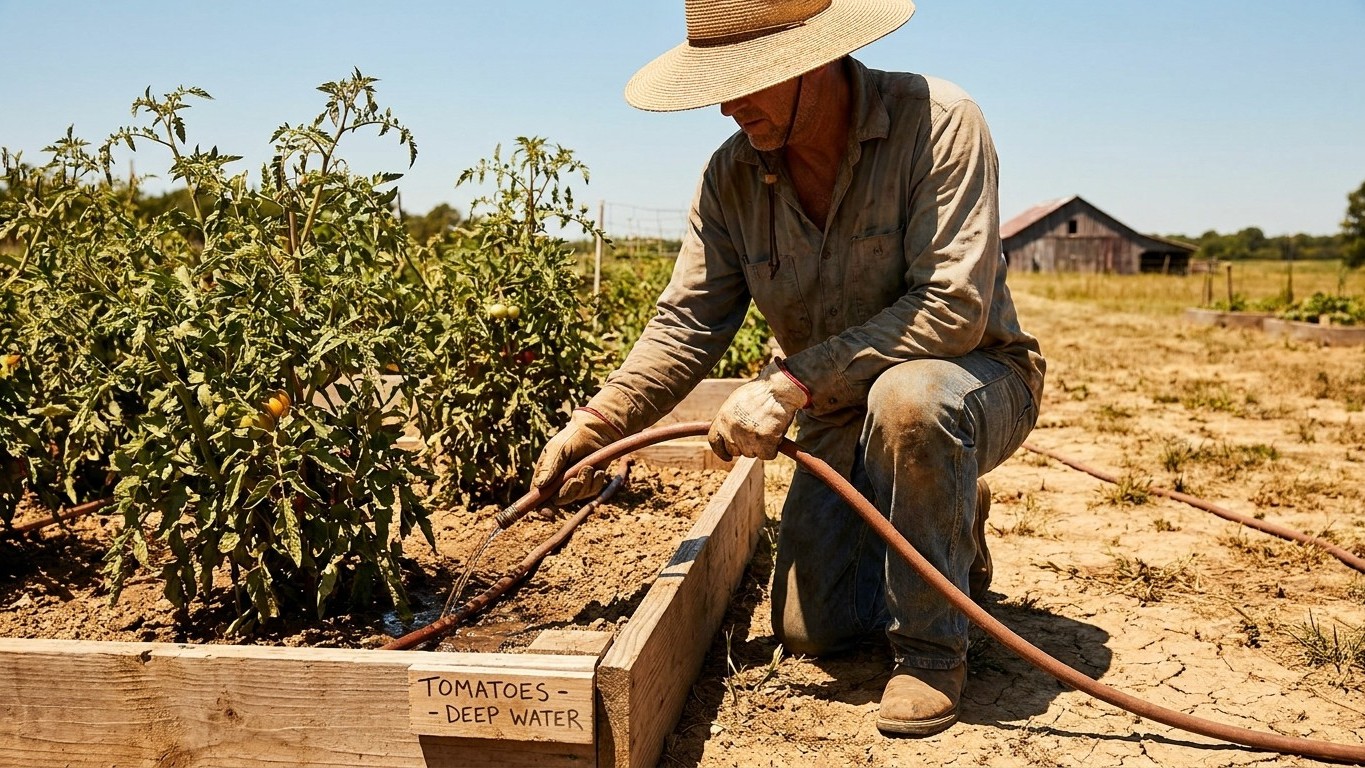
Arkansas summers throw two things at a garden: punishing heat and rain that shows up in bursts rather than steady soaks.
Home & garden, state by state
Arkansas summers throw two things at a garden: punishing heat and rain that shows up in bursts rather than steady soaks.
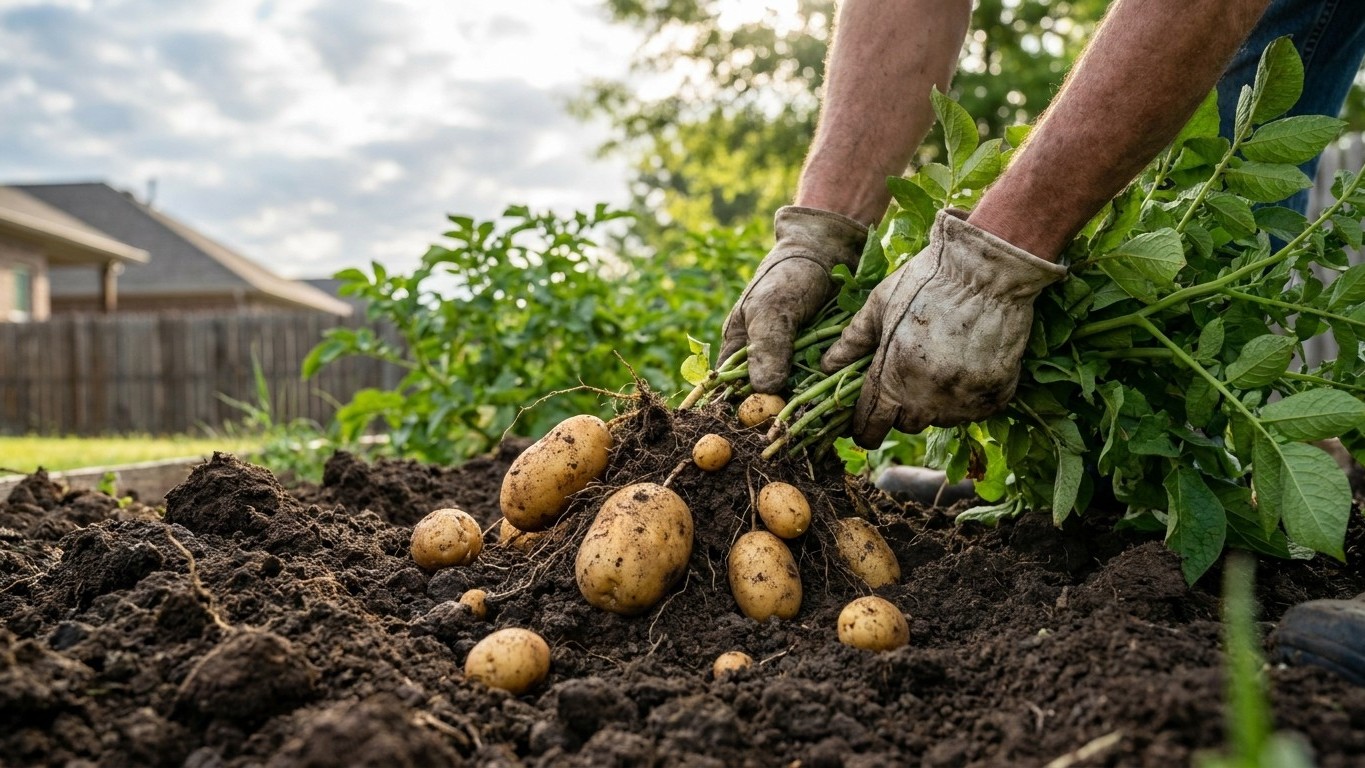
Arkansas summers cross 90°F on 69.2 days a year at the Little Rock reference station, well past the point where potato tubers stop sizing.
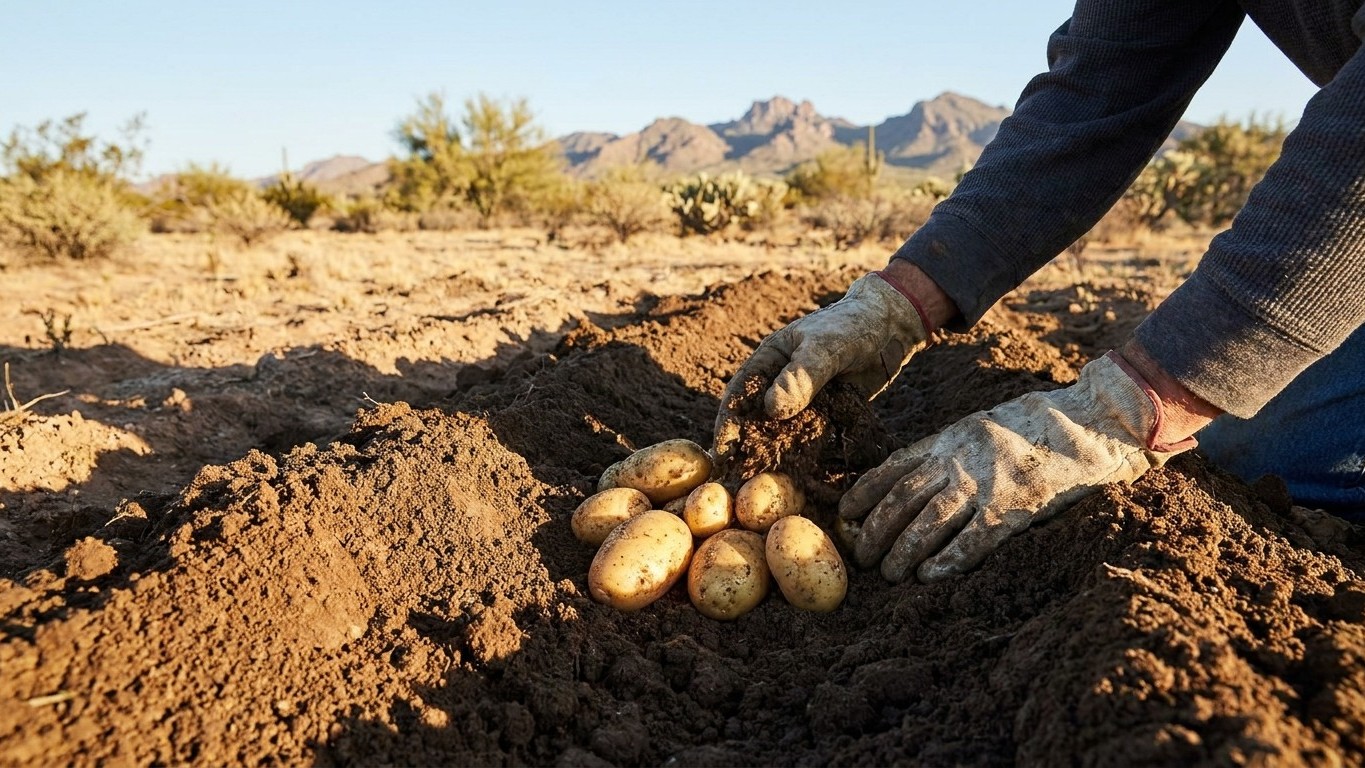
In low-desert Arizona, the deciding number isn’t the last frost date. It’s the count of days the soil bakes past 90 F, and at the reference station in…
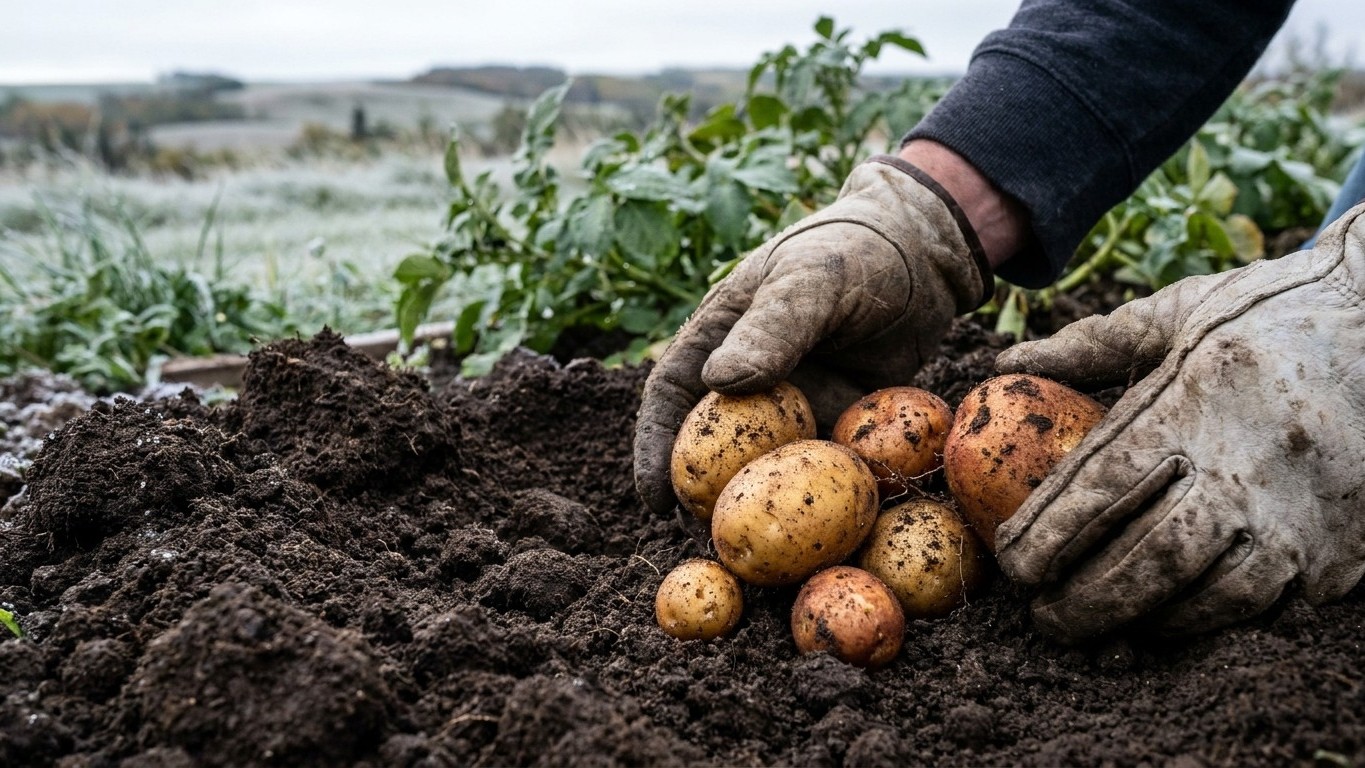
Calgary logs an average of zero days a year at 90°F or above, according to Environment and Climate Change Canada’s Canadian Climate Normals.
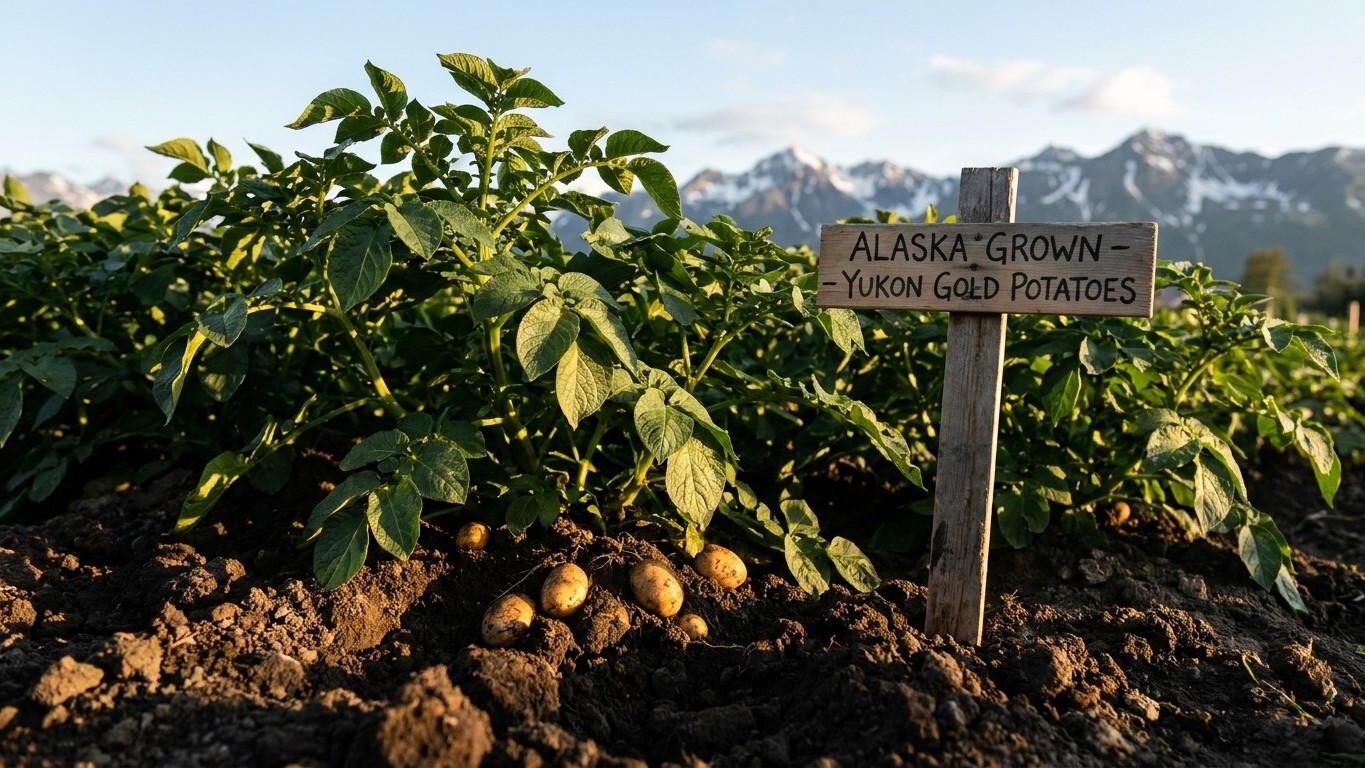
In Anchorage, the reference city for this state’s climate data, summer never gets hot enough to hurt a potato crop.
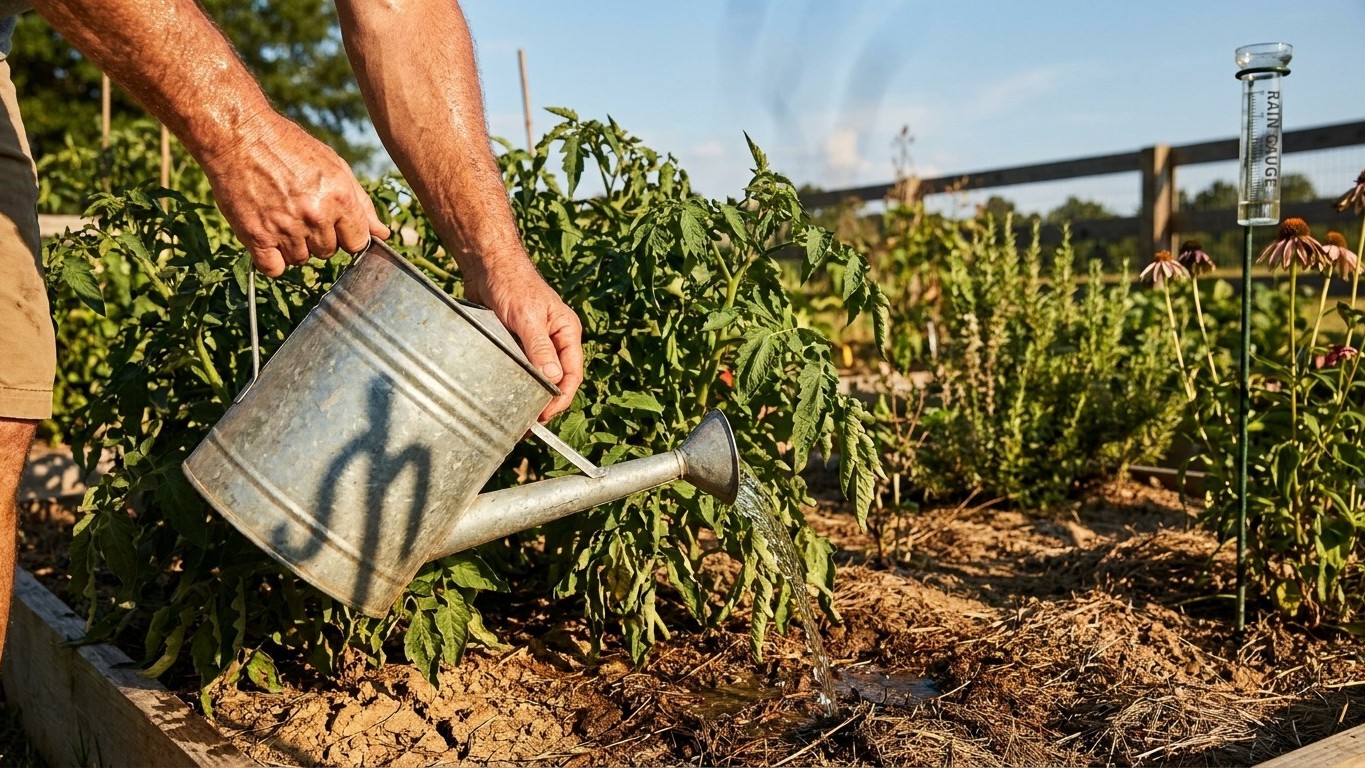
Alabama gardens live and die on heat, not drought. The state’s National Weather Service data show an average of 58.5 days a year hitting 90F or higher at…
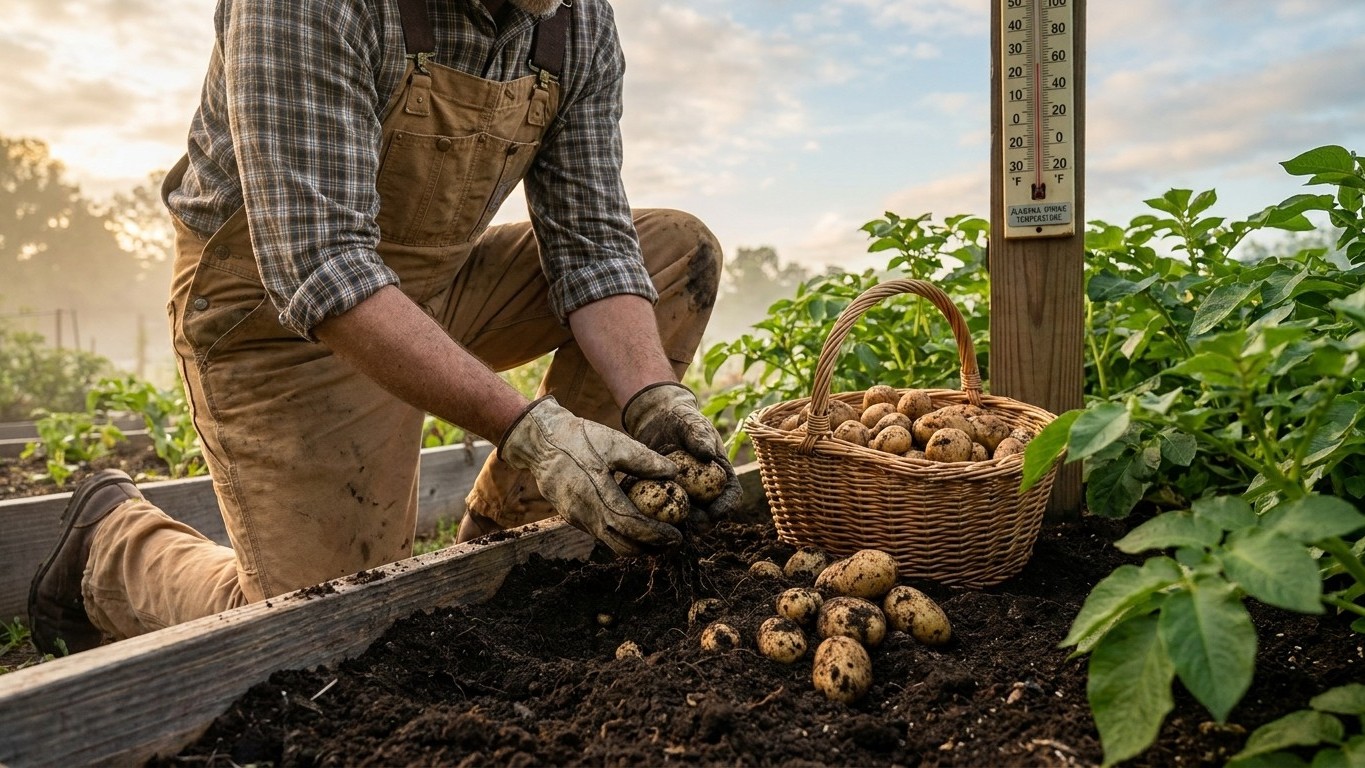
In Huntsville, Alabama, the last spring frost typically falls between March 19 and April 3, and the growing season that follows racks up an average of…
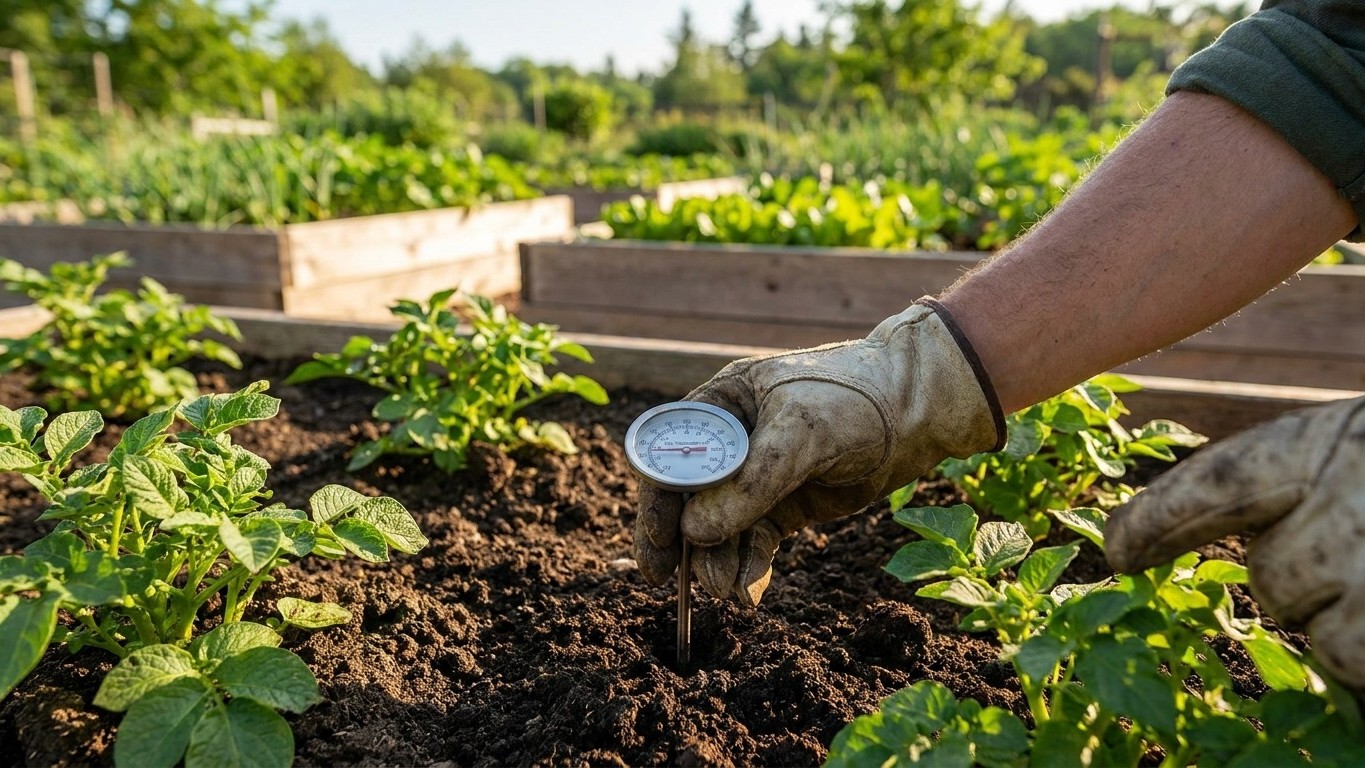
Soil temperature above 90 degrees Fahrenheit stops a potato plant from setting or filling tubers, according to Utah State University Extension.
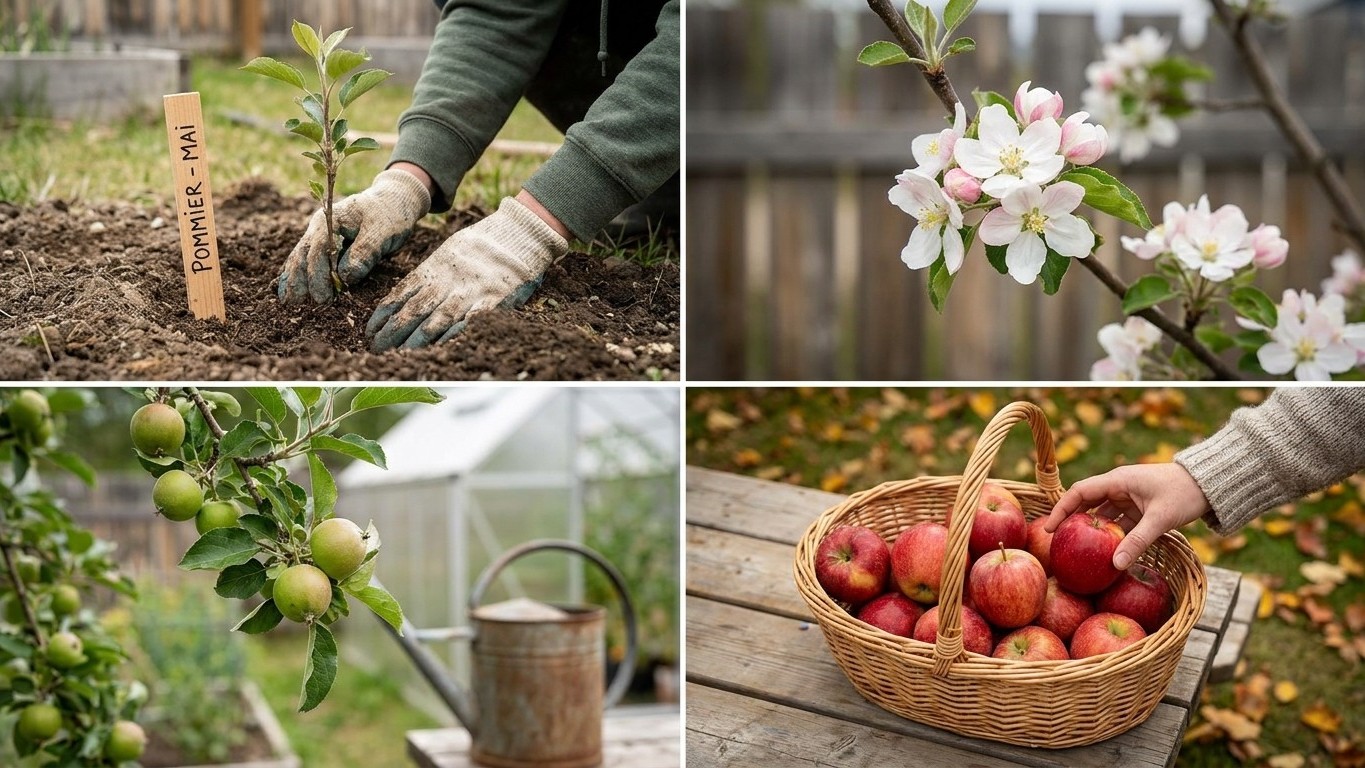
Yukon’s apple stages line up against Whitehorse’s June 5 and August 25 mean frost dates, from ECCC’s 1981-2010 normals, county by county.
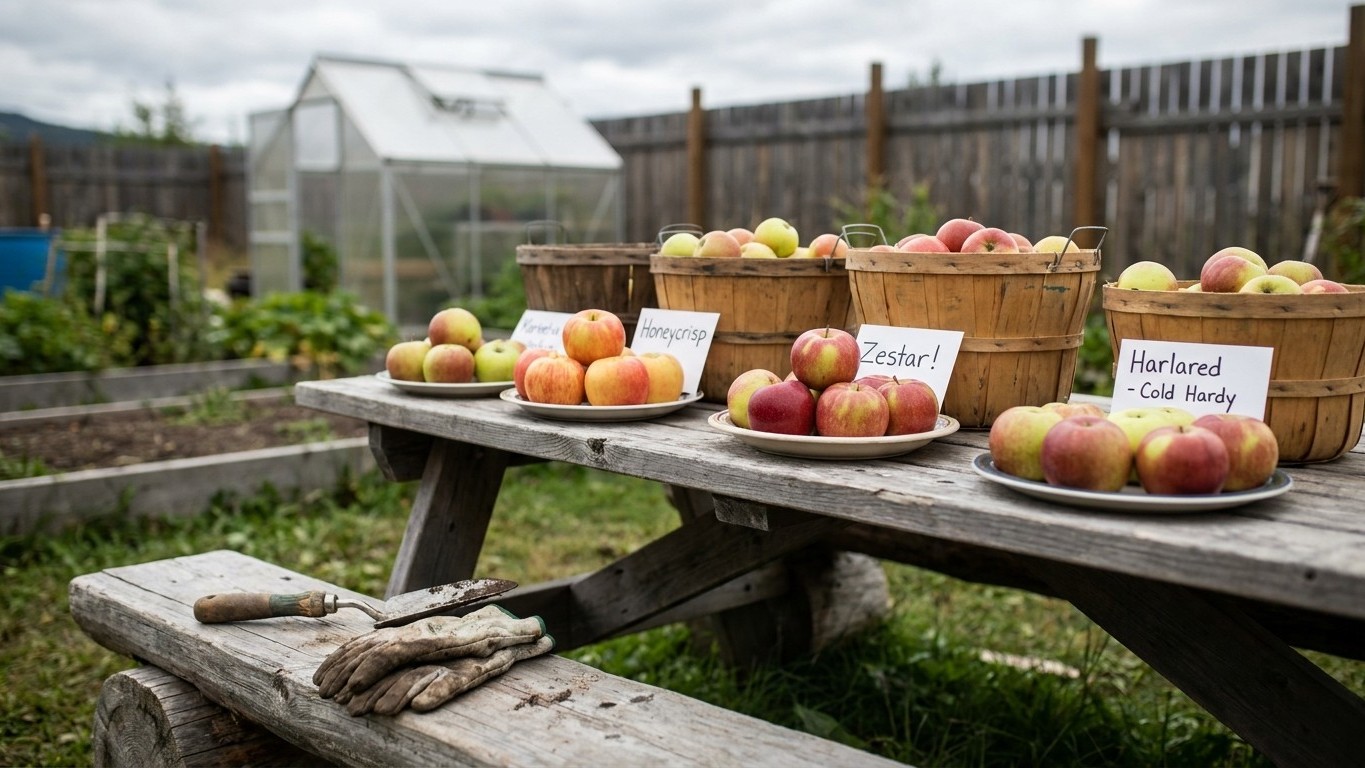
Yukon’s short, cold season rules out most orchard apples, leaving extreme-hardy crab type trees and a sheltered microsite as the realistic path to fruit.