The Illinois Apple Calendar, Stage by Stage
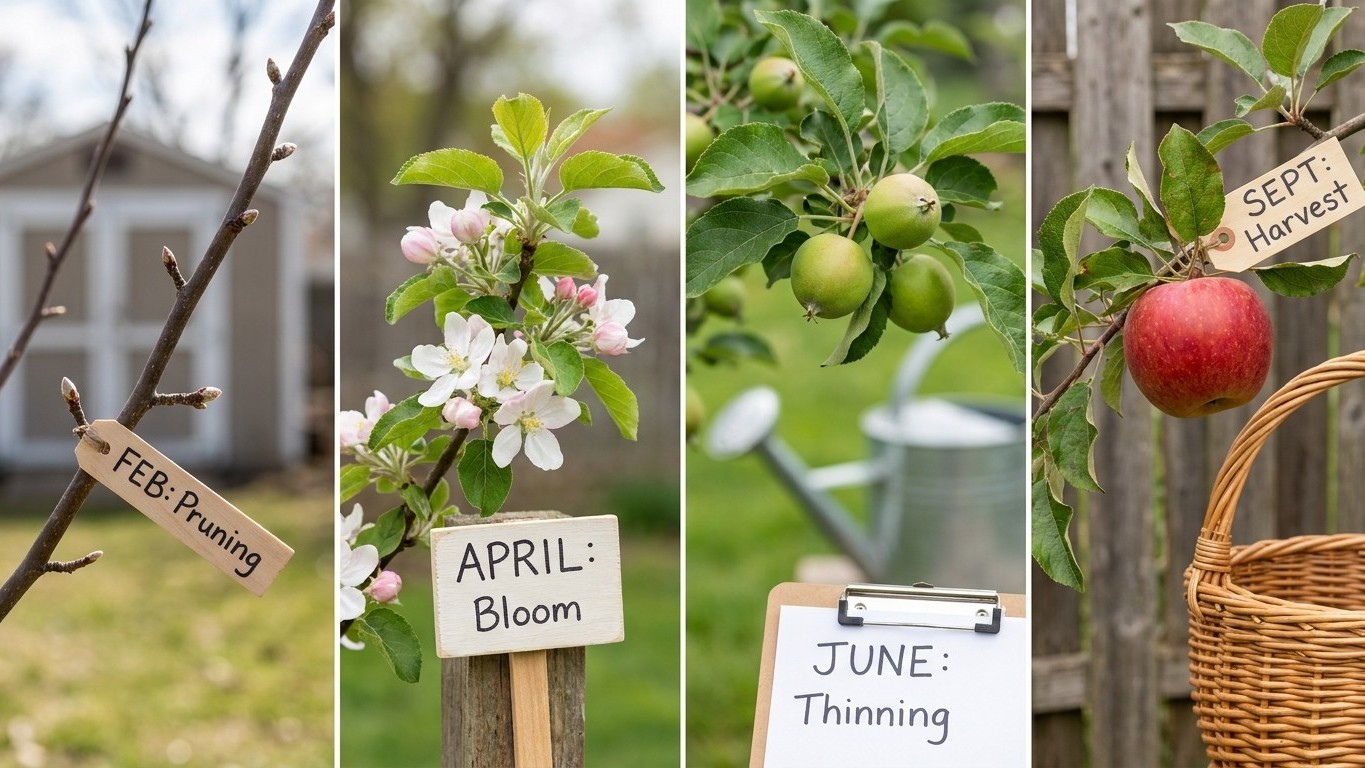
Apple bloom, fruit set, and harvest timing in Illinois track frost dates from NOAA’s Chicago climate normals, not a fixed calendar month.
Home & garden, state by state
Apple bloom, fruit set, and harvest timing in Illinois track frost dates from NOAA’s Chicago climate normals, not a fixed calendar month.
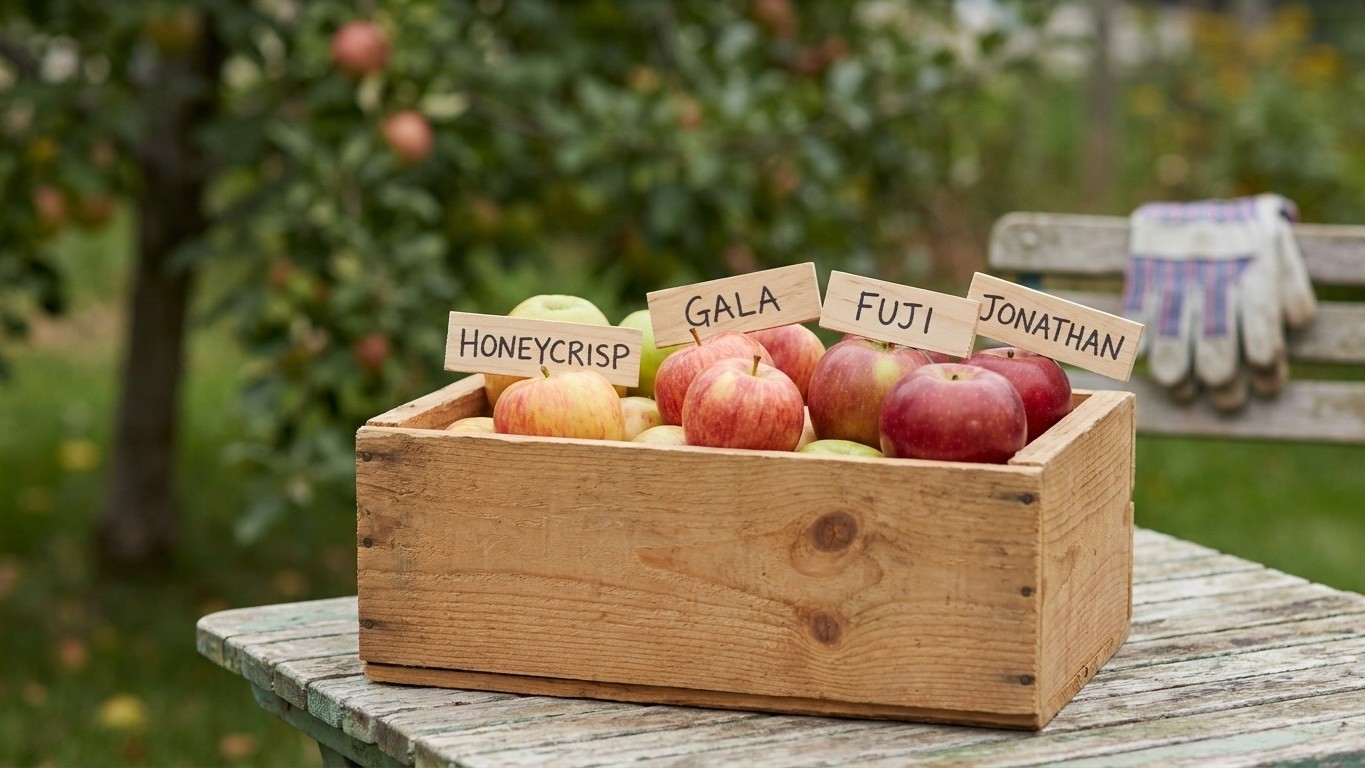
Illinois apple trees tolerate winter cold with ease, so success actually depends on bloom timing against the spring frost window and disease resistance.
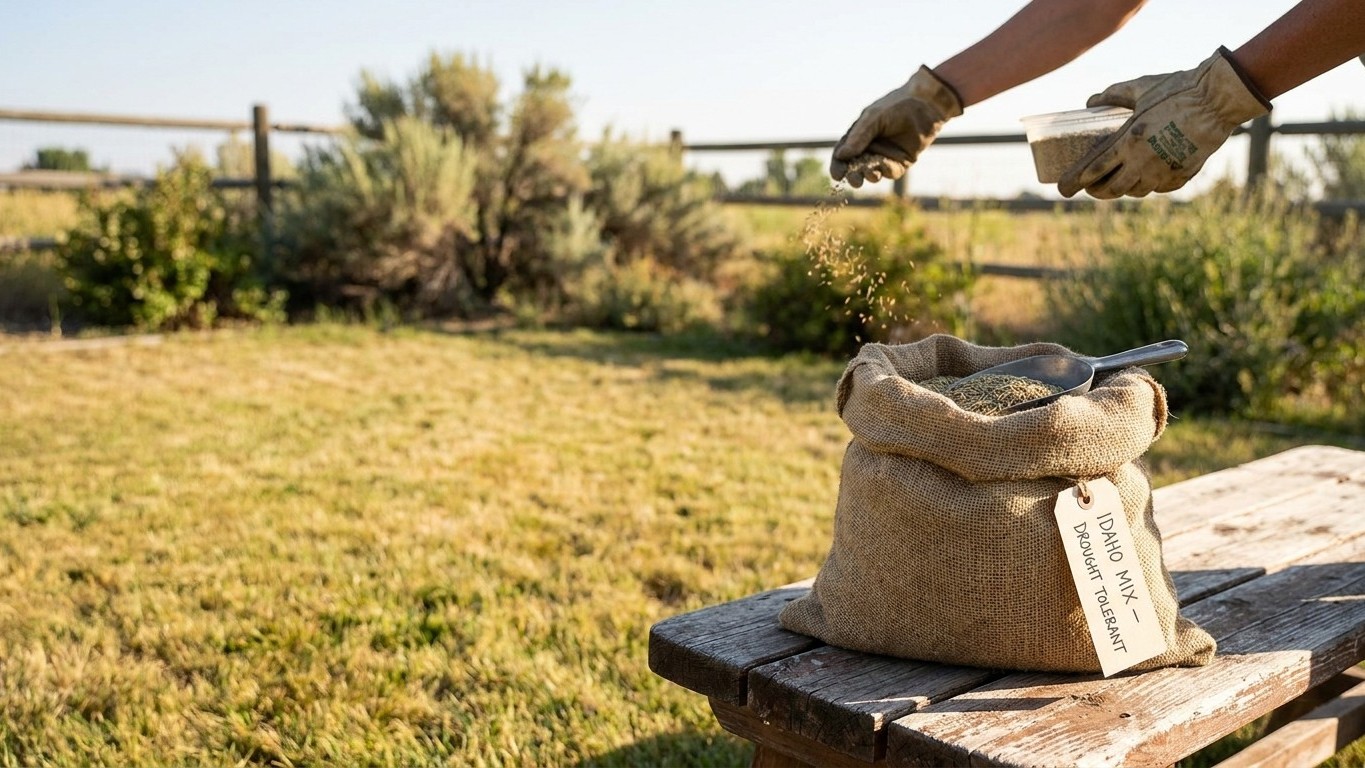
Idaho’s transition-zone climate means cool-season and warm-season grasses both have real drawbacks, so choosing the best seed depends on your water and winter color tolerance.
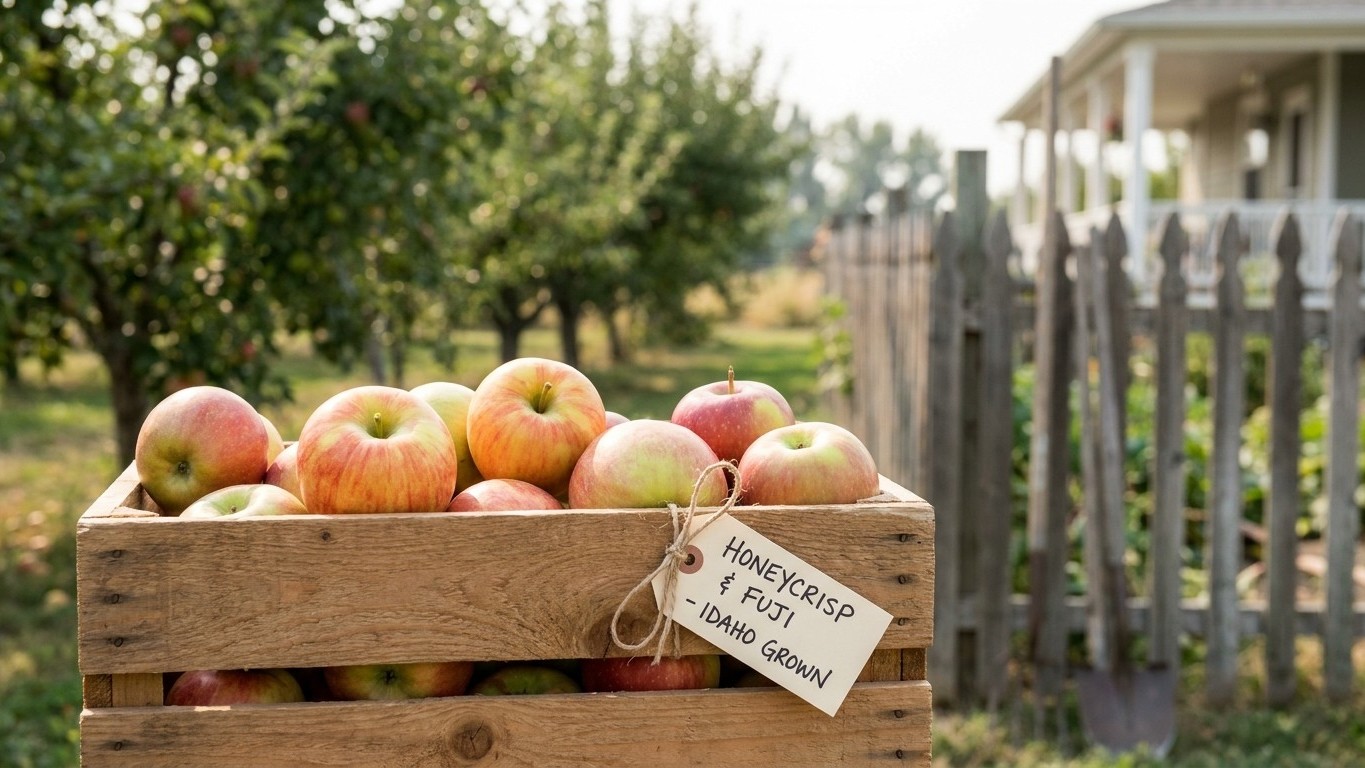
Idaho’s apple success depends more on bloom timing against spring frost than on winter cold, and the safest window varies by elevation.
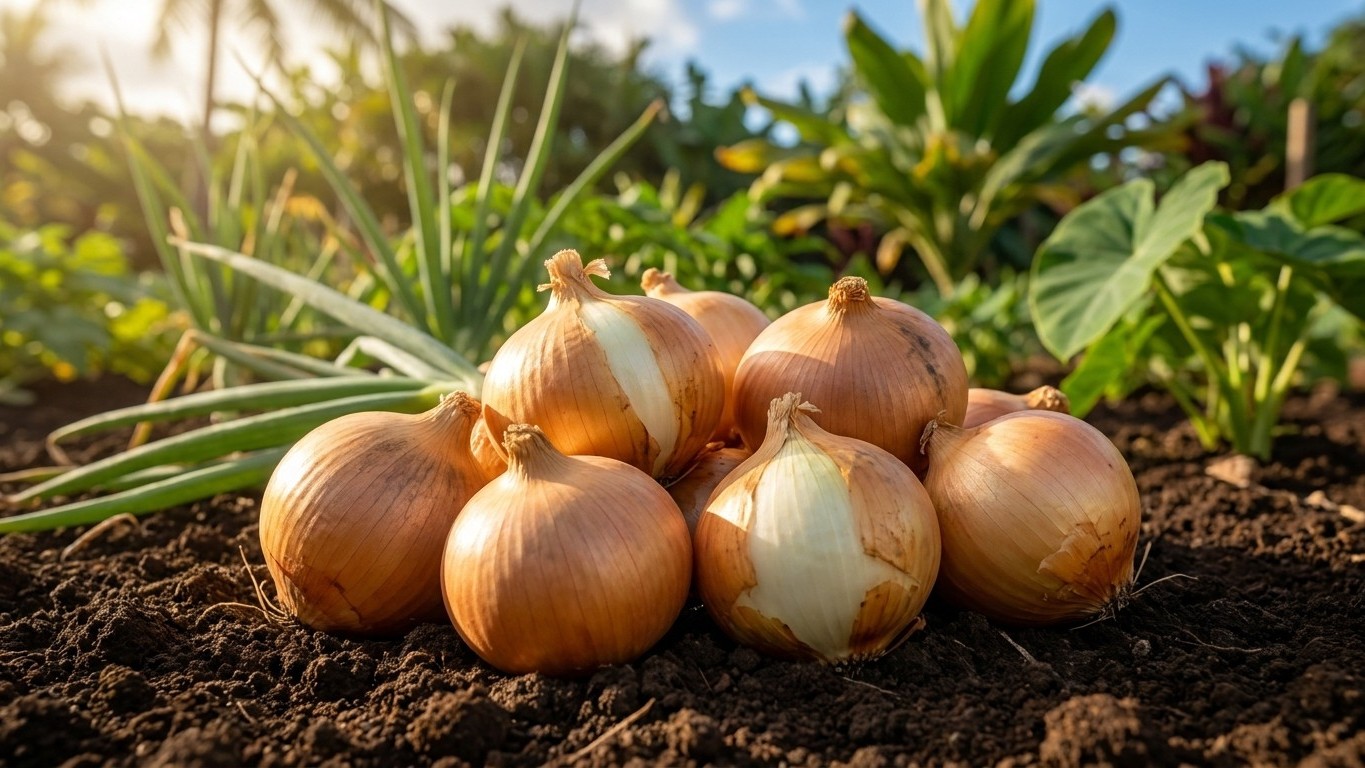
At 21.32 degrees north, the latitude of Honolulu (NOAA station USW00022521), the longest day of the year brings 13 hours and 18 minutes of daylight.
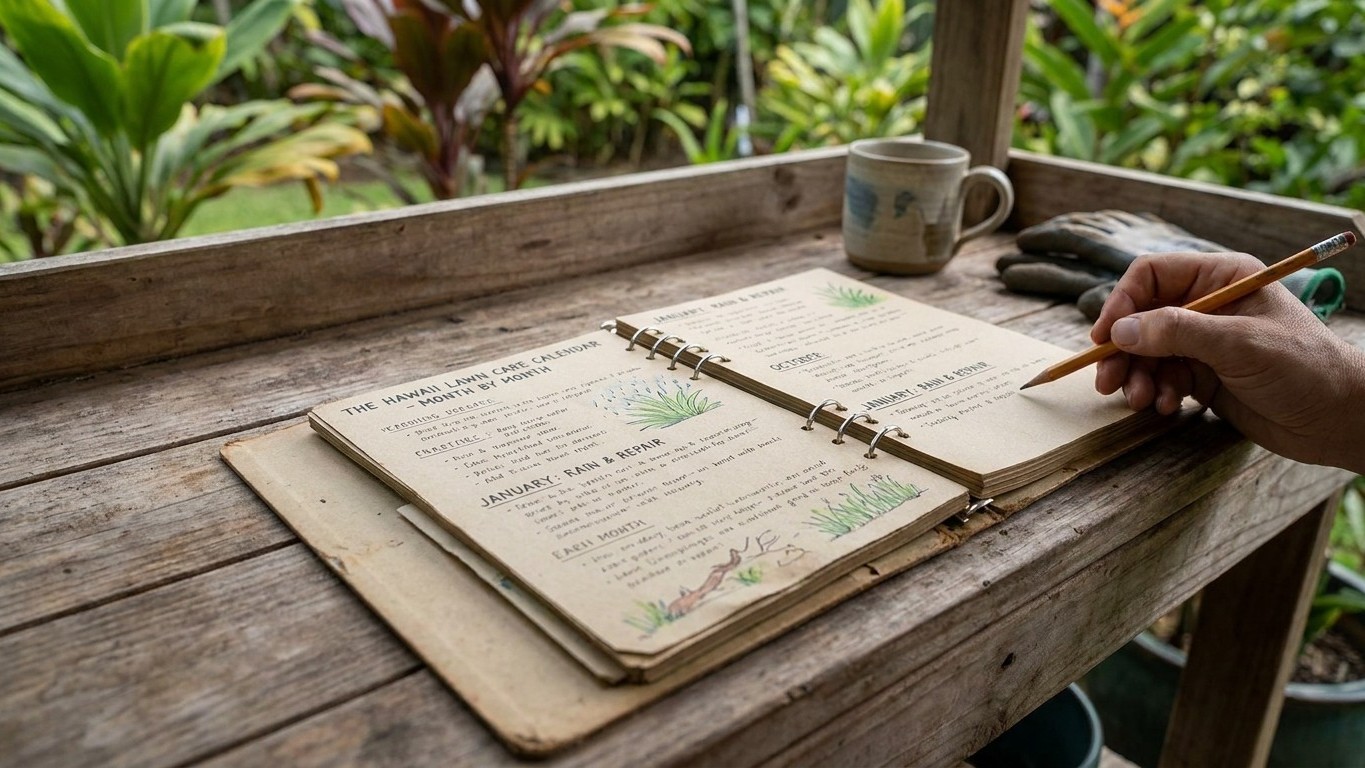
Hawaii’s warm-season lawns follow rainfall and elevation rather than frost, and this calendar gives mowing heights, nitrogen rates and seasonal tasks for Bermuda, Zoysia, St. Augustine and Centipede grass.
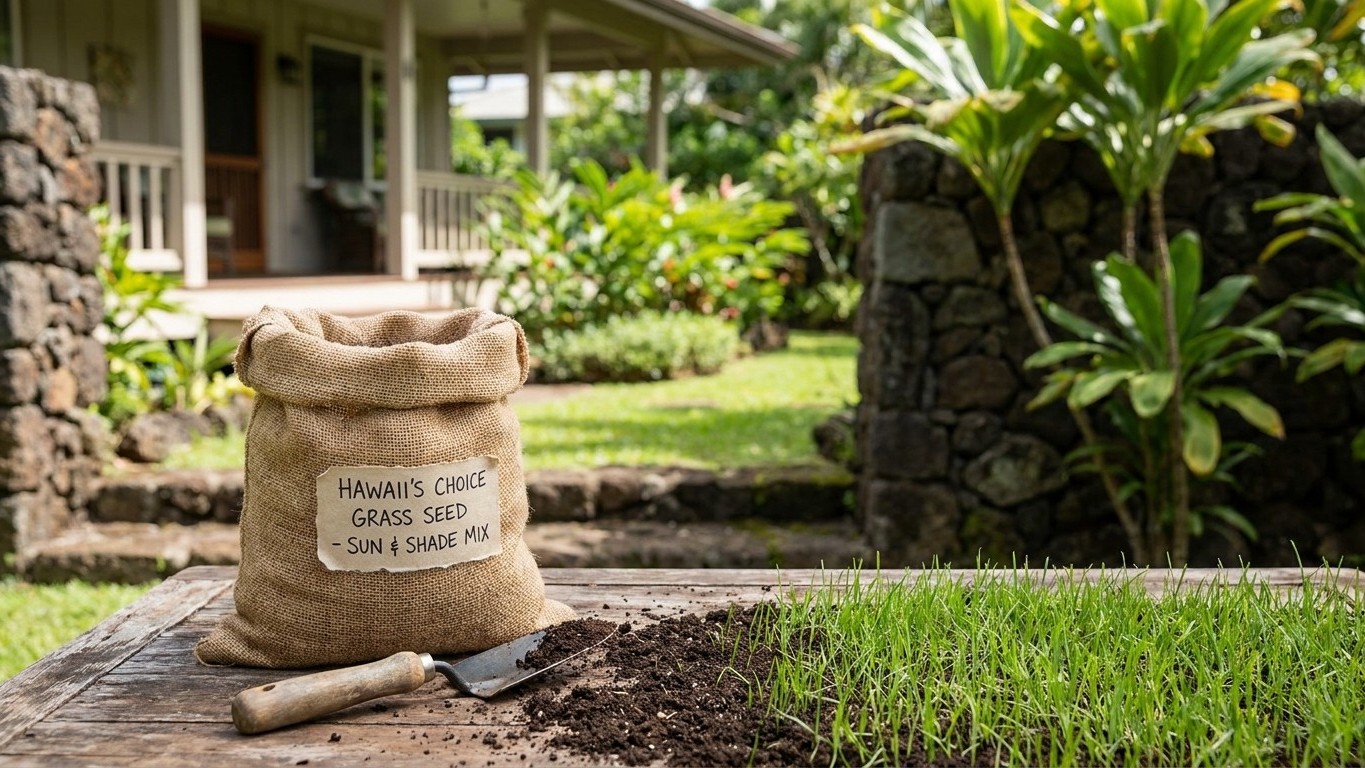
Explains which of the seven warm-season turf species suits Hawaii lawns based on rainfall, salt spray, shade and elevation, using Honolulu’s climate data.
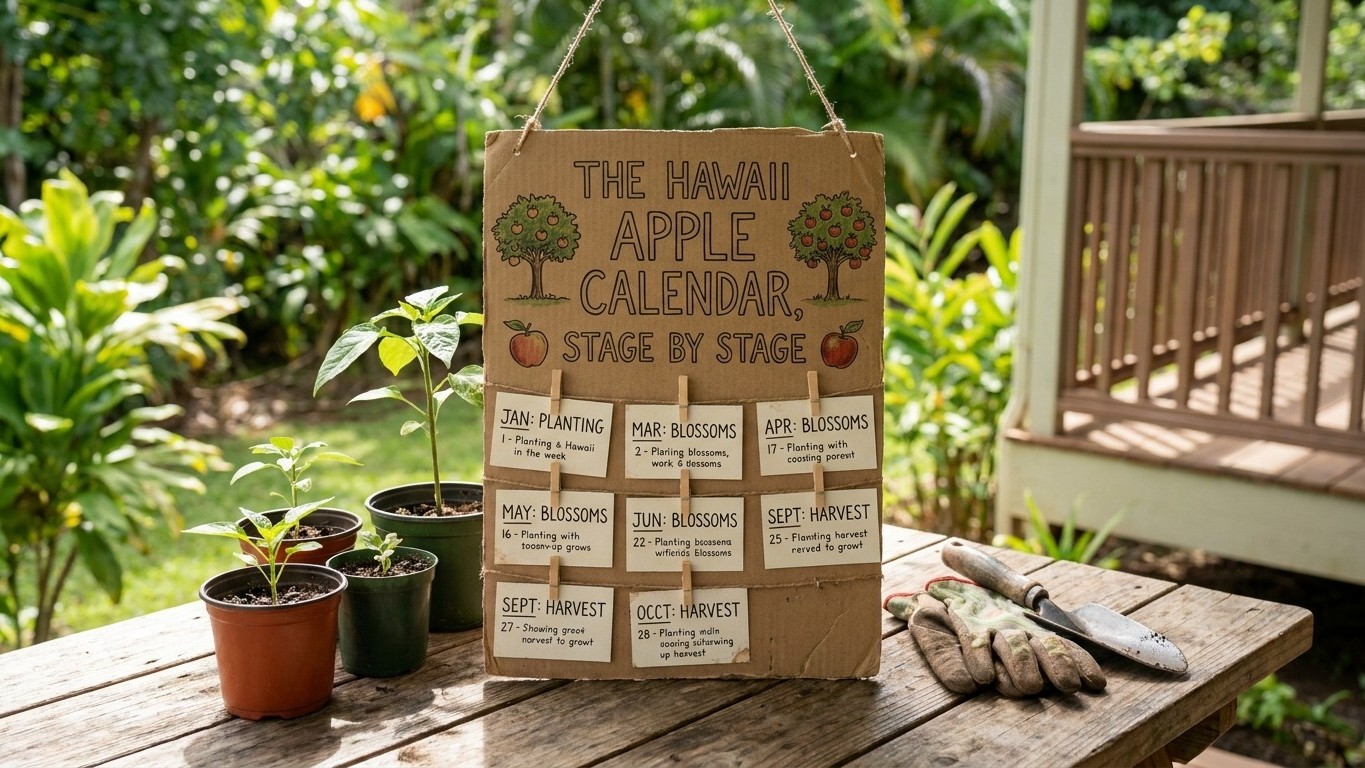
Explains why lowland Hawaii has no frost-based apple calendar, and how elevation, hand-forced dormancy and ultra-low-chill cultivars decide when trees bloom and fruit.
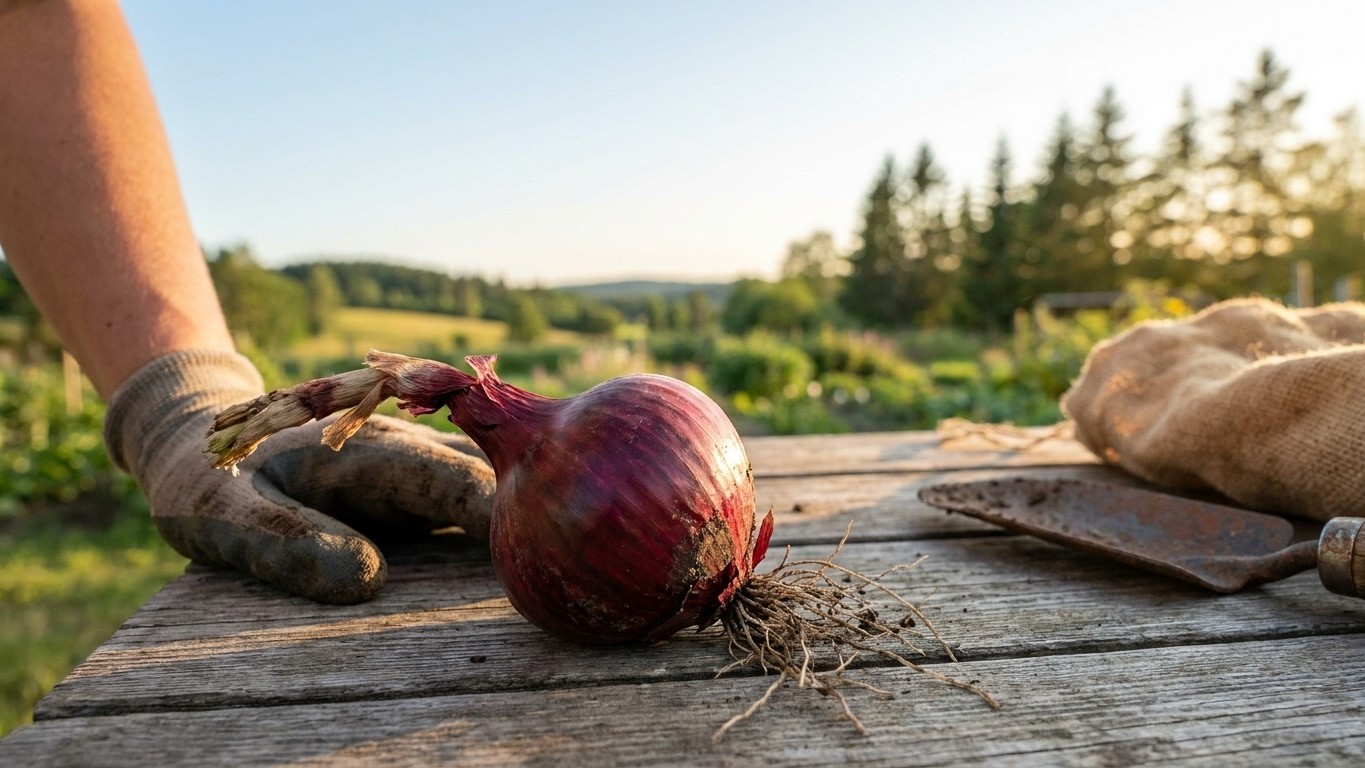
Rossa di Milano is a long-day onion, which means it needs roughly 14 to 16 hours of summer daylight to form a bulb, and that single fact narrows the map…
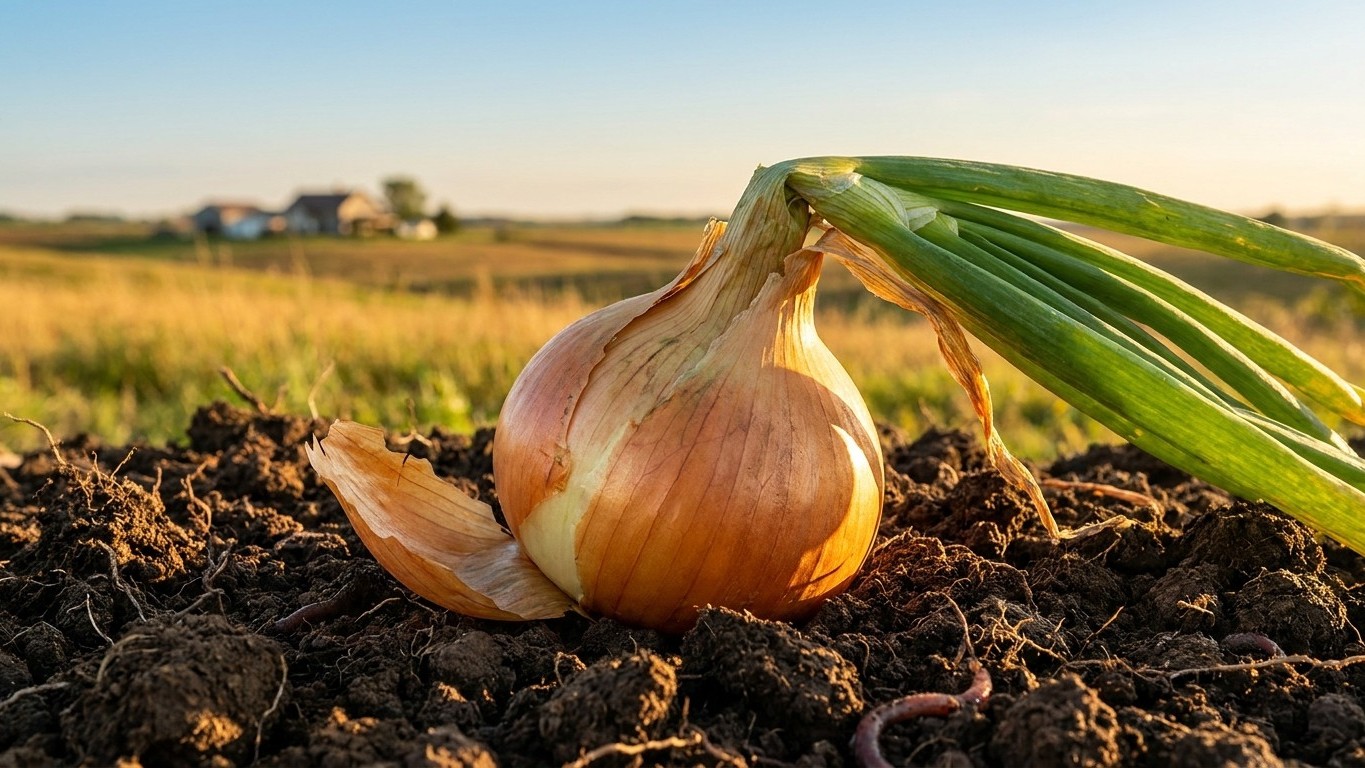
Patterson is a long-day onion, which means it only forms a proper bulb north of roughly the 38th parallel.