Apples That Stay Small
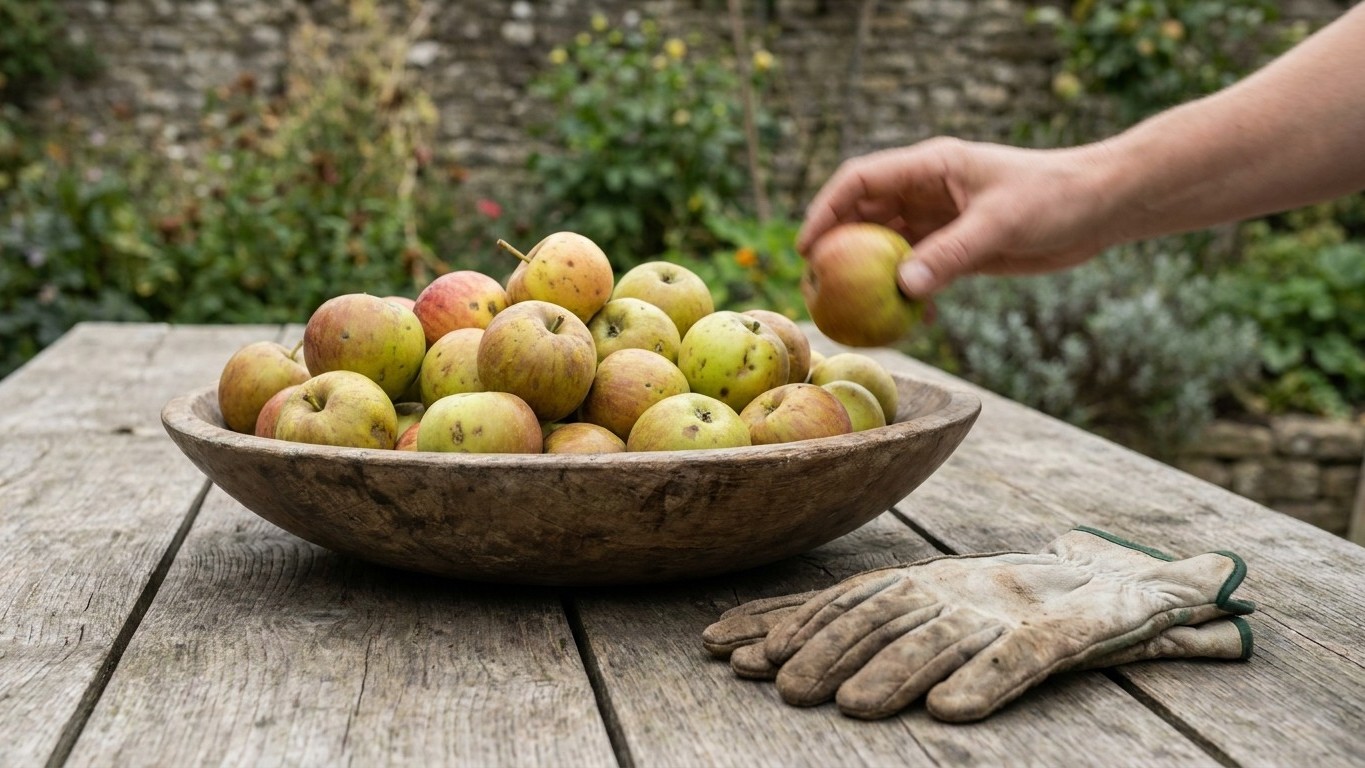
Apples that ripen but stay small are usually caused by too many fruit per cluster or a pollination gap, not disease, and each needs a different fix.
Home & garden, state by state
Apples that ripen but stay small are usually caused by too many fruit per cluster or a pollination gap, not disease, and each needs a different fix.
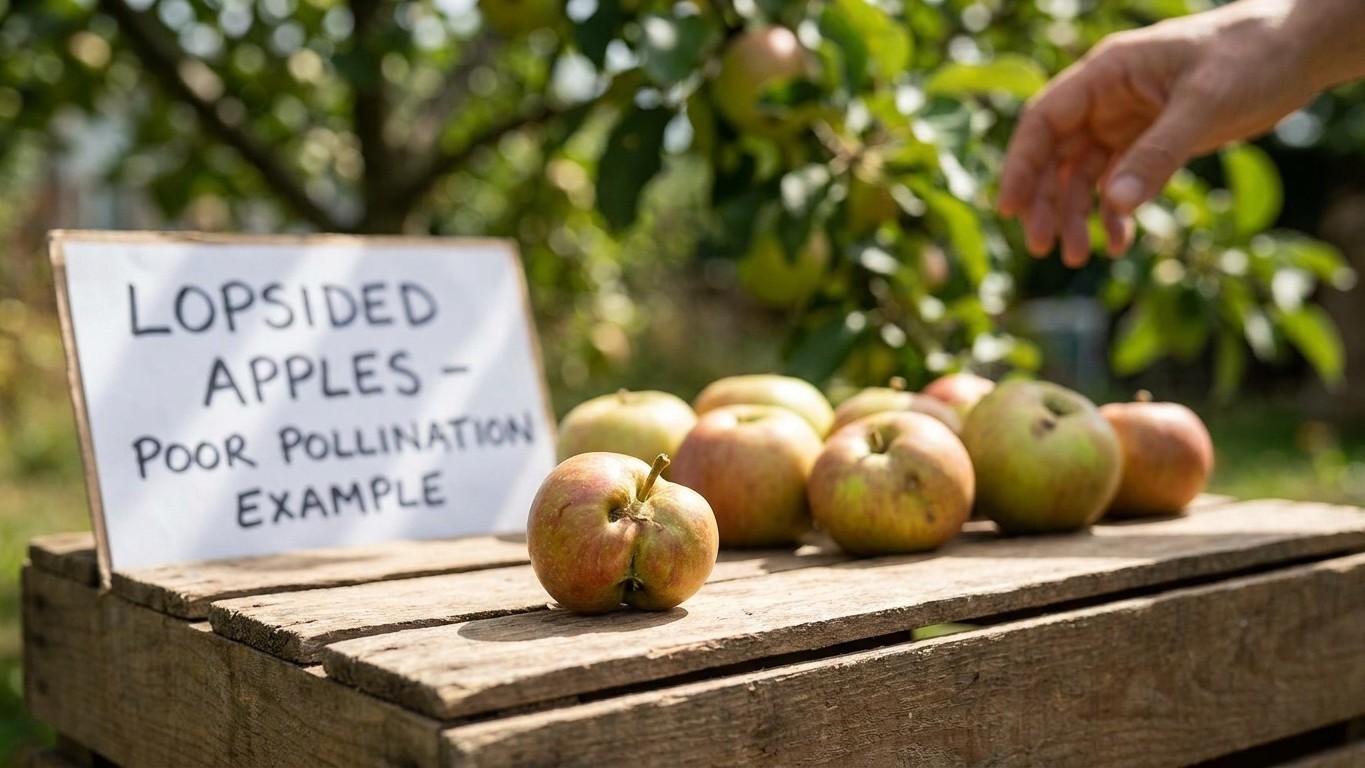
Lopsided apples usually result from uneven pollination and seed count rather than disease, pests, or nutrient problems in the tree.
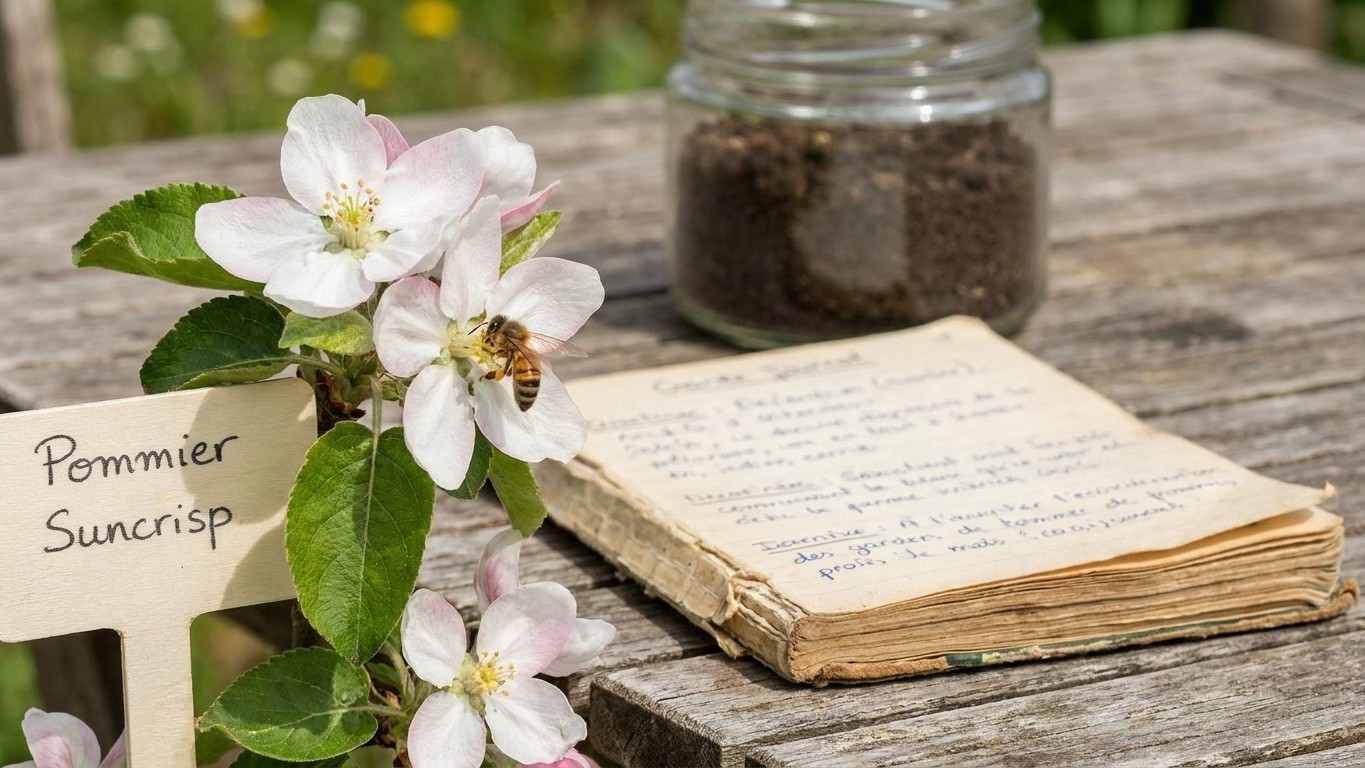
Suncrisp needs a mid-season apple partner to pollinate well. USU Extension names no specific variety, so this explains what to plant and what fails.
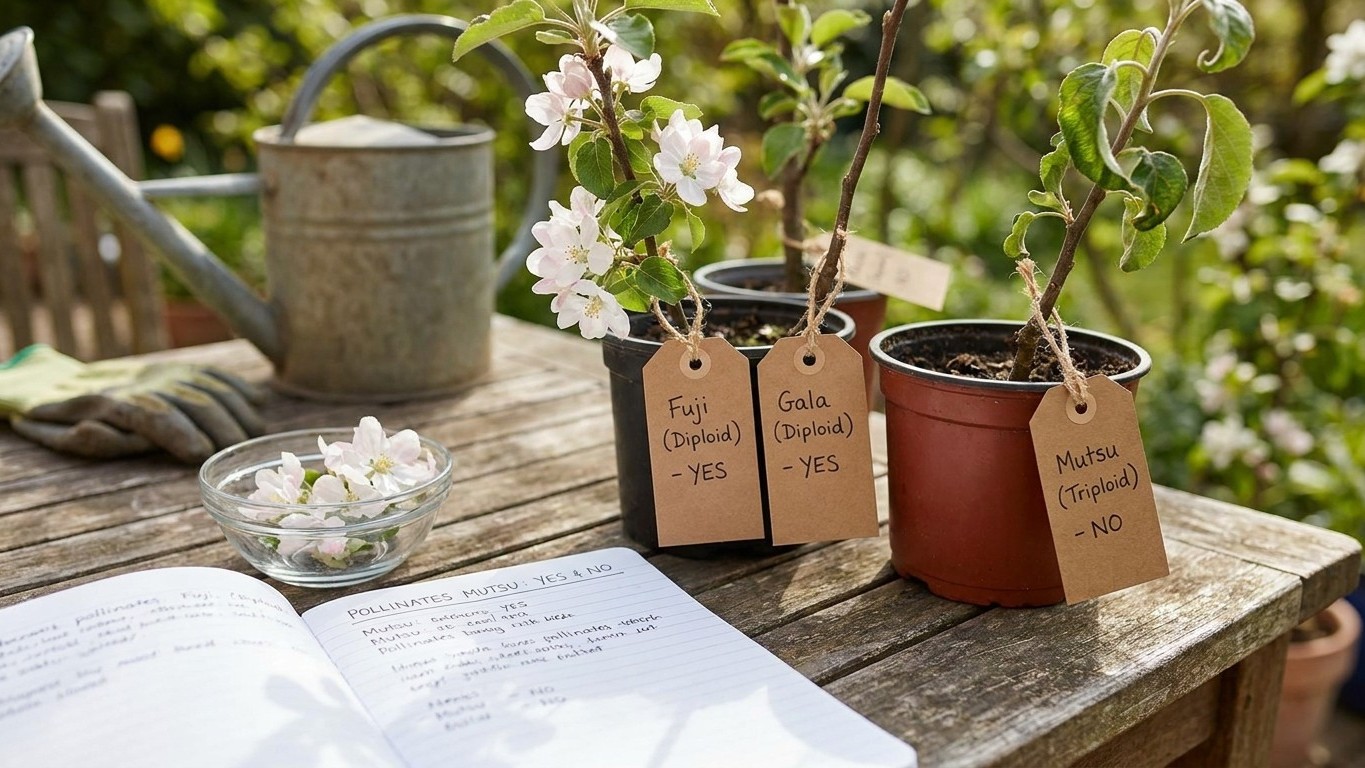
Mutsu’s pollen is sterile, so it needs two compatible varieties nearby, such as Fuji and Gala, to set any fruit at all.
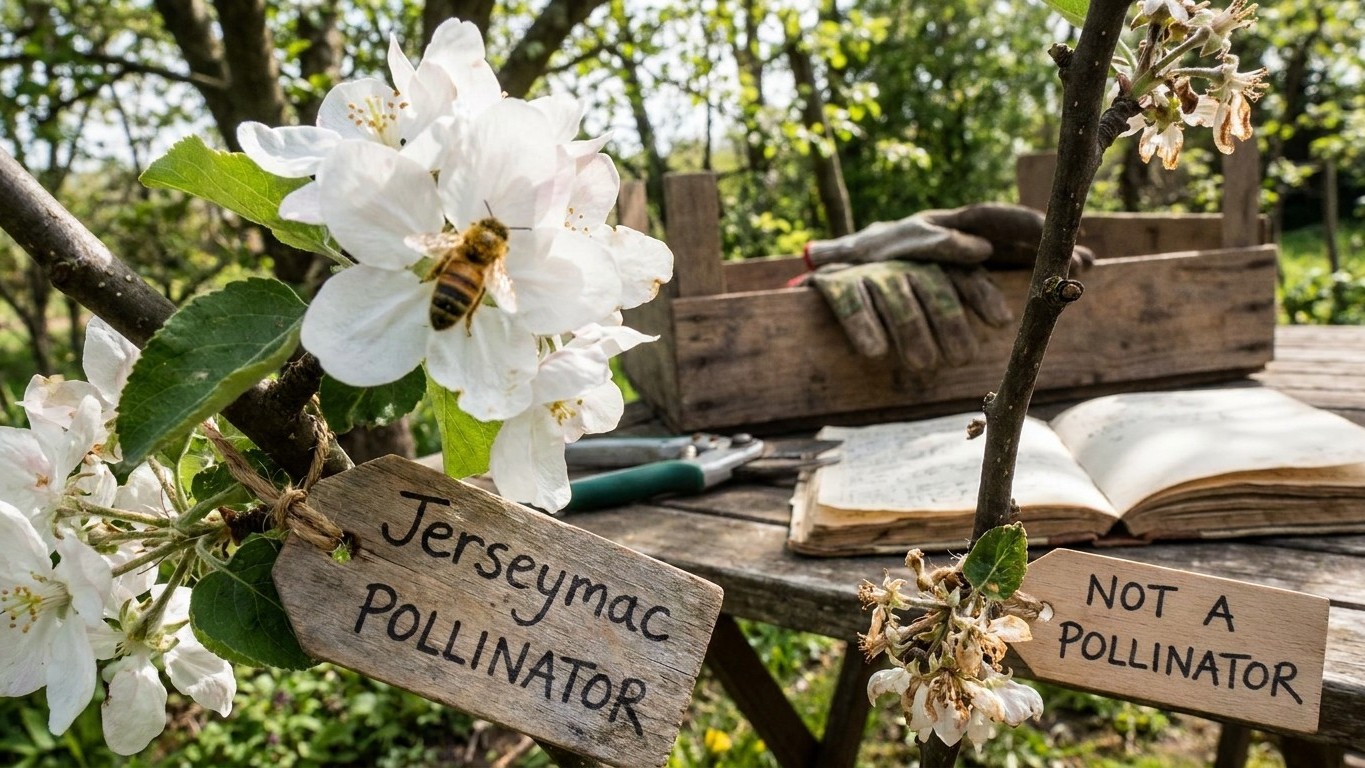
Jerseymac needs a second apple variety blooming at the same time, and Fuji, Gala, Granny Smith, and four others qualify, while Mutsu cannot.
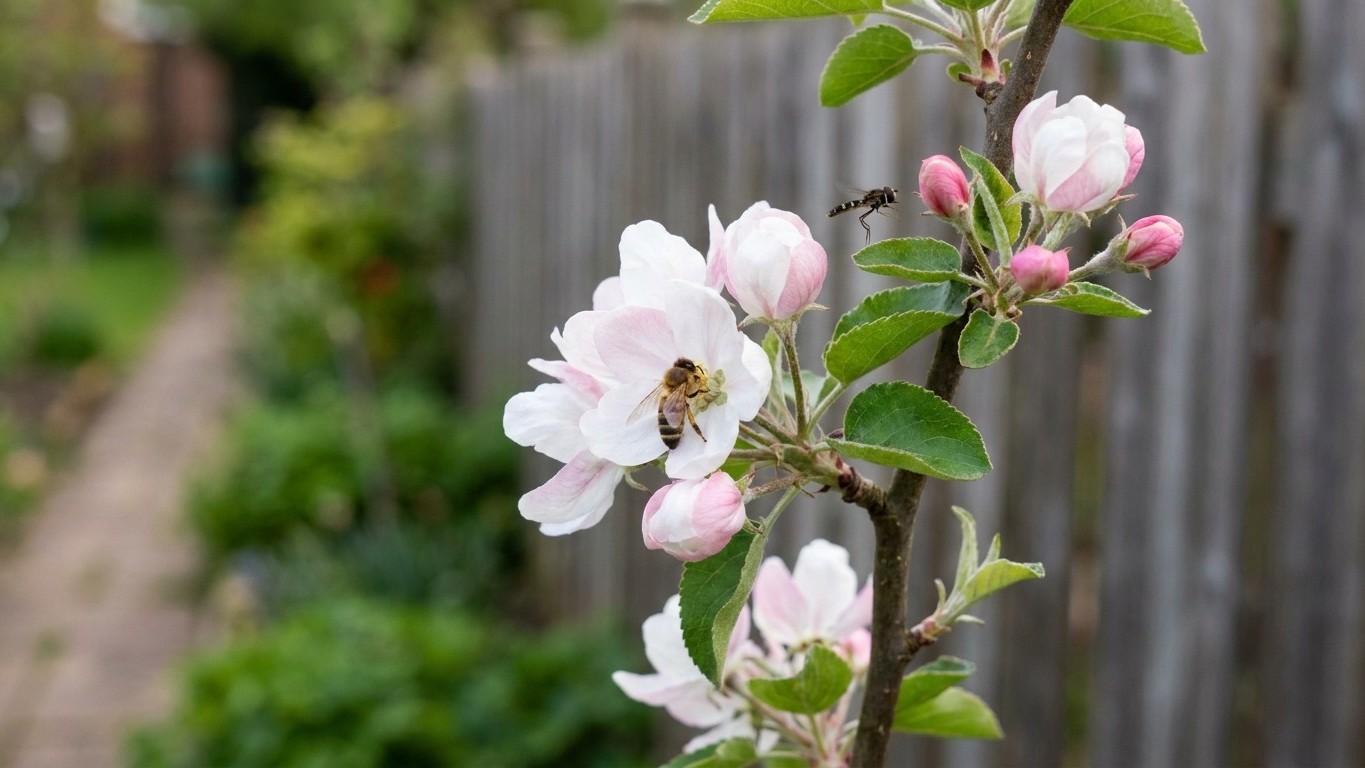
Cortland’s pollination partners aren’t published by USU Extension, so this explains the bloom-group rule, the two-tree minimum, and what still isn’t documented.
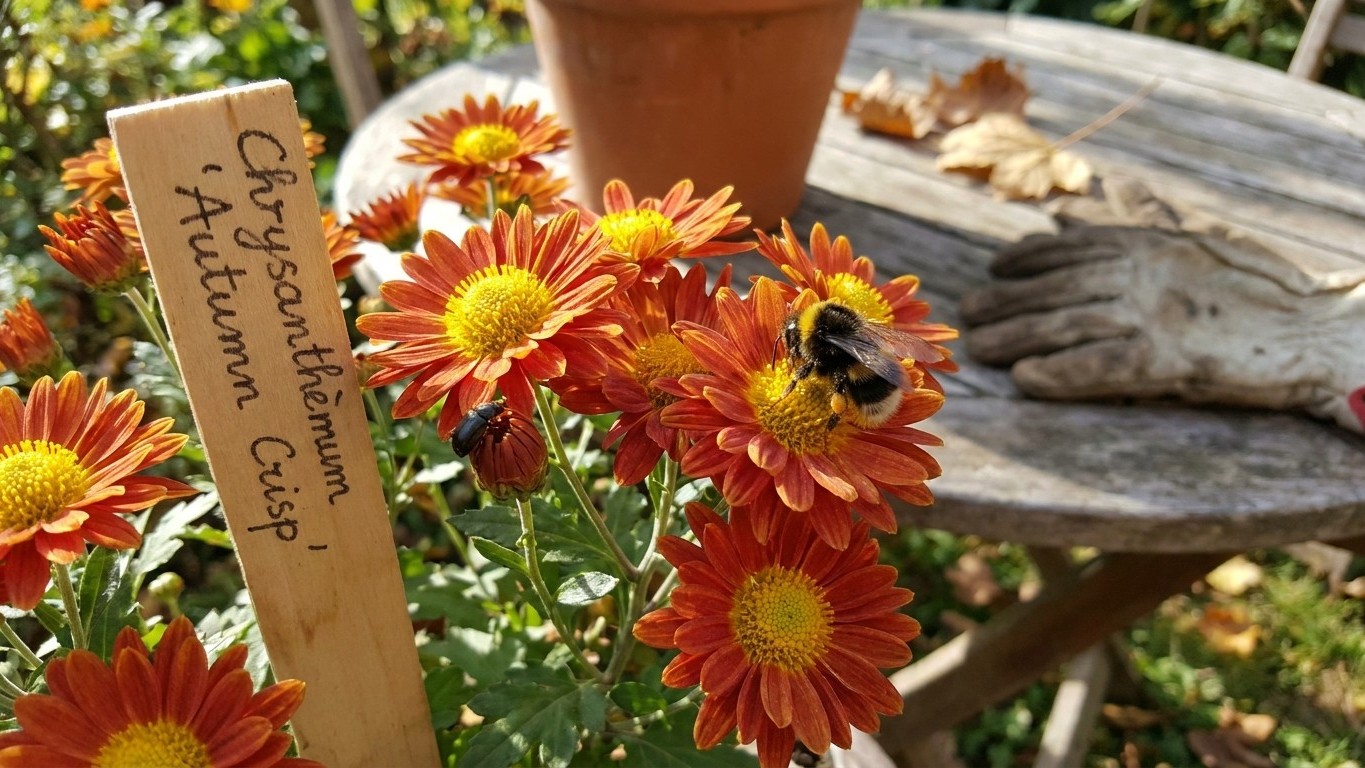
USU Extension lists no specific pollination partner for Autumn Crisp, only its Mid bloom time and zone 4-7 range, so here’s how to choose one correctly.
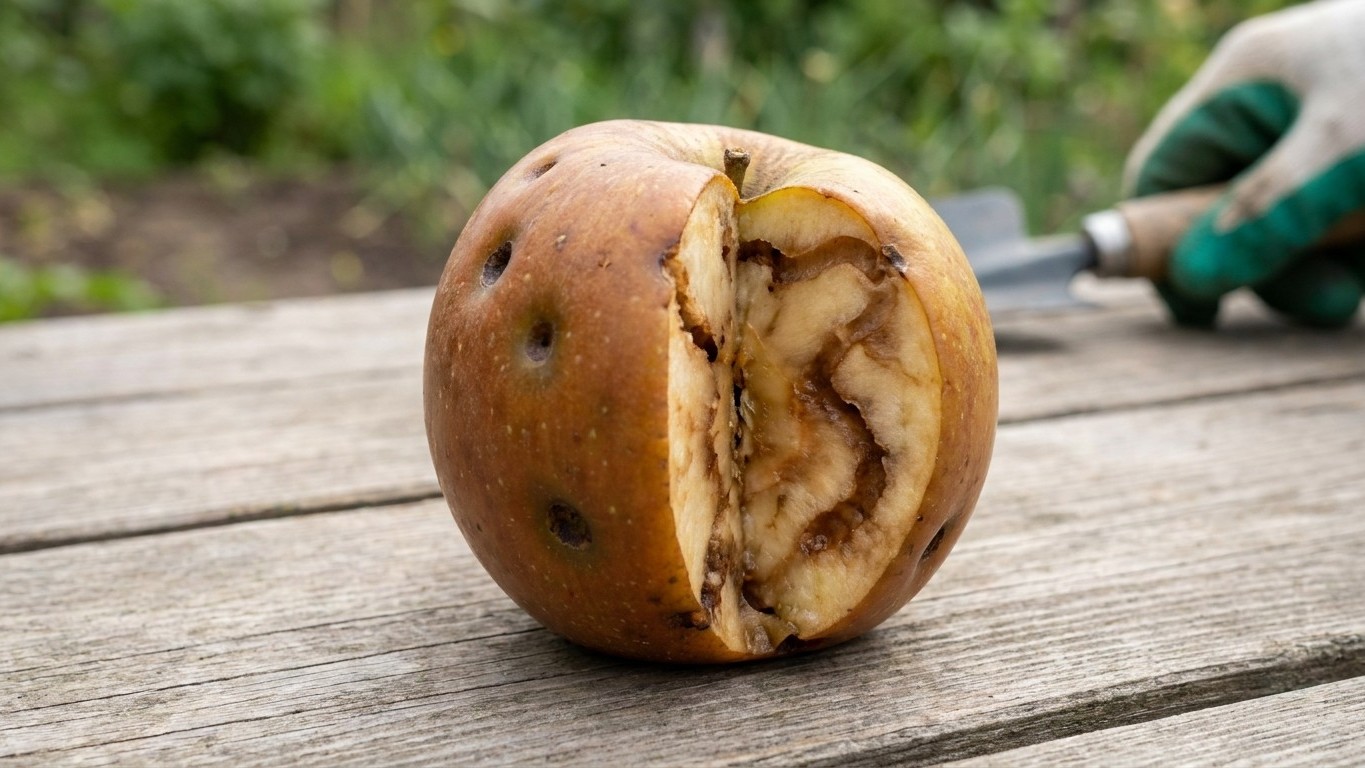
Apple maggot causes dimpled skin and winding brown tunnels inside the fruit, and catching it early keeps the whole crop from dropping before ripe.
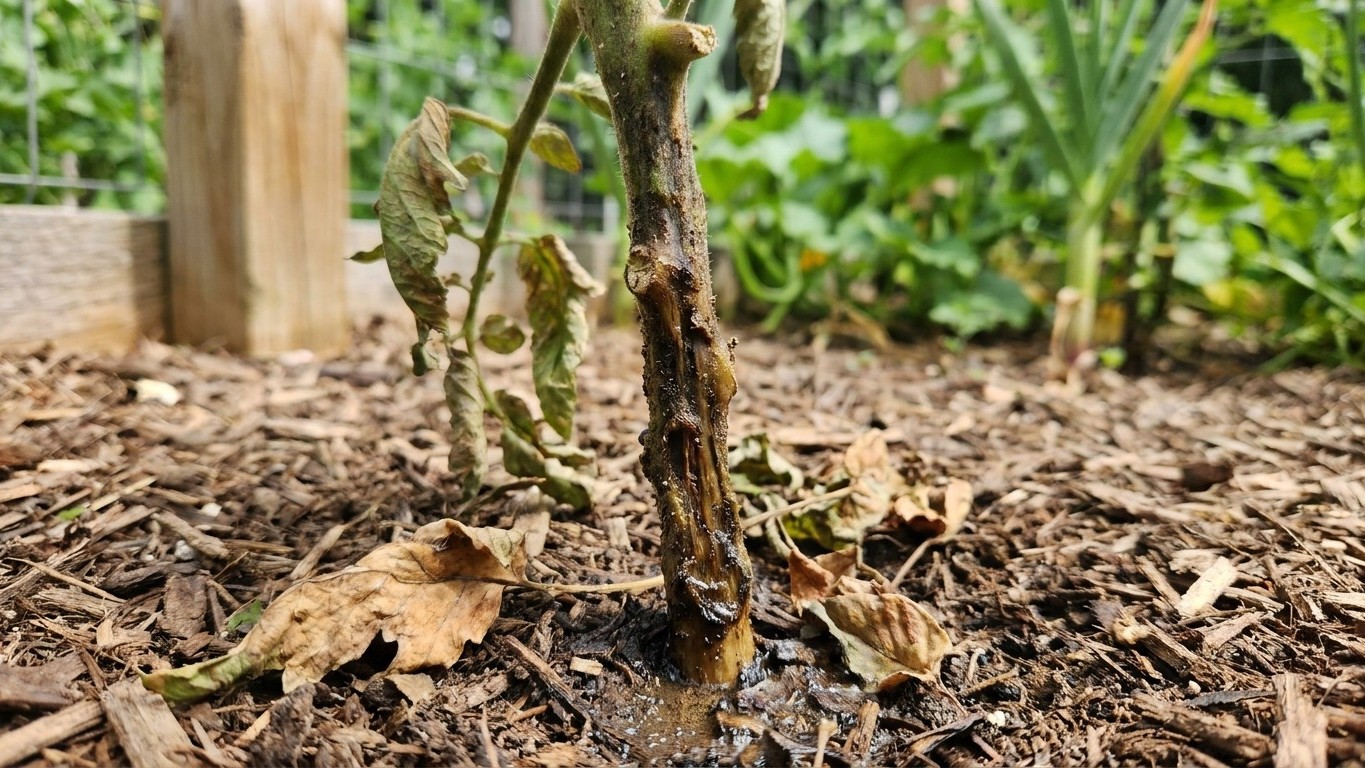
Collar rot rots the bark at an apple tree’s graft union, and how far the canker has spread around the trunk decides whether the tree survives.
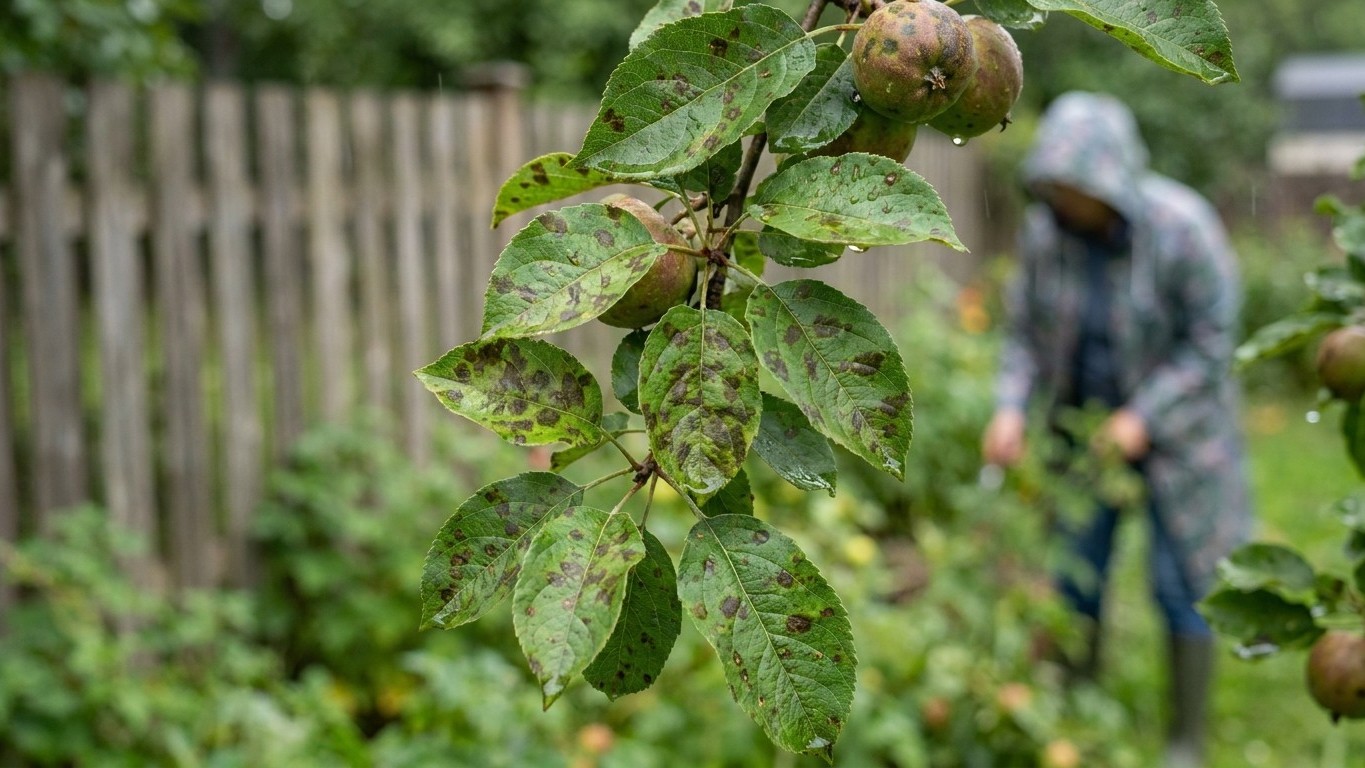
Apple scab causes olive to black velvety blotches on leaves and fruit in cool, wet spring weather. This piece covers control and prevention.