The Best Apple Varieties for Connecticut
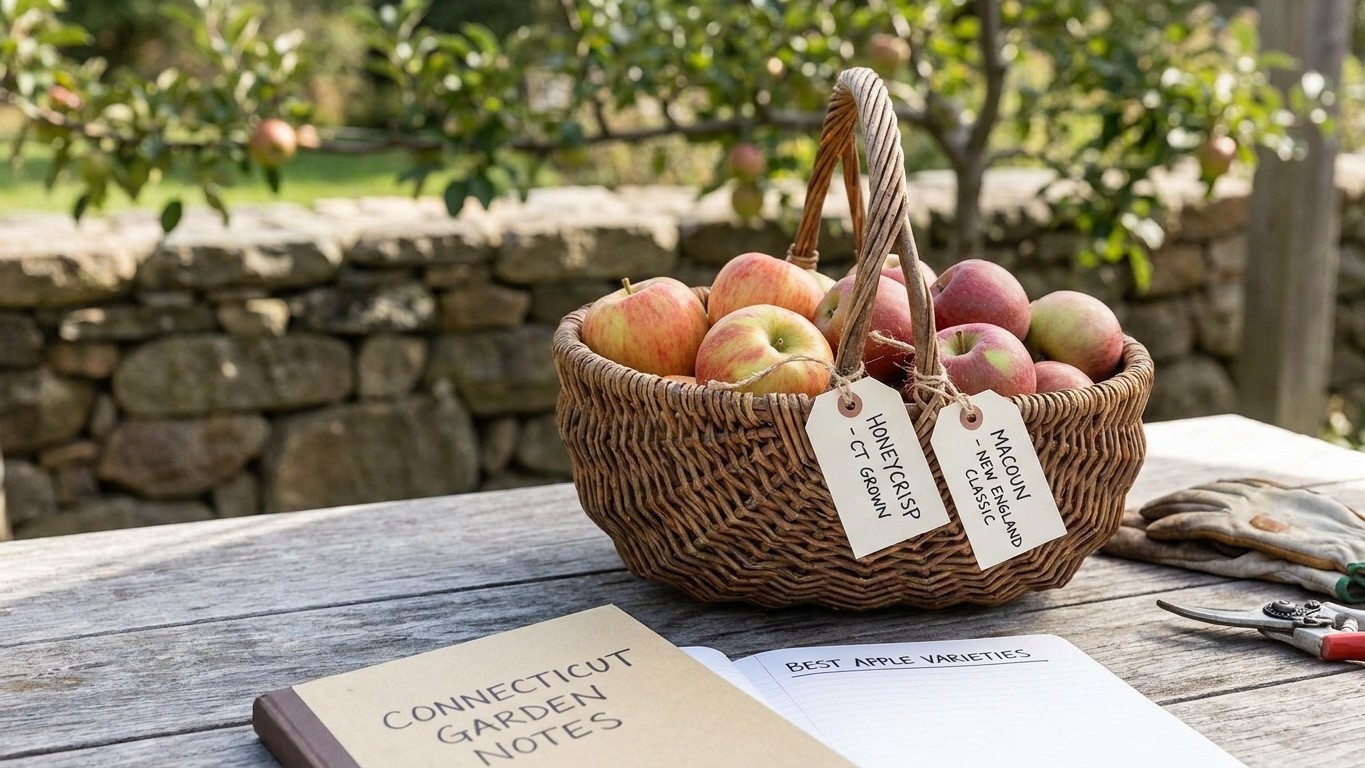
Connecticut has no single best apple variety, since success depends on bloom timing, rootstock hardiness, and matching the tree to your local frost pattern.
Home & garden, state by state
Connecticut has no single best apple variety, since success depends on bloom timing, rootstock hardiness, and matching the tree to your local frost pattern.
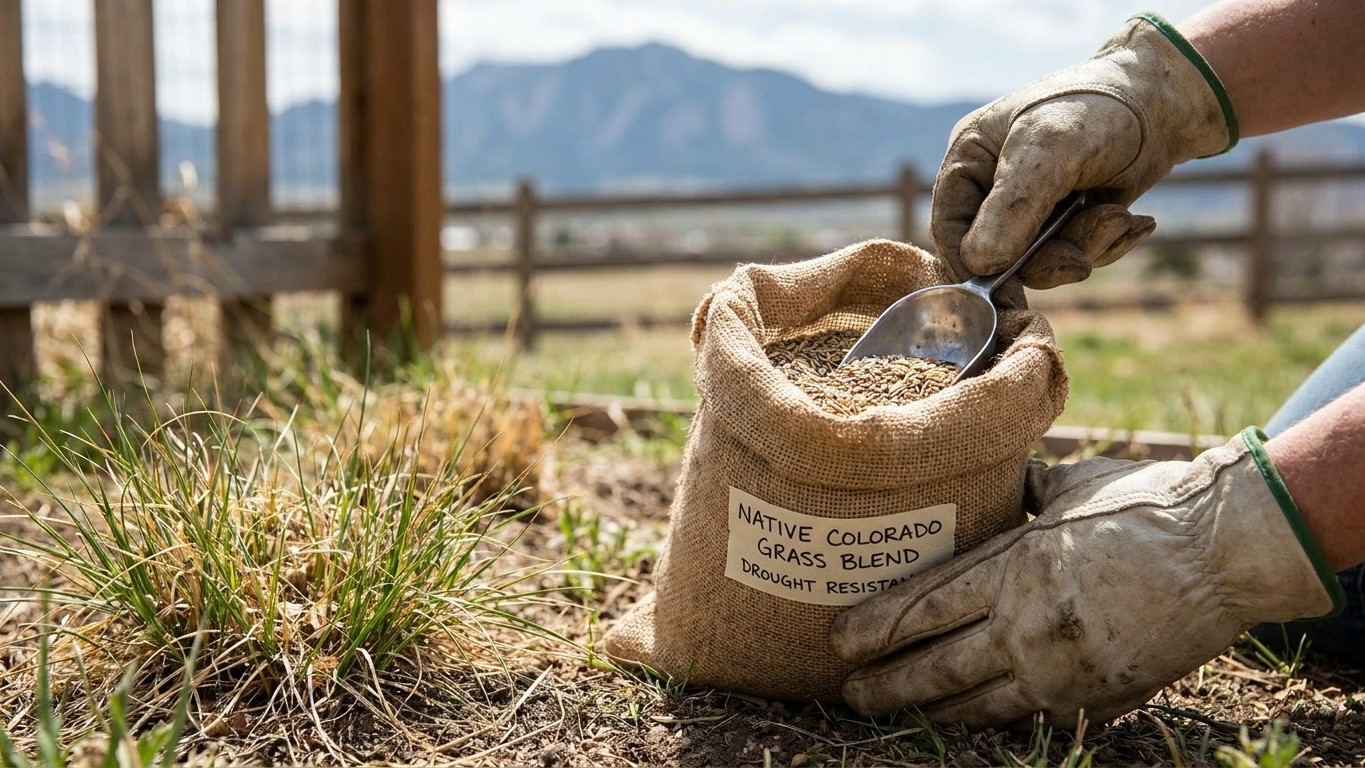
Colorado’s transition-zone climate means cool-season and warm-season grass seed each trade summer toughness for months of dormant brown lawn across the Front Range.
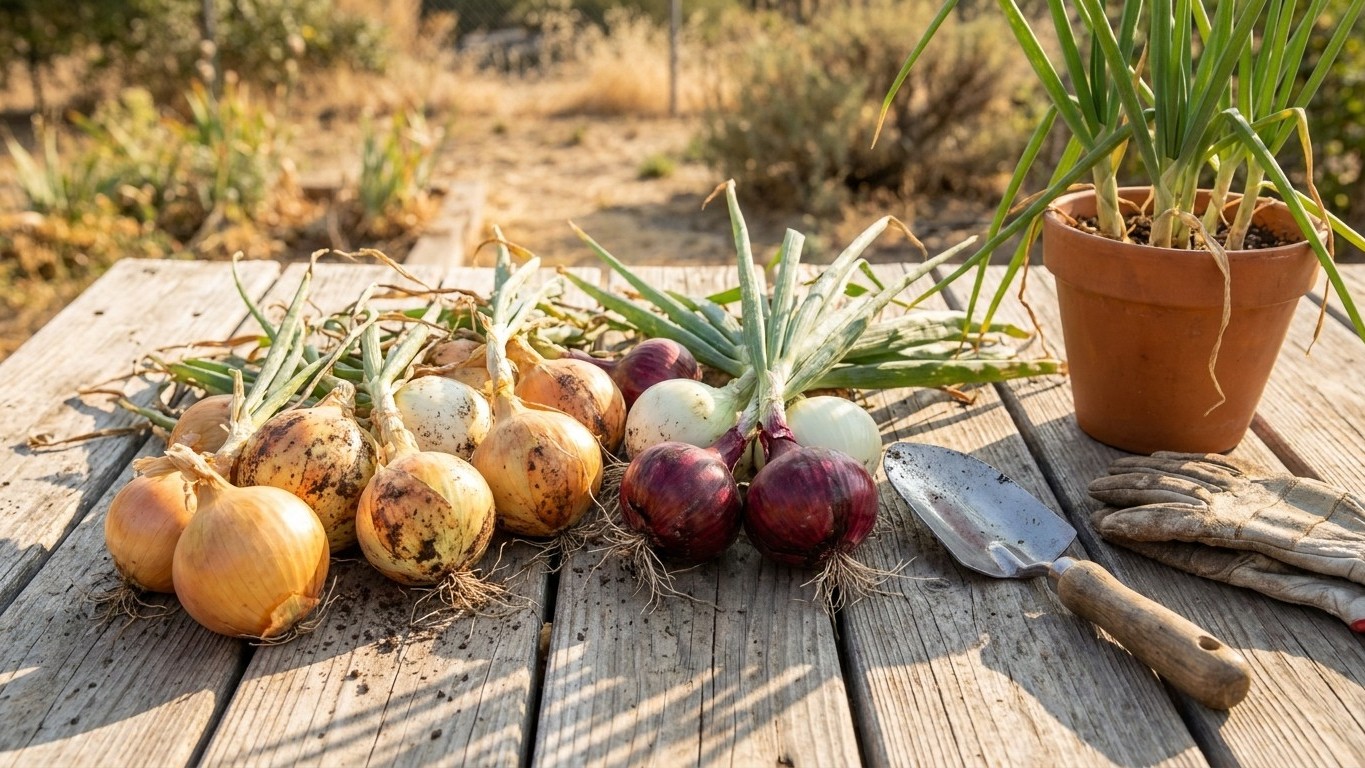
California sits at 33.94 degrees north latitude, based on the Los Angeles weather station, and gets 14 hours and 16 minutes of daylight on the longest…
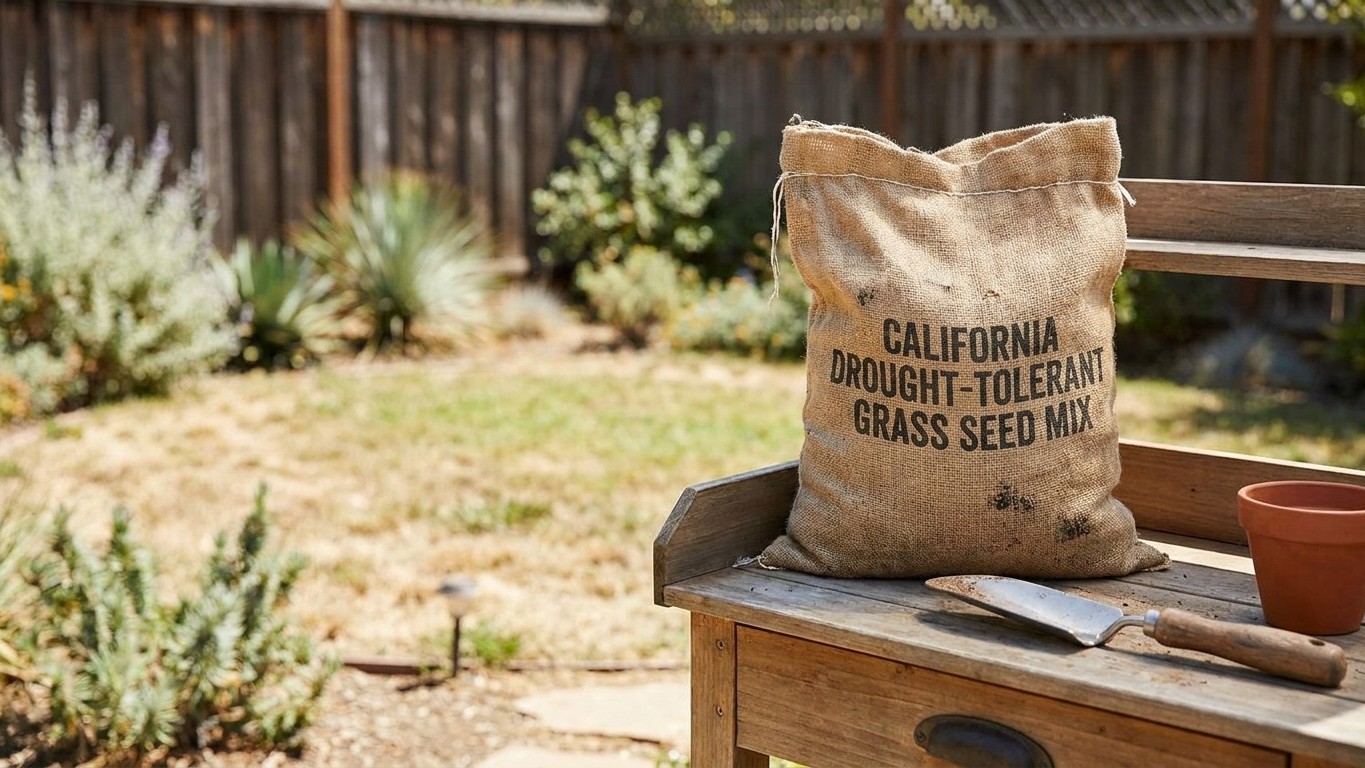
Los Angeles gets no freeze at all, but grass seed choices differ sharply between the coast, the Central Valley, and California’s mountain elevations.
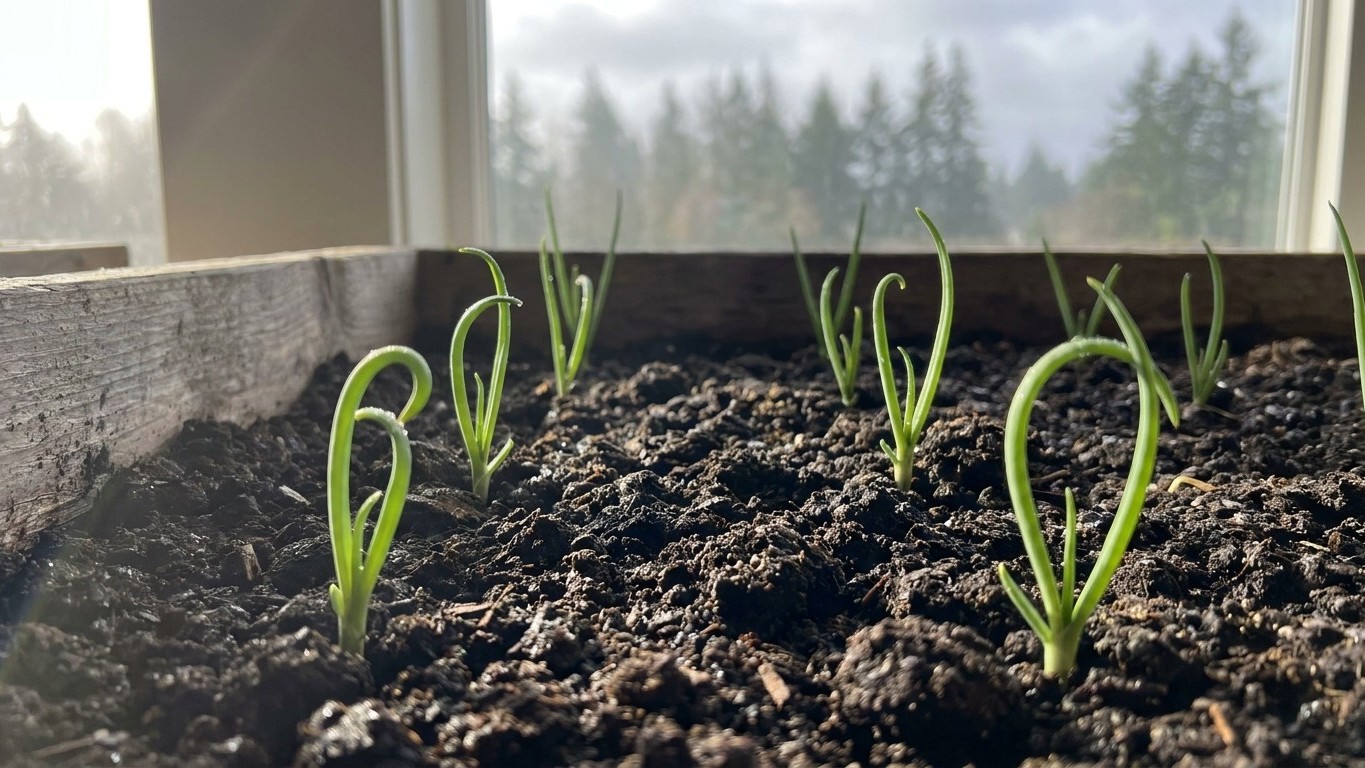
British Columbia sits far enough north that onions don’t run on the calendar most gardeners expect.
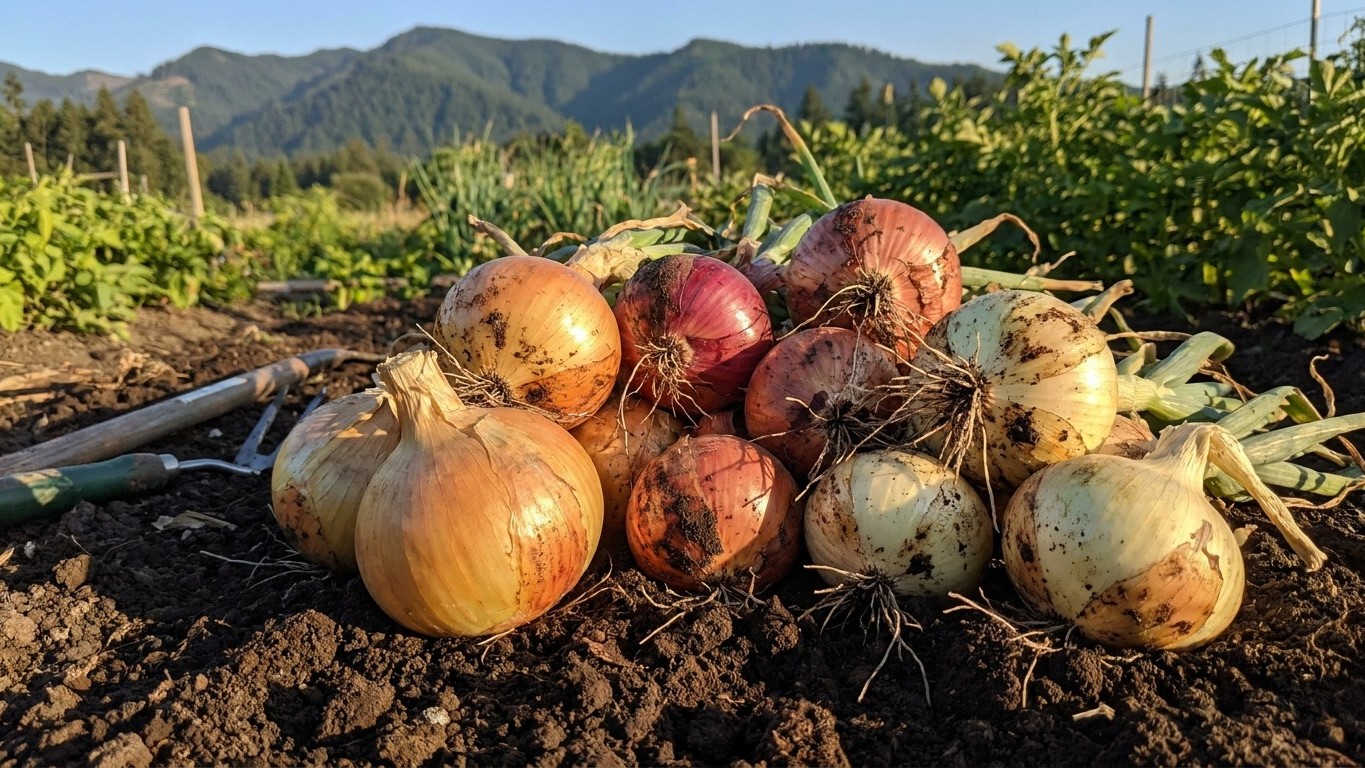
British Columbia sits at a latitude where summer days run long enough to trigger bulbing in long-day onions, and only long-day onions.
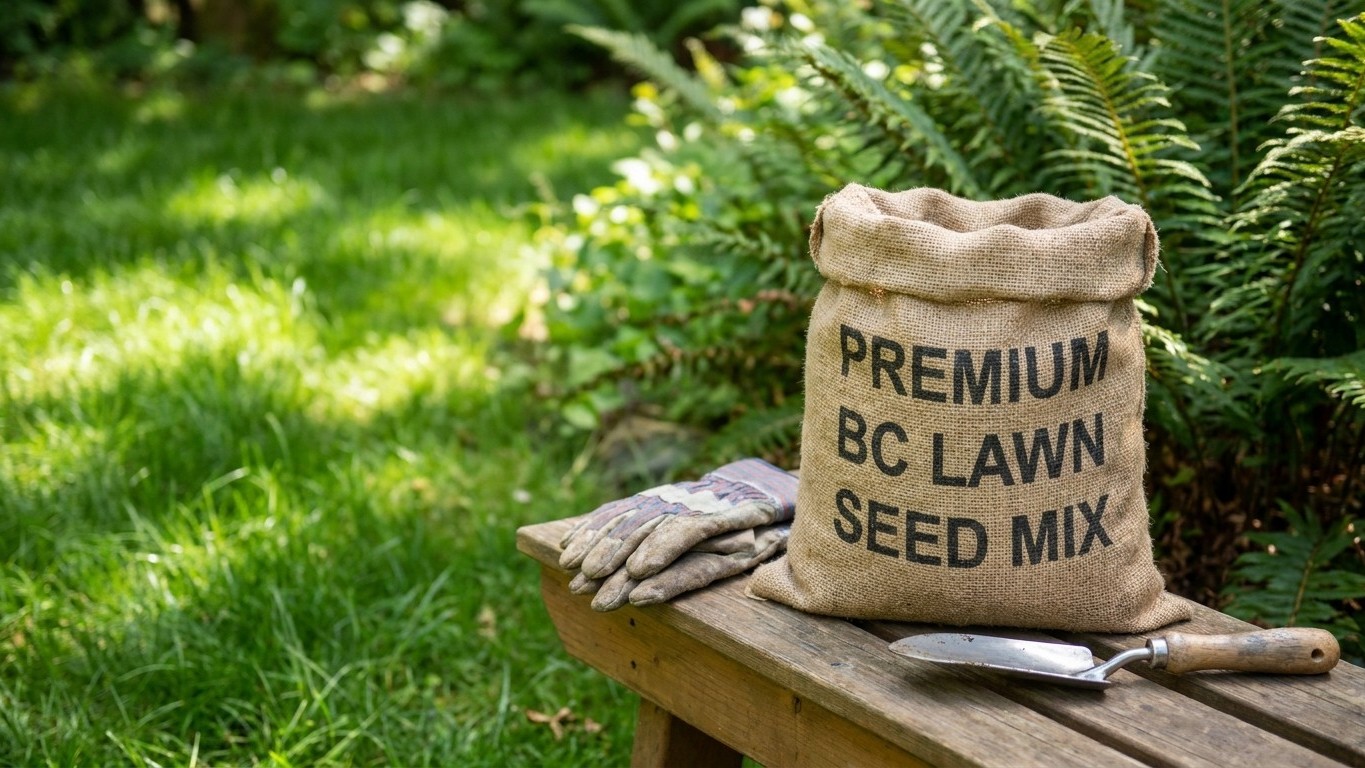
British Columbia’s transition zone favors neither cool-season nor warm-season grass outright, so this page compares Tall Fescue, Kentucky Bluegrass, Zoysiagrass and Bermudagrass on real trade-offs.
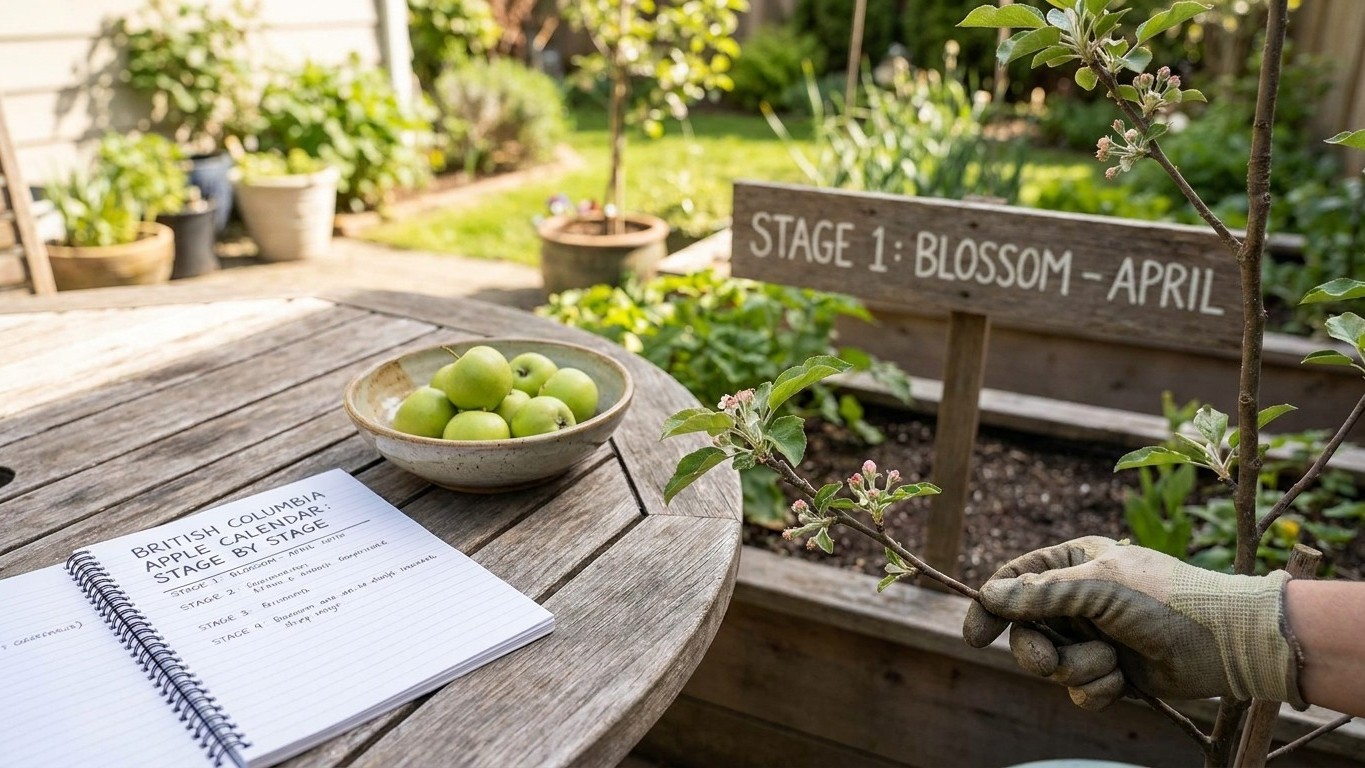
A stage-by-stage look at British Columbia’s apple season, keyed to Vancouver’s average last and first frost dates from Environment and Climate Change Canada.
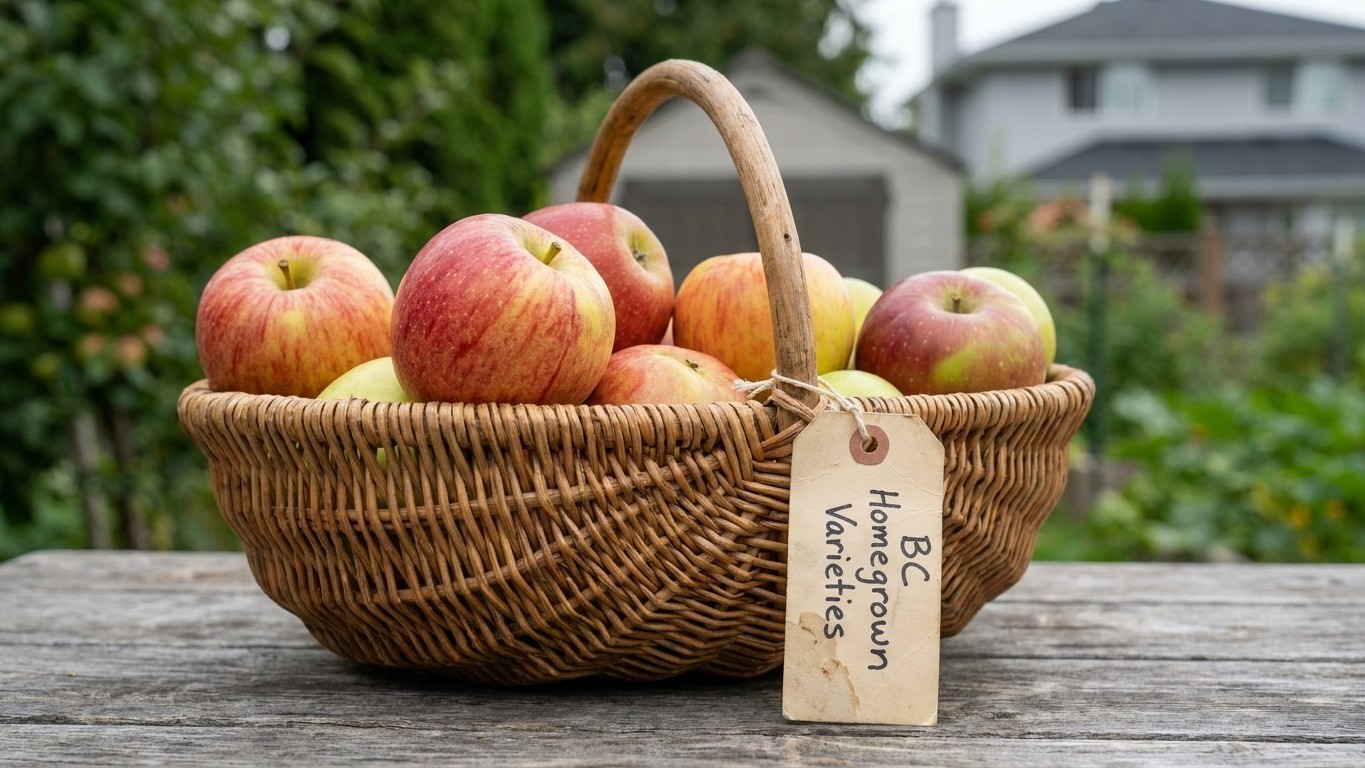
Explains how winter chill and cold hardiness, not one named variety, decide which apple trees actually crop well across British Columbia.
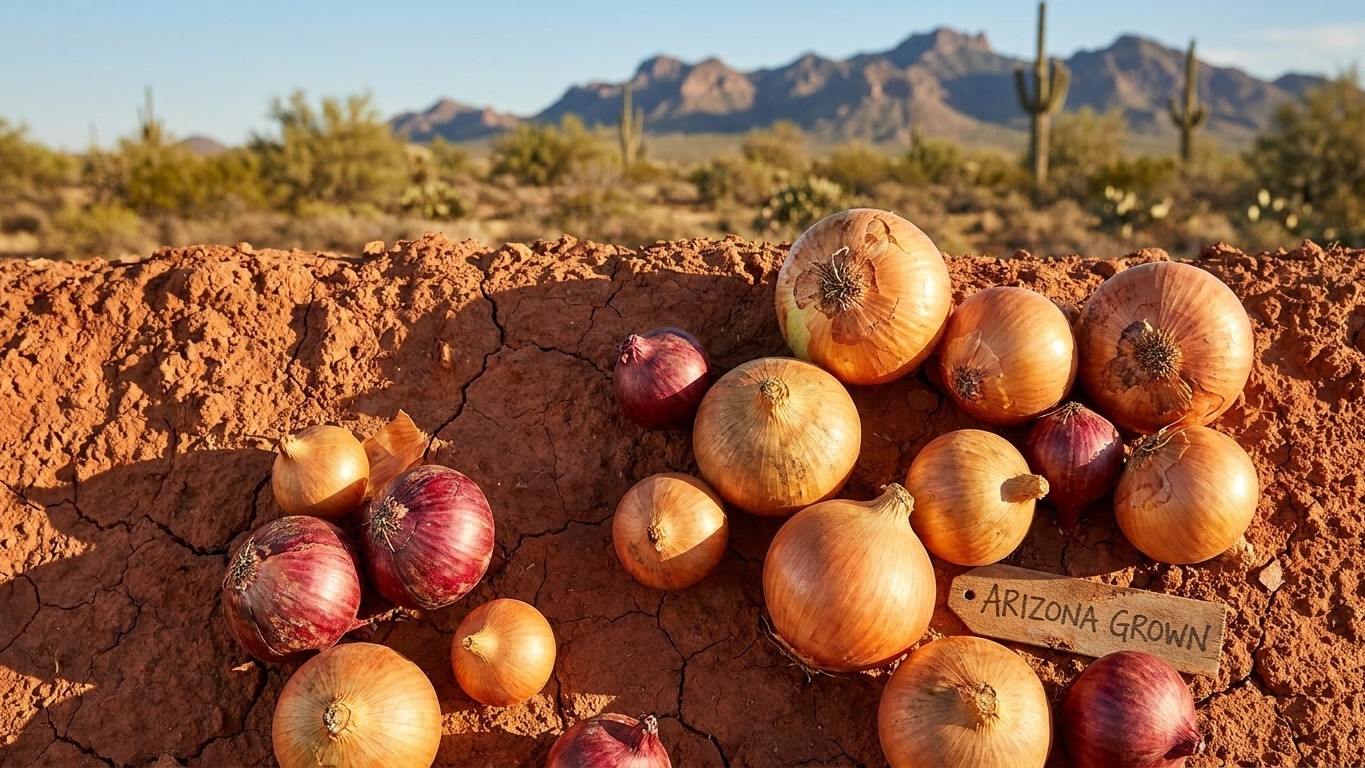
Arizona sits at a latitude where short-day and intermediate-day onions bulb reliably, while long-day onions never will.