Watering a Garden in Yukon: How Much, How Often, and the Local Rules
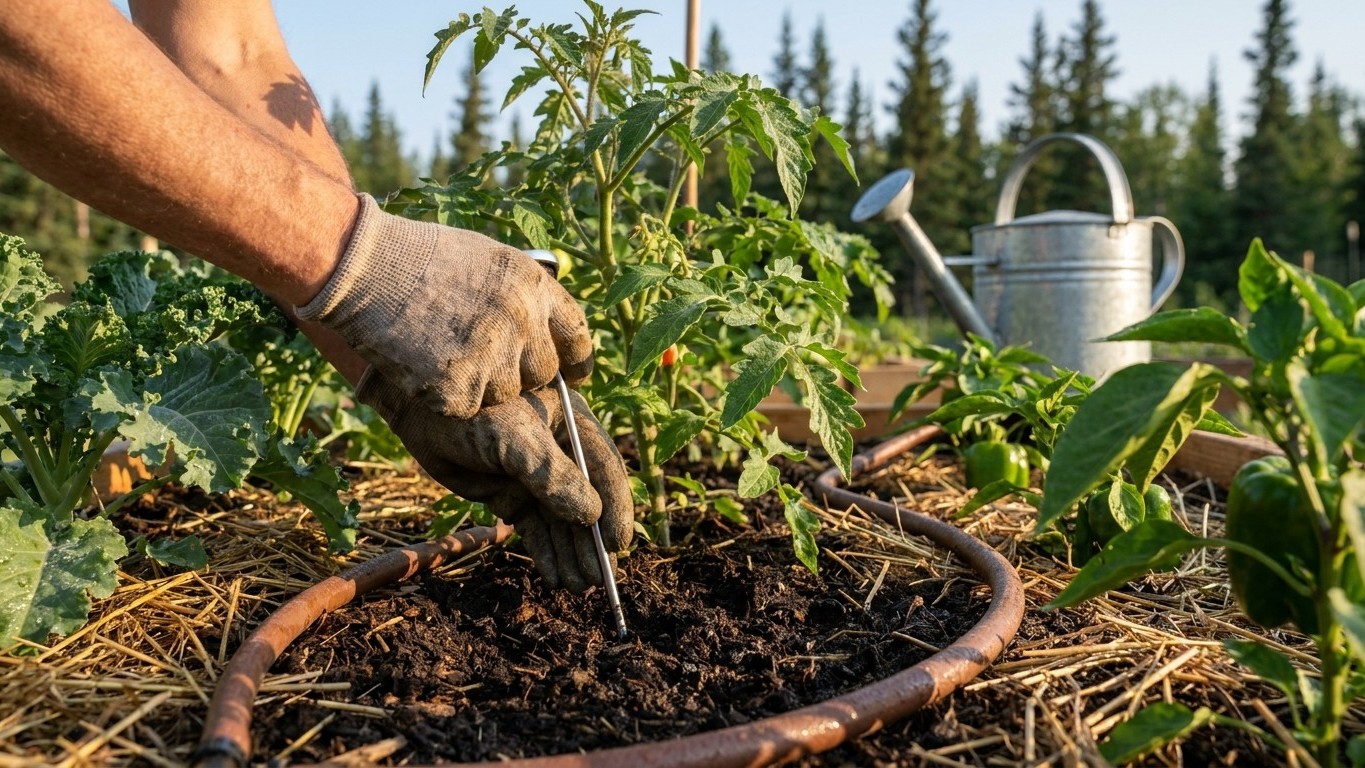
Yukon gardeners work with a short, intense growing season and a climate that rarely turns brutally hot, which changes both how much water a garden needs…
Home & garden, state by state
Yukon gardeners work with a short, intense growing season and a climate that rarely turns brutally hot, which changes both how much water a garden needs…
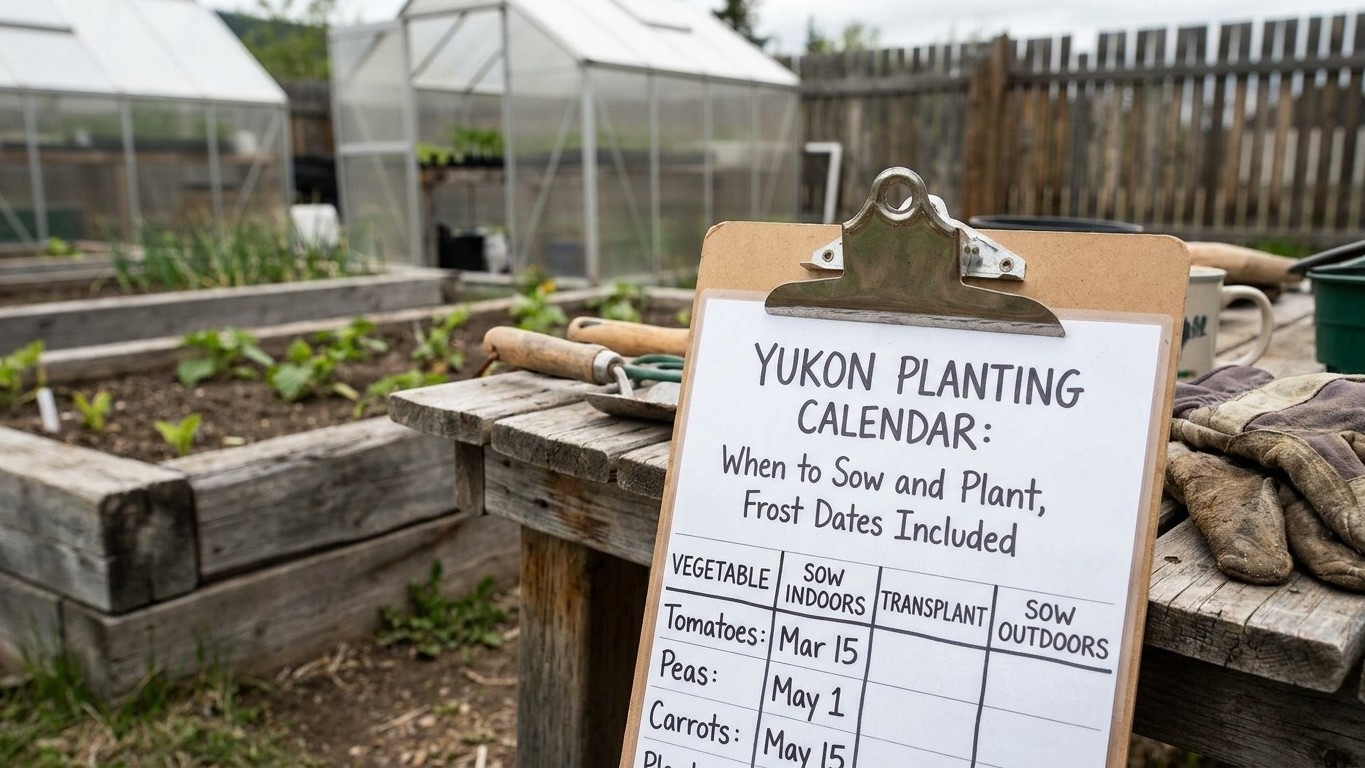
Yukon’s average frost dates, from Environment and Climate Change Canada, define an 81-day growing season and which vegetable varieties can mature before fall frost.
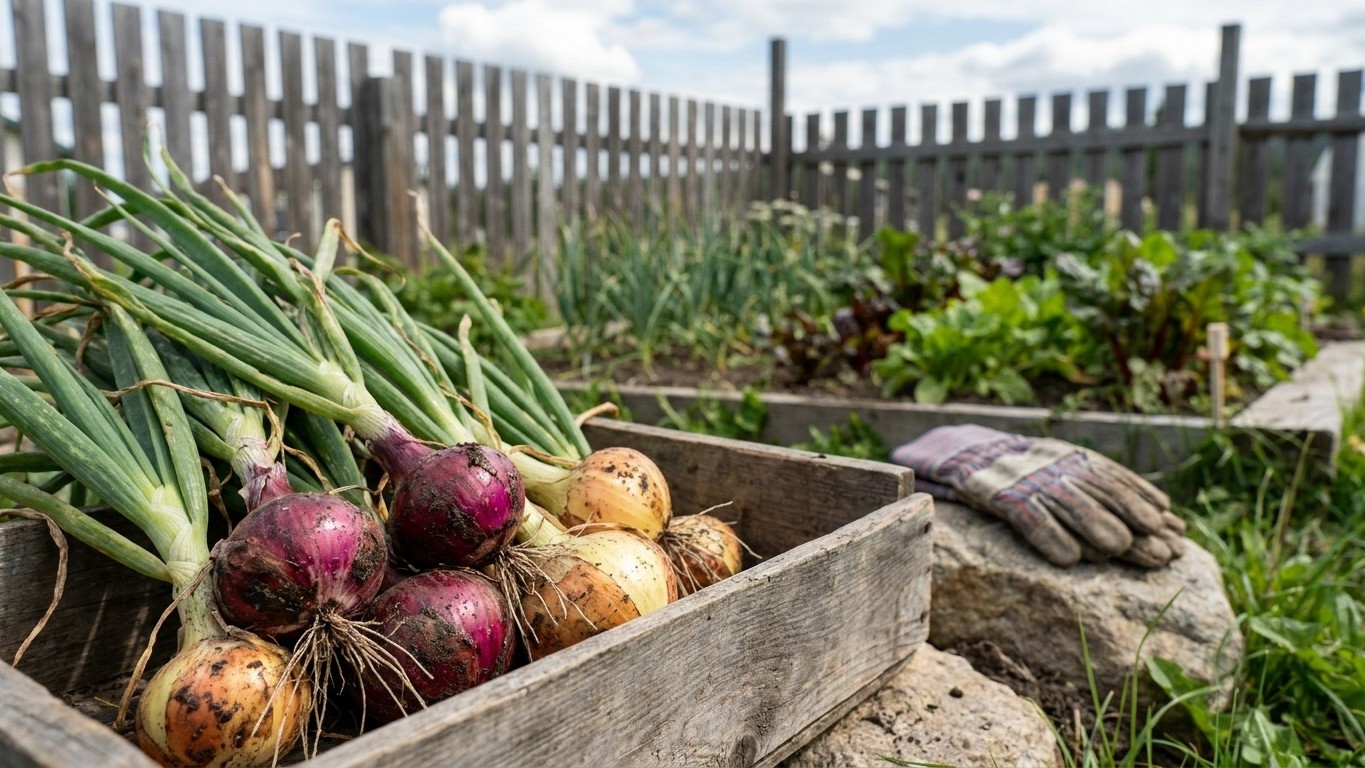
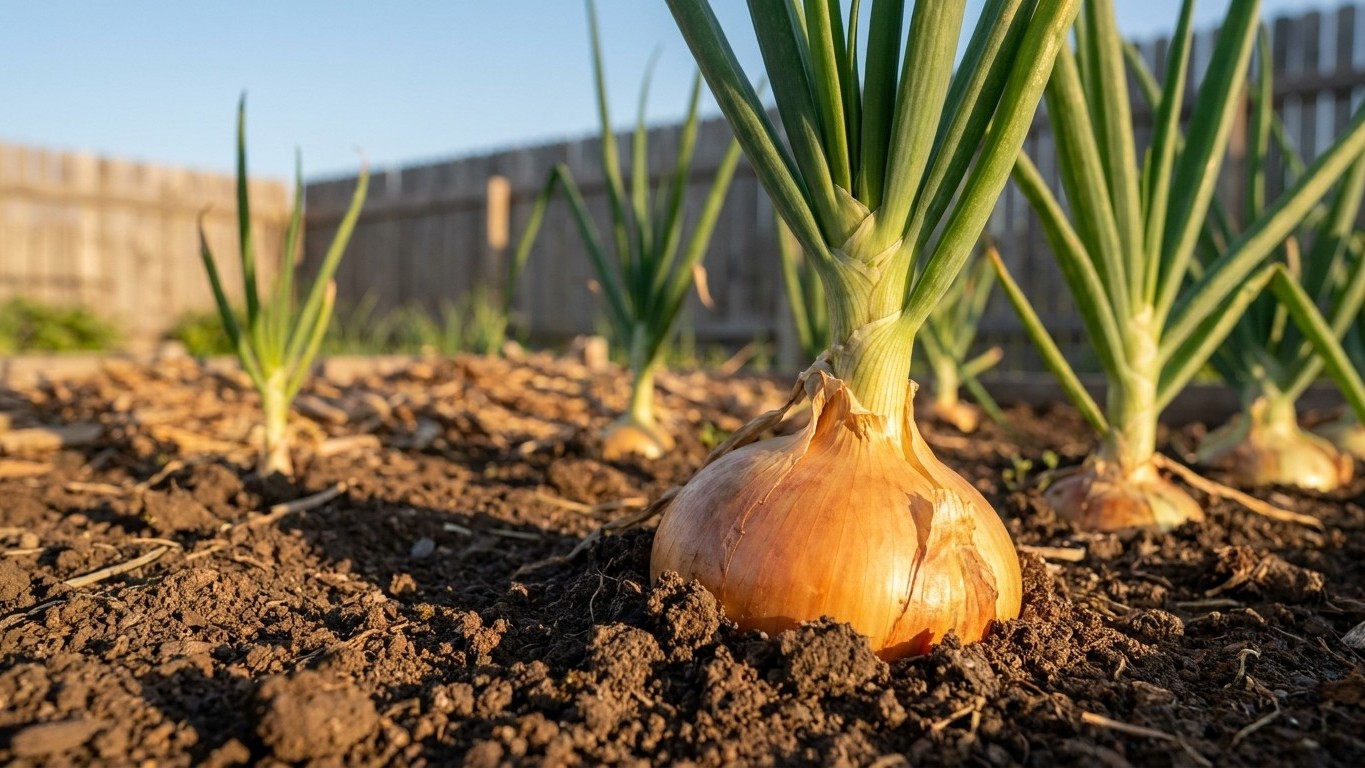
Whitehorse’s long summer days trigger long-day onions like Redwing to bulb, while short-day and intermediate varieties just grow leaves and never form bulbs.
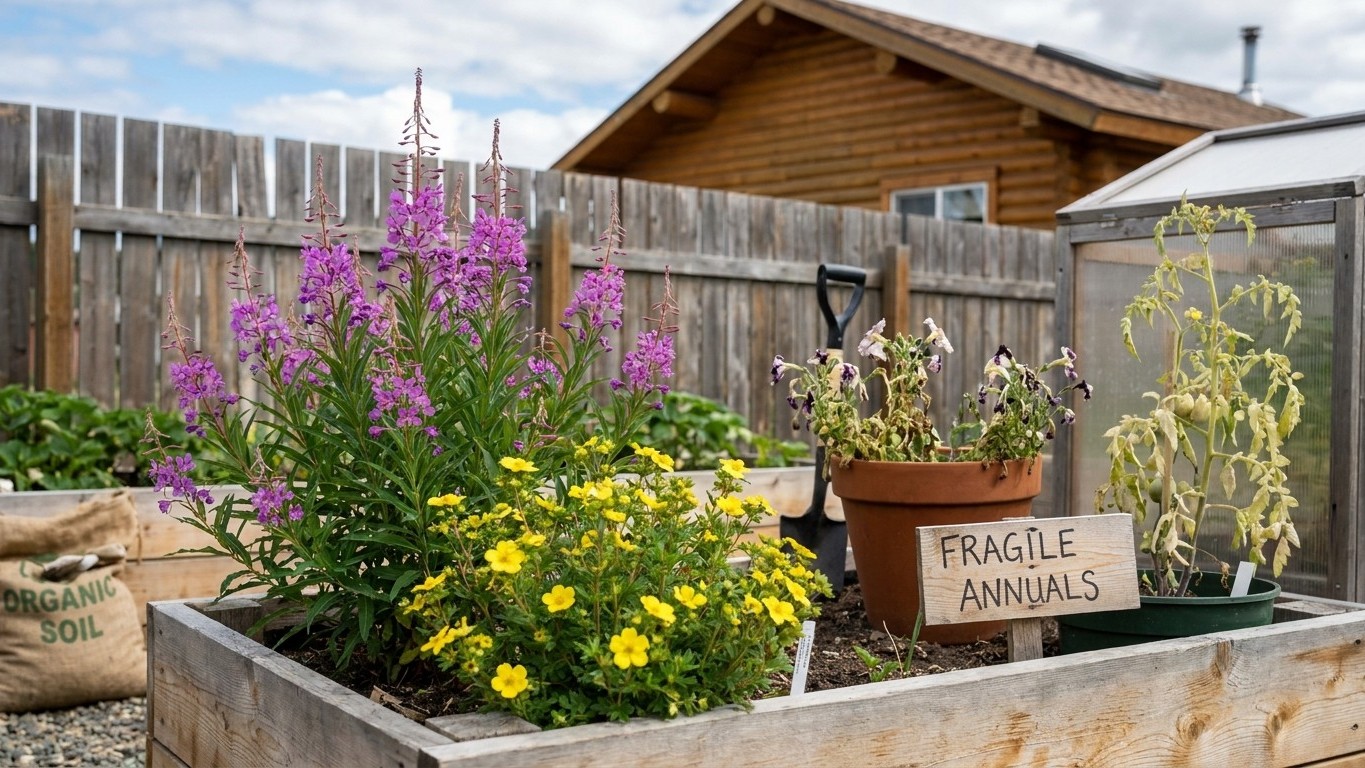
Yukon’s short, cool growing season favors fast, frost-tolerant flowers over heat-lovers; here’s what actually blooms and what fails.
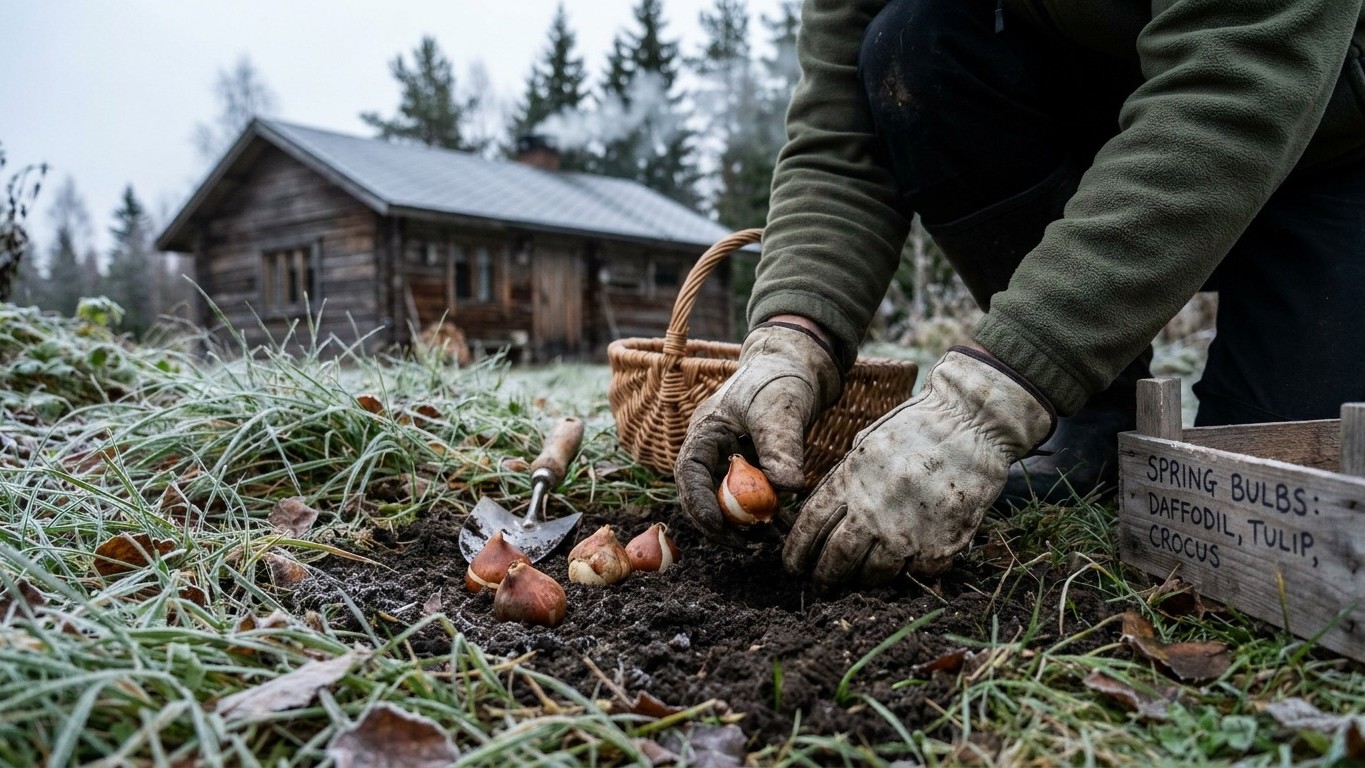
The short answer: plant in early September, and don’t worry about whether Yukon gets cold enough for spring bulbs to bloom. It does, several times over.
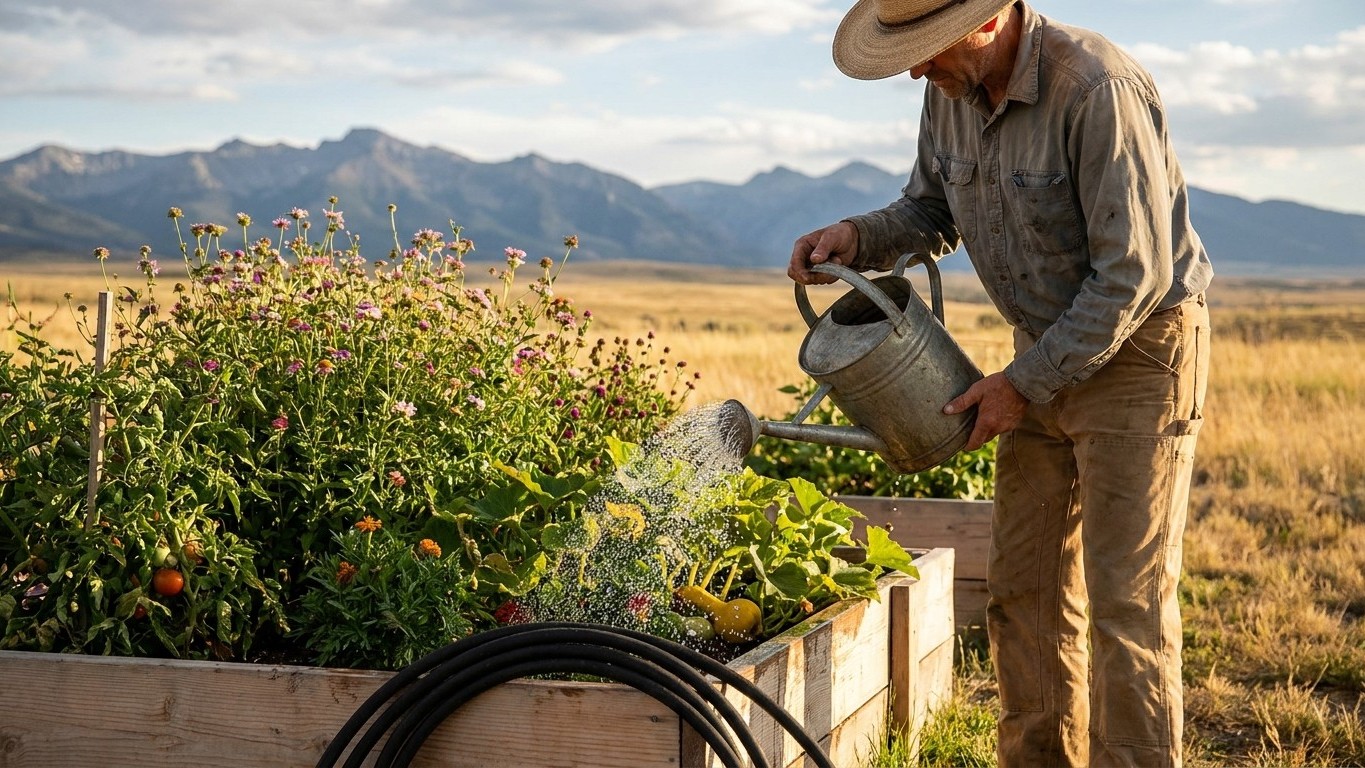
Wyoming gardens live and die on two numbers: how many days a year climb past 90F, and how little rain shows up to help.
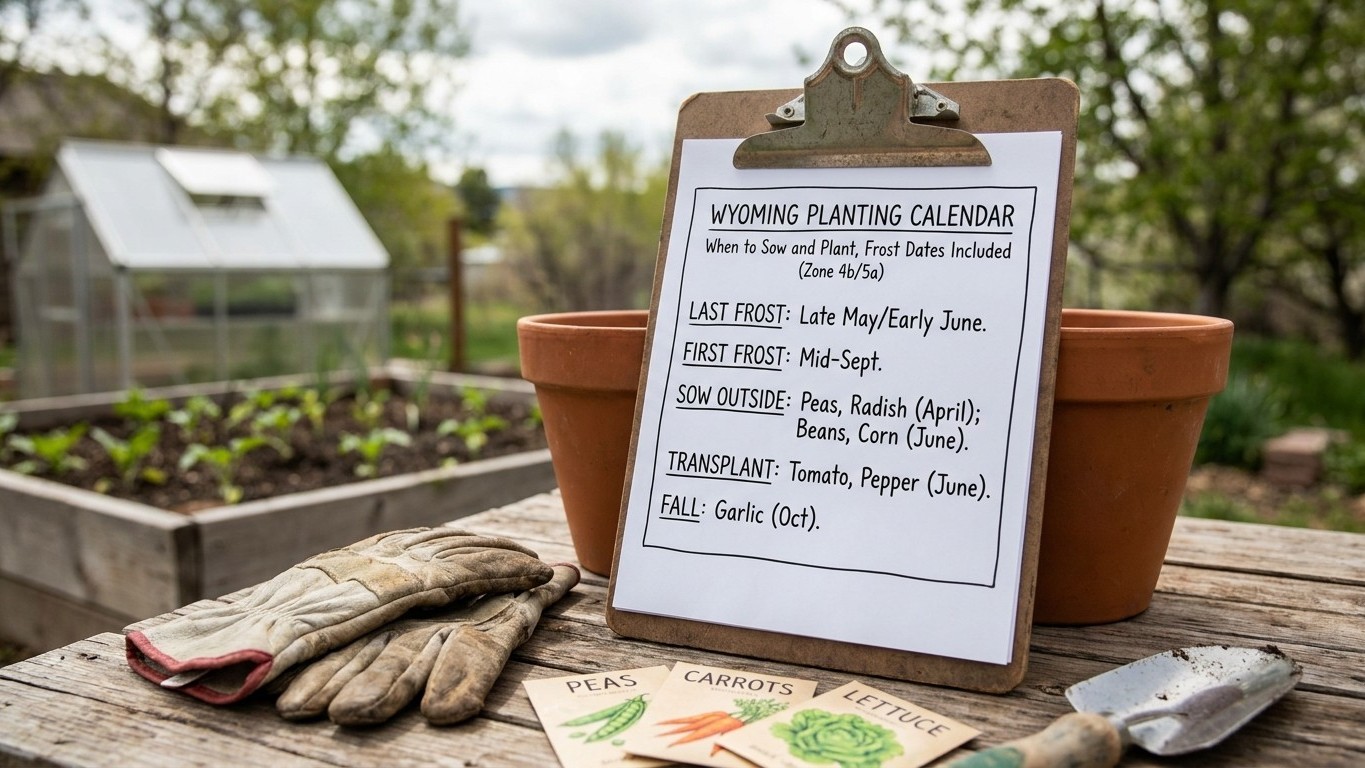
Wyoming’s frost dates run from May at the earliest to October, giving Cheyenne roughly four months to grow warm-season crops like tomatoes and peppers.
At 41.15 degrees north, the reference location for this page gets 14 hours and 58 minutes of daylight on the longest day of the year.
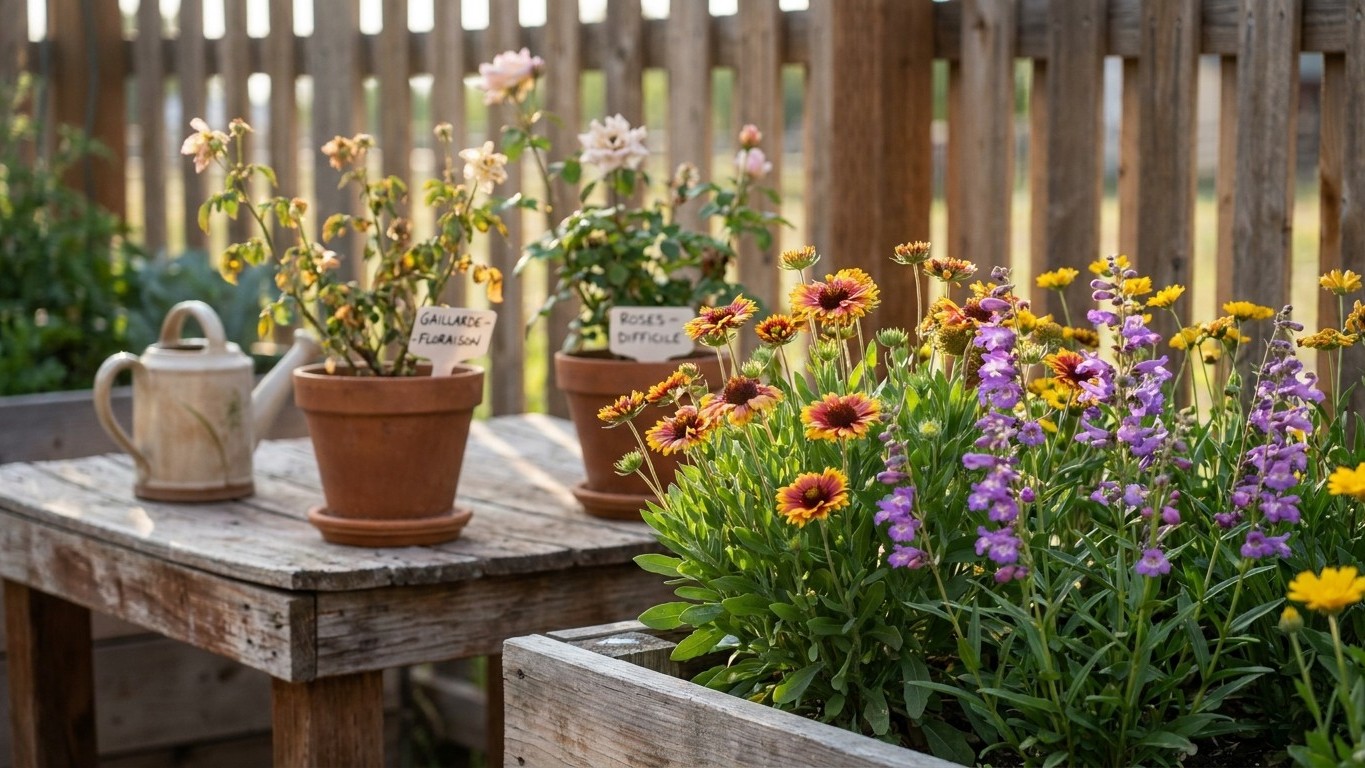
Wyoming flowers need cold hardiness first, drought tolerance second, and a plant tag zone number the reader actually checks against elevation.
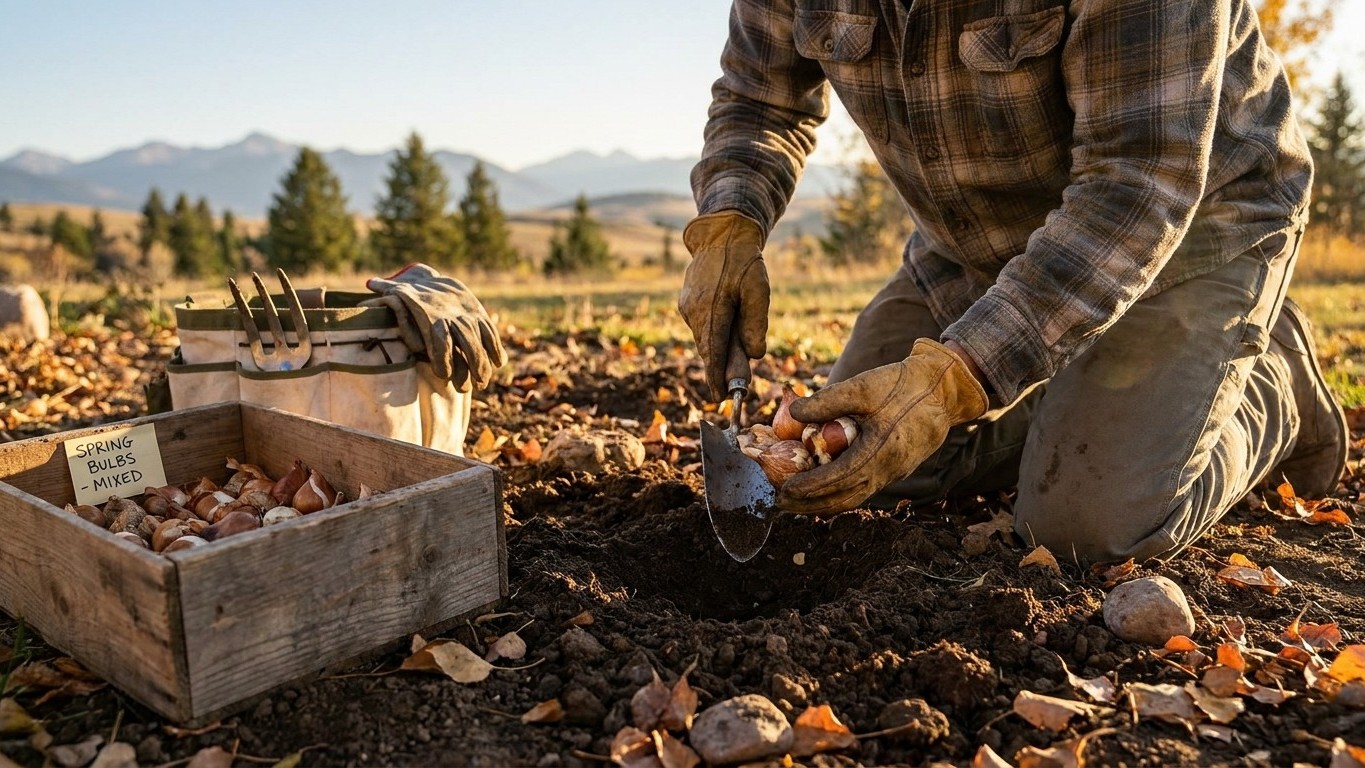
Yes, spring bulbs come back reliably in most of Wyoming — the state’s winters run so cold that chill requirements are never the problem.