Flowers That Actually Thrive in Washington, and the Ones That Struggle
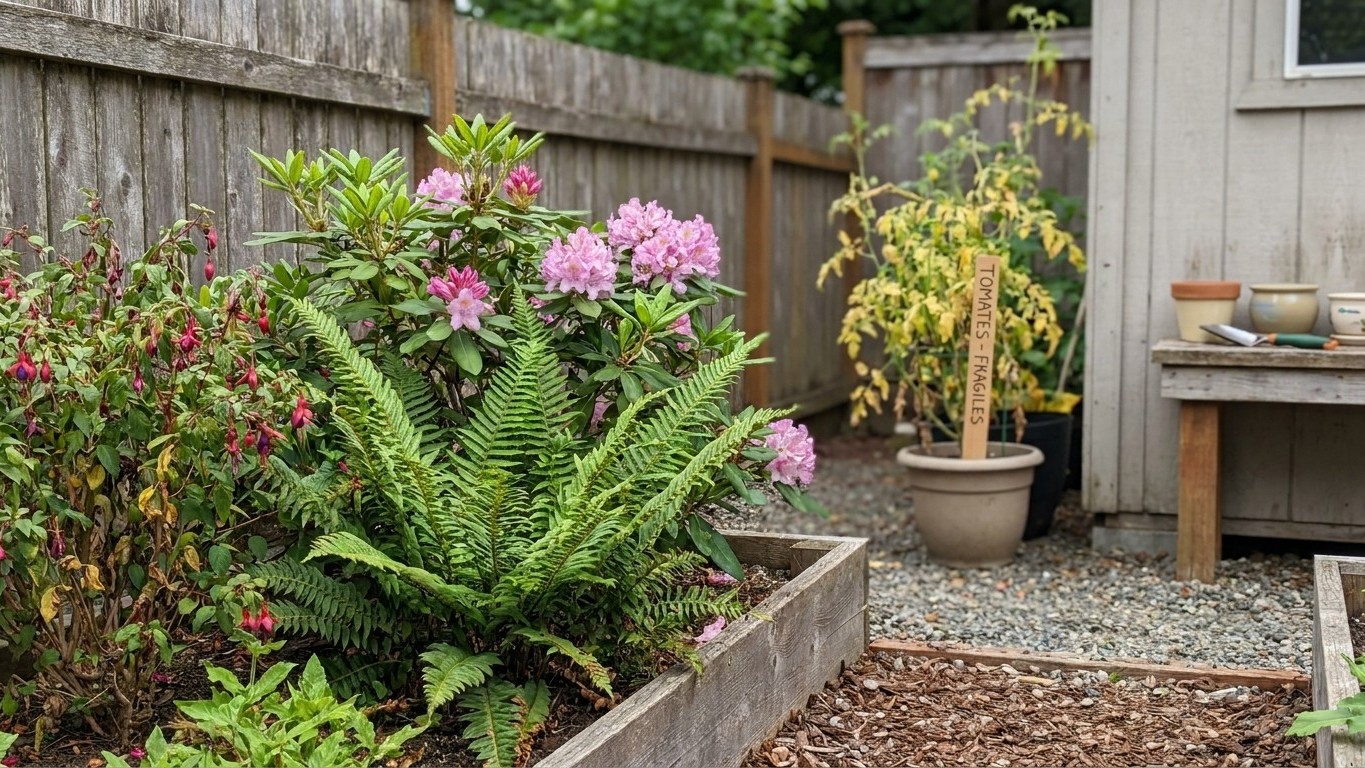
A county-by-county look at which flowers handle Washington’s mild wet winters and cool summers, and which ones need extra care or protection.
Home & garden, state by state
A county-by-county look at which flowers handle Washington’s mild wet winters and cool summers, and which ones need extra care or protection.
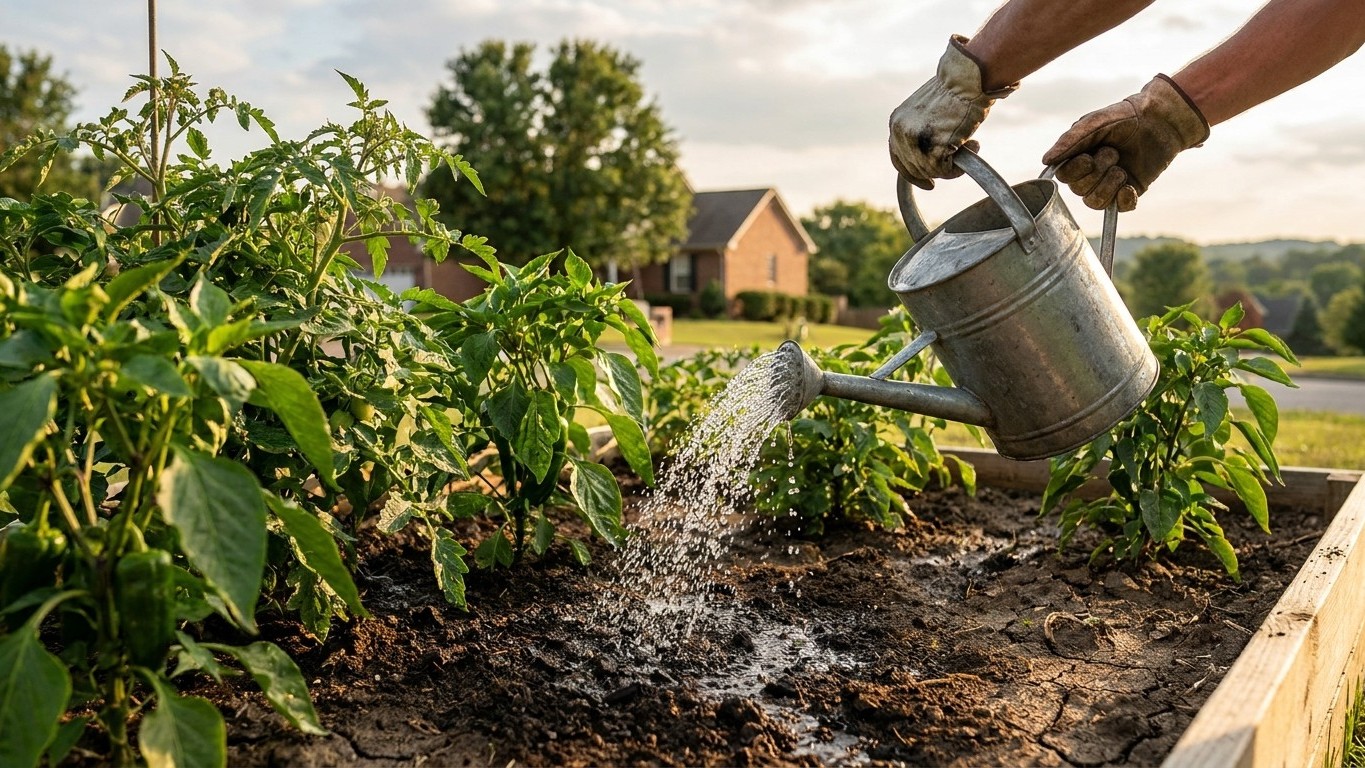
Virginia gardens don’t follow a single script. A patch of ground in Virginia Beach behaves nothing like one in the Blue Ridge foothills, but the baseline…
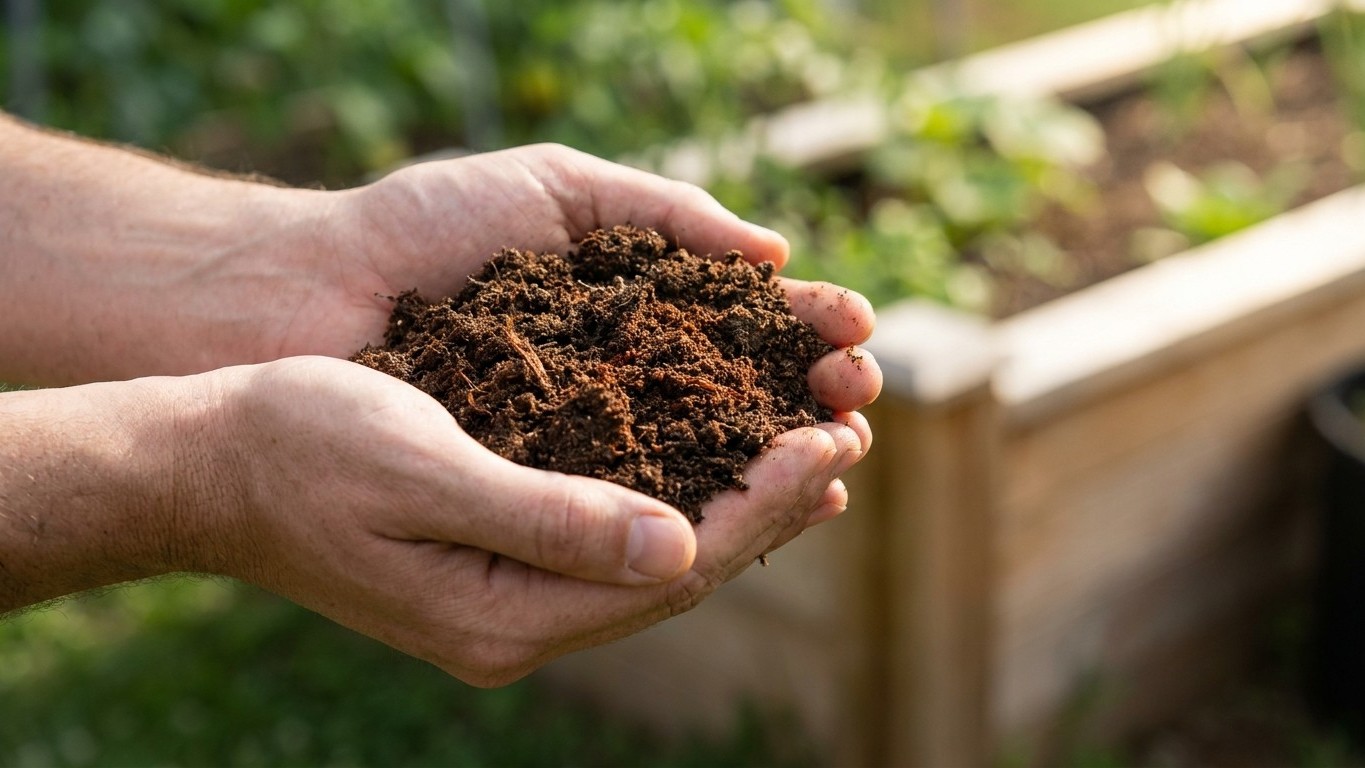
Dig a foot down almost anywhere in Virginia and you’re likely standing on a cousin of the Pamunkey series, the soil USDA names as representative of the…
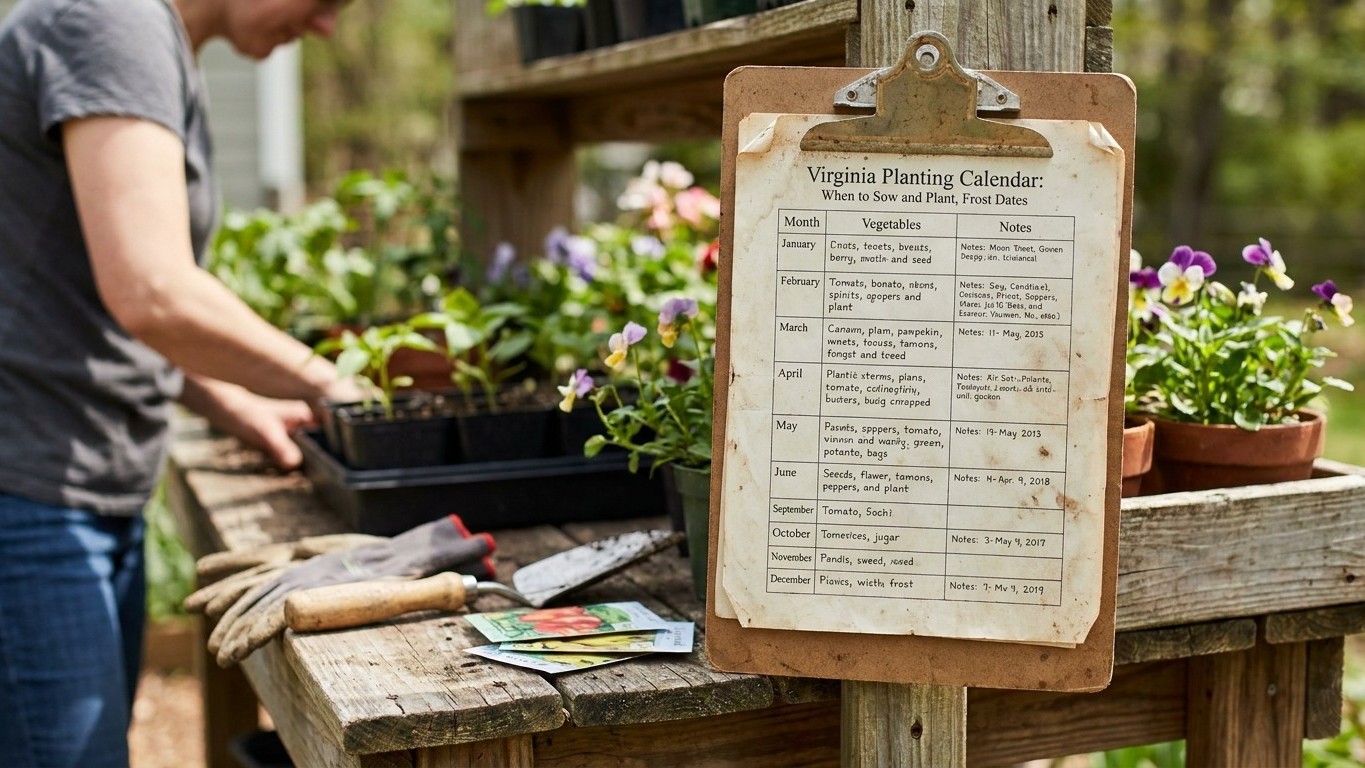
NOAA’s 1991-2020 frost data for coastal Virginia, plus cultivar-by-cultivar planting math for tomatoes, peppers, and fall crops.
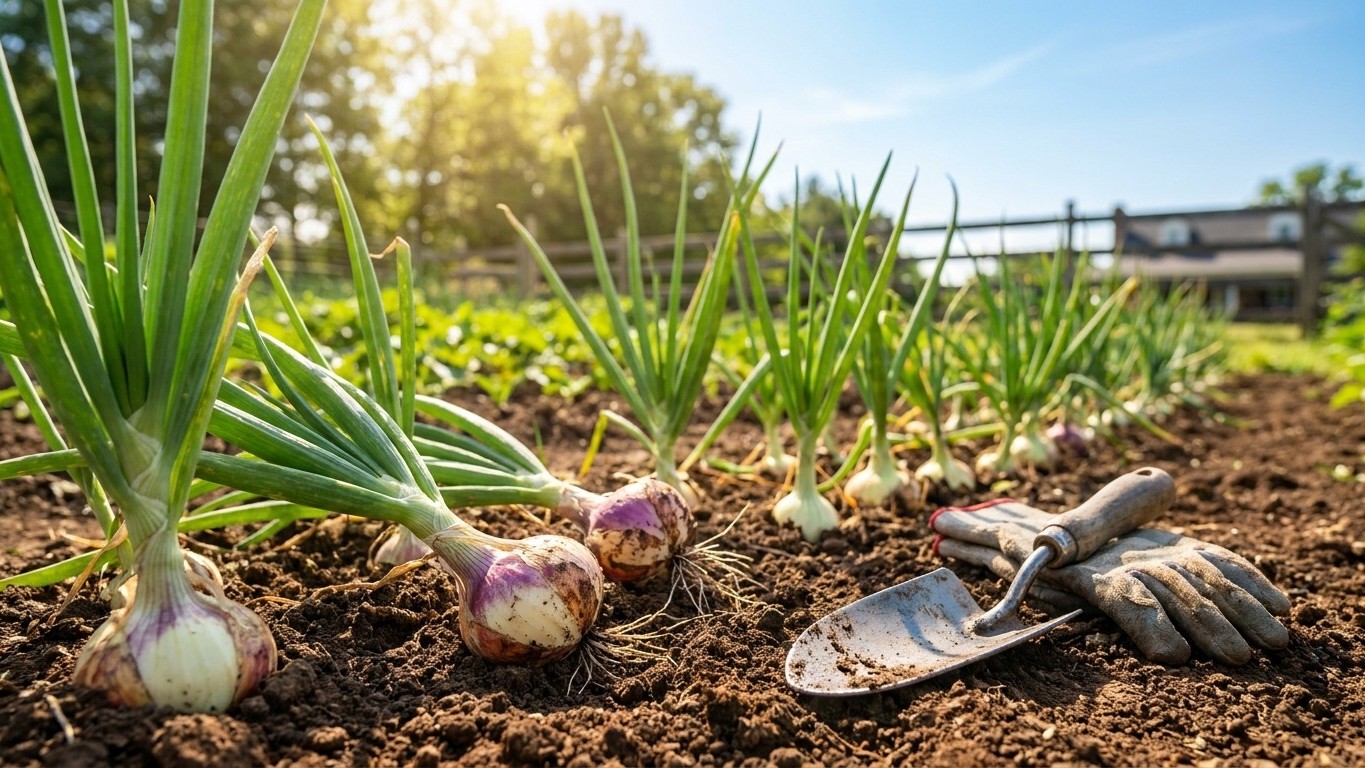
Virginia Beach sits at 36.82 degrees north, and on the longest day of the year it gets 14 hours and 32 minutes of daylight.
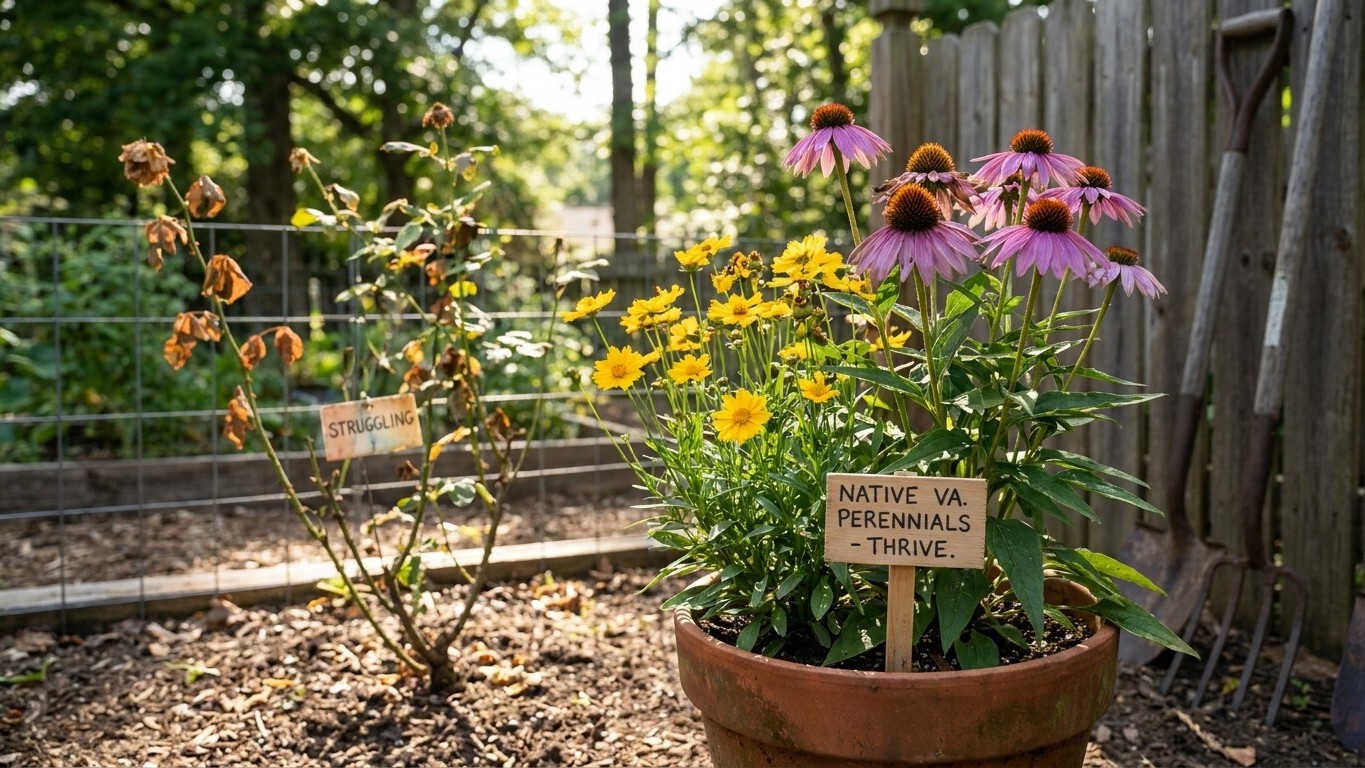
Virginia’s climate ranges from mild coastal winters to cold mountain ones, so this guide names the flowers, natives, and perennials that handle both extremes reliably.
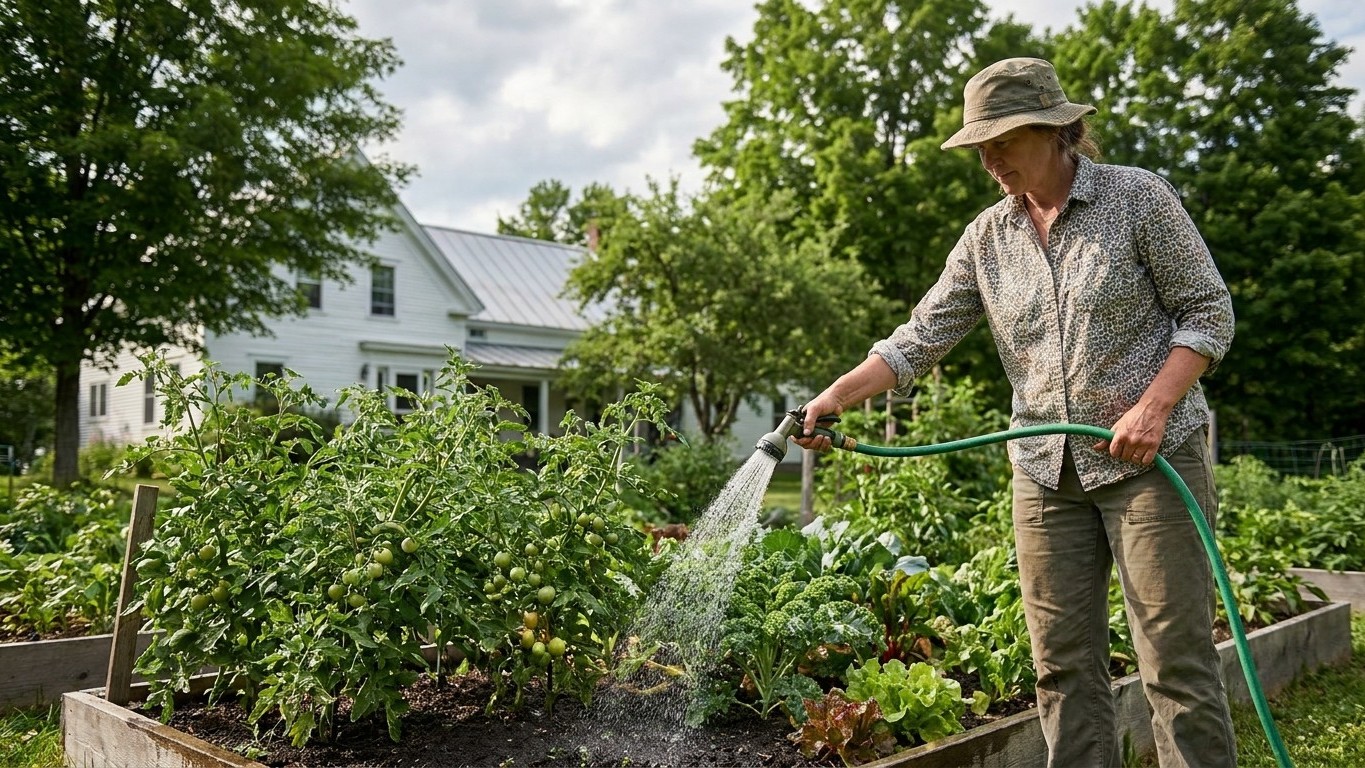
Vermont’s watering math starts with a number most gardeners don’t expect: this is a cool state, with only 5.4 days a year hitting 90F at the Burlington…
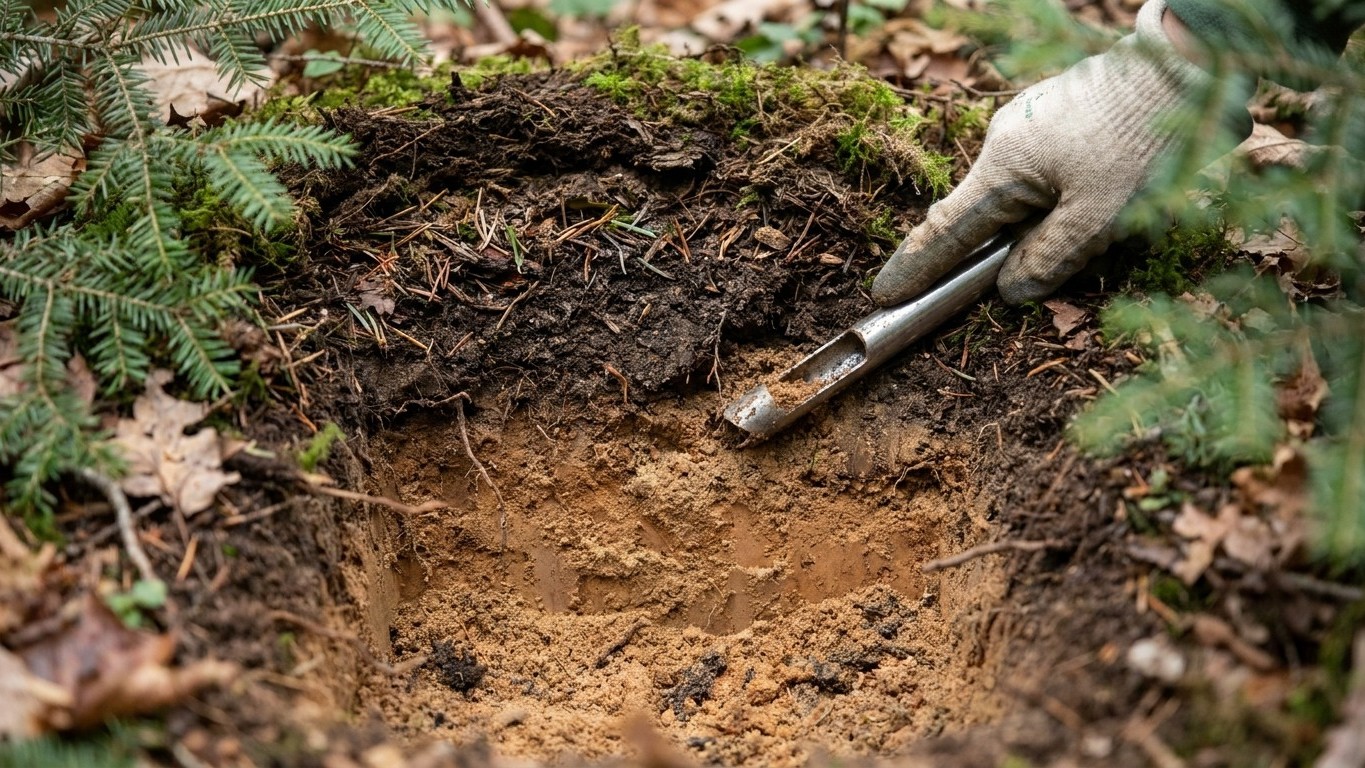
Vermont soil is officially represented by the Tunbridge series, a sandy, strongly acid, well-drained Spodosol formed under conifer forests across the…
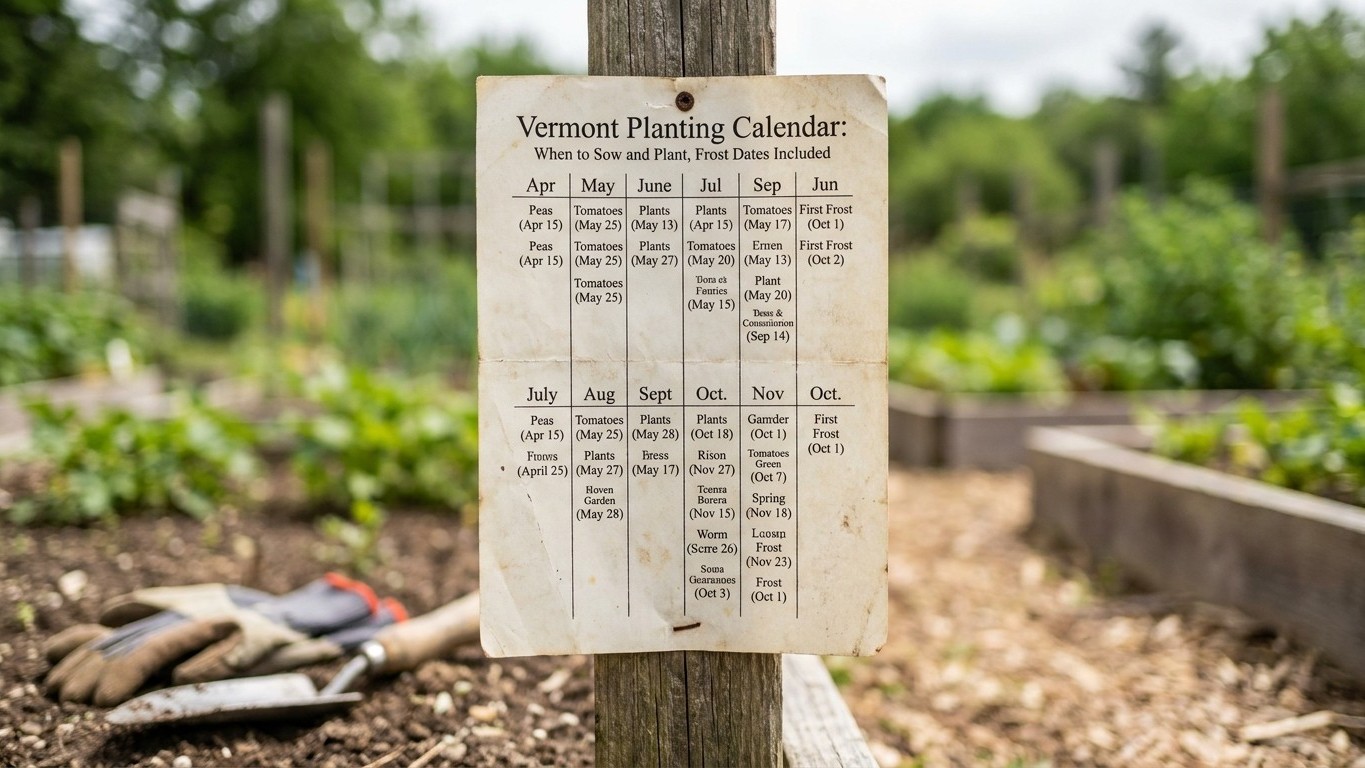
A practical Vermont planting calendar built from NOAA’s Burlington frost dates, with cool-season, warm-season, and fall sowing windows explained.
Burlington sits at 44.47 degrees north, and on the longest day of the year it gets 15 hours and 22 minutes of daylight.