Oklahoma Lawn Care: What to Plant and When to Feed It
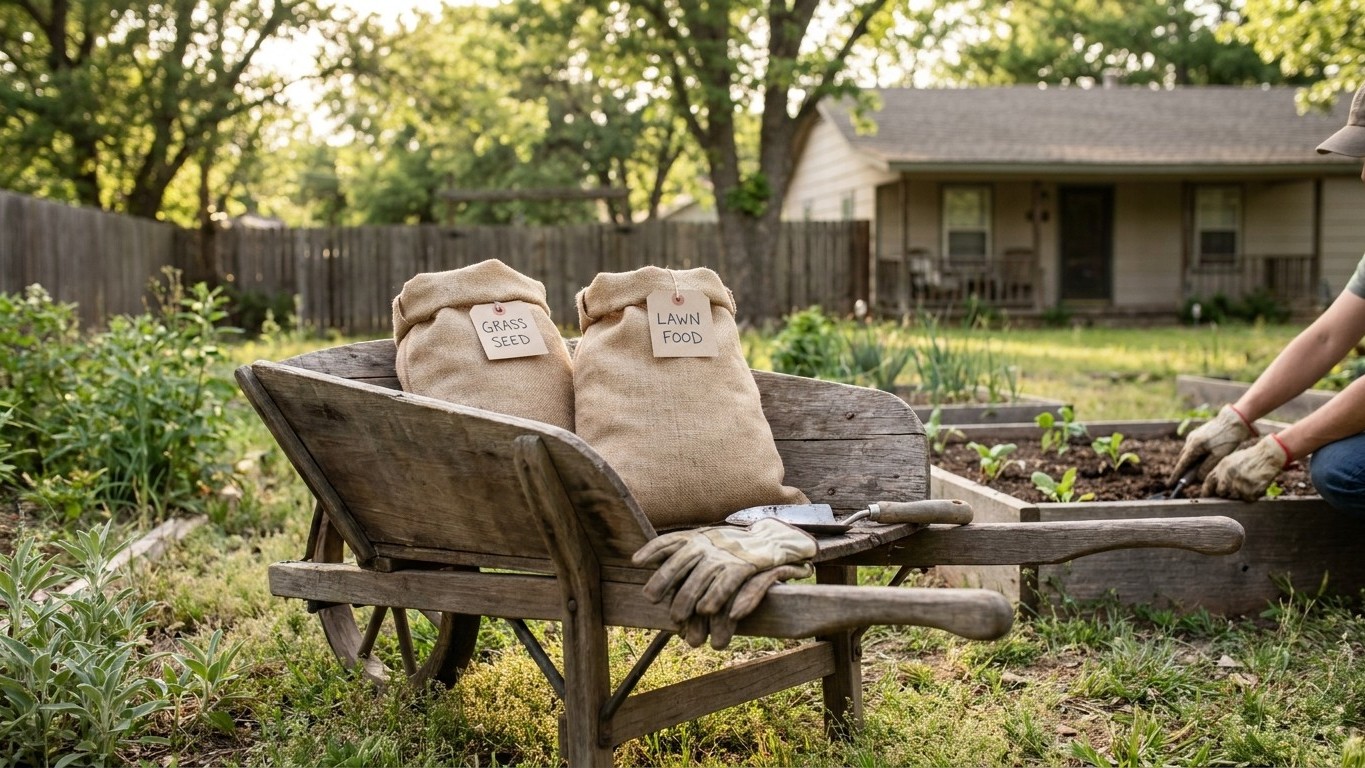
Oklahoma’s hot summers and cold winter lows rule out any single grass, so this page lays out the trade-offs, planting windows, and feeding schedule for both types.
Home & garden, state by state
Oklahoma’s hot summers and cold winter lows rule out any single grass, so this page lays out the trade-offs, planting windows, and feeding schedule for both types.
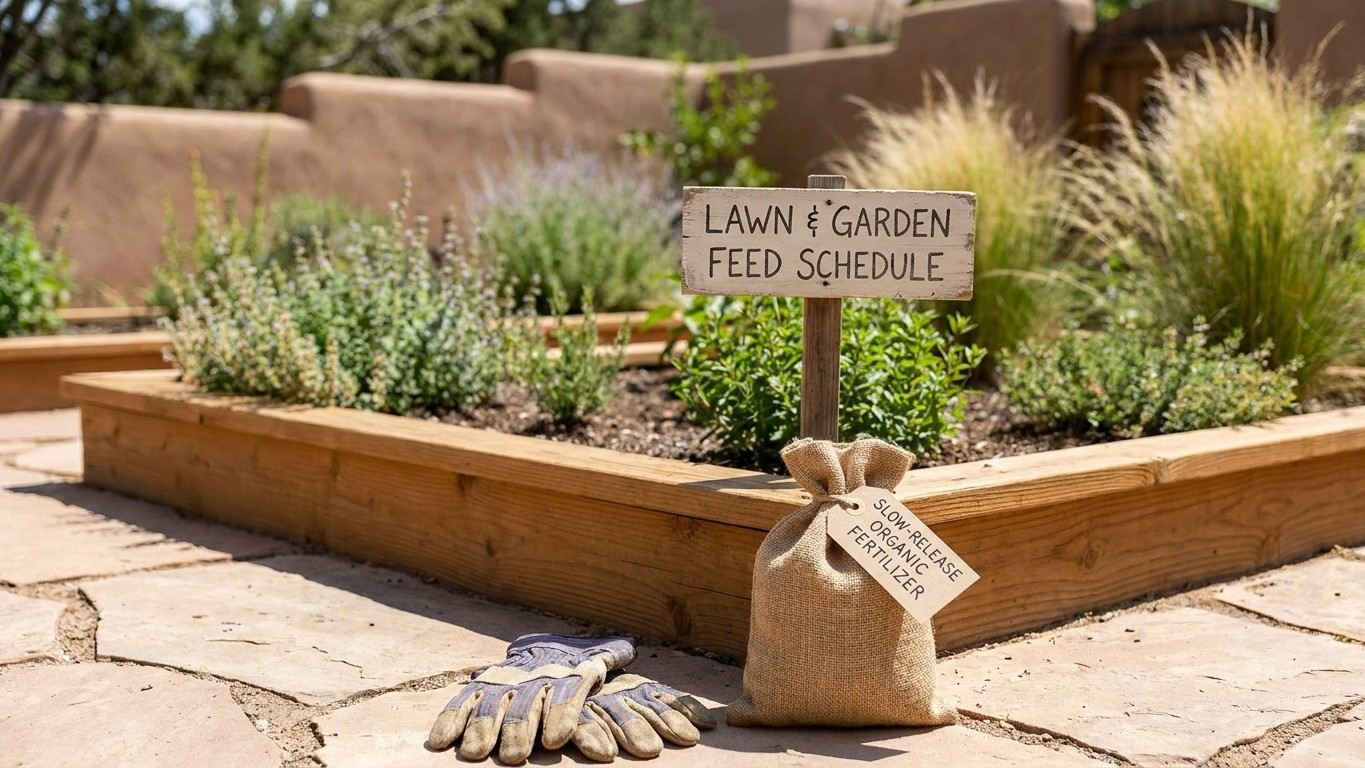
New Mexico’s transition climate means no lawn grass is ideal year-round, so this guide gives seeding windows, feeding rates and mowing heights for each option.
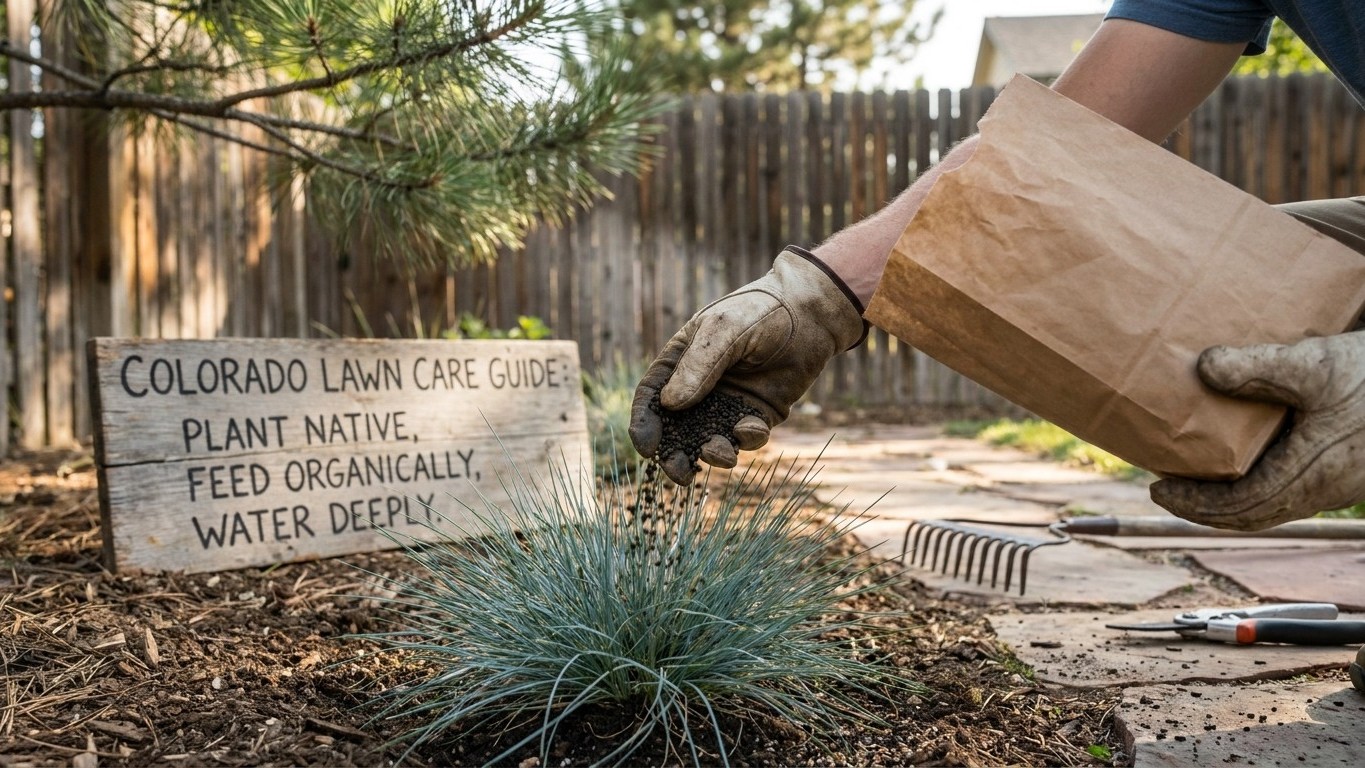
Colorado sits in a lawn-grass transition zone according to Denver’s climate normals, and choosing, seeding, feeding, and mowing all depend on which grass you plant.
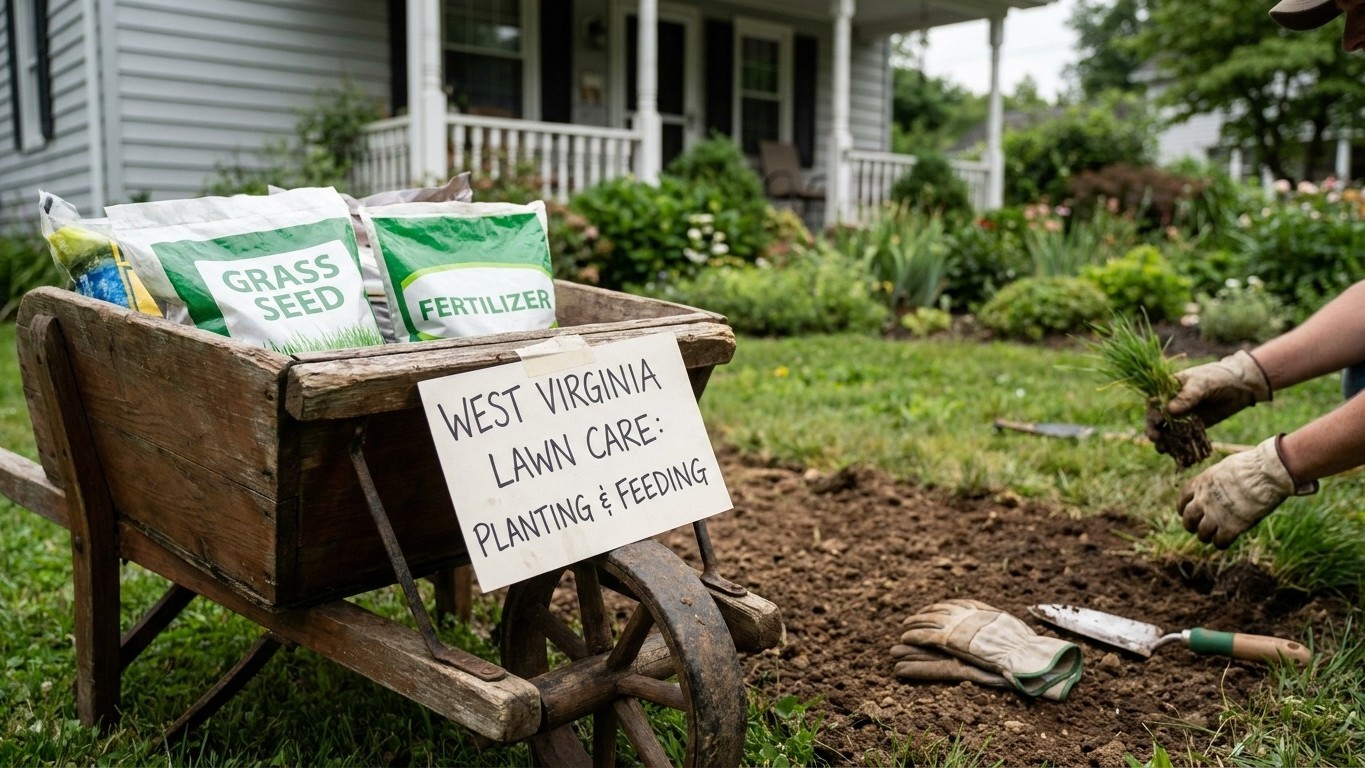
West Virginia’s cool climate limits lawns to fescues and bluegrasses, seeded each fall and fed as they root before winter, not warm-season grass.
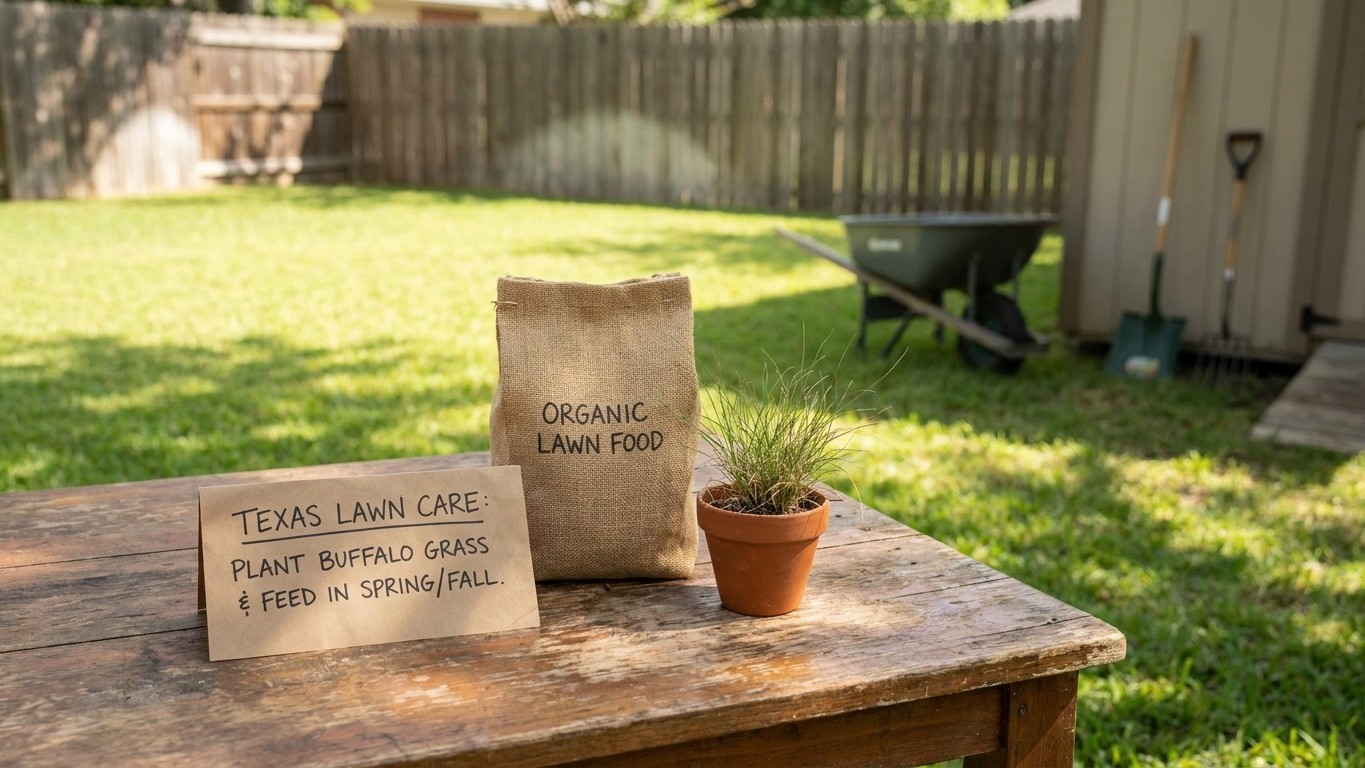
Texas lawns need warm-season grass, not cool-season, and the timing for seeding, feeding, and mowing follows from that one choice.
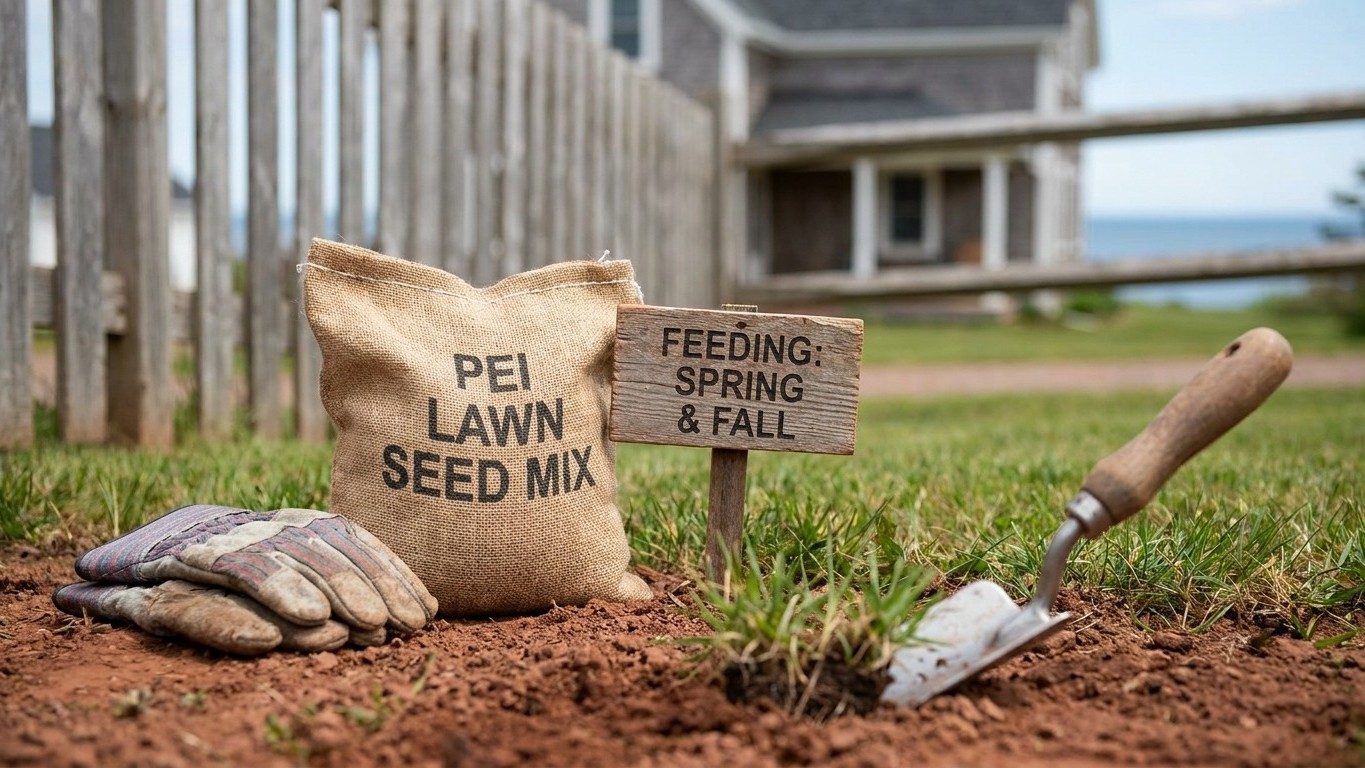
Prince Edward Island’s cool climate suits fescues and bluegrass, not warm-season turf, and this explains when to seed, feed and mow through the year.
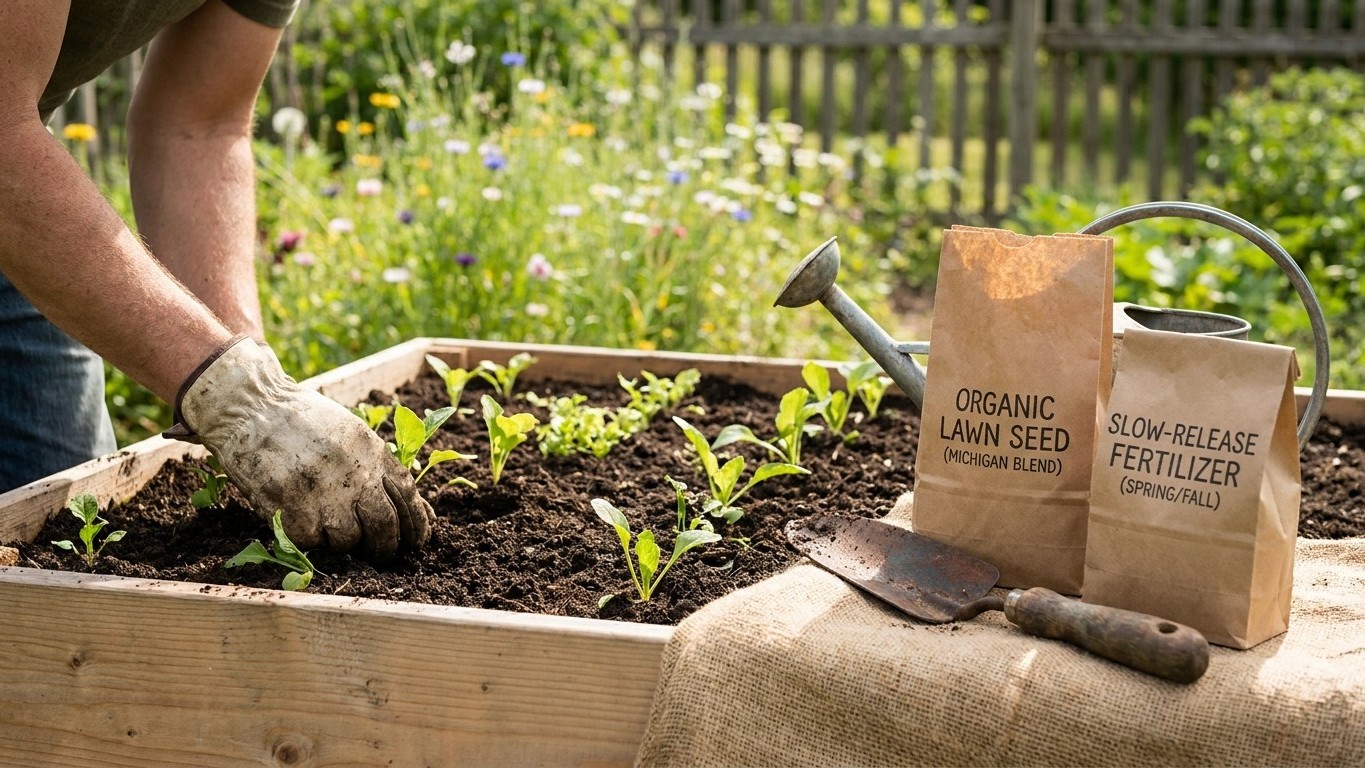
This guide gives Michigan’s seeding window, fall feeding schedule and mowing heights for a cool-season lawn, based on Detroit’s climate normals.
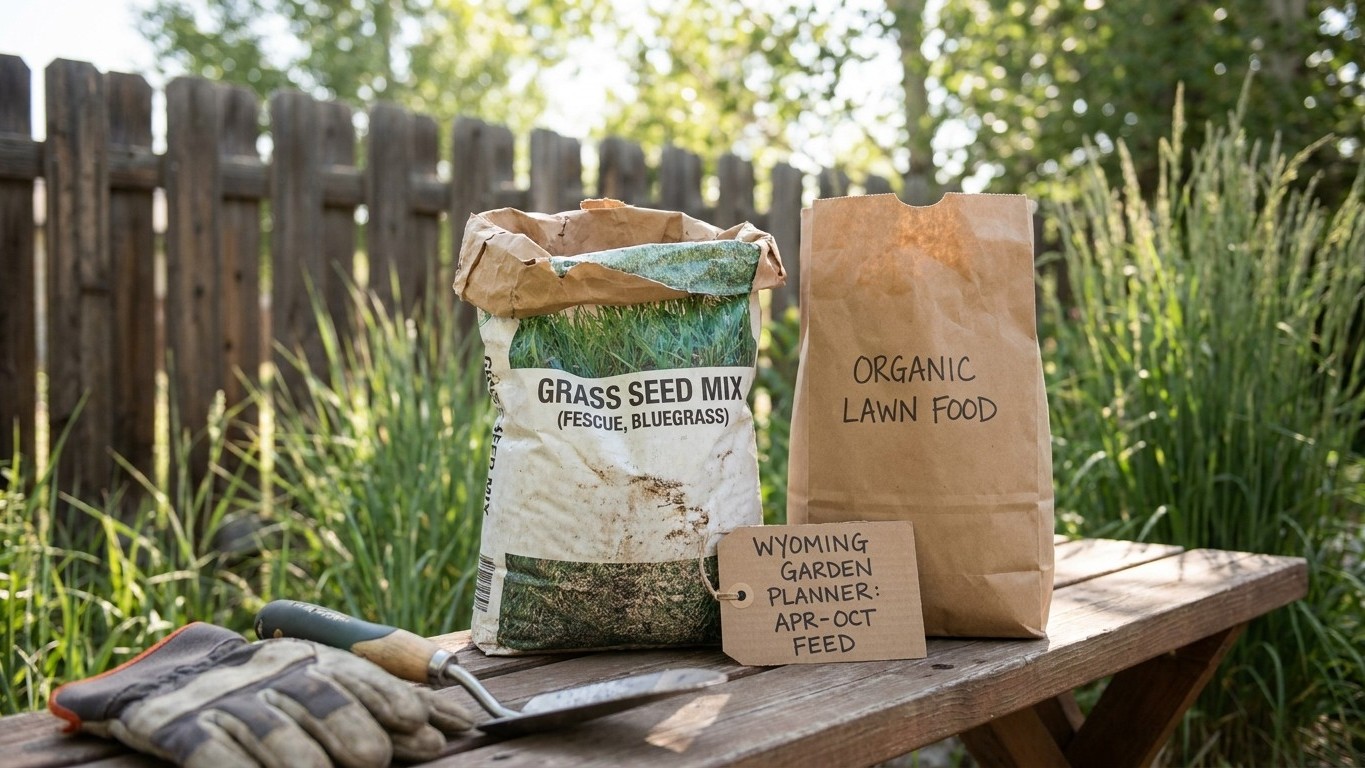
NOAA’s Cheyenne climate normals rule out warm-season grass, so Wyoming lawns run on cool-season species seeded a few weeks ahead of the first fall frost.
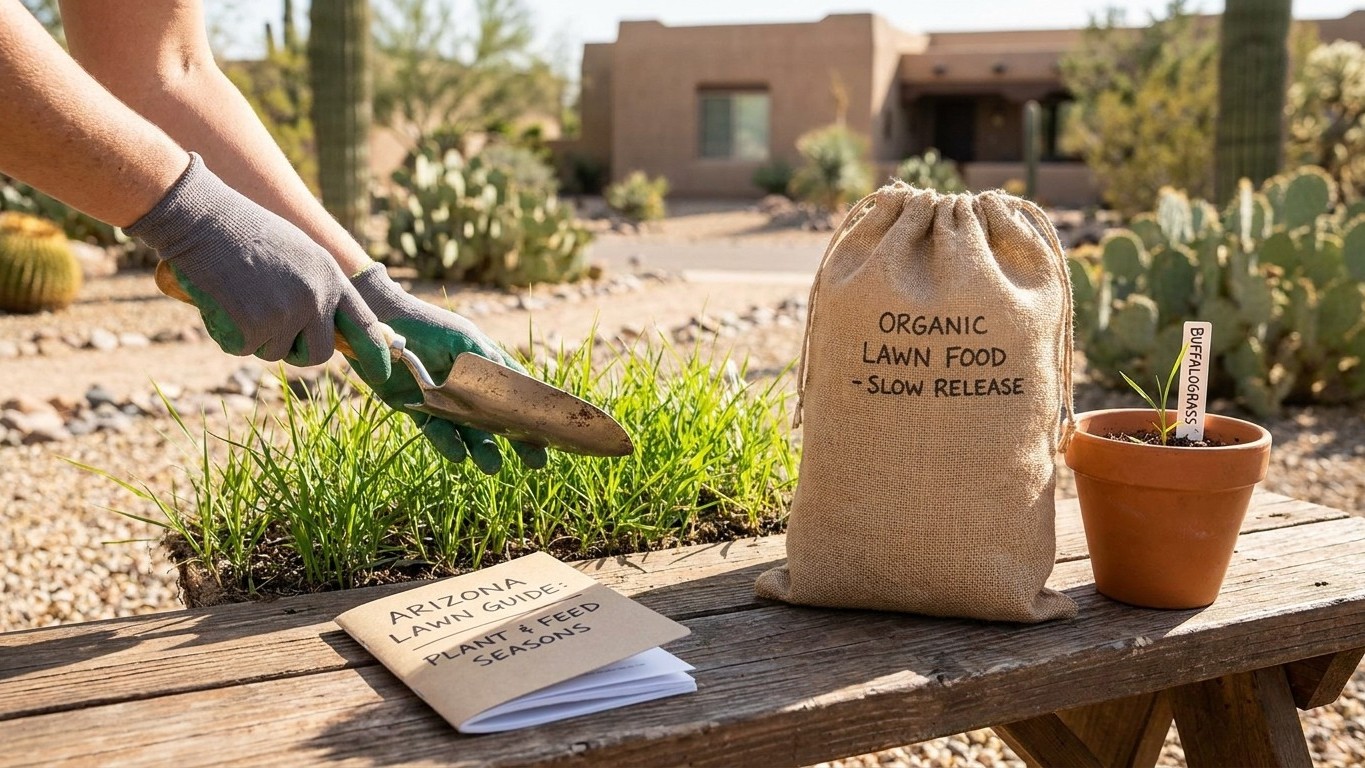
Arizona’s heat and mild winters call for a warm-season lawn grass, timed and fed on its own calendar rather than a generic one.
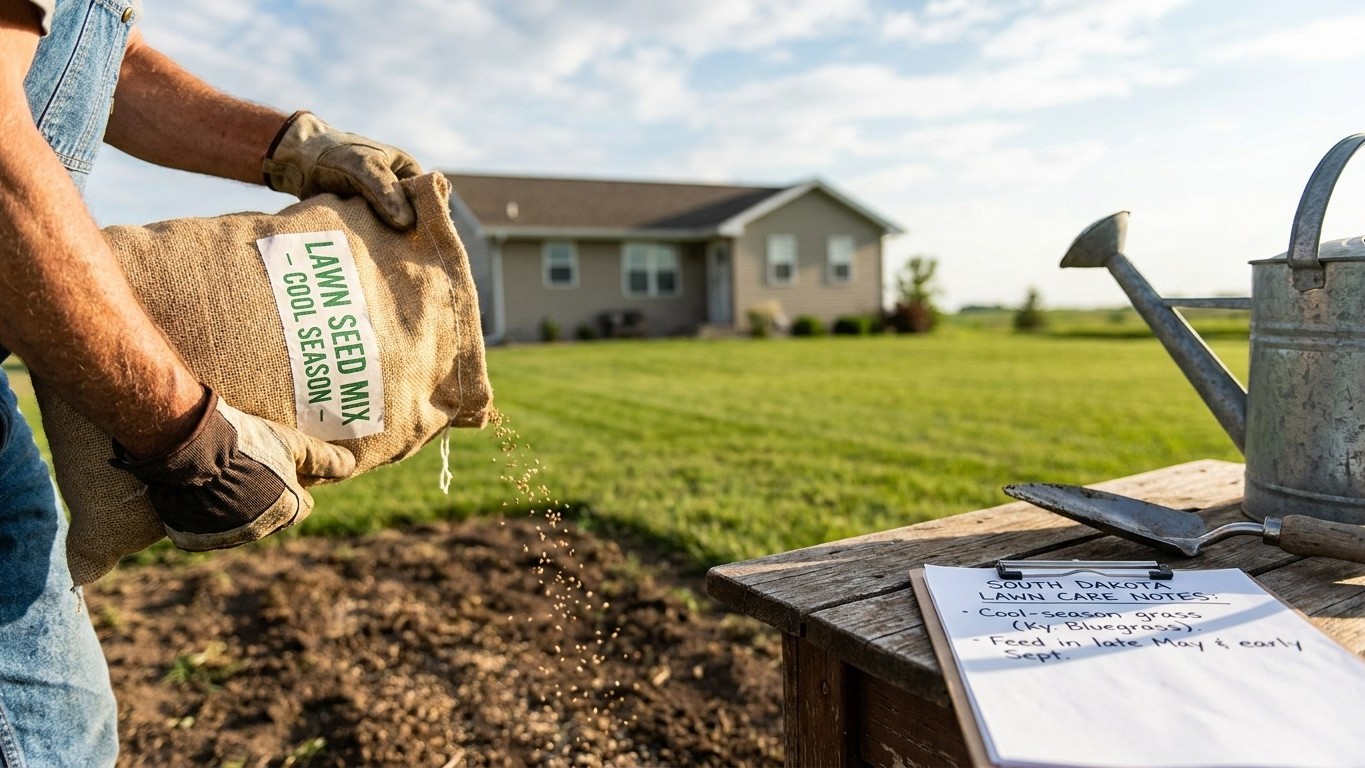
South Dakota’s cold winters and short hot spells favor cool-season grasses like tall fescue and Kentucky bluegrass, fed in fall rather than spring or summer.