Northwest Territories Lawn Care: What to Plant and When to Feed It
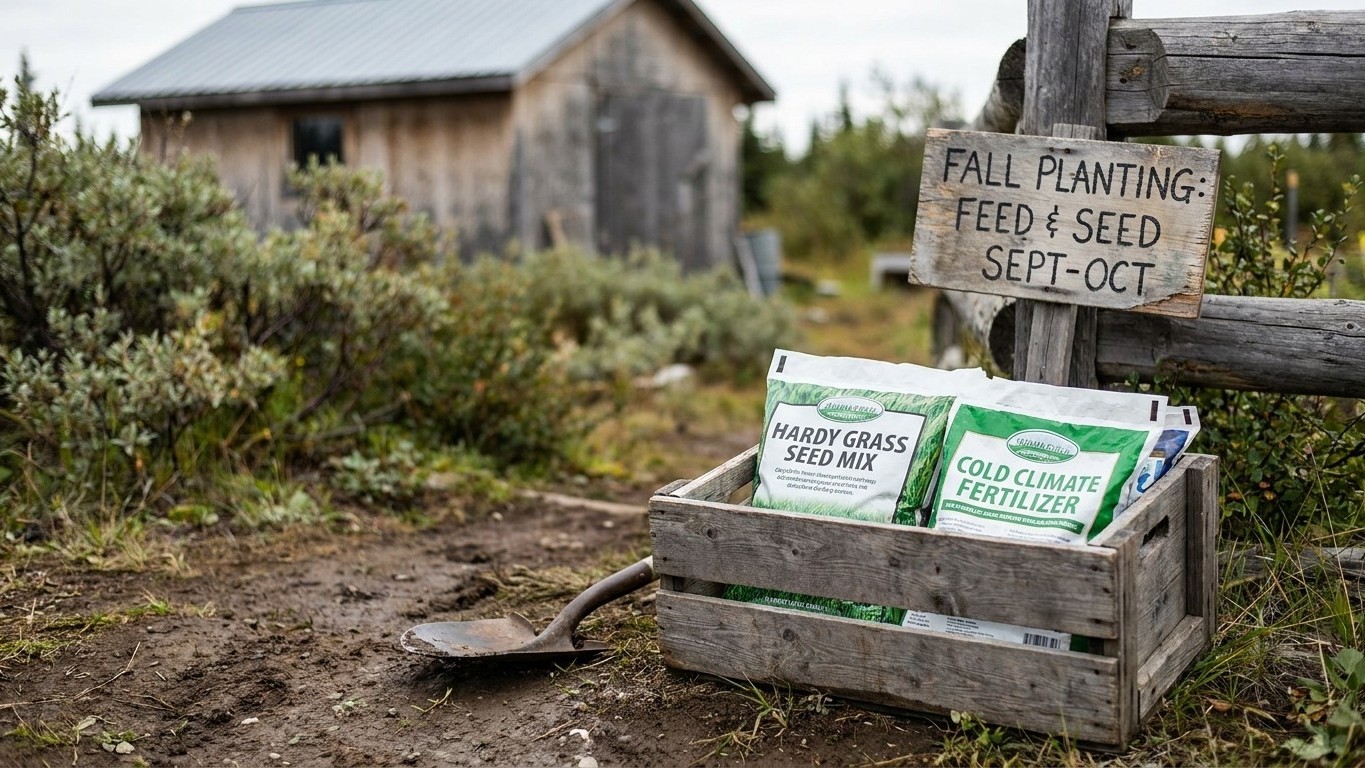
Cool-season grasses like Kentucky bluegrass and tall fescue are the only realistic lawn choice in the Northwest Territories, seeded in early fall before frost.
Home & garden, state by state
Cool-season grasses like Kentucky bluegrass and tall fescue are the only realistic lawn choice in the Northwest Territories, seeded in early fall before frost.

A practical look at which grasses grow in New Hampshire, when to seed them, and how to time nitrogen feedings around Manchester’s frost dates.

Connecticut’s cool winters and mild summers call for cool-season grass, seeded in fall and fed mainly in September, per NOAA and Clemson Extension data.

Montana sits in a lawn-grass transition zone: cool-season grasses struggle in summer heat, warm-season grasses stay brown for half the year, and Billings climate data settles which trade-off to choose.

Explains why only warm-season grasses survive in Hawaii’s lowlands, when to plant them, and how much nitrogen each species actually needs.

Wisconsin’s climate suits cool-season grasses only, and the seeding window, feeding schedule, and mowing height all follow from that fact.

Nunavut’s brutal winters and short summers rule out warm-season turf, leaving cool-season grasses like tall fescue and Kentucky bluegrass as the only realistic lawn choice.
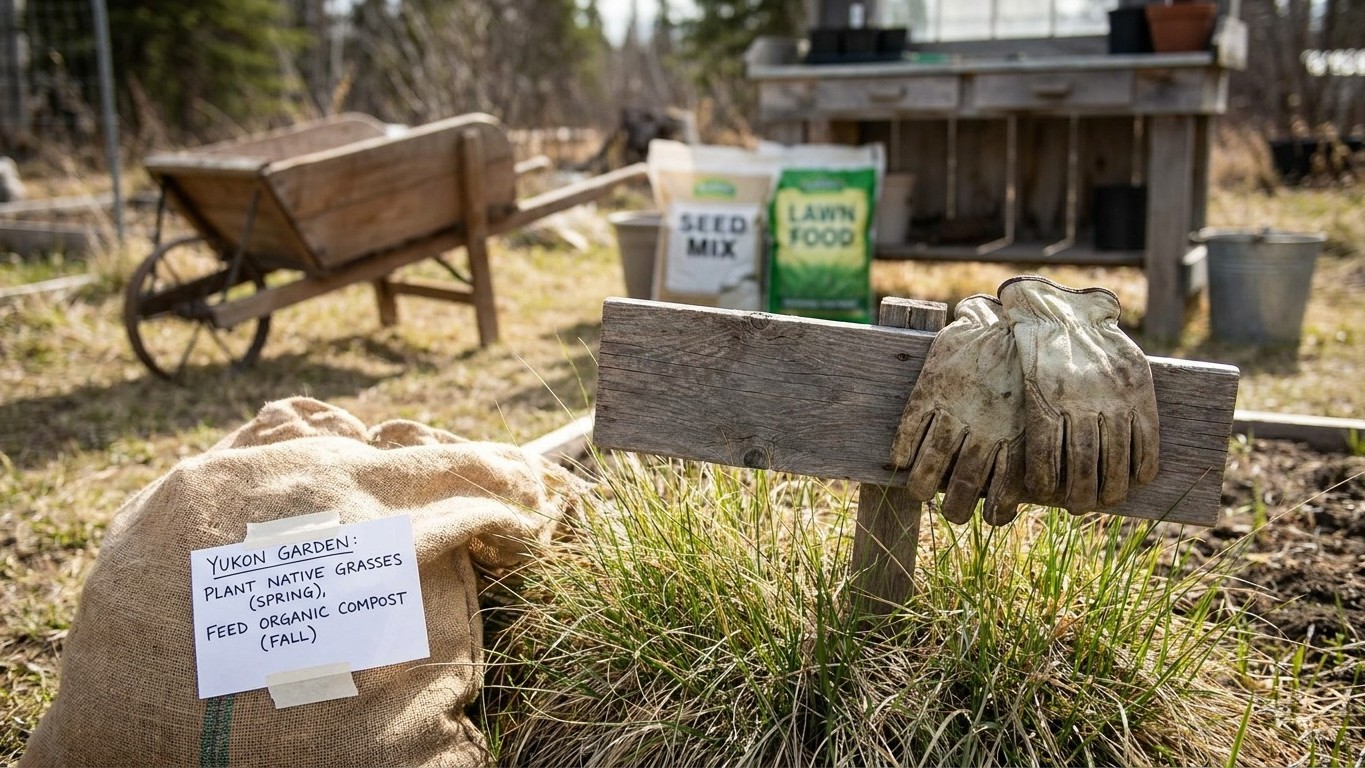
Explains which cool-season grasses suit Yukon’s short summers, when to seed them against Whitehorse’s frost dates, and how much nitrogen to apply and when.

Halifax’s ECCC climate normals rule out warm-season turf, so Nova Scotia lawns rely on cool-season species fed in fall, not summer.

Omaha’s climate data shows why Nebraska lawns need cool-season grass, a September feeding schedule, and a fall seeding window tied to first frost.