New York Lawn Care: What to Plant and When to Feed It
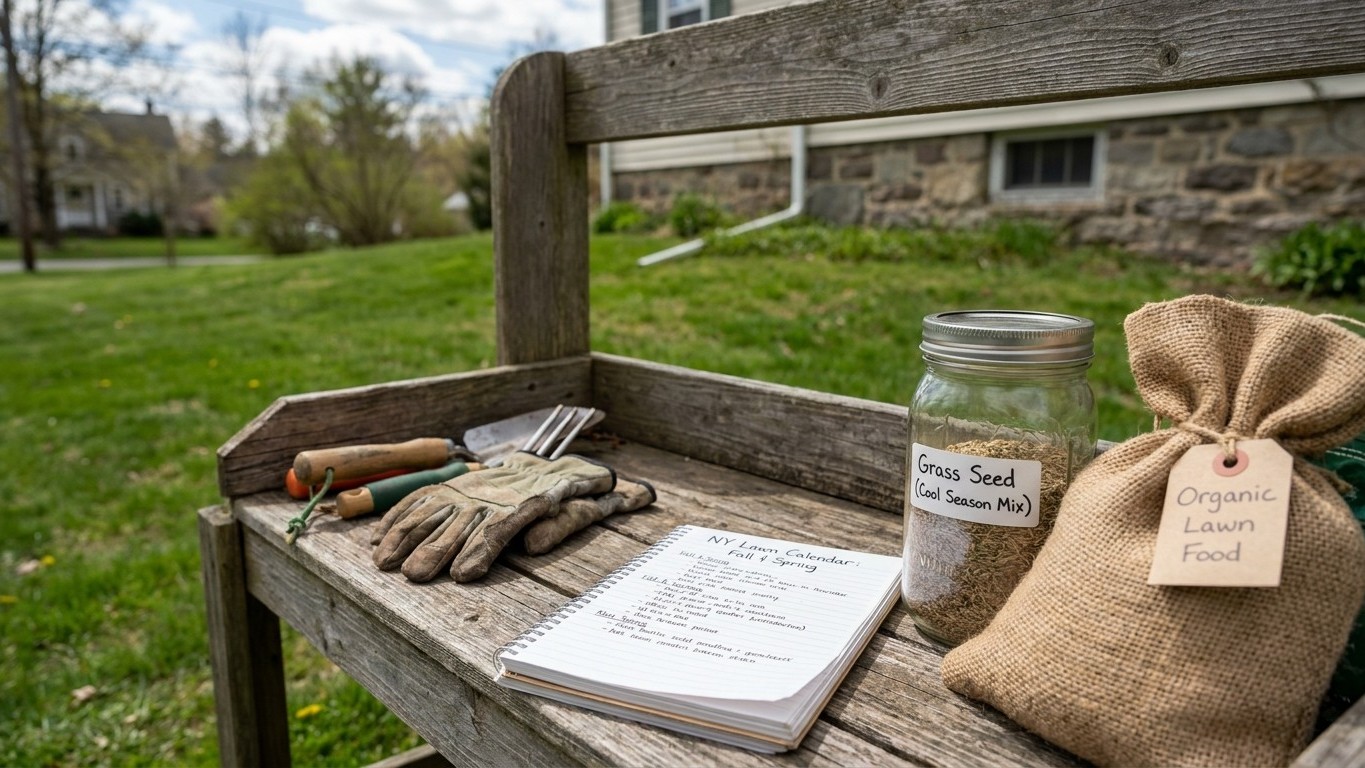
New York’s climate calls for cool-season turf grasses, seeded in fall and fed by season, not by the calendar.
Home & garden, state by state
New York’s climate calls for cool-season turf grasses, seeded in fall and fed by season, not by the calendar.
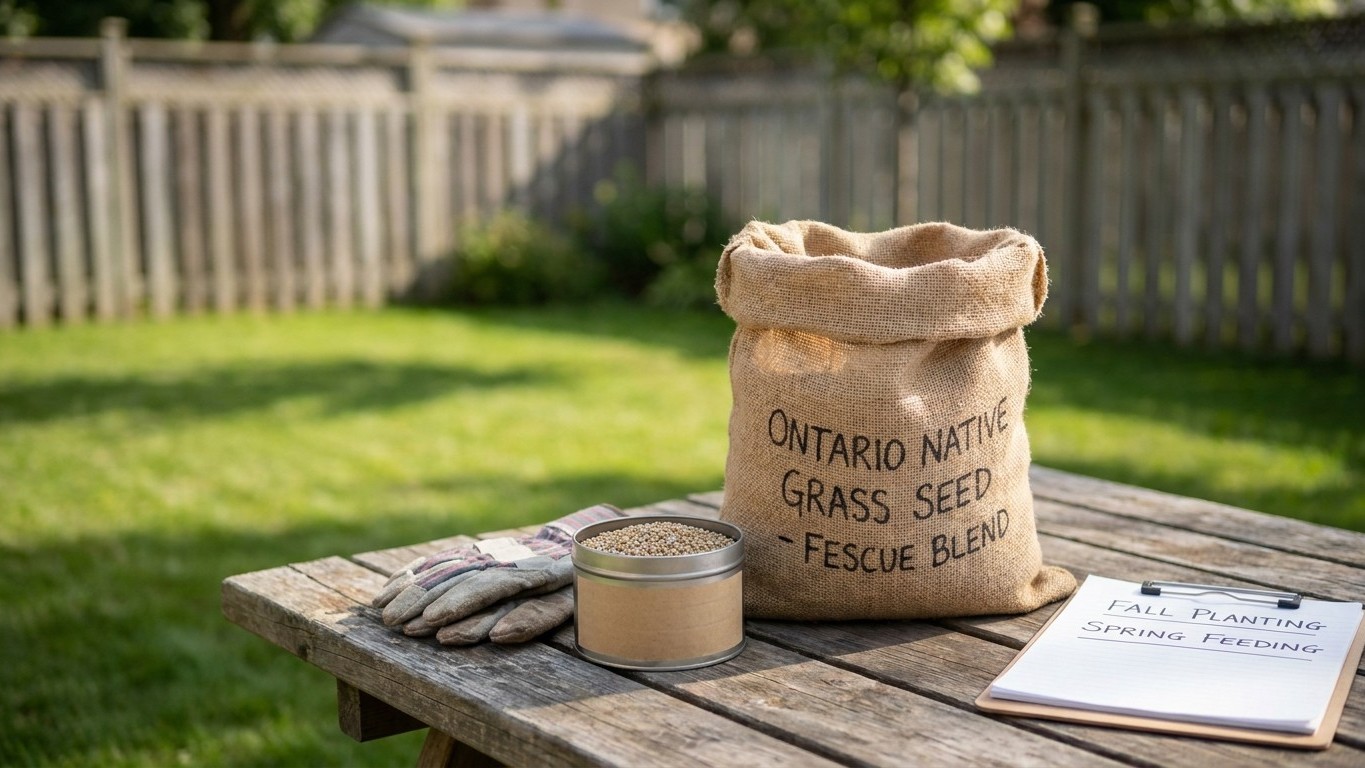
A grass-by-grass, month-by-month guide to what actually grows and feeds well on Ontario lawns, based on Toronto climate data.
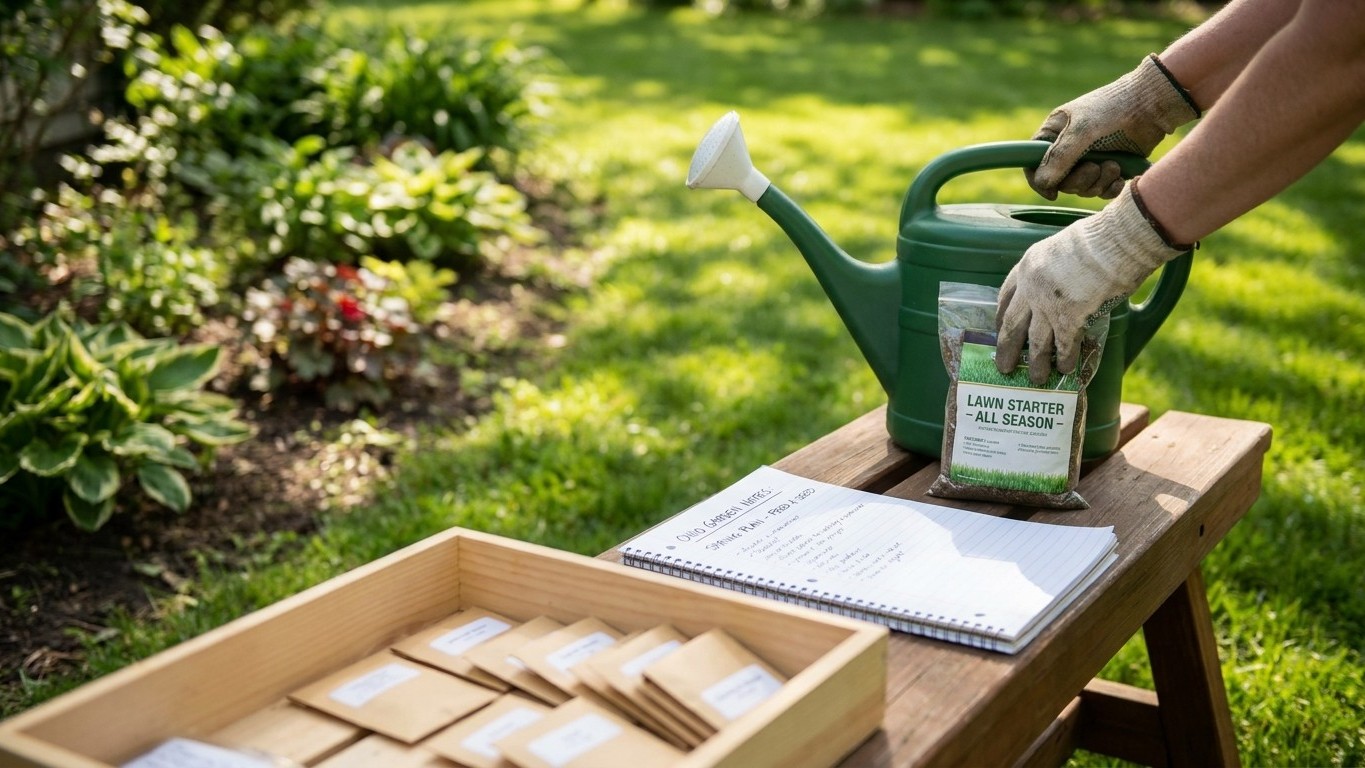
Ohio’s climate rules out warm-season turf entirely, so cool-season grasses need fall seeding, September nitrogen, and taller mowing to hold up through humid summers.
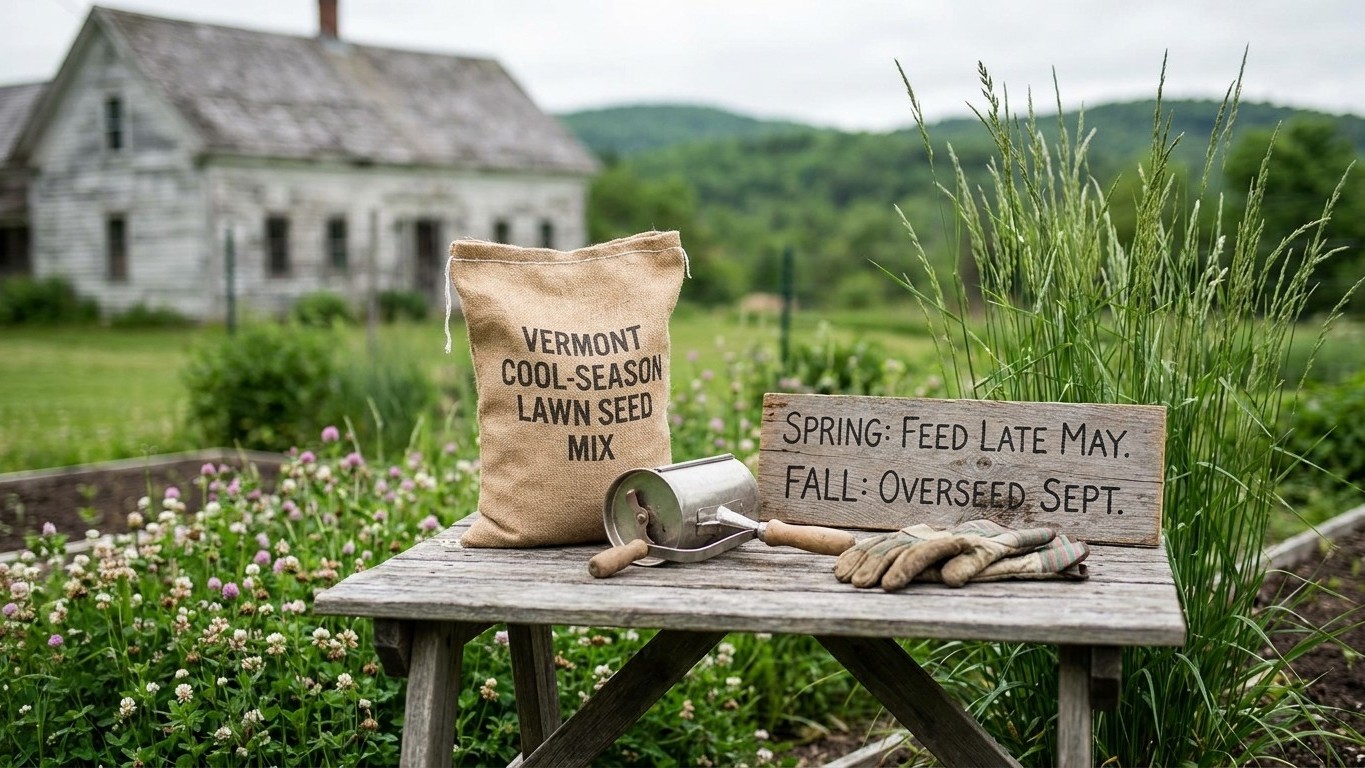
Burlington’s NOAA climate normals point to cool-season grass for Vermont lawns, with seeding, feeding, mowing, and watering guidance tied to those same figures.
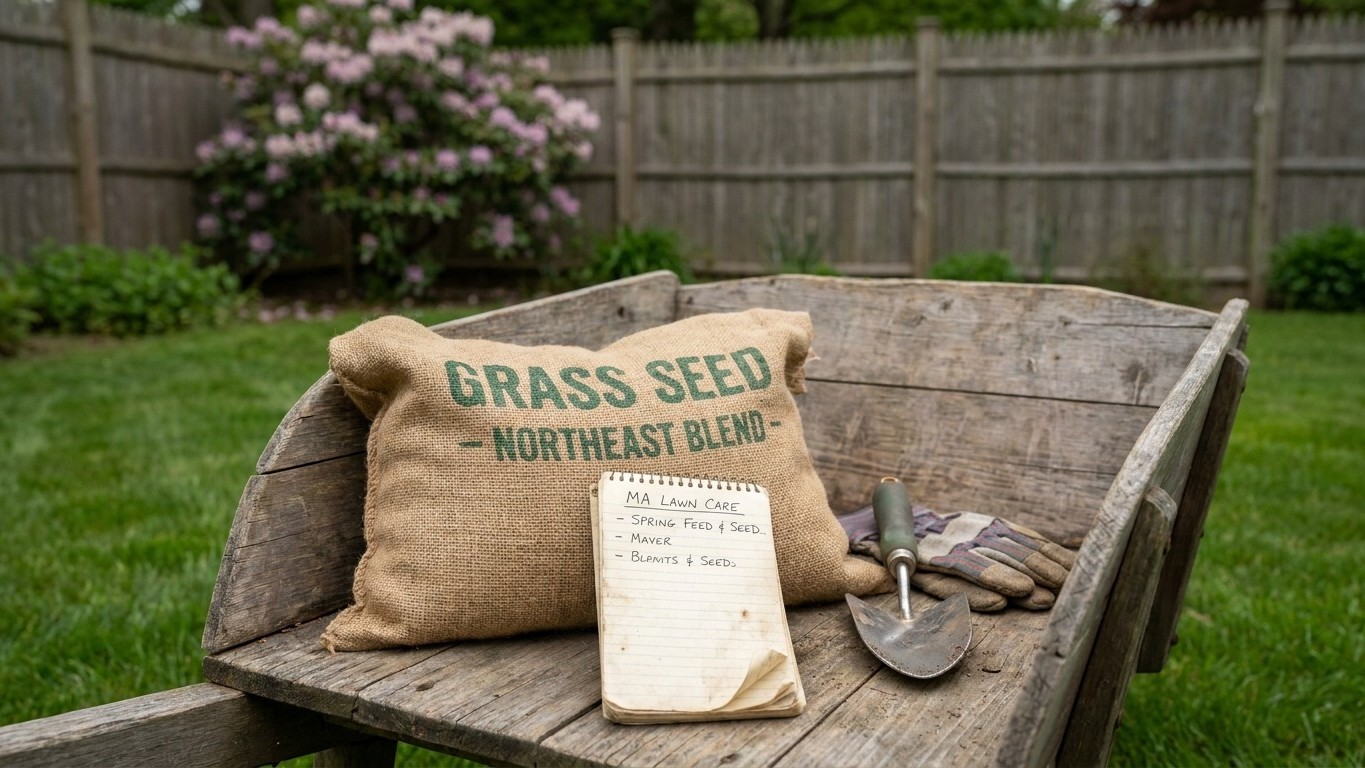
Massachusetts lawns need cool-season grass such as tall fescue and Kentucky bluegrass, seeded in fall and fed according to NOAA’s frost data, not spring.
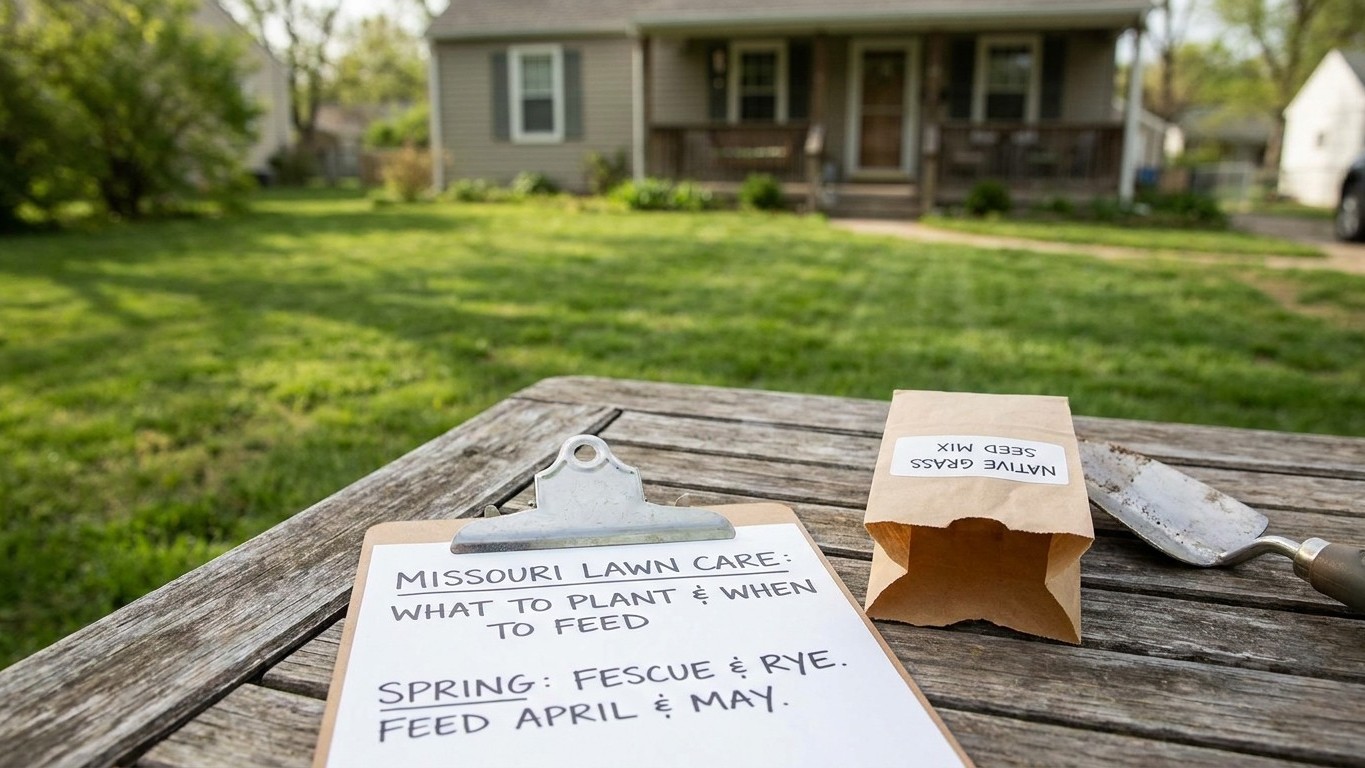
Missouri’s Kansas City climate data explain why no grass thrives all year, and give the seeding, feeding, and mowing schedule for whichever type you plant.
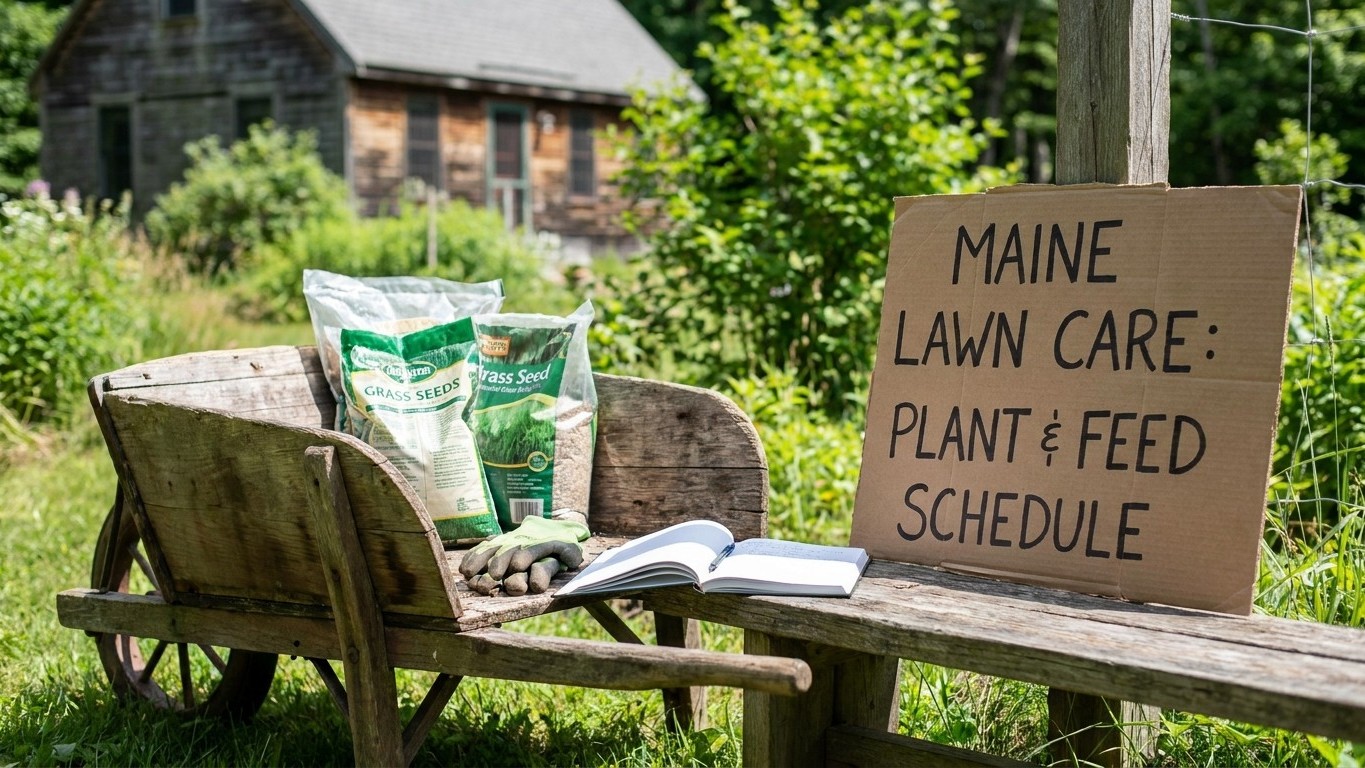
Portland’s NOAA climate normals rule out warm-season turf and set the seeding and feeding calendar for a Maine cool-season lawn.

Kansas falls in the transition zone: cool-season and warm-season grasses each trade off well in summer or winter, based on Wichita’s NOAA climate normals.
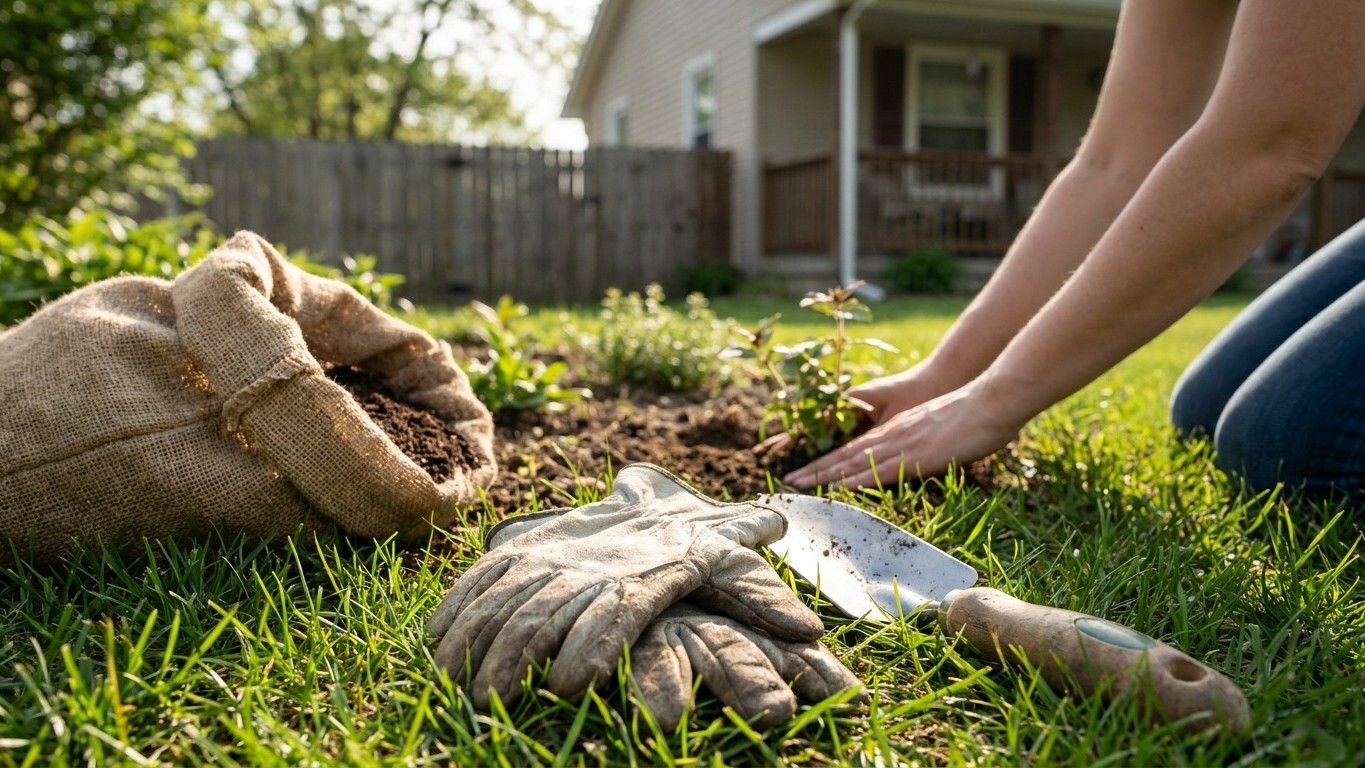
Indiana lawns need cool-season grass, not warm-season turf, based on NOAA climate normals for Indianapolis and Purdue Extension guidance.
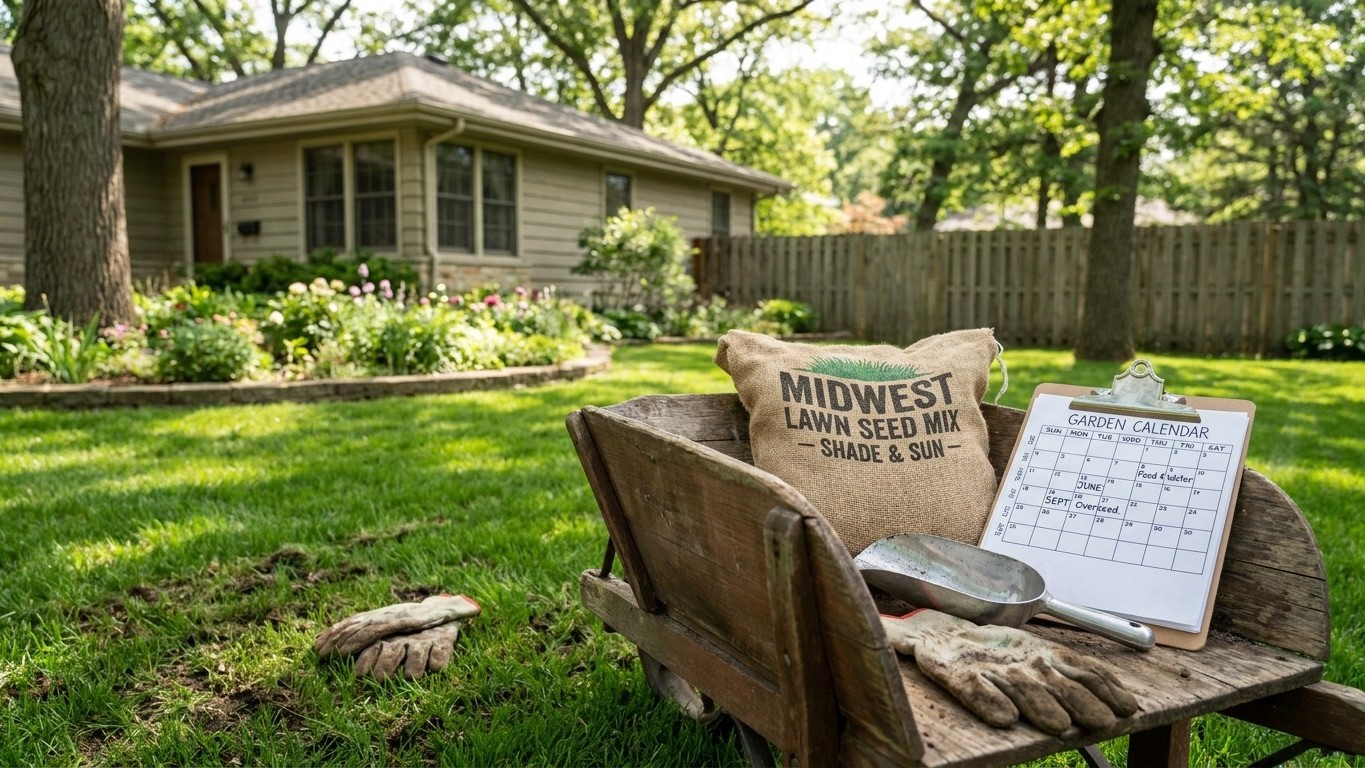
Illinois lawns need cool-season grass species, and this guide gives the seeding window, feeding rates and mowing heights that fit the state’s climate.