California Lawn Care: What to Plant and When to Feed It
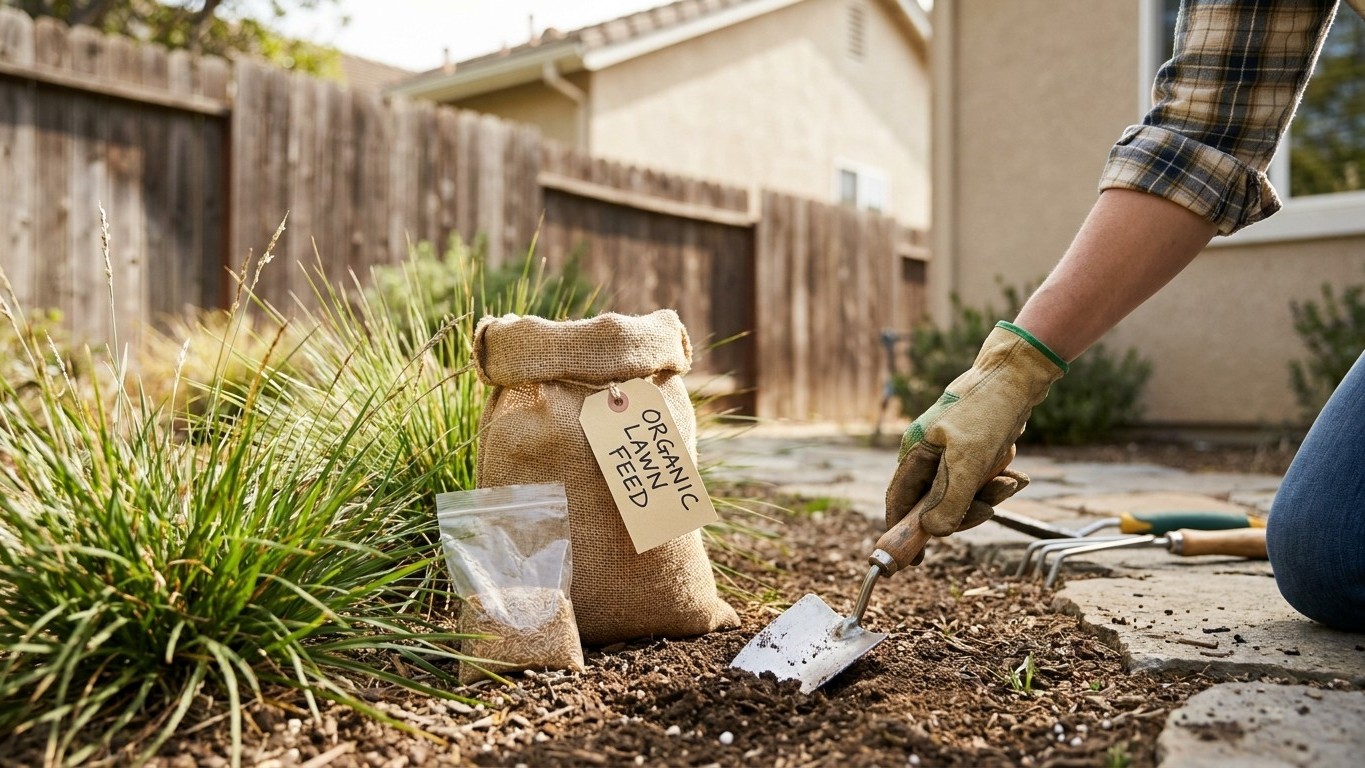
Los Angeles-area frost data and NOAA temperature normals explain why warm-season grasses like Bermudagrass and St. Augustinegrass suit California lawns, and when to feed them.
Home & garden, state by state
Los Angeles-area frost data and NOAA temperature normals explain why warm-season grasses like Bermudagrass and St. Augustinegrass suit California lawns, and when to feed them.

Anchorage’s climate rules out warm-season turf entirely, so Alaska lawns need cool-season grass, fall nitrogen feeding, and mowing heights suited to short, cool summers.
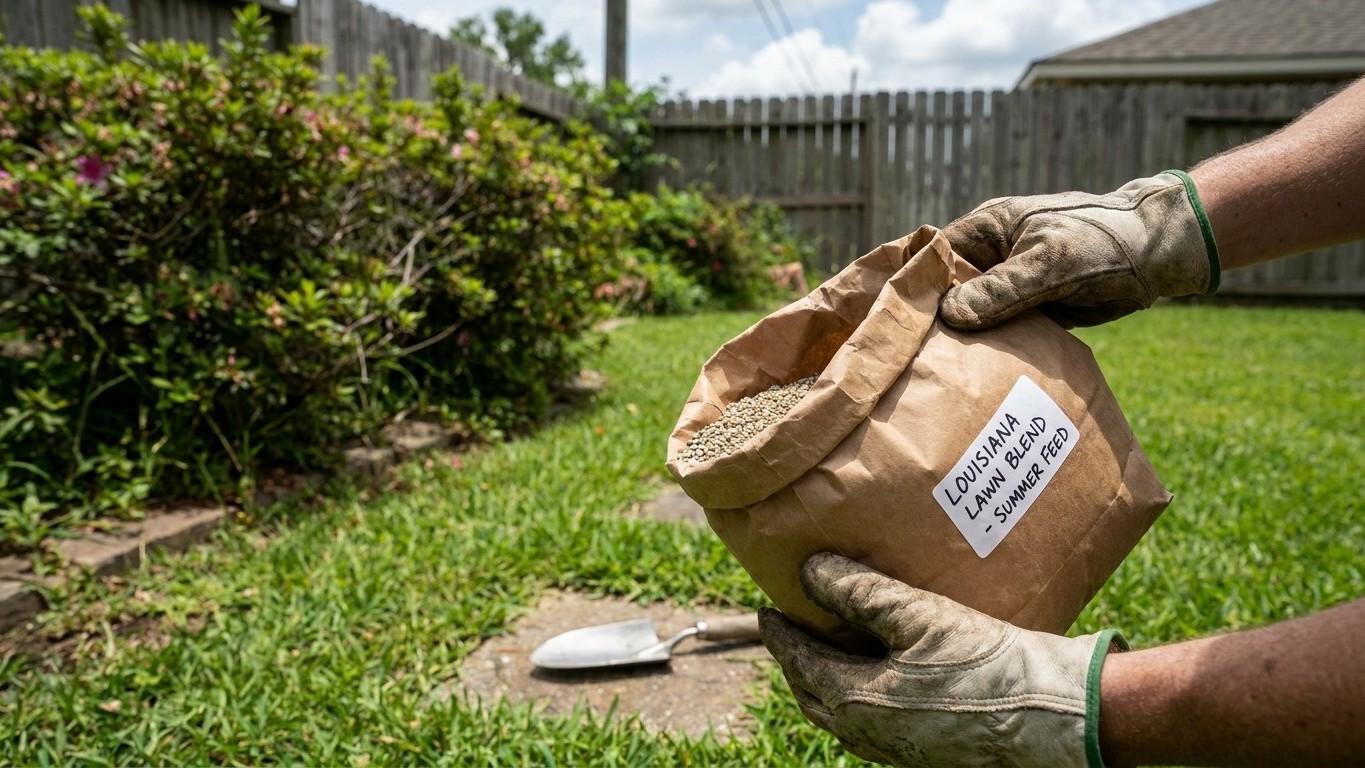
Louisiana’s heat rules out cool-season lawns. This guide names the warm-season grasses that work and the feeding calendar to follow.

A practical rundown of which warm-season grasses suit Mississippi, when to plant them, and how much nitrogen to feed each one.
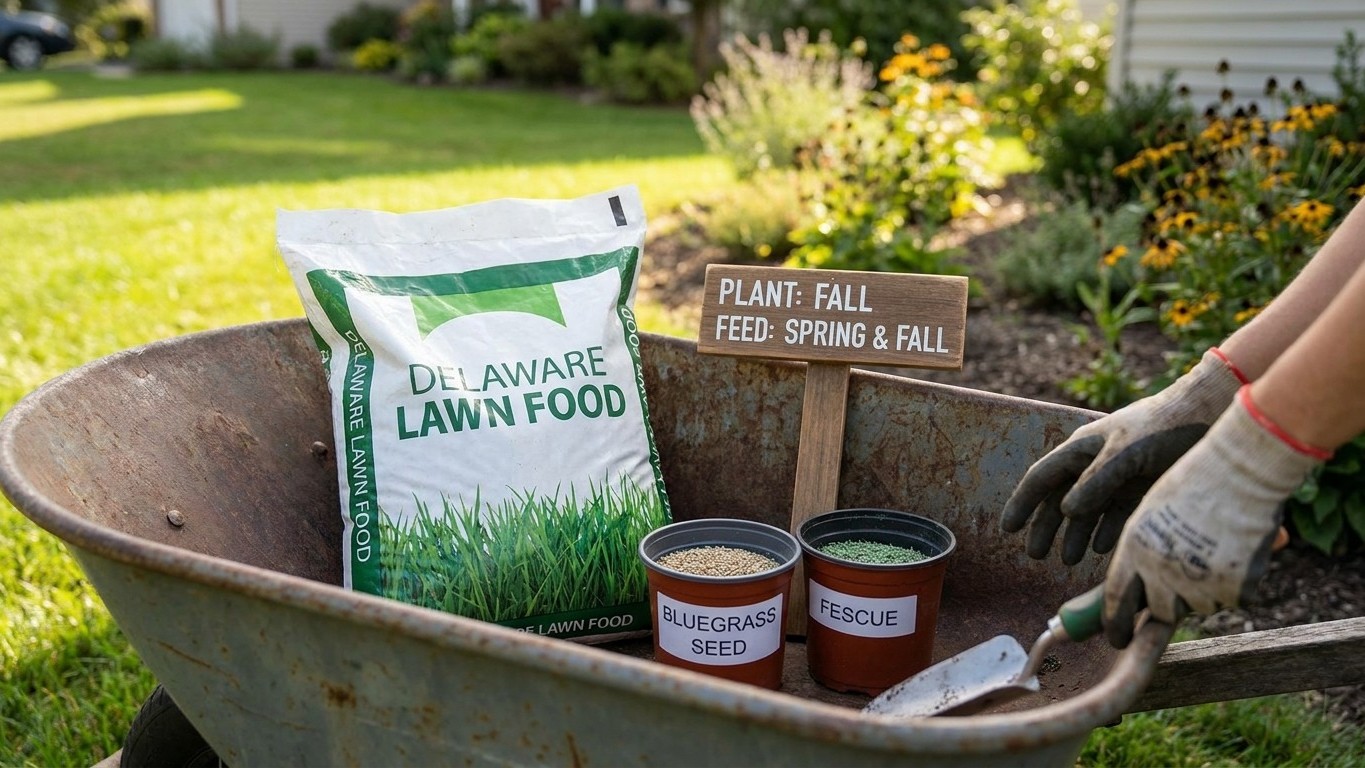
Delaware’s climate calls for cool-season grass fed in fall, not spring, with seeding timed to the first fall frost near Wilmington.
Uses NOAA’s Charlotte climate normals to explain which grasses suit North Carolina, when to plant them, and how to feed each one.
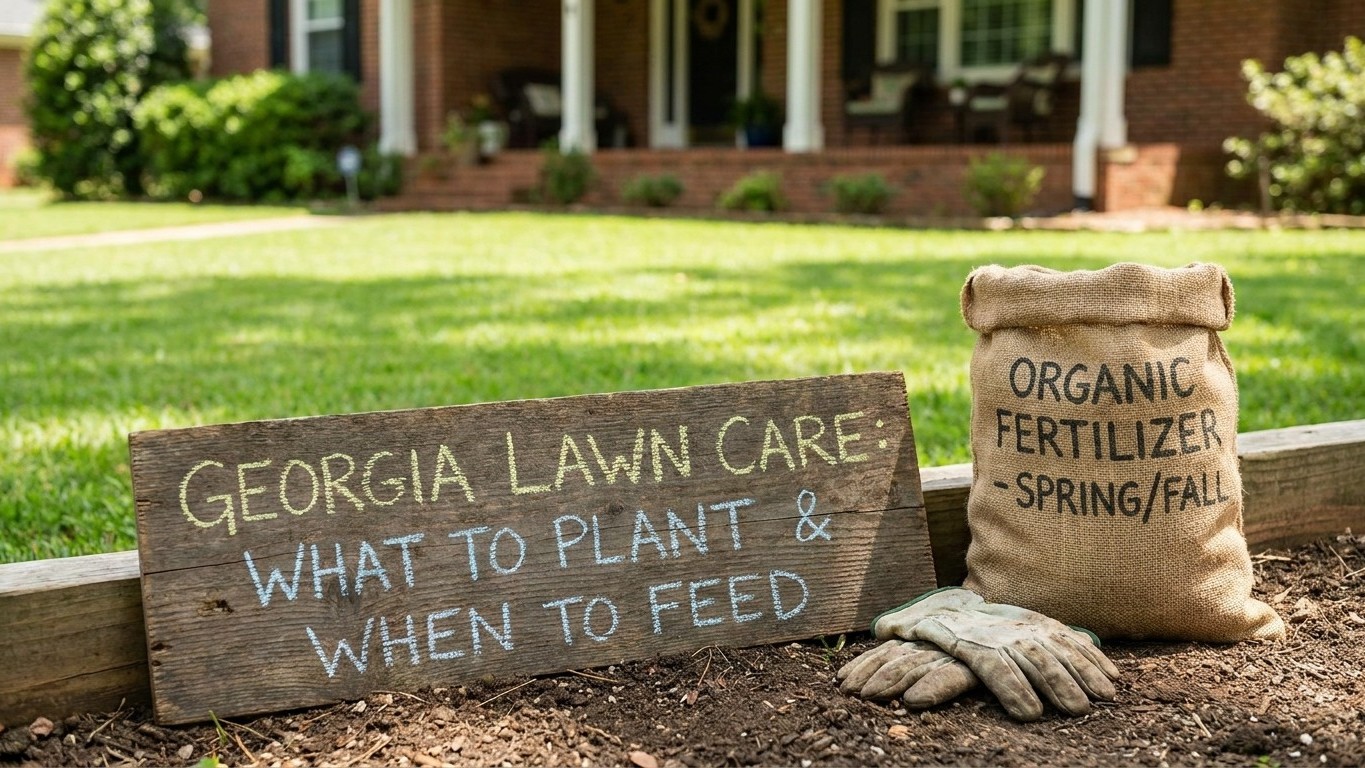
Georgia’s transition-zone climate means no grass wins outright, so this page covers seeding windows, feeding timing, mowing height and common lawn failures.
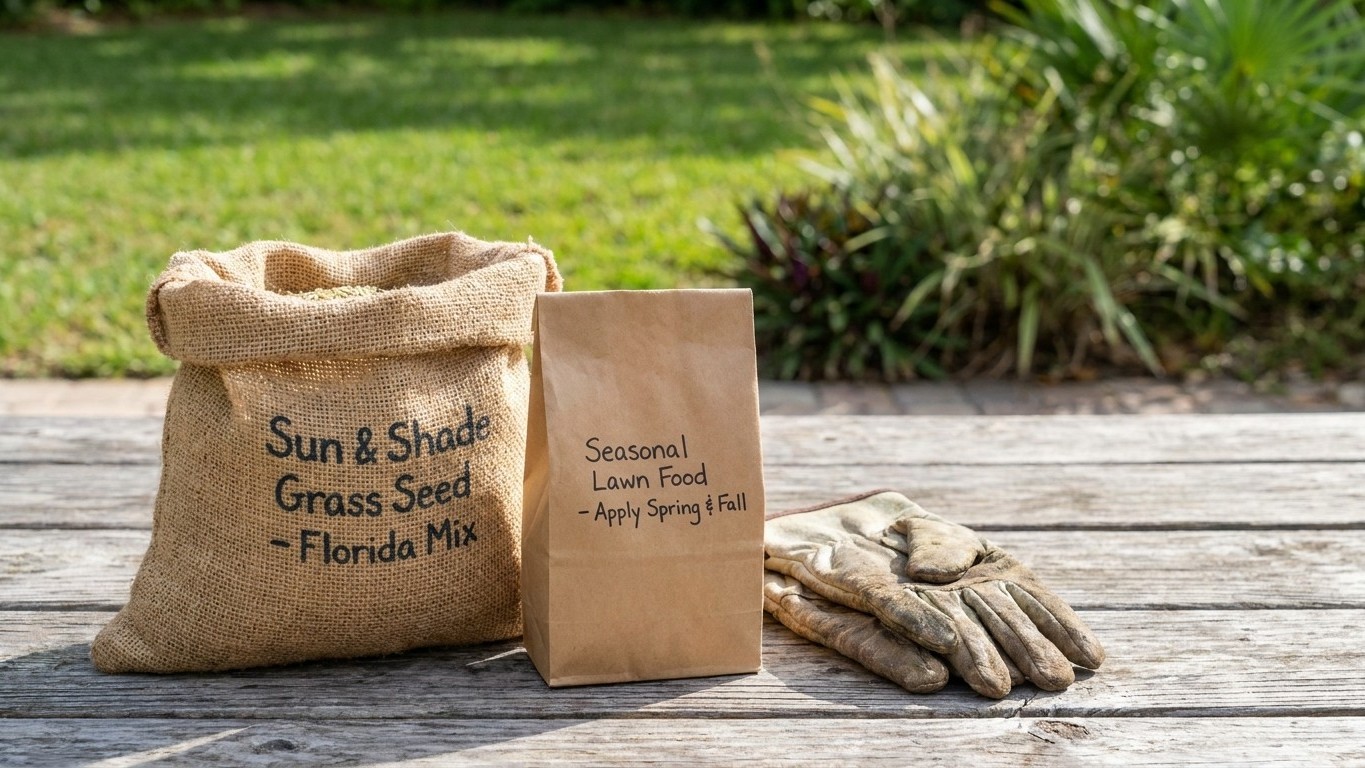
Warm-season grasses are the only option in Florida, and this guide names the species, feeding rates, and mowing heights that keep them healthy year-round.

Maryland sits in the transition zone, so cool-season and warm-season lawns each carry a tradeoff, and this page shows the seeding, feeding, and mowing schedule for both types.
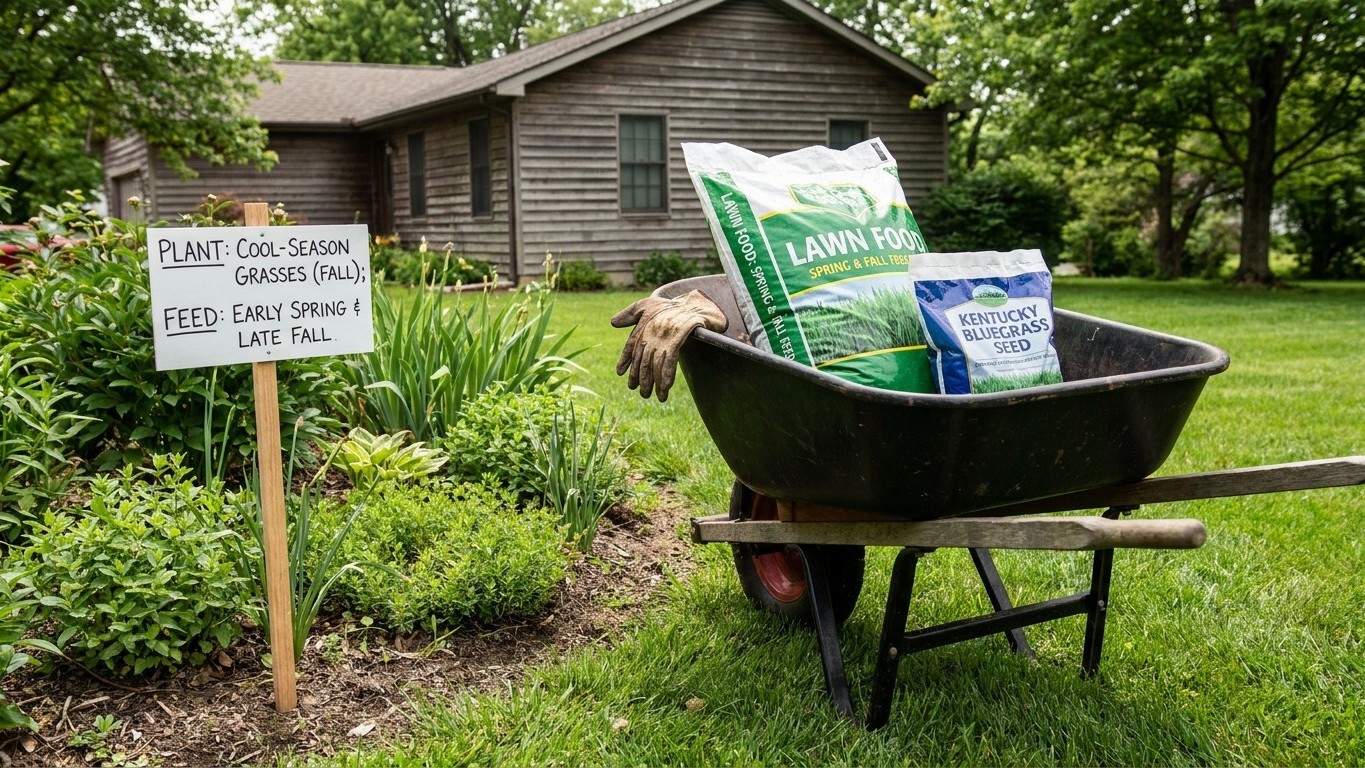
Kentucky’s transition-zone climate rules out one perfect lawn grass, so seeding dates, feeding schedules, and mowing heights depend on which trade-off you choose.