
Sow peas the moment the soil can be worked in spring, full stop. According to Utah State University Extension, peas are cool-weather, frost-tolerant vegetables, so there’s no frost date to count backward from. The soil tells you when. Air and soil temperatures need to stay below 80 F for good growth, and that ceiling, not a calendar square, is what actually shapes the planting window.
The short answer
Utah State University Extension puts it plainly: “Start planting peas as soon as you can till the soil in the spring.” That single sentence removes the guesswork gardeners apply to Warm-Season crops like tomatoes or beans, where you count weeks back from the last frost. Peas don’t need that math. They shrug off frost. What they can’t shrug off is soil so wet and cold that seed rots before it sprouts, or a growing season that runs into summer heat before the plants finish their job.
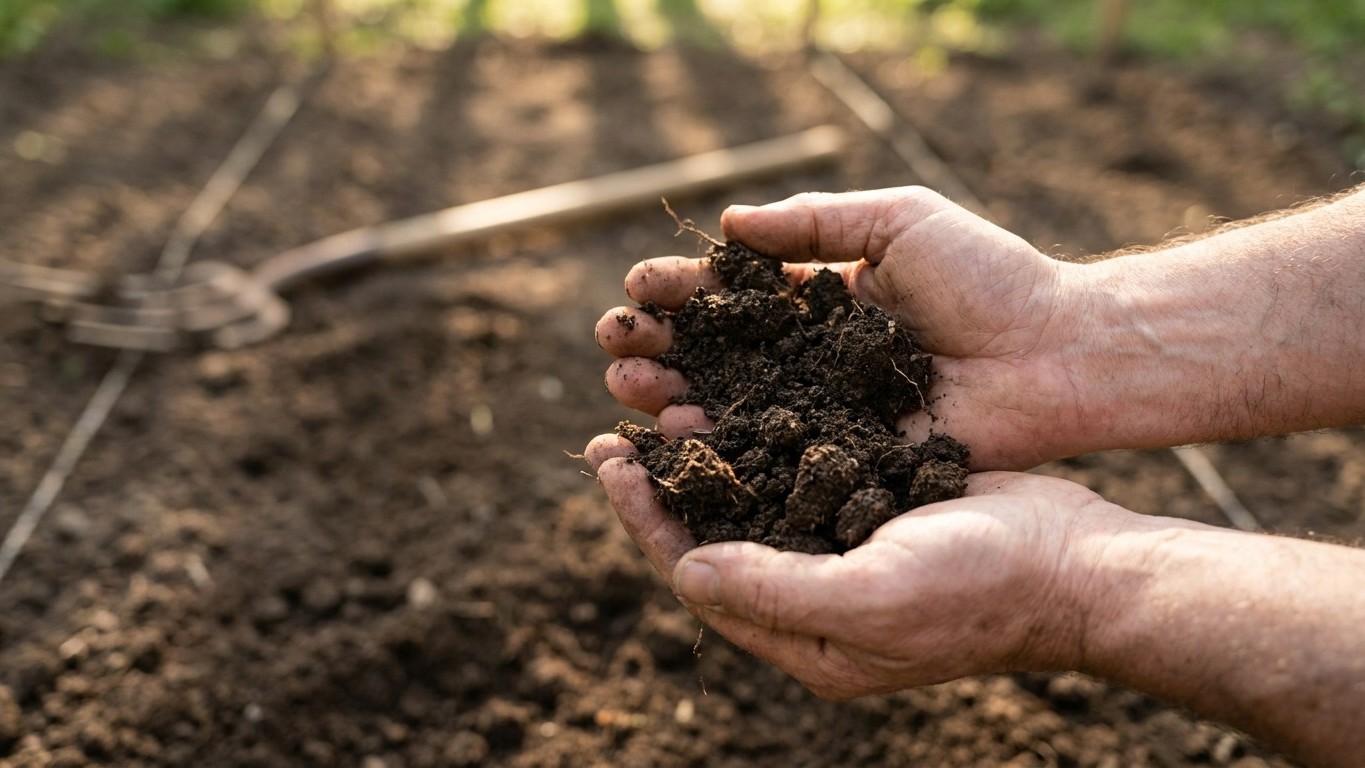
So the real question isn’t “which week” but “is the ground ready.” Workable soil means it crumbles in your hand instead of forming a muddy ball. Once you can till it, and it isn’t a swamp underfoot, peas can go in. The Extension data backs this up with numbers instead of vague seasonal talk: peas generally germinate and emerge better once soil temperatures climb above 40 F, and they hit their stride between 55 F and 65 F, where seedlings emerge in just 7 to 10 days. Below that floor, germination drags and seed sits vulnerable to rot. Above the ideal range, nothing gets better, and once temperatures push past 80 F, both soil and air, growth suffers outright.
That 80 F ceiling matters as much as the 40 F floor, maybe more, because it defines the other end of the window. Peas need 60 to 70 days to mature. If you sow too late, waiting for some arbitrary comfort zone instead of acting the moment the ground allows it, you’re gambling that cool weather holds long enough for the crop to finish before heat sets in and stalls production. The earliest possible sowing, tied strictly to soil condition rather than date, is what buys you the most cool days on the back end.
None of this means you plant recklessly into standing water or frozen clods. It means you stop waiting for an average last-frost date that has nothing to do with how peas actually behave. Workable soil is the trigger. Everything else, the depth, the spacing, the succession sowings, follows from that first decision.
What actually decides it

One judgment call, whether the soil is workable and warm enough to sprout seed reliably, settles several things at once: how fast germination happens, how much disease pressure the crop will face, and whether the plants finish before heat shuts them down. Treating these as separate problems misses the point. They’re all downstream of the same soil-Temperature reality.
Soil temperature governs germination speed
Below 40 F, pea seed mostly sits and waits, sometimes rotting before it ever cracks open. Between 55 F and 65 F, Utah State University Extension reports emergence in 7 to 10 days, a fast, even stand that outcompetes weeds and shrugs off soil pathogens because the seedling isn’t lingering underground as long. Push past 80 F and growth itself suffers, regardless of germination. So the same temperature reading that tells you whether to plant today also predicts how uniform your stand will look two weeks from now.
The 60-70 day maturity clock races the heat
Peas need 60 to 70 days from sowing to harvest. Combine that with the fact that plants do poorly once temperatures exceed 80 F, and the math becomes obvious: the earlier you sow, within the bounds of workable soil, the more cushion you build before summer heat arrives. Delay a planting by two or three weeks waiting for “warmer, friendlier” conditions, and you may shave that cushion down to nothing, forcing the crop to finish its pod-fill right as the thermometer turns against it.
Nitrogen fixation means no fertilizer, and excess feeds aphids
Peas partner with soil bacteria to pull their own nitrogen from the air, so they don’t need a nitrogen boost the way leafy greens do. Adding extra nitrogen fertilizer doesn’t just waste product, it actively works against you: it delays flowering and increases aphid numbers on the plants. The same early-sowing decision that sets germination and maturity timing also means you can skip a fertilizing step altogether. One less task, and one less way to invite pests.
How to do it
- Check for workable soil. Squeeze a handful. If it crumbles instead of forming a slick, muddy clump, and you can till it, the ground is ready regardless of what the calendar says.
- For the very earliest sowing, germinate seed indoors first. Utah State University Extension notes this trick establishes plants more rapidly when soil is still on the cold side. It’s a workaround for the earliest push only, not a routine transplant method. As soils warm on their own, plant directly into the garden instead.
- Sow seed 1/2 to 1 inch deep. Space seeds 1 to 2 inches apart within rows, and set rows 12 to 24 inches apart depending on how much room your garden allows.
- Use about 2 to 3 ounces of seed per 100 feet of row. That density is intentional. No thinning is necessary even if the stand comes up thick.
- Water in gently after sowing so the seed makes firm contact with soil that’s already at or above 40 F, ideally trending toward the 55-65 F range where emergence happens fastest.
- Stagger additional sowings every 14 to 21 days if you’re growing shelling peas and want a rolling harvest instead of one big flush. Snap peas produce pods over a longer stretch on their own, so one planting generally covers the season for that type.
- Stop succession sowing while enough cool weather remains. Count on the 60 to 70 day maturity window and the 80 F growth ceiling to judge whether a new sowing has time to finish before heat sets in.
What Goes Wrong
- Seed rots in cold, wet soil. This happens when sowing gets pushed into ground that’s still saturated and below the 40 F germination floor. The fix is patience paired with the indoor-germination trick for an early start; wait for soil that crumbles, or start seed indoors and move it out as the ground warms.
- Thin, uneven stands. Usually traced to skimping on seed. Sticking to 2 to 3 ounces per 100 feet of row and accepting that no thinning is necessary, even with a thick stand, solves this without extra labor.
- Plants stall, flowers drop, or pods stop filling in midsummer. This is heat stress, plain and simple, once temperatures cross 80 F. The remedy is upstream: sow as early as workable soil allows so the 60 to 70 day maturity window closes before that heat ceiling arrives, rather than trying to rescue a late planting once it’s already struggling.
- Lush vines, few pods, and aphid trouble. This cluster of symptoms traces back to one mistake, adding nitrogen fertilizer to a crop that fixes its own. Skip the feeding altogether; peas manage their own nitrogen supply and extra applications only delay flowering while drawing in more aphids.
- One giant harvest instead of a steady supply. Single-planting shelling pea patches all mature within days of each other, leaving a glut and then nothing. Succession sowing every 14 to 21 days spreads the harvest out. Snap pea growers don’t need this fix since that type produces over a longer period from one sowing.
Common questions
Can I still plant peas if there’s a late frost forecast?
Yes. Peas are frost tolerant, which is exactly why Utah State University Extension frames the planting cue around workable soil rather than a frost date. A forecasted frost after sowing isn’t a reason to delay.
How do I know if the soil is workable?
Grab a handful and squeeze it. If it crumbles apart rather than sticking together in a wet clump, and a tiller or shovel moves through it without dragging mud, it’s workable. That’s the entire test, no thermometer required for this first step, though soil temperature above 40 F helps confirm germination odds.
Should I start pea seeds indoors?
Only as a trick for the very earliest sowings, when soil is still cold. Utah State University Extension notes indoor-germinated seedlings establish faster in that scenario. Once soils warm on their own, direct sowing outdoors is the standard approach, not a transplant routine.
Do I need to fertilize peas?
No. Peas fix their own nitrogen through a partnership with soil bacteria. Adding nitrogen fertilizer delays flowering and increases aphid numbers, so it’s a step worth skipping rather than adding to your routine.