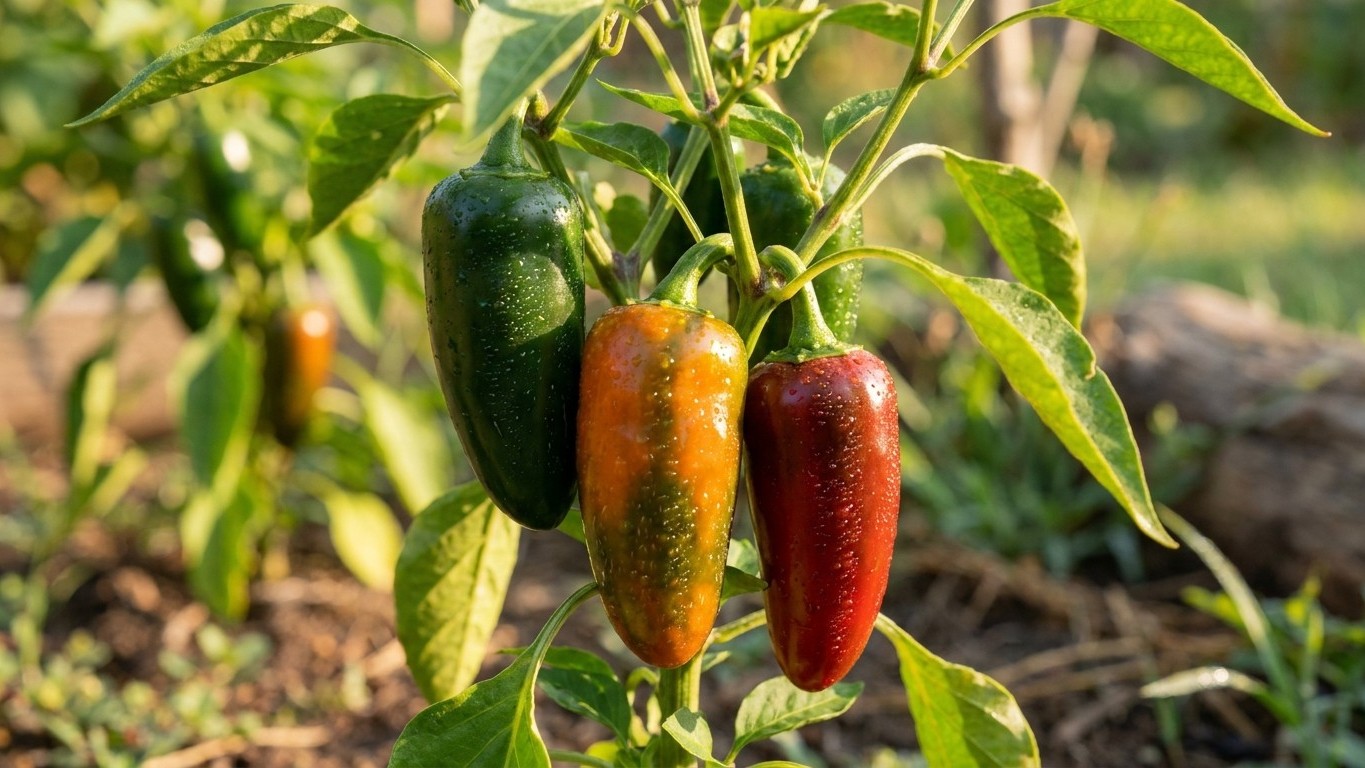

Tula is a jalapeno-type pepper, recommended for home gardens by Clemson Cooperative Extension’s Home & Garden Information Center. That single fact tells you more than the cultivar name ever will: expect a thick-walled, green-to-red fruit built for fresh eating, salsa and pickling, with moderate heat rather than a mild bell or a fiery habanero. Plant timing follows the same rule as every other pepper: wait for warm soil, not a date on the calendar.
What Growing Tula Peppers Actually Gets You
Clemson Cooperative Extension lists Tula among its recommended pepper cultivars for South Carolina gardens, identifying it plainly as a jalapeno type. That’s the extent of what the published record says about it by name. There’s no listed days-to-maturity figure for Tula, no stated fruit length or diameter, and no yield estimate in the extension literature. That’s worth saying outright rather than papering over: a lot of regionally recommended cultivars get a spot on a list because they perform well locally, not because someone has published a data sheet on them.
NC State Extension, which covers pepper cultivars more broadly across types, doesn’t carry a Tula-specific write-up with its own descriptive language the way it does for some other named cultivars. So instead of inventing a fruit size or a flavor note that isn’t on record, the honest answer is: treat Tula as a standard jalapeno for planning purposes, and use the days-to-maturity number printed on your own seed packet as the figure that actually applies to your garden, since seed lots and growing conditions shift that count year to year.
One distinction matters here and gets blurred more often than it should. Some pepper plants sold at garden centers, especially the small, colorful ones marketed for their foliage and fruit color rather than for eating, are ornamental cultivars. Those are not bred or sold as food, and some are not meant to be eaten at all. Tula is not one of those. It’s an edible jalapeno-type cultivar grown for the kitchen, and that separation between decorative pepper plants and food peppers is one every gardener should keep straight before anything ends up on a plate.
How Hot Is a Tula Pepper, Really?
Because Tula is a jalapeno type, its heat sits in the jalapeno range rather than anywhere near a superhot. Published Scoville figures put jalapenos at 2,500 to 8,000 Scoville heat units, a wide band that lands well below extreme cultivars like the Carolina Reaper, which averages 1.64 million Scoville units. That gap is the whole story of pepper heat in one comparison: a jalapeno is a manageable, everyday spice, while a superhot is a different category of food altogether, one that calls for gloves and small quantities.
No Scoville number has been published specifically for Tula, and it would be misleading to assign one just because it falls under the jalapeno label. NC State Extension’s caution about pepper cultivars generally applies here just as much: fruits are edible “but spiciness is unpredictable in intensity.” That line does real work. It means the same plant, grown in two different backyards, or even the same plant in two different seasons, can turn out noticeably hotter or milder.
The mechanism behind that swing isn’t mysterious. Capsaicin, the compound responsible for pepper heat, concentrates under plant stress. A hot, dry stretch with irregular watering tends to push a pepper plant toward hotter fruit, while consistent moisture and moderate temperatures tend to soften it. That’s why two jalapeno plants from the same seed packet, one babied with a drip line and one left to fend for itself through a August dry spell, can taste noticeably different by the time you’re slicing them for salsa. If you want predictable heat, consistent watering matters as much as the cultivar you chose.
What Tula Needs That Other Peppers Don’t
The published record on Tula doesn’t include a growth-habit note, no mention of compact size, container suitability, disease resistance or heat tolerance beyond its inclusion on Clemson’s recommended list for the region. That’s a shorter list of known traits than some gardeners expect from a named cultivar, and again, it’s better to say so than to guess at a trait that isn’t documented.
Days to maturity is the number most gardeners want before anything else, and for Tula specifically, it isn’t published in the extension sources behind this page. Rather than backfill that gap with a jalapeno-average guess, the more useful move is to check the days-to-maturity printed on your own seed packet. Seed producers track that figure for their specific seed lots, and it accounts for variables the general extension literature doesn’t, so it’s the number that will actually predict your harvest window.
The One Rule That Applies Regardless
What does hold true across every pepper cultivar, Tula included, is that peppers are a warm-soil crop. Soil temperature, not the date on a calendar, is what tells a pepper plant it’s safe to grow. Transplant into ground that’s still cold from a late frost or a slow spring, and the plant doesn’t die outright, it just stalls. Roots stop expanding, growth flattens out, and a plant set out three weeks “early” into cold soil frequently ends up behind one planted later into warm ground. If you’re timing your own transplant, the details on when to transplant peppers and on starting pepper seeds indoors cover the soil-temperature thresholds and hardening-off steps that apply here just as much as to any other cultivar.
The Taste and the Use
Jalapenos as a type are built for fresh, punchy use rather than long cooking or drying. The flesh is thick-walled and crisp, with heat concentrated more in the internal ribs and seeds than in the flesh itself, which is why deseeding and deveining a jalapeno noticeably tames a dish without stripping its flavor. That profile is what makes the type a kitchen staple: sliced raw into salsa, stuffed and baked as poppers, sliced into rings for pickling, or diced fresh into guacamole and salads.
Because no cultivar-specific flavor note for Tula appears in either the Clemson or NC State extension material, the honest description here stops at the type. Tula is a jalapeno, and that means moderate, grassy-green heat with a bright, slightly vegetal flavor when eaten fresh, and a deeper, smokier character if smoked and dried into a chipotle, which is simply a ripe, red jalapeno treated that way. Anything more specific about Tula’s flavor beyond that would be a guess dressed up as a fact, and that’s not a trade worth making for a sentence of extra color.
For most home cooks, that jalapeno baseline is exactly what makes the cultivar worth growing in the first place: a fruit predictable enough in type, if not always in exact heat, to plan a summer’s worth of salsa, pickles and stuffed peppers around.
Common questions
Is Tula pepper the same as a regular jalapeno?
Tula is classified as a jalapeno type by Clemson Cooperative Extension, so it shares the same general heat range and culinary use as other jalapeno cultivars, even though its own days-to-maturity and fruit-size figures aren’t separately published.
How hot is a Tula pepper on the Scoville scale?
No Scoville figure has been published specifically for Tula. As a jalapeno type, it falls within the broader jalapeno range of 2,500 to 8,000 Scoville heat units, though extension sources note that actual heat is unpredictable and shifts with growing conditions.
How many days does Tula pepper take to mature?
The extension sources behind this page don’t list a days-to-maturity figure for Tula. Check the number printed on your specific seed packet, since that figure reflects the actual seed lot you’re growing.
Can I plant Tula pepper directly outdoors from seed?
Peppers, including jalapeno types like Tula, need warm soil to grow well, and direct-seeding outdoors in cool spring soil typically stalls growth. Most home gardeners start seed indoors and transplant once soil has warmed, which gives more consistent results than direct sowing in most regions.