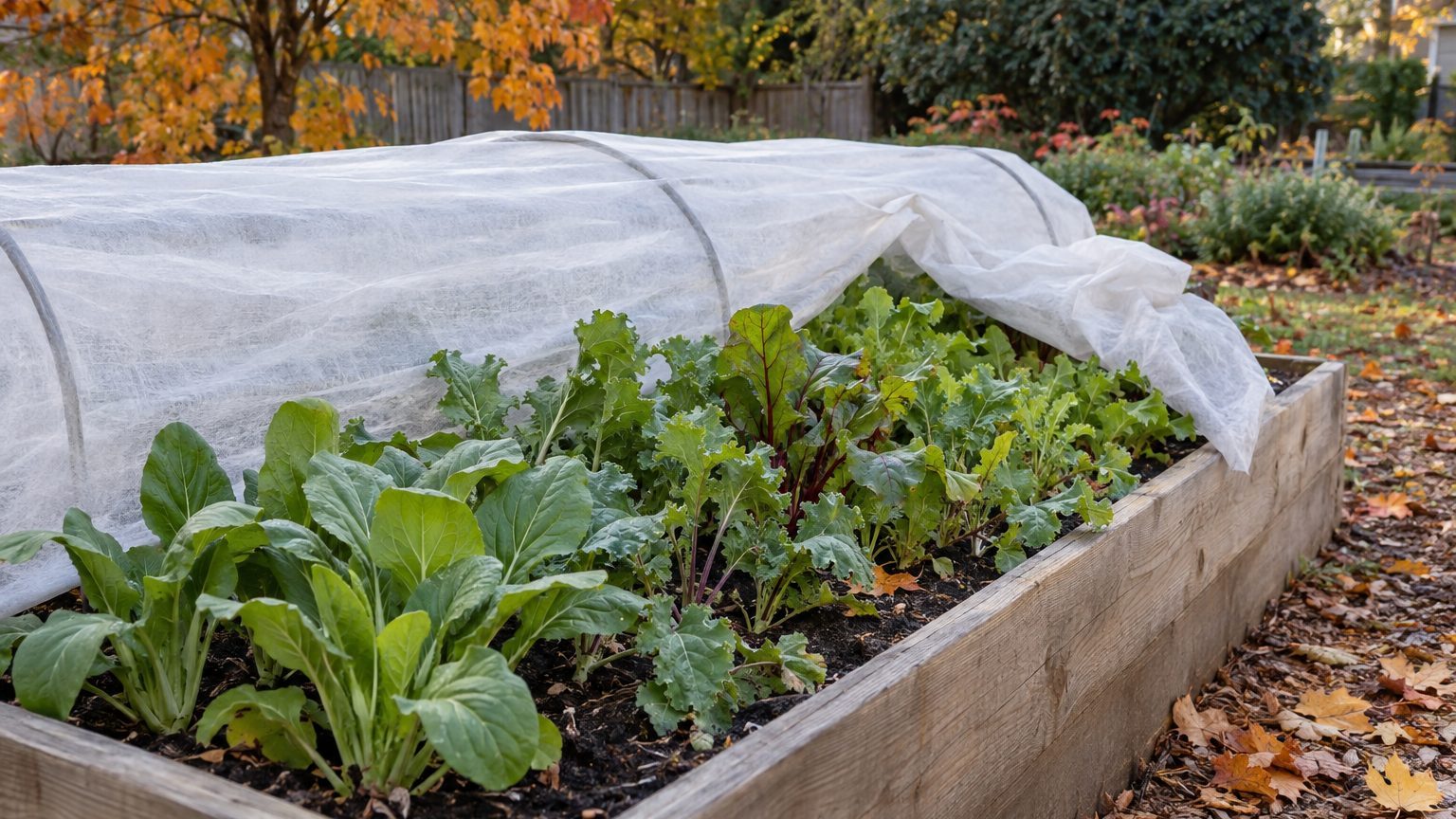

Take the cover off in stages over about a week to ten days. Vent it on mild, overcast mornings, add a few more hours of open air each day, and leave the nights for last. Plants raised under a tunnel, frame or fabric have soft growth that sun, wind and dry air will damage if they get it all at once. Keep the cover within reach until frost danger has passed.
What is actually going on
Why do plants struggle when the cover comes off?
Under a cover the air barely moves, humidity stays high and the light is softened. Plants answer with cheap, tender tissue: large thin leaves, a light waxy coating, stems that have never had to flex in a breeze. Roots stay modest too, because the leaves lose so little water. This is acclimation again, in reverse. A plant raised in still, humid warmth has to rebuild all of that for open ground, and the rebuilding takes days of gradual exposure.
Open air changes three things at once. Wind pulls moisture out of the leaves faster than small roots can replace it, so the leaves wilt and then turn papery at the edges. Direct sun carries its full ultraviolet load, and leaves that never saw it unfiltered bleach into pale blotches. That sunscald does not heal, and the damaged leaves stay damaged. Dry air speeds up both problems. In many gardens, the exit from a cover does more harm than the cold the cover was guarding against, and the damage is often blamed on the weather.
What does a cover actually do about cold?
Soil soaks up heat during the day and gives it back at night. A cover traps part of that heat and keeps the air around the plants still, so the warmth is not carried off by wind. A second layer, such as fabric inside a tunnel, adds another pocket of still air, a point covered in Two Layers Beat One Thick One. The gain is real but variable. It depends on the material, the night, the wind and whether the ground was warm to begin with. On a clear, calm night over cold soil, the gain shrinks.
A cover shifts the limit a plant can take. A hard freeze still gets through, and a bed that was uncovered on the strength of a mild forecast can be lost on one clear night. For the wider picture of what covers buy, see Extending the Season: What a Cover Buys, and What It Cannot.
Ventilation belongs in this picture too. A closed cold frame in spring sun can cook its contents in about an hour, so venting is part of keeping the crop alive, and it is also the first step of hardening off. Plants that have been vented on mild days are already partway through the transition. Small individual covers behave the same way, as described in Cloches and Individual Covers.
In the garden
How do you harden off plants that have been under cover?
The schedule below runs about ten days. Treat it as a pattern, and stretch it if the weather is rough or the plants are very soft. Everything here is passive: more air, more light and more wind, added a little at a time.
| Stage | What to do | What goes wrong if you skip it |
|---|---|---|
| Before day 1 | Start venting the frame or tunnel for a few hours on mild days. Leave a lid propped or the ends open. | A closed frame overheats in spring sun and the plants cook, sometimes in an hour. |
| Days 1 to 2 | Open the cover fully for a few hours in the mildest part of the day, on an overcast or lightly shaded day. | Leaves that never met direct sun scorch and bleach, and the damage stays on the plant. |
| Days 3 to 5 | Extend the open time to most of the daylight hours. Allow morning sun and some breeze. | Wind dries out leaves faster than small roots can supply water. Leaves shred and tall stems snap. |
| Days 6 to 7 | Leave the plants uncovered all day. Water in the morning so the soil does not run dry. | A small root system in dry soil under open sky leads to wilting, stalled growth and stress-related bolting in some crops. |
| Days 8 to 10 | Leave them out overnight when the forecast is mild. Keep the cover folded nearby. | A clear, still night after a warm day can drop below what the plants can take, with nothing at hand to cover them. |
What weather should you avoid for hardening off?
Skip the hot, sunny, windy day. It stacks all three stresses on soft leaves at once. Be careful too on the first bright day after a long gray spell, because plants adapted to weak light burn faster than the sky suggests. Hold off when a clear, calm night is forecast near freezing, since those are the nights when heat radiates out of the ground fastest. Cold, driving rain is a poor choice as well, since soft stems bruise and the foliage stays wet.
If the weather turns mid-schedule, pause. Put the cover back for the bad day or night and resume where you left off. Going backward a step costs a day, while pressing ahead can cost the plants. Check the forecast each evening during the process, and if you are unsure, give the plants one more day of partial exposure.
What it depends on where you are
The mechanism is the same everywhere: soft growth needs gradual exposure to sun, wind and dry air. The staging pattern holds up almost anywhere too. A few hours open, then most of a day, then nights. Ventilating a closed structure is equally universal.
What changes from place to place is the calendar and the weather around it. Season length decides how long the covers stay on in the first place. Where the season is short, covers stay late and the transition lands close to the last frost, which leaves little room for error. Where winters are mild, covers often come off early and the window for gradual exposure is wide.
Summer heat matters as well. Where spring turns hot fast, a cover left closed becomes a hazard within days, so the transition is compressed and venting starts early. Summer rainfall changes the picture in a different way. In humid regions, trapped moisture under a cover invites fungal disease, and plants that have sat in that damp air often need a slower, drier introduction to open conditions. In dry regions, wind and low humidity are the main threat and watering during the transition matters more.
Local conditions override any general rule, including the ten-day pattern above. The state pages on this site cover the climate differences that apply to your region. Your county extension office knows your last-frost timing, your typical spring wind and your soil, and it can tell you what local growers do. A few years of notes on when your own beds warm up will sharpen that advice further.
The mistake that costs the most
Taking the cover off all at once. It usually happens on the first sunny, warm day of spring, when the frame looks stuffy, the plants look eager and the gardener lifts everything away. By evening the leaves are limp. By the next morning some have bleached to a pale tan.
The reason is that the plants never had a chance to adjust. Leaves built in still, humid, filtered light are hit by full sun, wind and dry air in a single step. Sudden exposure destroys more soft growth than most frosts do, because the plant has no time to thicken its leaves, close its pores in response to dry air or send roots out to meet demand. Sunscald does not reverse, and any leaf that bleached stays pale until it drops. A plant with its growing point intact can recover, but it loses a week or more of growth, and that setback often wipes out the head start the cover was supposed to provide.
The fix is to treat removal as a process with a schedule. Vent first, even before you begin. Expose the plants to open air for only a few hours at first, on an overcast or mild day, then add time daily. Keep the cover folded nearby until nights are reliably mild, and put it back on any evening when frost is possible. If your schedule slips because of work or weather, hold at the last stage the plants handled well instead of catching up. The cover earned its place by shifting the limit for a while. Taking it off gradually keeps those gains once the plants are on their own.
Common questions
How long does hardening off take?
Plan on about a week to ten days. Tougher plants can sometimes finish in less, and very soft ones, or a cold, windy spring, may need longer. Watch the leaves. If they hold their color and stay firm through a full day outdoors, the plants are ready for nights.
Do plants grown under fabric in the ground need hardening off?
Yes, though it is shorter. Fabric moderates wind and sun less than a frame does, but the growth under it is still softer than growth in the open. Lift or vent the fabric for part of the day for several days before removing it. Choose an overcast day for the final removal.
Can I harden off plants in the rain?
Light, warm rain is fine and can help. Cold, heavy or driving rain is a poor day for it, because soft stems bruise and wet foliage invites disease. If rain is coming, put the cover back and resume the next day.
What if frost is forecast partway through hardening off?
Put the cover back for that night and keep the plants covered. A cover shifts the limit, so a light frost may be survivable, but a hard freeze can still get through. Use a second layer if you have one, and vent in the morning once the air warms so the plants do not overheat.