When to Sow Cover Crops in Ohio
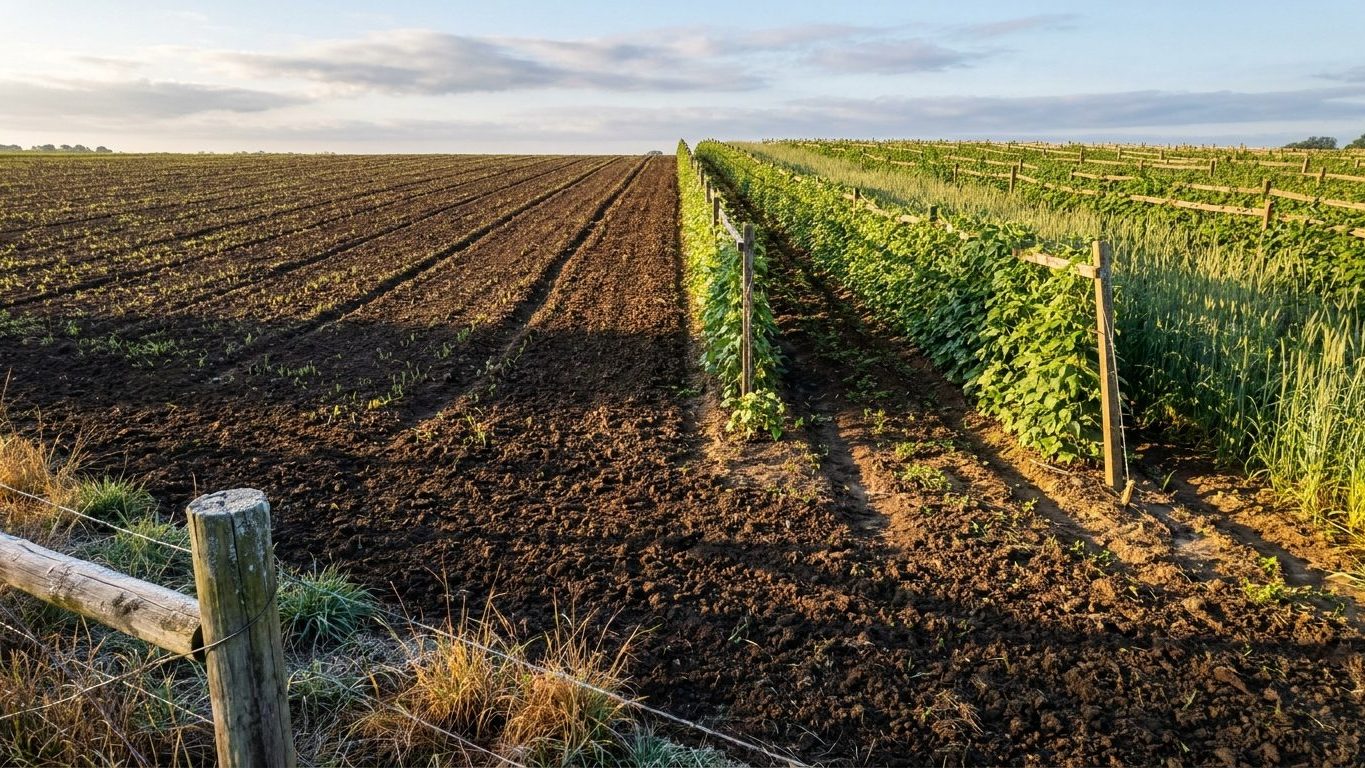
Ohio’s cover crop calendar splits into two windows, not one. The larger window runs from late summer through the first fall frost, October 5 to October…
Home & garden, state by state
Ohio’s cover crop calendar splits into two windows, not one. The larger window runs from late summer through the first fall frost, October 5 to October…
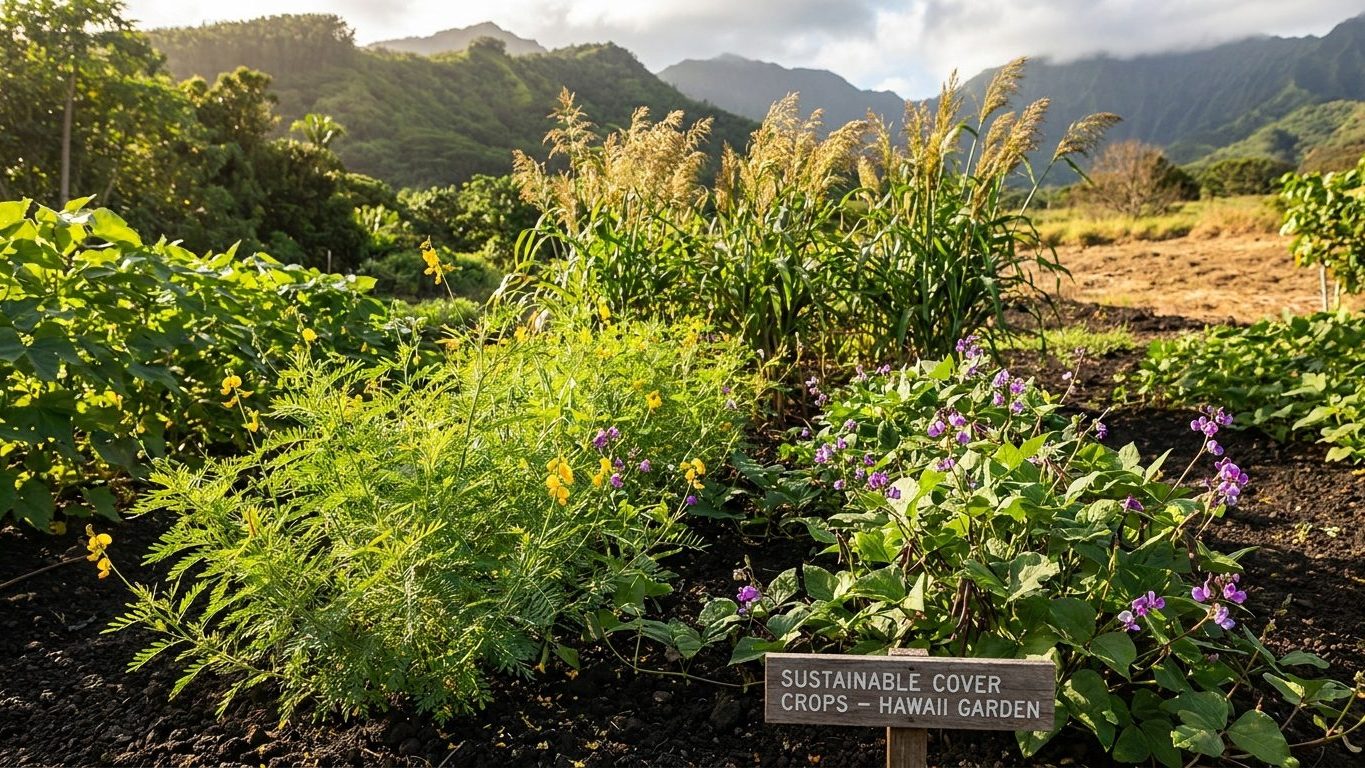
The best cover crops for most of Ohio are cereal rye, oats, and crimson clover for fall-planted fields, with buckwheat working only as a fast summer…
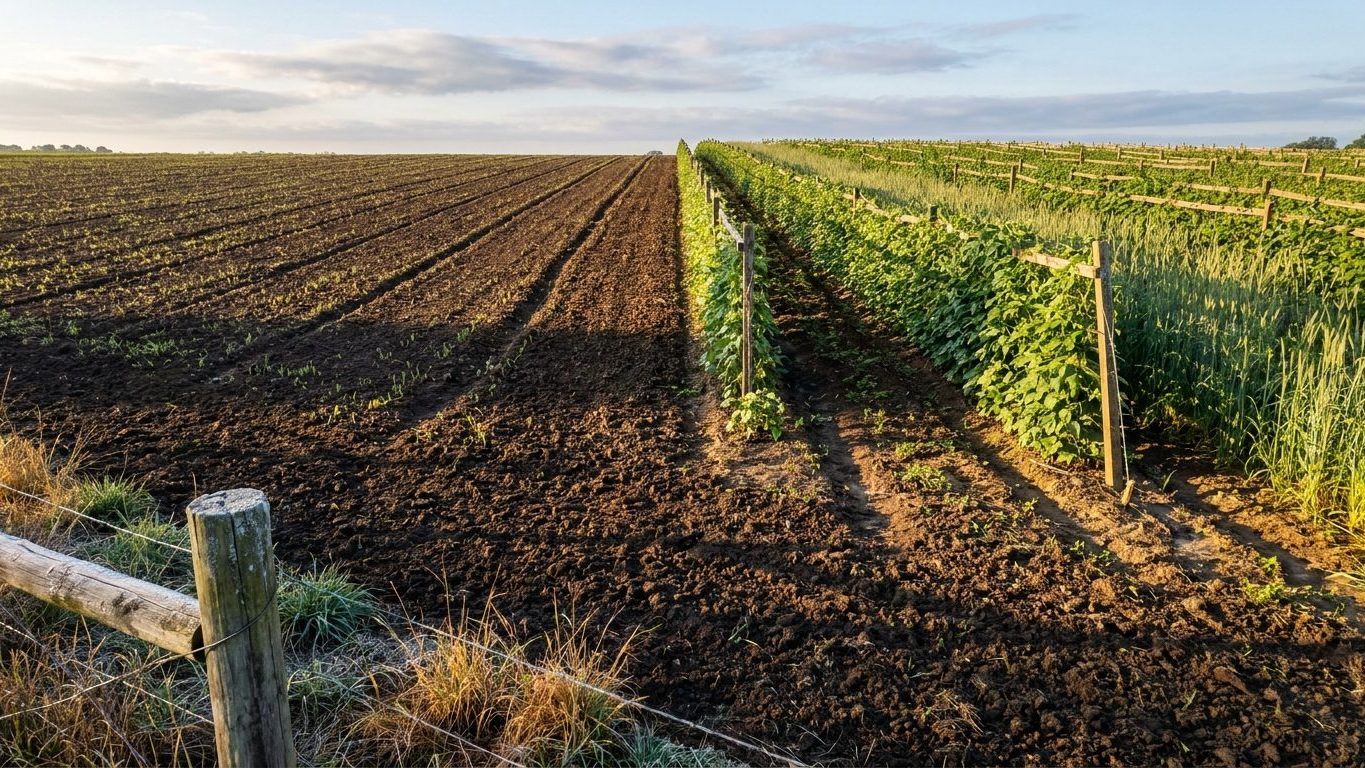
Nunavut’s cover crop window sits between two averages: the last spring frost near June 19 and the first fall frost near September 13.
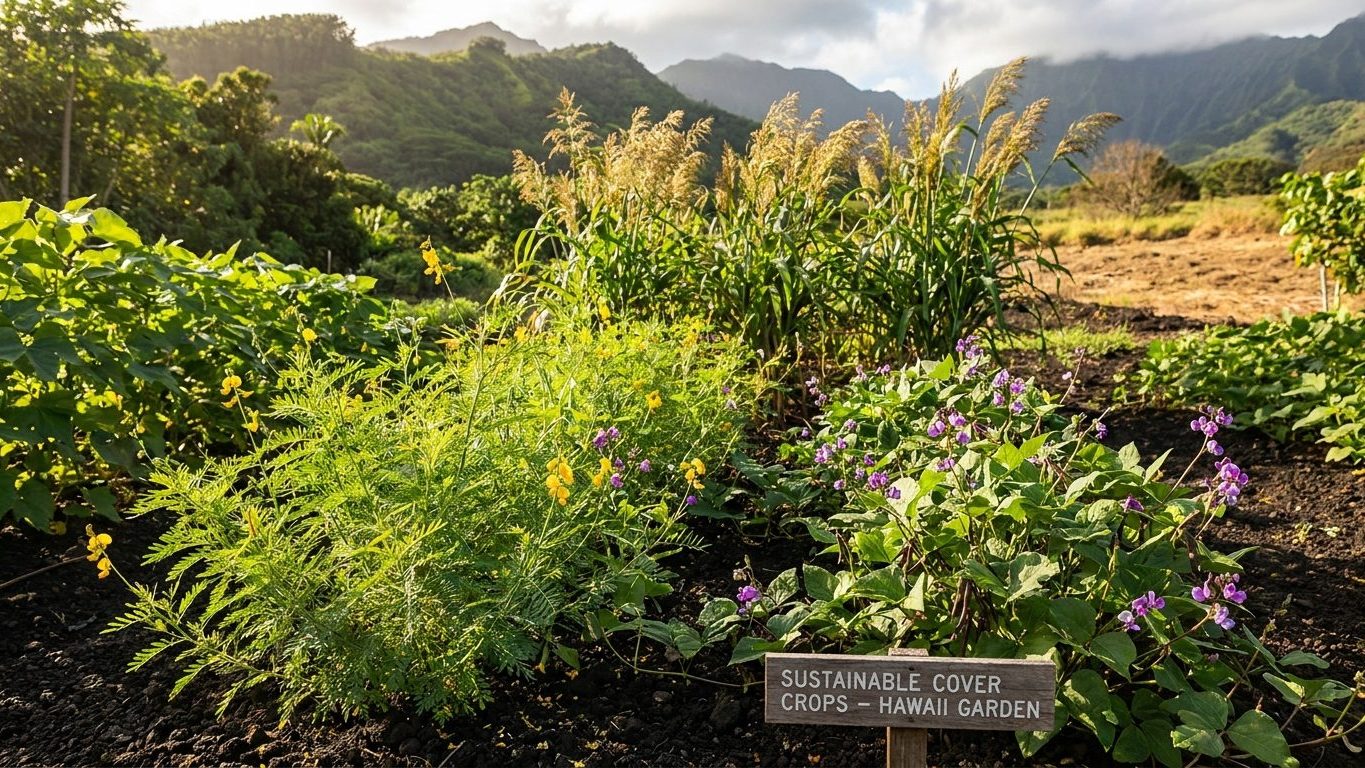
In Nunavut, the only cover crops with a realistic shot at establishing are the fastest cool-season cereals, annual oats or spring-sown cereal rye, used…
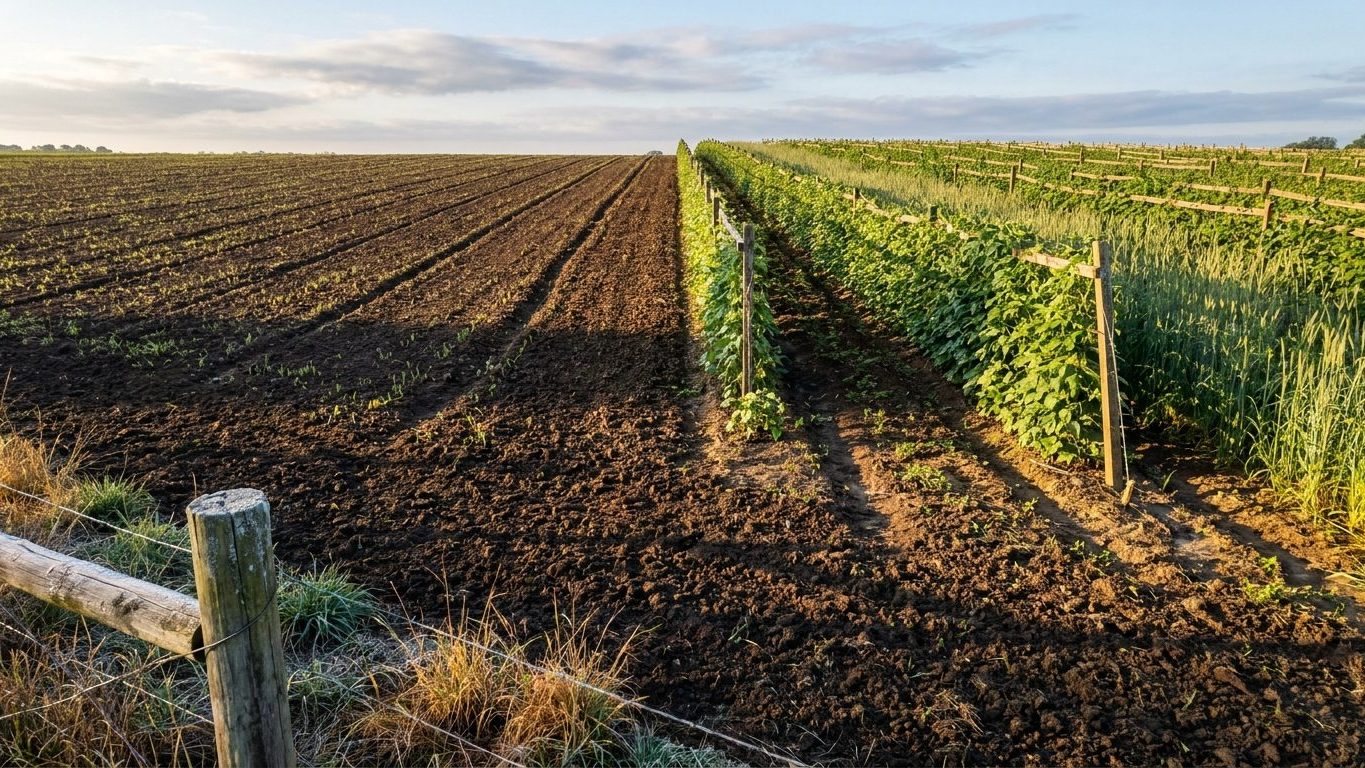
Sow winterkill covers like oats, field peas, or forage radish in late July through mid-August, and fall-established covers like winter rye by early…
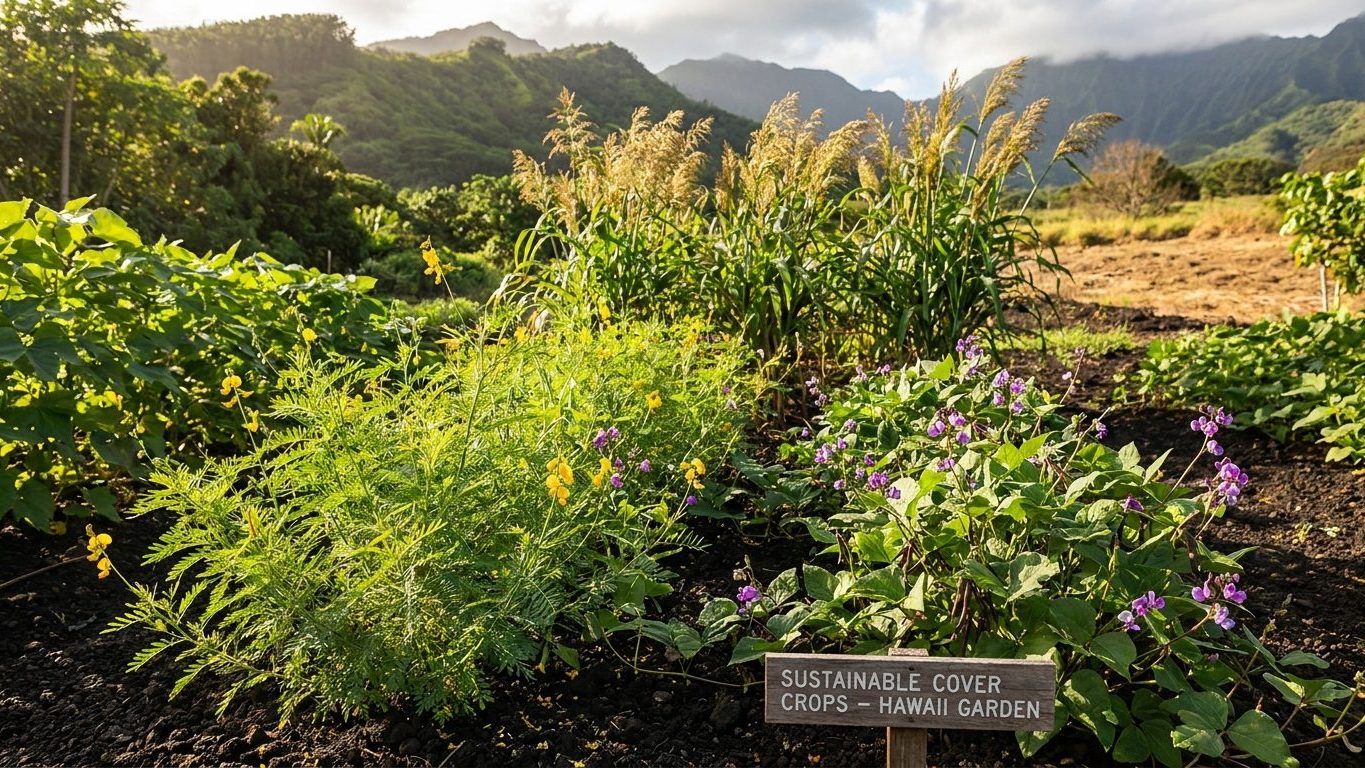
Fall-sown, frost-hardy species are the safe default for Nova Scotia cover crops: winter rye and oilseed radish handle the province’s cold snaps and short…
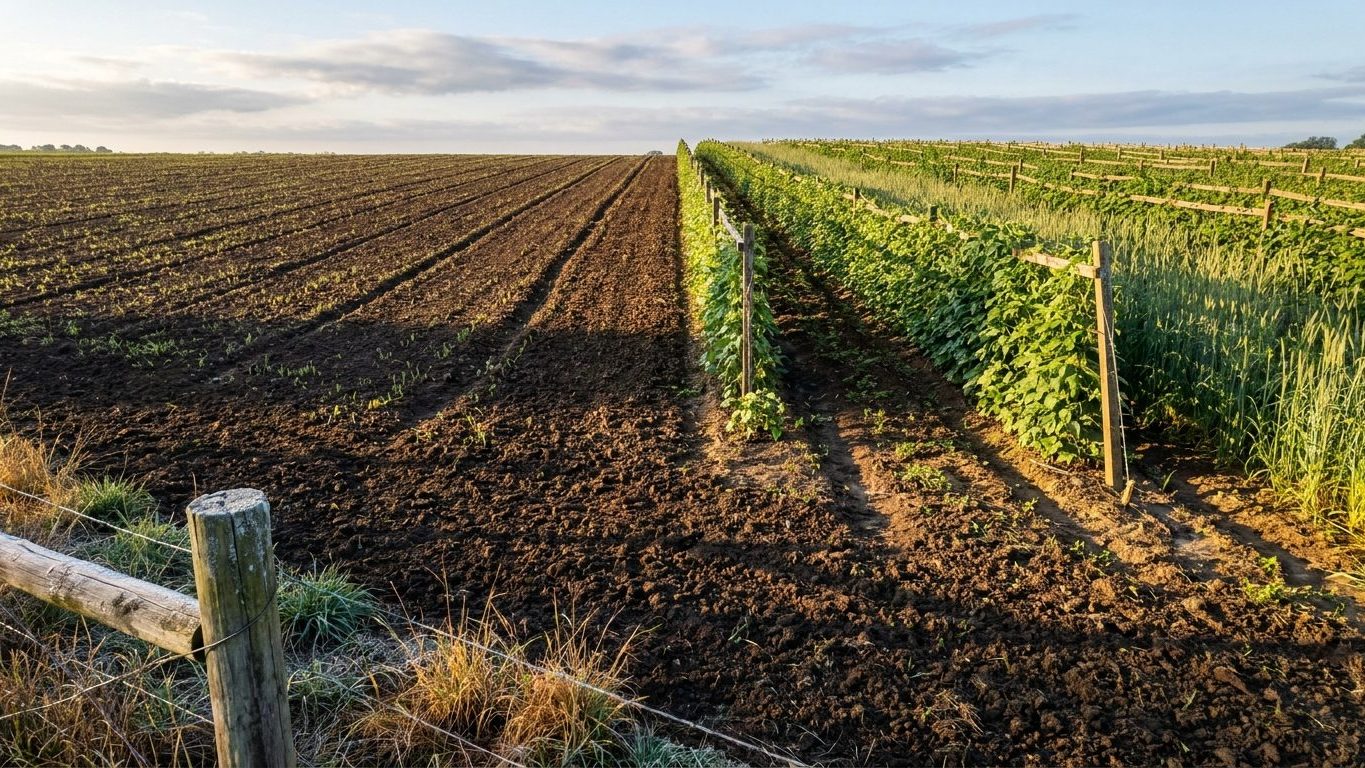
In the Northwest Territories, cover crops go into the ground only after the last spring frost, which lands around May 25 on average at Yellowknife.
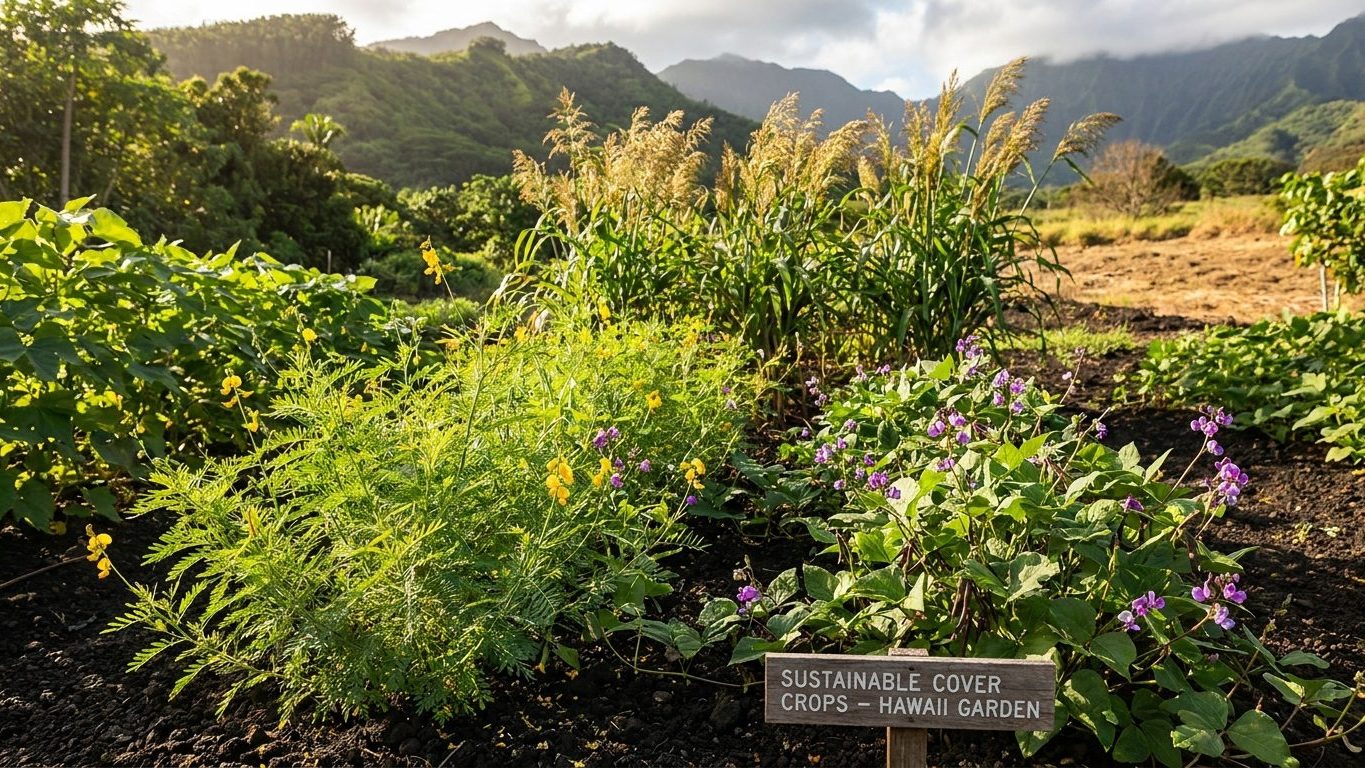
Cereal rye, oats, and field peas top the list for Northwest Territories gardens and small plots.
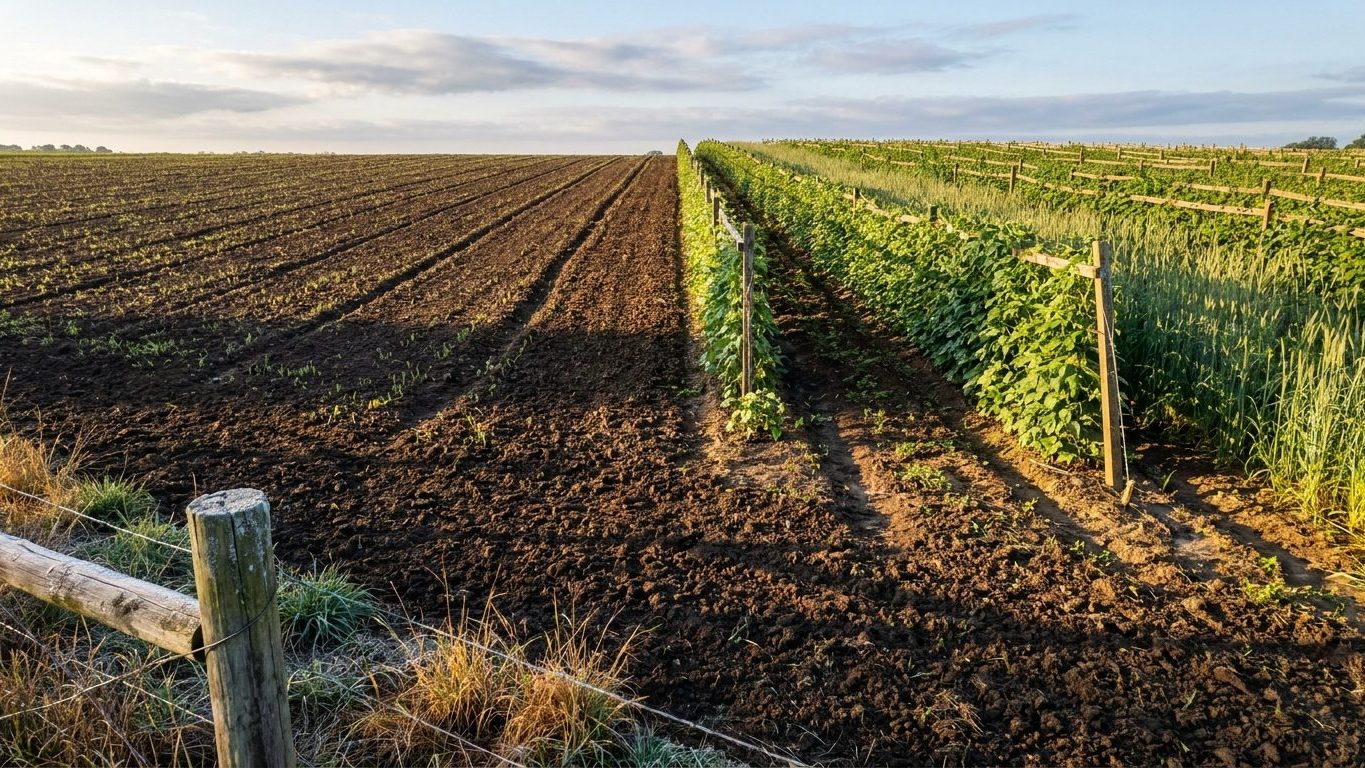
Cover crops in North Dakota go in the ground on two different clocks, not one.
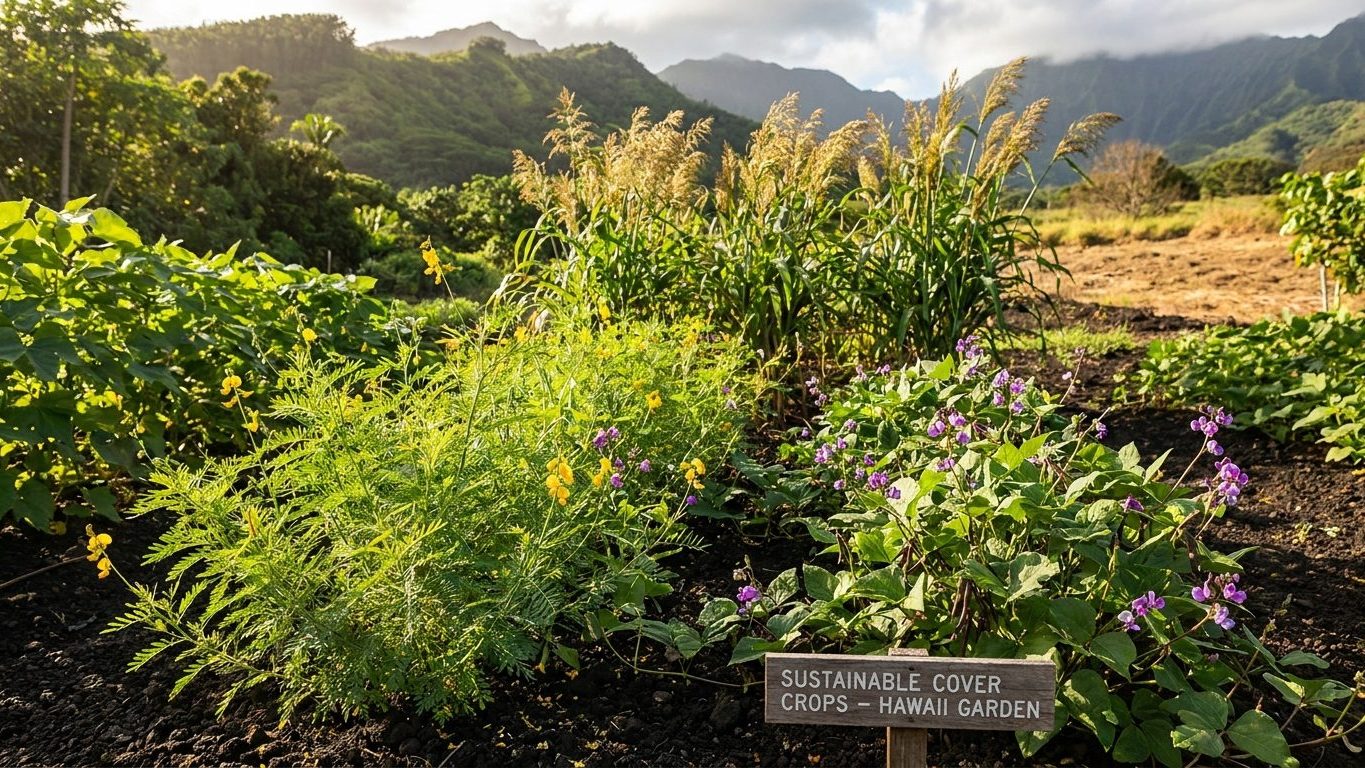
Cereal rye is the safest bet for North Dakota gardens and fields, since it’s the only common cover crop built to survive a winter this cold.