The Best Collards and Greens for Idaho
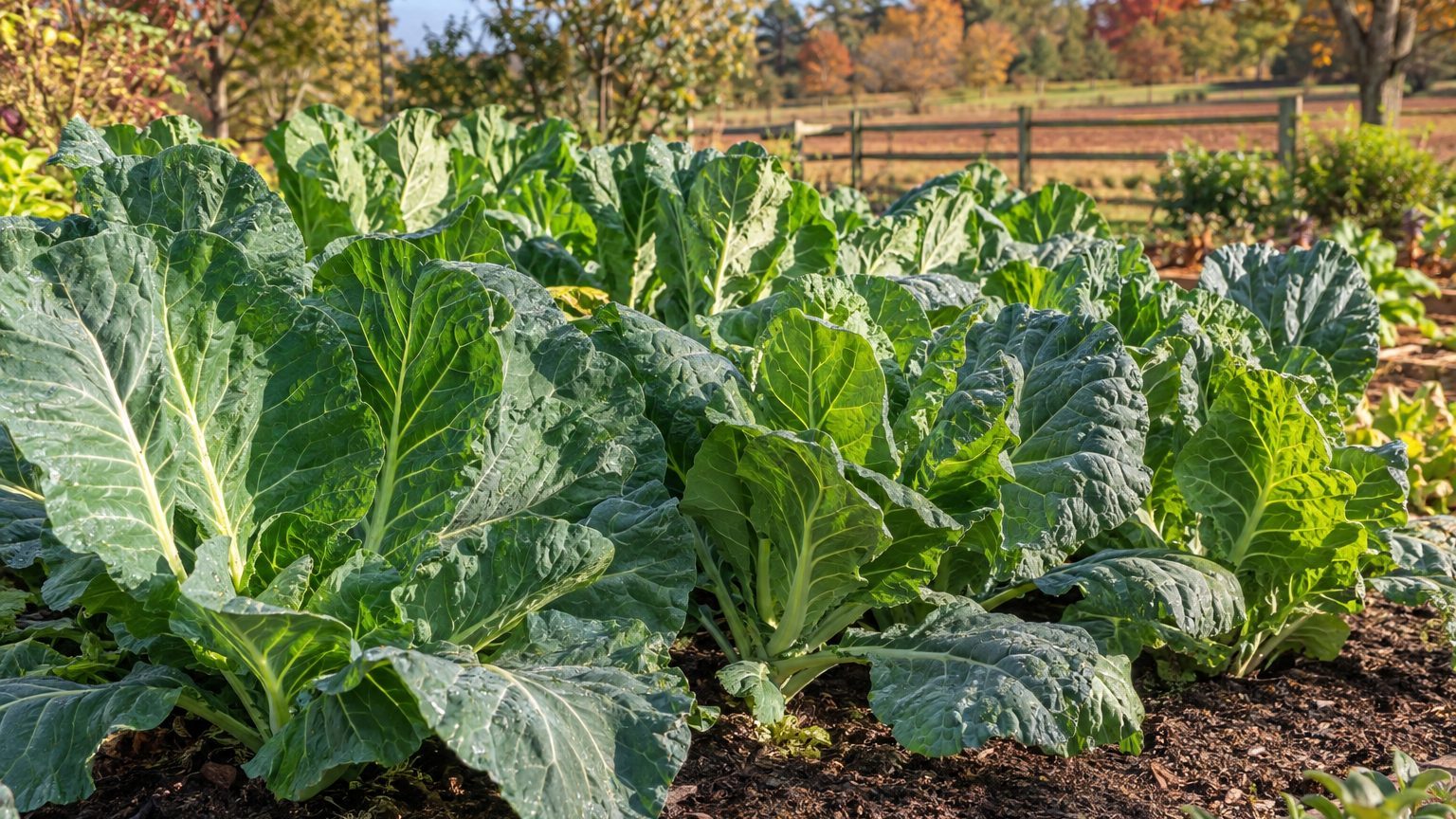
Idaho’s answer depends entirely on where in the state a garden sits. In the mild Boise valley, a fast collard like a Vates or Georgia Southern type and a…
Home & garden, state by state
Idaho’s answer depends entirely on where in the state a garden sits. In the mild Boise valley, a fast collard like a Vates or Georgia Southern type and a…
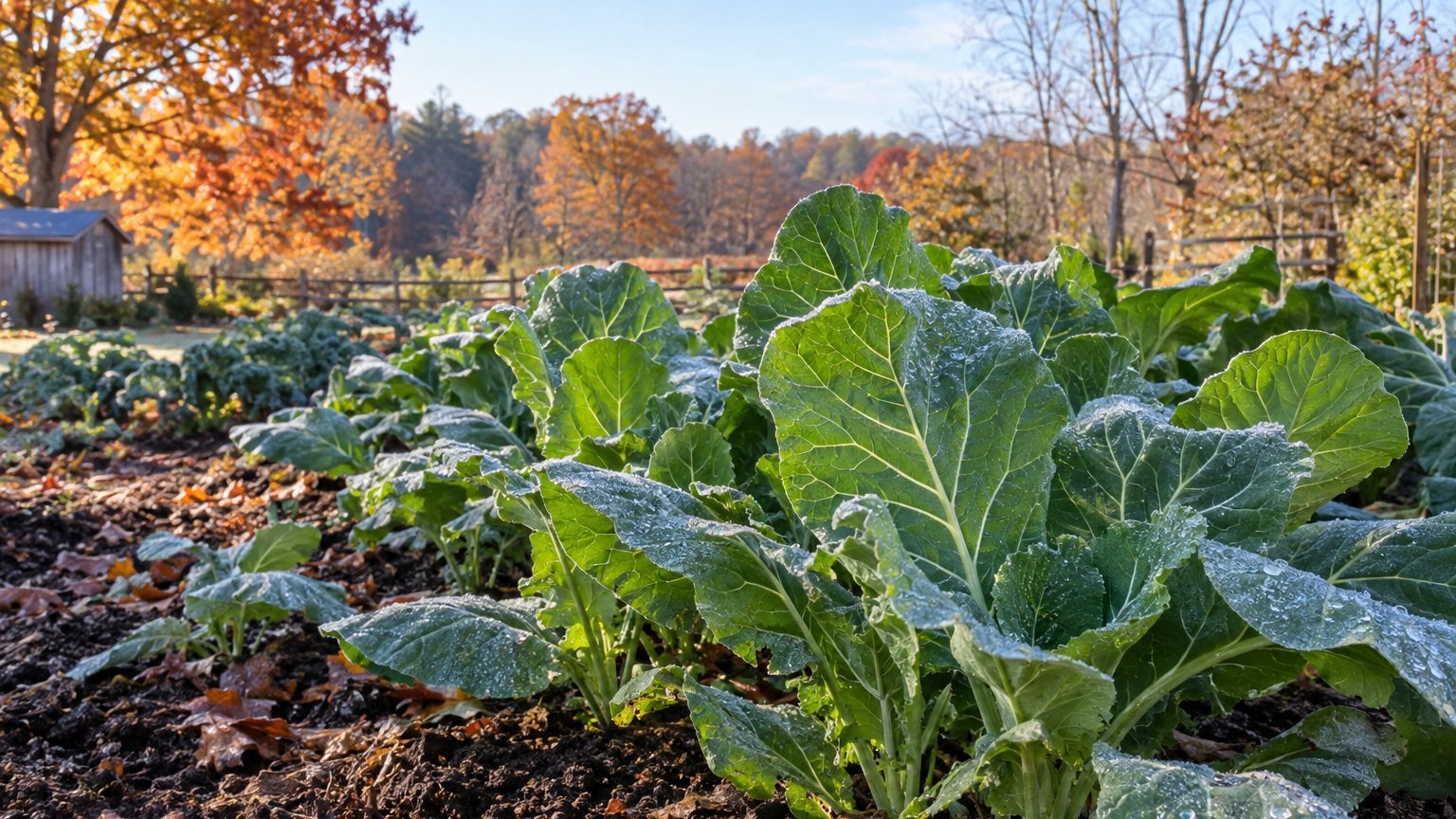
Collards grow year-round in lowland Hawaii because there is no frost season to schedule around.
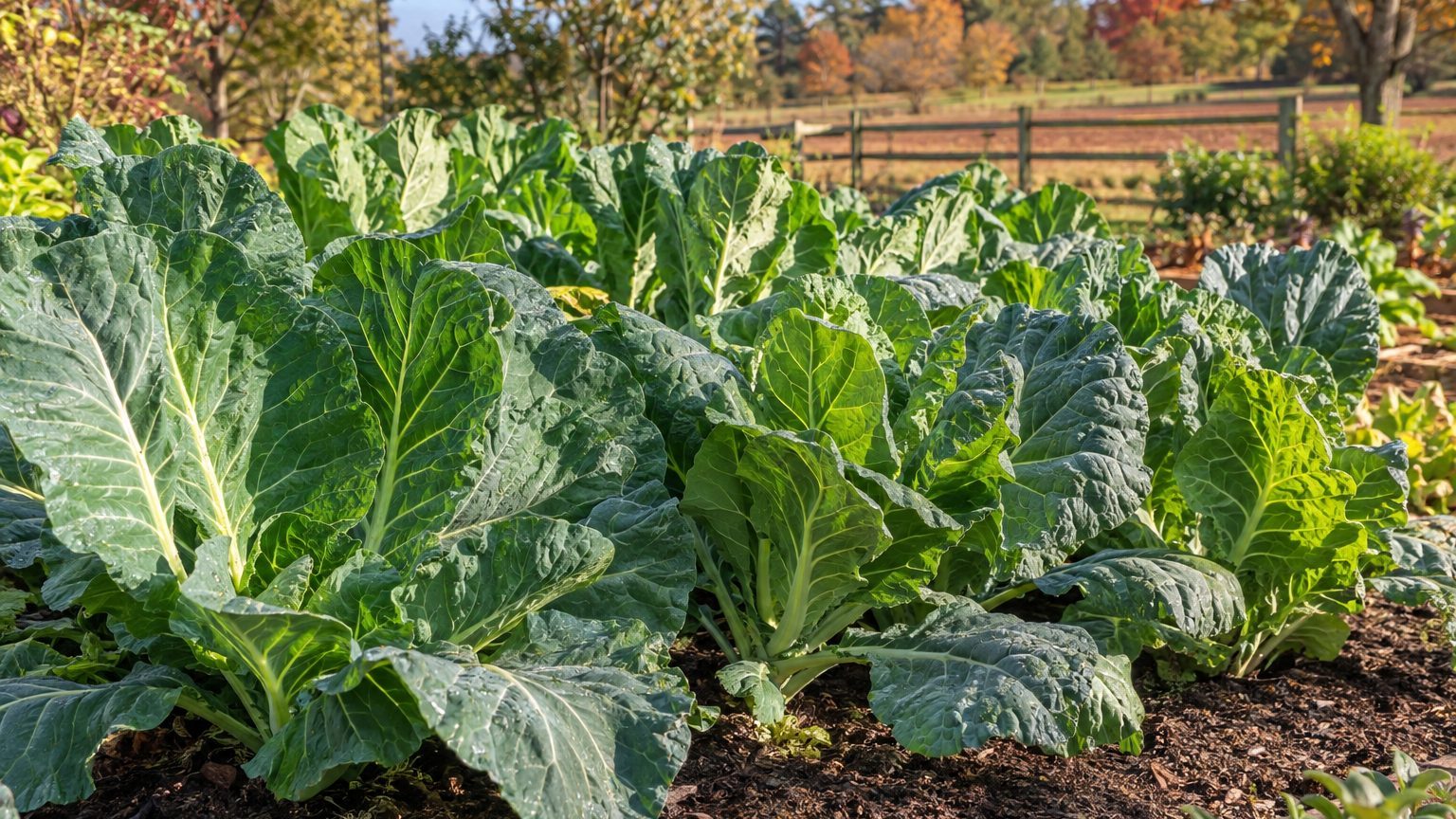
The best collards for Hawaii are heat-tolerant, slow-bolt strains such as Georgia Southern and Vates-type seed, grown alongside heat-tough mustard and…
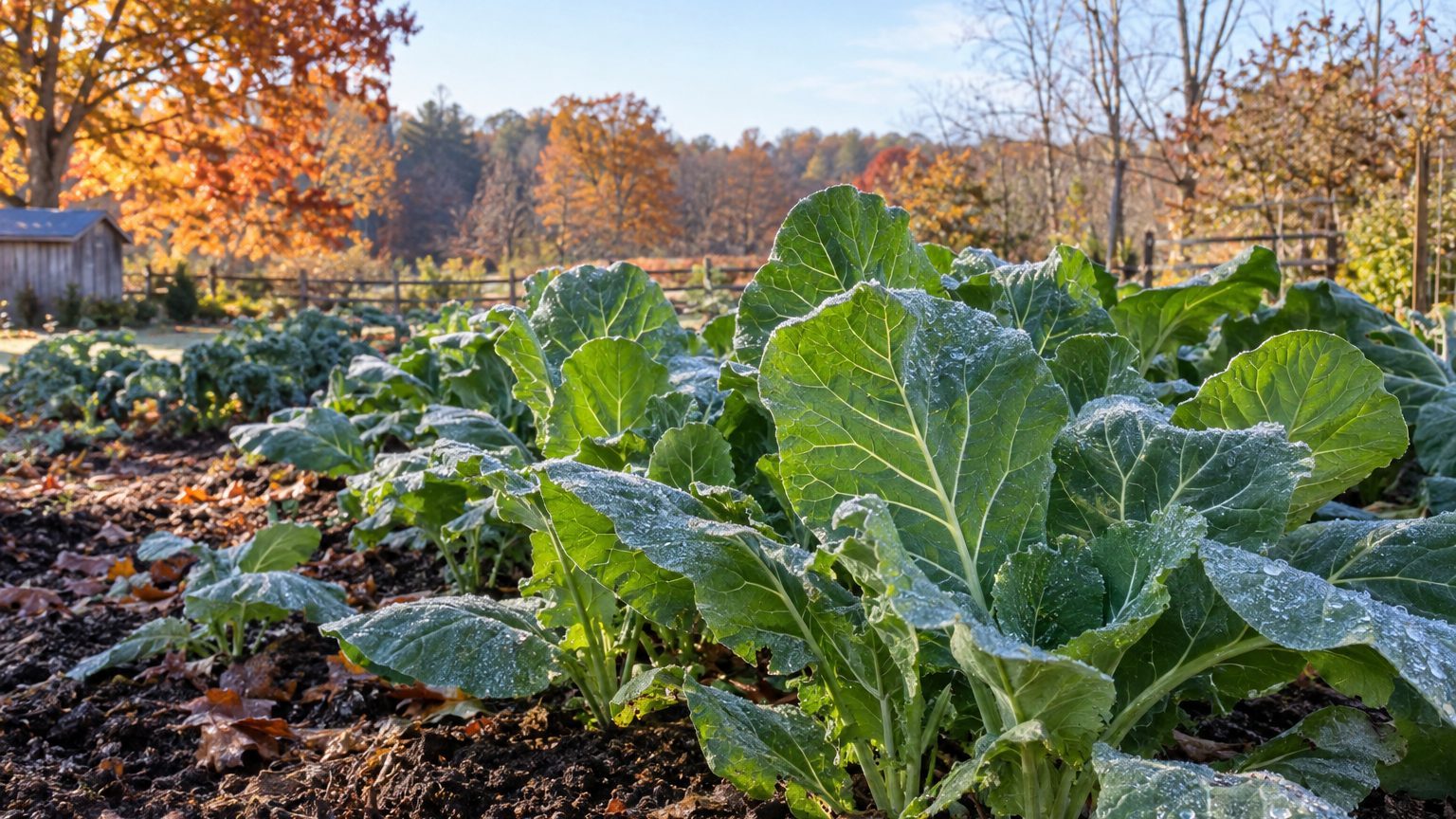
Georgia gardeners plant collards twice: once in late winter for a spring harvest, and again in mid-summer for the fall-into-winter crop that most of the…
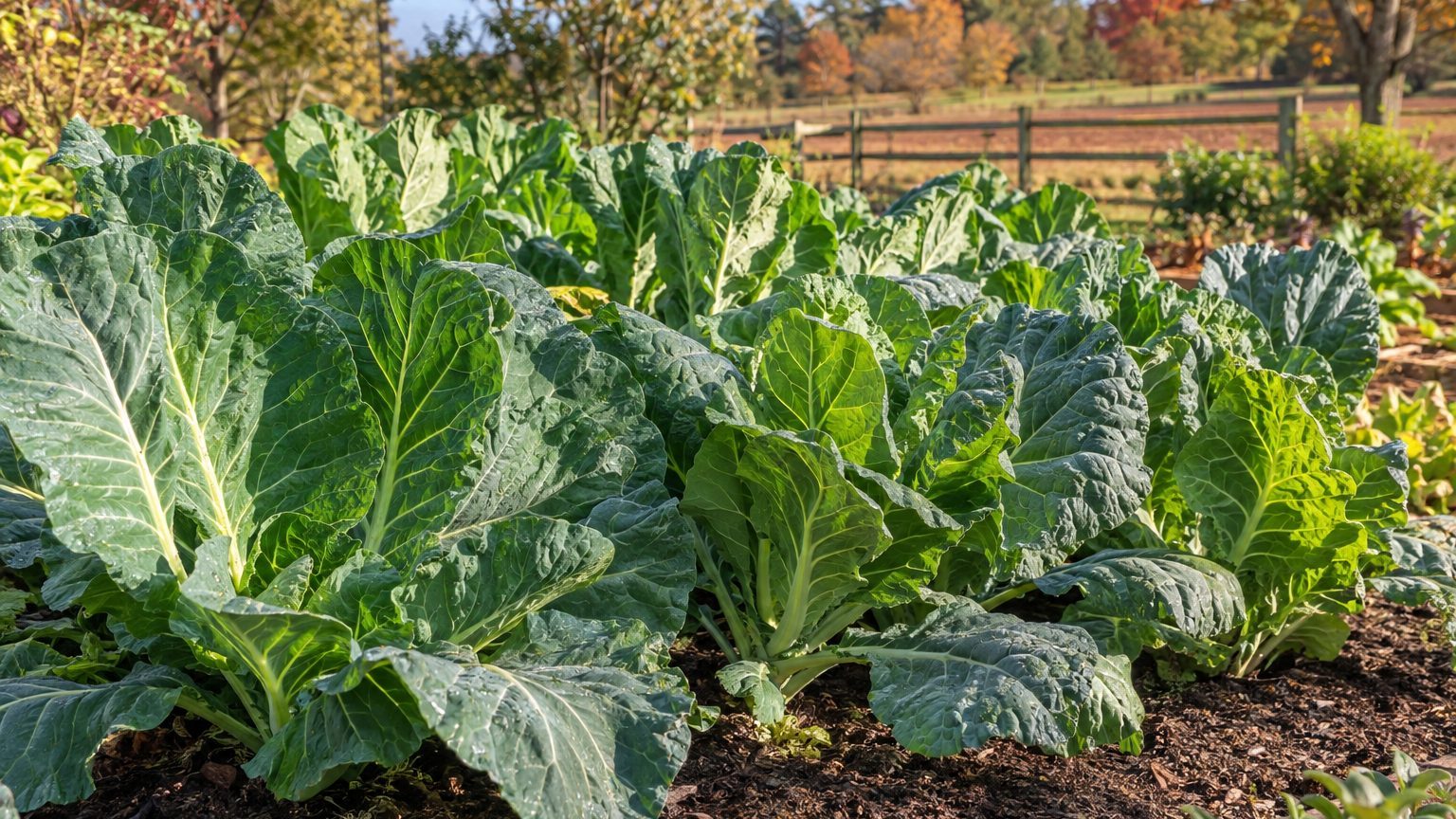
Georgia’s long, humid growing season favors heat-tolerant, slow-bolting collards over the fast-maturing types bred for shorter northern seasons.
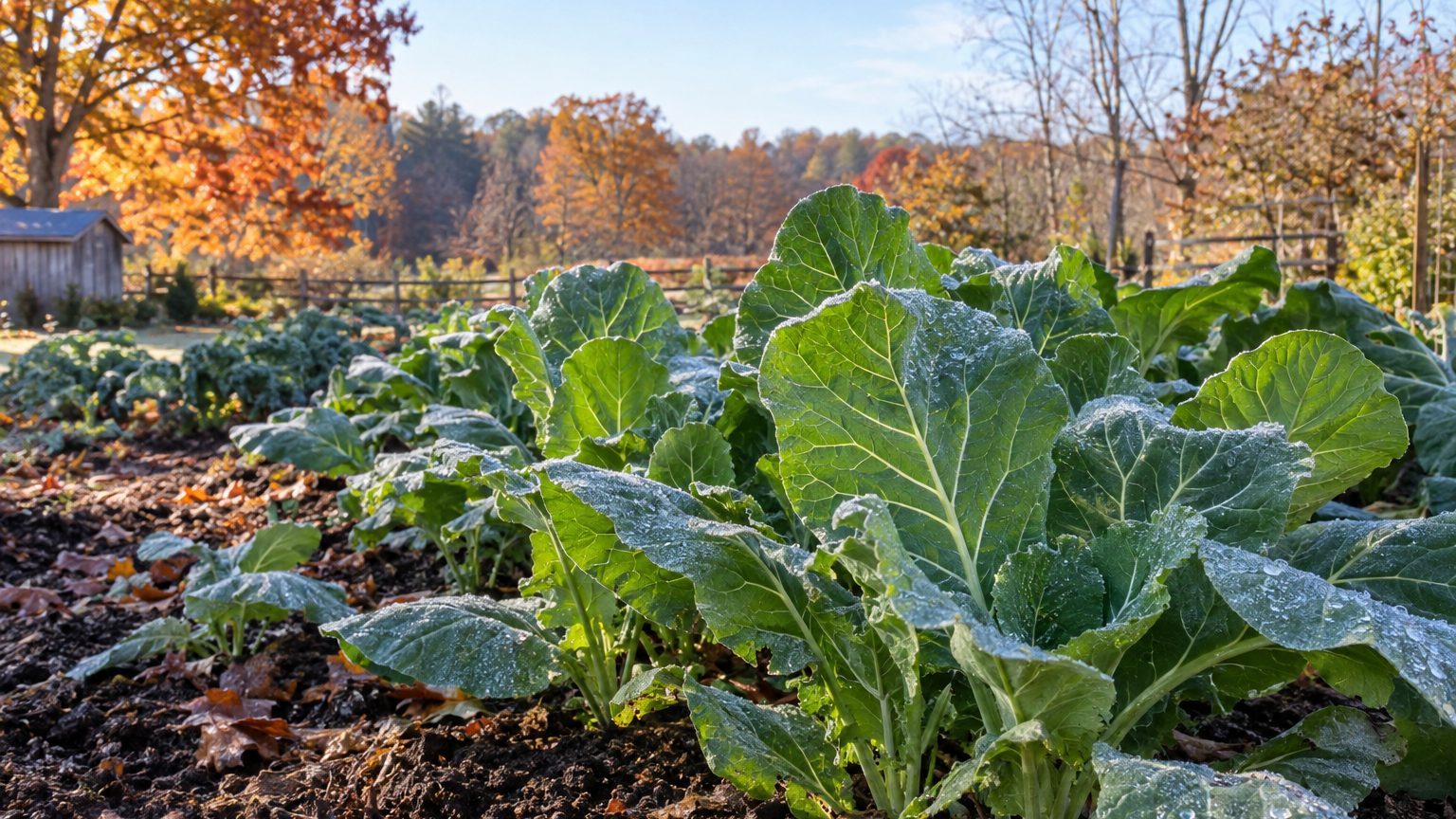
North Florida gardeners get two real windows: set out spring transplants once the last frost risk clears between February 16 and March 7, or sow the more…
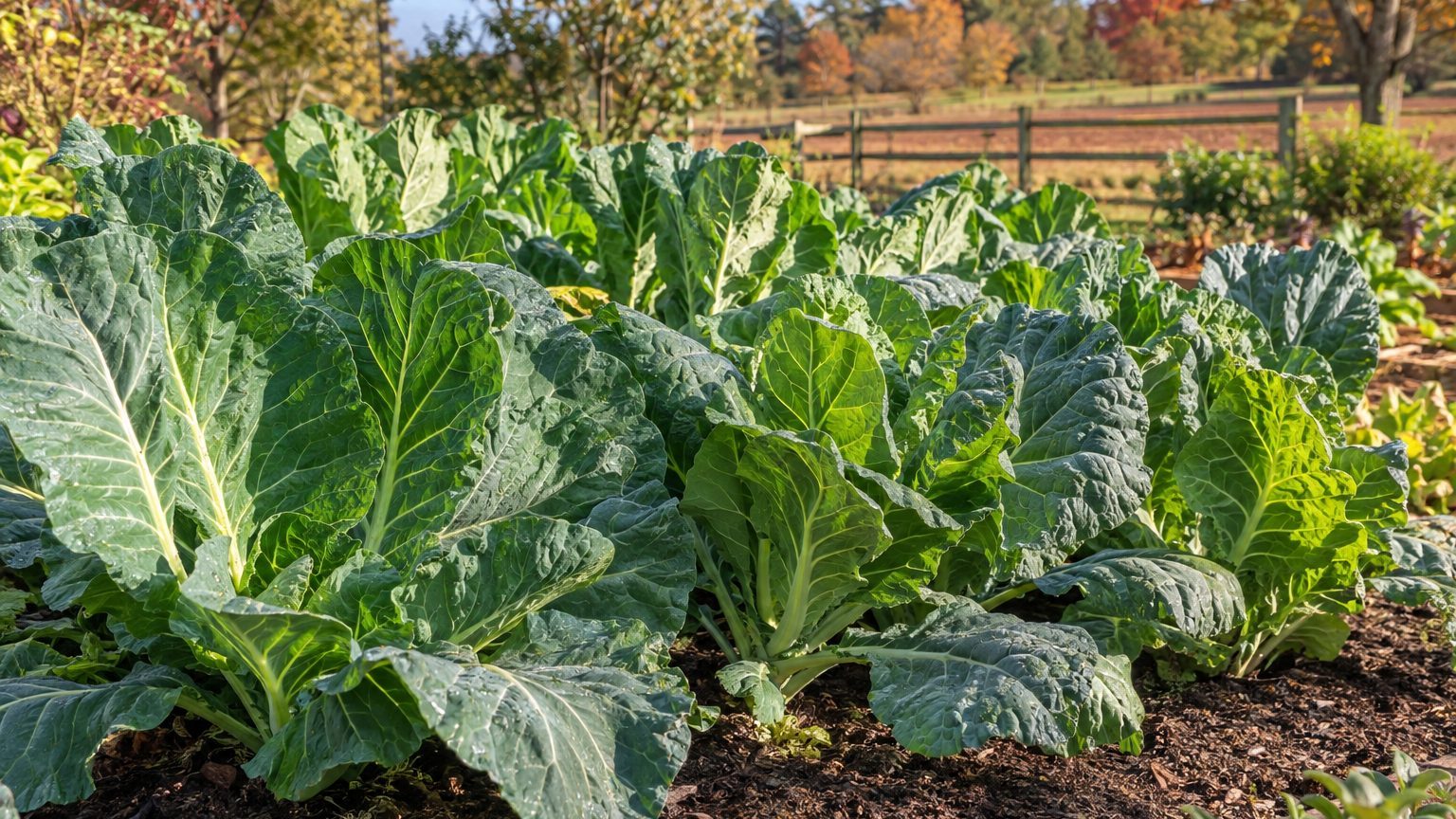
Florida’s growing conditions split so sharply from Jacksonville to Miami that there isn’t one “best” collard for the whole state.
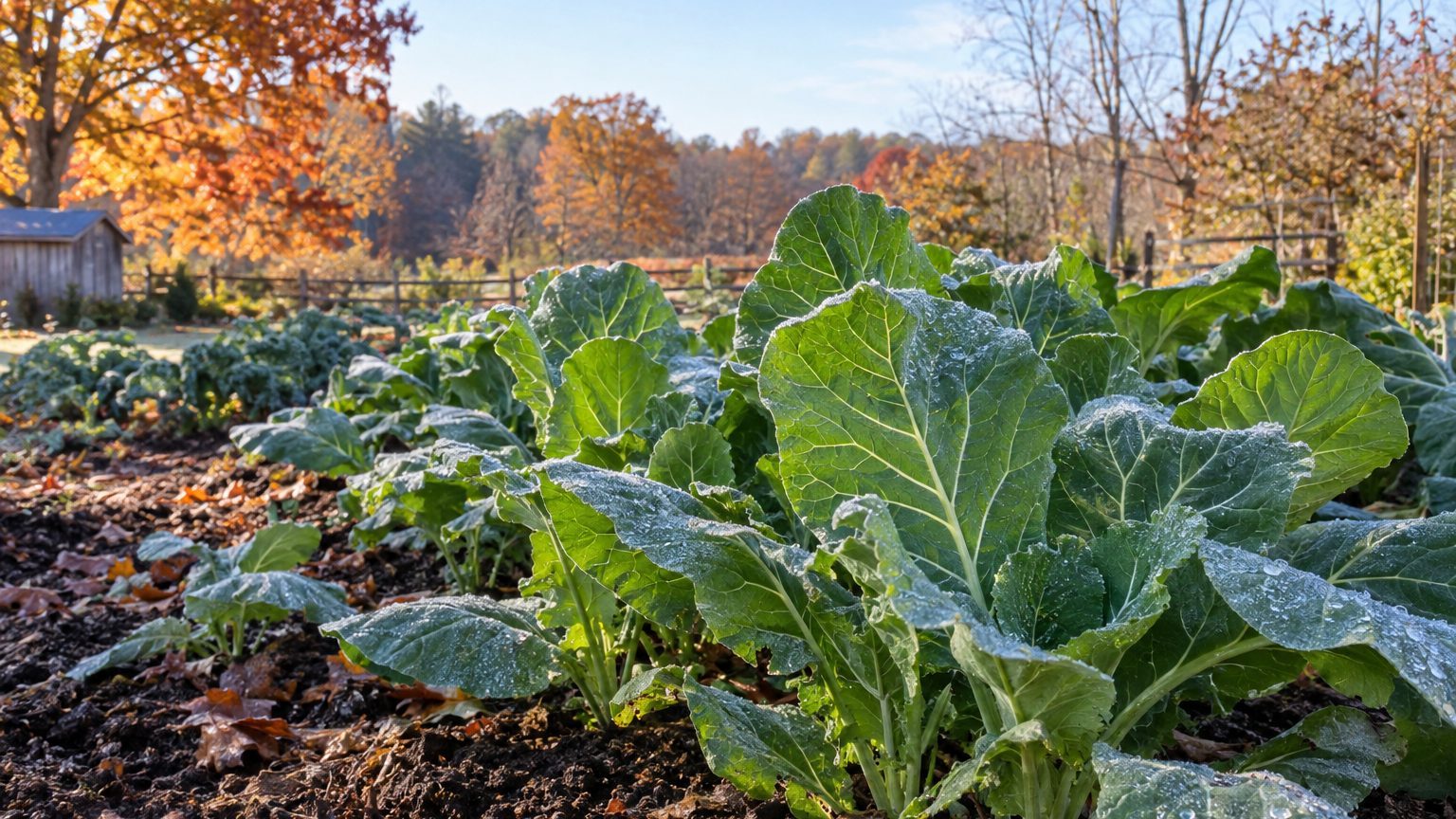
Delaware gardeners get two sowing windows for collards: a short spring one that risks bolting, and a longer, more forgiving fall window built around the…
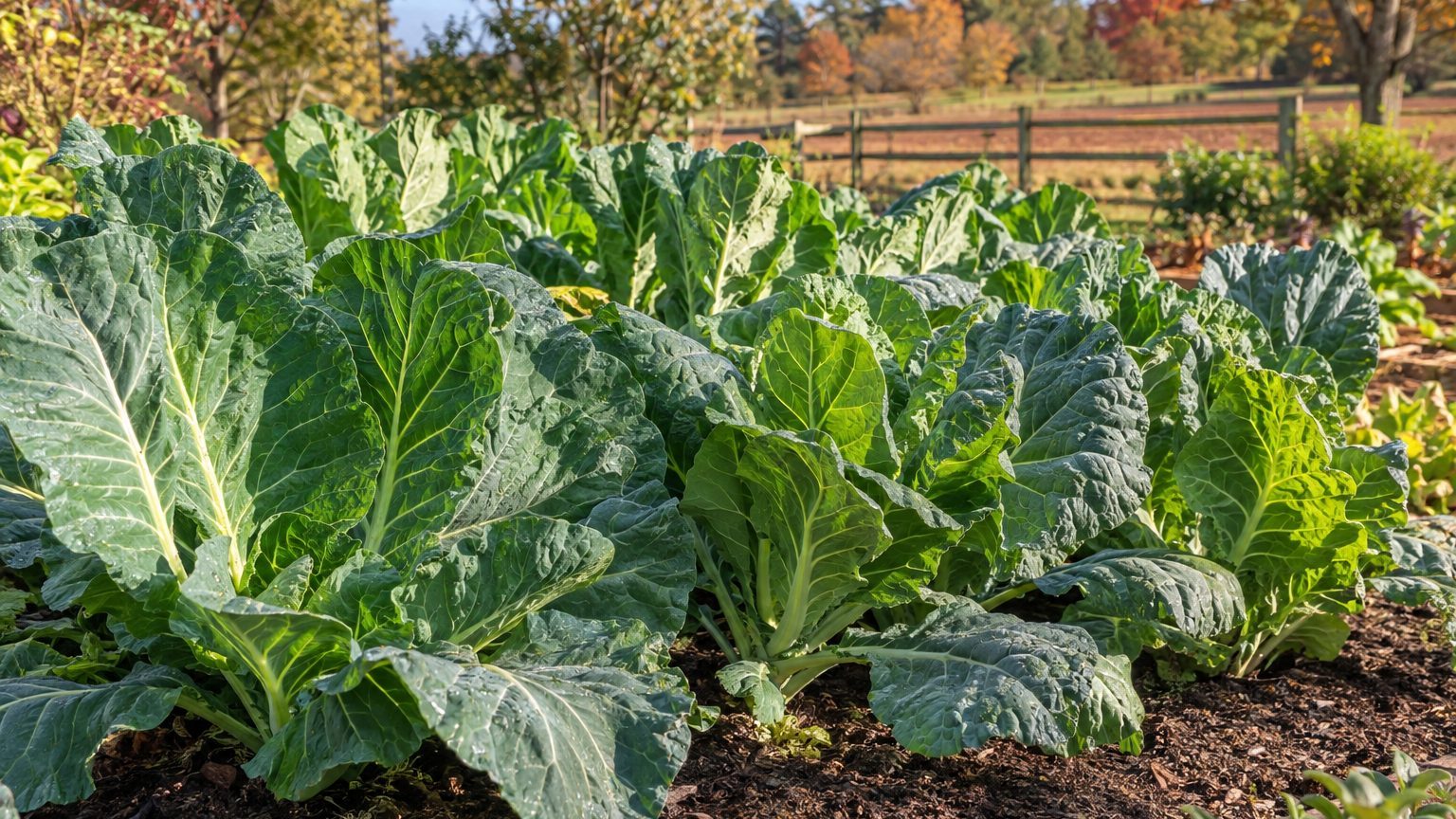
Delaware’s frost dates put its growing season on the long side for collards, and its zone 7a-8a range means winter cold is rarely the enemy it is farther…
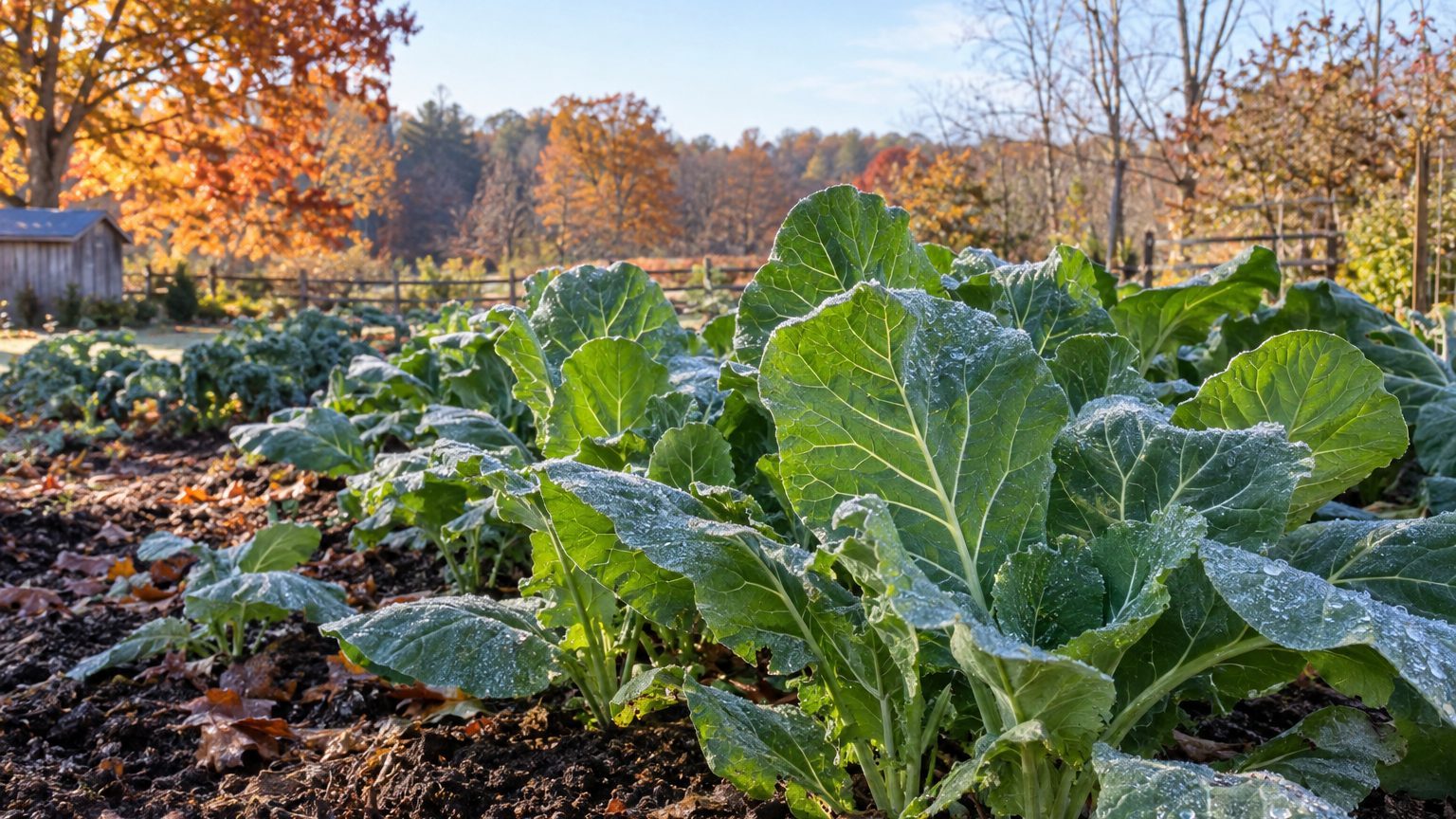
The short answer: in Connecticut, the most reliable window for collards is a direct-seeded fall crop sown from mid-July through mid-August, timed against…