Skip to content

The Homestead Post

Home & garden, state by state

  • Home
  • Garden
    • Flowers
    • Lawn
    • Soil & Compost
    • Trees & Shrubs
    • Vegetables
  • Home Care
    • Electrical
    • Foundations
    • HVAC
    • Plumbing
    • Roofing
  • Energy
    • Heating & Cooling
    • Insulation
    • Rebates & Credits
    • Solar
  • Pests
    • Ants
    • Mosquitoes
    • Rodents
    • Termites
    • Ticks
  • Decor
    • Bedrooms
    • Kitchens
    • Living Rooms
    • Outdoor Spaces
  • DIY
    • Repairs
    • Tools
    • Weekend Projects
  • State Guides
    • Northeast
      • Connecticut
      • Maine
      • Massachusetts
      • New Hampshire
      • New Jersey
      • New York
      • Pennsylvania
      • Rhode Island
      • Vermont
    • Southeast
      • Alabama
      • Arkansas
      • Delaware
      • Florida
      • Georgia
      • Kentucky
      • Louisiana
      • Maryland
      • Mississippi
      • North Carolina
      • South Carolina
      • Tennessee
      • Virginia
      • West Virginia
    • Midwest
      • Illinois
      • Indiana
      • Iowa
      • Kansas
      • Michigan
      • Minnesota
      • Missouri
      • Nebraska
      • North Dakota
      • Ohio
      • South Dakota
      • Wisconsin
    • Southwest
      • Arizona
      • New Mexico
      • Oklahoma
      • Texas
    • West
      • Alaska
      • California
      • Colorado
      • Hawaii
      • Idaho
      • Montana
      • Nevada
      • Utah
      • Wyoming
    • Pacific Northwest
      • Oregon
      • Washington
    • Canada
      • Alberta
      • British Columbia
      • Manitoba
      • New Brunswick
      • Newfoundland and Labrador
      • Northwest Territories
      • Nova Scotia
      • Nunavut
      • Ontario
      • Prince Edward Island
      • Quebec
      • Saskatchewan
      • Yukon

What Eats Parsnip in Massachusetts, and When
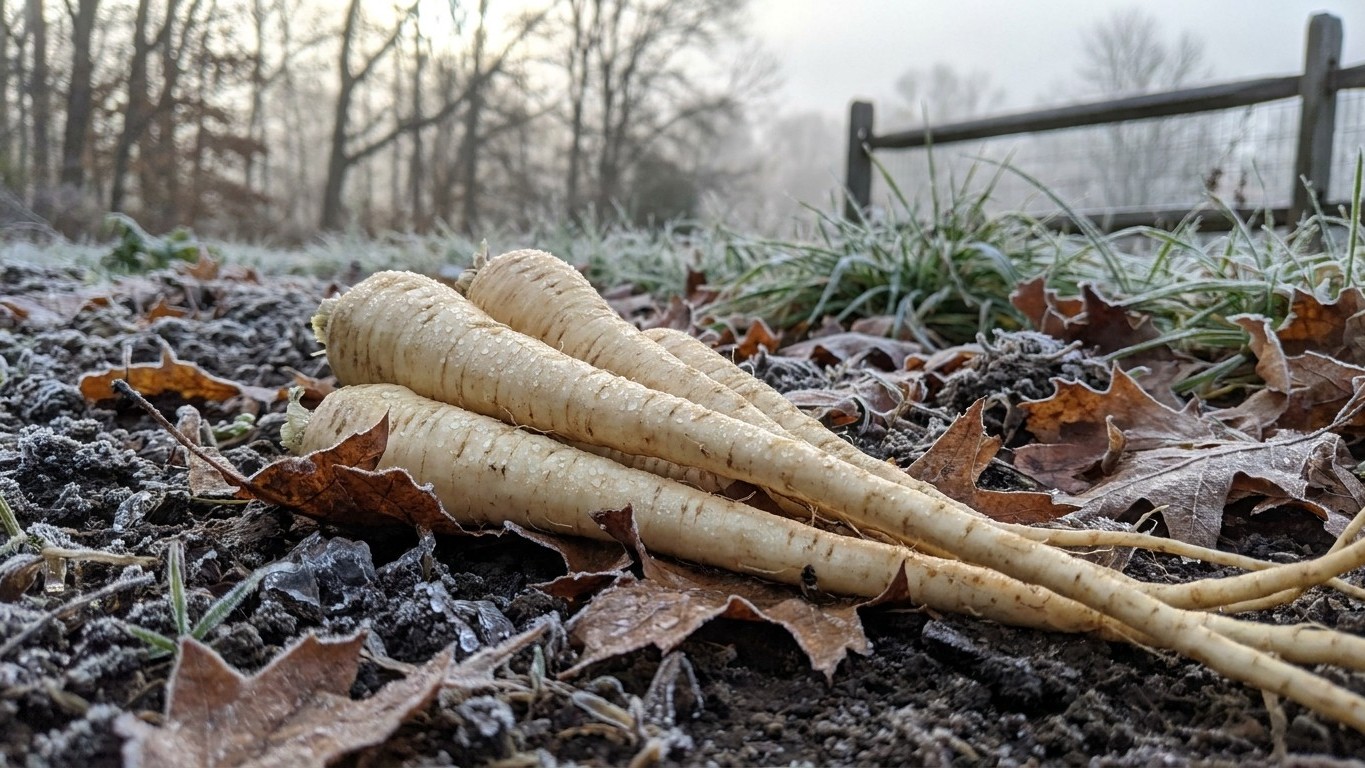
Three pale parsnips rest on frost-covered soil with dried leaves and a weathered wooden fence in the background.

None of the ten pests Massachusetts’s extension service tracks are true parsnip specialists.
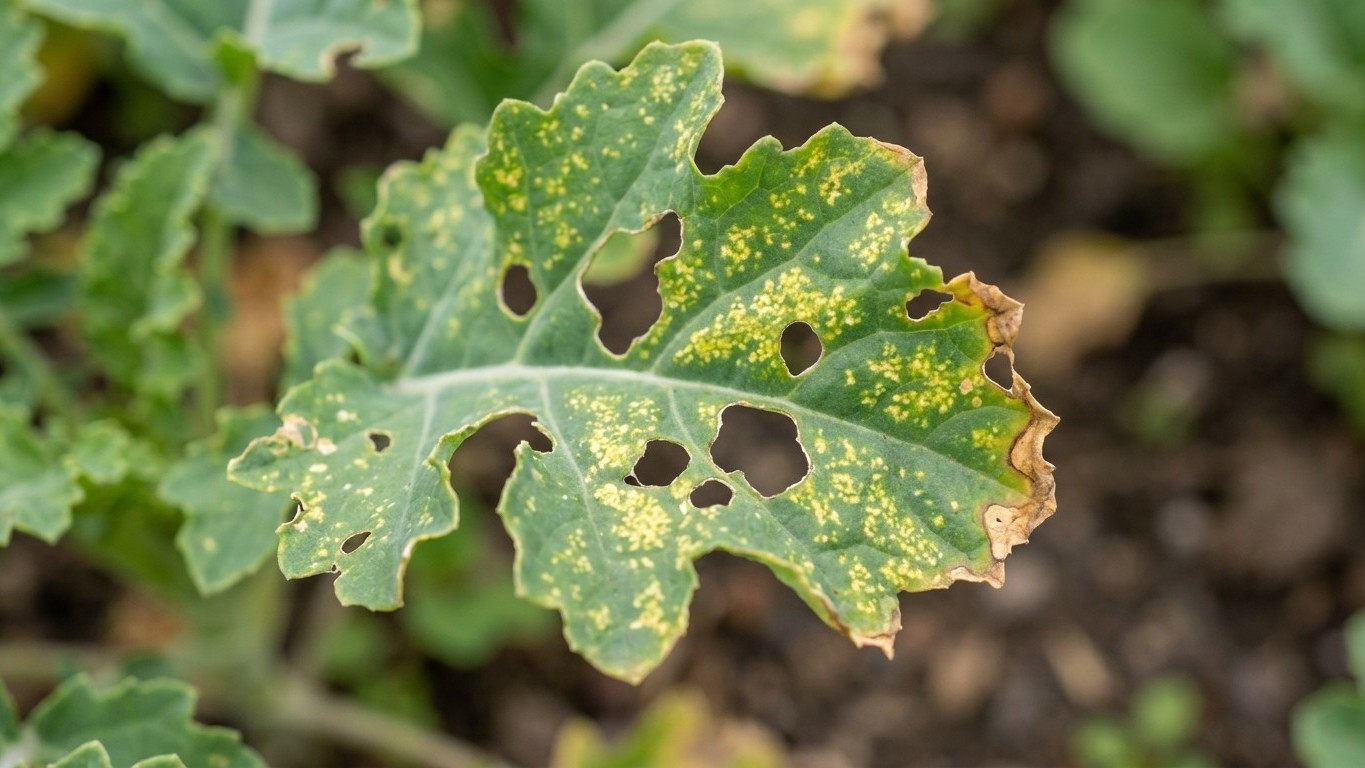
When to Pick Summer Squash in Florida — and What to Do With a Glut

A squash leaf showing signs of disease or pest damage with yellow stippling and brown holes throughout the foliage.

Pick summer squash by size and skin, not by the calendar: harvest at 4 to 6 inches, when the skin is glossy and a thumbnail sinks in easily, checking…
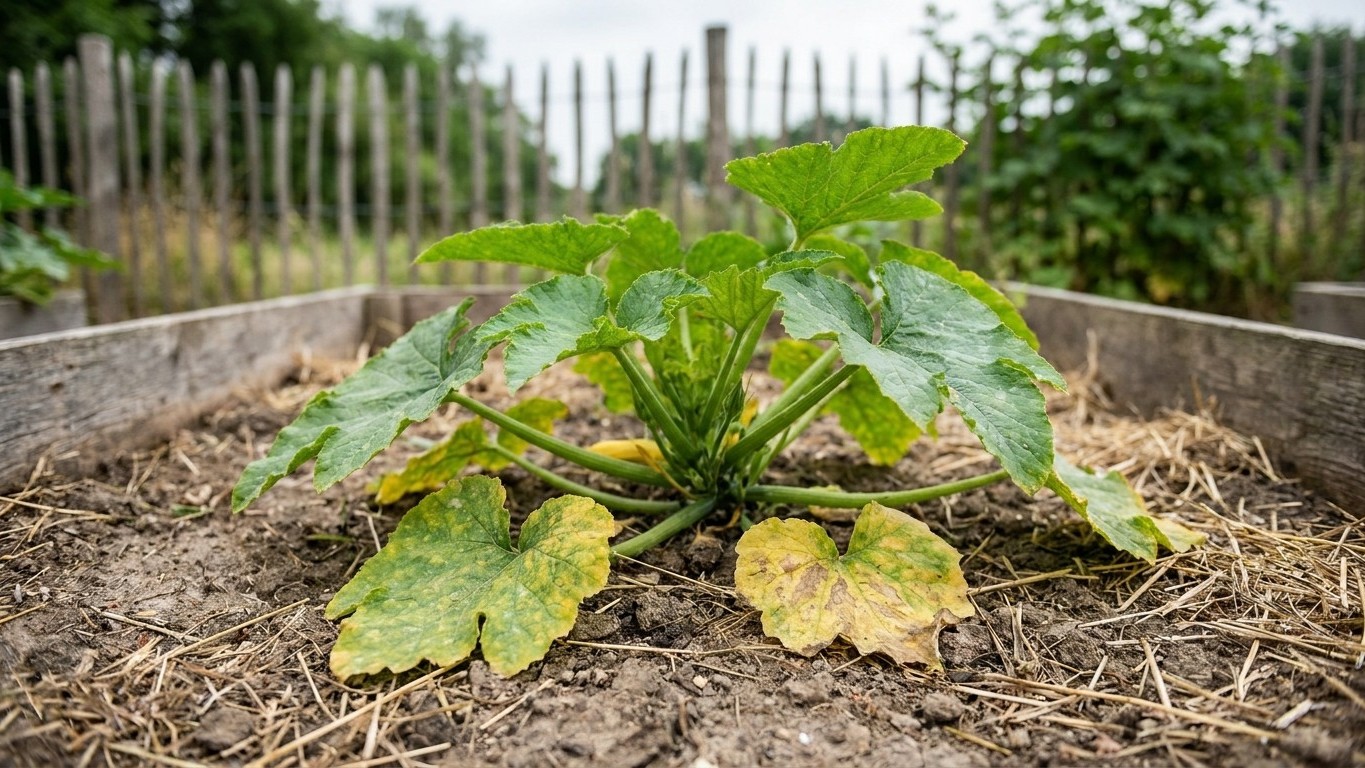
When to Pick Summer Squash in Delaware — and What to Do With a Glut

A young squash plant with bright green leaves growing in a mulched raised garden bed with wooden fence visible in the background.

Summer squash tells you it’s ready long before a calendar does: skin that’s glossy rather than dull, flesh that gives slightly under a thumbnail, and a…
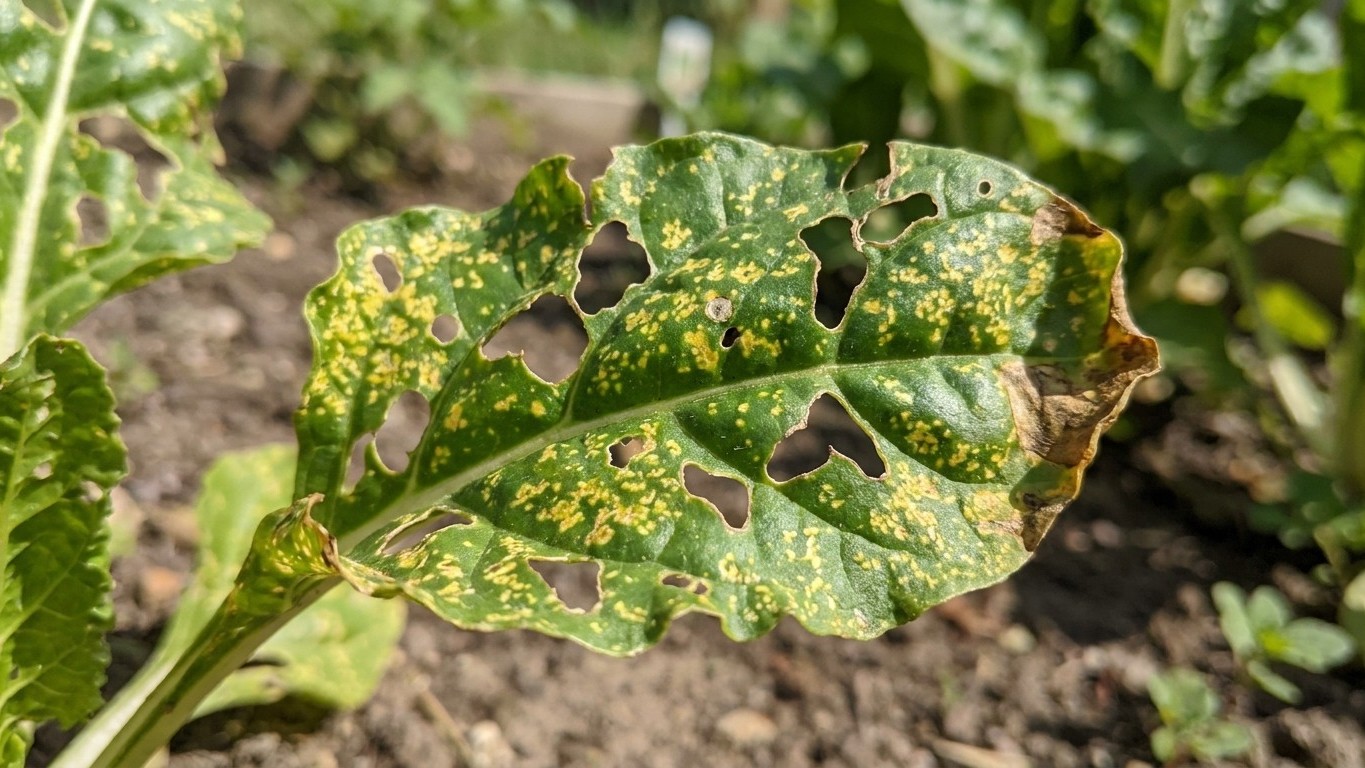
When to Pick Summer Squash in Connecticut — and What to Do With a Glut

A squash plant leaf displaying yellowing, spotting, and holes characteristic of fungal disease or pest damage in a garden setting.

The plant tells you before the calendar does: skin that’s still glossy and thin enough for a fingernail to pierce, fruit still small.
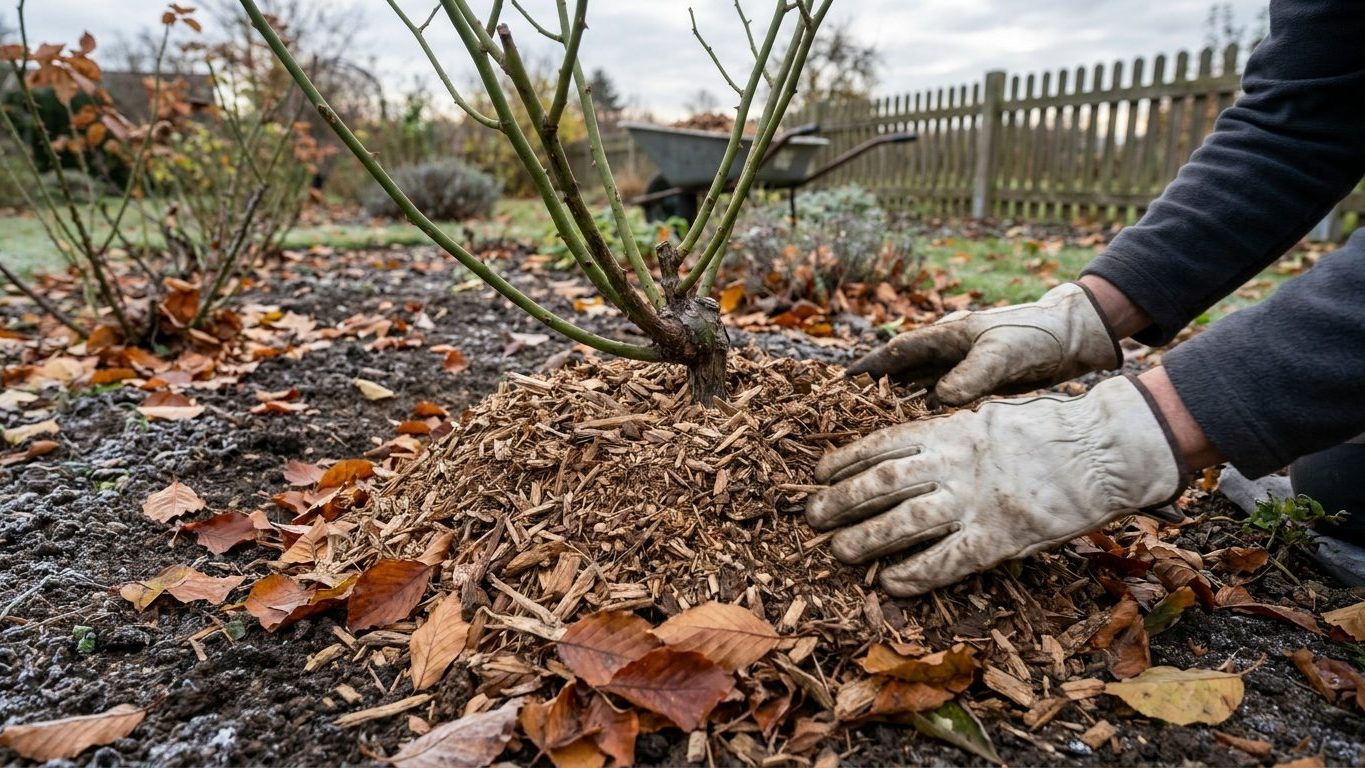
Protecting Roses Over Winter: When to Mound, and With What

Protecting Roses Over Winter: When to Mound, and With What

Mounding protects the graft union on a budded rose, or the crown on an own-root plant, from repeated freeze-thaw cycles that can kill the tissue that…
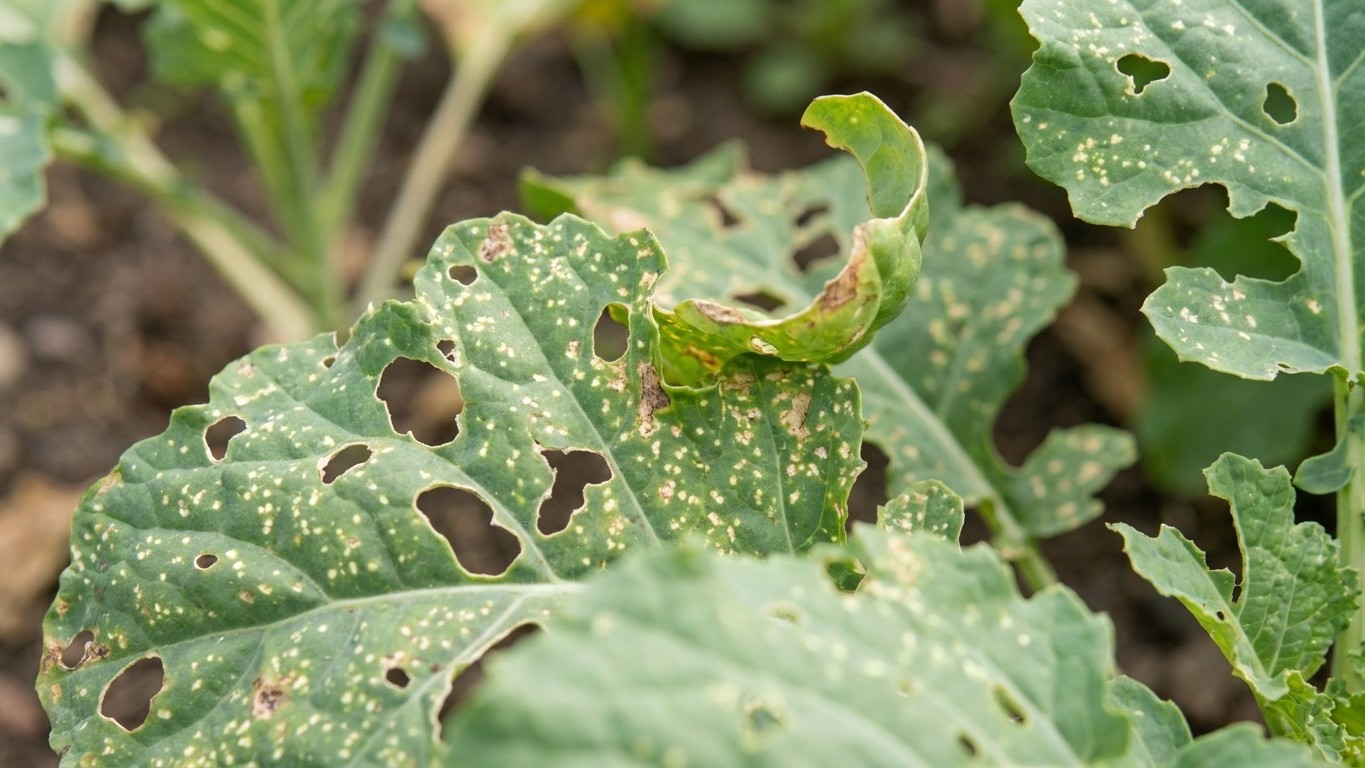
When to Pick Summer Squash in Colorado — and What to Do With a Glut

A vegetable plant leaf affected by powdery mildew fungal disease and insect damage with visible holes and white coating.

In Colorado, a summer squash is ready when it stops feeling like a vegetable and starts feeling like a chore: pick it too late and you’ve got a baseball…
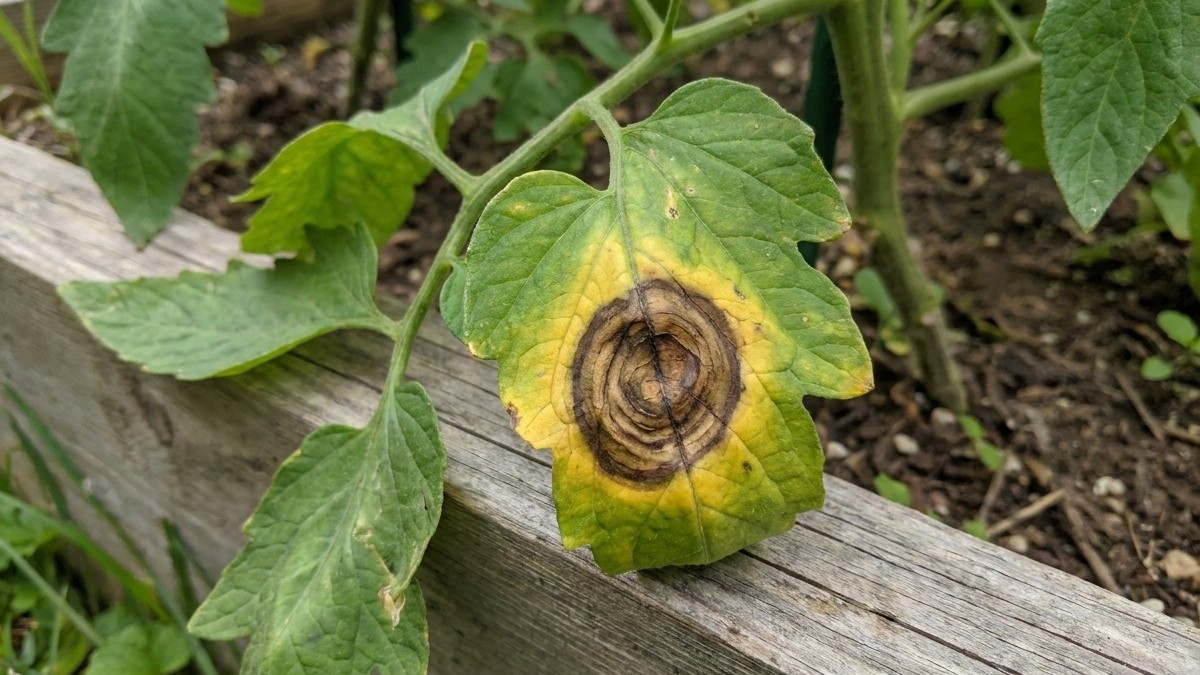
When to Pick Summer Squash in California — and What to Do With a Glut

A squash plant leaf displaying yellowing and a prominent circular brown lesion or disease symptom on its surface.

Pick summer squash in California when the skin turns glossy rather than dull and a fingernail slides in without resistance, usually four to six inches…
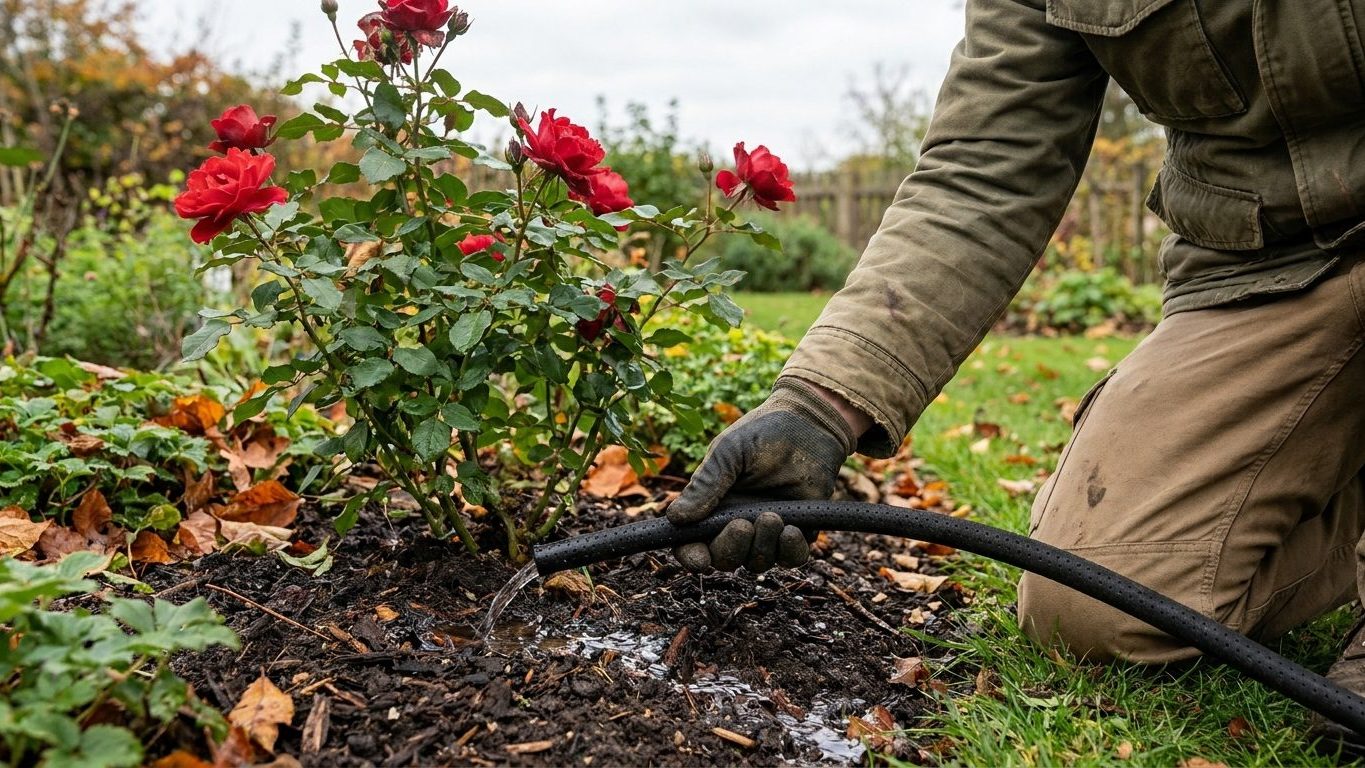
Watering Roses: How Much, How Often, and Why Not From Above

Watering Roses: How Much, How Often, and Why Not From Above

Roses need deep, infrequent water at the soil line, not a daily sprinkle from above.
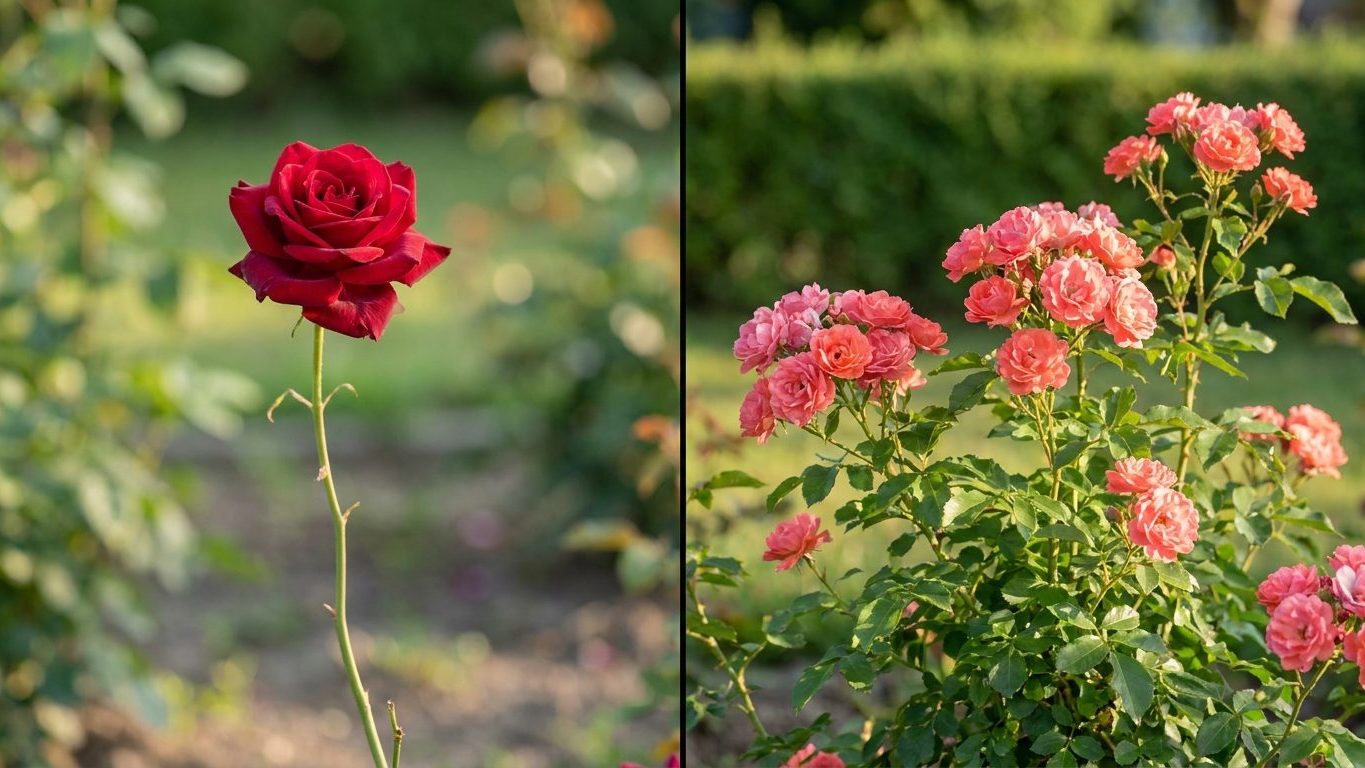
Types of Roses: What Separates a Hybrid Tea From a Floribunda

Types of Roses: What Separates a Hybrid Tea From a Floribunda

A hybrid tea carries one bloom at the end of a long stem, built for the vase.
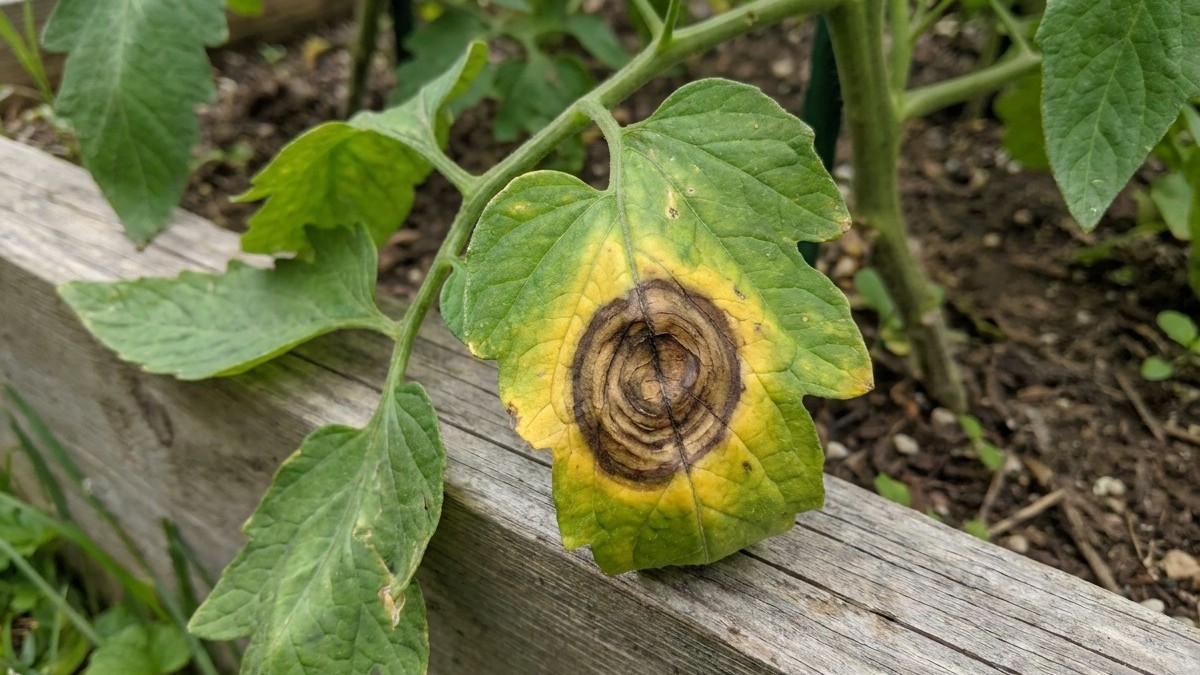
When to Pick Summer Squash in British Columbia — and What to Do With a Glut

A squash plant leaf displaying yellowing and a prominent circular brown lesion or disease symptom on its surface.

Summer squash is ready when the skin turns glossy and gives slightly under a fingernail, usually four to eight inches long depending on the variety.

Older posts
Newer posts
← Previous Page1 … Page224 Page225 Page226 … Page746 Next →

The Homestead Post

Home and garden advice with the numbers attached — written for your climate, your season and your local rules.

Sections

  • Garden
  • Home Care
  • Energy
  • Pests
  • Decor
  • DIY

Popular states

  • California
  • Texas
  • Florida
  • New York
  • Pennsylvania
  • Ohio
  • Georgia
  • North Carolina
  • All states →

The Post

  • About us
  • Contact
  • Editorial guidelines
  • Affiliate disclosure
  • Privacy policy
  • Terms of use
© 2026 The Homestead Post·Home & garden, state by state