Telling When a Watermelon Is Ripe
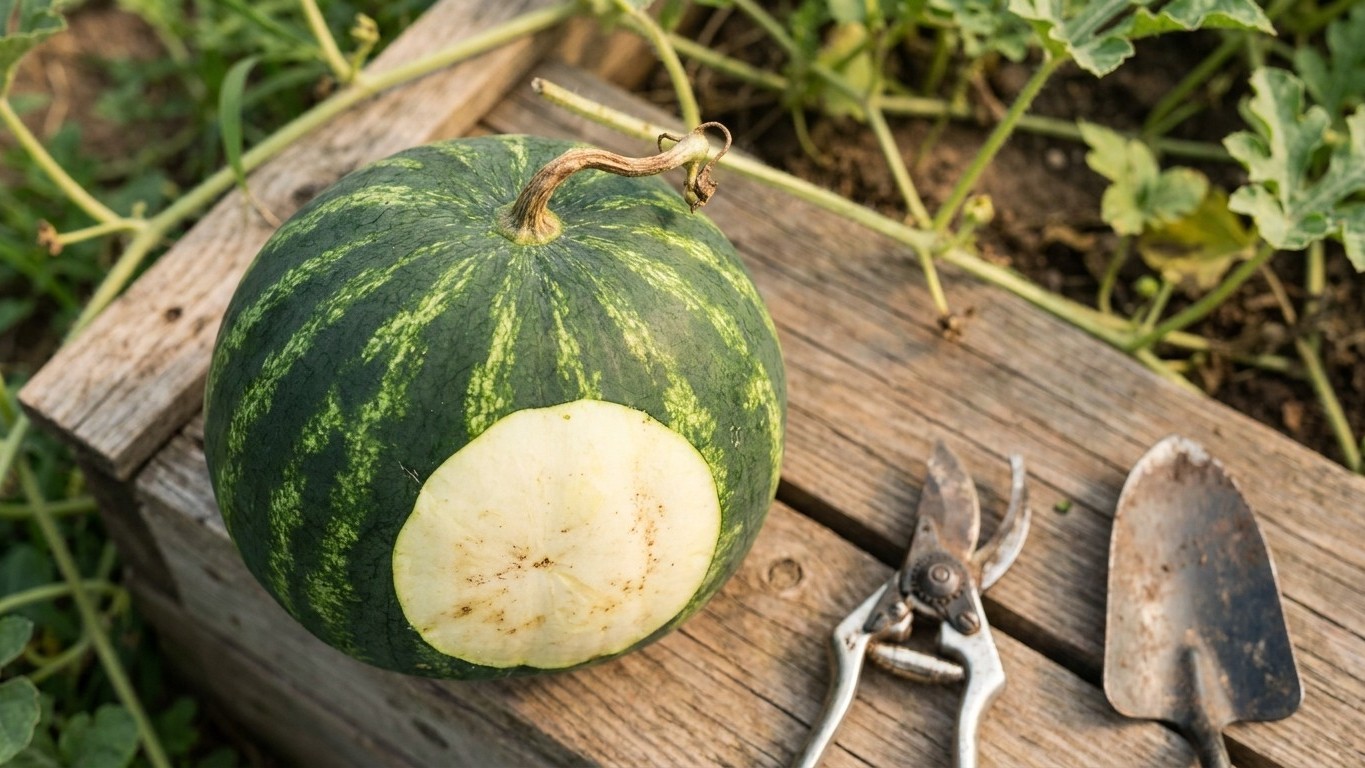
A ripe watermelon announces itself through three signals working together: a drying, browning tendril at the point where the fruit stem meets the vine, a…
Home & garden, state by state
A ripe watermelon announces itself through three signals working together: a drying, browning tendril at the point where the fruit stem meets the vine, a…
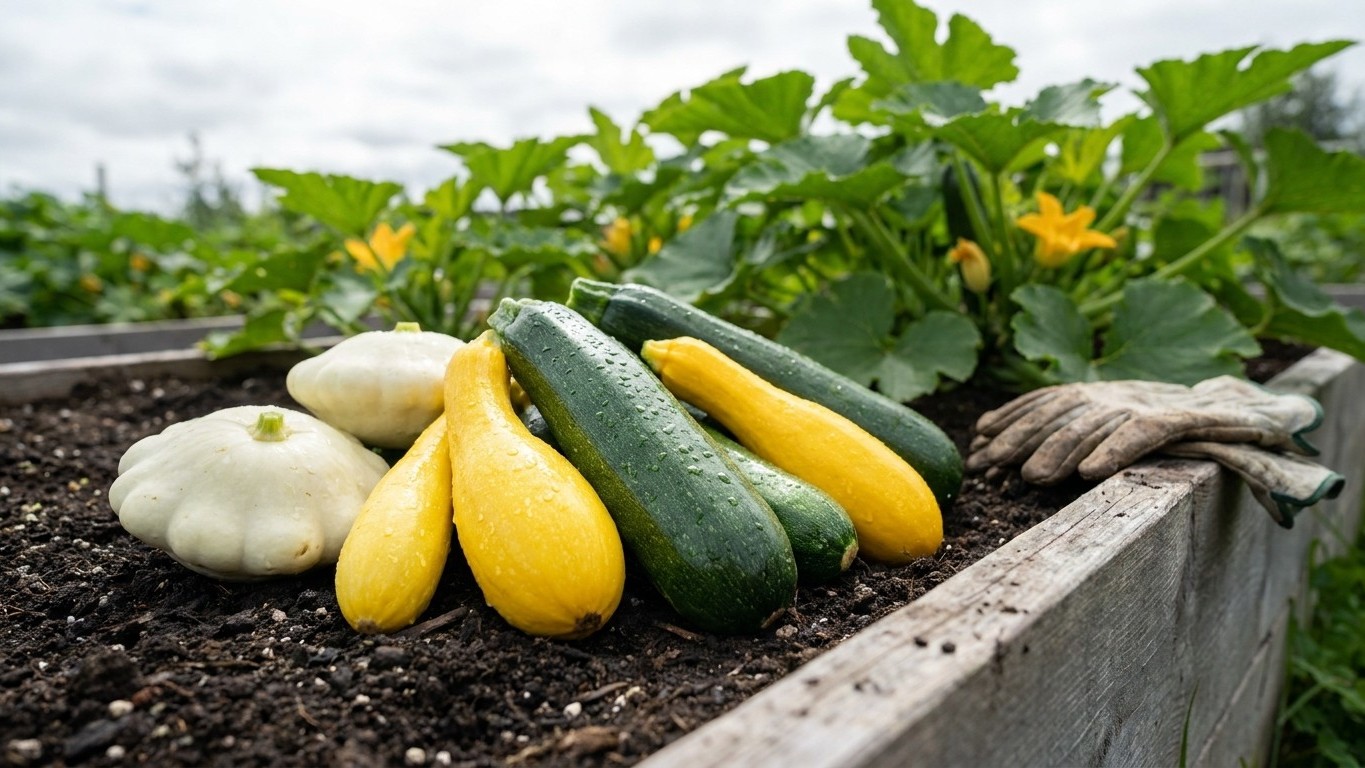
Bush-type summer squash, not vining types, is the safer default for Ohio: yellow crookneck, straightneck and bush zucchini varieties bred for airflow…
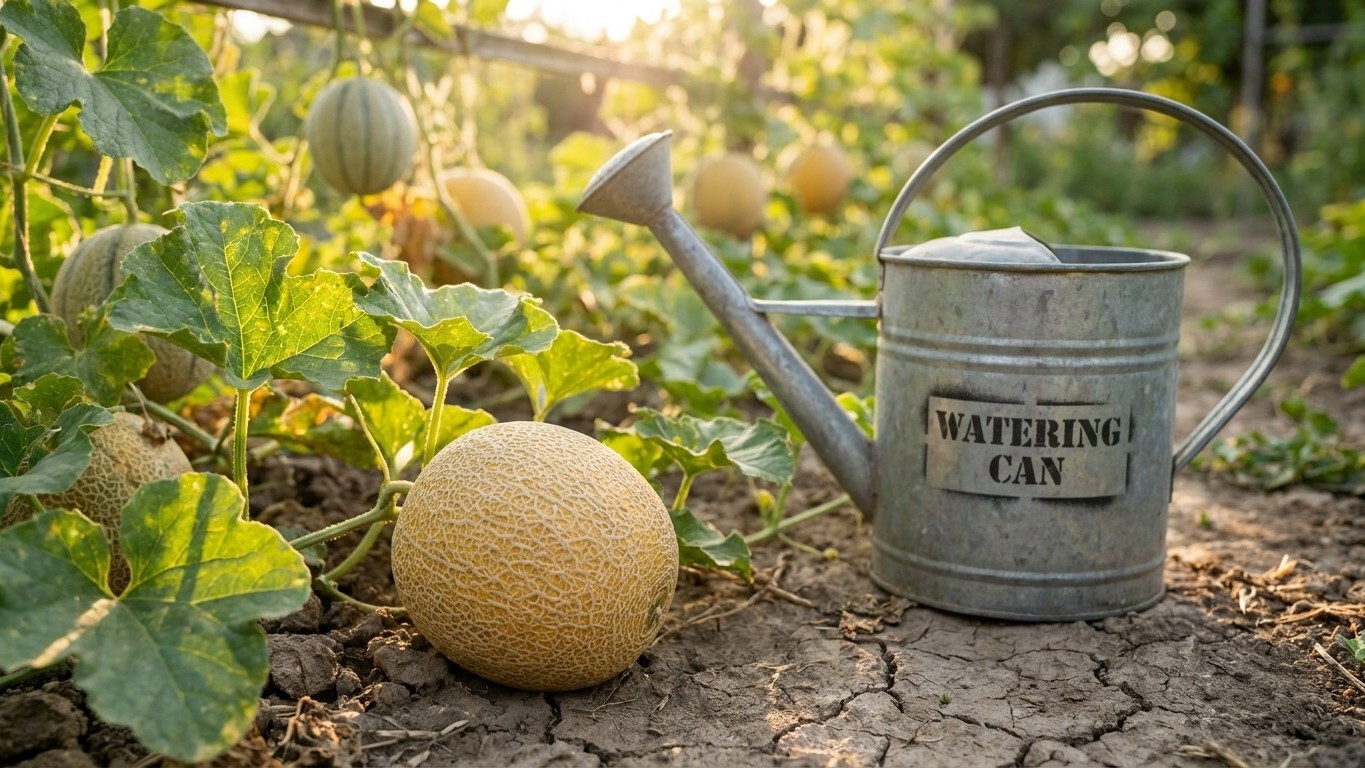
Melons need deep, steady moisture while the vines grow and the fruit fills out, then a hard taper as harvest nears, tailing off to almost nothing in the…
Nunavut’s growing season runs, on average, from June 19 to September 13, a window of roughly 86 days. Even that number is a midpoint, not a promise.

Four families cover almost every melon grown in a home garden: muskmelons (the netted, cantaloupe-type fruit), honeydews and their smooth-skinned…
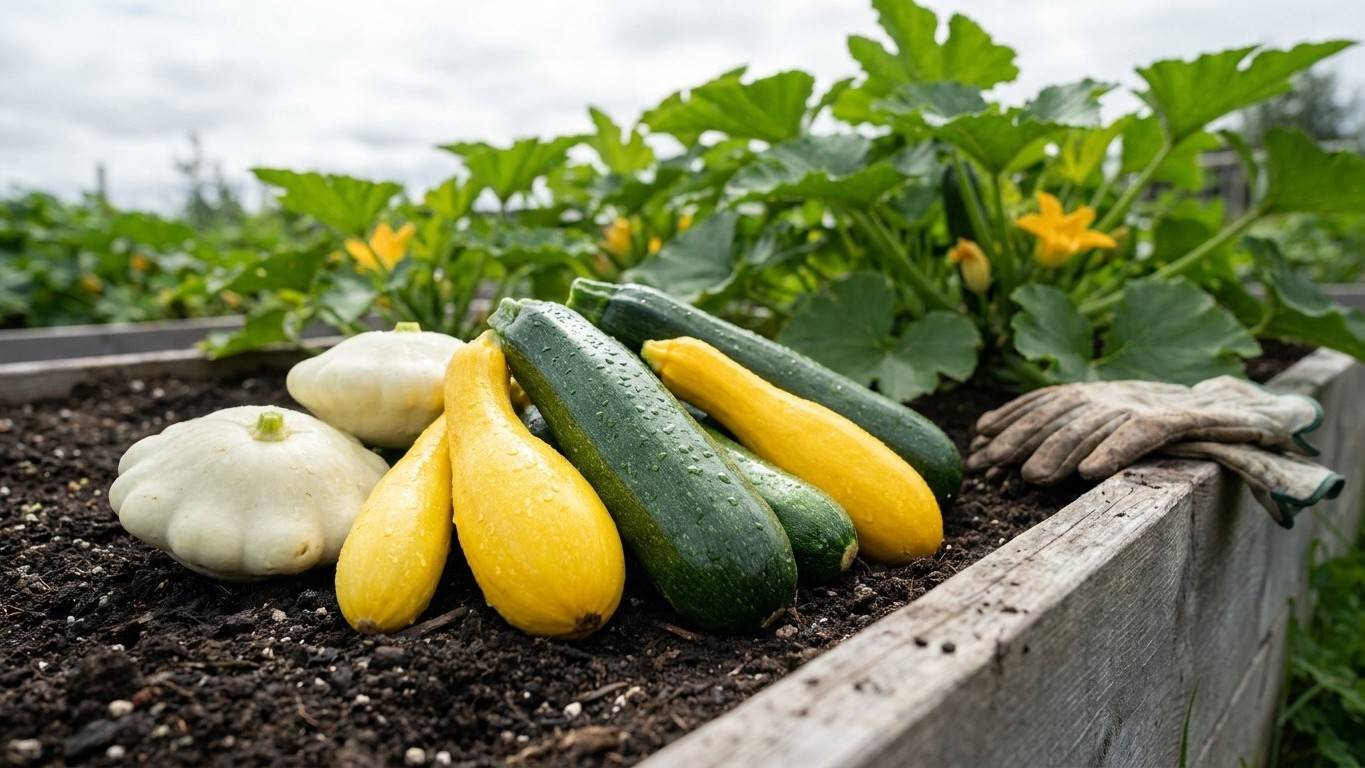
Growing summer squash in Nunavut means working against a season that averages 86 days between frost dates, with a mean summer that never once reaches 90°F.
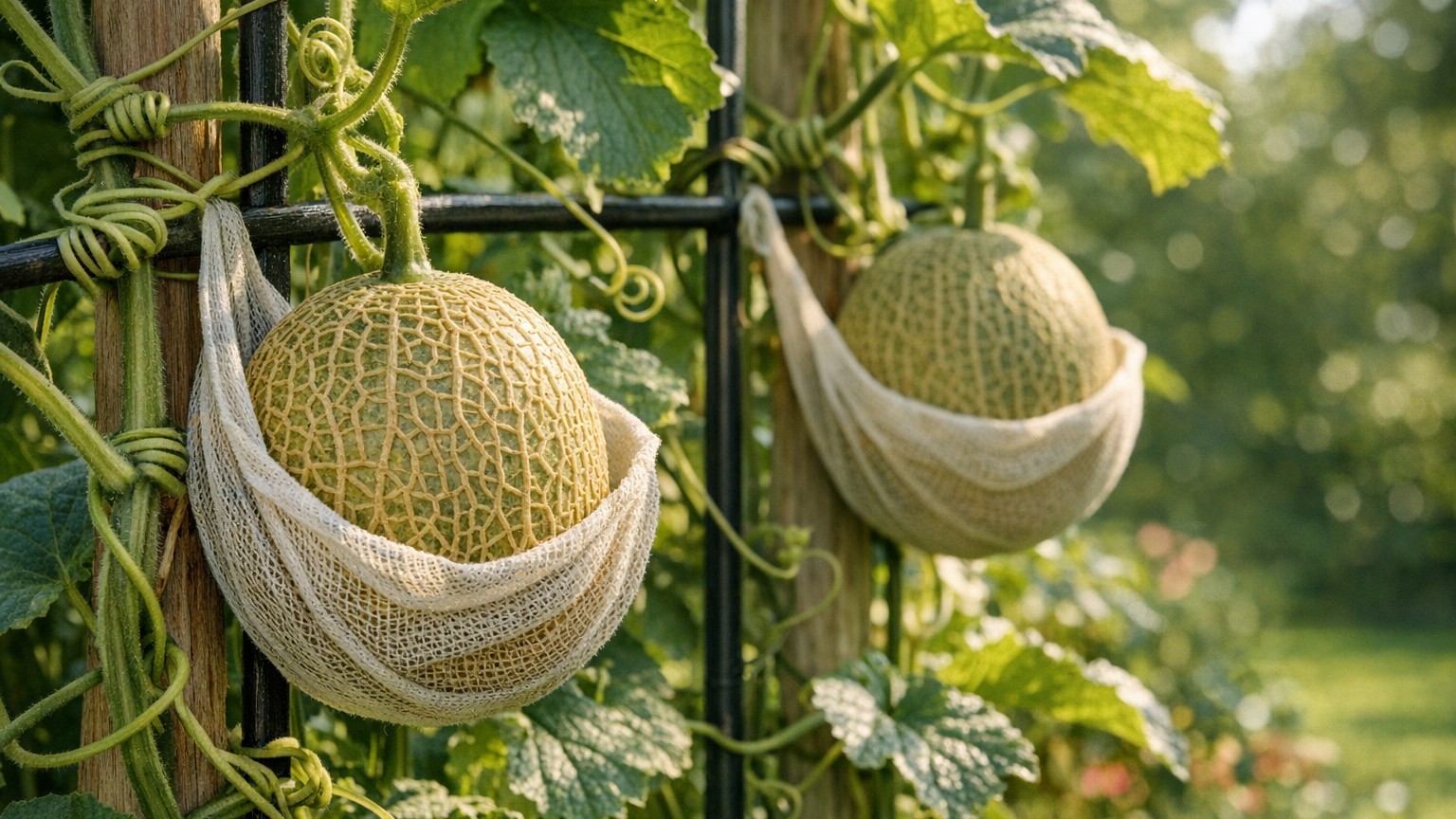
Yes, melons can be trellised, but the answer splits by size. Small and medium melons, the type most home gardeners call cantaloupe or muskmelon, climb a…
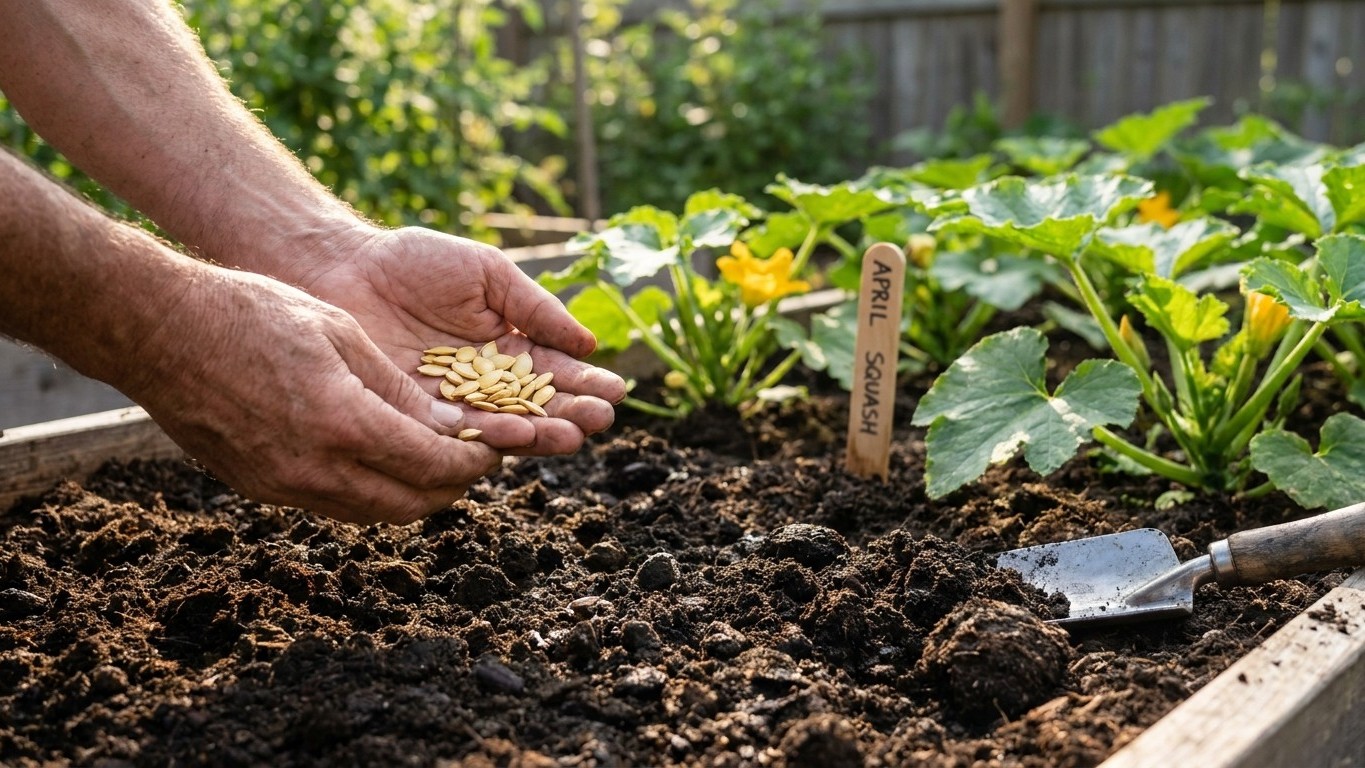
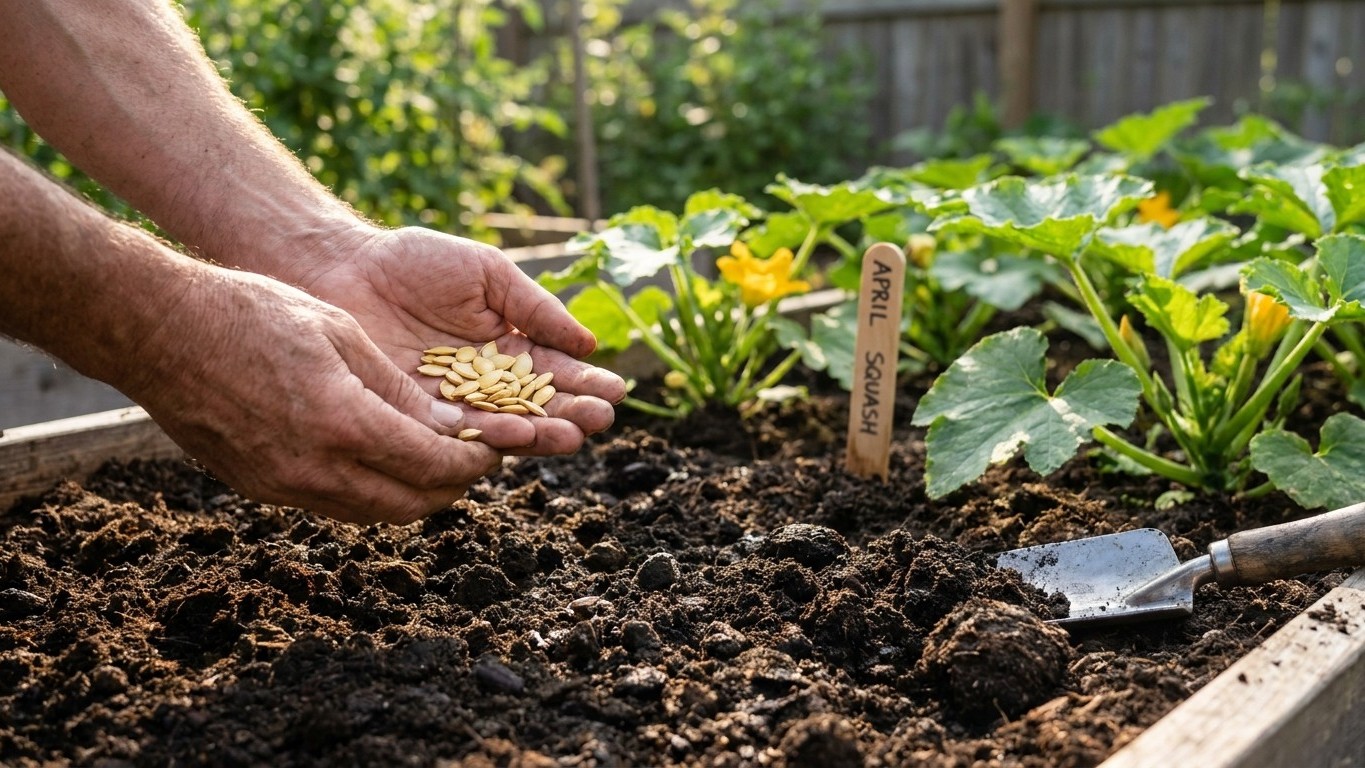
Sow summer squash outdoors in Nova Scotia after the mean last spring frost of May 7, but push the safe window to late May since that date is only a…
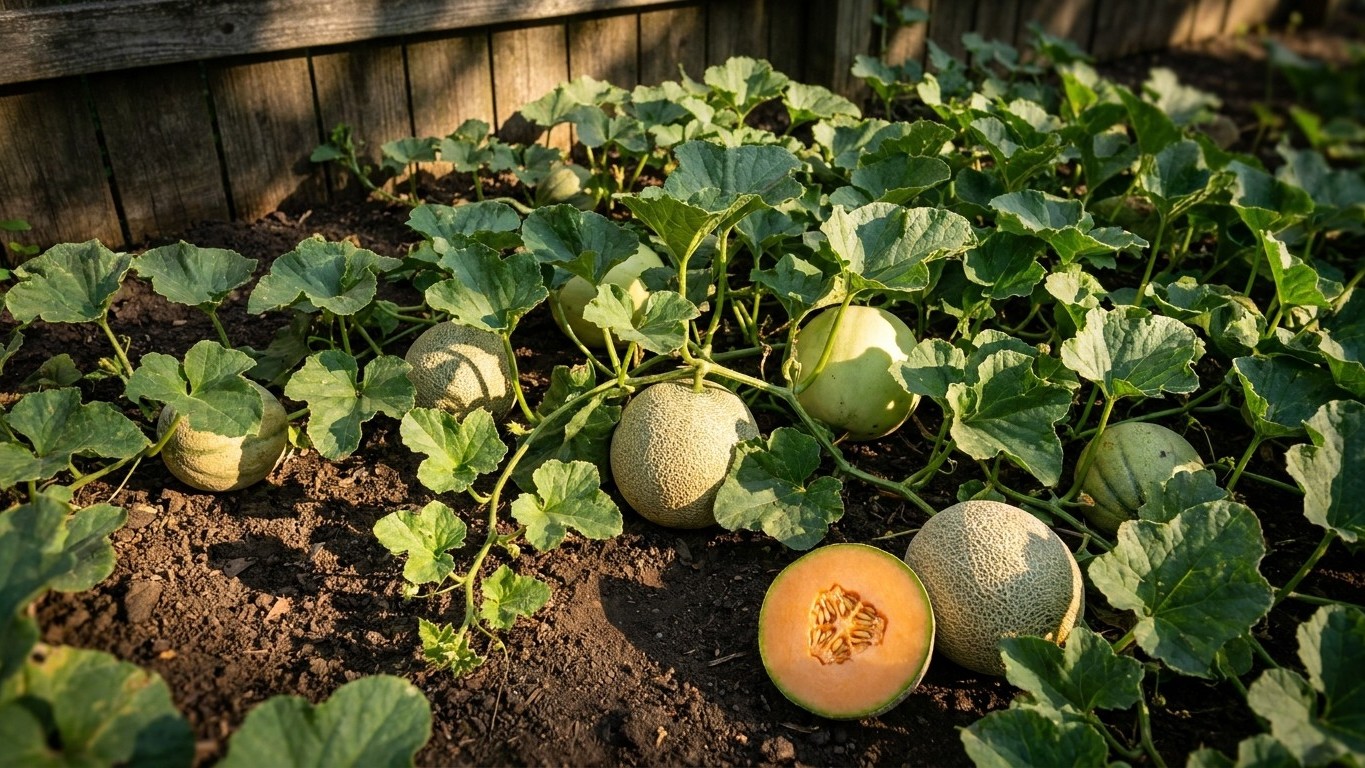
Melons taste bland for a handful of measurable reasons, not bad luck: not enough leaf area making sugar, too much water diluting what sugar exists, a…
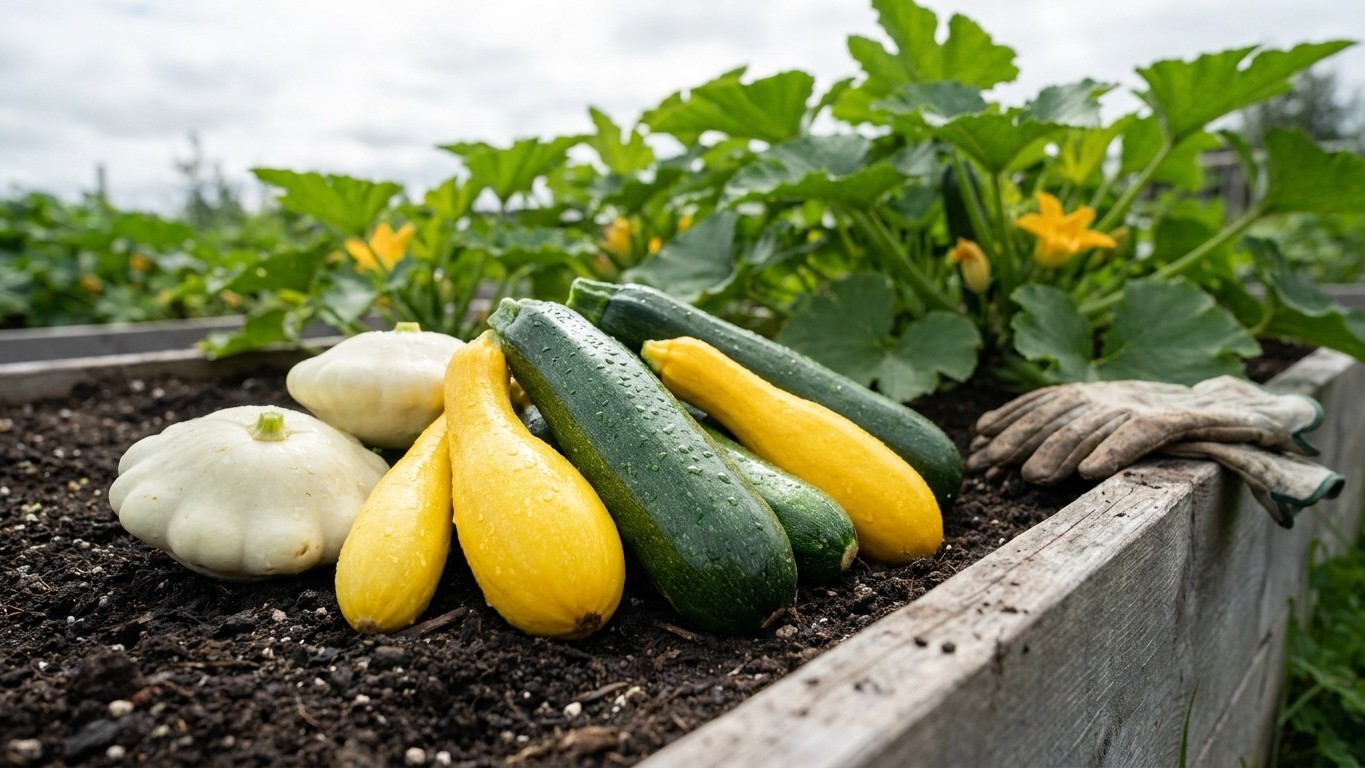
The short growing window along Nova Scotia’s coast rewards fast, forgiving summer squash: bush zucchini, yellow straightneck and crookneck types, and…