Tomato Planting Dates in Washington: Counting Back From Your Frost Window
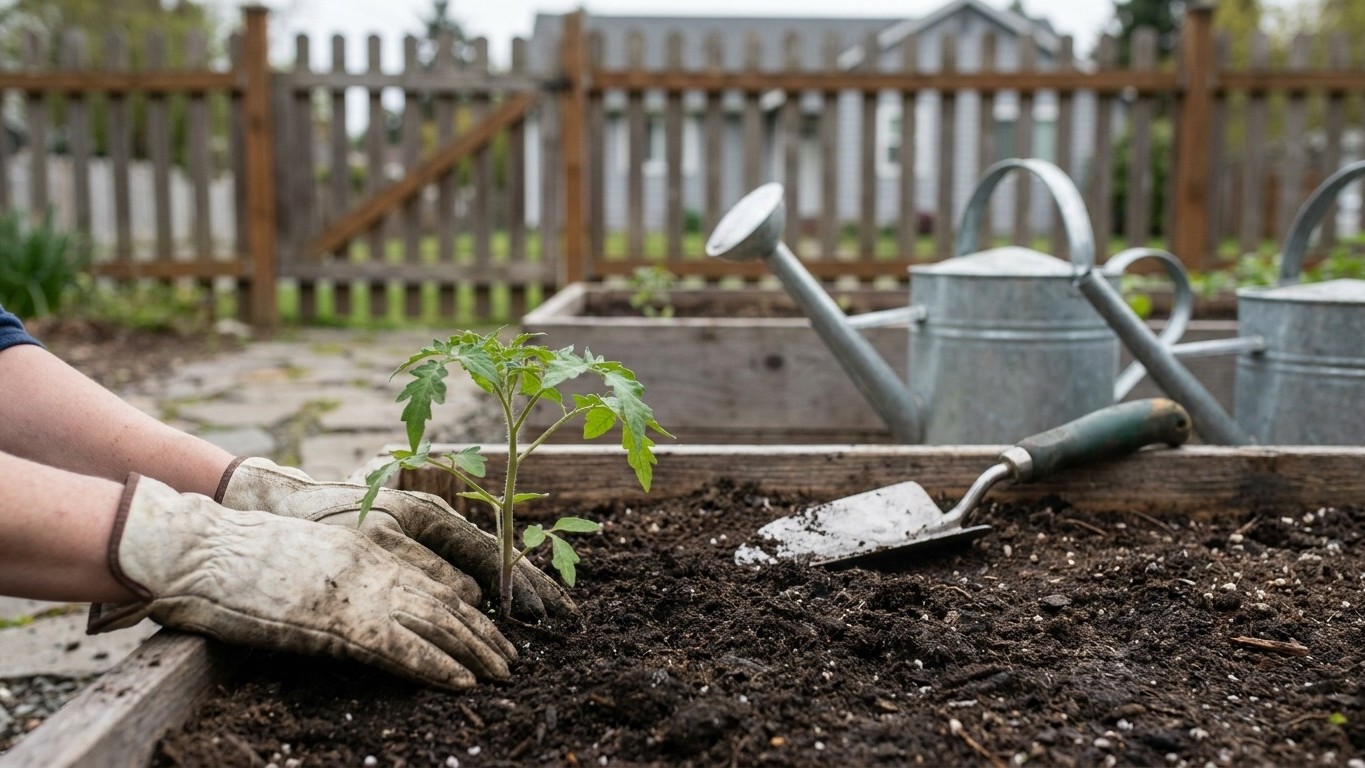
Explains how to use Seattle’s NOAA frost window and a tomato variety’s days to maturity to work out a realistic planting date anywhere in Washington.
Home & garden, state by state
Explains how to use Seattle’s NOAA frost window and a tomato variety’s days to maturity to work out a realistic planting date anywhere in Washington.
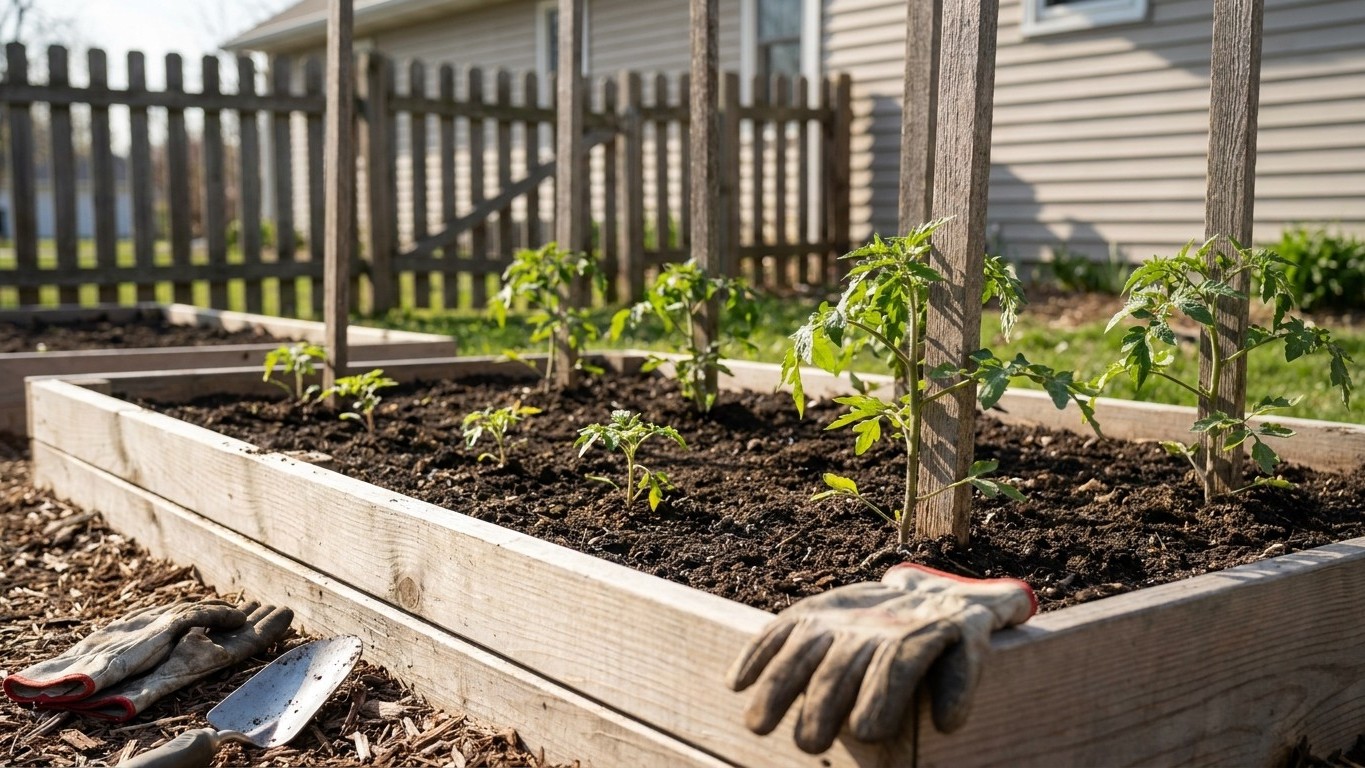
Explains how to set tomato transplant dates in Iowa by counting forward from NOAA’s last-frost window and backward from named cultivars’ days to maturity.

Arkansas gardeners can use NOAA’s Little Rock frost data and the state’s light-frost threshold to time tomato transplants without losing plants to a late cold snap.
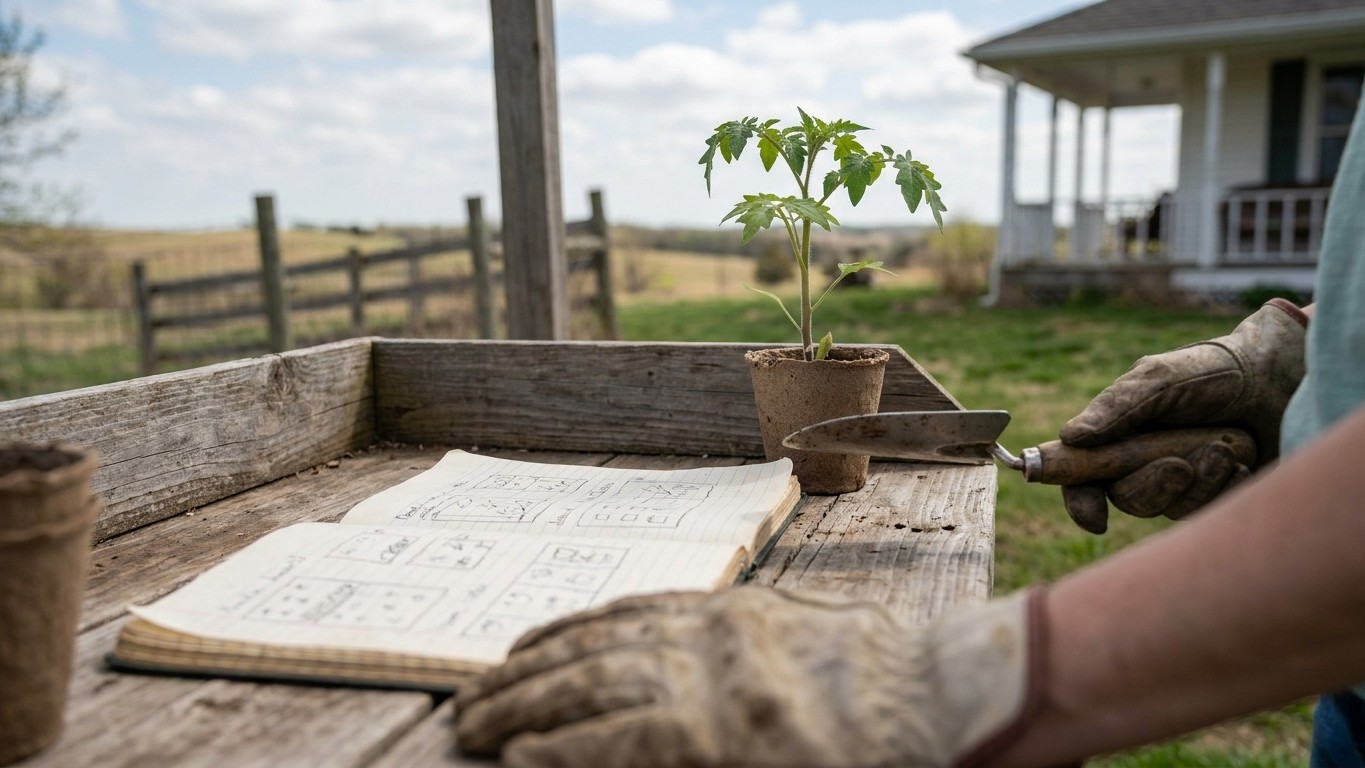
How NOAA’s Wichita frost window and simple day-counting math translate into real tomato transplant and seed-starting dates for Kansas gardens.
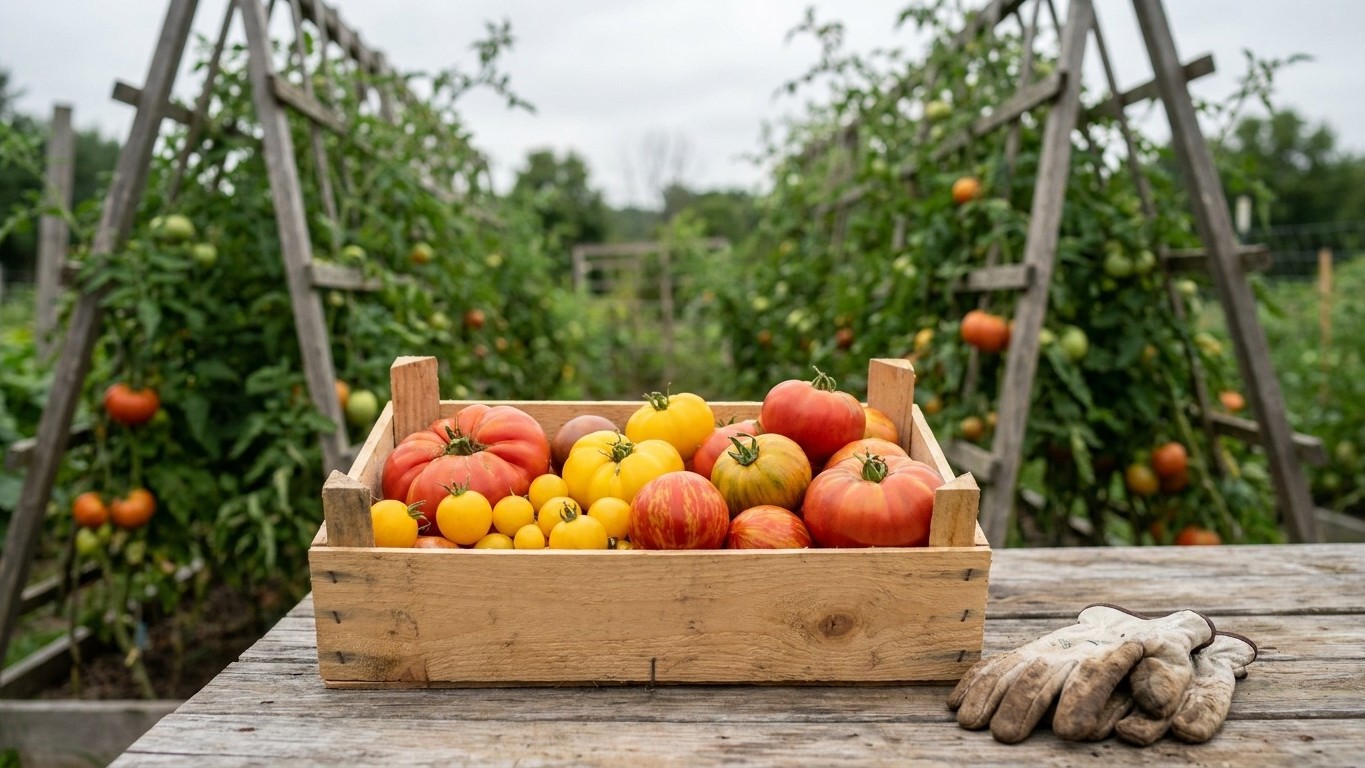
A county-by-county look at which named tomato cultivars have enough days to mature before Pennsylvania’s first fall frost, from cherry types to paste tomatoes.
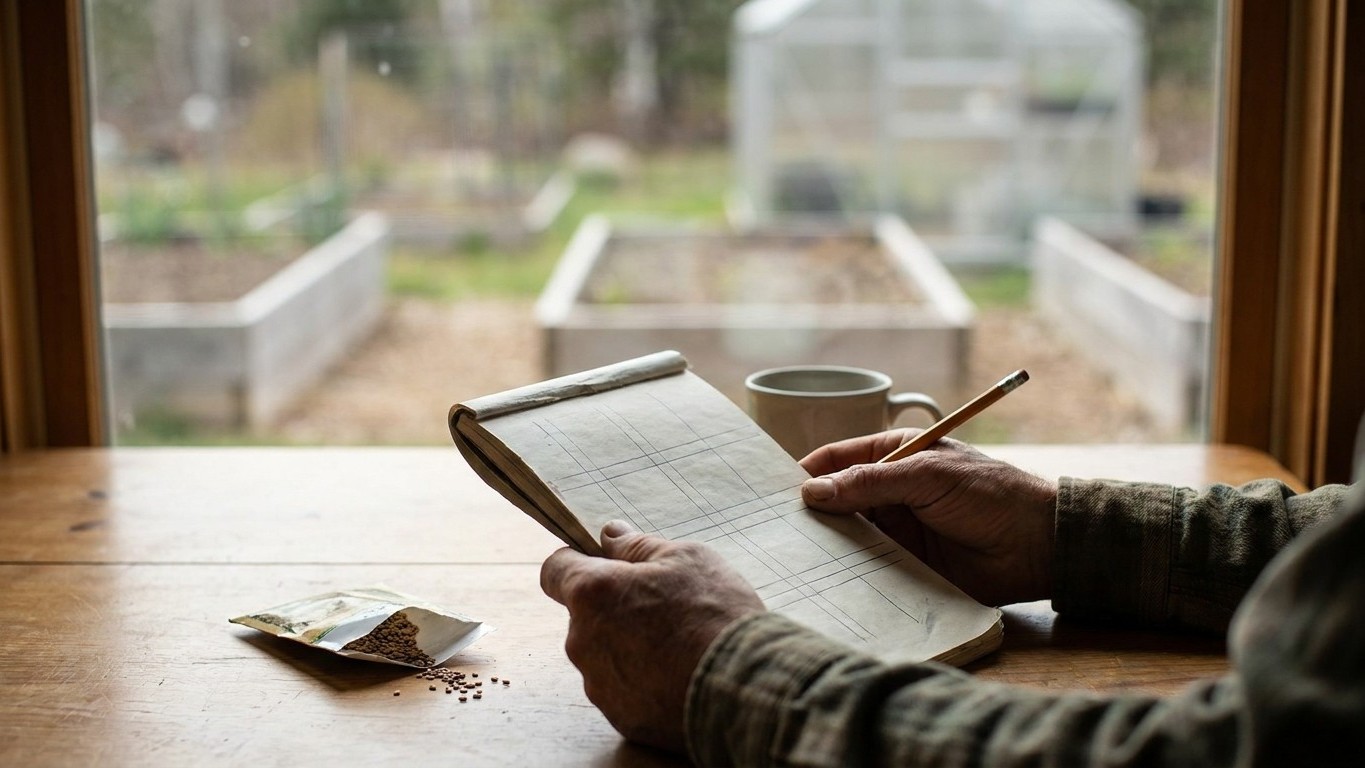
Maine gardeners can use NOAA’s Portland frost dates and a tomato variety’s days to maturity to calculate a safe transplant window for their own garden.
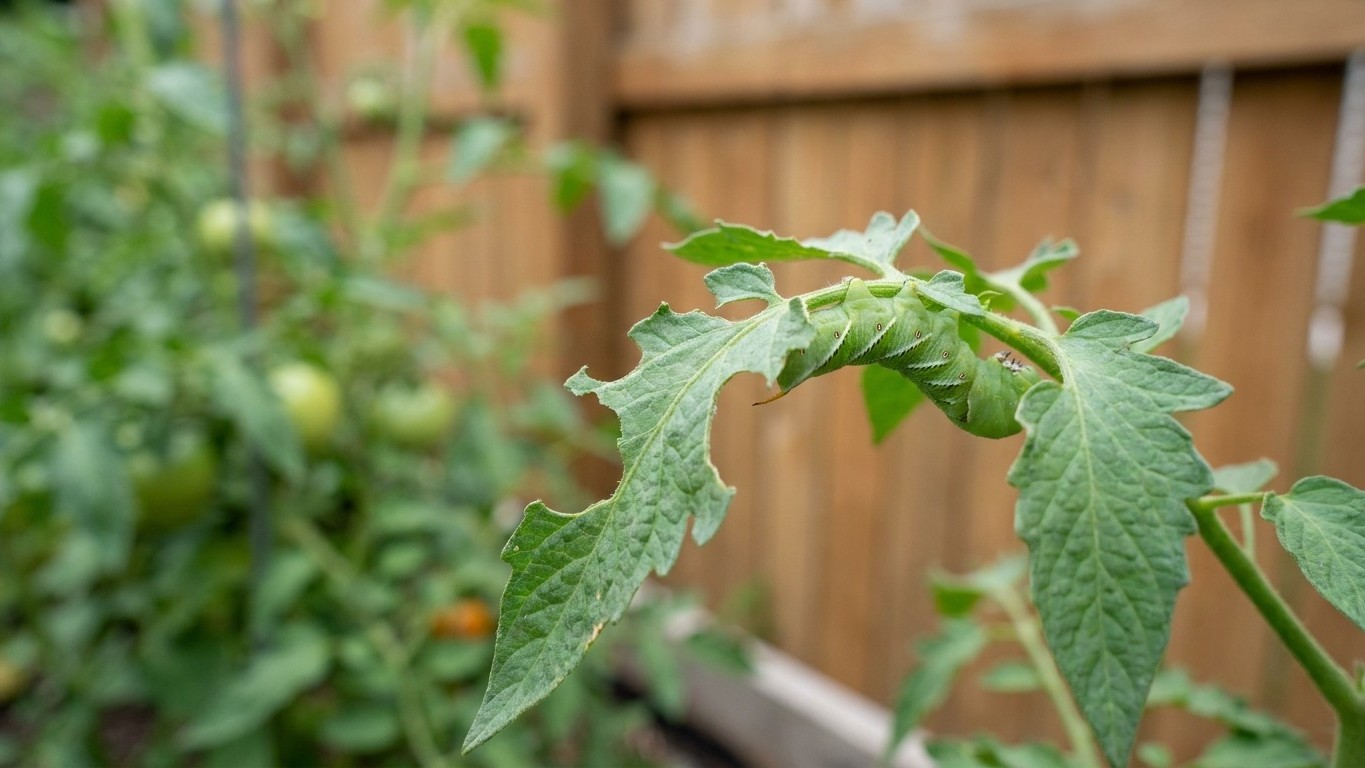
A season-by-season rundown of the tomato pests that actually appear in Minnesota gardens, how to identify each one, and what controls them.
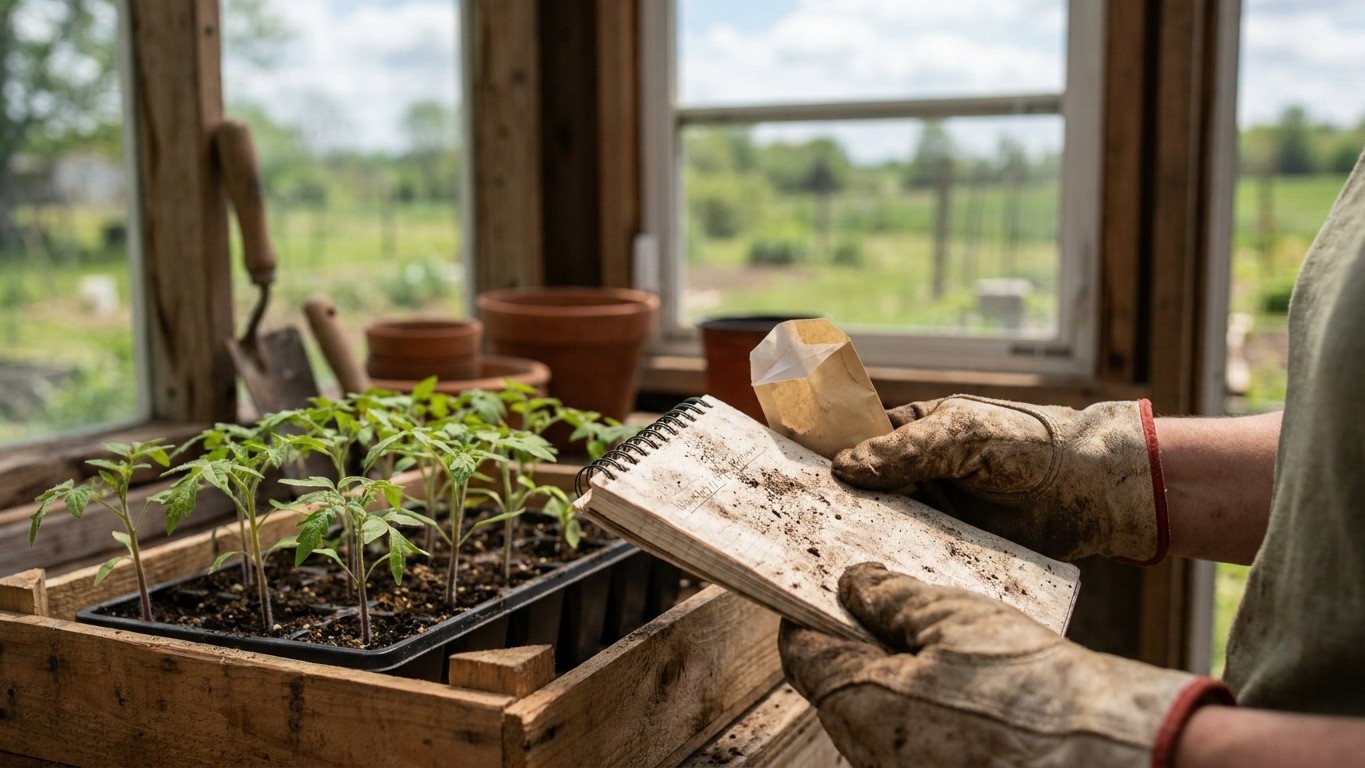
Kentucky tomato transplant dates run from Louisville’s NOAA frost window, adjusted for elevation, urban heat, and how far a garden sits from the reference station.
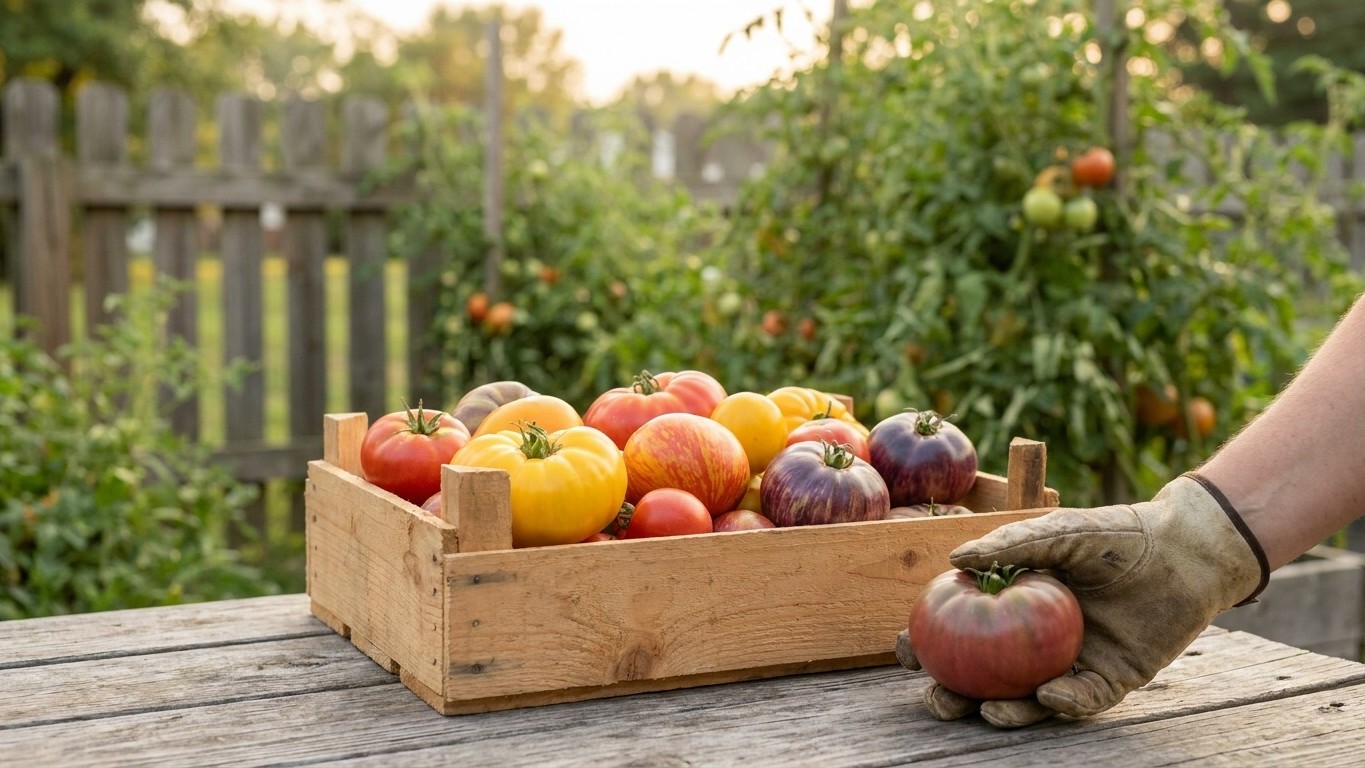
Louisville’s NOAA frost normals set Kentucky’s tomato season at about seven months, long enough for fast cherries and slow paste tomatoes alike to ripen.
A season-by-season look at which tomato varieties, from cherry to paste, have enough days to mature before Minnesota’s first fall frost arrives.