When to Plant Asparagus Crowns in Hawaii
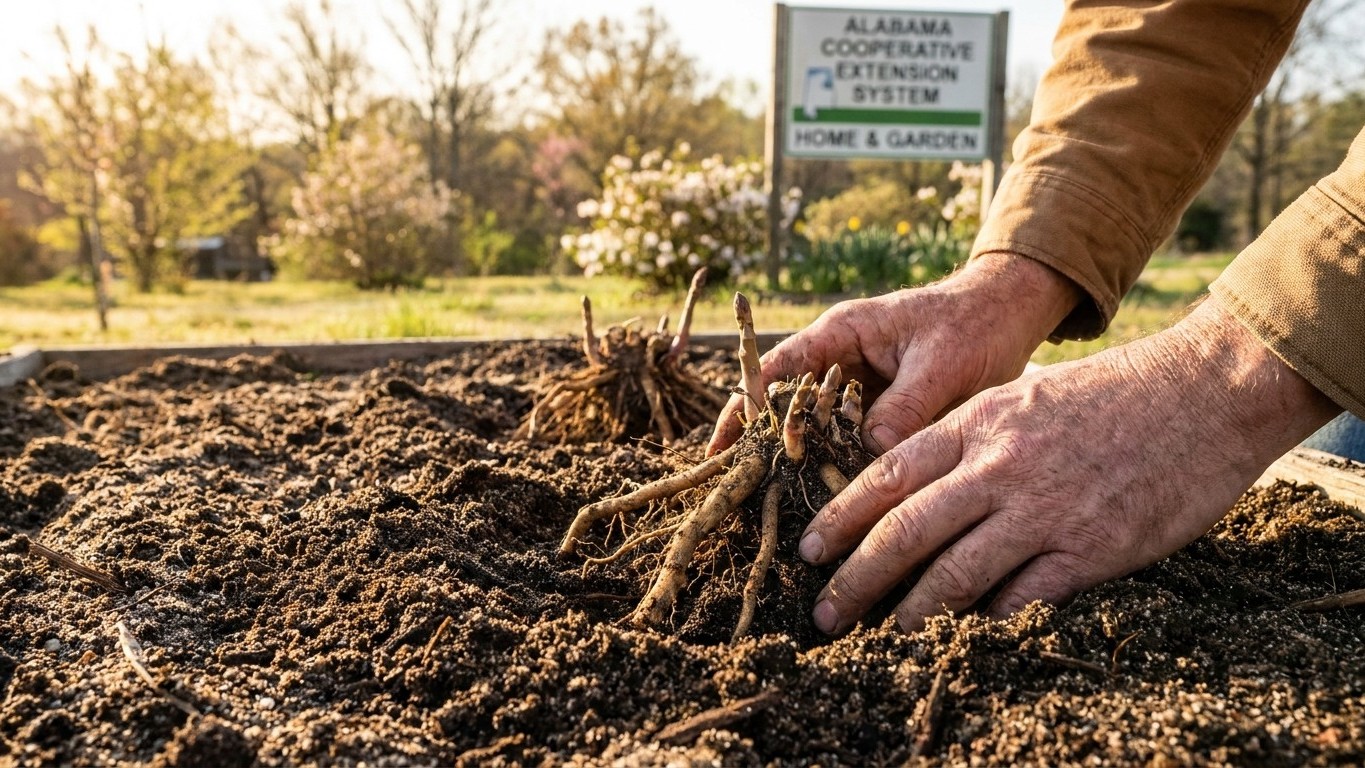
Hawaii has no frost season in the lowlands, so the mainland habit of counting backward from a killing freeze does not apply here.
Home & garden, state by state
Everything we have worked out for Hawaii: what to plant and when, which varieties finish in time, the pests that actually turn up here, and the jobs that pay off month by month. We also cover the rest of the property, from lawns and soil to home care and energy, because a garden rarely stops at the vegetable bed.
The numbers first, because everything else follows from them. Measured at the weather station in Honolulu, the last spring freeze falls around no freeze occurs in inhabited areas and the first fall freeze falls around no freeze occurs in inhabited areas, USDA zones 9a-13a, 9,934 growing degree days in the year.
Heat, not frost, is what shortens the season here: above 86 °F tomato pollen goes sterile, so growers run a spring crop and an autumn one rather than a single long season. Garlic is the awkward one: only 0 weeks below 40 °F, where it needs six to split into cloves. Chill the cloves before planting, or grow a softneck type.
Elsewhere on the property in Hawaii: the pests that turn up here.
Figures from NOAA's 1991-2020 climate normals. A state is not one climate: elevation, a large lake or the coast can move these dates by two weeks either way, so check your own county with the extension service before you spend money.
Hawaii has no frost season in the lowlands, so the mainland habit of counting backward from a killing freeze does not apply here.
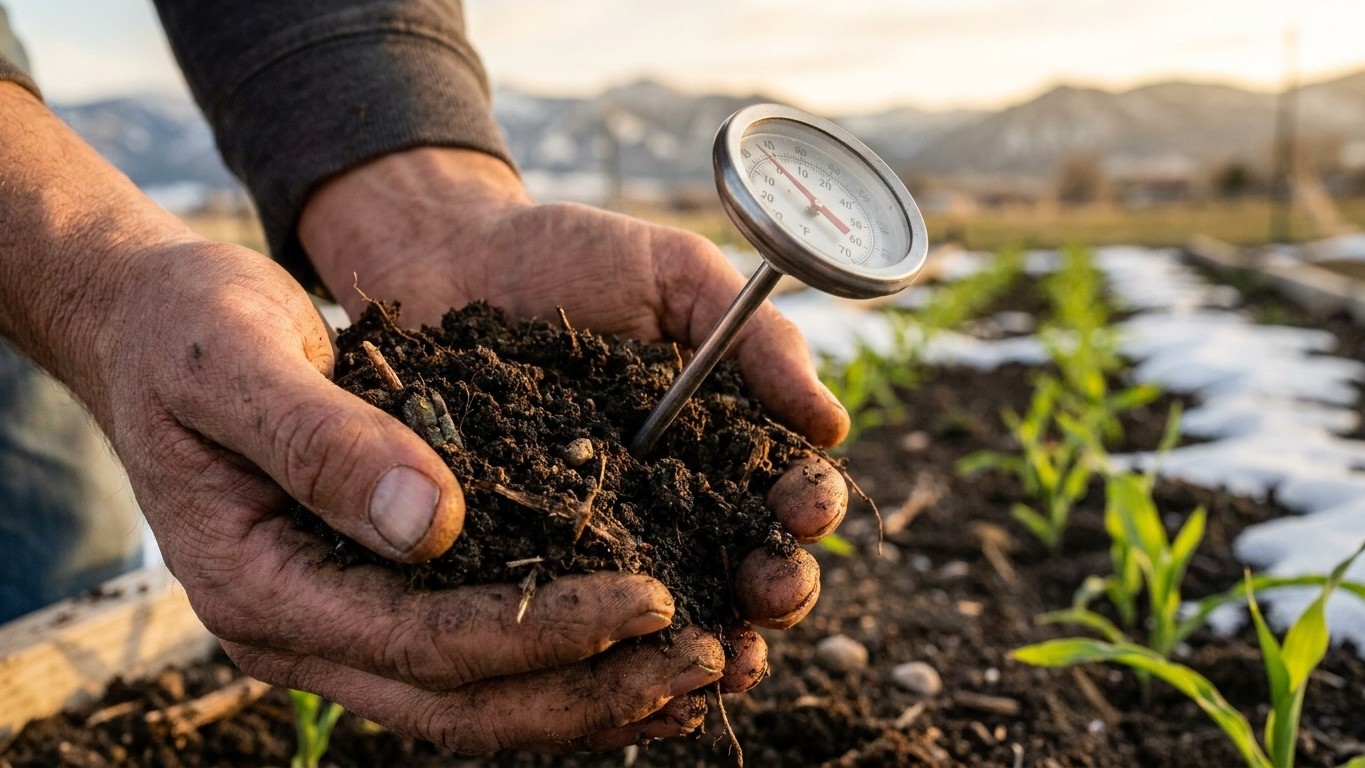
Yes, sweet corn ripens in Hawaii, and it does so on a completely different clock than nearly everywhere else in the country.
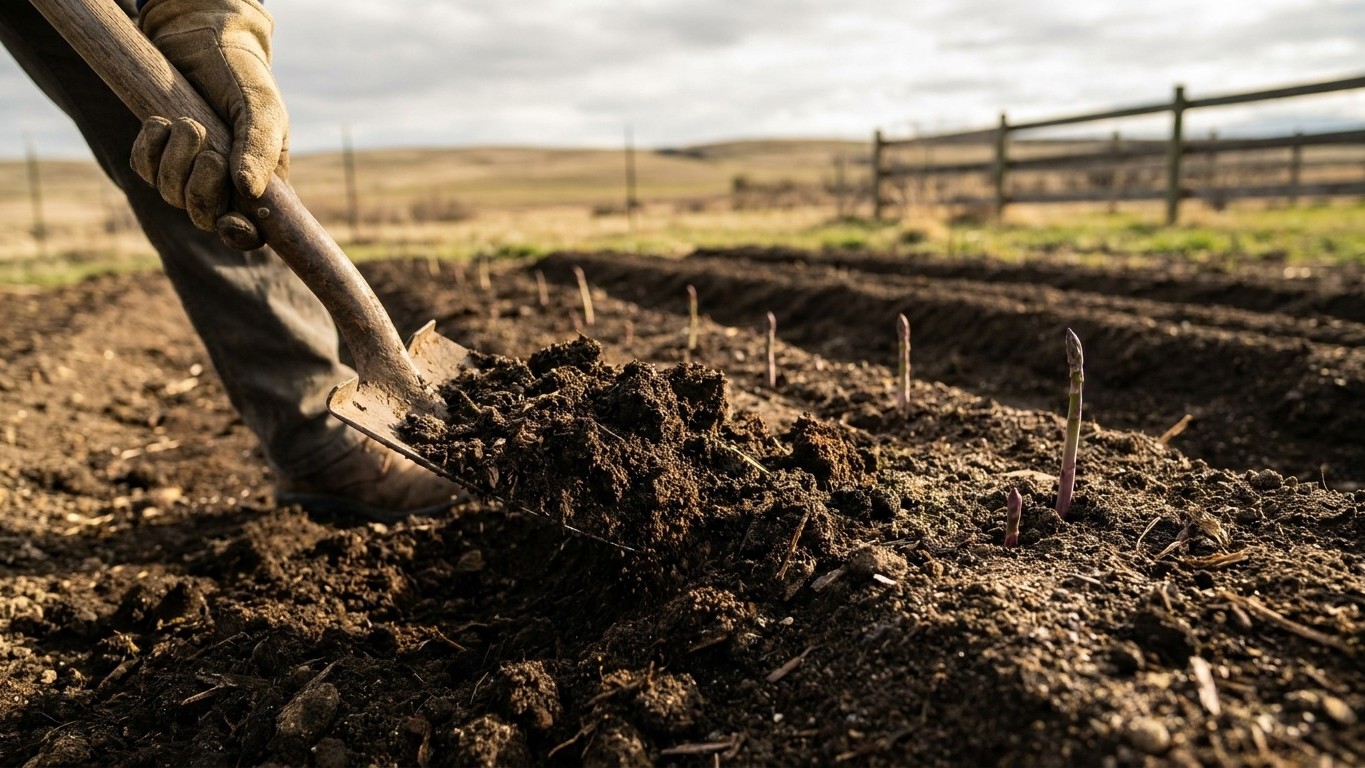
A bed that sits on the Hilo series, Hawaii’s representative soil, has the one thing this crop actually asks for: drainage.
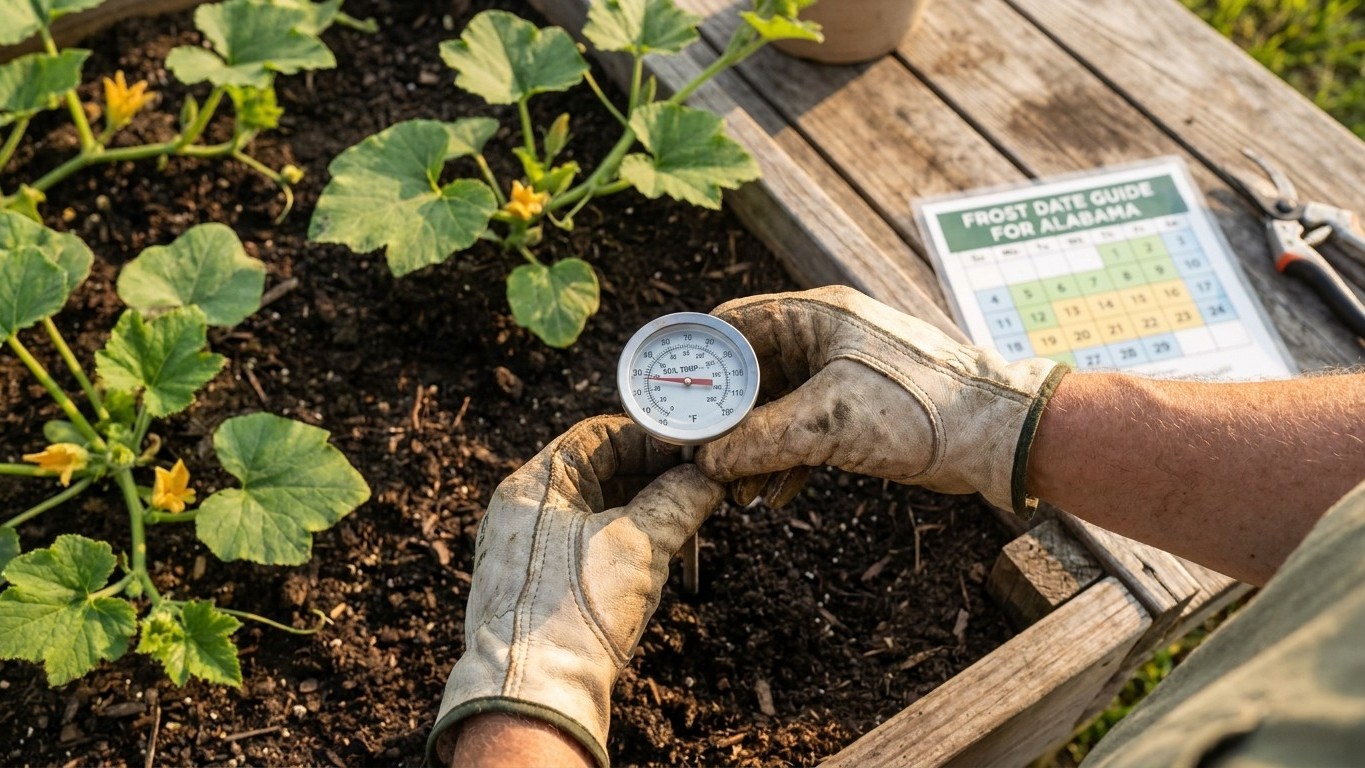
There’s no frost date to sow around in Hawaii, so the calendar most gardeners use elsewhere simply doesn’t apply here.
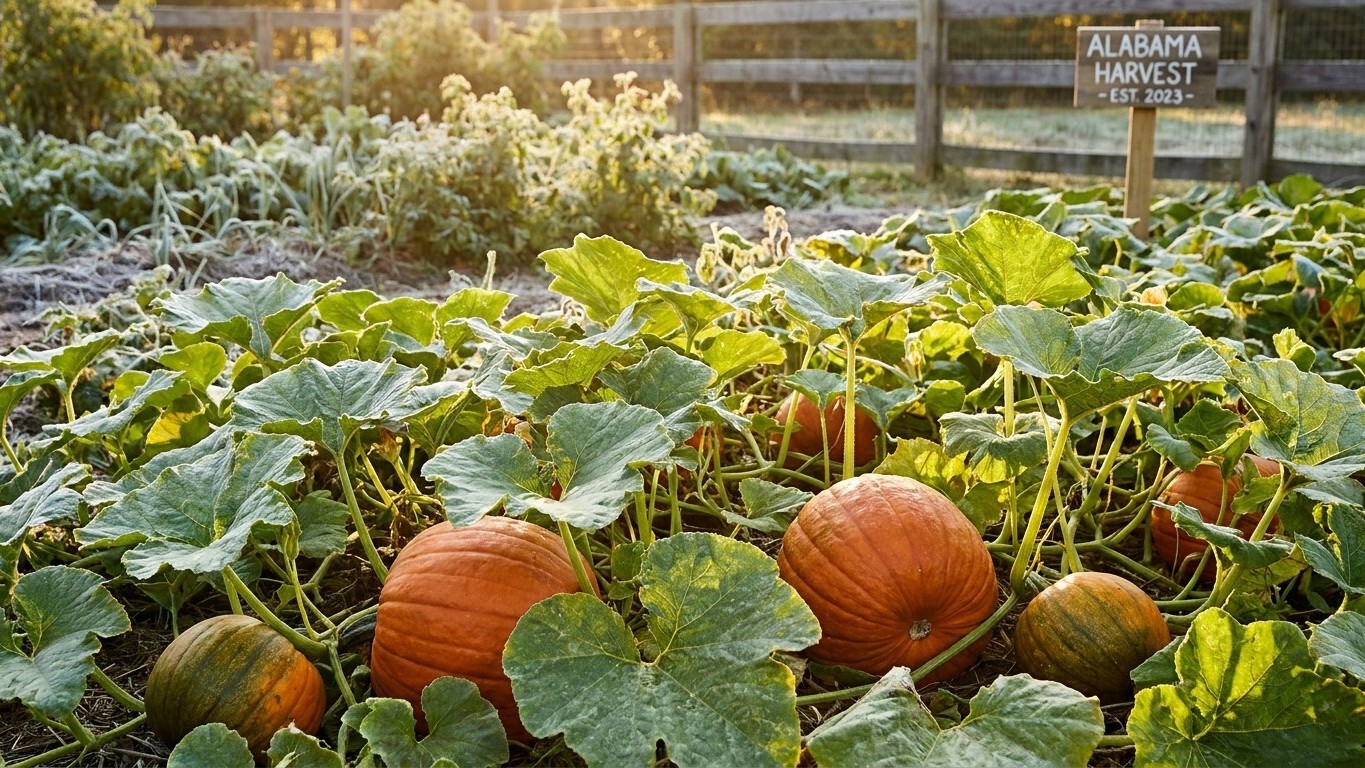
Pumpkins in lowland Hawaii don’t have to outrun a frost, because there isn’t one to outrun.
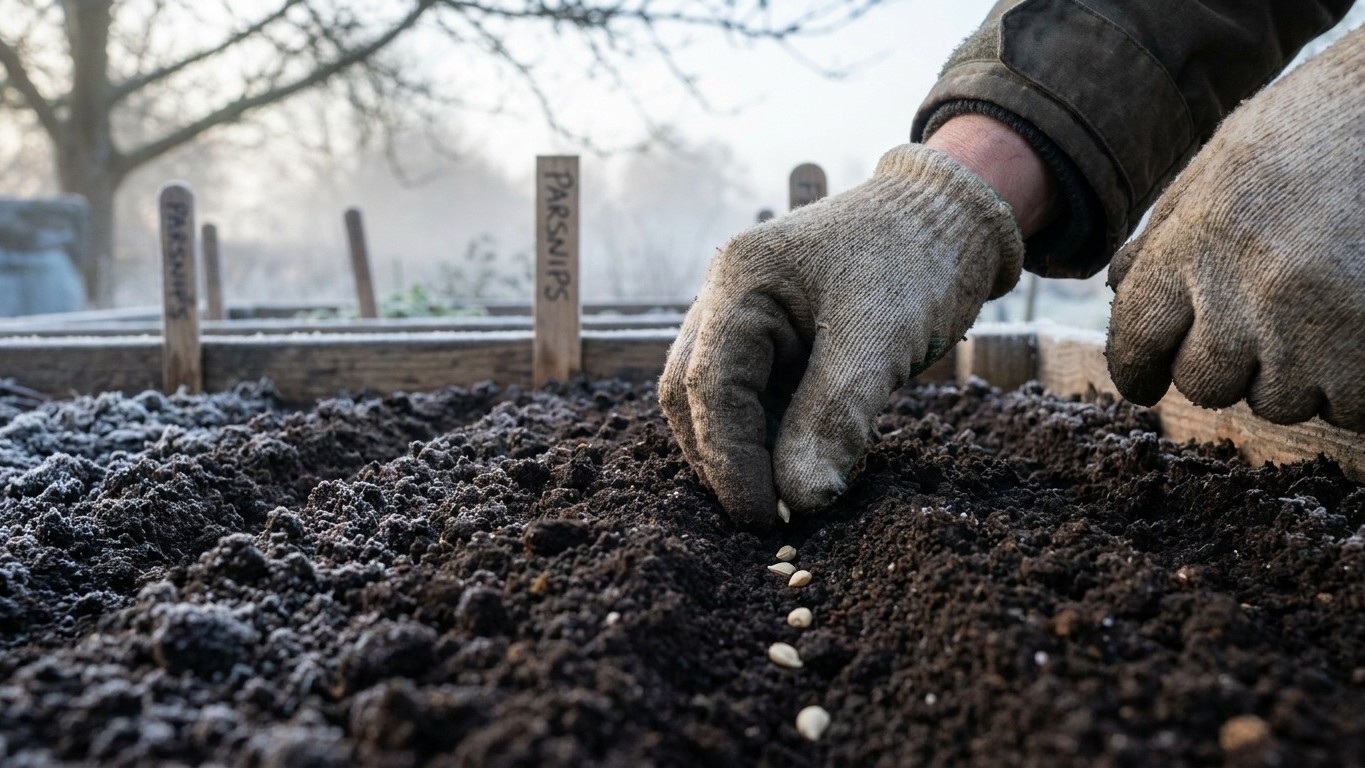
Since lowland Hawaii never experiences frost, at all, in any month, parsnips can technically go into the ground on almost any date the soil is workable.
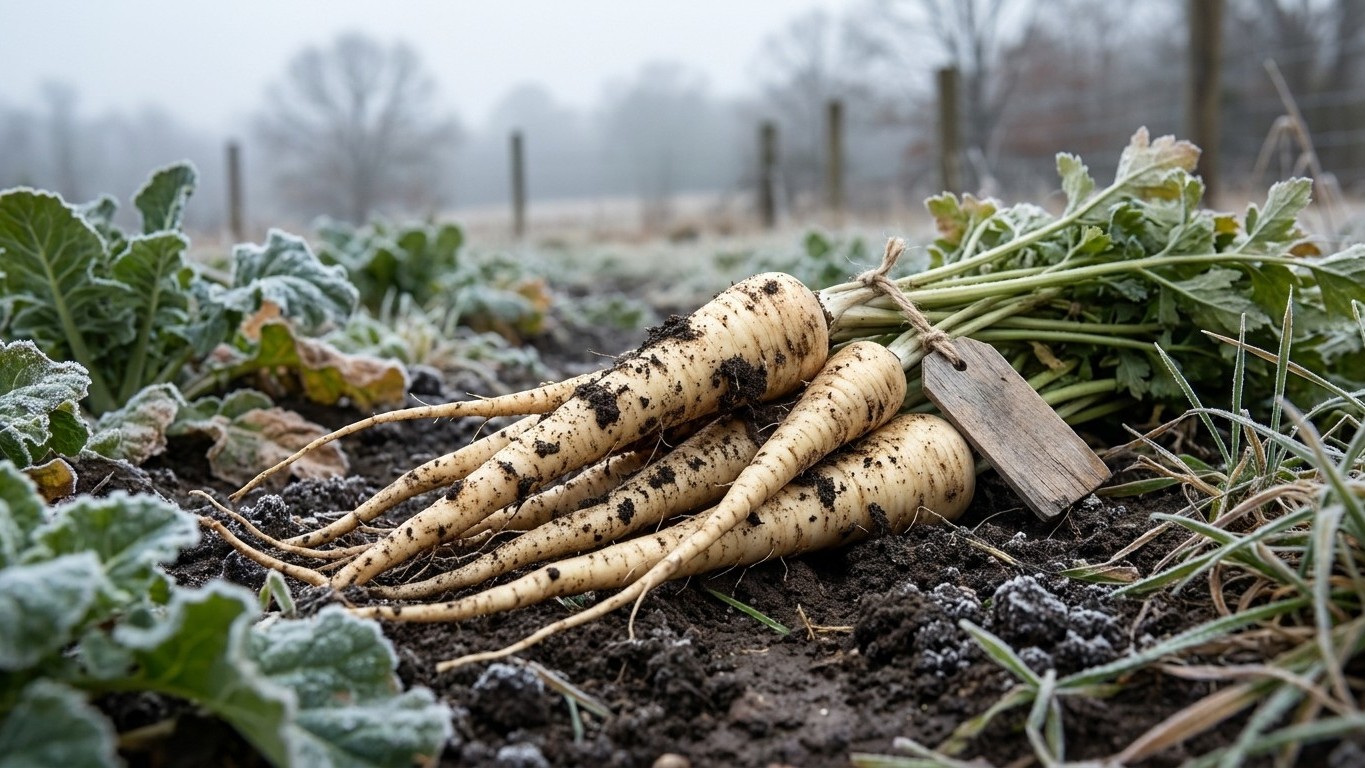
No. In Hawaii’s inhabited lowlands, parsnips will grow into full-sized roots, but they will not sweeten, because the mechanism that converts stored…
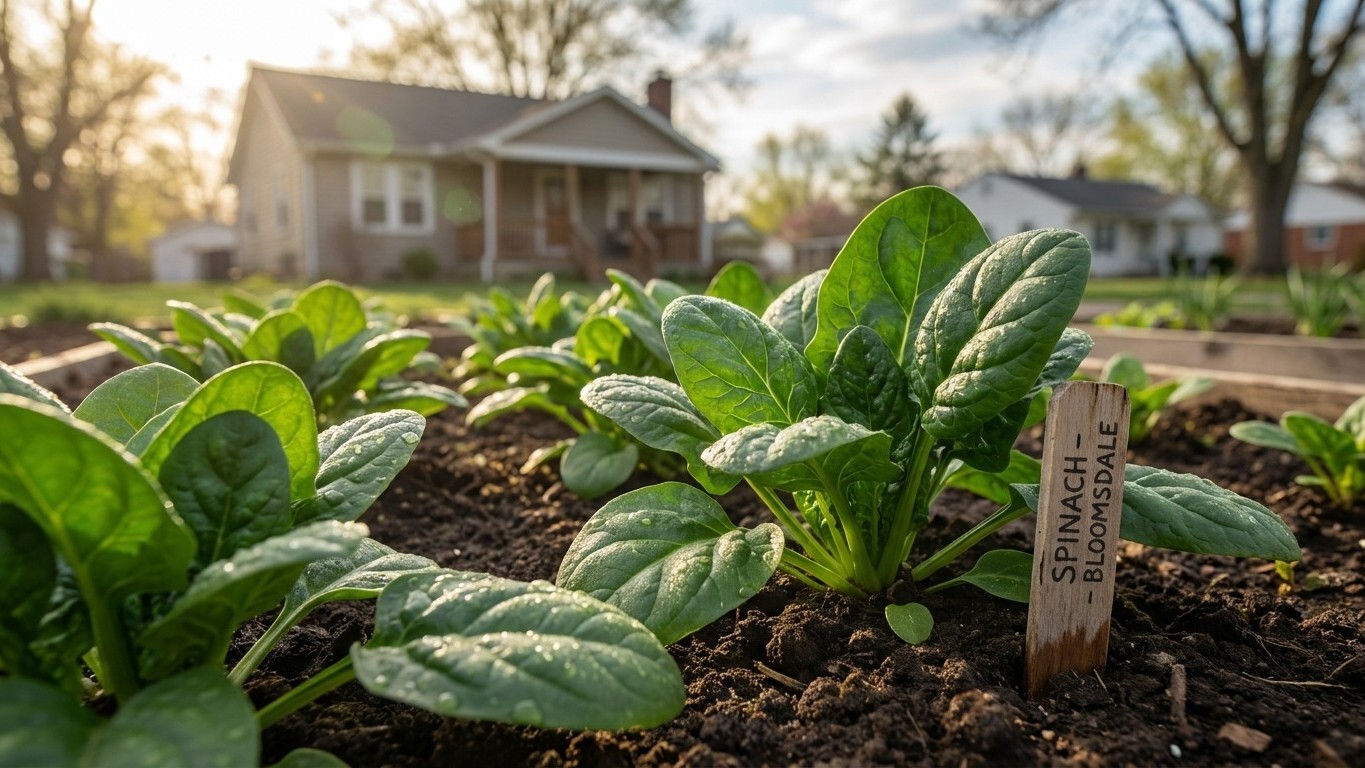
In lowland Hawaii, spinach rarely gets the chance to bolt gracefully, it just gives up early.
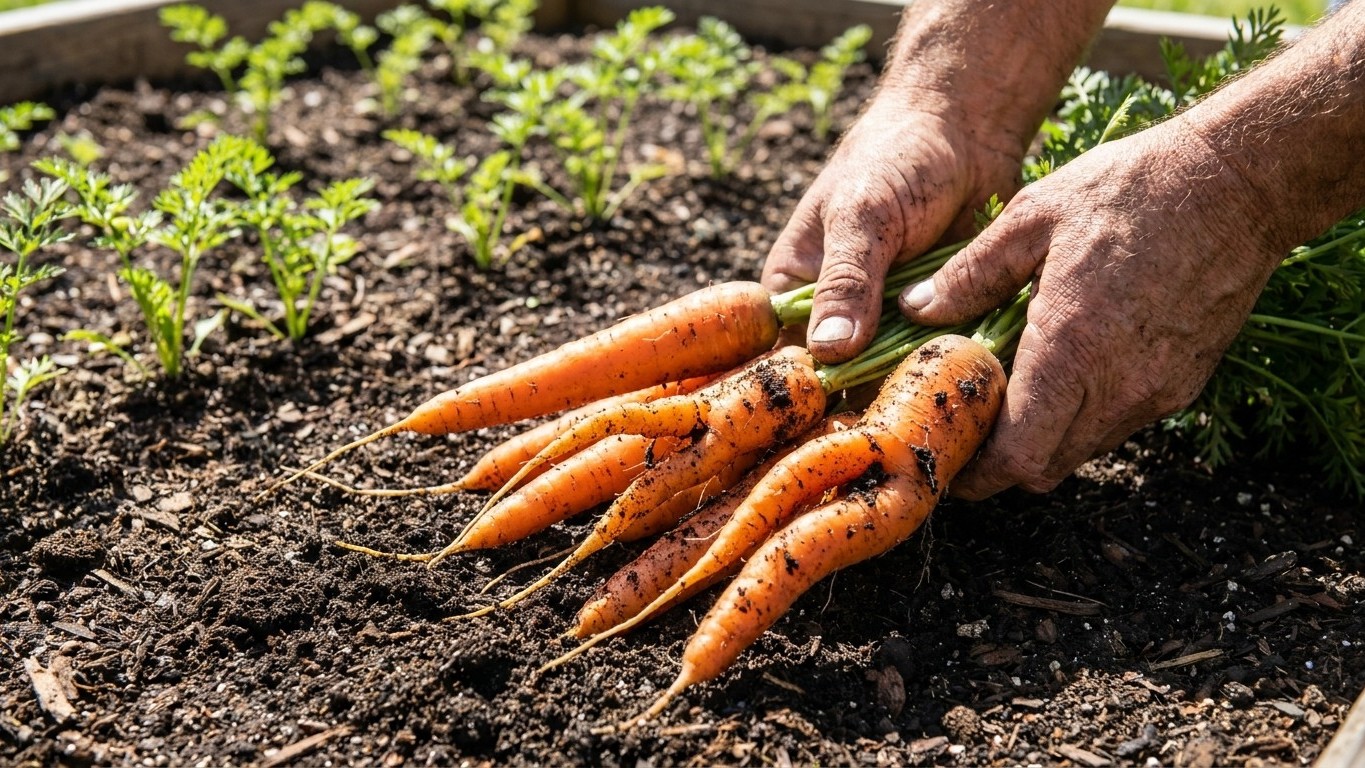
In most of Hawaii, there is no last frost date to count back from. Freezing temperatures only touch the summits of Mauna Kea and Mauna Loa, thousands of…
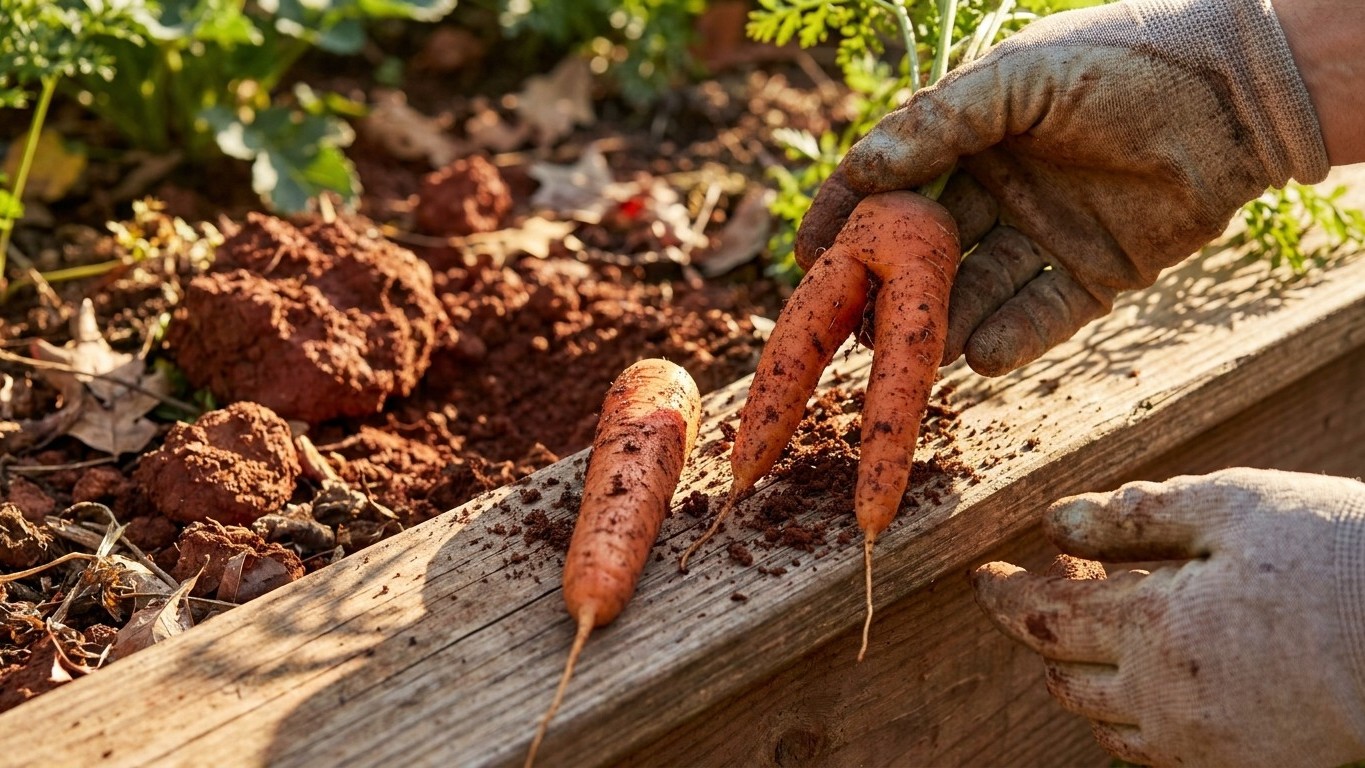
Not simply that. The soil that represents Hawaii, the Hilo series, is loaded with clay and silt, the kind of texture that usually forks a carrot root fast.