Painting an Older House: The Lead Question First
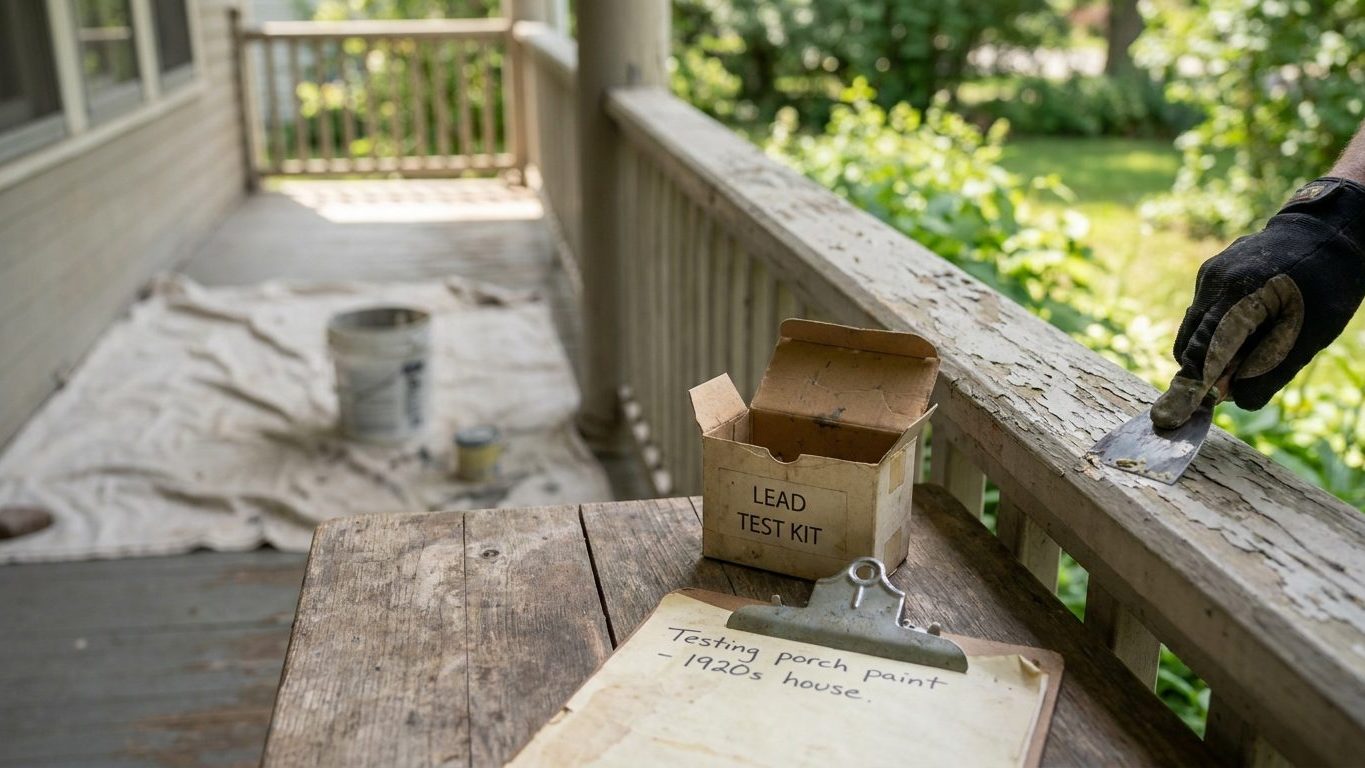
A practical guide to prepping paint on a pre-1978 house safely, covering lead dust risks, the EPA’s RRP rule, and what to settle before you start.
Home & garden, state by state
A practical guide to prepping paint on a pre-1978 house safely, covering lead dust risks, the EPA’s RRP rule, and what to settle before you start.
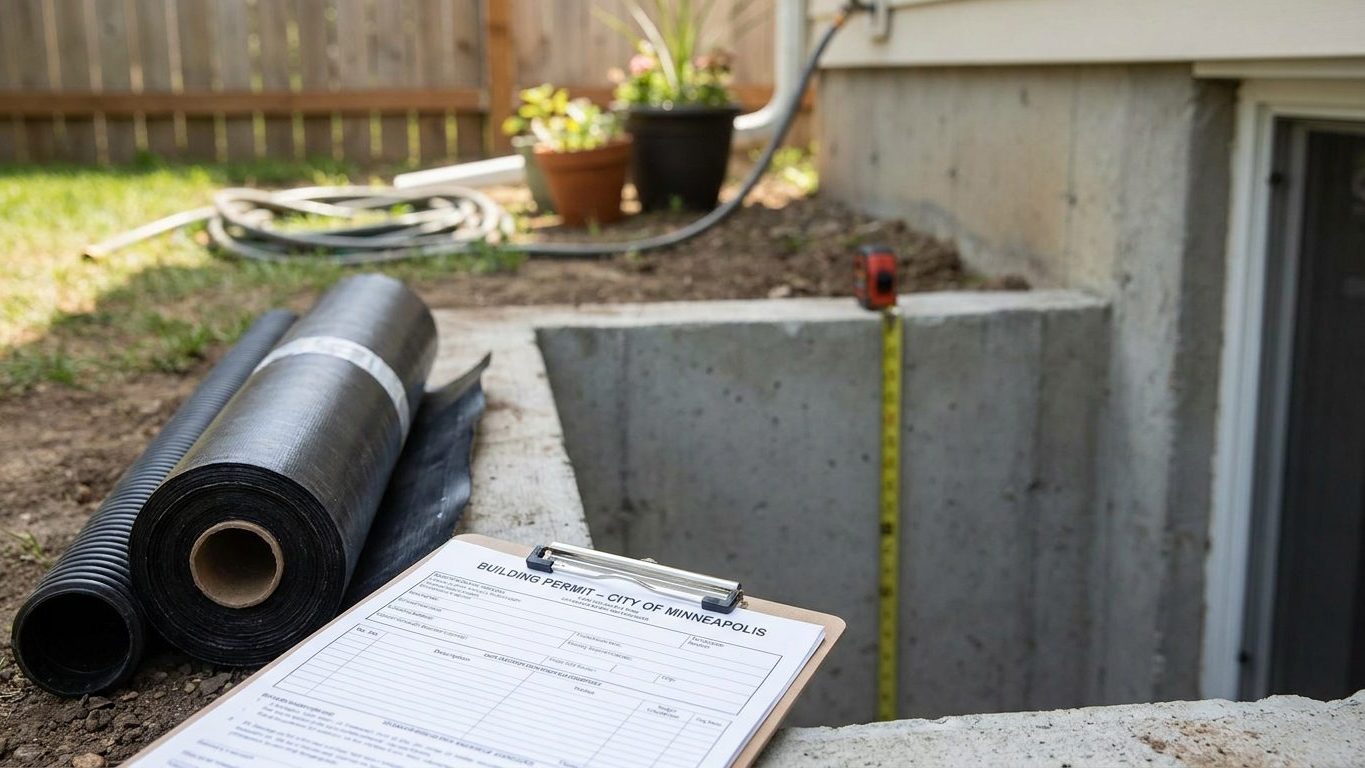
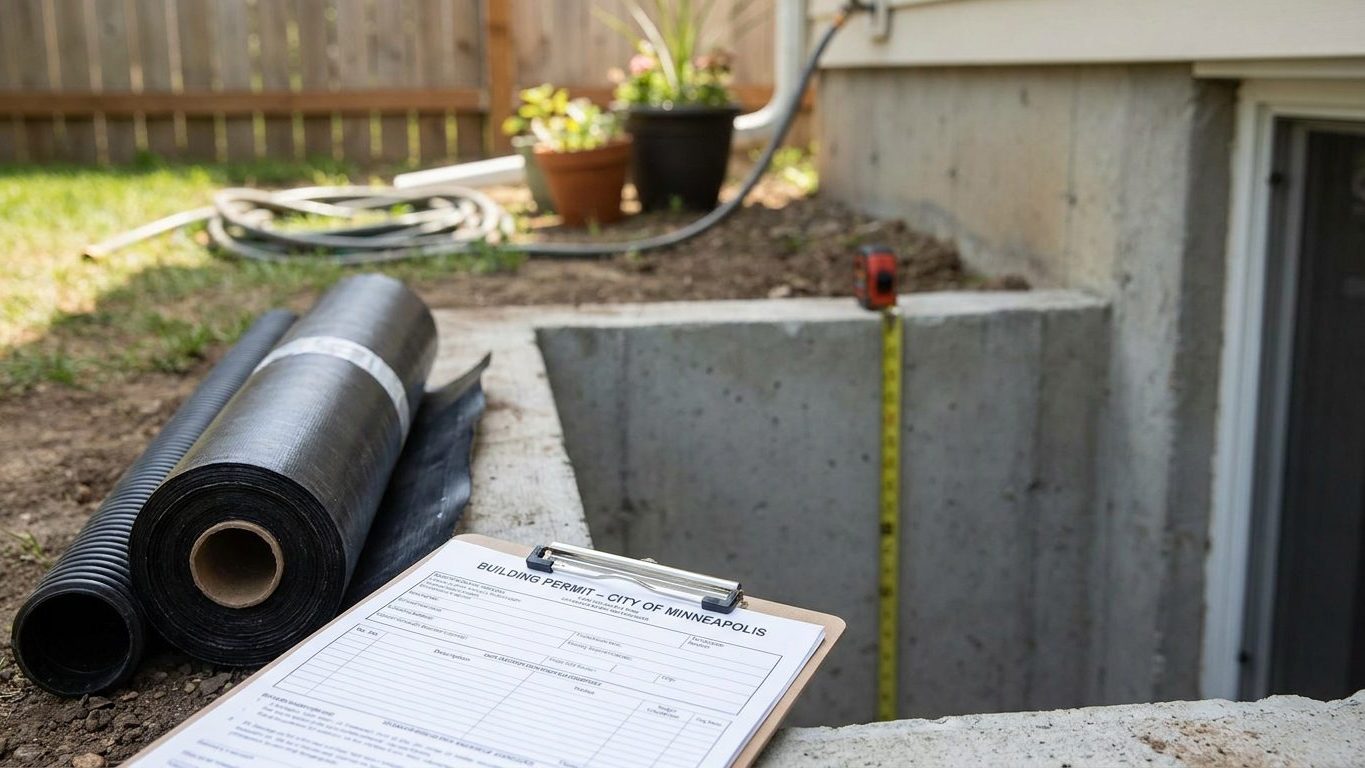
Explains Louisiana’s permit process, ceiling height and egress rules for basements, plus how to tell a water leak from summer condensation before you insulate.
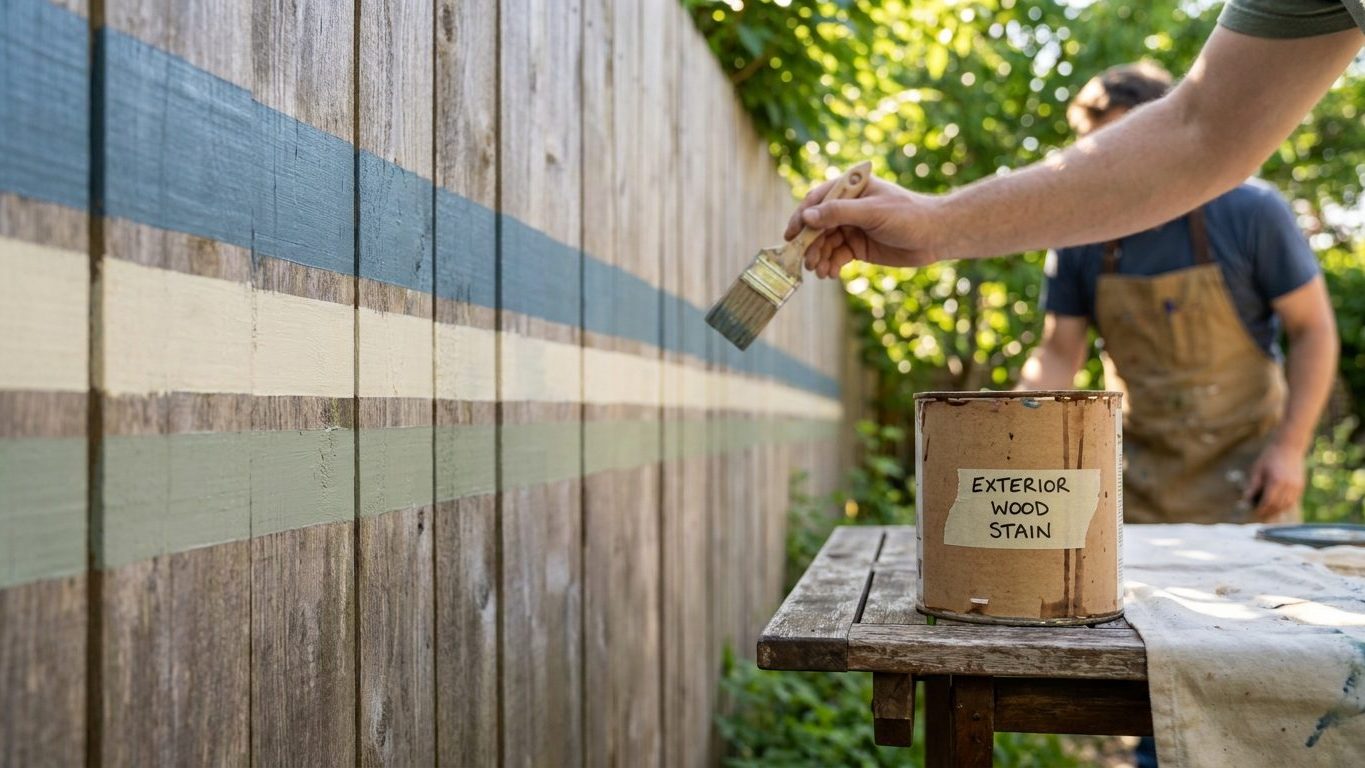
Why vertical bands appear when you lose the wet edge while painting, and when a lap mark needs a full recoat instead of a touch-up.
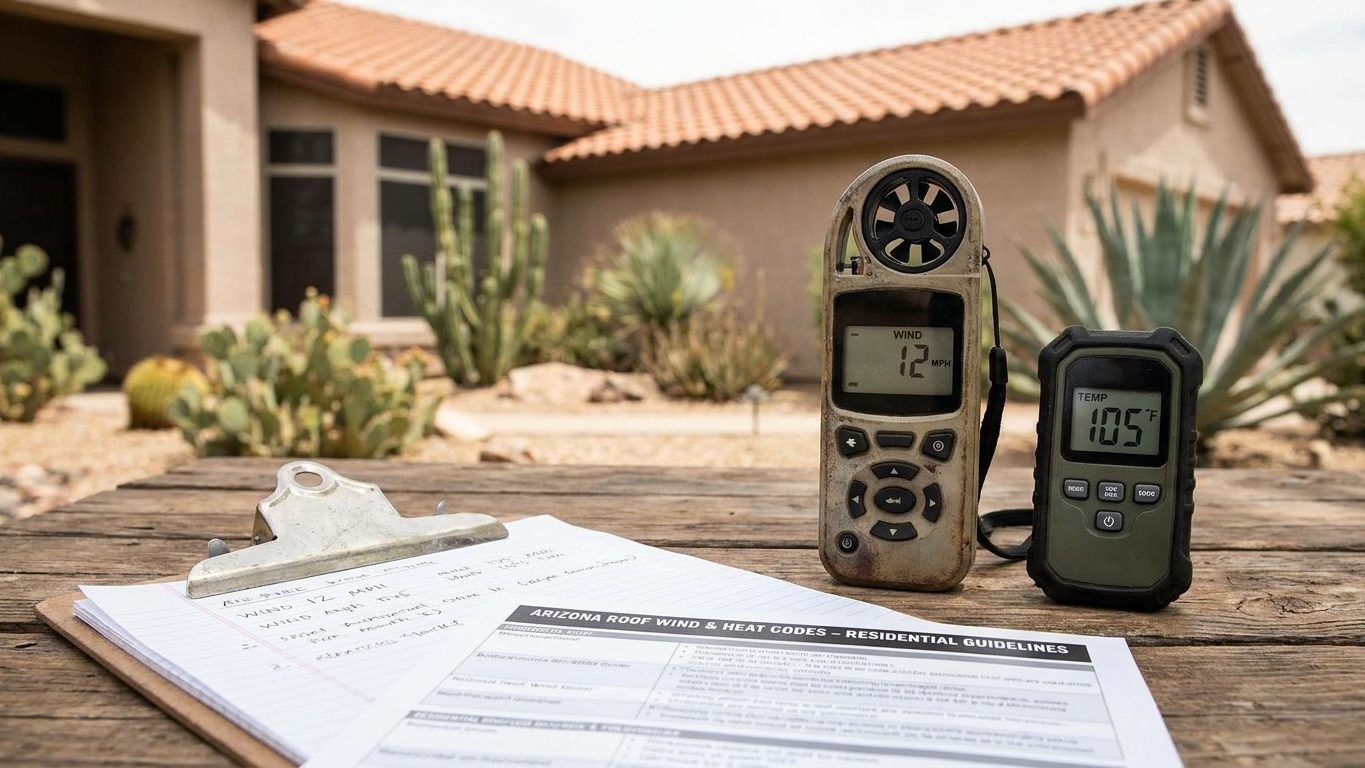
New Orleans’ 144 mph design wind speed crosses the impact-glazing threshold under the code edition currently governing most Louisiana permits.
Kentucky’s code drops the alteration exemption other states allow, so basement egress, ceiling height and permits follow full new-construction rules statewide.
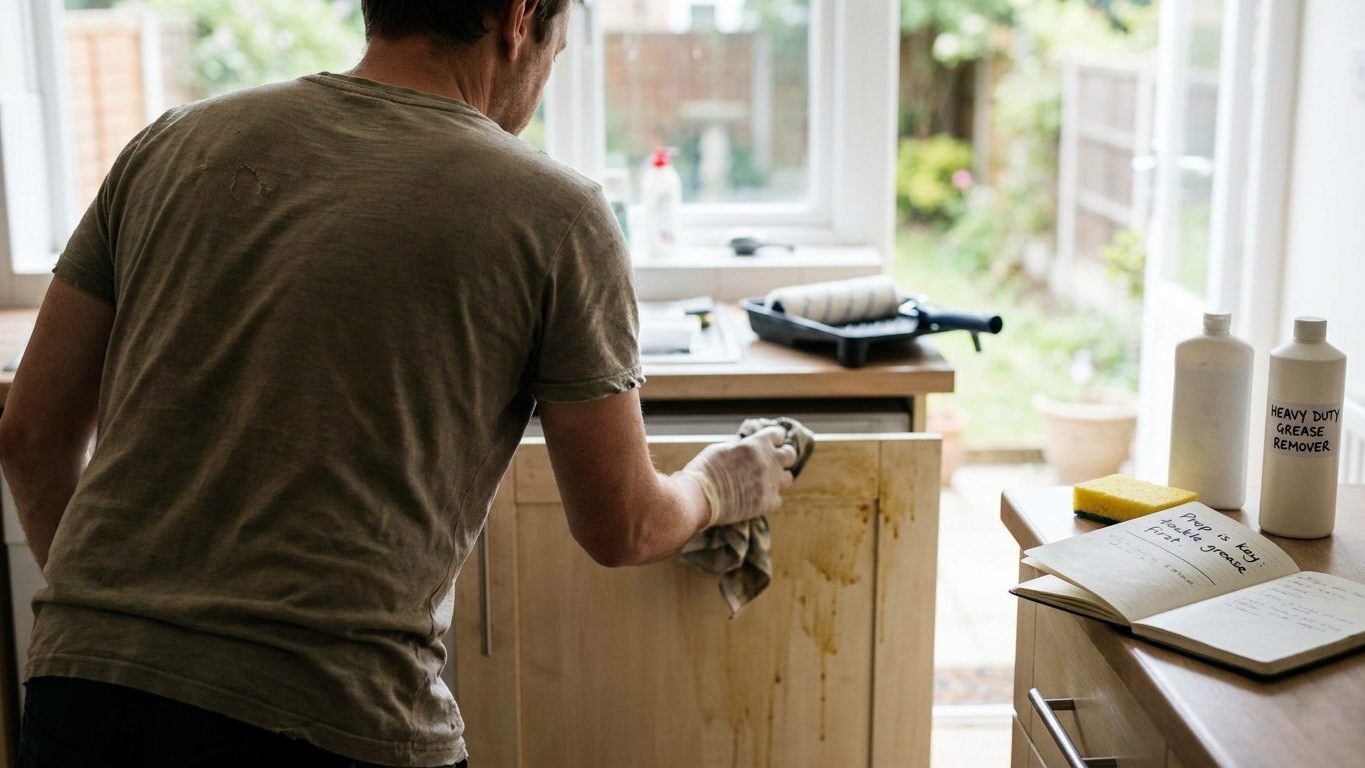
A grease film on kitchen walls stops paint from bonding no matter how many coats you apply, and a degreasing wash before priming solves it for good.

Calculate paint quantity by measuring wall area, subtracting openings, multiplying by coats, and dividing by the can’s coverage rate, then box tins to match batches.
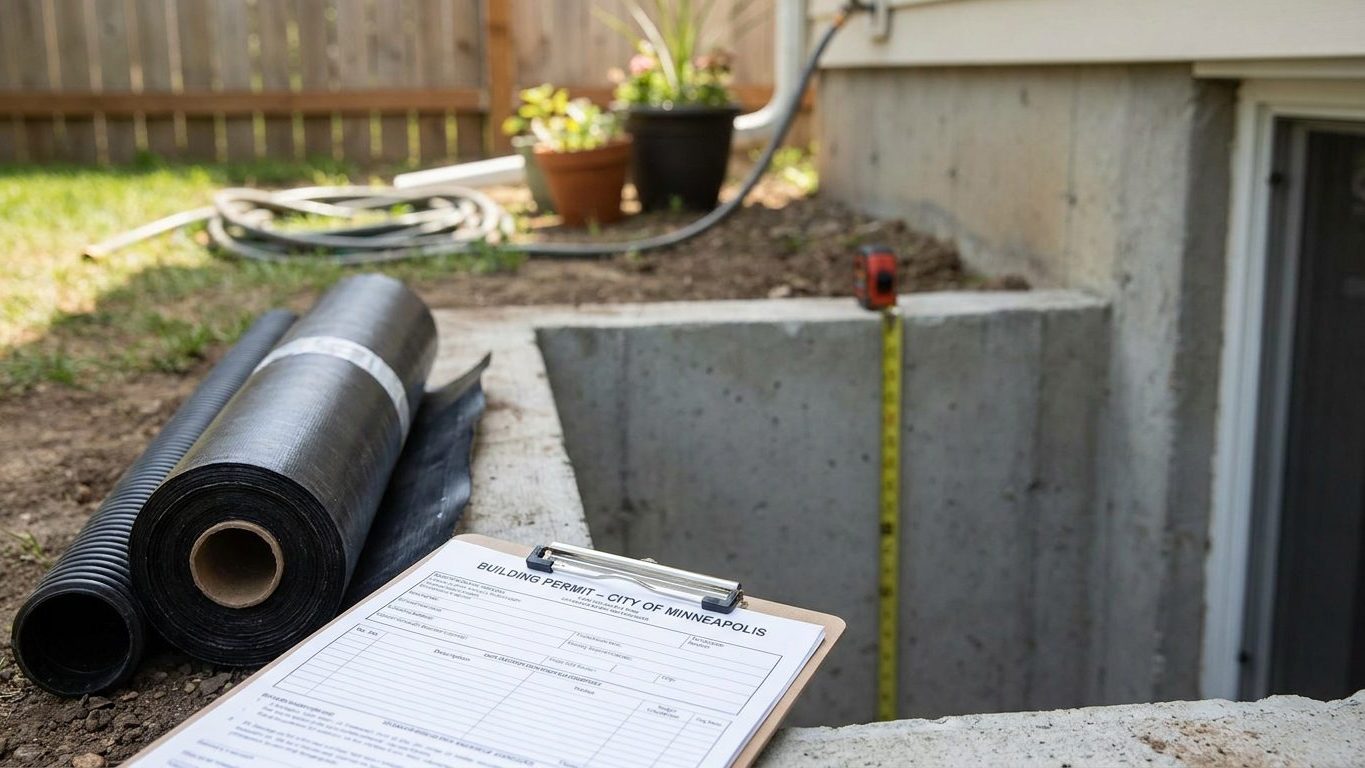
A plain-language look at Idaho’s basement permit, ceiling height, egress window and moisture rules, with the figures a building department will check first.
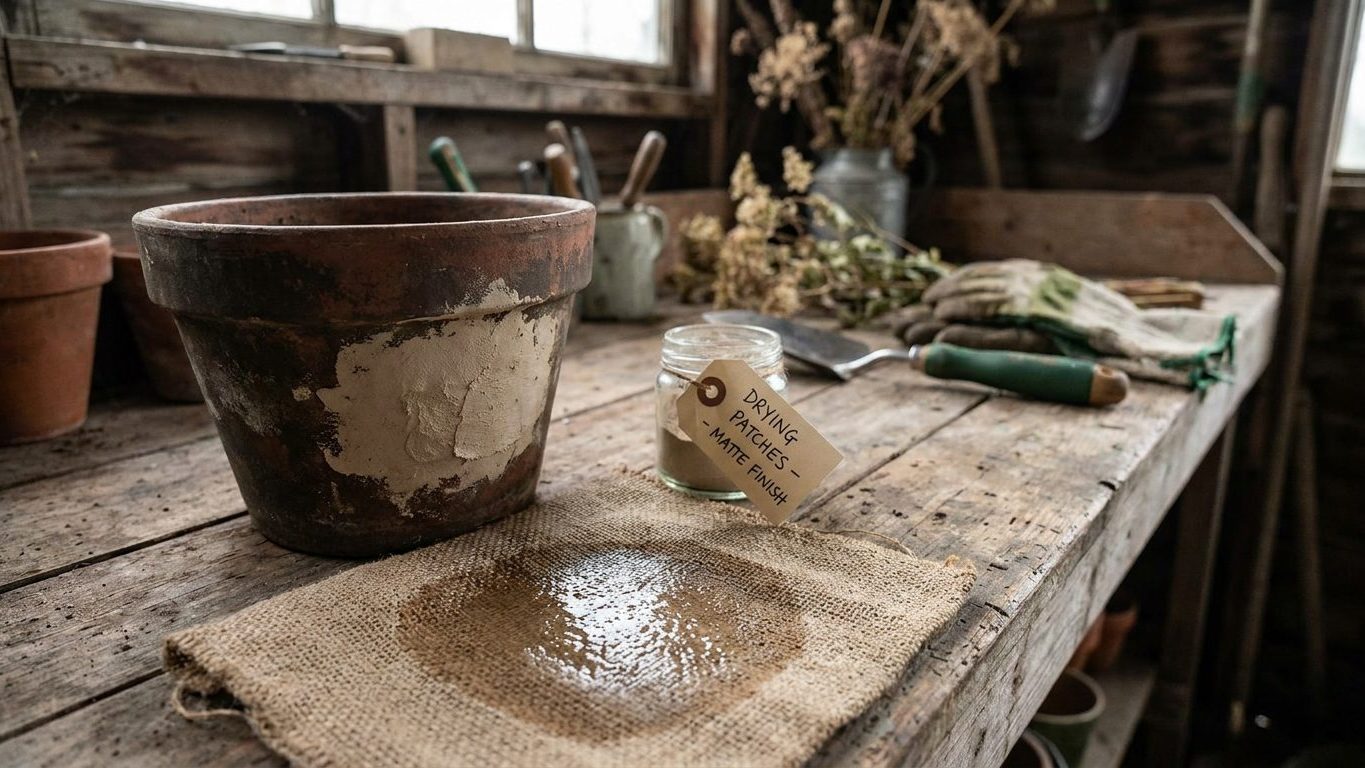
Flashing appears when patched or primed spots absorb paint differently than the rest of the wall, and spot-priming before the topcoat prevents it.
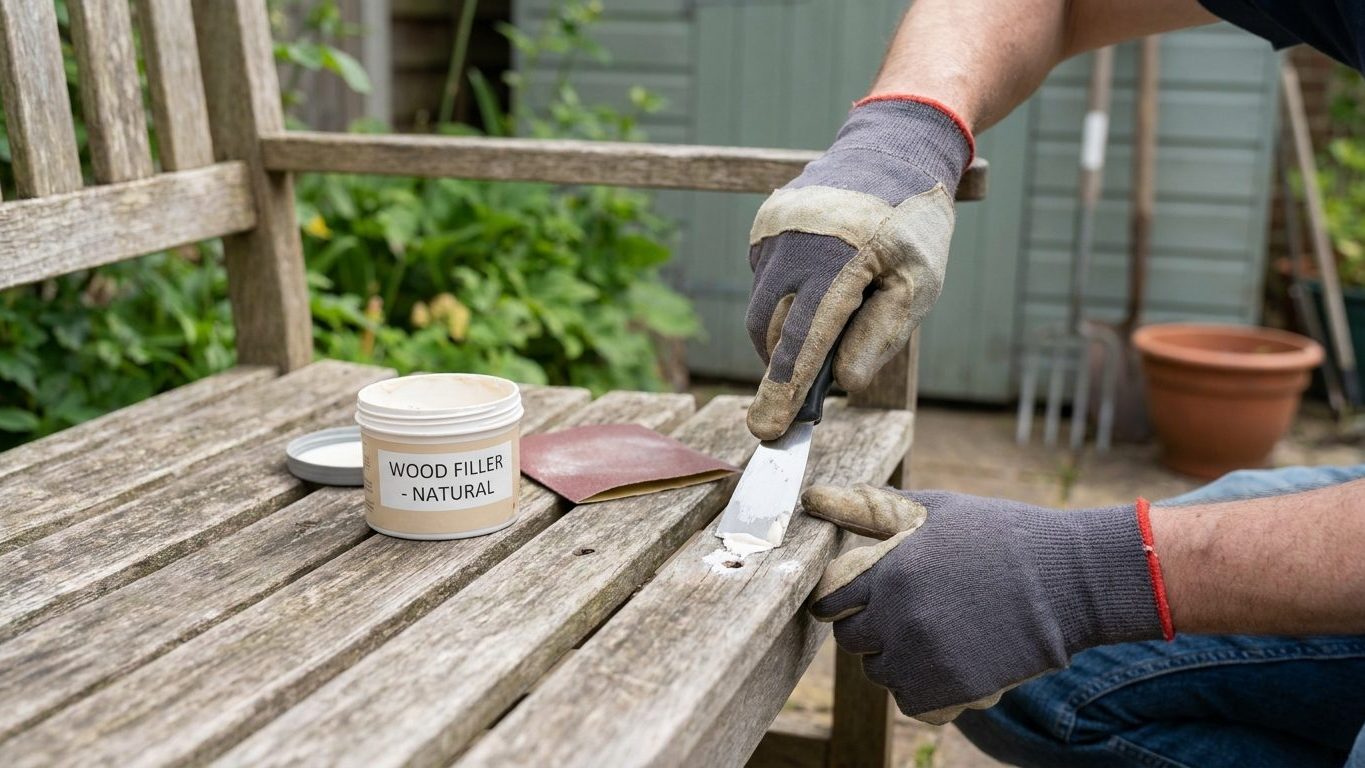
Filler shrinks as it dries, leaving a faint ring where the patch meets old paint, and this piece covers the sanding, priming and second coat that make it disappear.