Roof Snow Load, Wind Speed and Ice Barrier Rules in Massachusetts
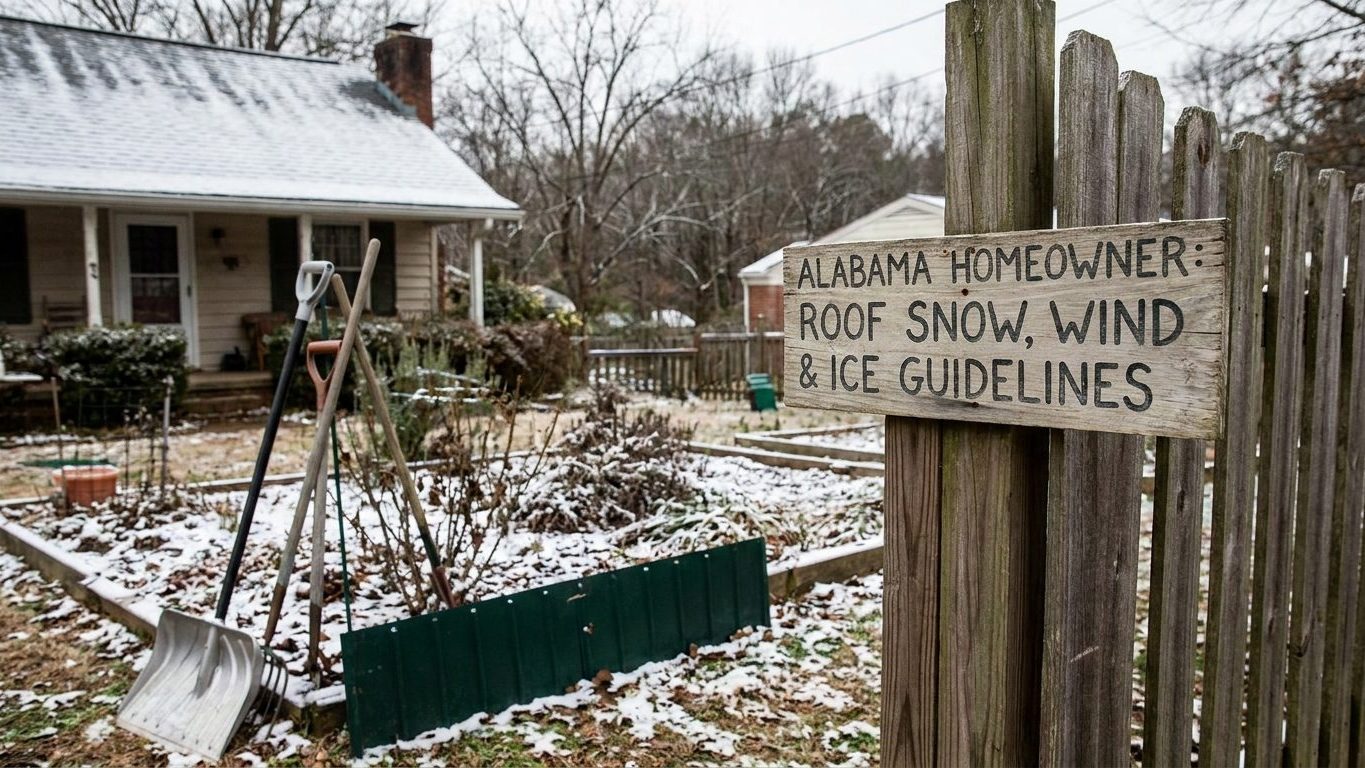
Boston’s 40 psf ground snow load, 120 mph design wind speed, and Massachusetts’ ice barrier rule, explained with what each figure actually governs for homeowners.
Home & garden, state by state
Boston’s 40 psf ground snow load, 120 mph design wind speed, and Massachusetts’ ice barrier rule, explained with what each figure actually governs for homeowners.
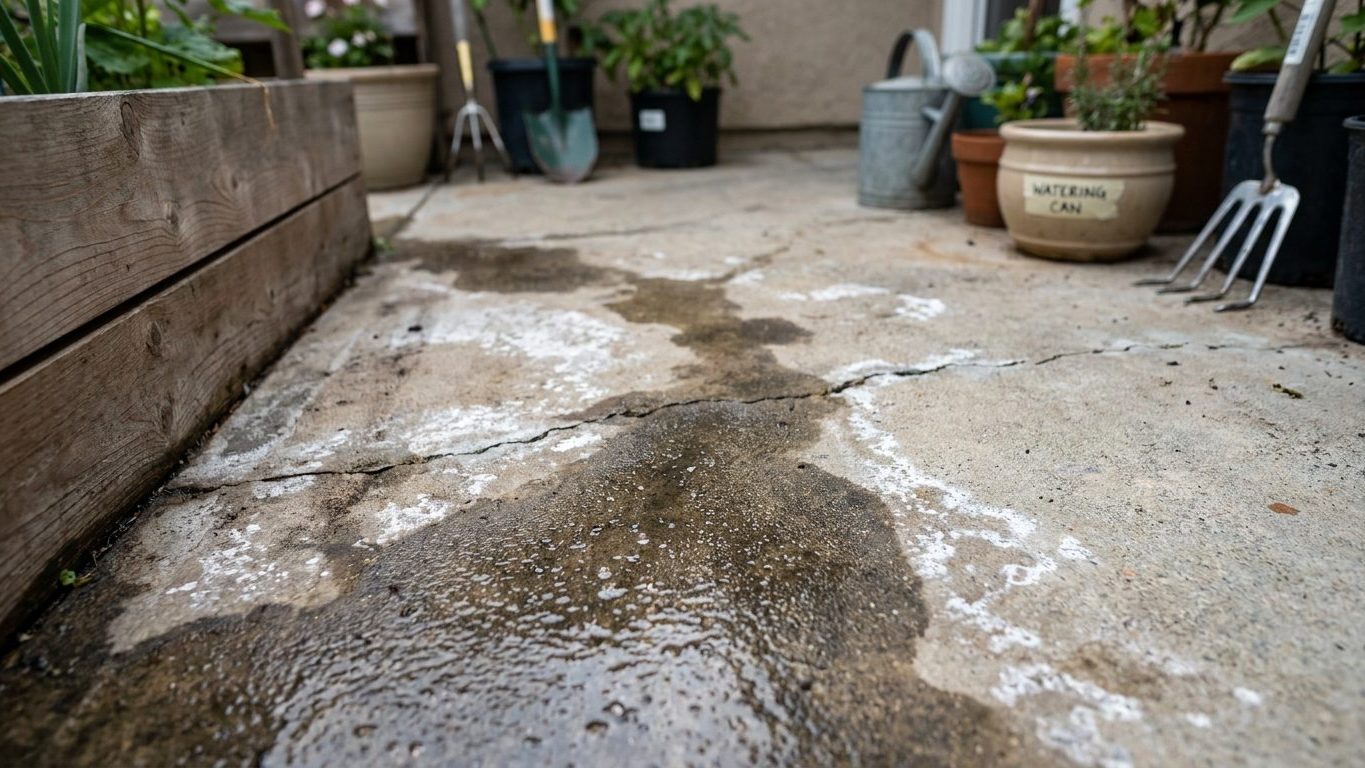
Moisture on a slab floor is usually vapor rising through the concrete, not a crack leaking. Here’s how to check it and what order to fix it.
Whitehorse’s ground snow load, wind pressure and ice barrier rules explained, with the National Building Code of Canada figures behind each one.
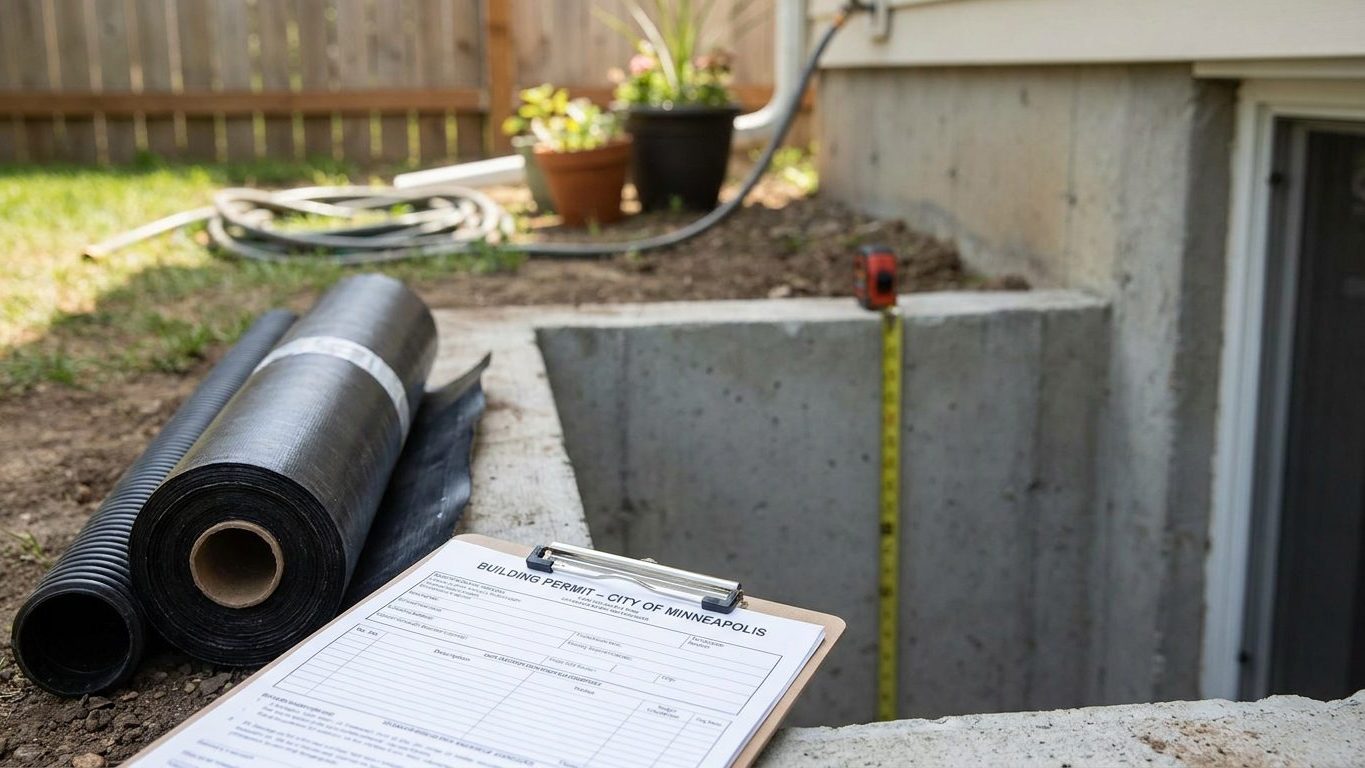
Explains Arkansas’s basement permit process, ceiling height and egress rules, and how local soil and rainfall affect waterproofing and insulation choices.
Wyoming has no statewide building code, so the ground snow load, wind speed and any ice barrier rule for a roof are set locally, not by the state.
Explains Maryland’s Baltimore-area design snow load, wind speed and ice barrier requirements, and how ground snow load converts to the lower roof value used on permits.
Explains Winnipeg’s ground snow load, wind pressure and ice barrier rules under the Manitoba Building Code, and what each figure actually governs on a roof.
Arizona has no statewide residential code, so basement permits, ceiling height and egress rules depend on your local building department.
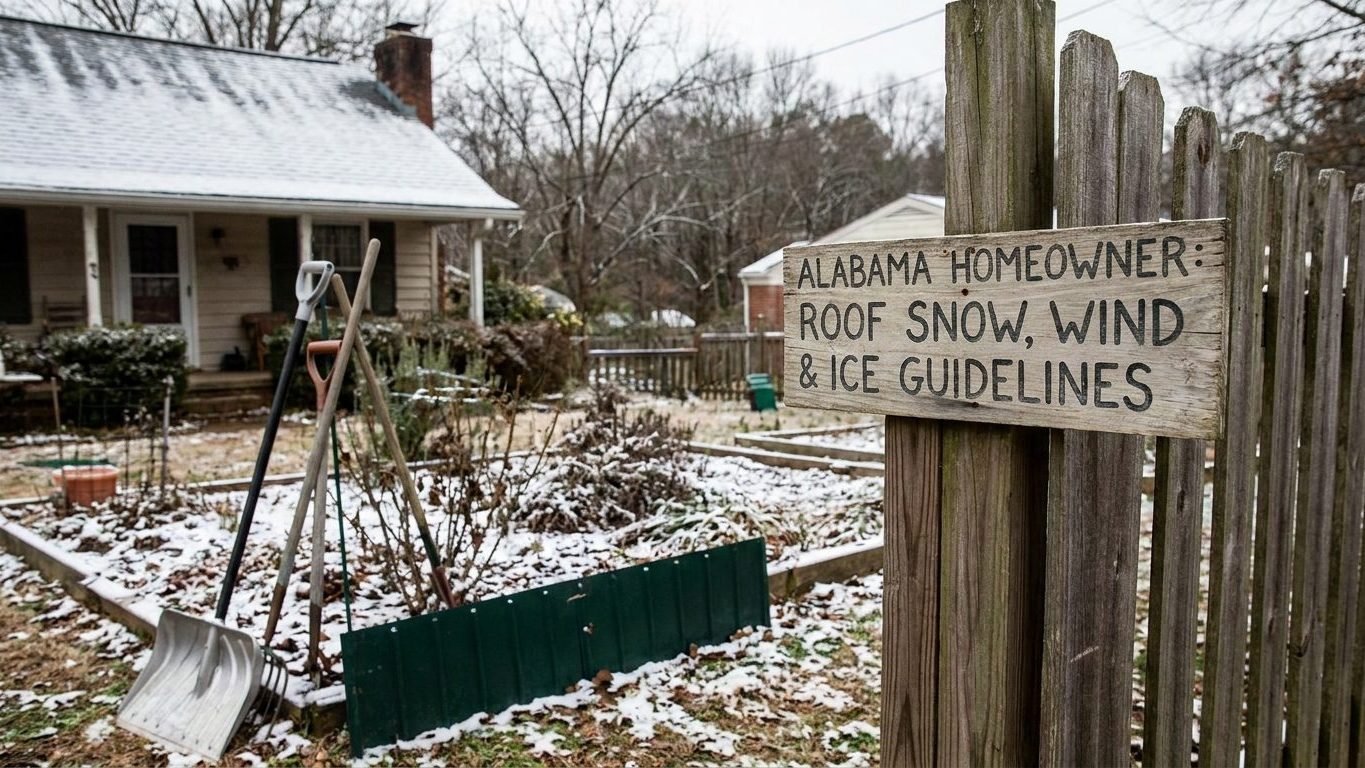
Wisconsin’s roof snow load, wind speed and ice barrier rules explained using Milwaukee’s ASCE 7-16 design figures and the state’s Uniform Dwelling Code.
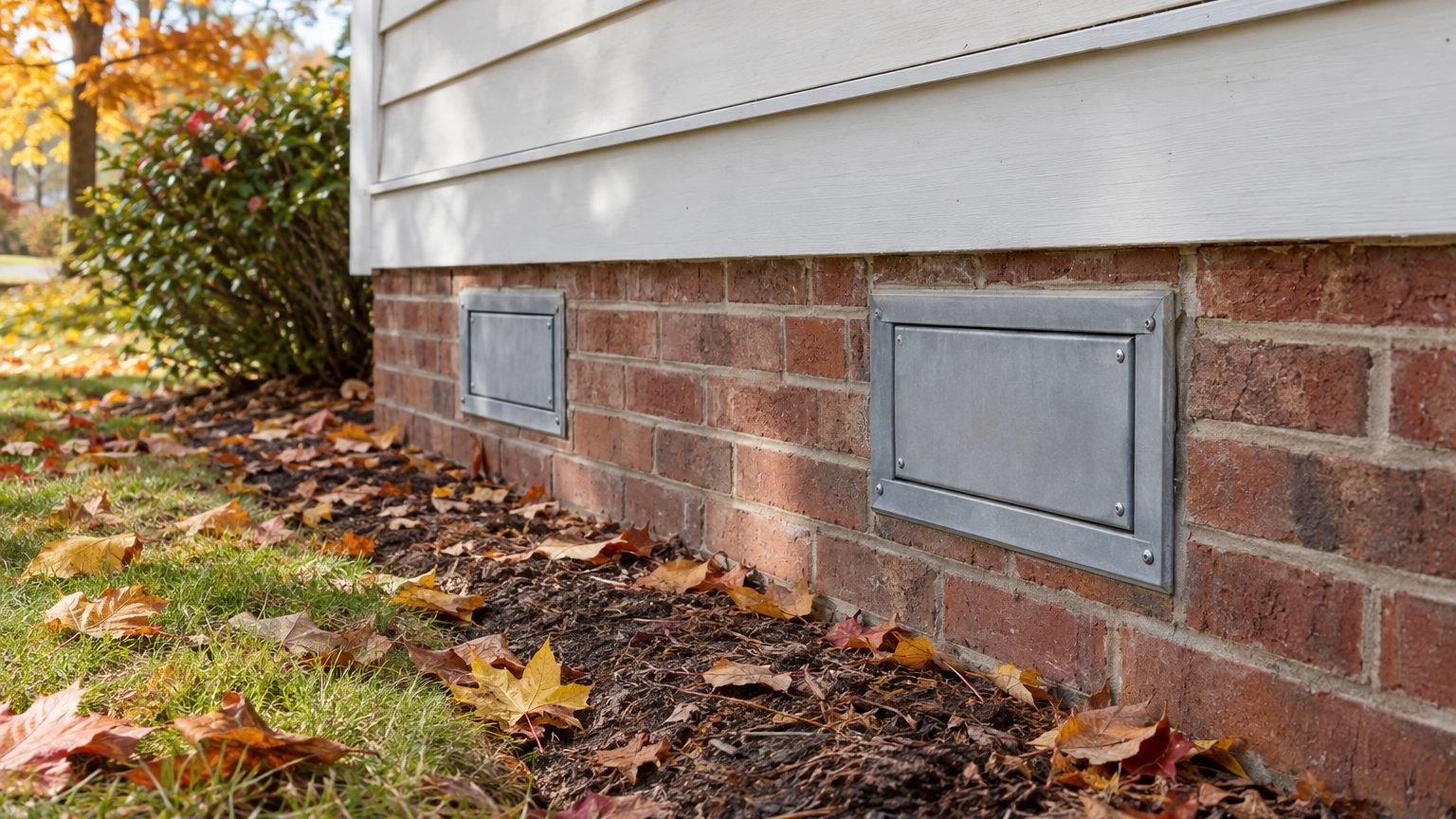
Closing foundation vents suits a sealed, insulated crawl space and does not automatically suit a vented one. This page shows how to tell which you have and what to check first.