Finishing a Basement in Hawaii: Permits, Ceiling Height, Egress and Waterproofing
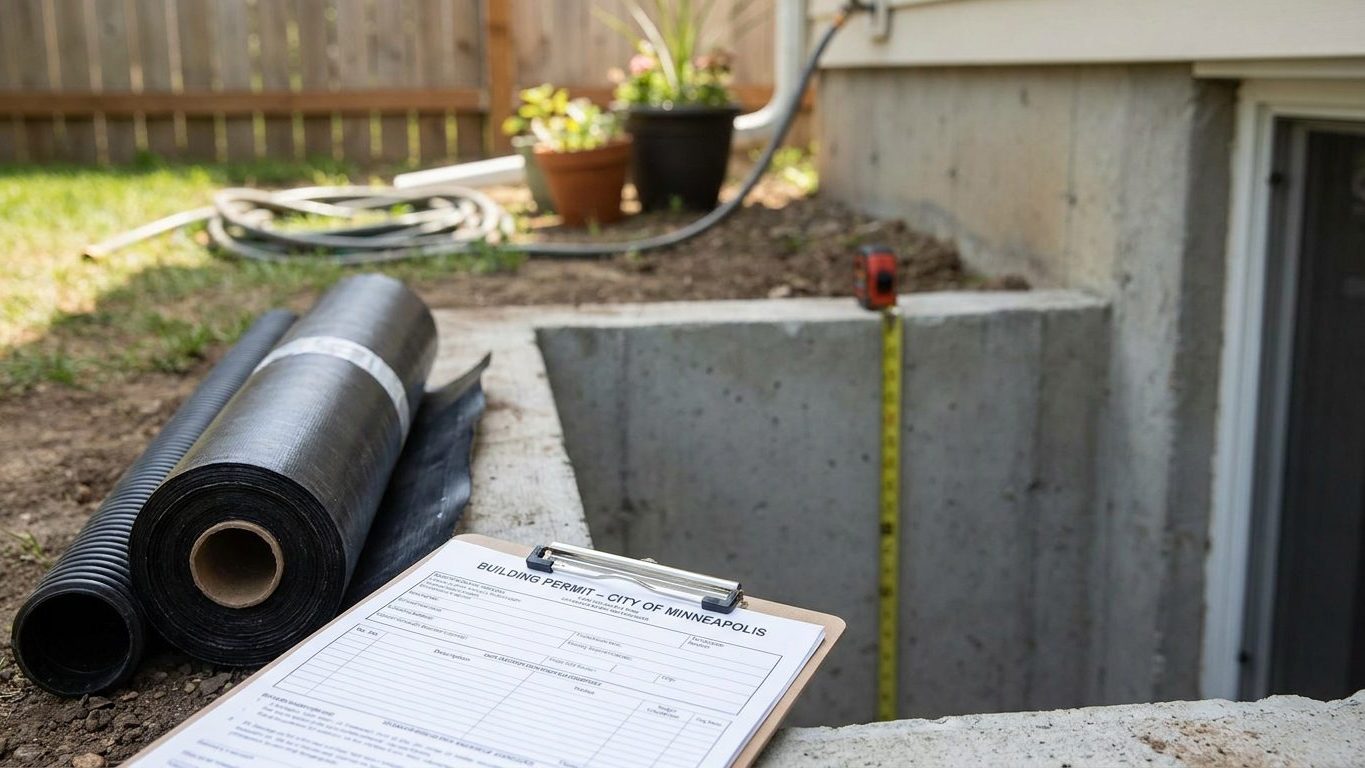
Explains Hawaii’s permit process, ceiling height and egress rules for finishing a basement, plus how to tell a water leak from condensation.
Home & garden, state by state
Explains Hawaii’s permit process, ceiling height and egress rules for finishing a basement, plus how to tell a water leak from condensation.
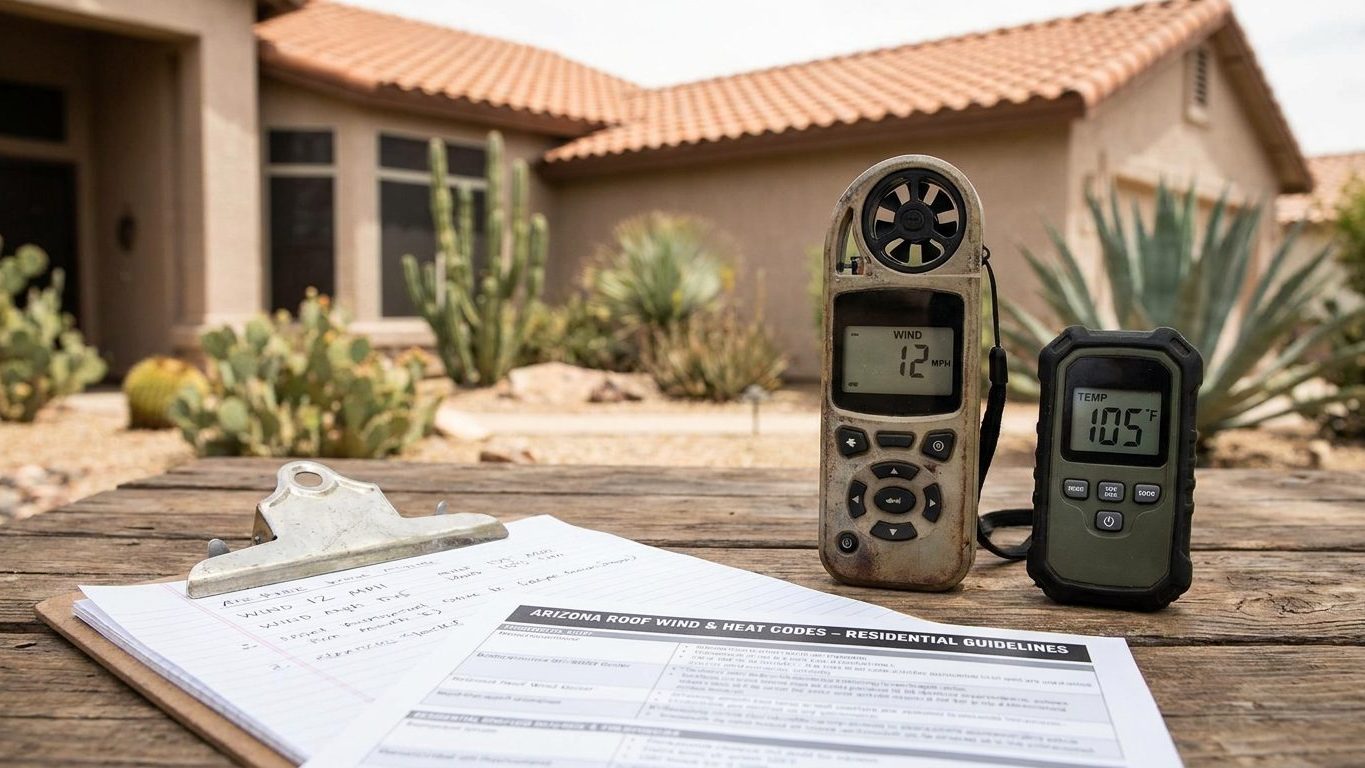
Honolulu’s 138 mph design wind speed drives roof framing and fastening in Hawaii, while the state’s snow load stays at zero and heat wears shingles fast.
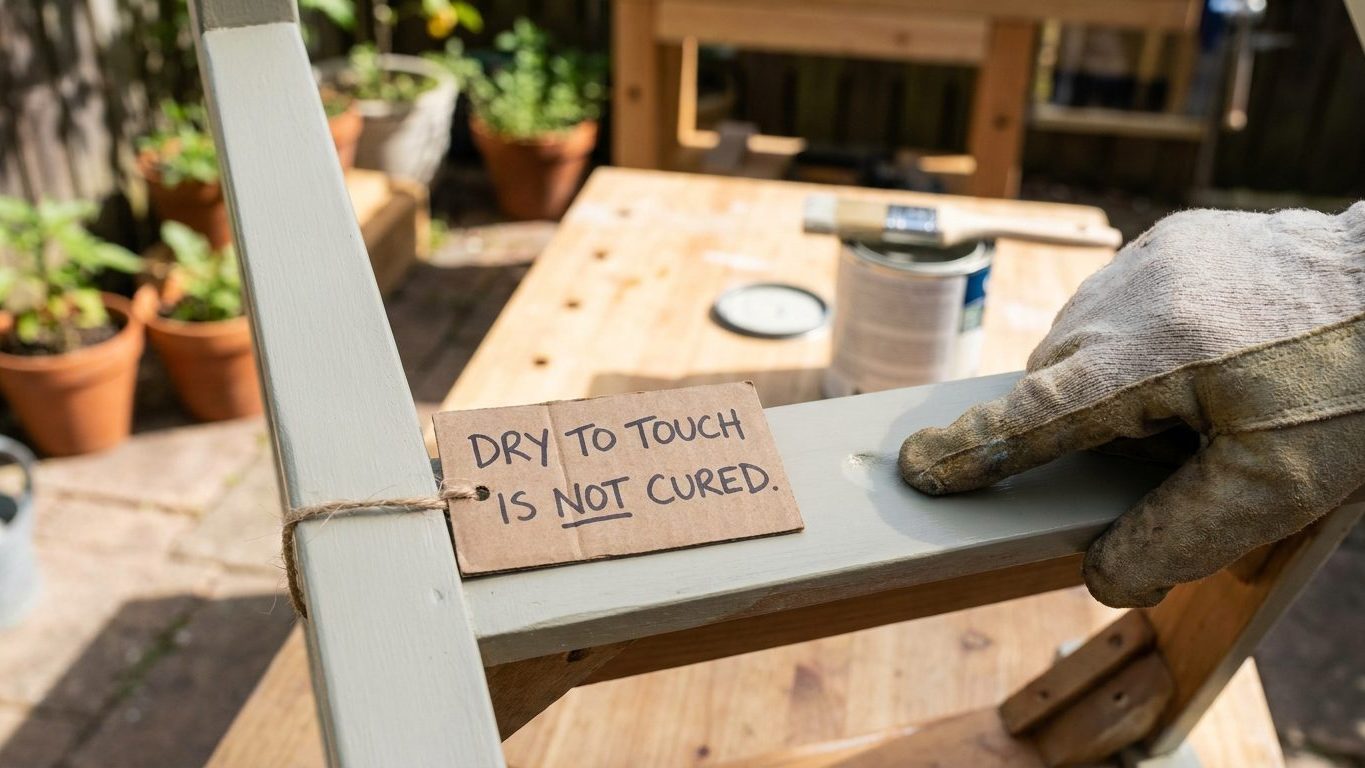
Dry to the touch and fully cured are two different stages of paint, and mixing them up causes most of the marks people see in the first month.
Learn to spot drips, runs and sags on painted walls while the paint is still wet, and what to do once it has already set.
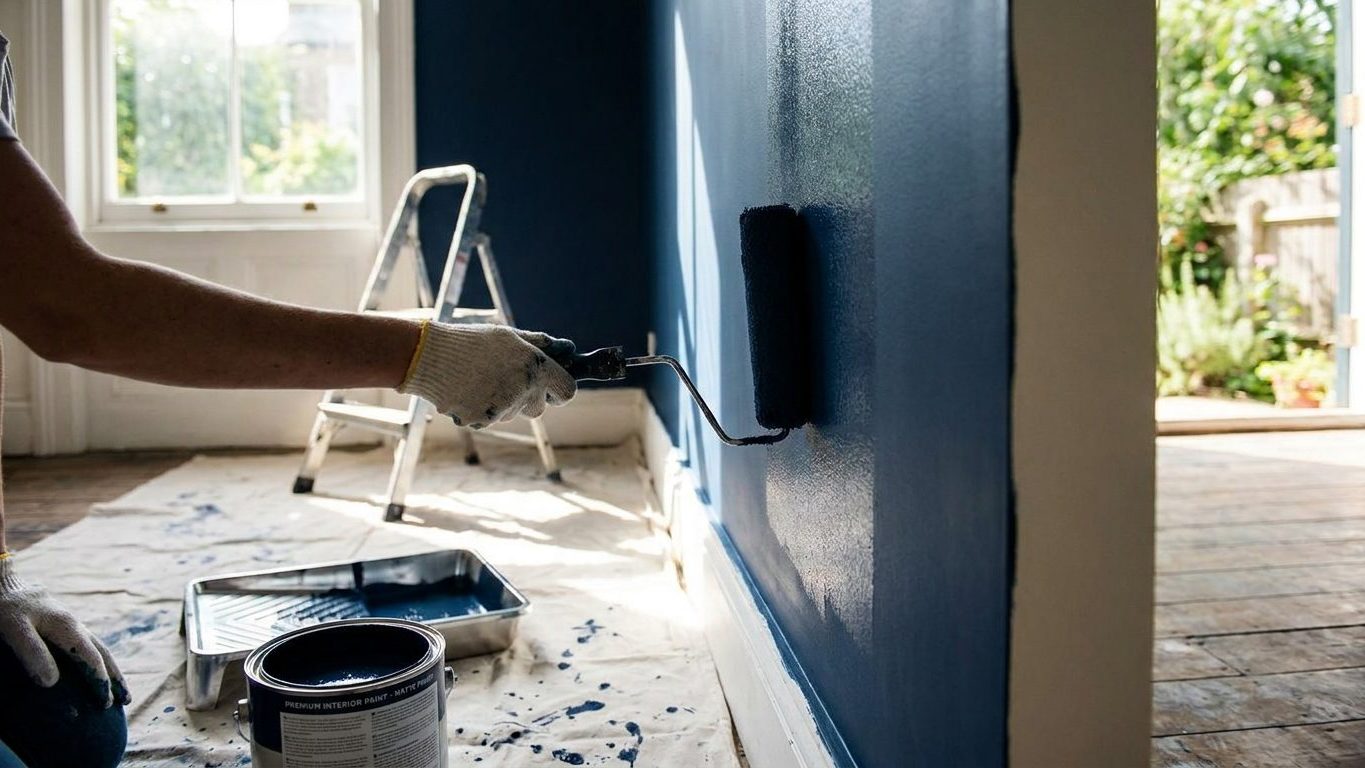
Explains why dark paint shows every surface flaw, what prep and base coat make it dry even, and which defects can and cannot be fixed.
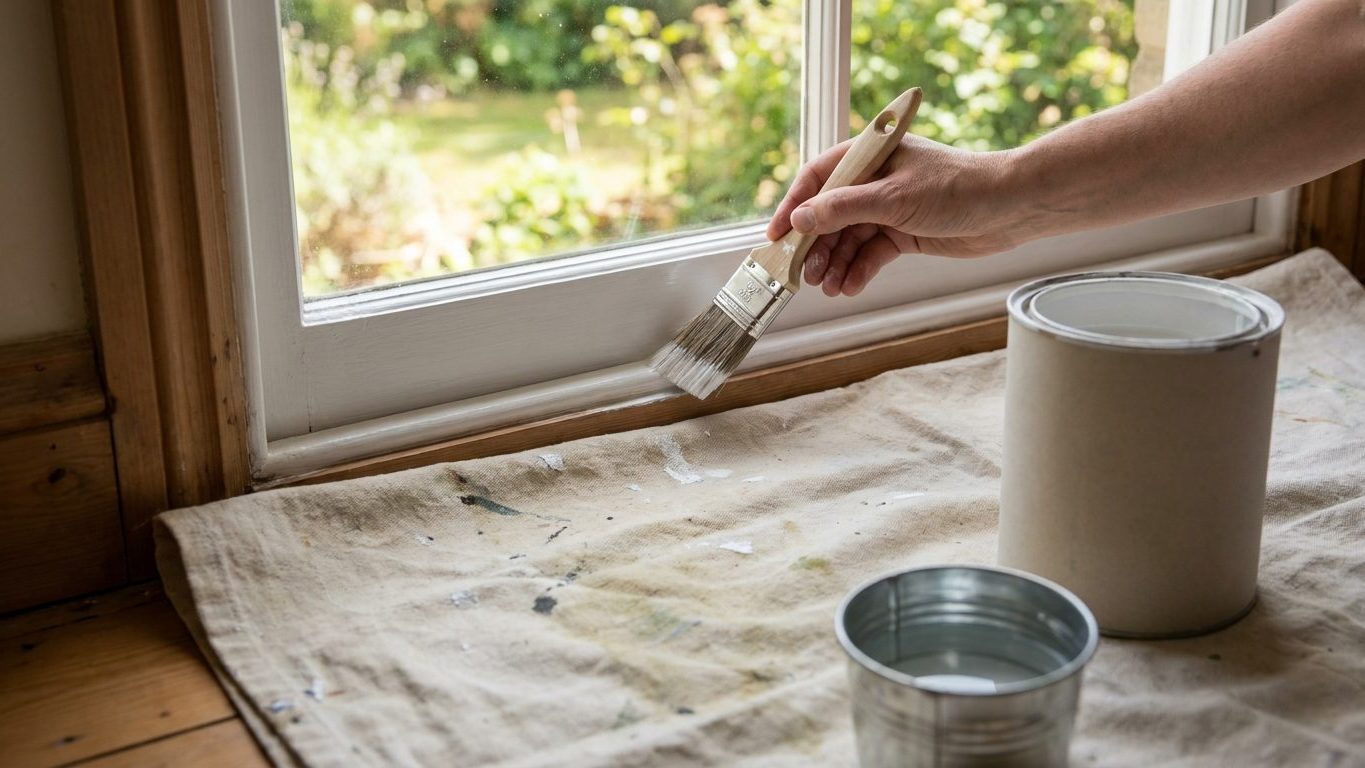
Painter’s tape often lets paint bleed under the edge, while a properly loaded brush drawn in one motion gives a straighter, cleaner line.
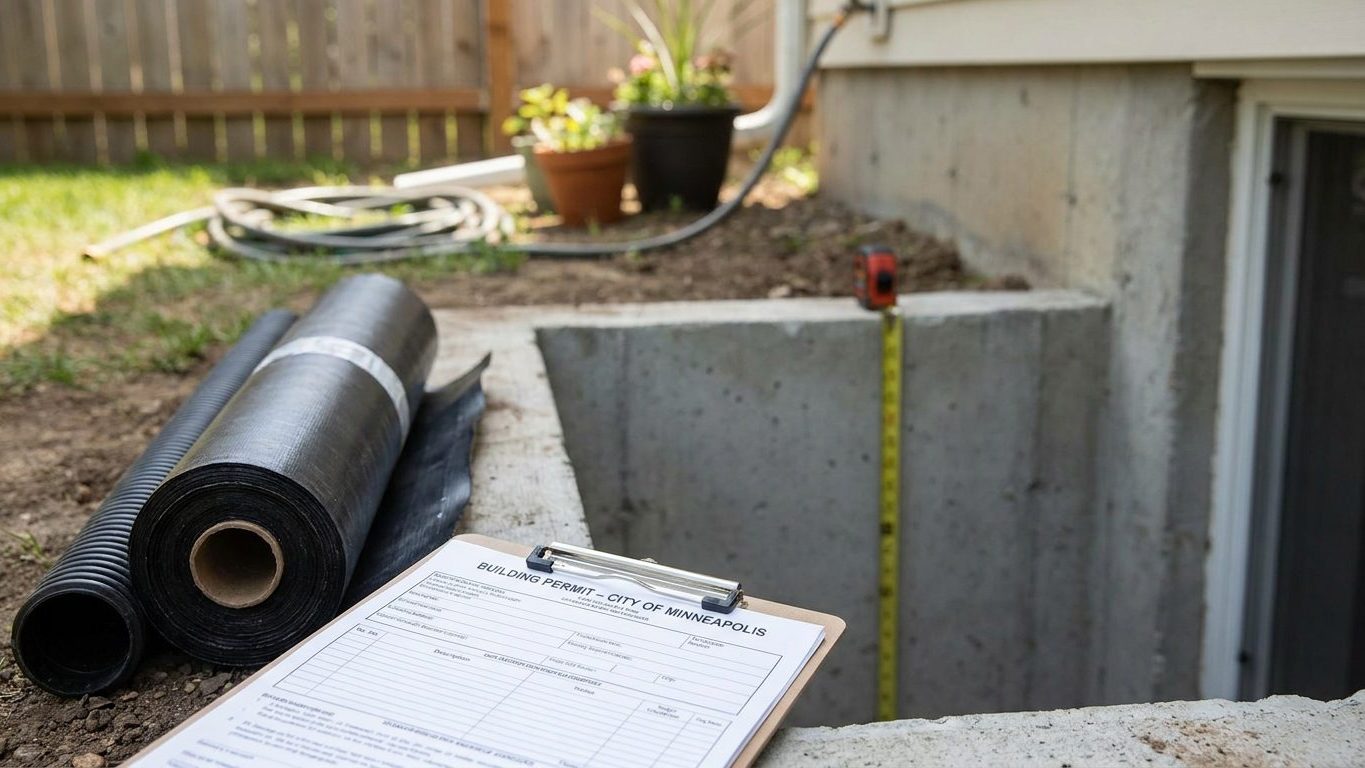
Georgia’s basement rules follow the model code exactly, with no state exemption for ceiling height or egress, so the 7-foot and window-size figures apply as written.
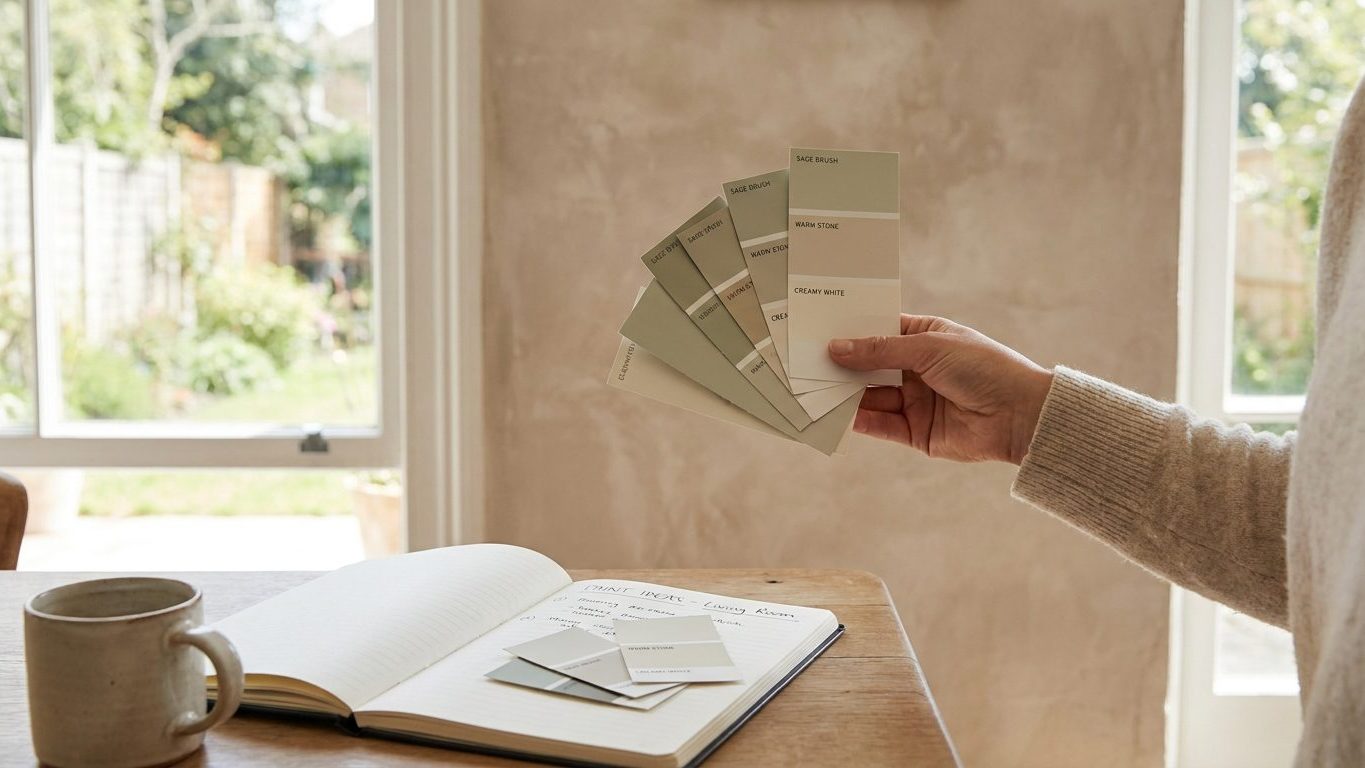
Paint color looks different on a chip than on a wall because of light and area, and testing large swatches at different times of day is the fix.
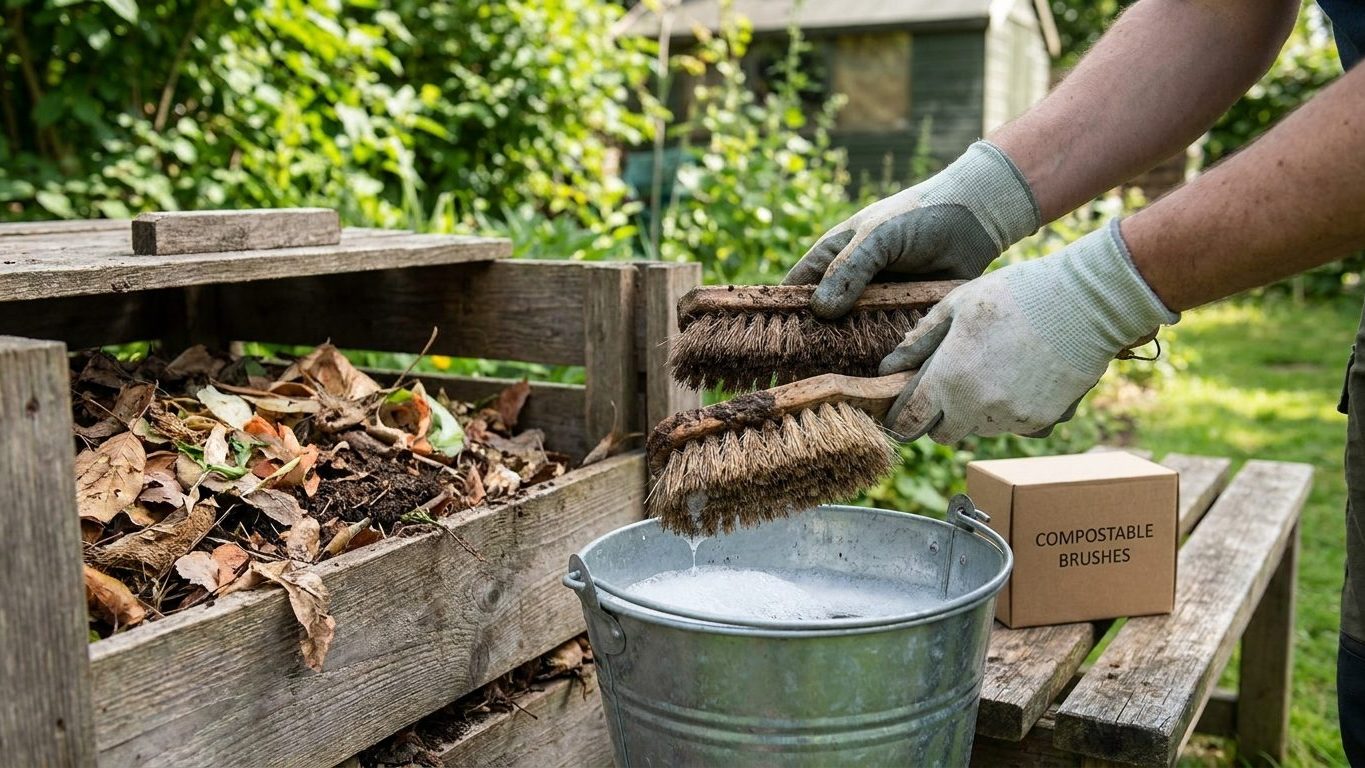
Explains why paint sludge and rinse water can’t go down the drain or in the trash untreated, and how to clean and store brushes properly between coats.
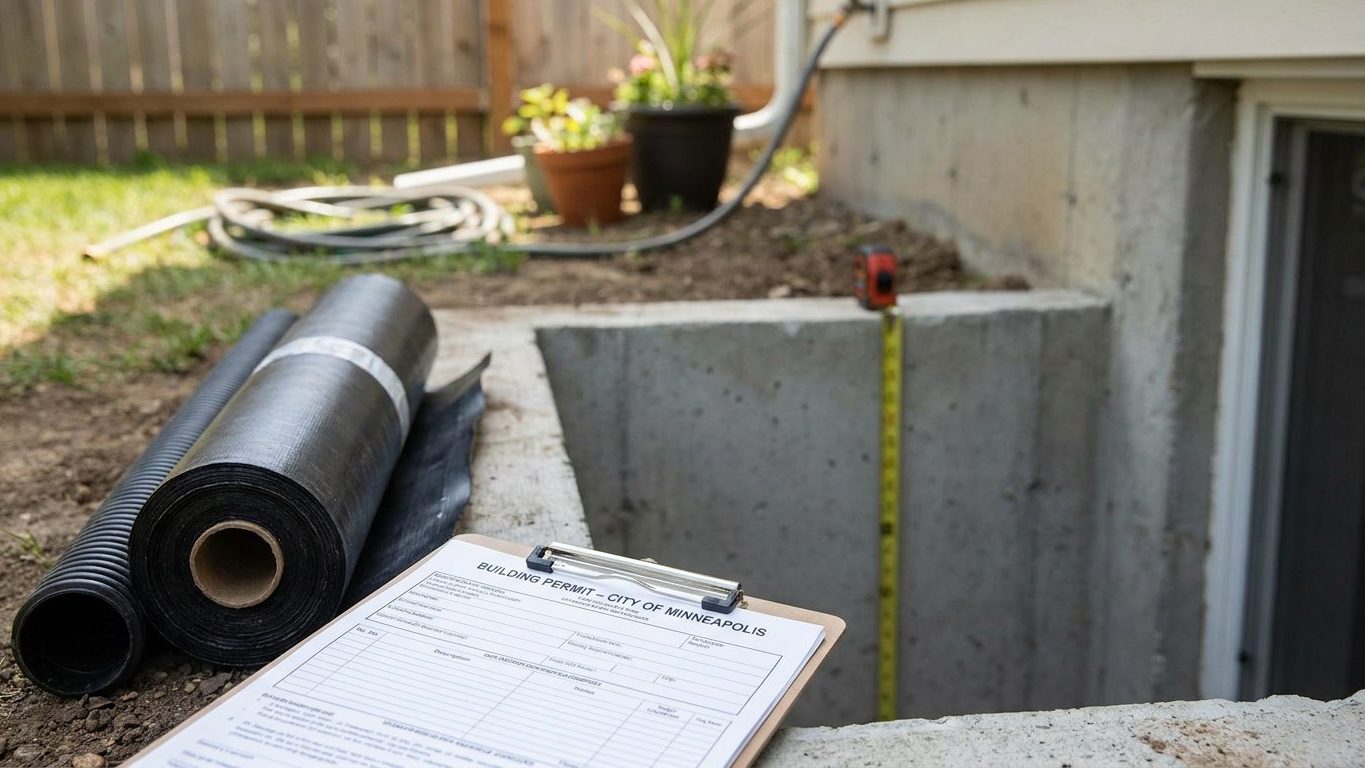
Florida’s building code sets the ceiling height, egress window and vapor-retarder rules for finished basements, and a local permit is required regardless of size.