Roof Snow Load, Wind Speed and Ice Barrier Rules in Nunavut
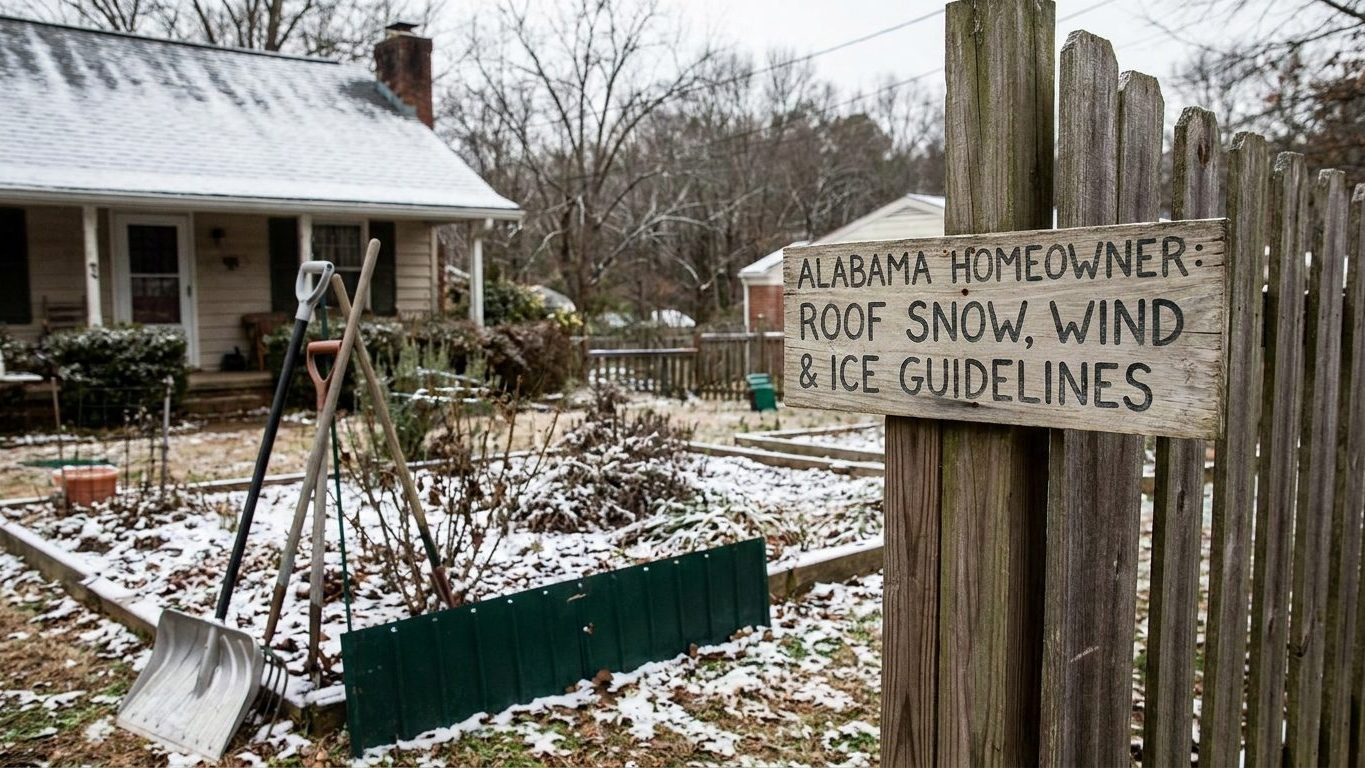
Nunavut’s roof design figures come from Rankin Inlet: 3.0 kPa of ground snow, 0.2 kPa of added rain, and 0.6 kPa of wind pressure for structural strength.
Home & garden, state by state
Nunavut’s roof design figures come from Rankin Inlet: 3.0 kPa of ground snow, 0.2 kPa of added rain, and 0.6 kPa of wind pressure for structural strength.
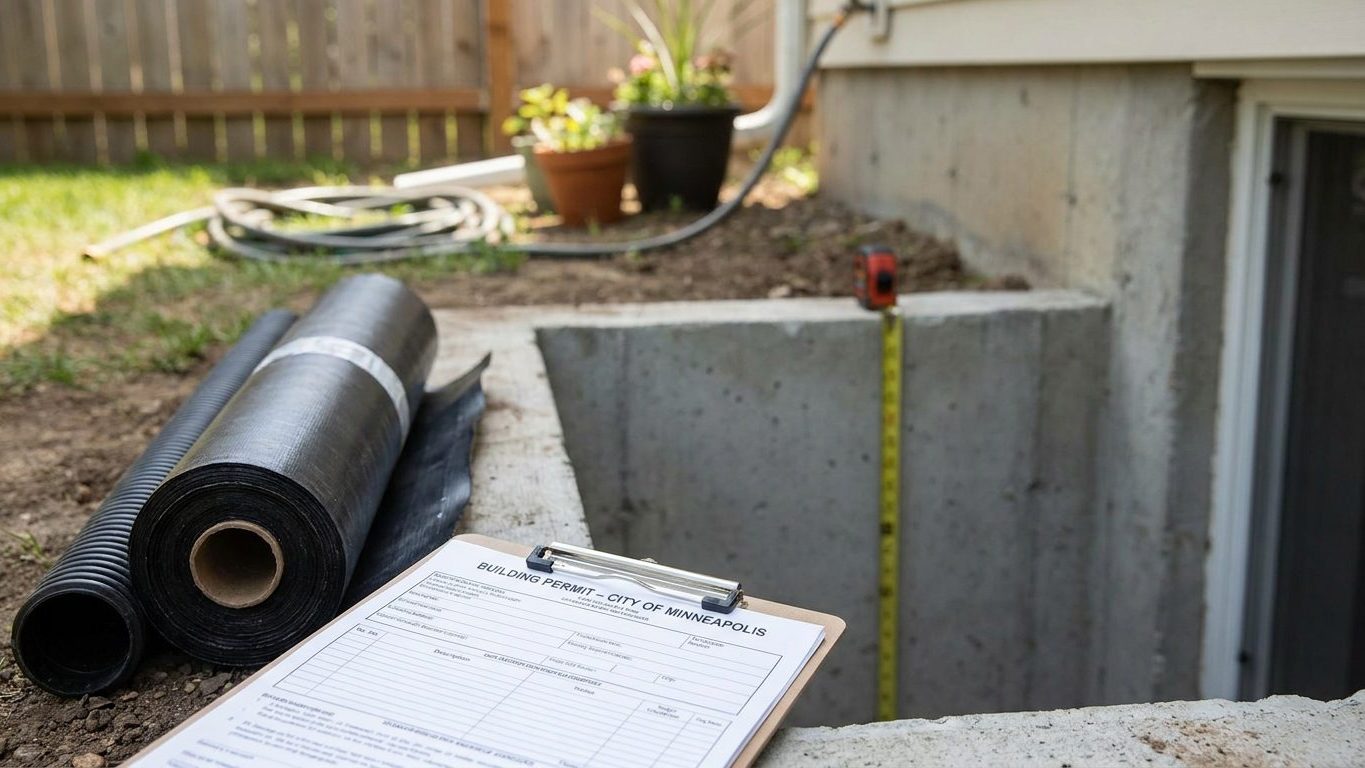
Ohio’s residential code gives existing basements a lower ceiling minimum than new construction, but egress windows, waterproofing and insulation rules still apply.
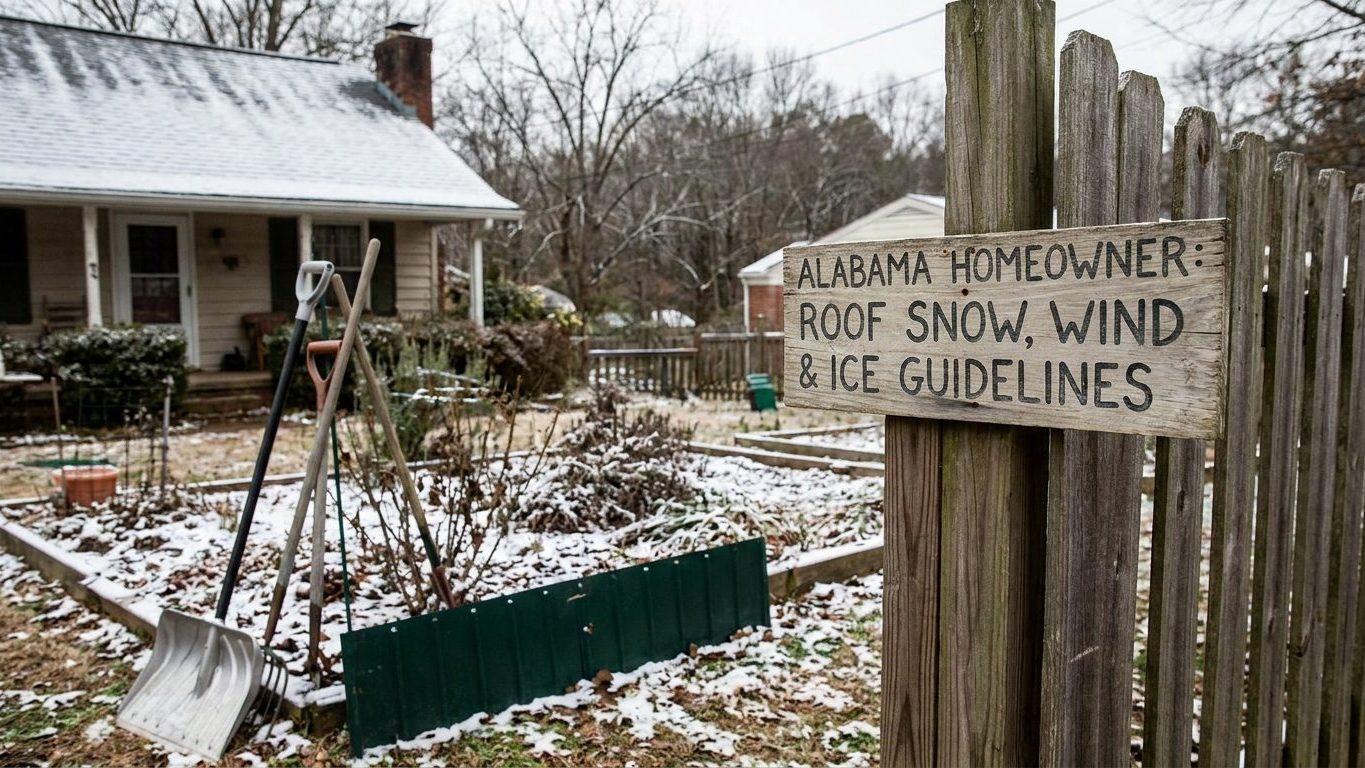
Nova Scotia’s building code sets Halifax’s ground snow load, rain-on-snow addition and design wind pressure, plus what triggers ice barrier membrane under shingles.
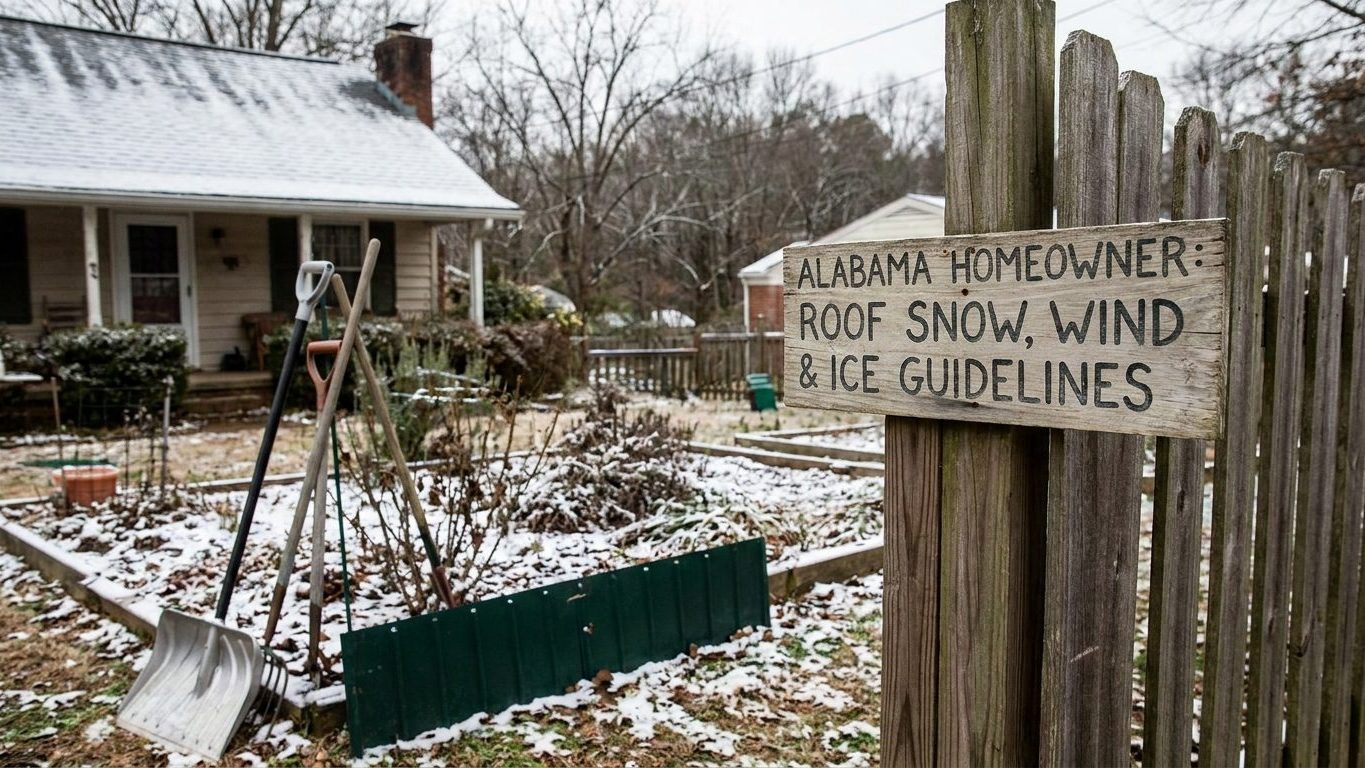
See the ground snow load, wind pressure and ice barrier guidance the National Building Code sets for Yellowknife, Northwest Territories, and what each figure actually governs.
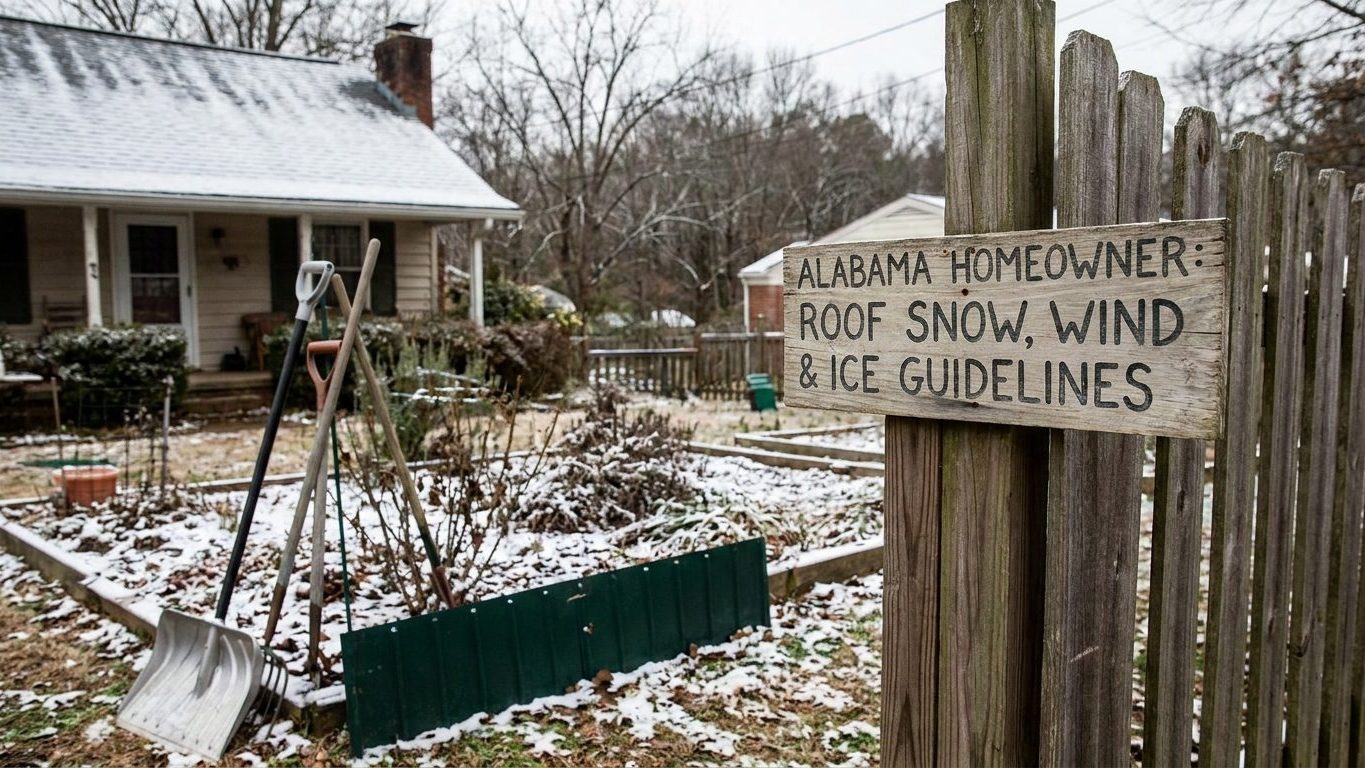
Explains North Dakota’s Fargo-based ground snow load, wind speed and ice barrier rules, and how each figure translates into permit and roofing decisions.
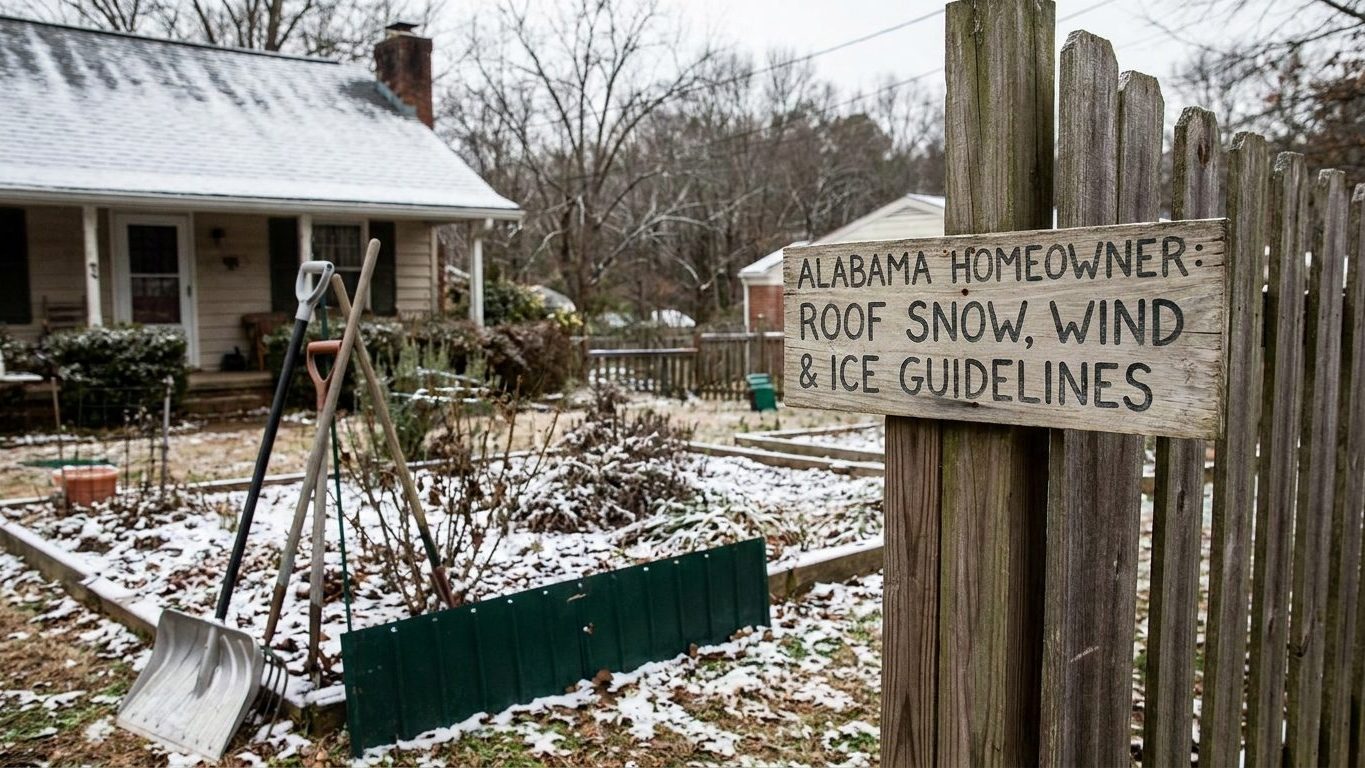
New York’s roof snow load, wind speed and ice barrier requirements explained using the New York City reference figures and the state’s own building code.
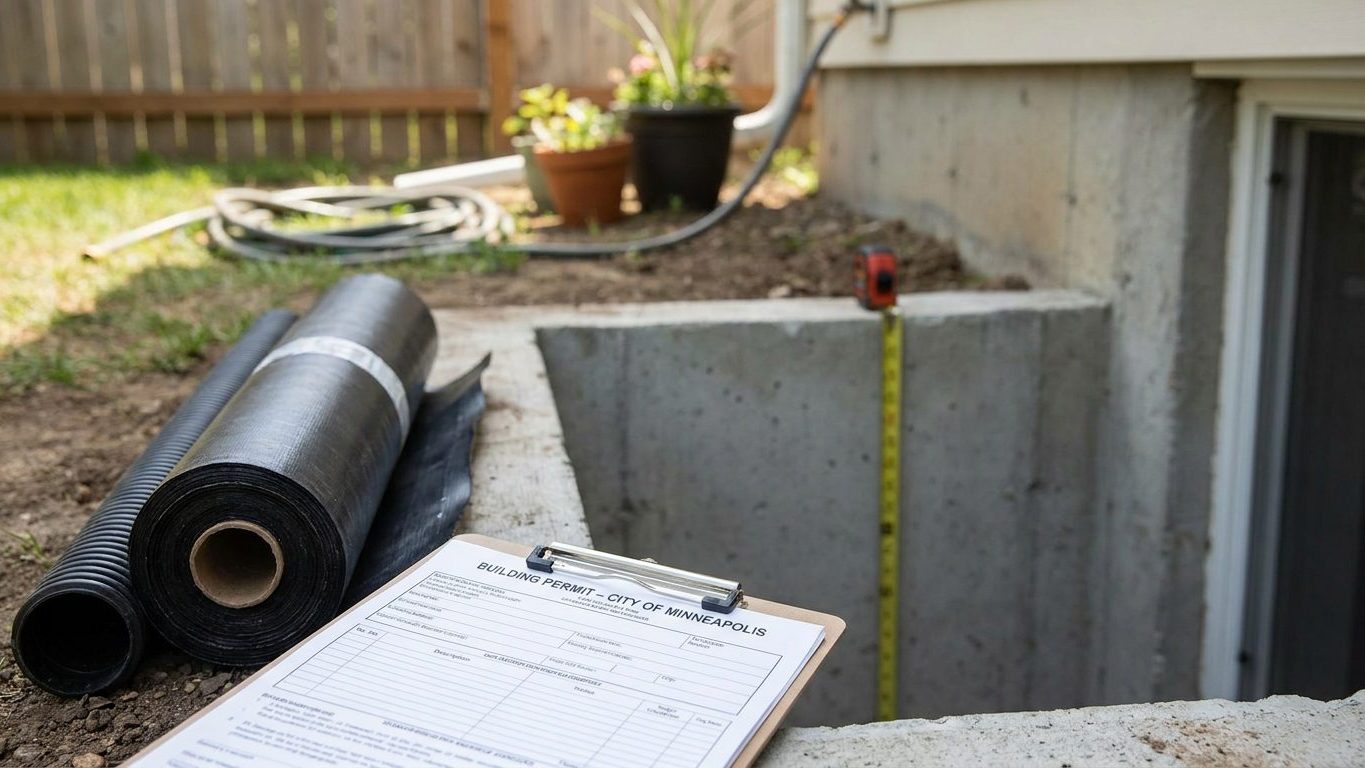
North Dakota’s basement rules depend on local adoption of the state building code, with specific egress, ceiling height and waterproofing requirements once it applies.
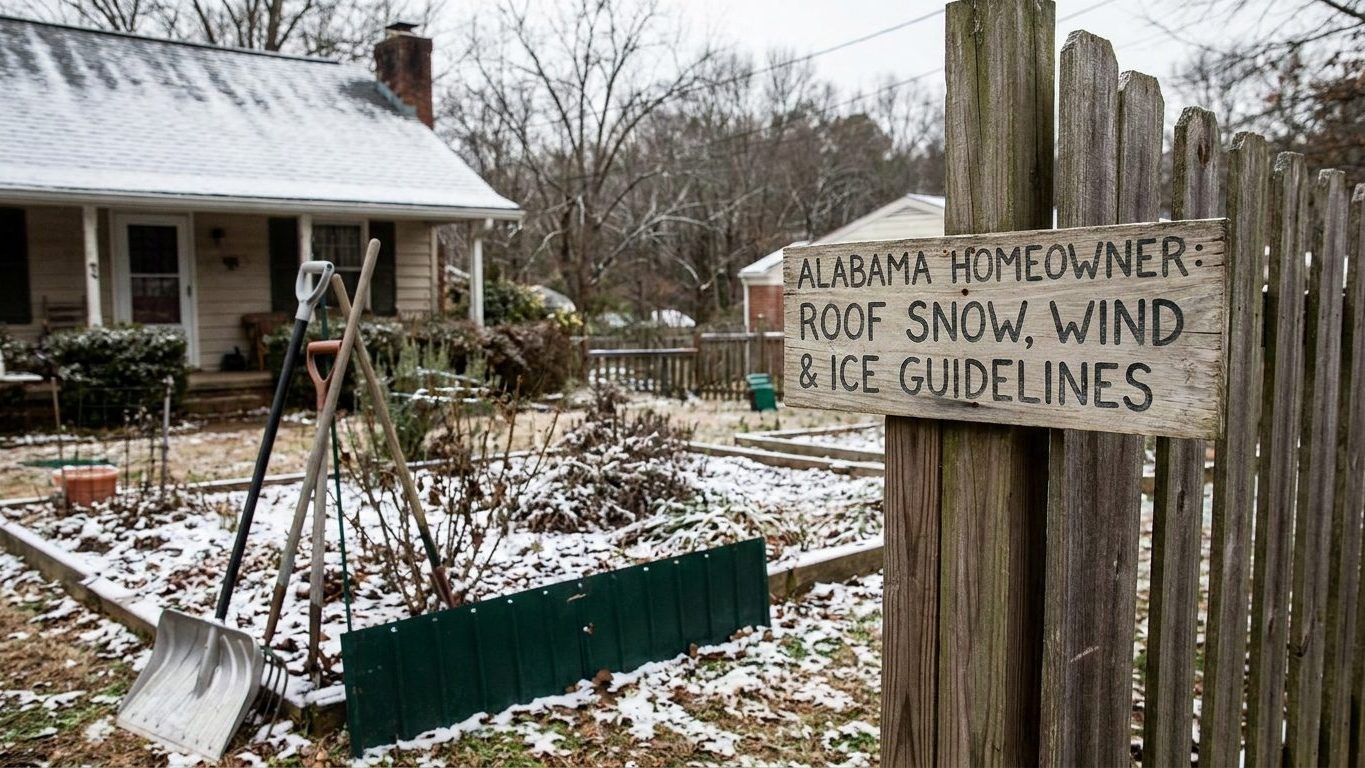
North Carolina’s roof snow load, wind speed and ice barrier rules explained using Charlotte’s design values and the state’s own residential code.
Albuquerque’s design snow load, wind speed and New Mexico’s ice barrier rule, explained with the exact figures a permit and truss drawing use.
Newark’s ground snow load, converted roof value, wind speed and ice barrier rules explained for New Jersey homeowners planning a roof project or permit application.