Roof Snow Load, Wind Speed and Ice Barrier Rules in Oregon
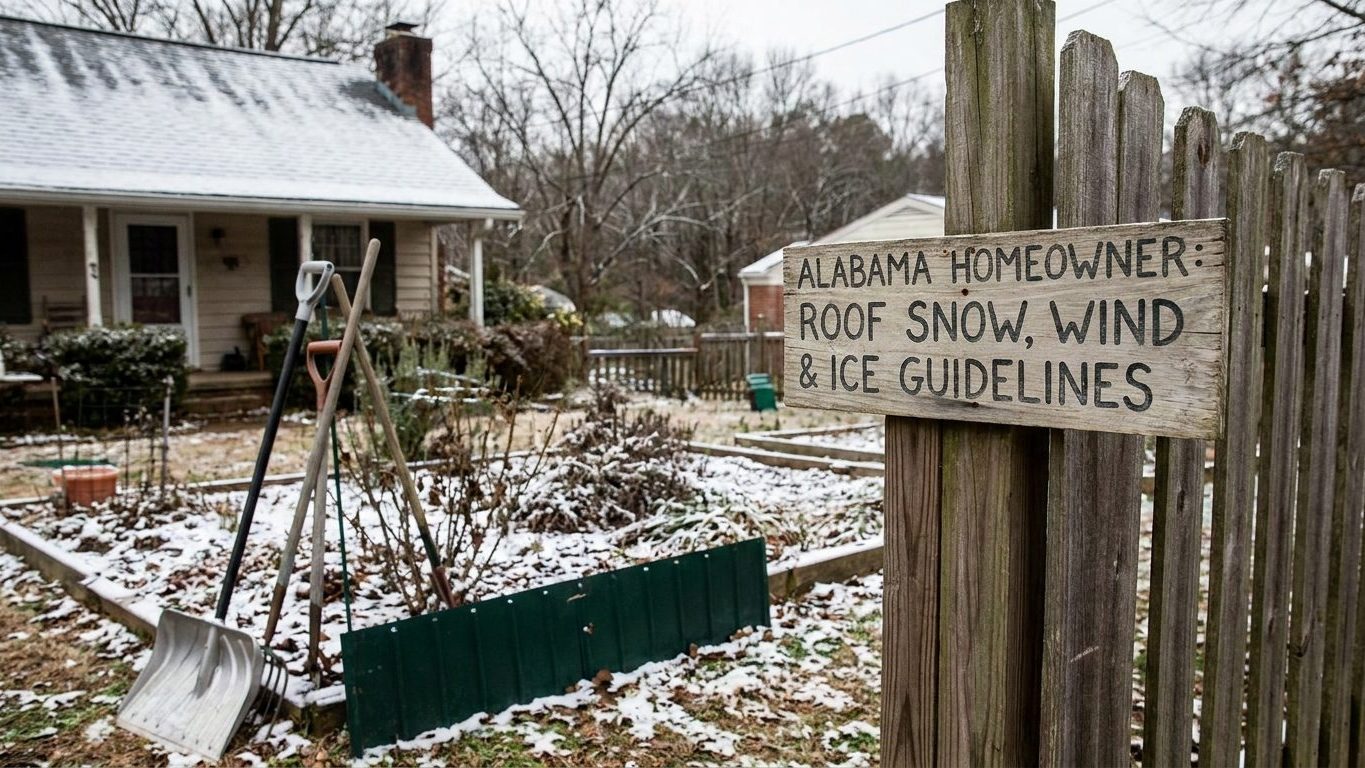
Oregon’s design snow load, wind speed and ice-barrier rules come from Portland’s ASCE figures and the state’s own residential code, not a single statewide number.
Home & garden, state by state
Oregon’s design snow load, wind speed and ice-barrier rules come from Portland’s ASCE figures and the state’s own residential code, not a single statewide number.
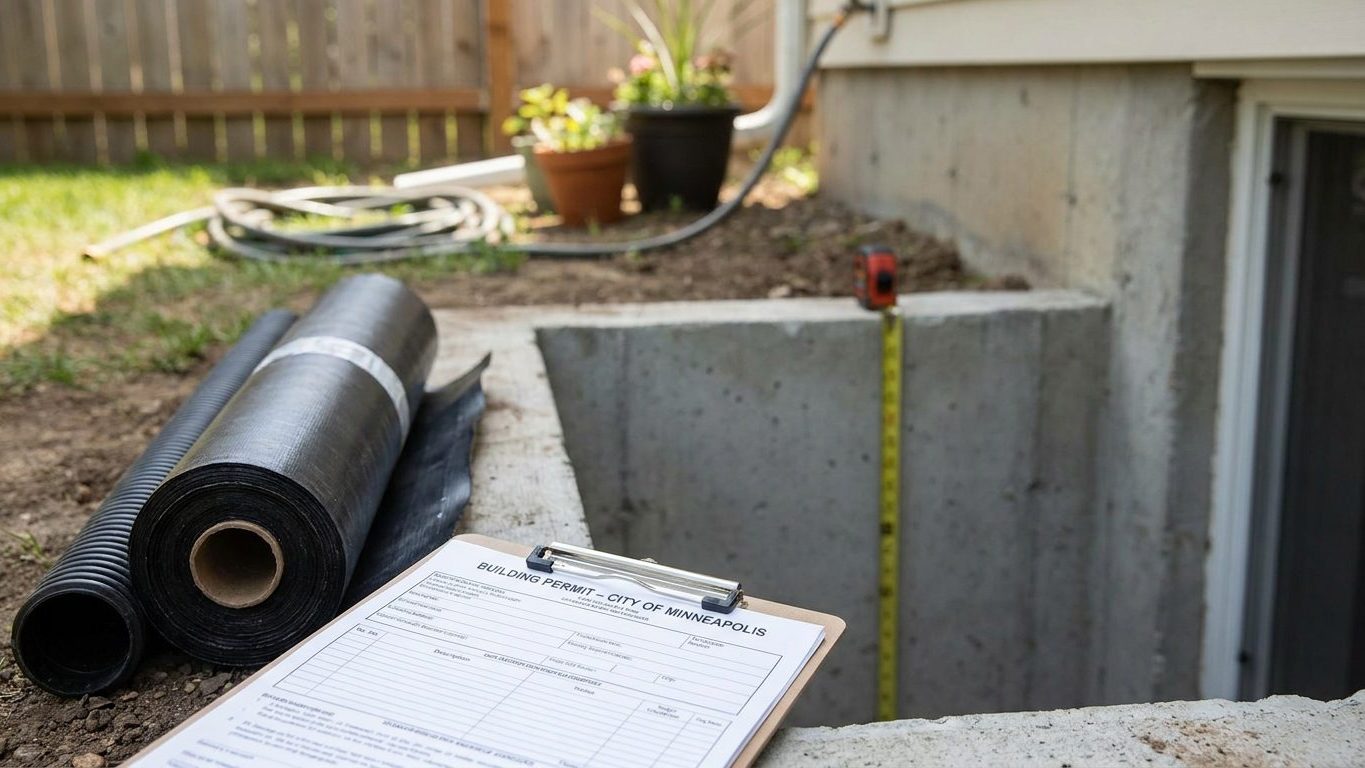
South Dakota has no statewide residential code, so permit rules, ceiling height minimums, and egress window sizes depend on your local building department.
Ground snow load, rain load, wind pressure and ice barrier rules for roofs in Prince Edward Island, based on the reference figures for Charlottetown.
Explains Philadelphia’s design ground snow load, wind speed, ice barrier rules and the Pennsylvania Uniform Construction Code that applies them.
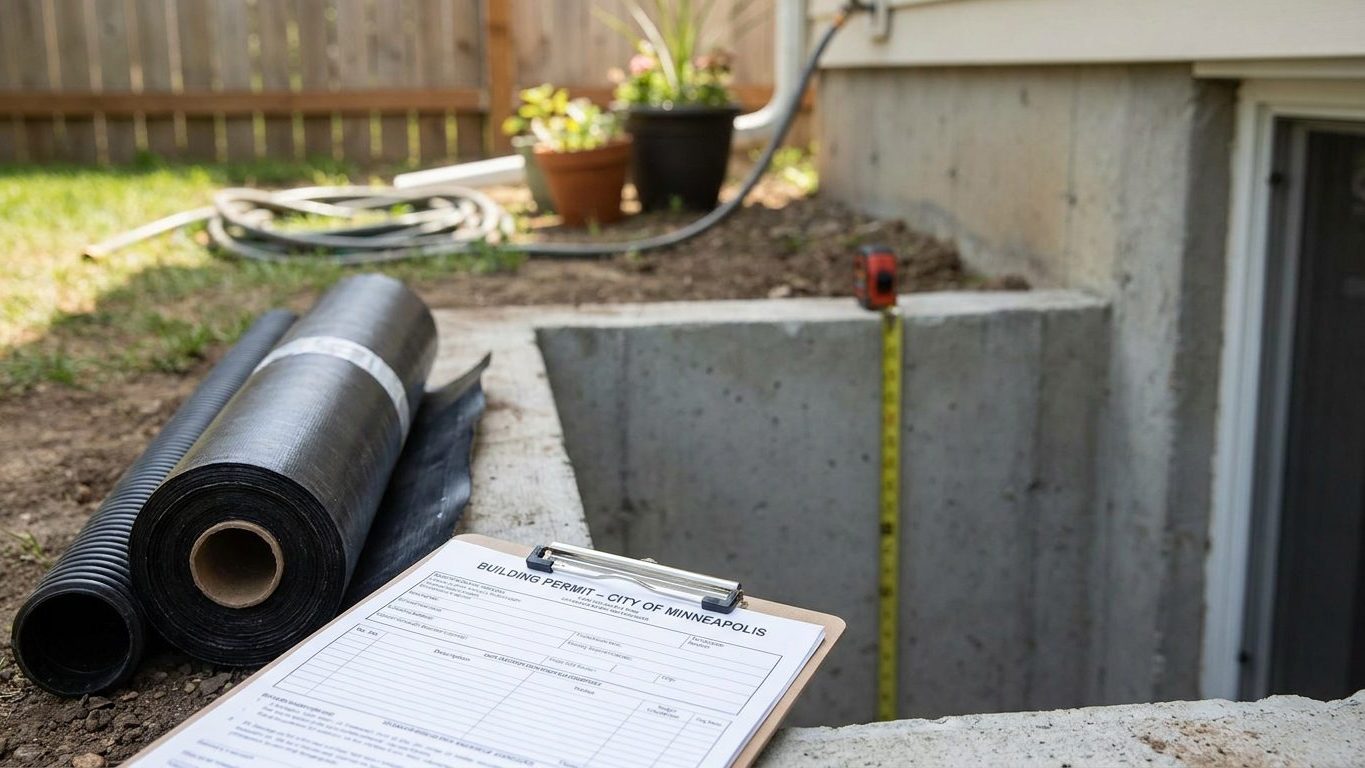
Vermont sets no statewide basement code, so permits, ceiling height, and egress rules come from your town, with only the energy standard applying statewide.
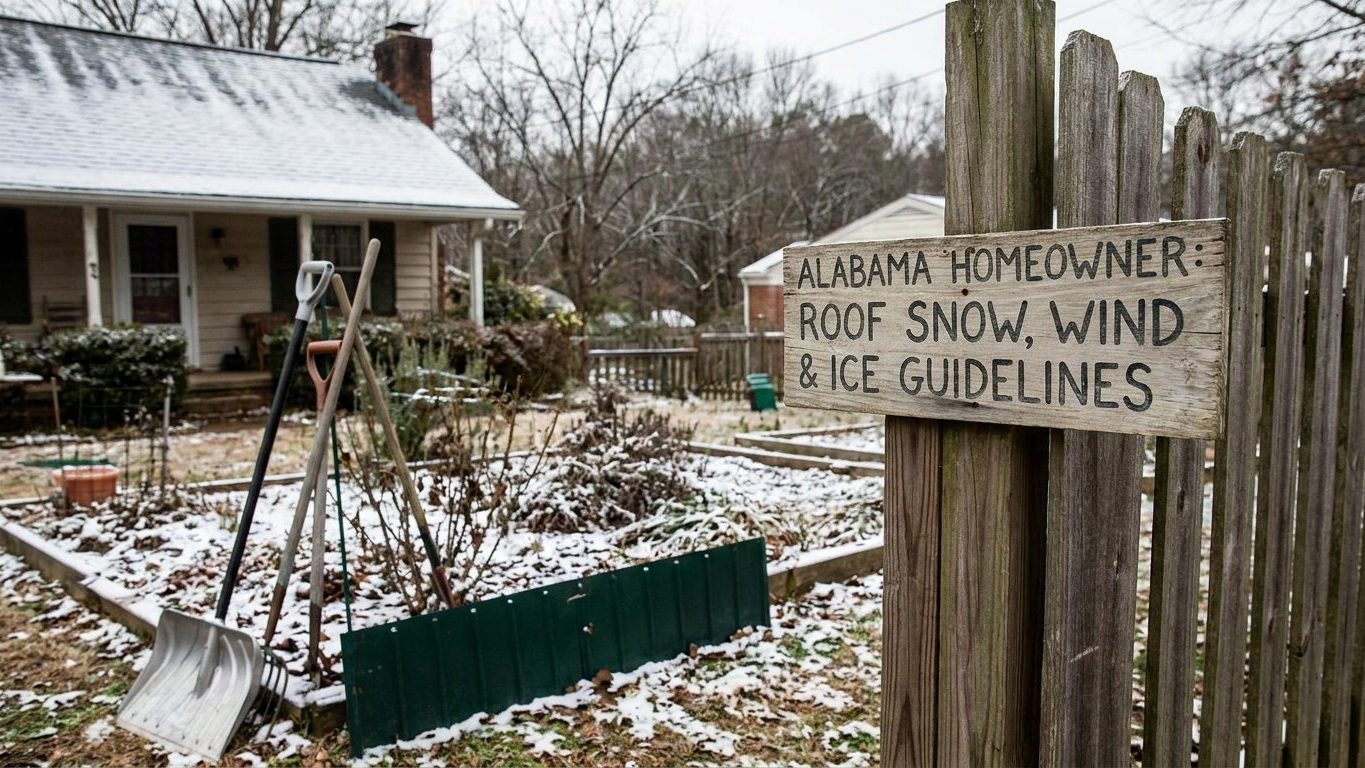
Explains Toronto’s NBC ground snow and wind pressure figures, how they convert to roof loads, and when Ontario’s building code calls for an ice barrier.
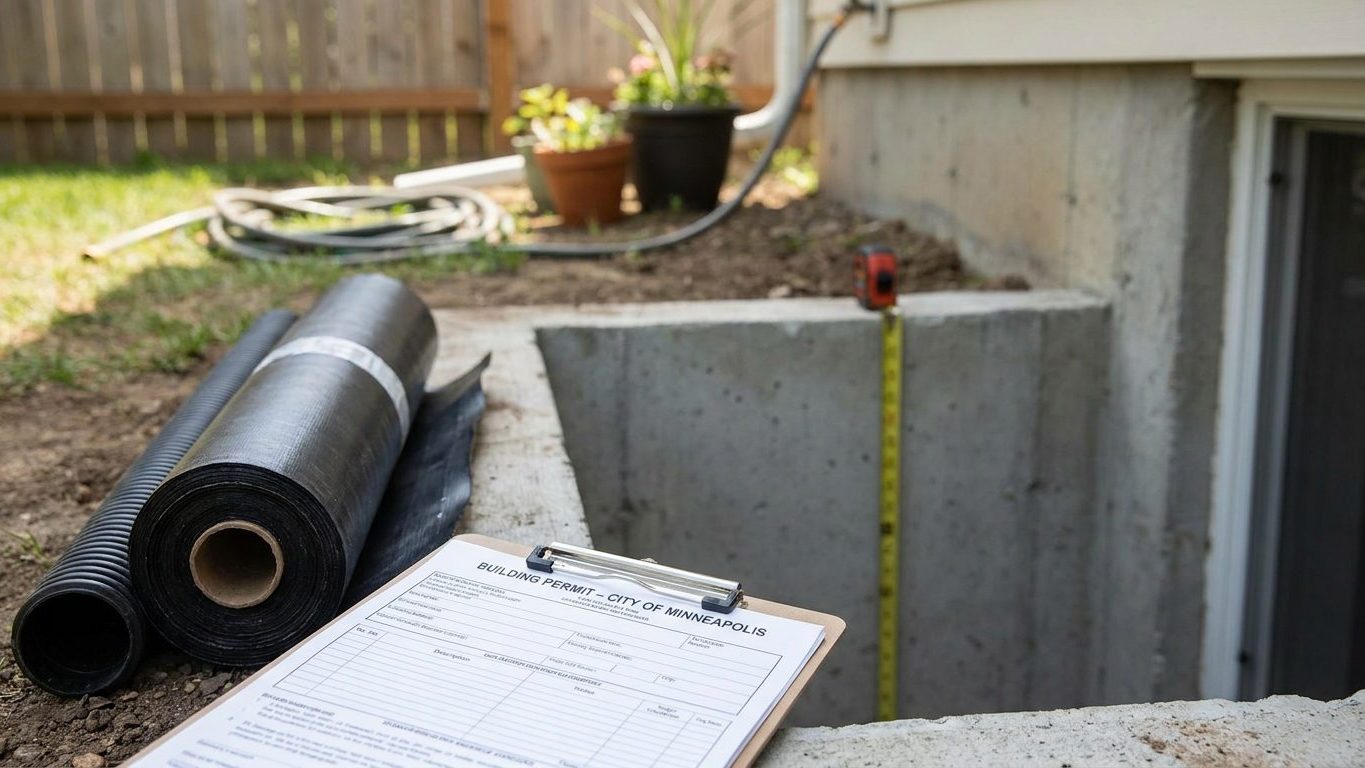
Rhode Island finishes basements under a uniform state code that sets ceiling height, egress window size, and permit requirements the same way in every town.
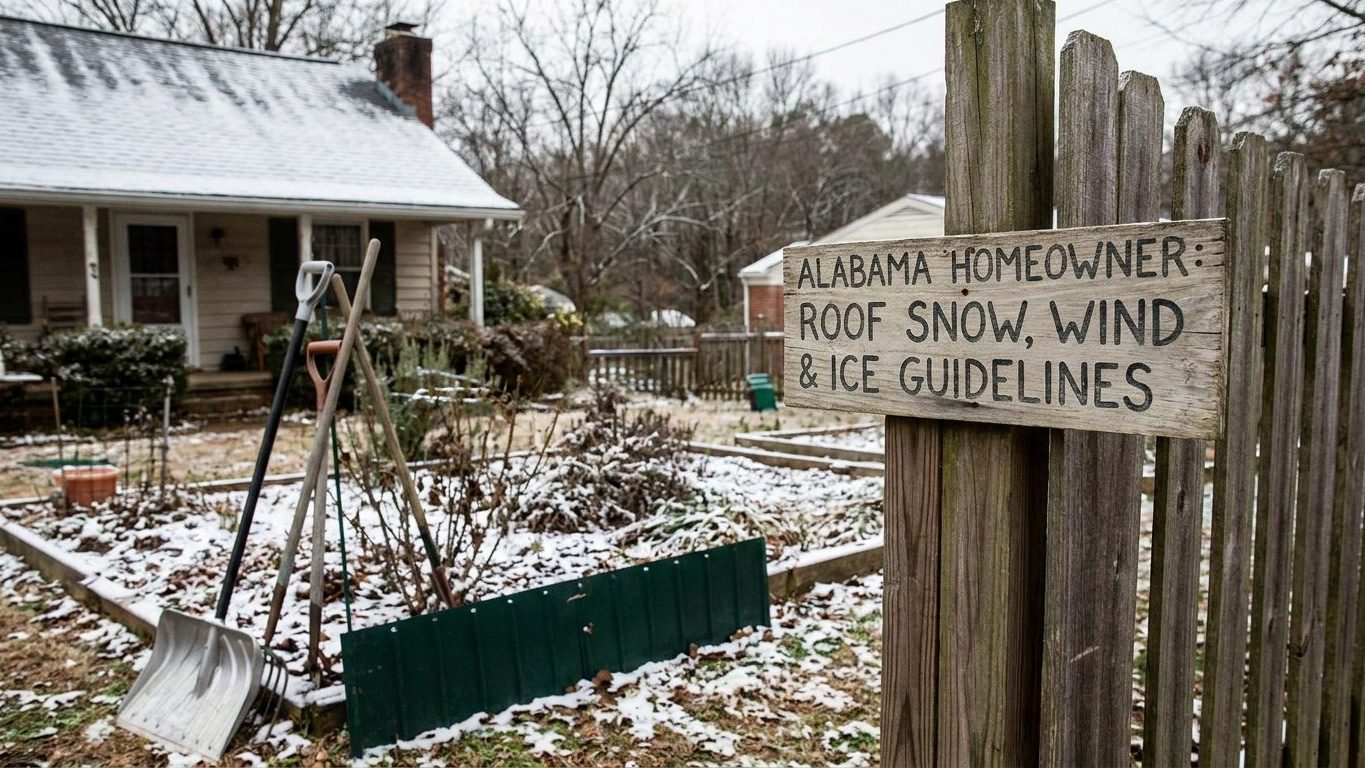
Oklahoma’s design snow load is light and wind speed governs most roof framing decisions, with ice barrier need depending on local winter cold.
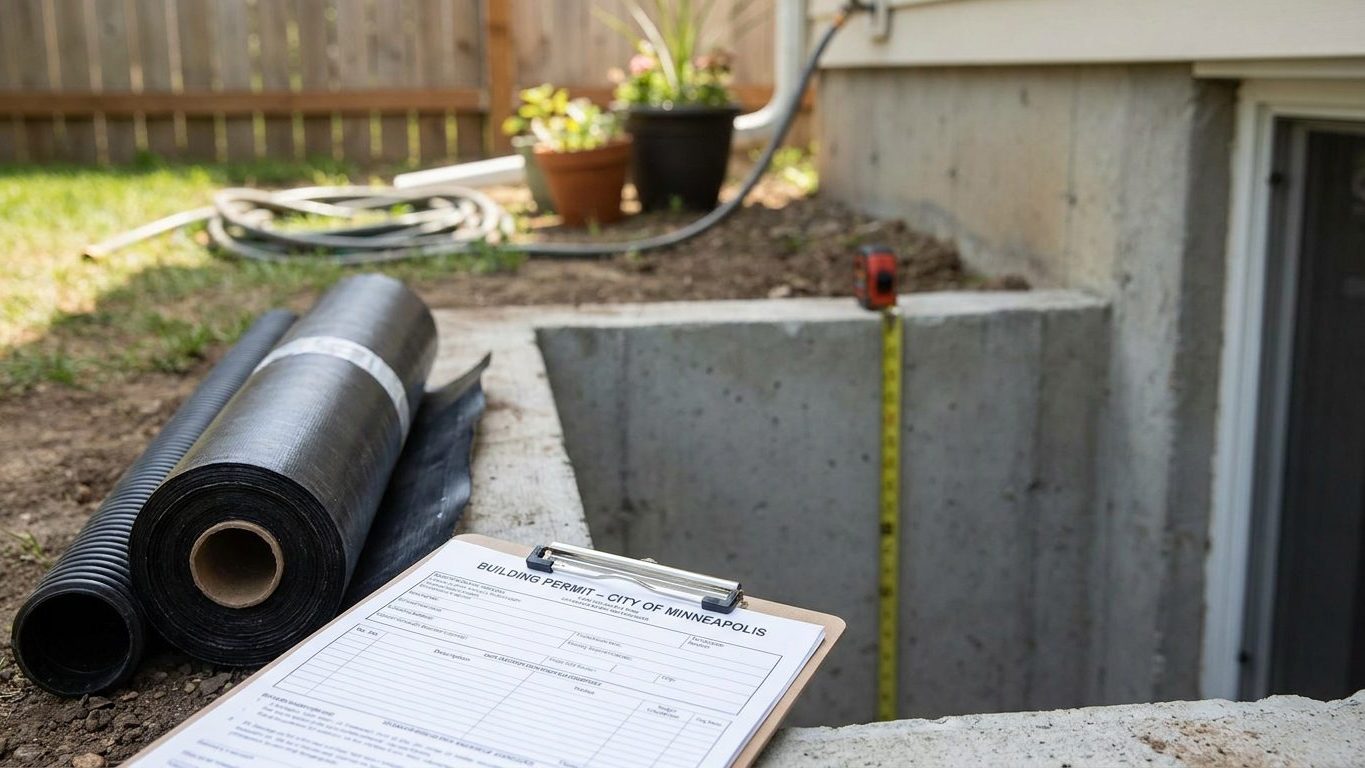
How Pennsylvania’s building code sets basement ceiling height, egress window sizes, permits, and vapor control for a finished basement in any county.
Explains Columbus’s ground snow load, design wind speed, and Ohio’s ice barrier rule, and how each converts into what a roof actually has to carry.