Roof Wind Speed and Heat Requirements in Arizona
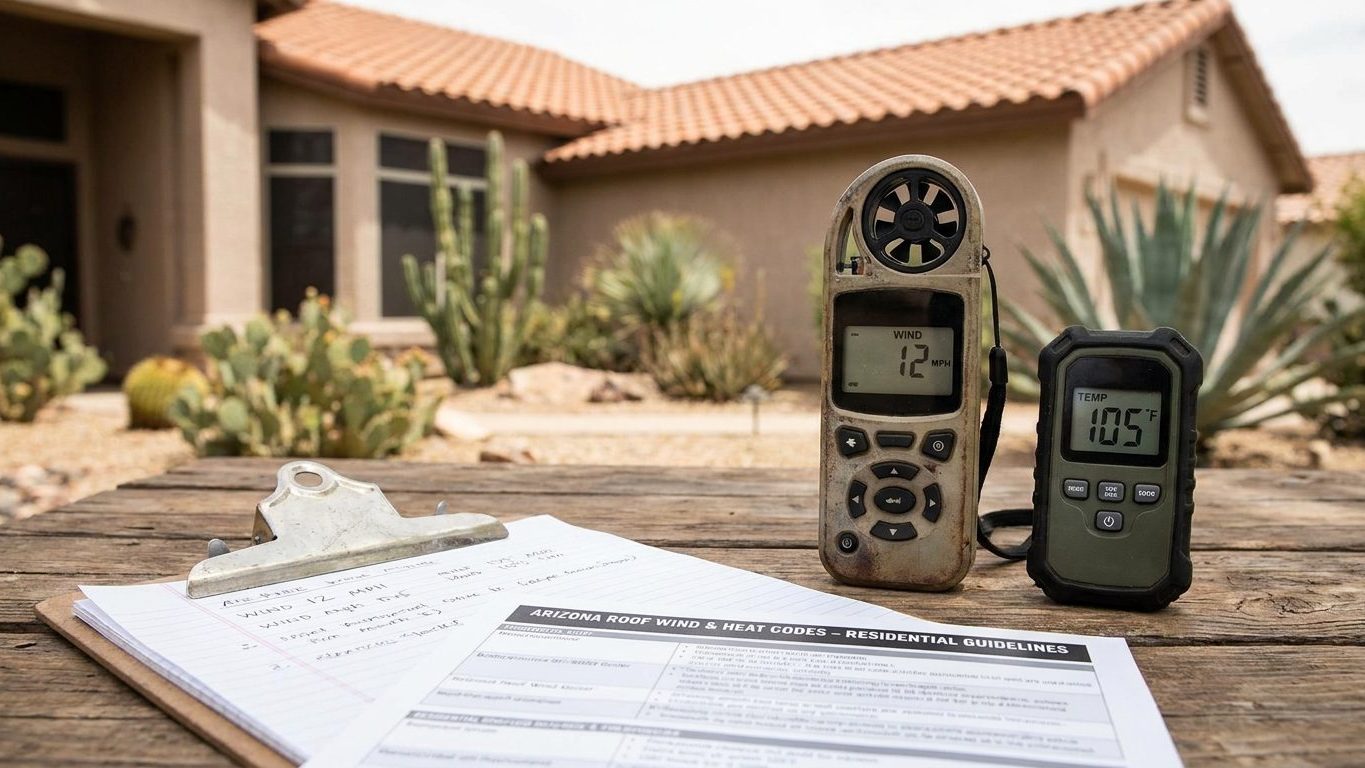
Phoenix’s design wind speed for roofs is 101 mph under ASCE 7-16, the figure that sets nailing patterns, sheathing fasteners and uplift connections.
Home & garden, state by state
Phoenix’s design wind speed for roofs is 101 mph under ASCE 7-16, the figure that sets nailing patterns, sheathing fasteners and uplift connections.
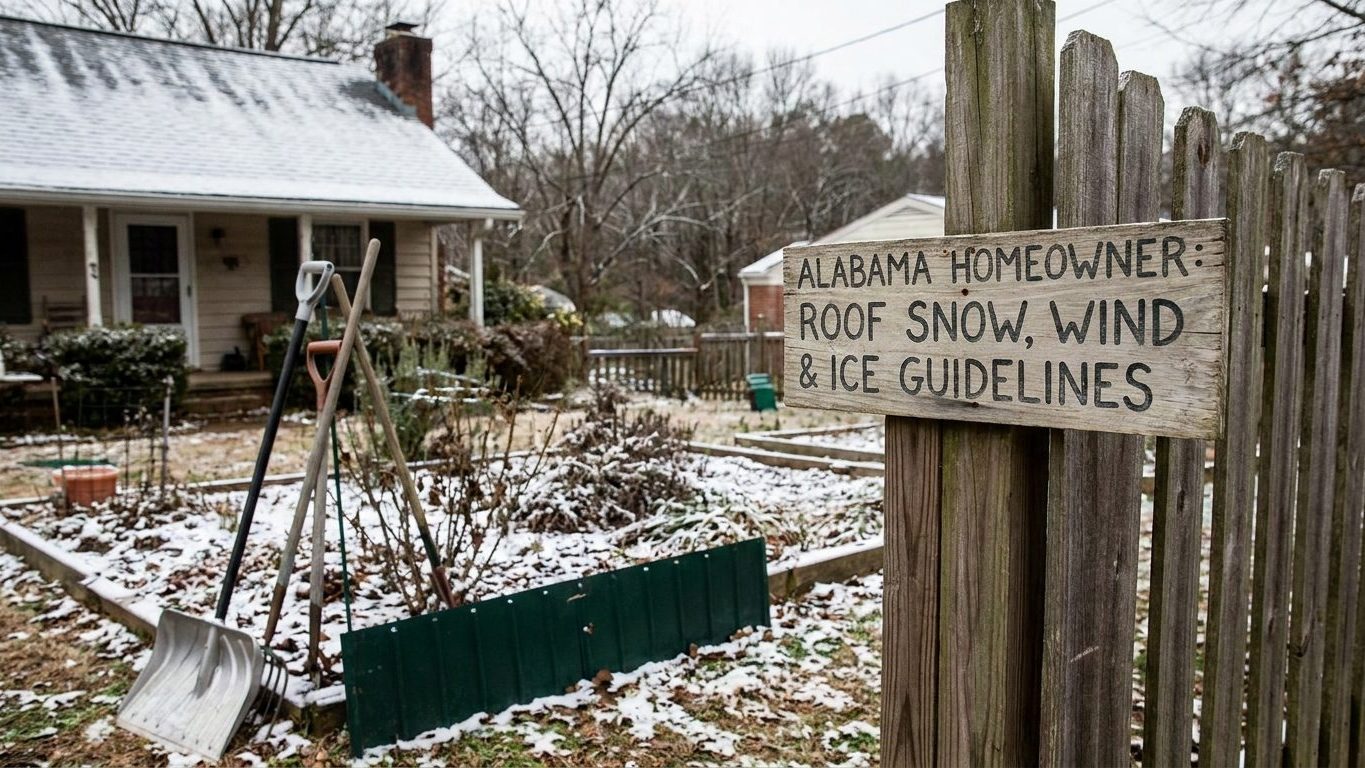
Kansas City’s design snow and wind figures explained, plus why Missouri’s ice barrier rule depends entirely on your local building department.
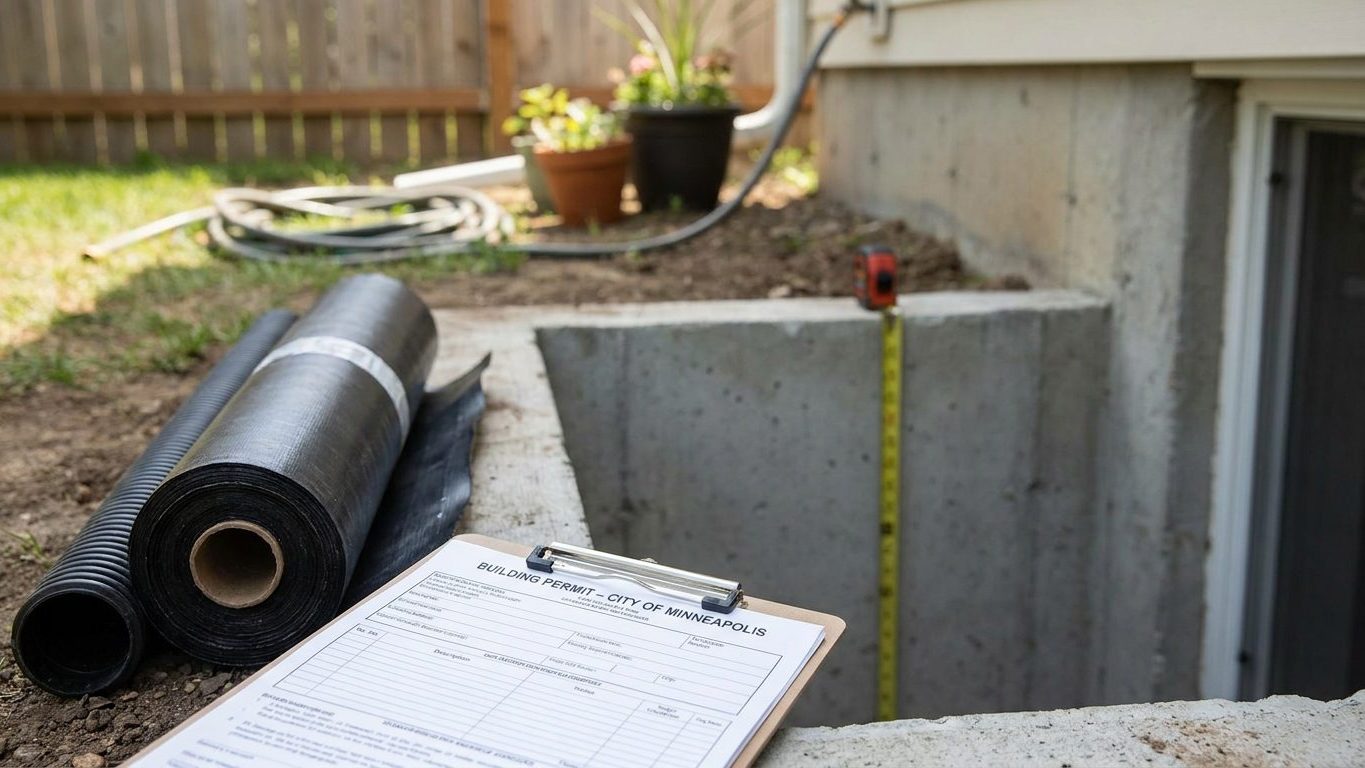
Nebraska’s basement rules for permits, ceiling height, egress windows and moisture control, with the figures that decide whether a finished room passes inspection.
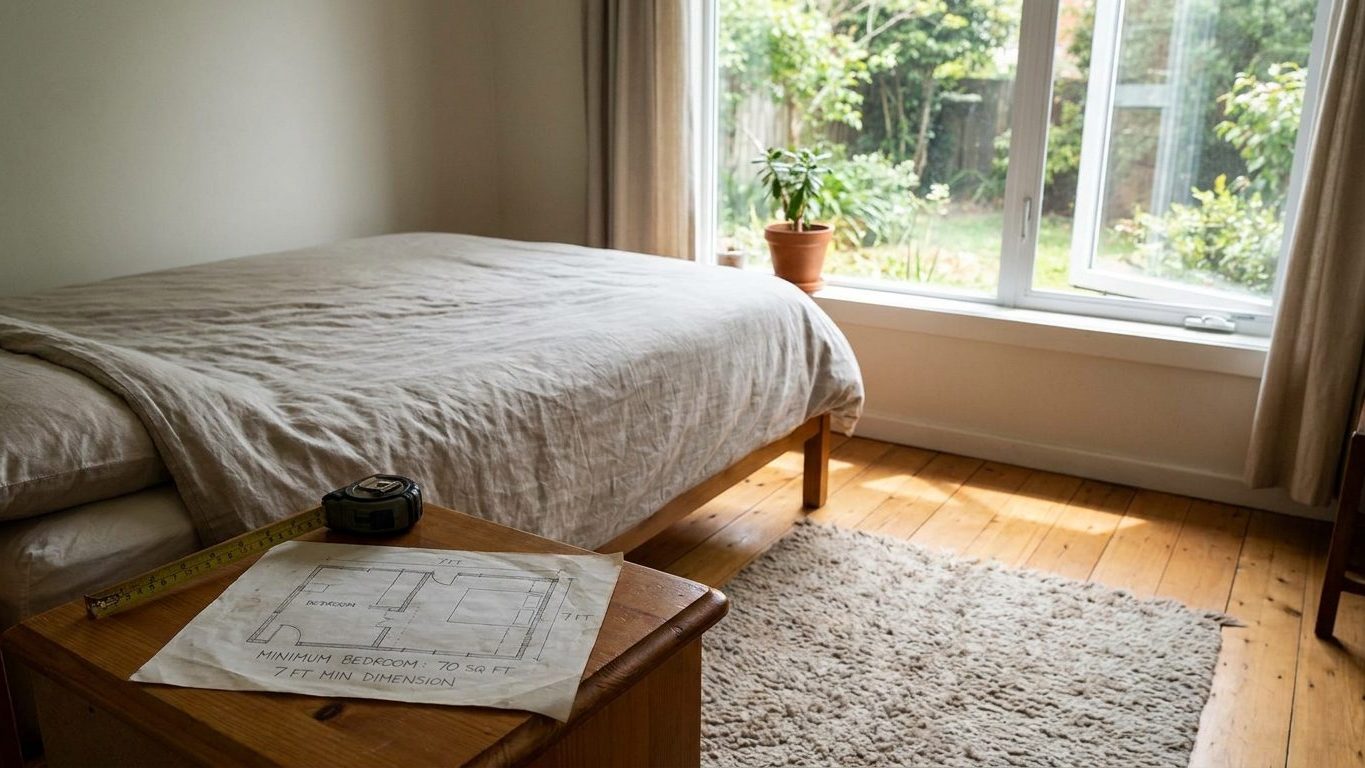
The IRC sets a 70-square-foot floor area minimum and a 7-foot minimum dimension for bedrooms, while IPMC occupancy rules apply separately.
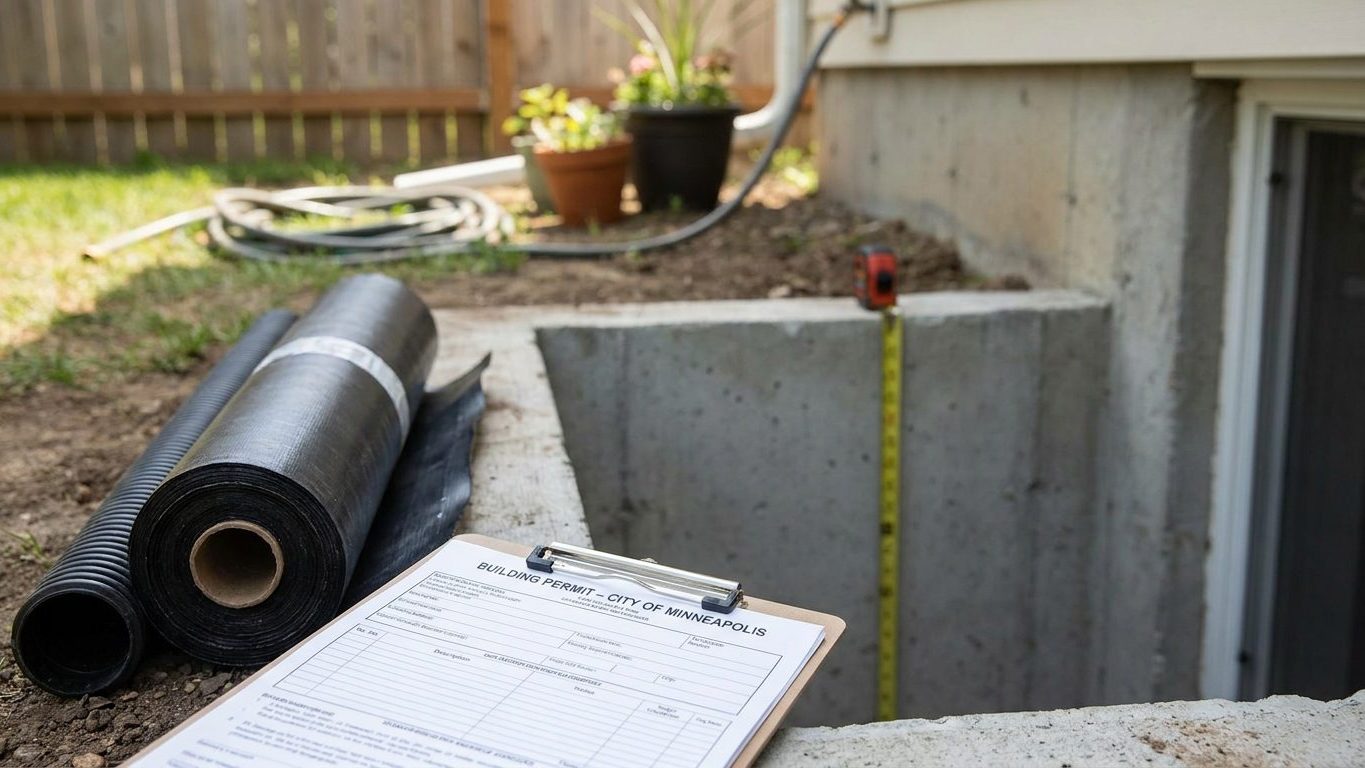
Iowa’s state building code, permit rules, egress window sizes, ceiling height limits, and waterproofing steps for finishing a basement, explained plainly for homeowners statewide.
Iowa’s design snow load, wind speed and ice barrier rules run through Des Moines figures from ASCE and NOAA, converted for an ordinary sloped roof and local code adoption.
Indianapolis’s design snow load, wind speed and ice barrier rule come from different codes and figures, and each governs a different part of a roof.
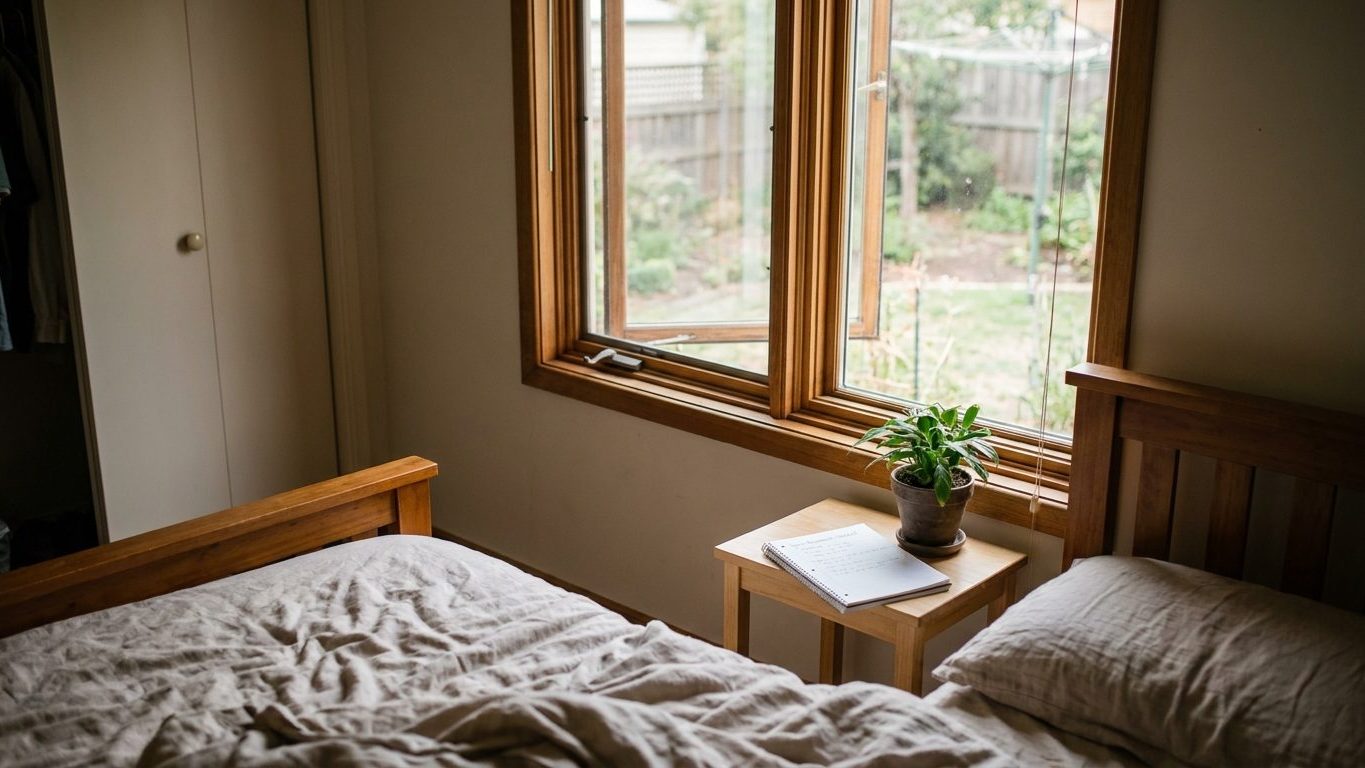
A legal bedroom is defined by floor area, ceiling height, an escape opening, and light and air, not by a closet.
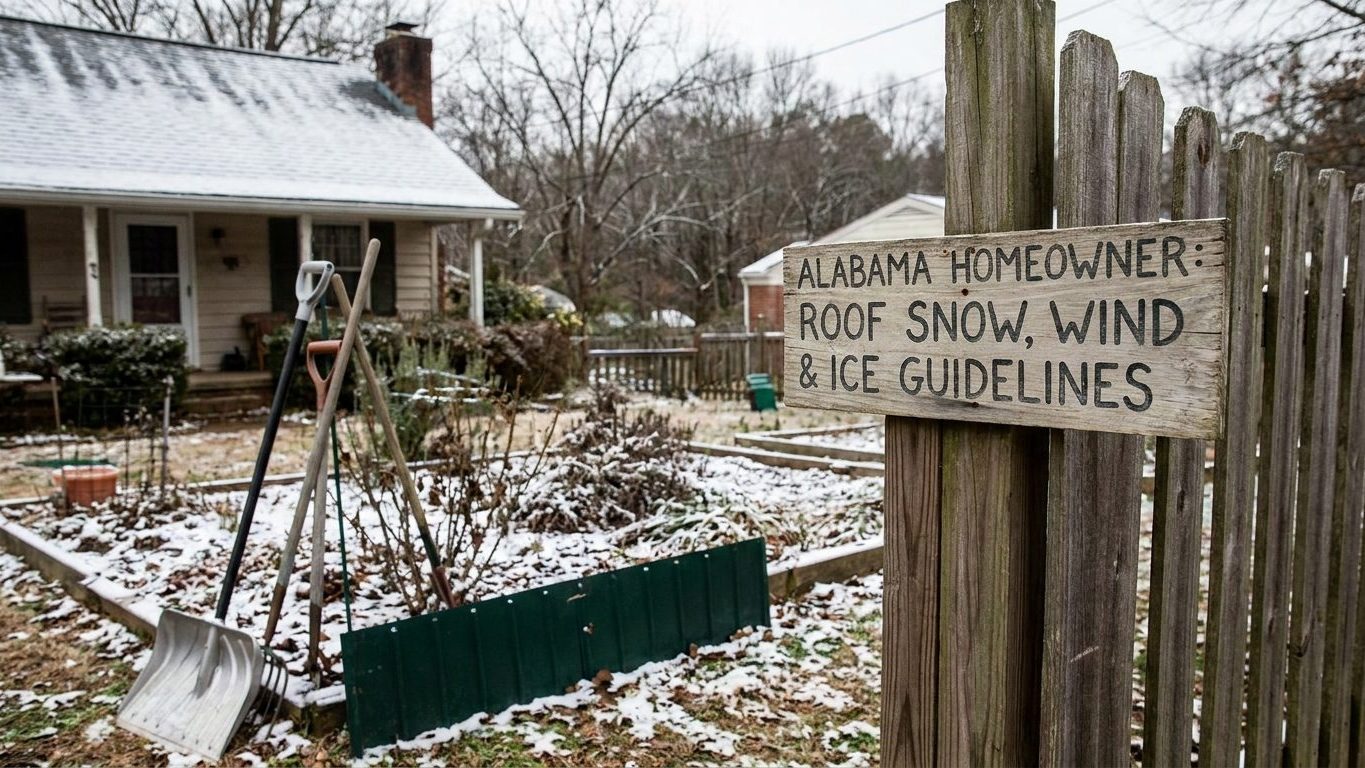
Illinois has no statewide building code, so the ground snow load, wind speed and ice barrier requirement all trace back to Chicago’s reference figures and your local building department.
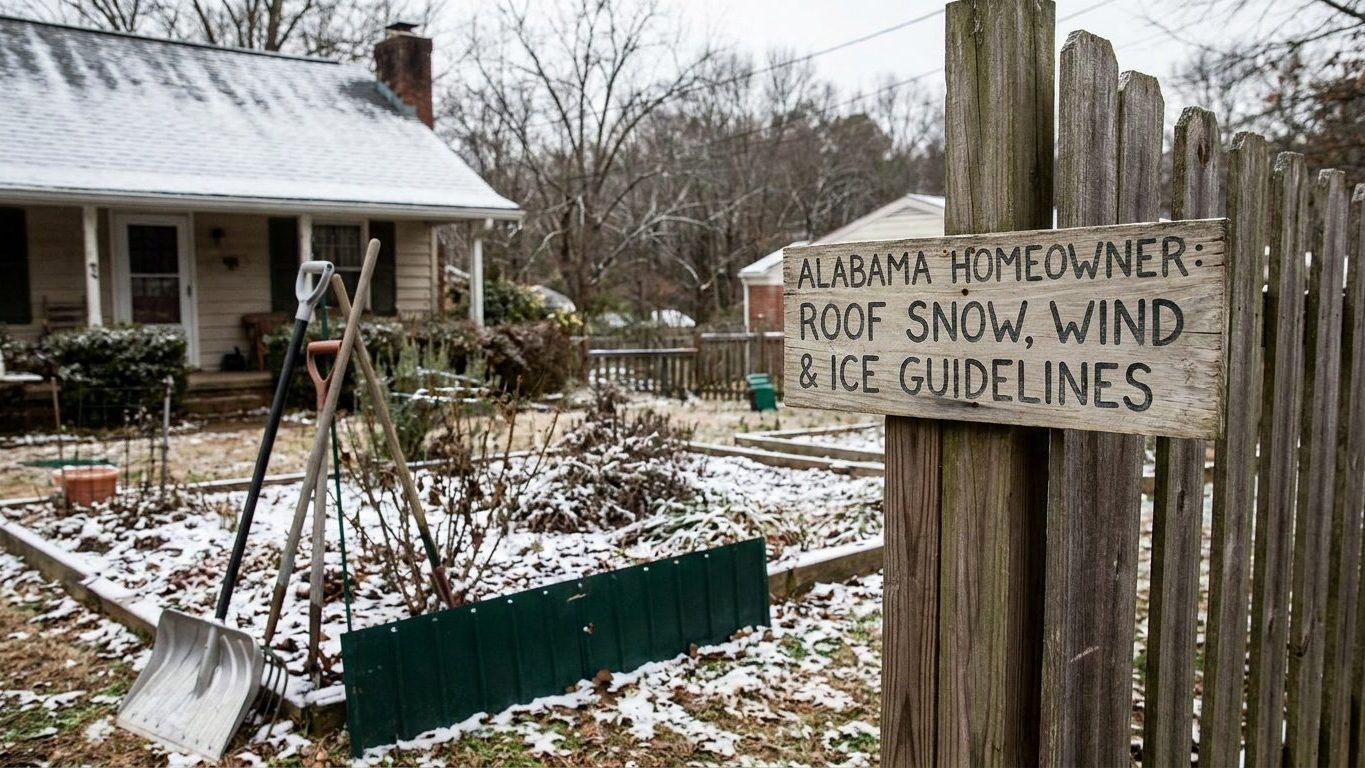
Georgia’s design ground snow load, wind speed and ice barrier rules come from ASCE 7-16 and the state’s own residential code, not a single statewide number.