Roof Snow Load, Wind Speed and Ice Barrier Rules in New Mexico
Albuquerque’s design snow load, wind speed and New Mexico’s ice barrier rule, explained with the exact figures a permit and truss drawing use.
Home & garden, state by state
Albuquerque’s design snow load, wind speed and New Mexico’s ice barrier rule, explained with the exact figures a permit and truss drawing use.
Newark’s ground snow load, converted roof value, wind speed and ice barrier rules explained for New Jersey homeowners planning a roof project or permit application.
New Hampshire sets roof snow load by elevation rather than a flat map figure, while wind speed and ice barrier rules follow the state’s adopted building code.
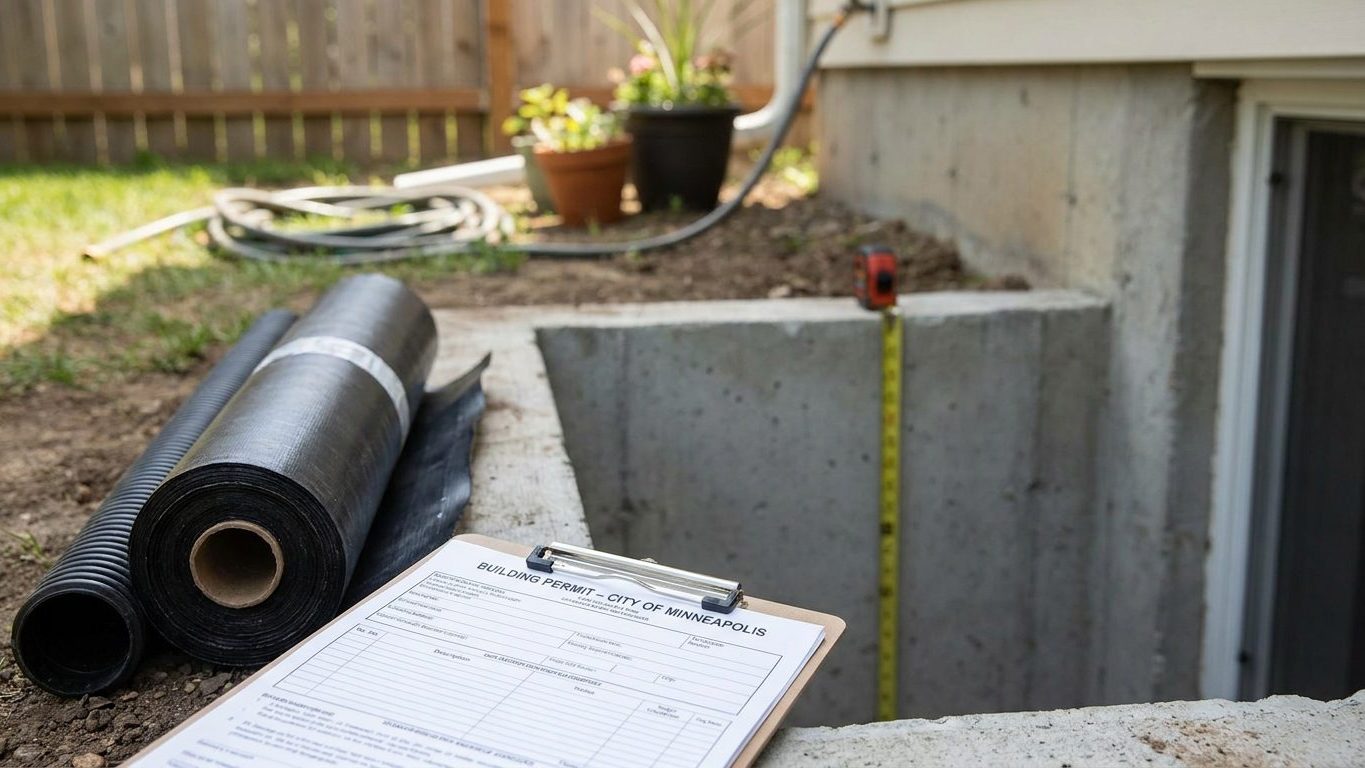
A plain-language guide to New York’s basement permit rules, the ceiling height allowed in an existing basement, required egress window dimensions, and moisture control before you finish the walls.
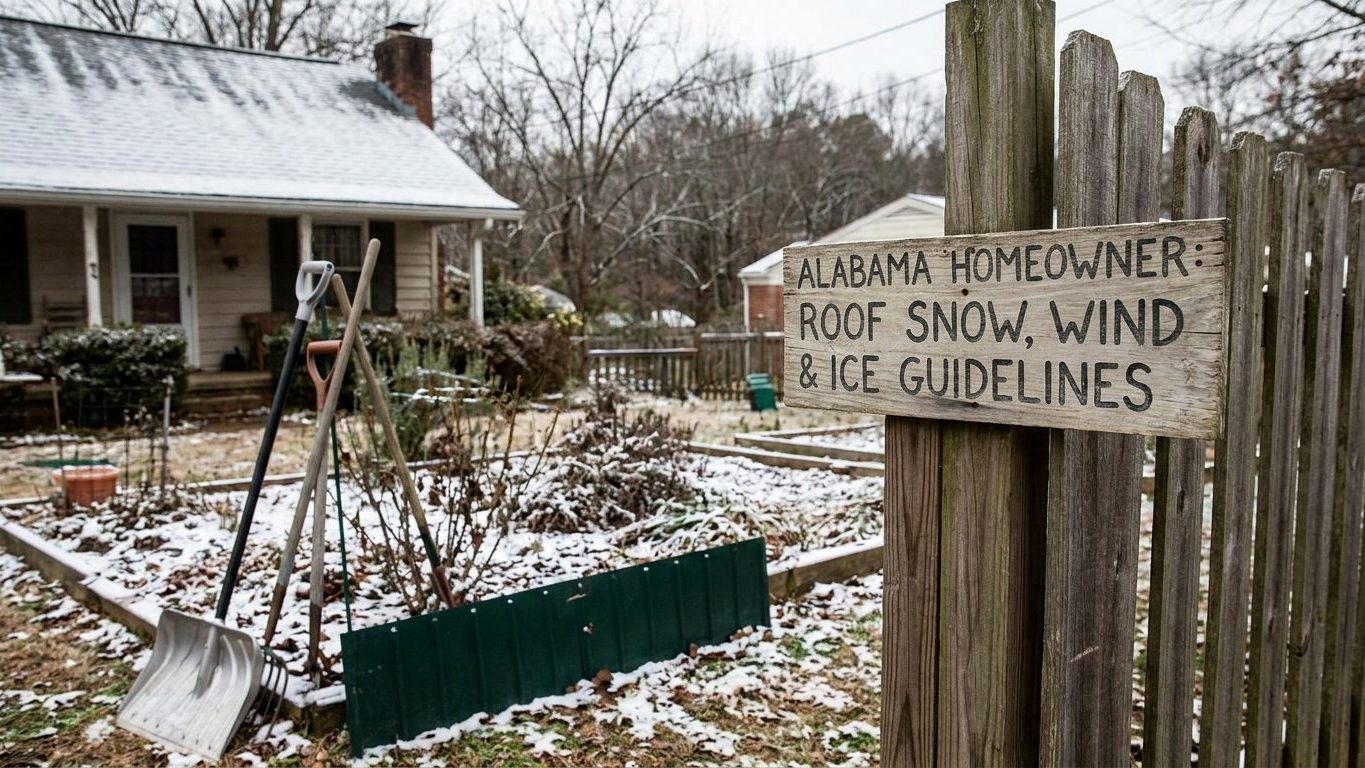
The National Building Code figures that govern St. John’s roofs for snow, wind, and ice barriers, and why the rules change by municipality.
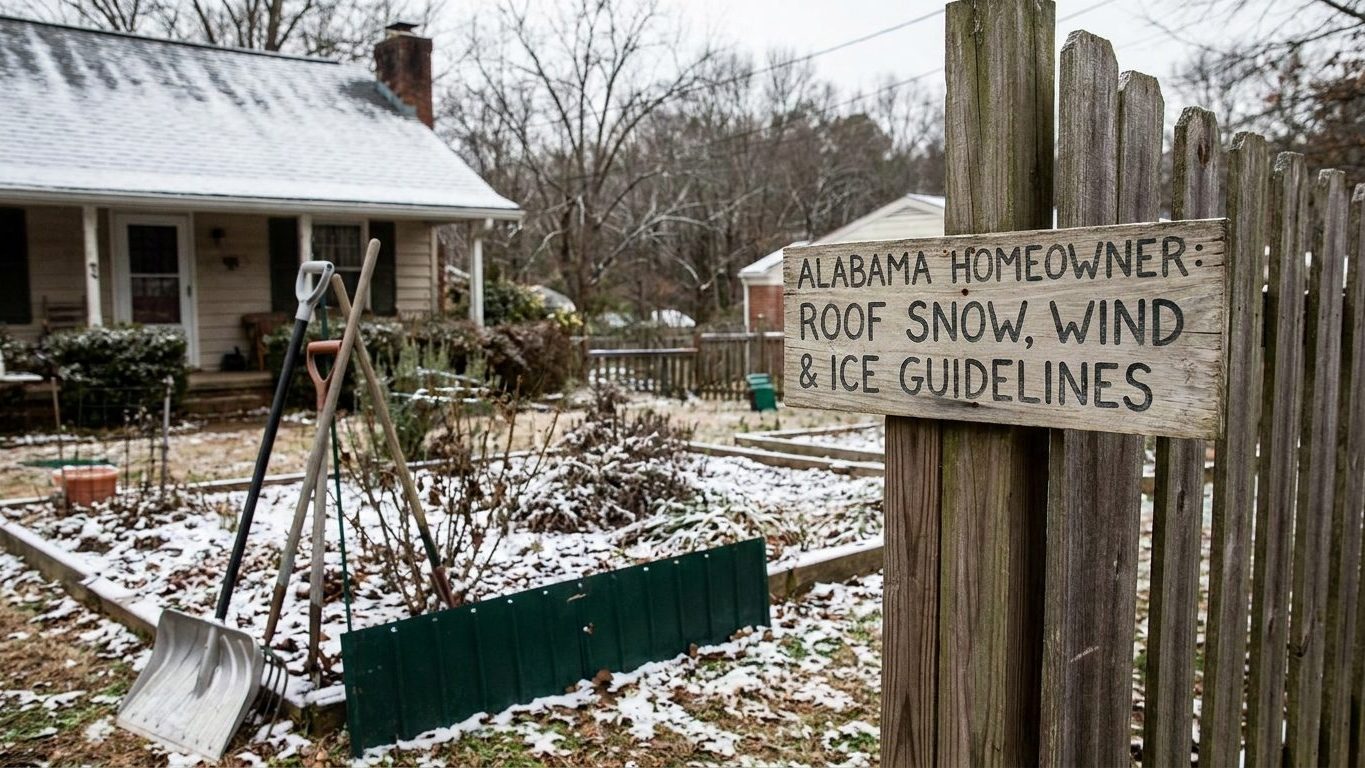
Explains how Moncton’s ground snow, rain-on-snow load, wind pressure and ice-dam risk set New Brunswick’s roof design rules, and where local codes apply.
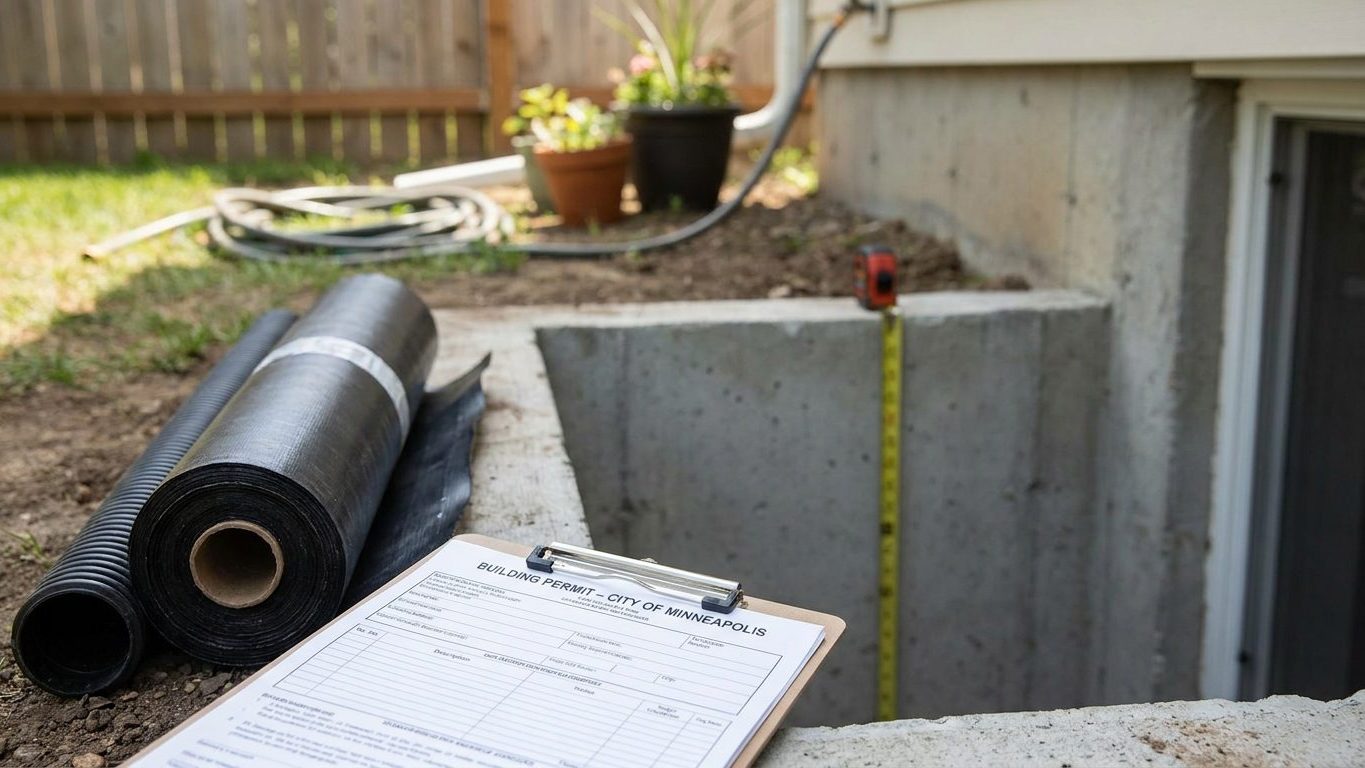
New Jersey’s statewide construction code governs basement permits, ceiling height, egress windows and moisture control, enforced the same in every municipality.
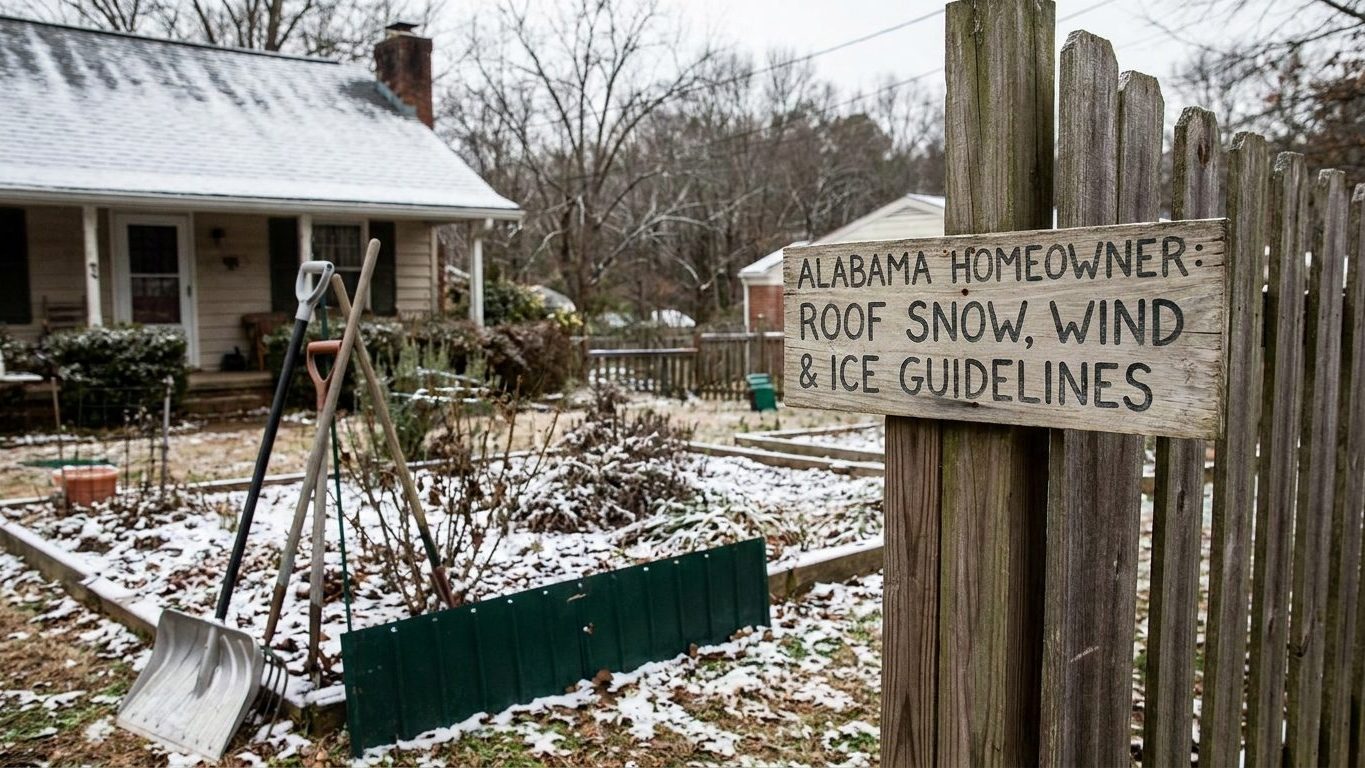
Explains Omaha’s design snow load, wind speed and ice barrier rules under Nebraska’s building code, and what each figure actually governs on a roof.
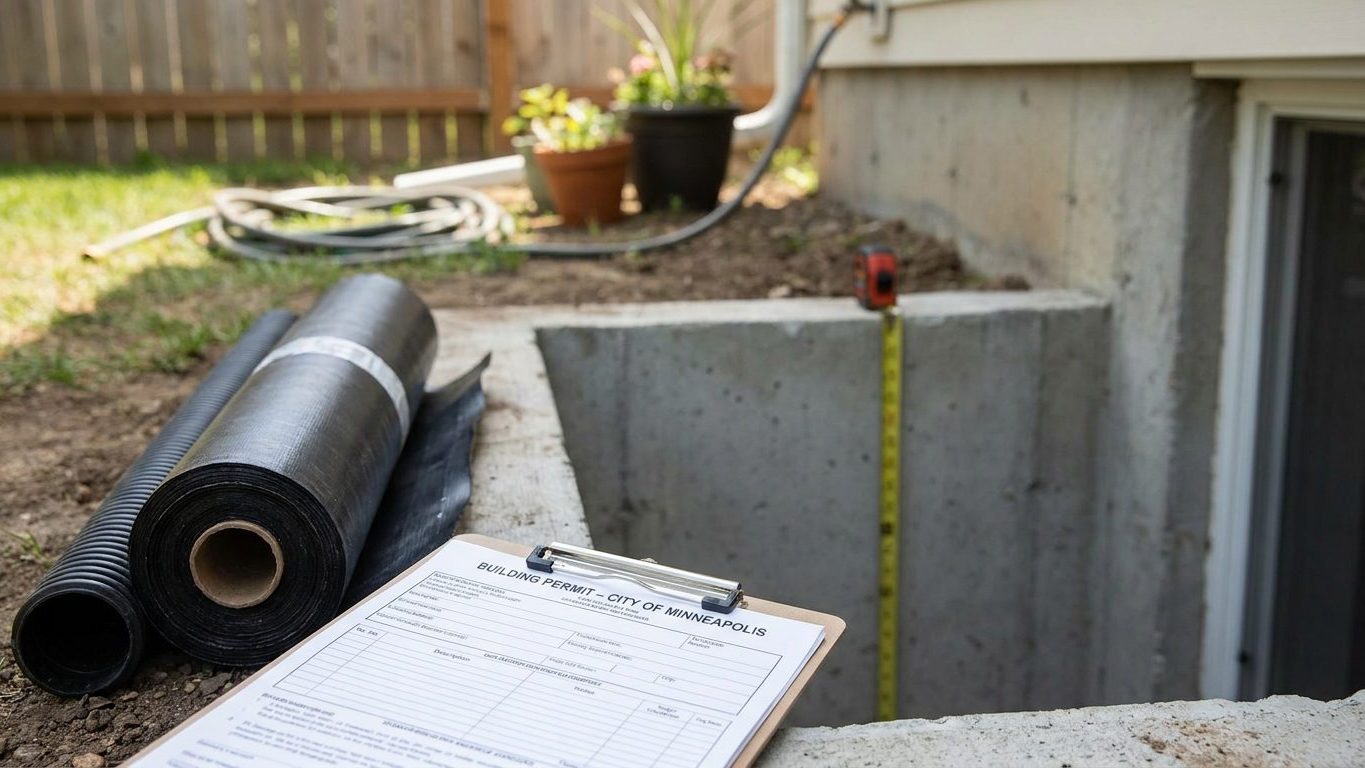
Covers New Hampshire’s basement permit rules, minimum ceiling height, egress window dimensions, waterproofing steps, and insulation choices under the state building code.
Montana’s design snow load, wind speed and ice-barrier rules come from Billings-area data, but adoption of the state residential code is decided locally, county by county.