Roof Snow Load, Wind Speed and Ice Barrier Rules in New Hampshire
New Hampshire sets roof snow load by elevation rather than a flat map figure, while wind speed and ice barrier rules follow the state’s adopted building code.
Home & garden, state by state
New Hampshire sets roof snow load by elevation rather than a flat map figure, while wind speed and ice barrier rules follow the state’s adopted building code.
The National Building Code figures that govern St. John’s roofs for snow, wind, and ice barriers, and why the rules change by municipality.
Explains how Moncton’s ground snow, rain-on-snow load, wind pressure and ice-dam risk set New Brunswick’s roof design rules, and where local codes apply.
Explains Omaha’s design snow load, wind speed and ice barrier rules under Nebraska’s building code, and what each figure actually governs on a roof.
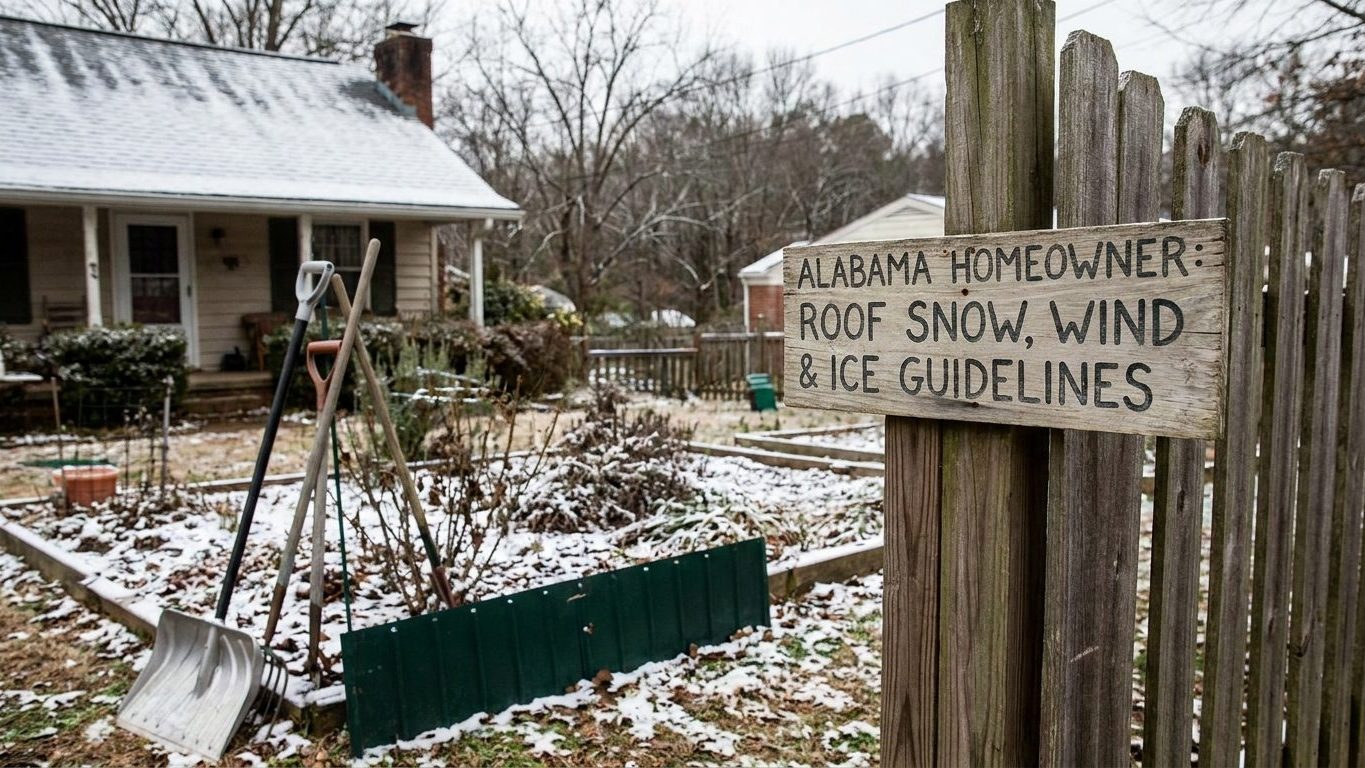
Montana’s design snow load, wind speed and ice-barrier rules come from Billings-area data, but adoption of the state residential code is decided locally, county by county.
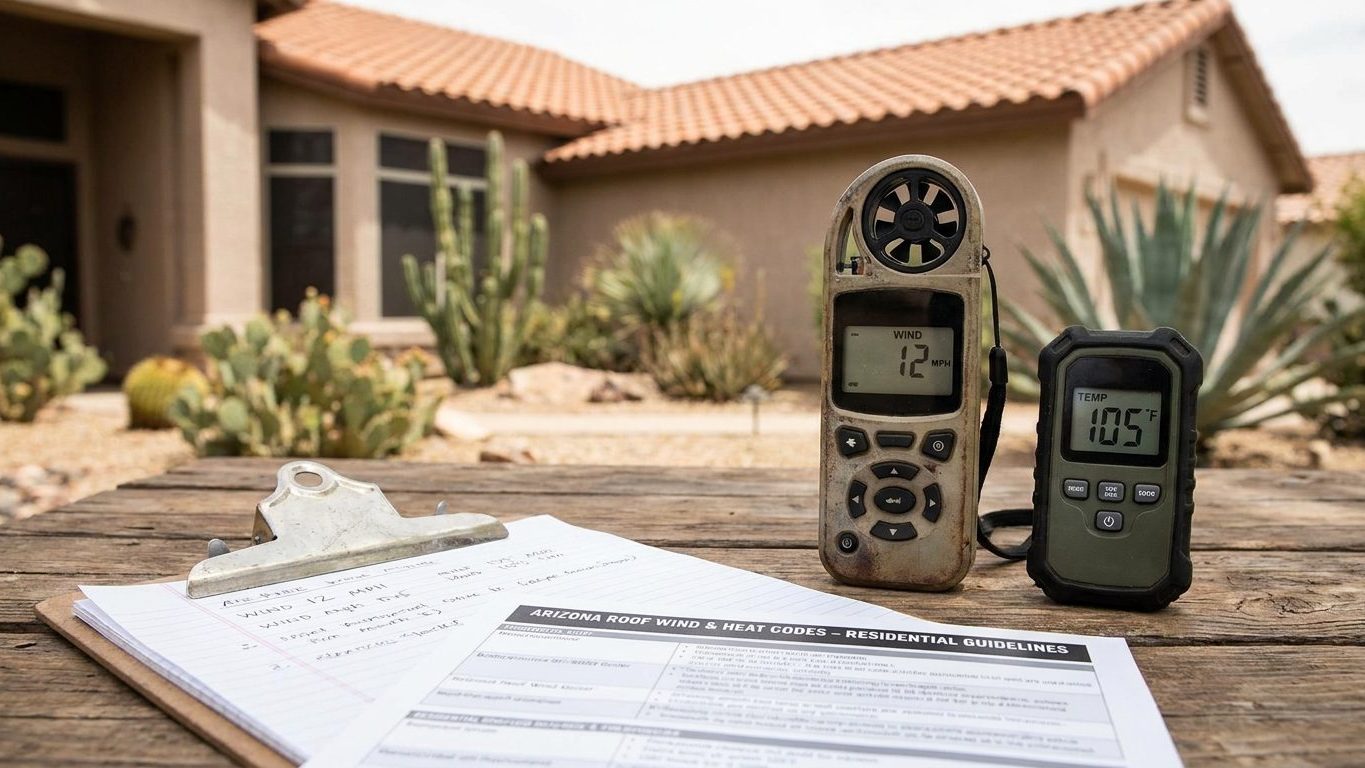
Phoenix’s design wind speed for roofs is 101 mph under ASCE 7-16, the figure that sets nailing patterns, sheathing fasteners and uplift connections.
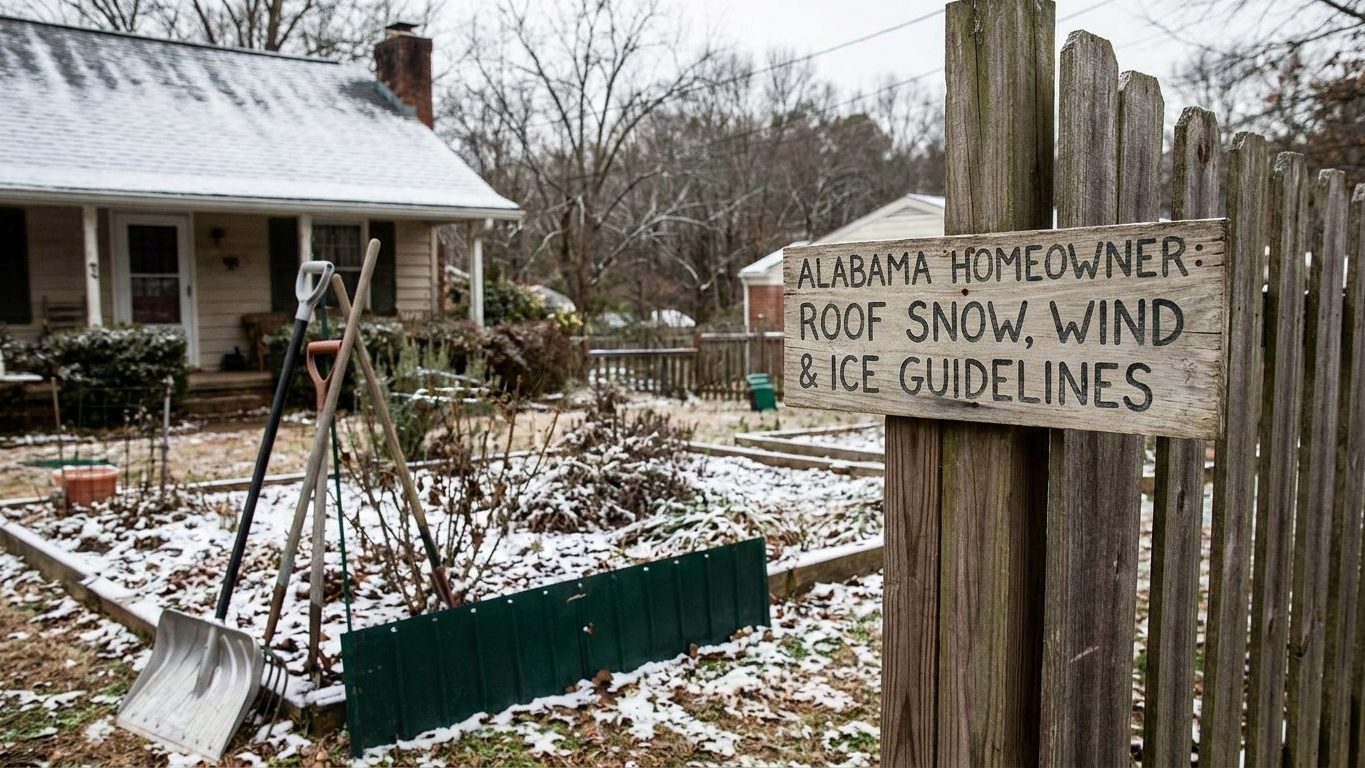
Kansas City’s design snow and wind figures explained, plus why Missouri’s ice barrier rule depends entirely on your local building department.
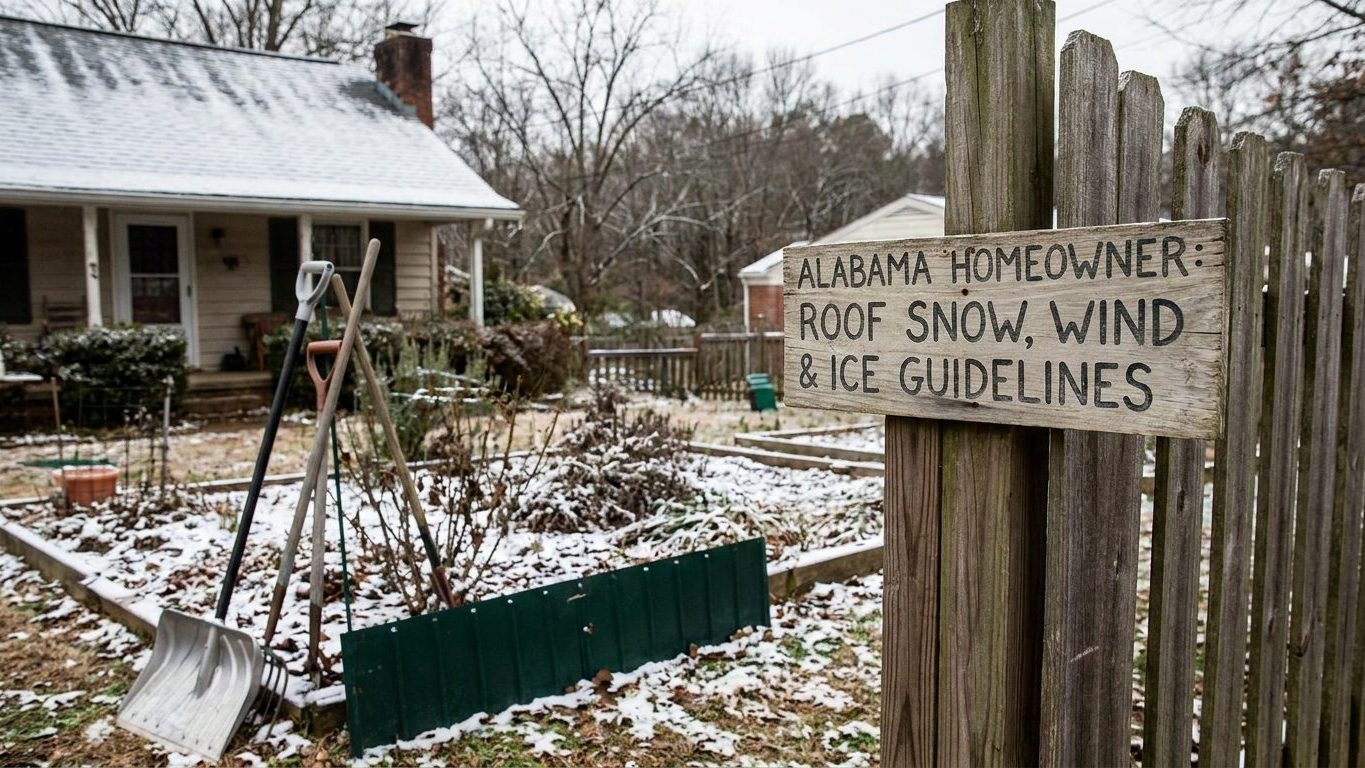
Iowa’s design snow load, wind speed and ice barrier rules run through Des Moines figures from ASCE and NOAA, converted for an ordinary sloped roof and local code adoption.
Indianapolis’s design snow load, wind speed and ice barrier rule come from different codes and figures, and each governs a different part of a roof.
Illinois has no statewide building code, so the ground snow load, wind speed and ice barrier requirement all trace back to Chicago’s reference figures and your local building department.