Roof Snow Load, Wind Speed and Ice Barrier Rules in Georgia
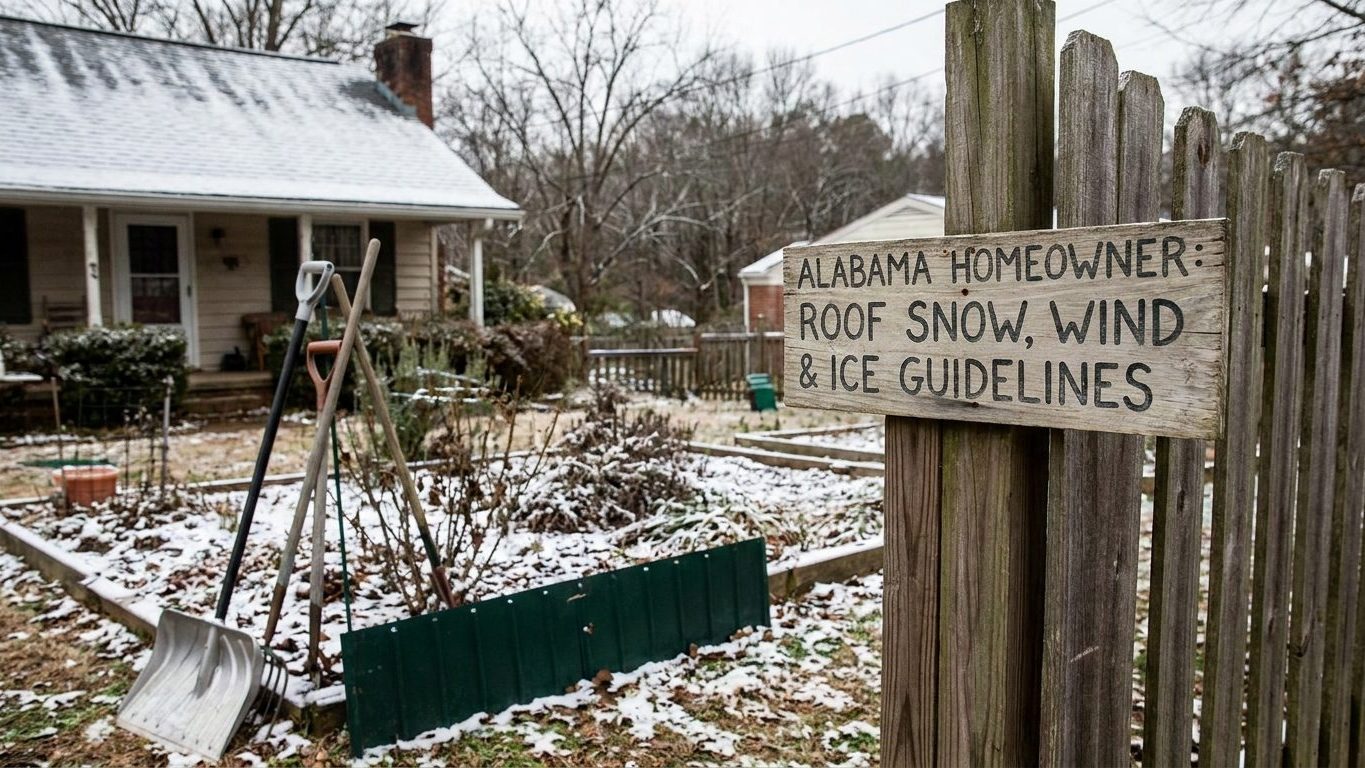
Georgia’s design ground snow load, wind speed and ice barrier rules come from ASCE 7-16 and the state’s own residential code, not a single statewide number.
Home & garden, state by state
Georgia’s design ground snow load, wind speed and ice barrier rules come from ASCE 7-16 and the state’s own residential code, not a single statewide number.
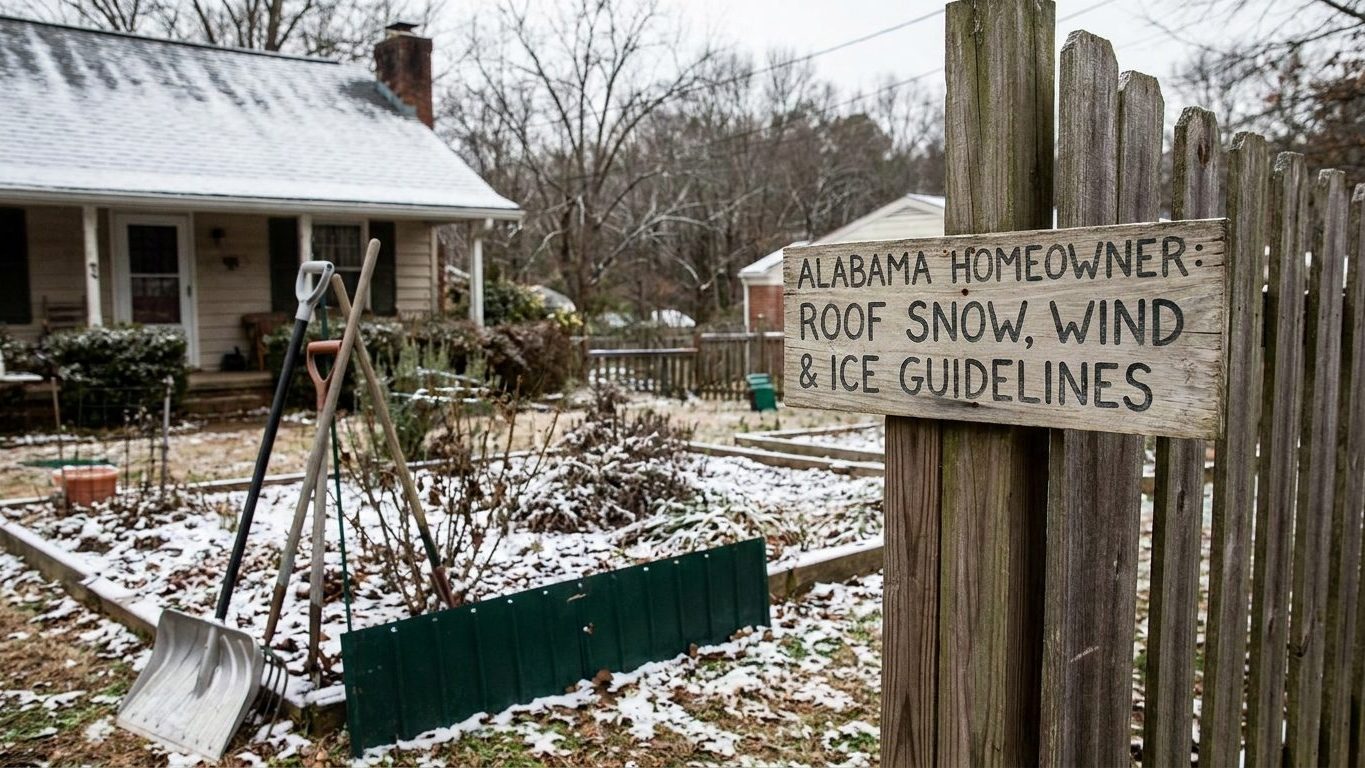
Idaho’s Boise-area design figures for roof snow load, wind speed and ice barrier rules, explained plainly with the code editions and reference city they come from.
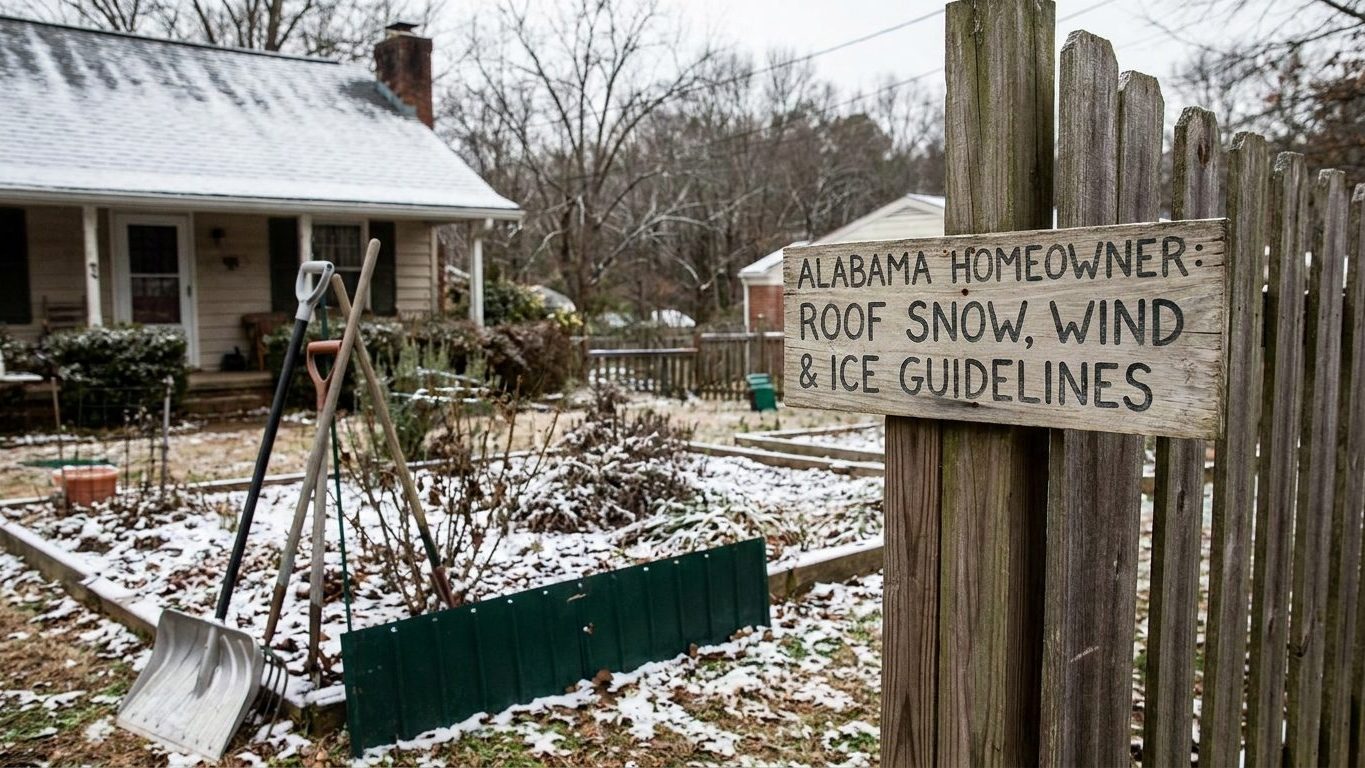
Delaware’s roof snow load, wind speed and ice barrier requirements start from Wilmington’s mapped figures, then shift with elevation, coastline and county code adoption.
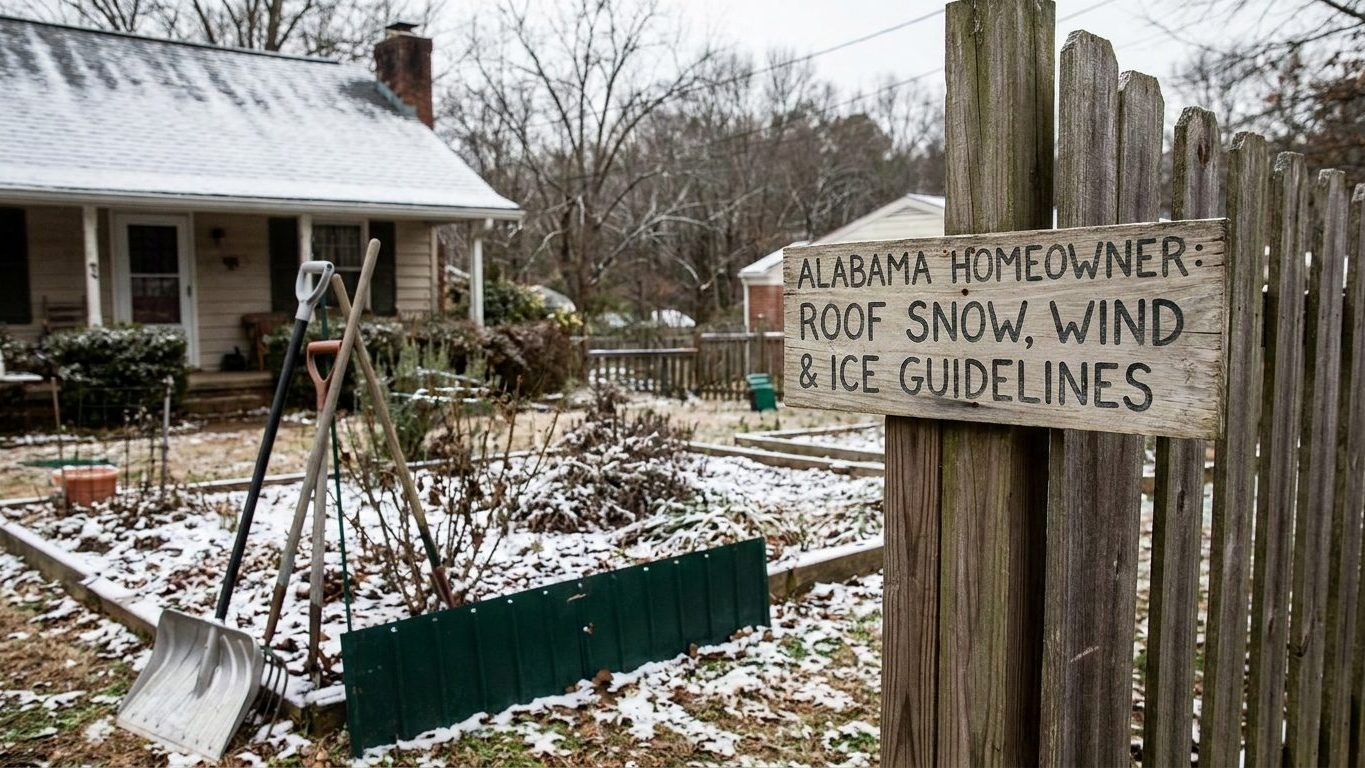
Connecticut roof permits use Bridgeport’s 30 psf ground snow load and 119 mph wind figures, converted for slope, drift, and the state’s ice barrier rule.
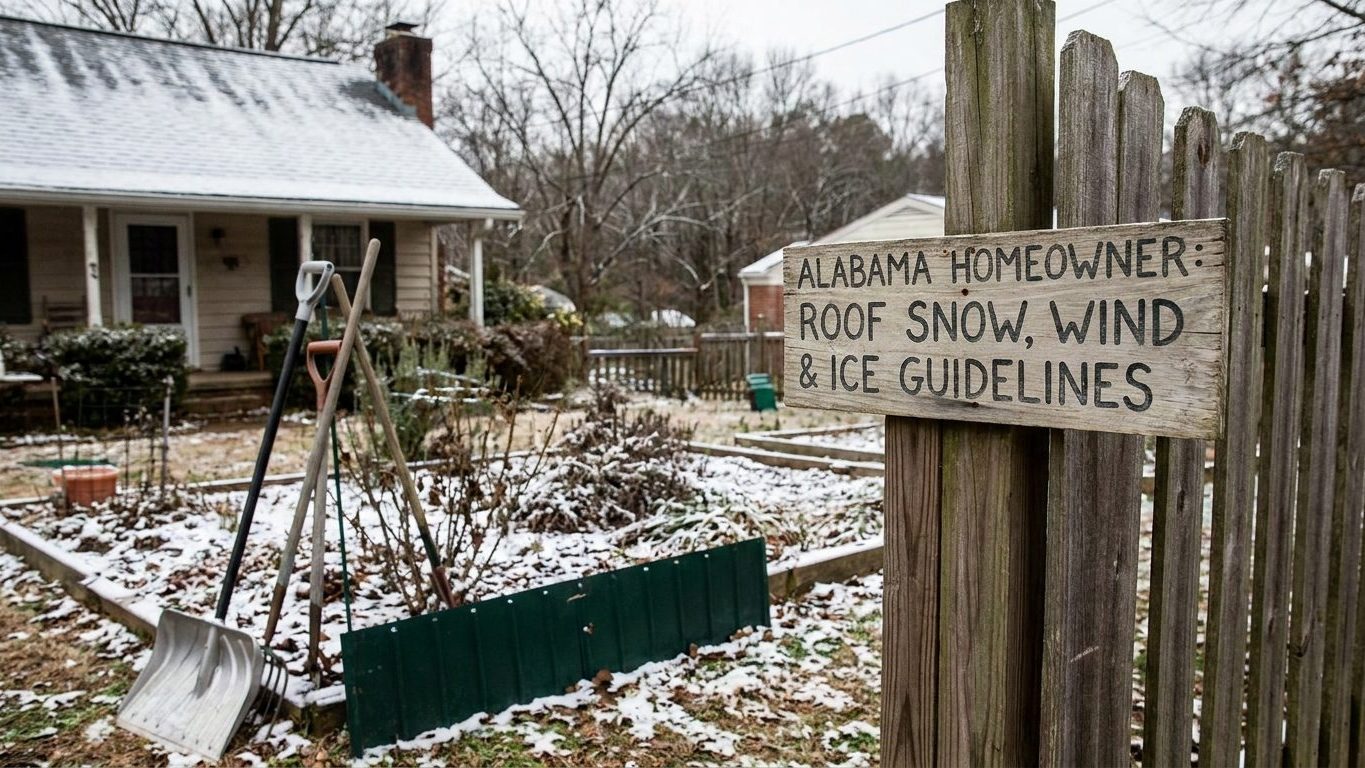
Denver’s design snow load, wind speed and ice-barrier rules explained, including why Colorado has no statewide figure and what governs your local permit.
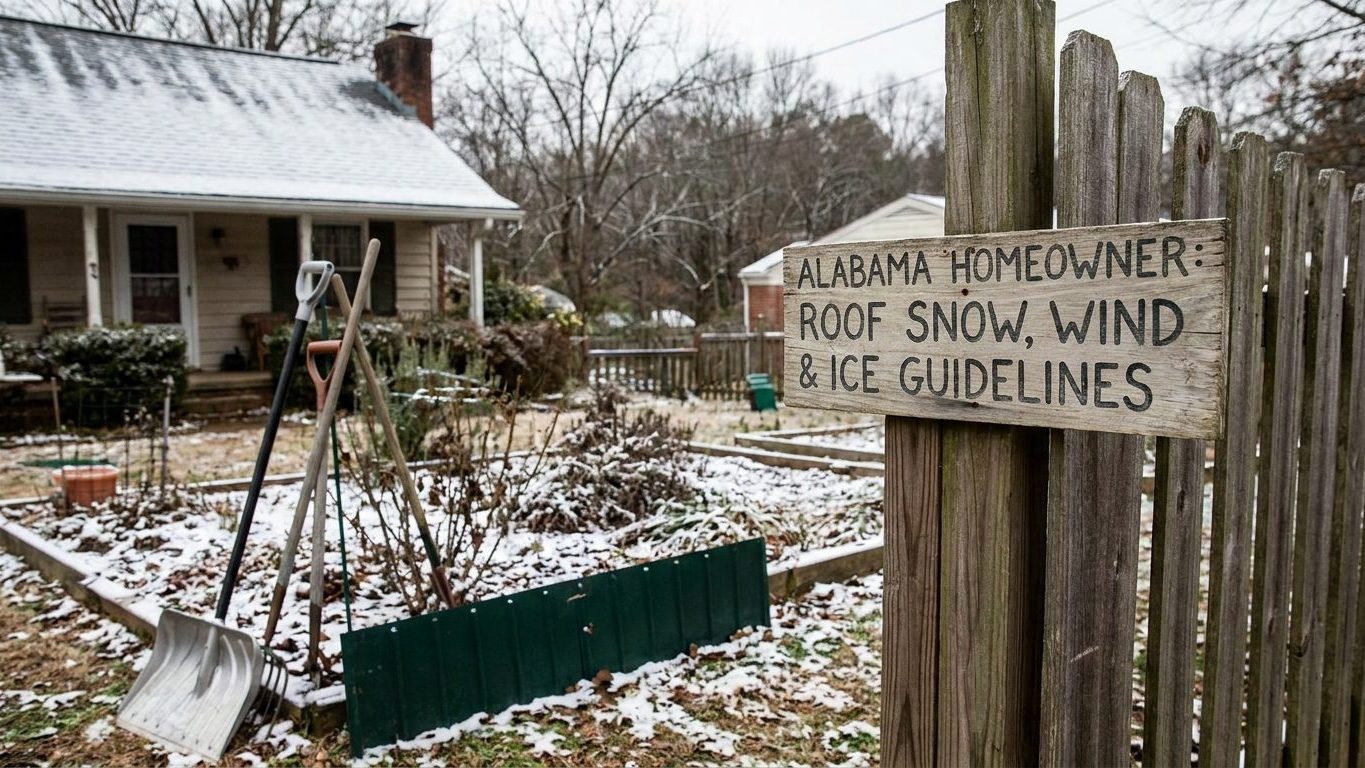
Vancouver’s design snow and wind figures come from the National Building Code, and they set what a permit or truss package must meet, not what your roof proves safe.
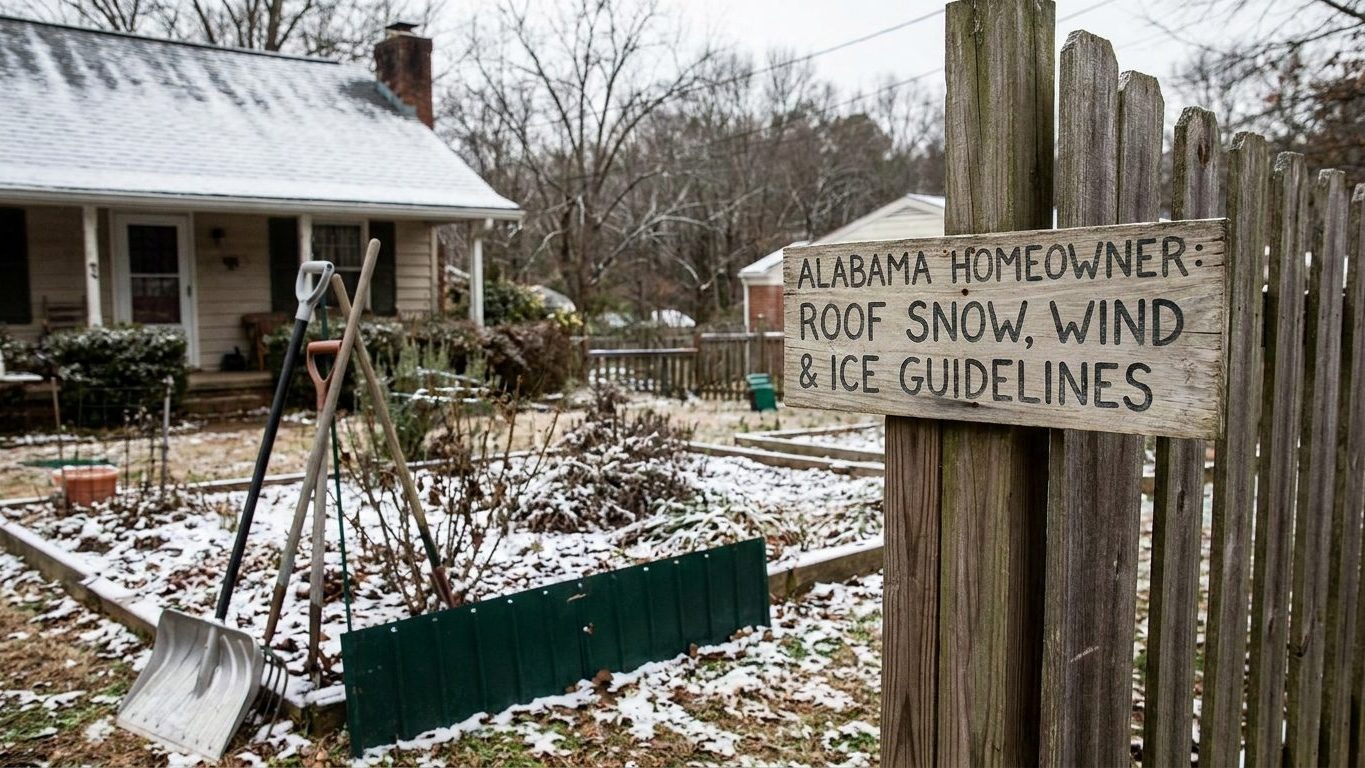
Little Rock’s ground snow load, design wind speed, and ice barrier rules explained, with what each number actually governs on a house roof.
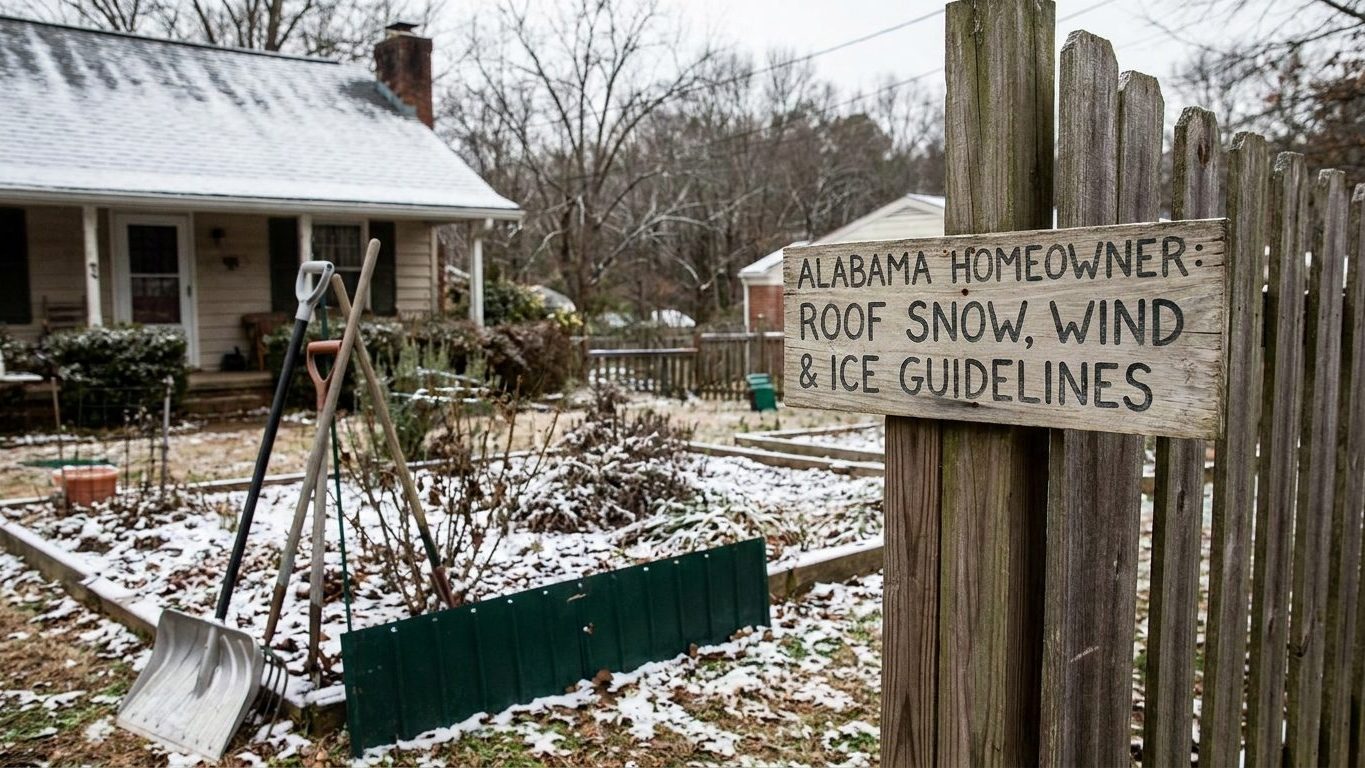
Alberta’s design snow load, wind pressure and ice barrier guidance come from Calgary’s reference figures in the National Building Code, adjusted for each municipality.
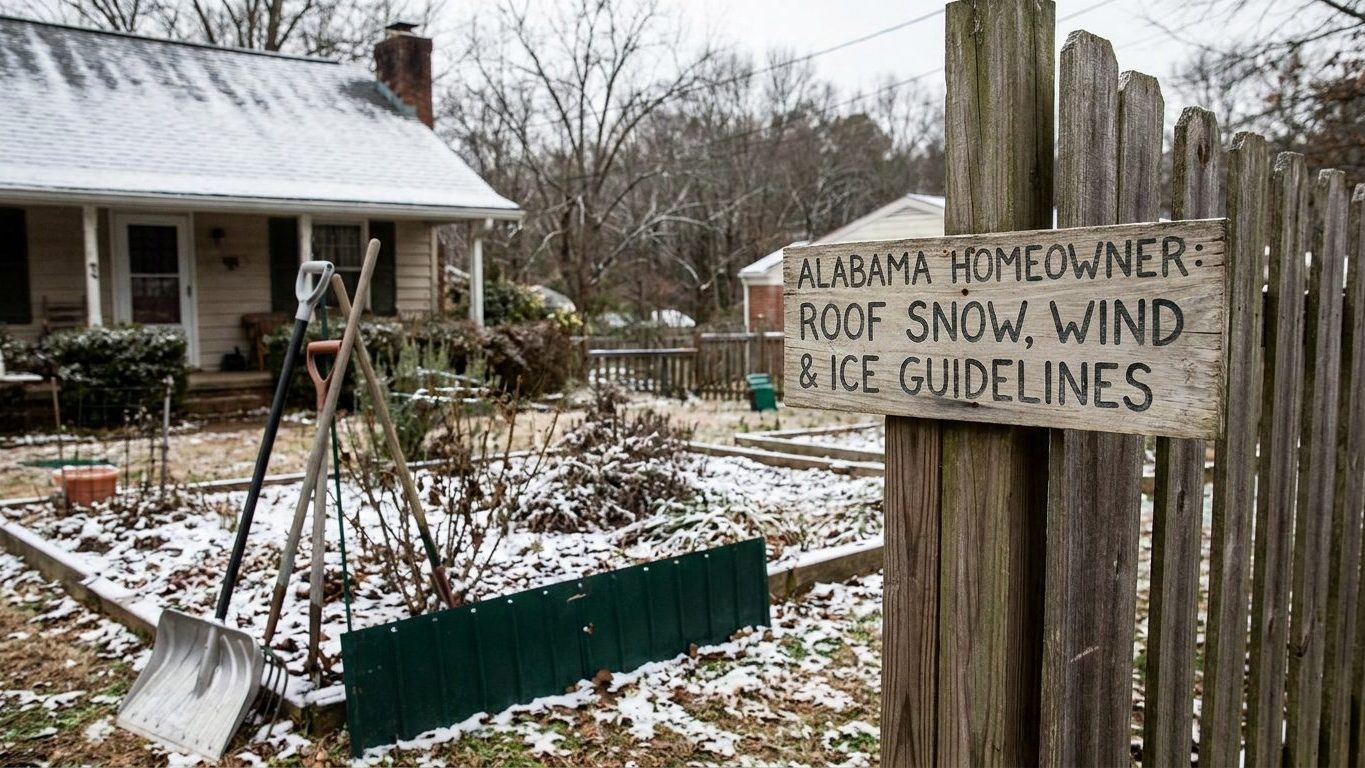
Anchorage’s ASCE 7-16 design figures for ground snow load and wind speed, what they convert to on a roof, and how Alaska handles ice barrier rules locally.
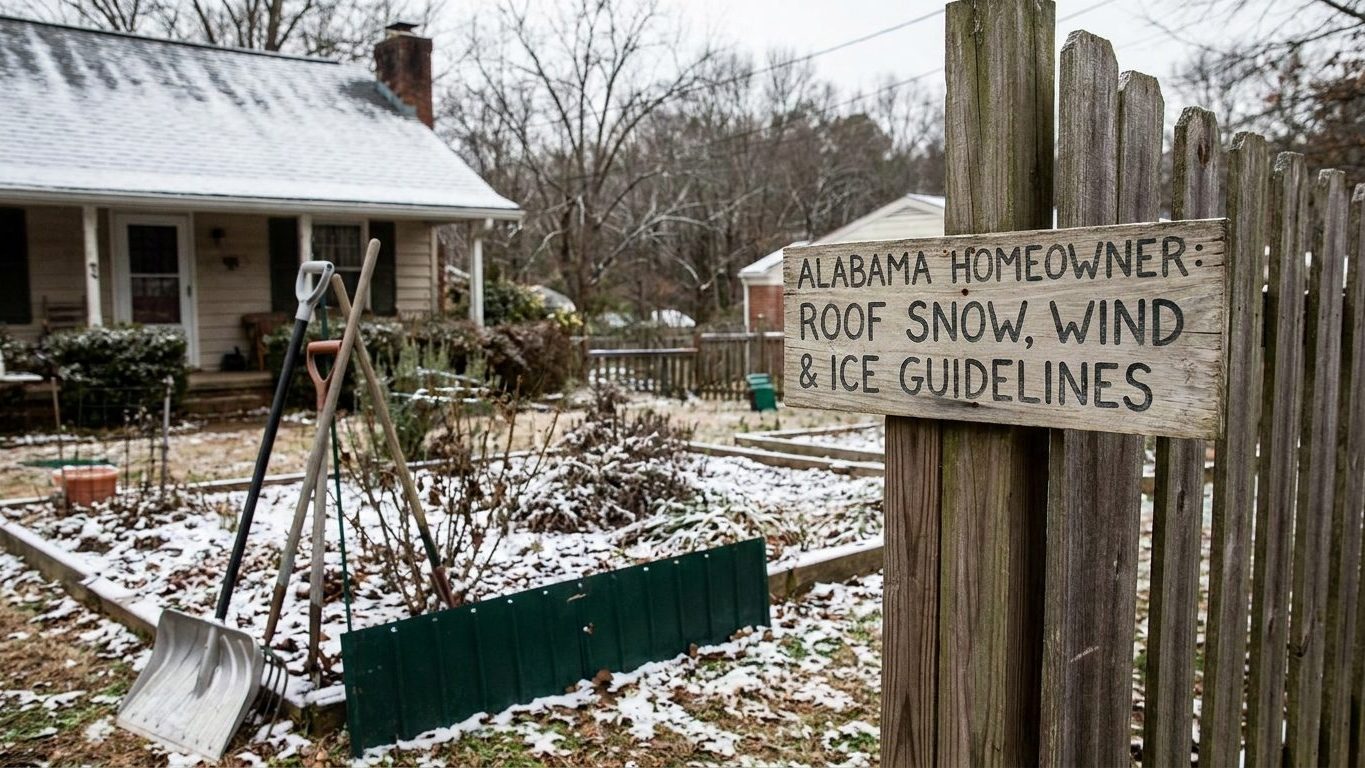
Huntsville’s design snow load, wind speed and ice barrier rules explained, with the code that applies in Alabama and what each figure means for a roof permit.