Hail Damage: What It Looks Like and What to Do
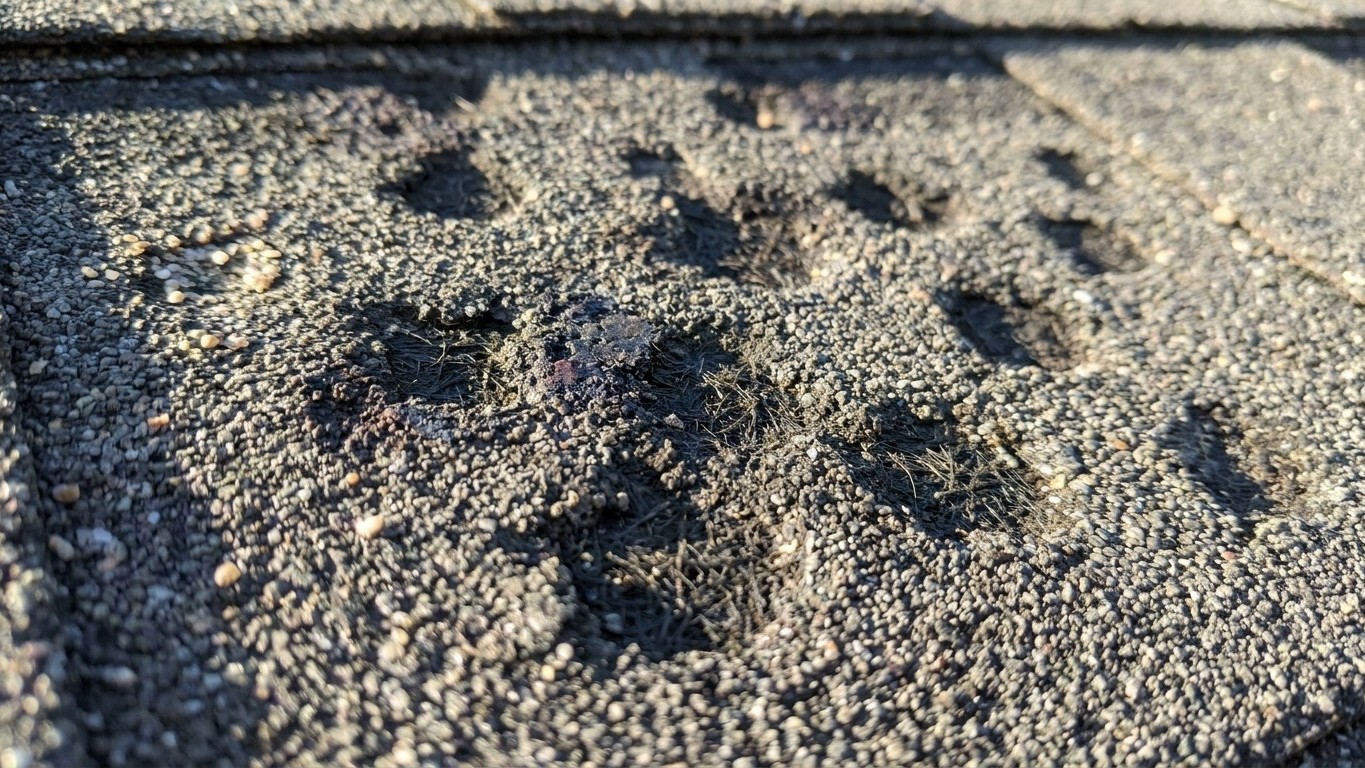
Hail damage rarely looks dramatic. On asphalt shingles it shows up as small dark circles, dents, or bare patches where granules have been knocked loose.
Home & garden, state by state
Hail damage rarely looks dramatic. On asphalt shingles it shows up as small dark circles, dents, or bare patches where granules have been knocked loose.
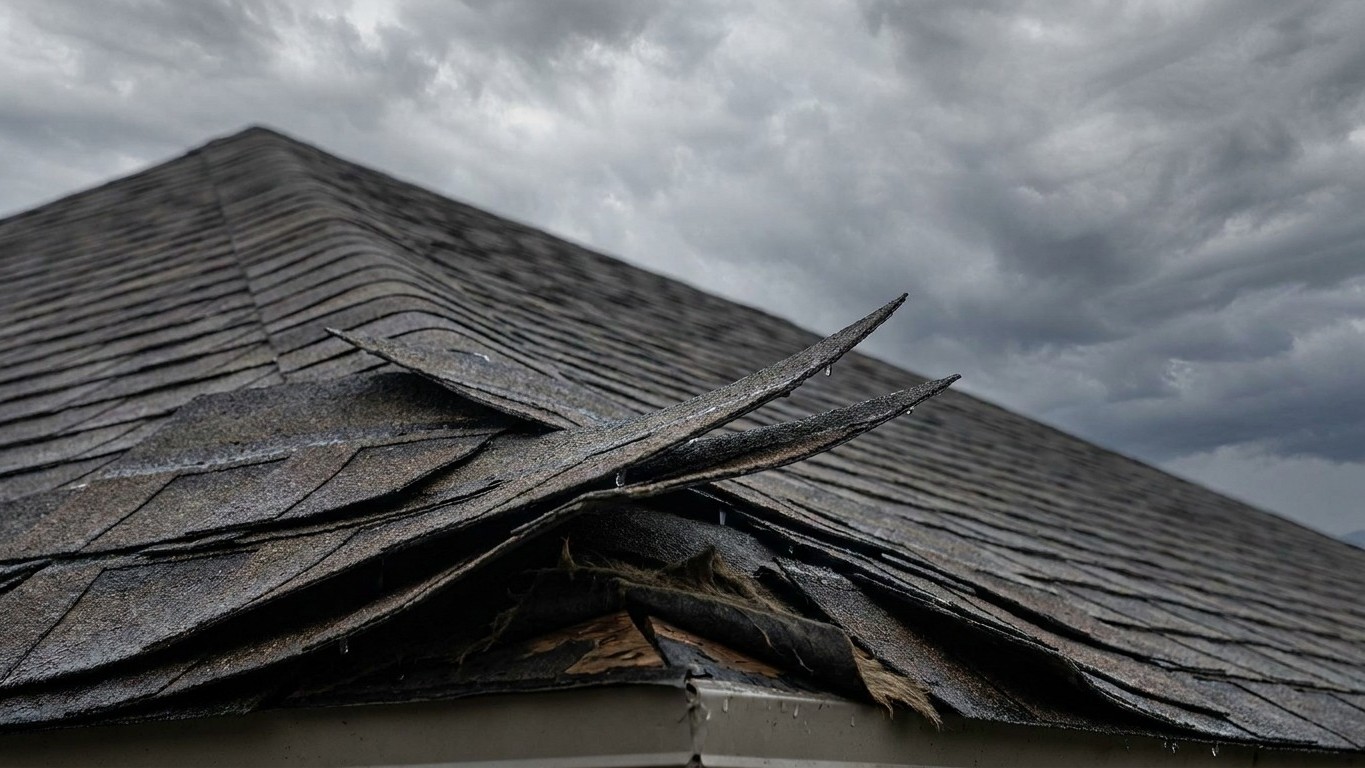
Wind doesn’t push down on a roof, it pulls up on it. Air moving fast across a roofline creates lower pressure right above the surface, and that…
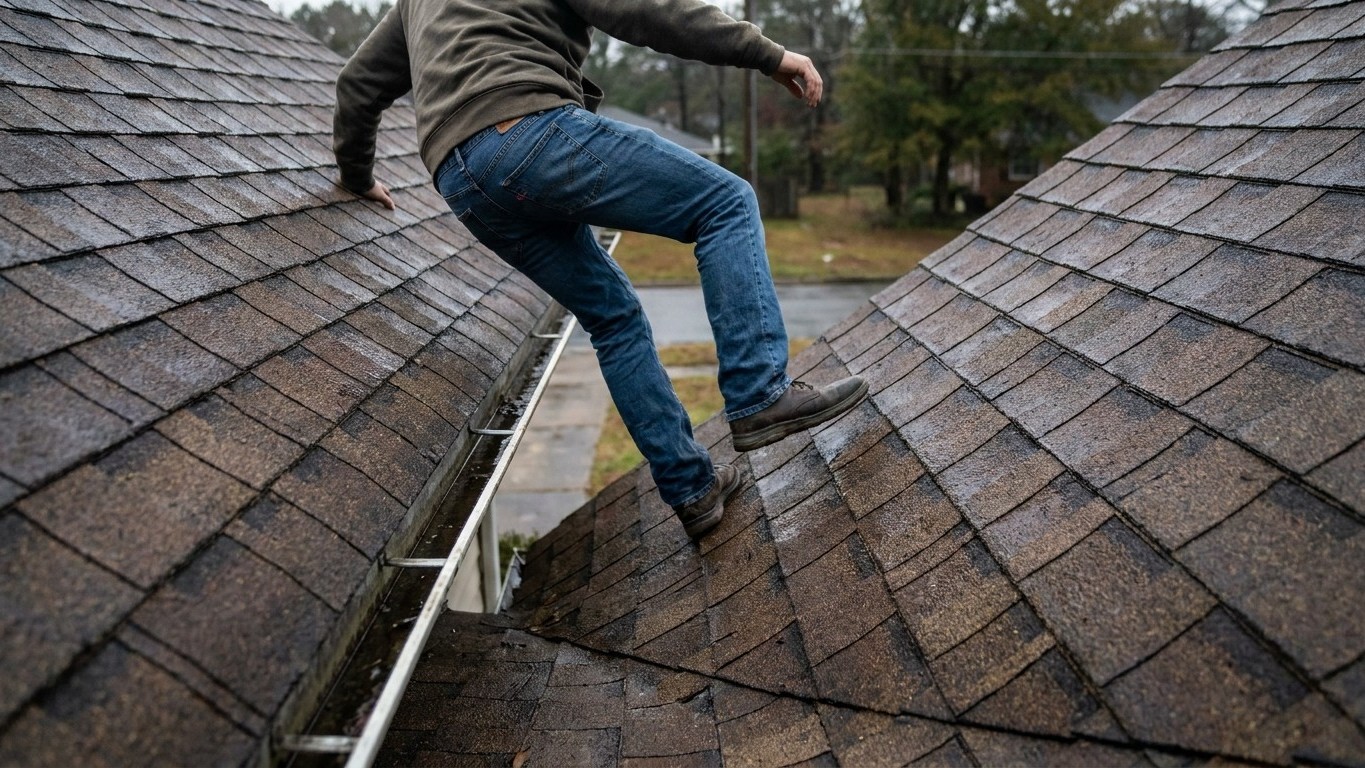
Walking on a roof is risky for two reasons that rarely get explained together: you can fall, and your weight can damage the very surface you’re trying to…
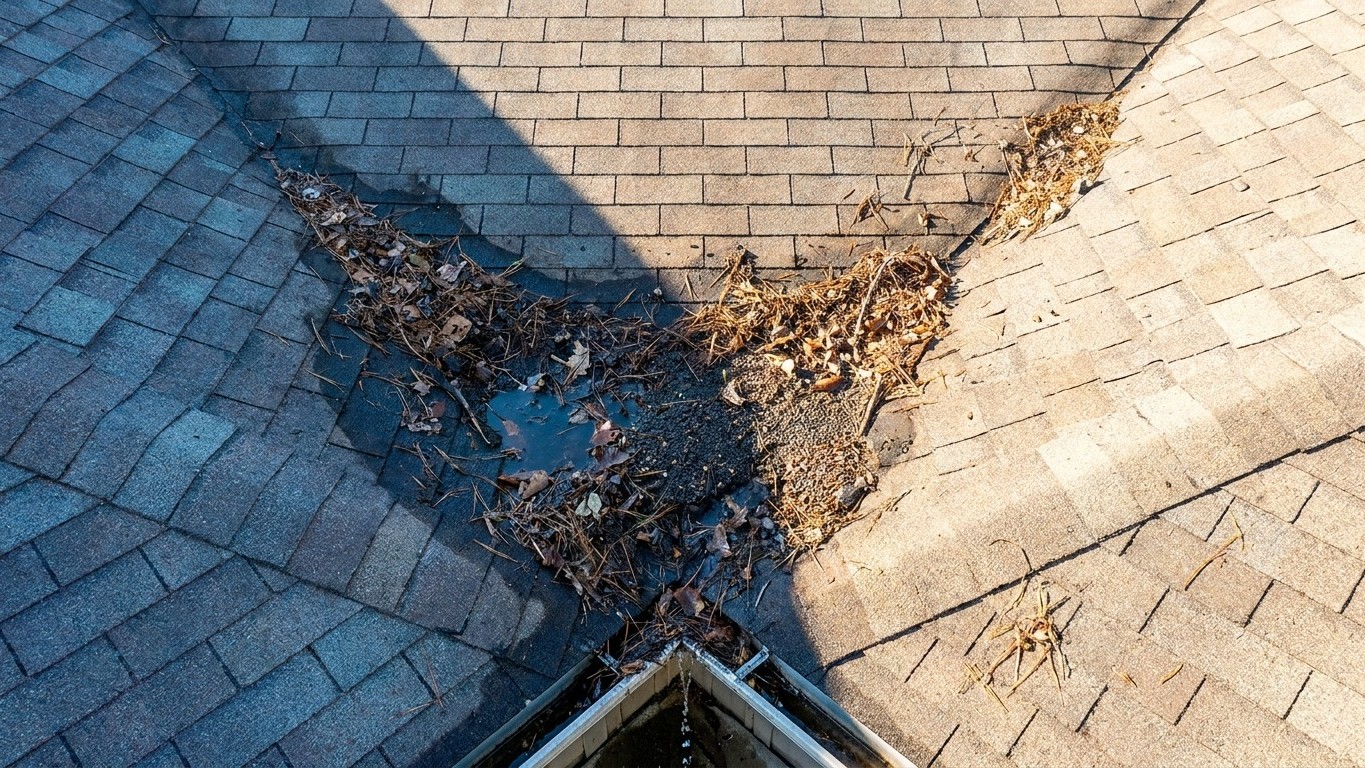
A valley is the V-shaped seam where two roof planes meet, and it’s built to move water fast. When it works, you never think about it.
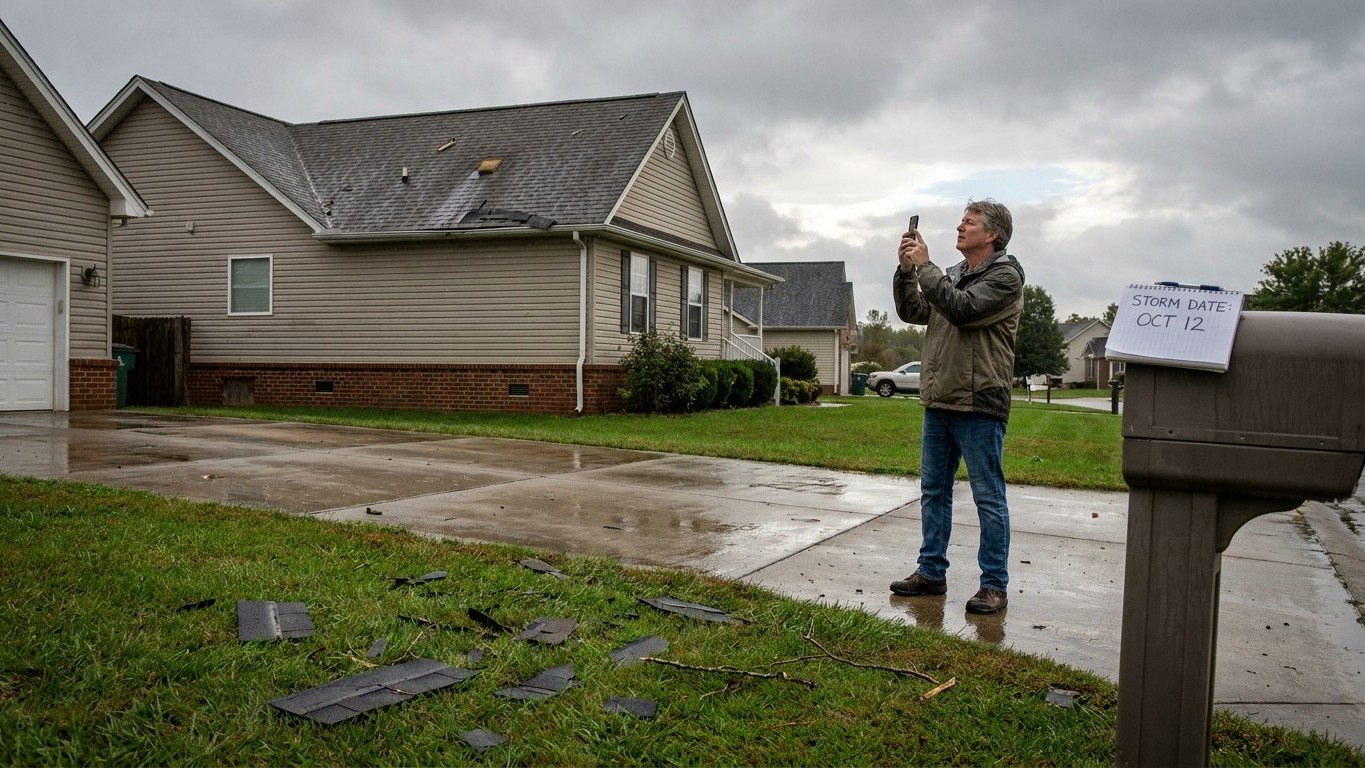
The days right after a storm decide how a roof claim plays out and how much damage stays hidden.
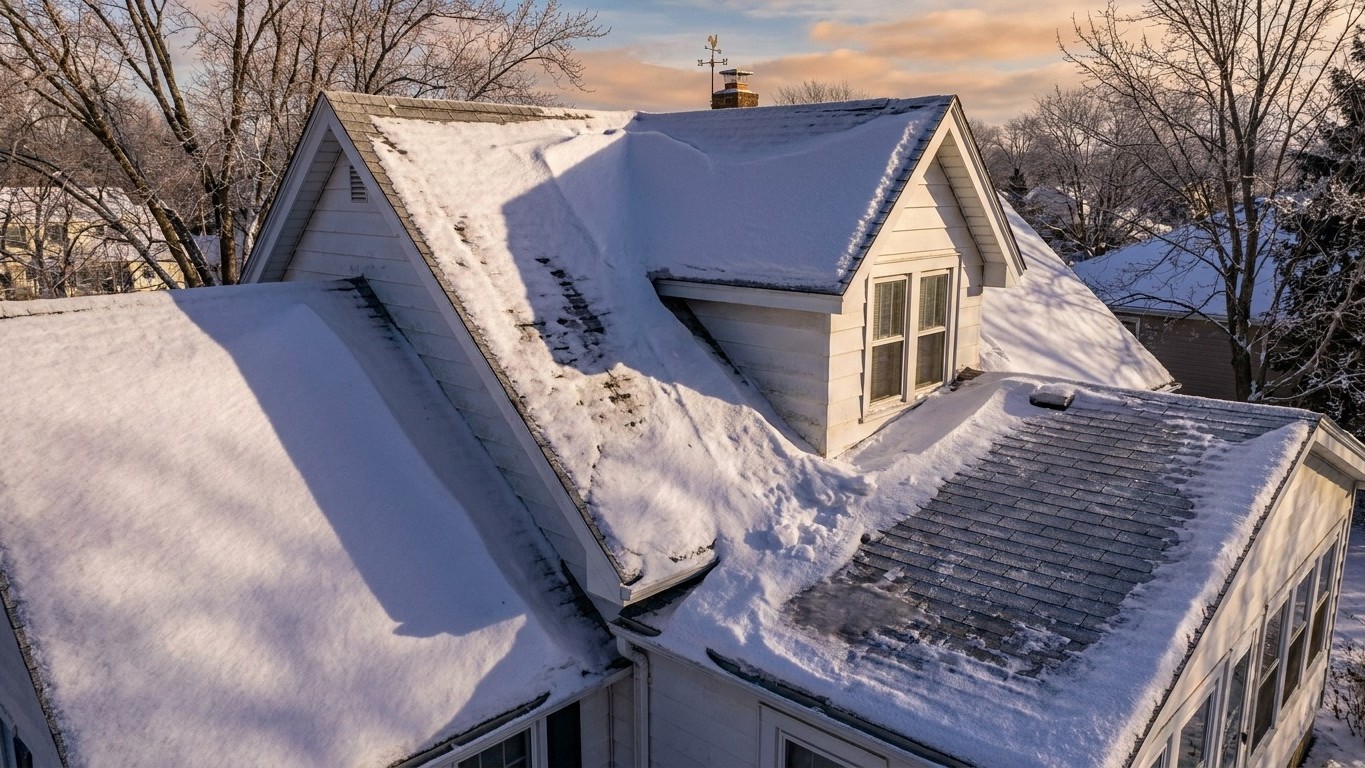
A roof carries snow just fine until three things line up: the snow gets heavy, it piles unevenly, and it stays put through repeated freeze-thaw cycles.
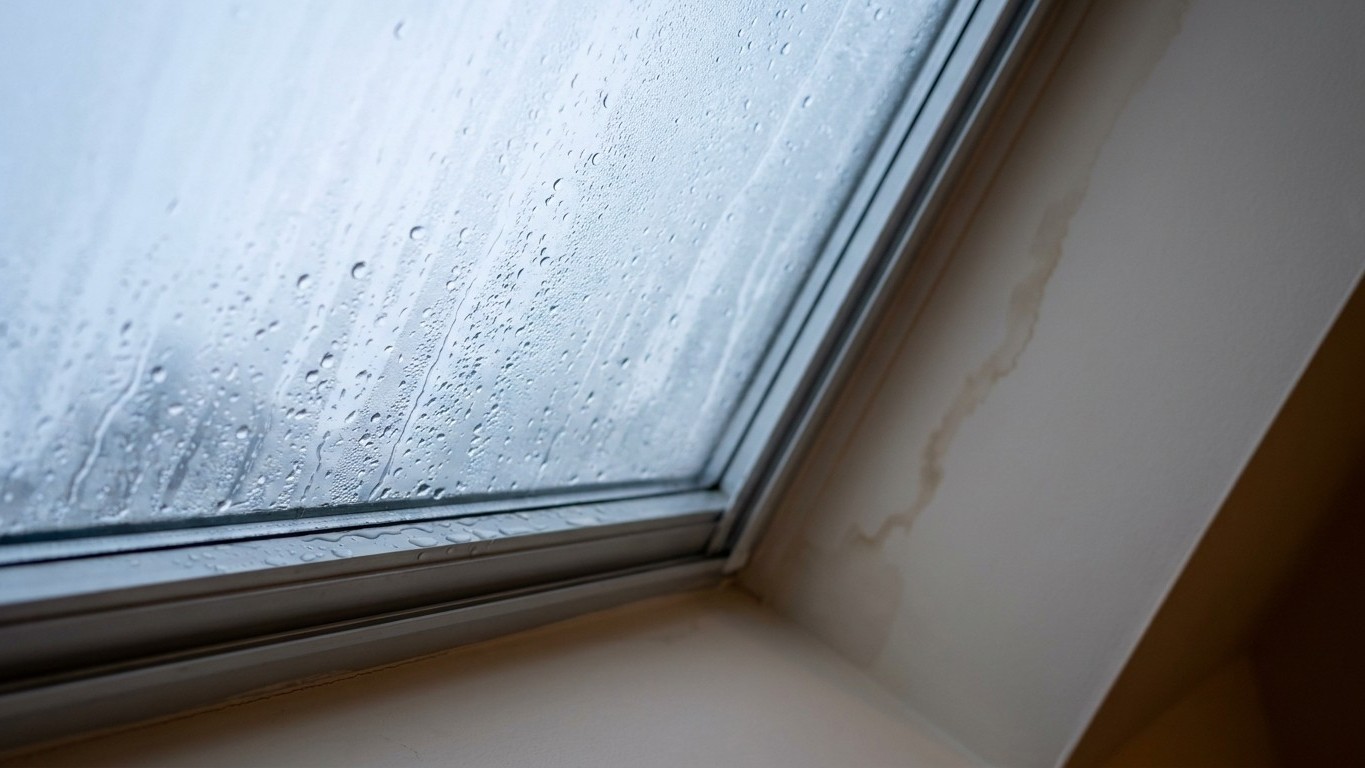
That stain spreading across your ceiling under the skylight might have nothing to do with rain.
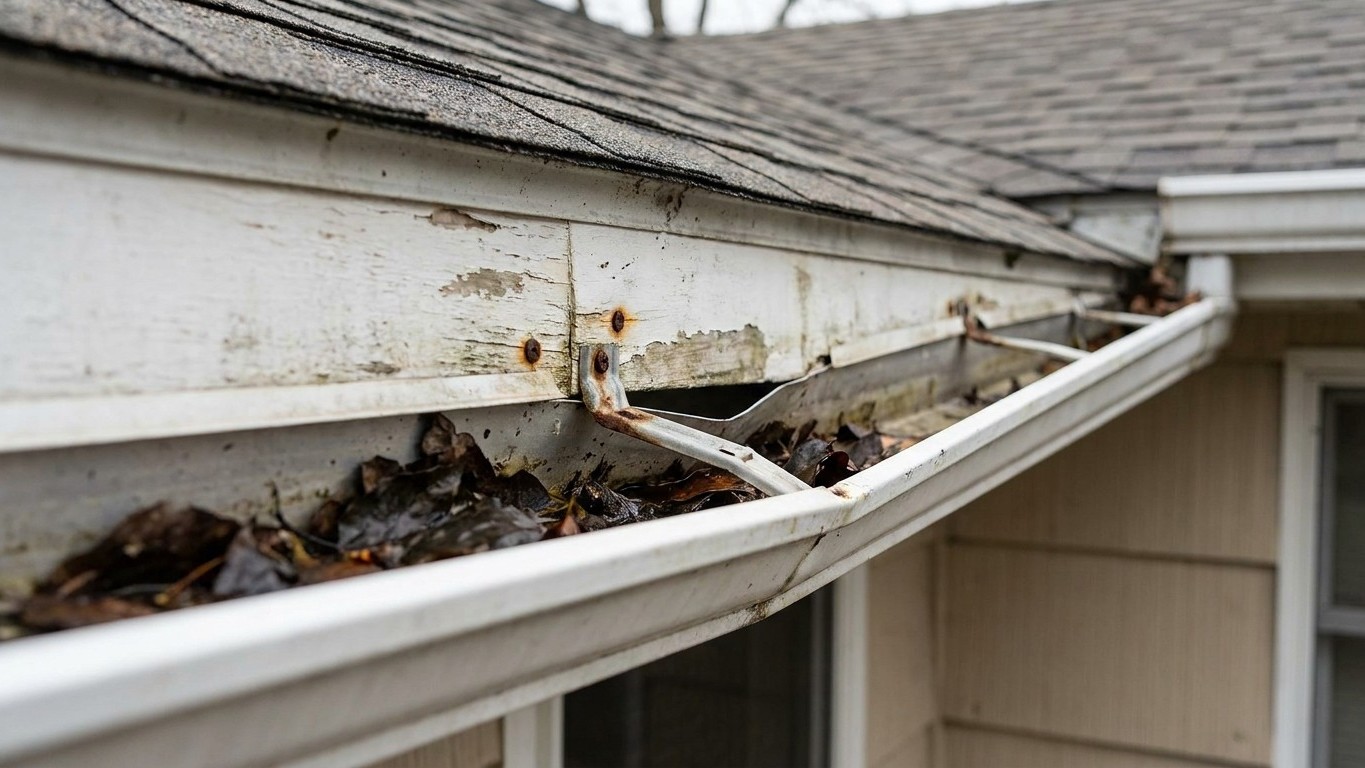
A sagging gutter means the fasteners holding it to the fascia have failed, the fascia board itself has gone soft, or both at once.
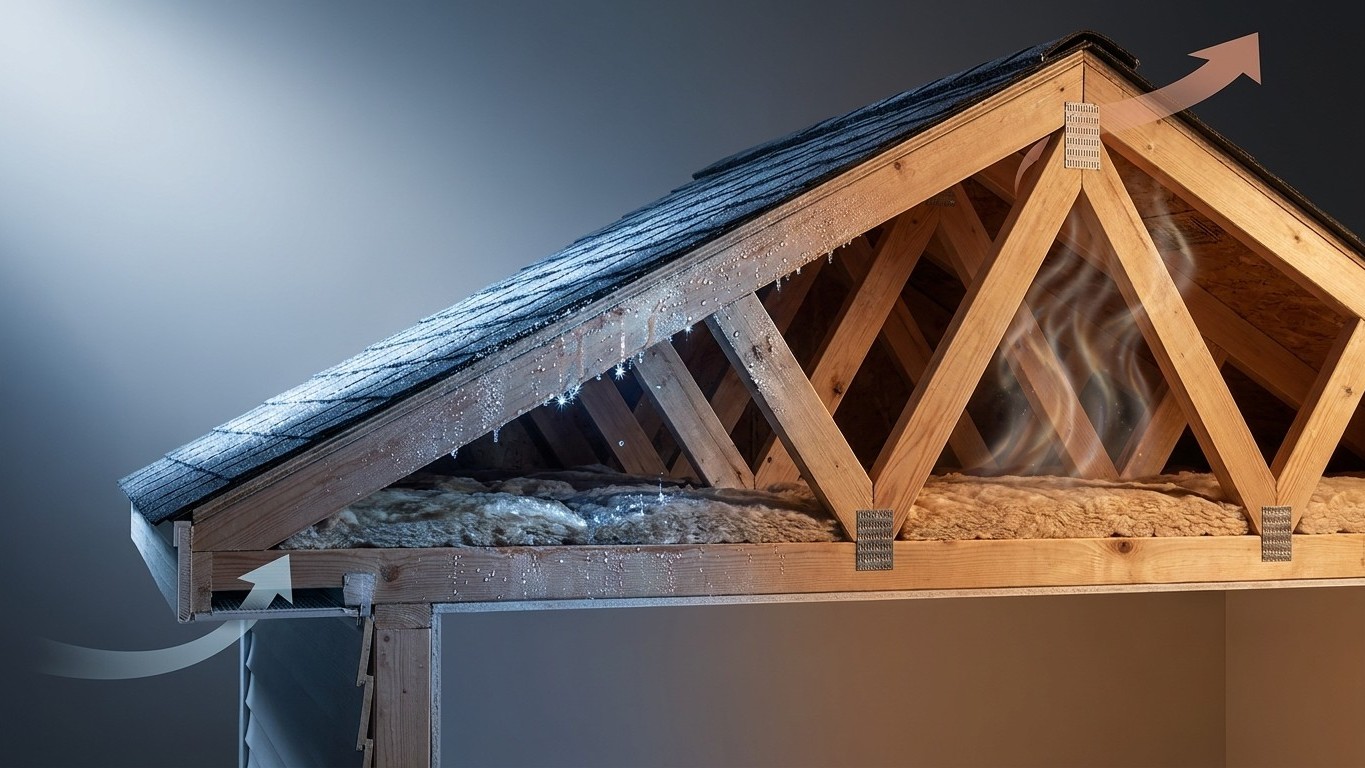
A roof that can’t breathe traps heat and moisture right where they do the most damage: against the underside of the shingles and on top of the insulation.
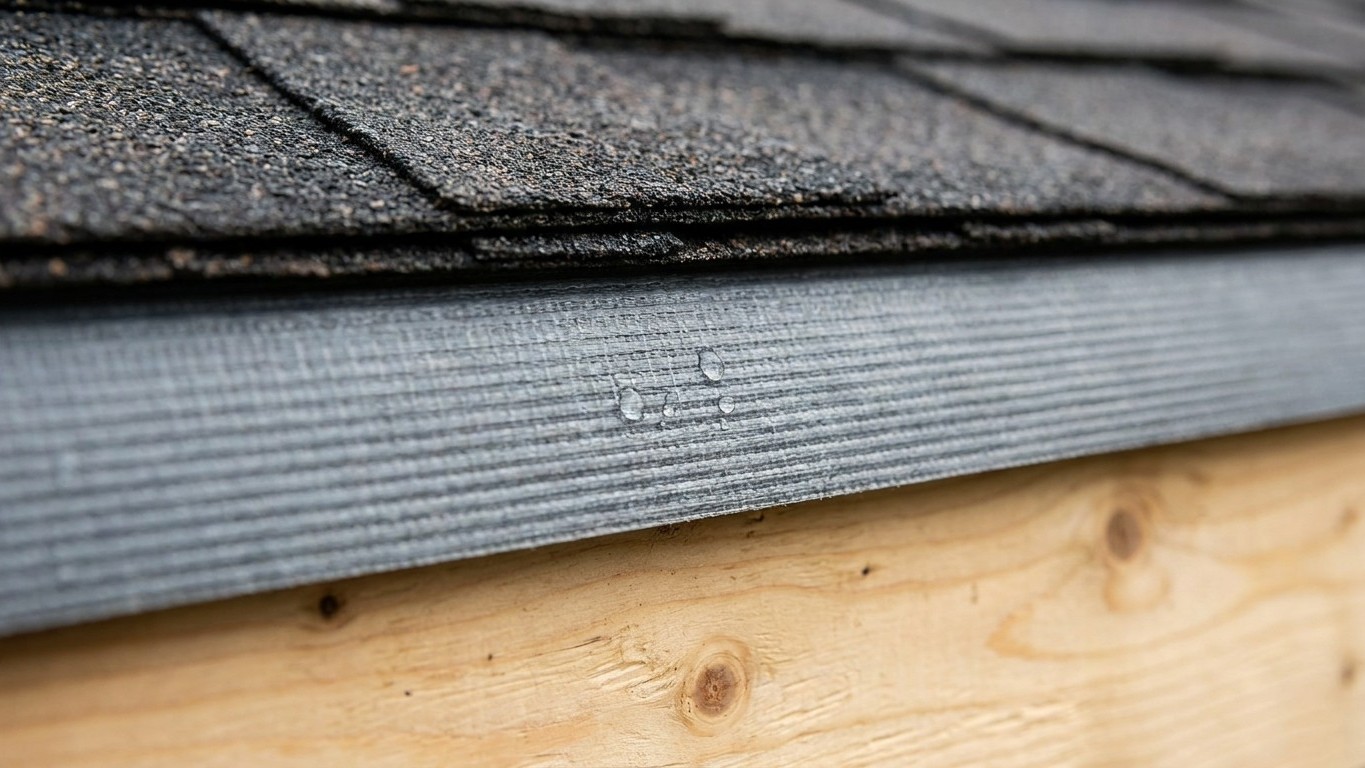
Underlayment is the water-resistant layer installed directly on the roof deck, under the shingles or other surface material.