When to Pick Tomatoes in Illinois, and Ripening the Rest
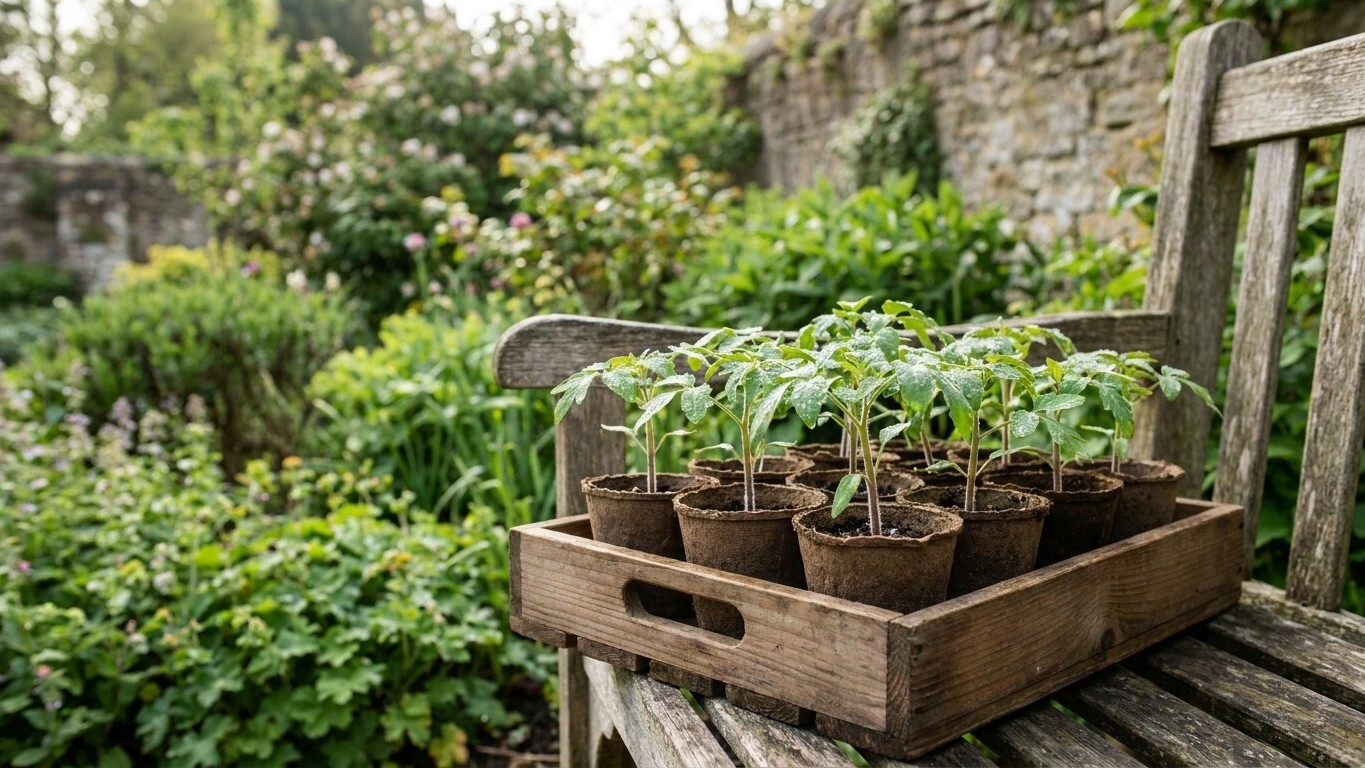
Most Illinois gardeners start picking tomatoes once fruit turns fully red, but the real answer is more useful: pick at “breaker” stage, when a tomato…
Home & garden, state by state
Everything we have worked out for Illinois: what to plant and when, which varieties finish in time, the pests that actually turn up here, and the jobs that pay off month by month. We also cover the rest of the property, from lawns and soil to home care and energy, because a garden rarely stops at the vegetable bed.
The numbers first, because everything else follows from them. Measured at the weather station in Chicago, the last spring freeze runs April 11 to April 22 and the first fall freeze runs October 24 to November 3, USDA zones 5a-7b, 3,274 growing degree days in the year.
Garlic does well: 26.1 weeks below 40 °F, comfortably past the six it needs to form a proper head.
Elsewhere on the property in Illinois: the pests that turn up here.
Figures from NOAA's 1991-2020 climate normals. A state is not one climate: elevation, a large lake or the coast can move these dates by two weeks either way, so check your own county with the extension service before you spend money.
Most Illinois gardeners start picking tomatoes once fruit turns fully red, but the real answer is more useful: pick at “breaker” stage, when a tomato…
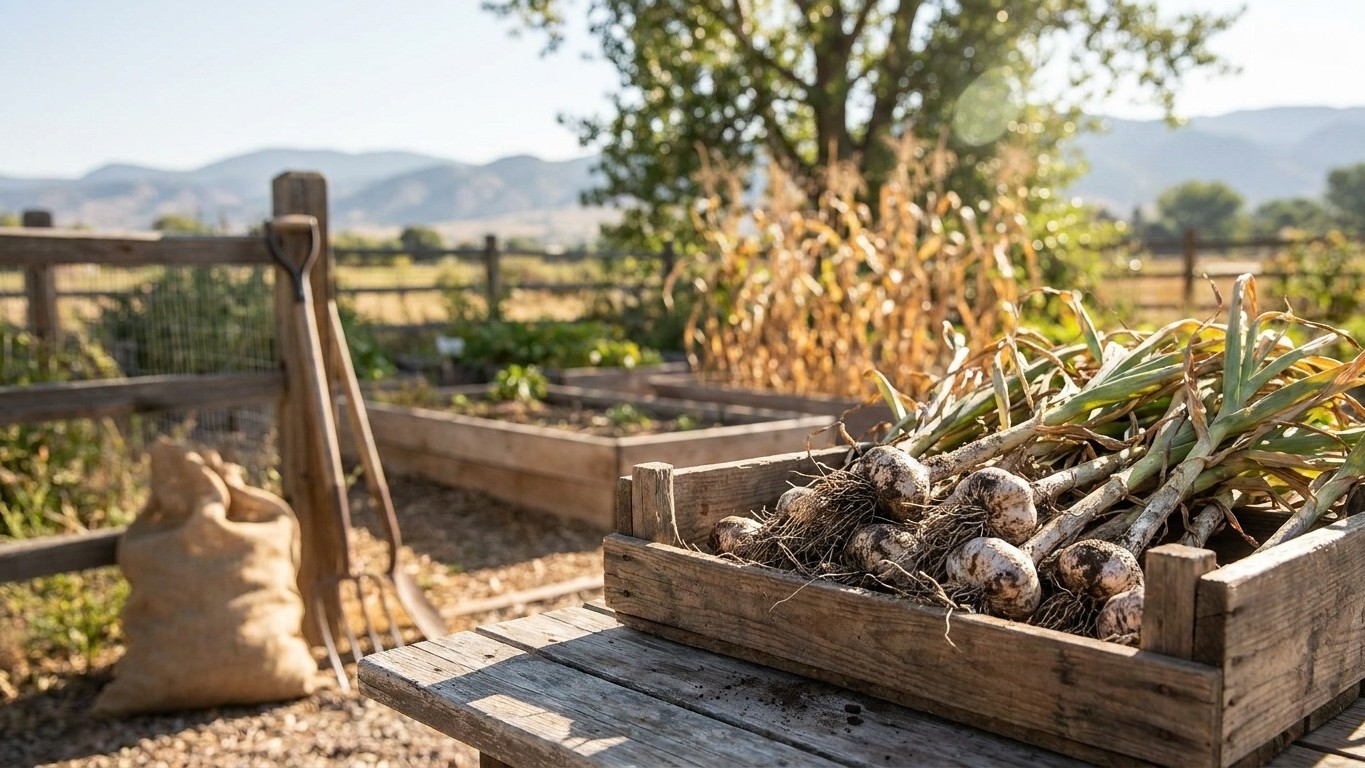
Garlic planted in Illinois soil last fall is ready to come out of the ground in early-to-mid summer, once the bottom leaves have browned and a handful of…
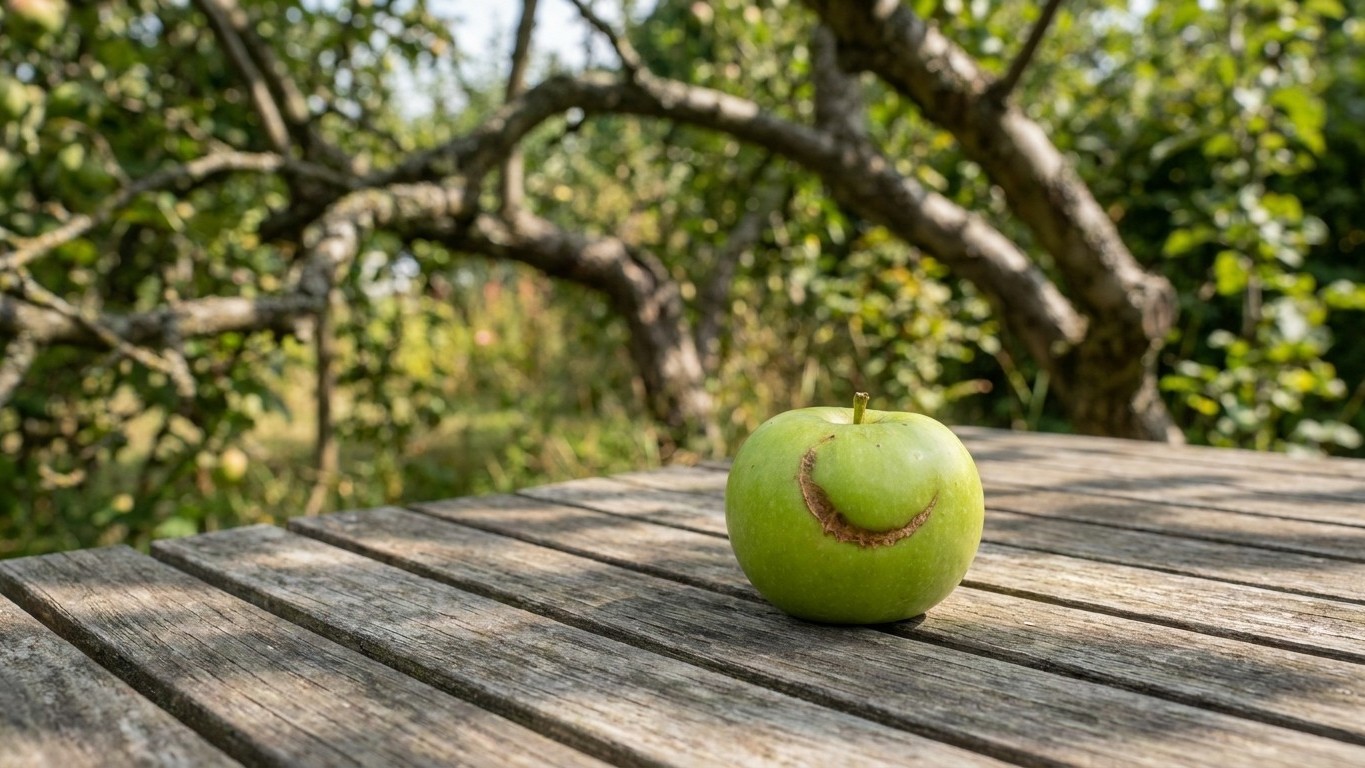
Apple harvest in Illinois is read off the fruit, not the calendar. The reference window that matters is built around Chicago’s own frost data: last…
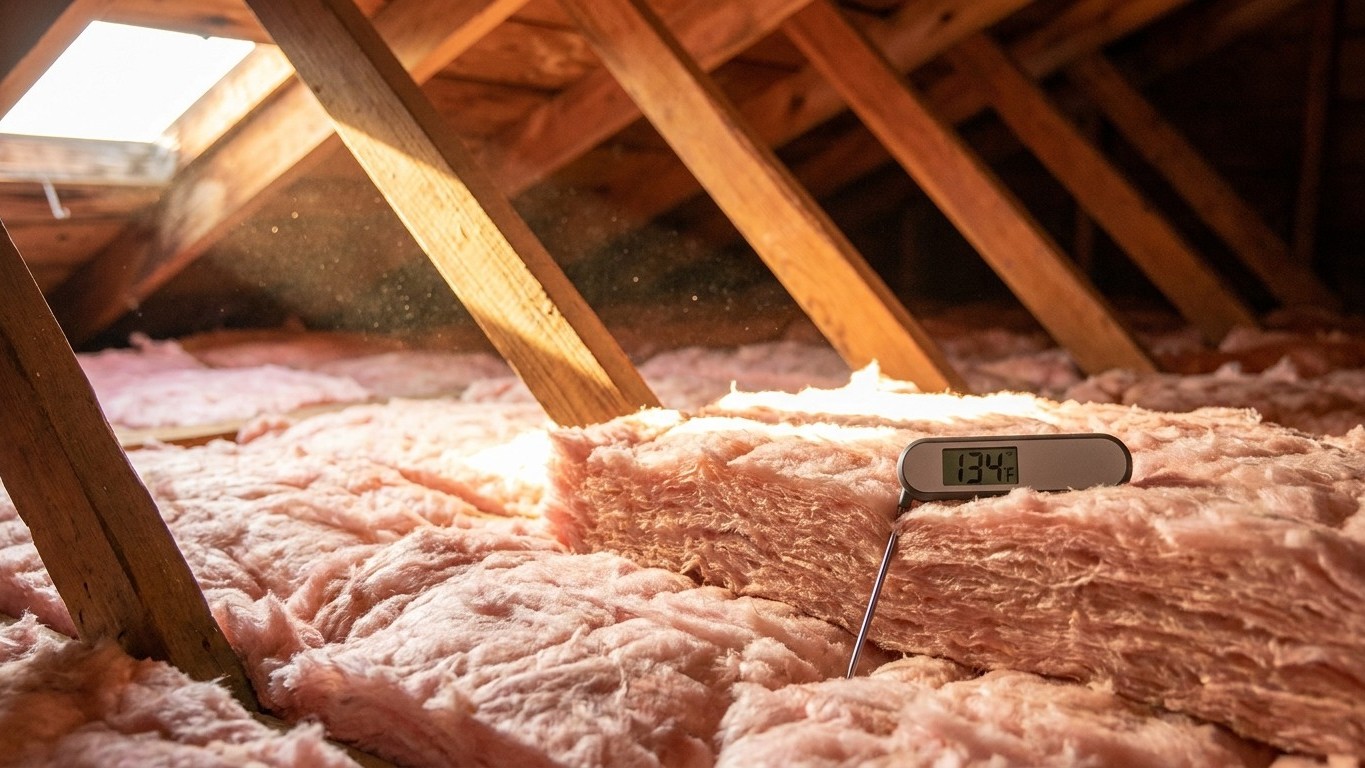
Yes, insulation keeps an Illinois home cooler, but the state’s summer heat load is moderate rather than extreme.
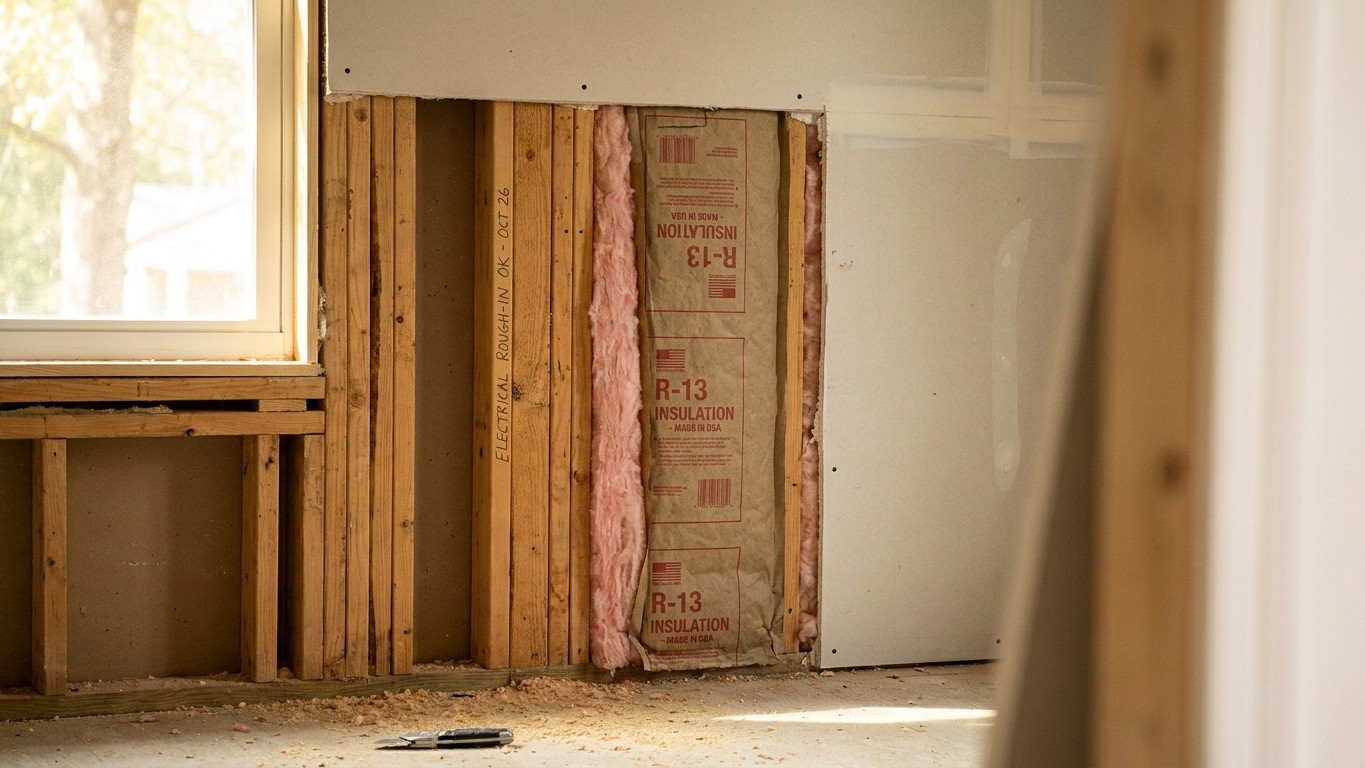
Illinois frame walls need an interior vapor retarder under the 2021 International Residential Code, and that answer holds whether a house sits in the…
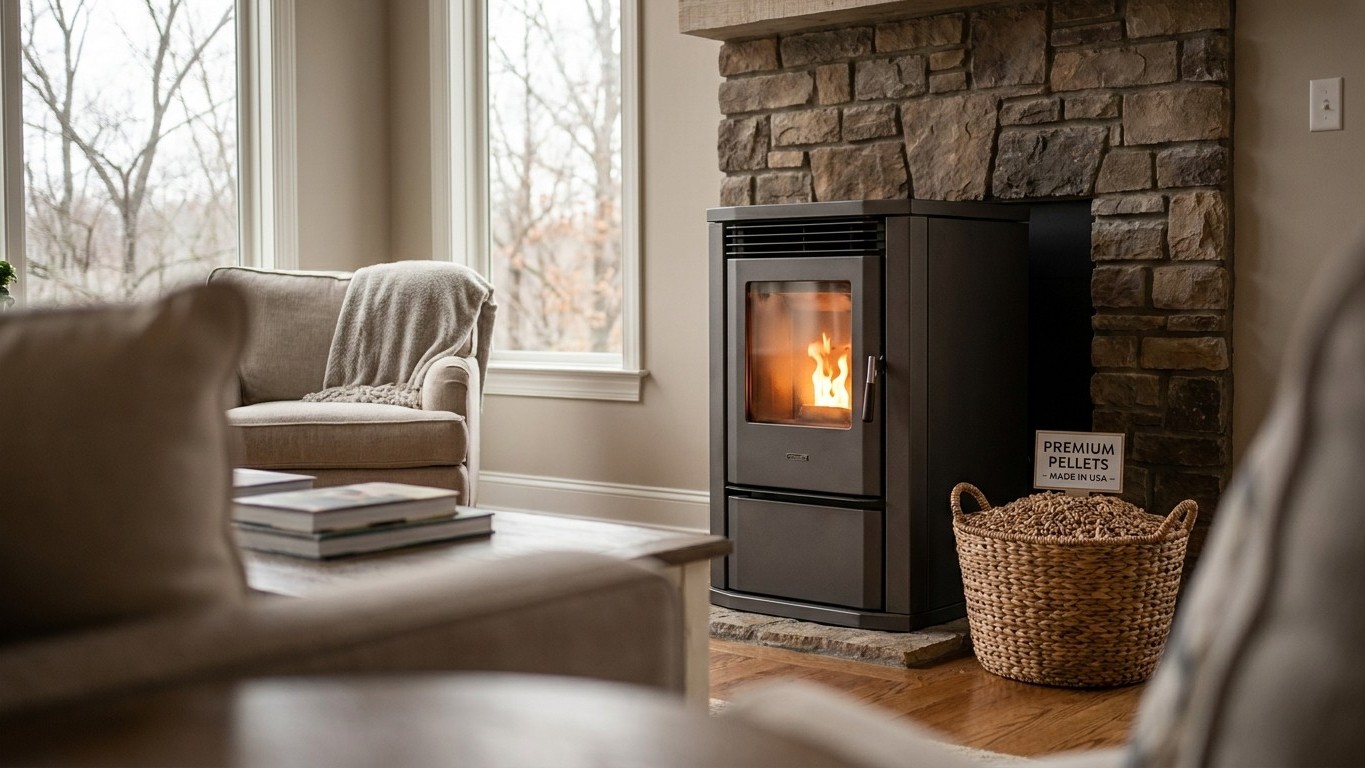
Chicago O’Hare logs about 5,974 heating degree days a year, which places central and northern Illinois among the colder heating markets in the Midwest.
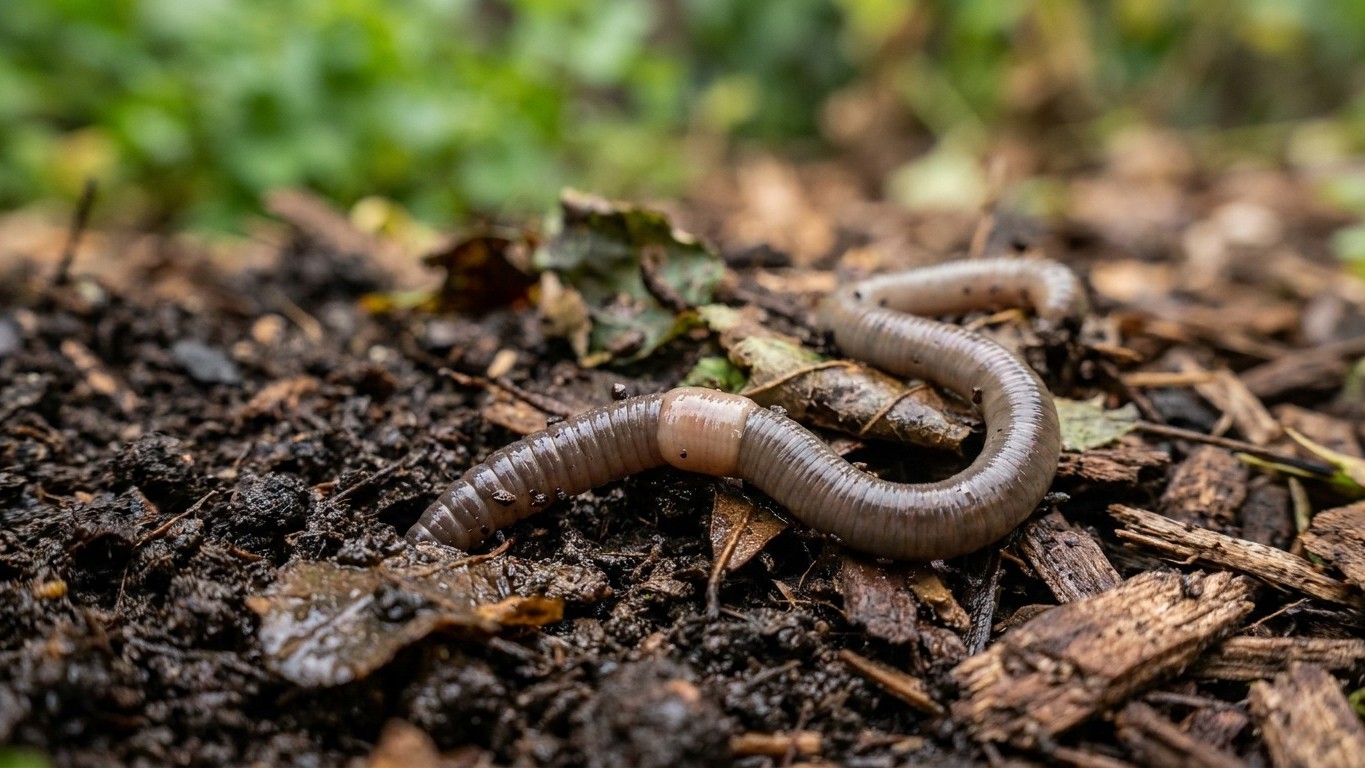
Jumping worms show up in Illinois soil from late spring through fall, with the most obvious activity in July, August and September, once they’ve matured…
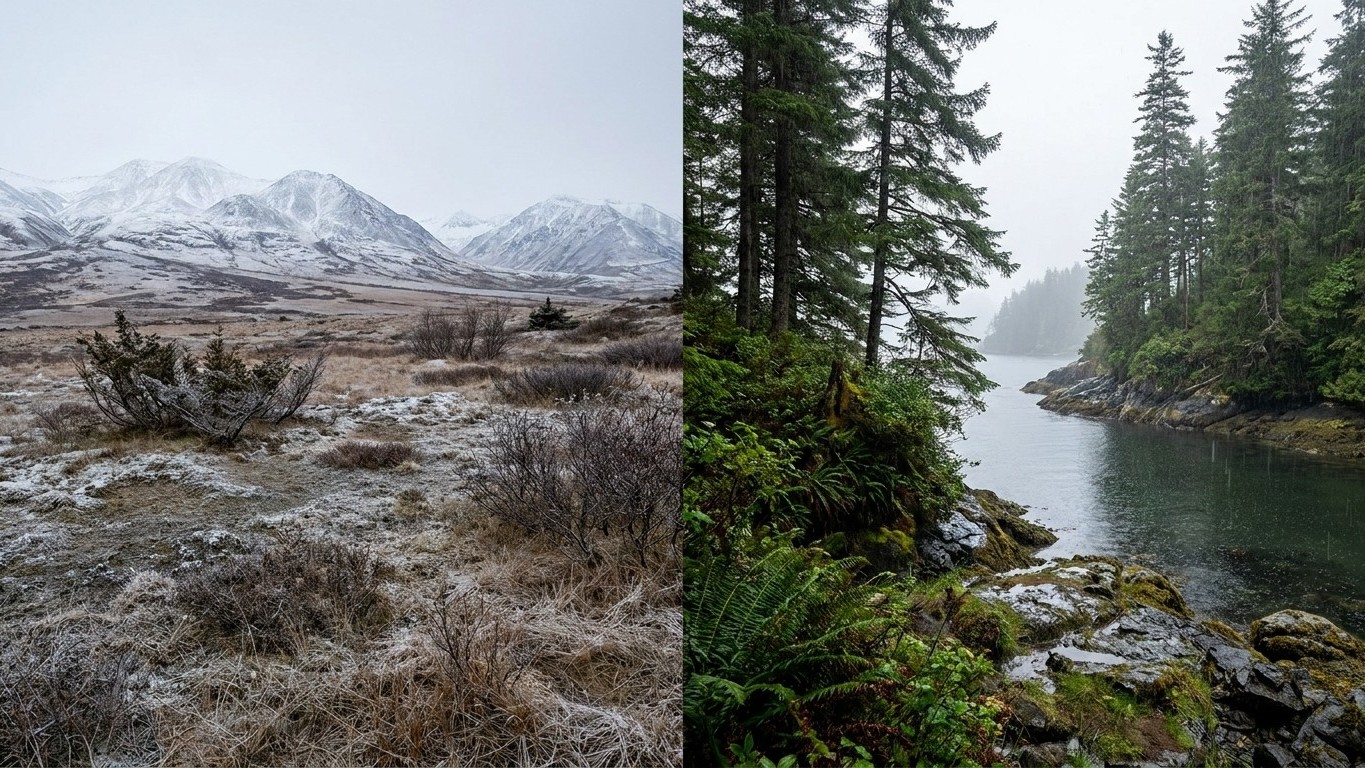
Illinois runs from USDA zone 5a near the Wisconsin line to 7b at its southern tip, and that spread decides more than most gardeners expect.
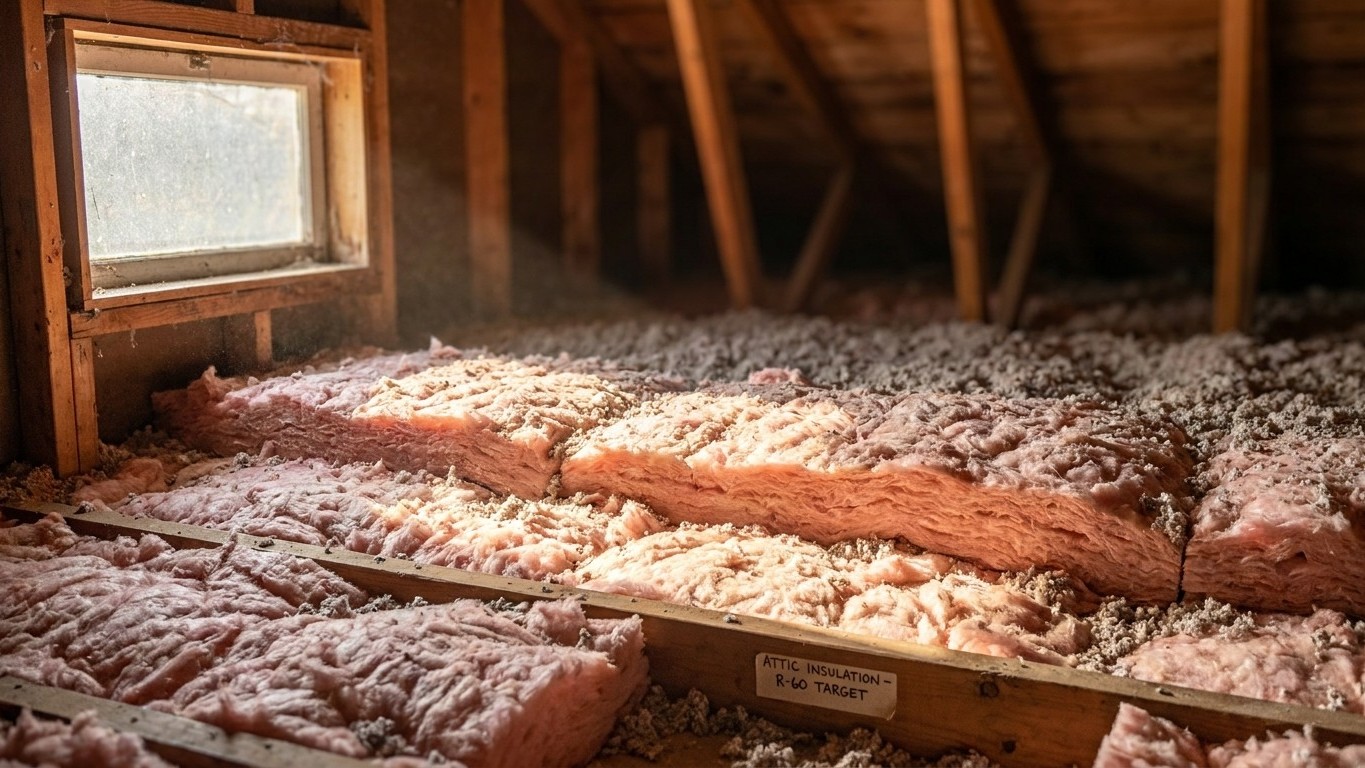
Illinois spans two IECC climate zones, so the right R-value depends on which of the state’s 102 counties a home sits in, not on a single statewide number.
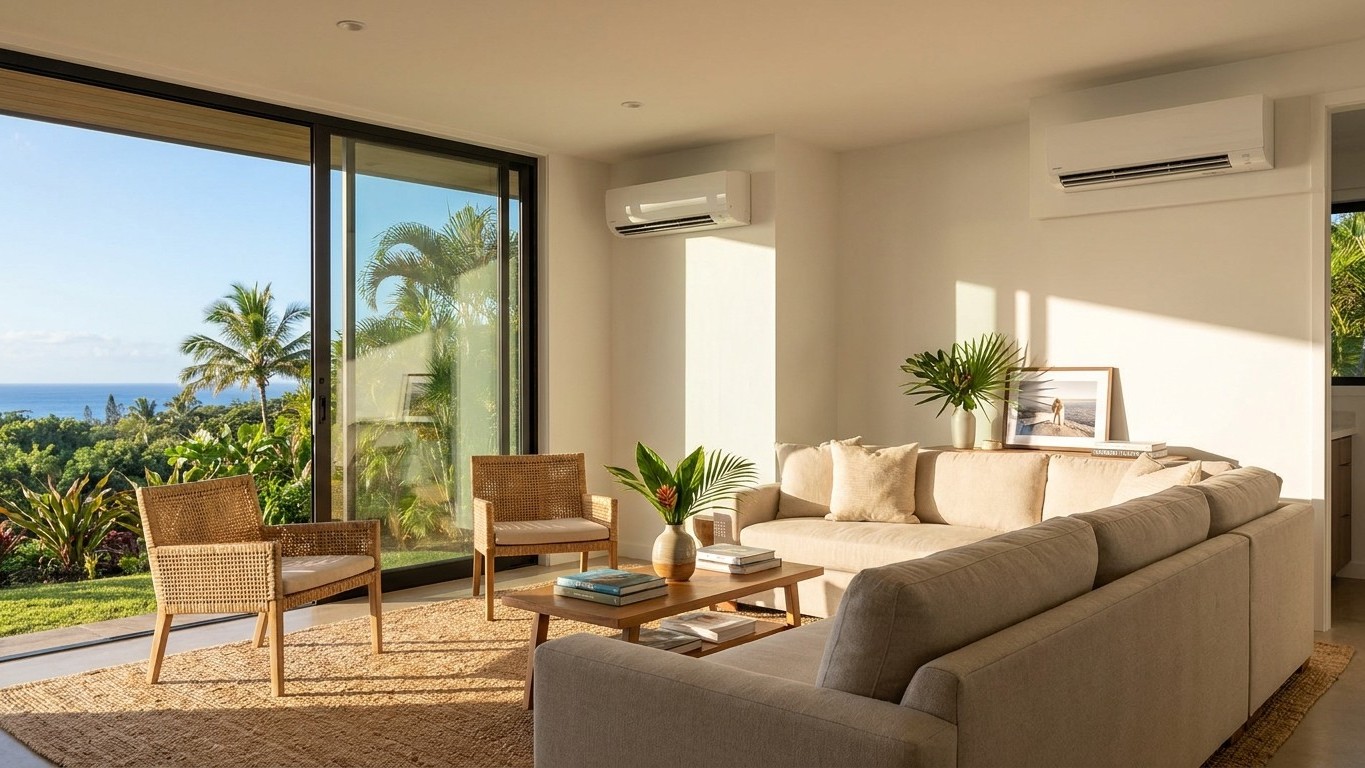
September is the closest Illinois gets to a break between the furnace and the air conditioner, and even that month isn’t quiet: NOAA’s 30-year averages…