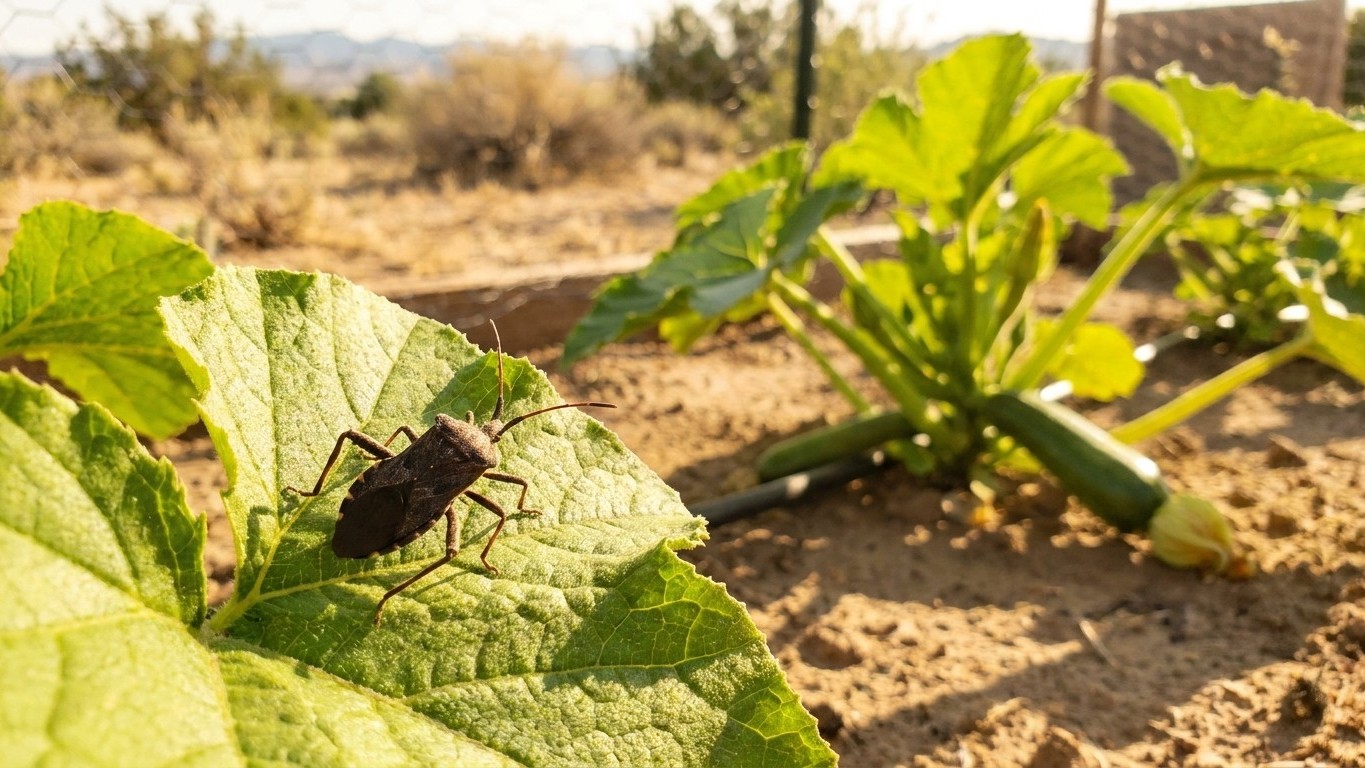

Summer squash is ready about 55 days after planting, according to Clemson Extension. In Indiana, plants set out after the last frost usually start producing in late June or July. Pick the fruit small, every day or two, because the plant stops setting new ones once one matures. A glut won’t keep: the refrigerator gives you one week, so freezing or preserving is the real plan.
The short answer for Indiana
Count 55 days from the day you plant, then start checking the plants daily. The 55-day figure comes from Clemson Cooperative Extension in South Carolina, and it works as a rule of thumb for the crop anywhere. At Indianapolis, the NOAA 1991-2020 normals put the last spring frost between April 9 and April 21. The first fall frost falls between October 21 and October 30. Both ranges are probabilities of a 32F freeze, specifically the band where that chance runs between 30 and 70 percent. They are not promises that frost has ended or begun.
Purdue adds a caution worth taping to the shed wall: roughly a 10% chance of a 32F event remains after the published spring date. Squash dies at the first touch of frost, so a seedling set out on April 15 needs a cover ready. Plant in early May, and first fruit lands in late June or early July. That leaves roughly four months of picking before the autumn range arrives, if the plants stay healthy.
What you do at the vine matters more than the calendar. A squash plant exists to make seed, and a fruit left to swell is a signal that the job is done. Production slows or stops. That’s why harvest frequency is the yield. Pick while the skin is glossy and tender enough to dent with a fingernail, and the plant keeps flowering. Miss a few days in July and you’ll find a club-sized fruit hiding under the leaves, and the plant will have eased off.
Then comes the glut. Summer squash is not winter squash, and no cool cellar will carry it into winter. Clemson’s advice is a plastic bag in the refrigerator for up to one week. Anything beyond what you’ll eat in that week should be frozen or preserved. Shredded and frozen, it goes into breads and casseroles in February. Pickles and relishes handle the rest, and neighbors, food pantries and church coffee hours handle the overflow.
What will not work here
Cellar storage fails first. People who grow butternut and acorn squash assume the same habit applies to zucchini and yellow squash. It doesn’t. Thin skin and high water content mean a summer squash left on a shelf softens within days.
Weekly deep watering fails next, and it fails in August. Indianapolis averages about 12.6 inches of rain across June, July and August (43.6 inches over the year), which sounds generous. But the driest summer month is August, at 3.2 inches, down from 4.95 in June and 4.42 in July. The station also averages 14.6 days a year at 90F or higher, and those hot days pull moisture out of shallow-rooted squash fast. Rain arriving as a single thunderstorm mostly runs off. Soil changes the picture again: clay holds a rain for a week, while sandy ground lets it through within the day and may need water every second day even in a wet summer. These are normals for one station, not a forecast for your plot. A cheap rain gauge on your own garden settles it.
Crowding fails in the humid stretches. With that much annual rainfall, leaves that stay wet invite powdery mildew and other leaf diseases. Pinning three plants into a single hill’s worth of space is a bet against your own airflow. Give each plant room, water the soil rather than the foliage, and pick early in the day when leaves have dried. Squash bugs and vine borers are the other half of the story, and What Eats Summer Squash in Indiana, and When lays out their calendar.
Planting too early fails quietly. A warm April spell tempts people to set out transplants near the early edge of the frost range, and then the 10% chance arrives. Last on the list is the one-day planting: six hills sown the same weekend all produce the same week. Staggering plantings by a few weeks spreads the harvest. If your picking runs ahead of your eating, choose the variety to match, which The Best Summer Squash to Grow in Indiana covers.
What changes across Indiana
There is no single Indiana answer. The USDA Plant Hardiness Zone Map (2023 edition, built on 1991-2020 normals) places the state in zones 5b to 7a. That spread covers the cold northern plains near Lake Michigan down to the milder Ohio River counties. The system rests on one variable, the average annual extreme minimum temperature, so it describes how cold winter gets, not how long squash season runs.
For an annual that dies at first frost, frost dates matter more than the zone number. Every date on this page uses Indianapolis as its reference point. Southern Indiana runs earlier in spring and later in autumn than the north by a fortnight or more. A gardener near the Ohio River can plant earlier and pick later than the Indianapolis dates suggest. A gardener in the far north should lean the other way and shift both ends of the calendar later, especially at the spring end where a late freeze does the most damage.
Local quirks add noise. Low spots collect cold air on clear spring nights, so a frost can hit a hollow while the hilltop stays clear. A brick wall or paved yard holds heat and can run warmer than the open field next to it. A city plot behaves differently from a rural one.
If you want to know which zone you’re in, the USDA map will tell you. Enter your ZIP code on the official map rather than guessing from a neighbor’s habits or from this page.
Where to check this for your own county
The right next stop is Purdue Extension, the state’s land-grant extension service. It has offices staffed by educators in counties across Indiana, and they know the local dirt, the local frost pockets and the local pests in a way a state page cannot.
Look for two things. The first is a local planting calendar, or at least a county-level frost estimate, which will beat the Indianapolis dates here if you live well north or south of the capital. The second is the list of varieties trialled or recommended for your county. Disease pressure, heat tolerance and borer resistance differ by variety, and local trials show which ones have actually performed in your conditions. Ask about squash bug and vine borer timing in your area too, since that shifts with the same warmth that shifts planting.
A county recommendation beats a state one, and this page is the state one. It averages a long, varied territory into reference-station numbers. This page does not have a county-by-county calendar, and I won’t pretend otherwise. Treat the figures here as a starting frame and let the extension office correct it.
Checking this against your own garden
Your own observations outrank every date above. Three are worth watching, and none needs equipment beyond your hands and eyes.
- Soil warmth by feel. Push your hand into the bed in the morning. If the soil feels cold and clammy, seeds will sulk. If it feels mild like a room-temperature tap, you’re close. A bed that warms sooner than your neighbor’s tells you about drainage and sun exposure.
- The first male flowers. Squash plants typically open male flowers before female ones, so early blooms with no fruit behind them are normal. Their arrival tells you how fast the plant is moving on your plot, and when the first fruit should follow.
- The first true leaves. The first leaves after the seed leaves show the seedling has rooted and is growing. If they emerge slowly or yellow, the soil is cooler or wetter than you think.
Keep a note of the dates each year. After two or three seasons, those notes will describe your microclimate better than any normal drawn from a station miles away.
Common questions
How big should summer squash be when I pick it?
Small. Pick while the skin is glossy and tender enough to dent with a fingernail. Larger fruit has tougher skin and bigger seeds, and leaving it on the plant signals the vine to slow down.
How long does summer squash last in the refrigerator?
Clemson Extension says up to one week, stored in a plastic bag. Summer squash does not keep like winter squash does, so use it or preserve it within the week.
Can I store a glut in a cool cellar?
No. A cellar suits winter squash, not summer squash. For a surplus, freeze it, preserve it as pickles or relish, or give it away.
When does the plant stop producing in Indiana?
At the first frost, which at Indianapolis falls between October 21 and October 30 in the 1991-2020 normals. Pests and disease often end production sooner, especially if plants are crowded.