When to Pull Carrots in Indiana, and How to Keep Them
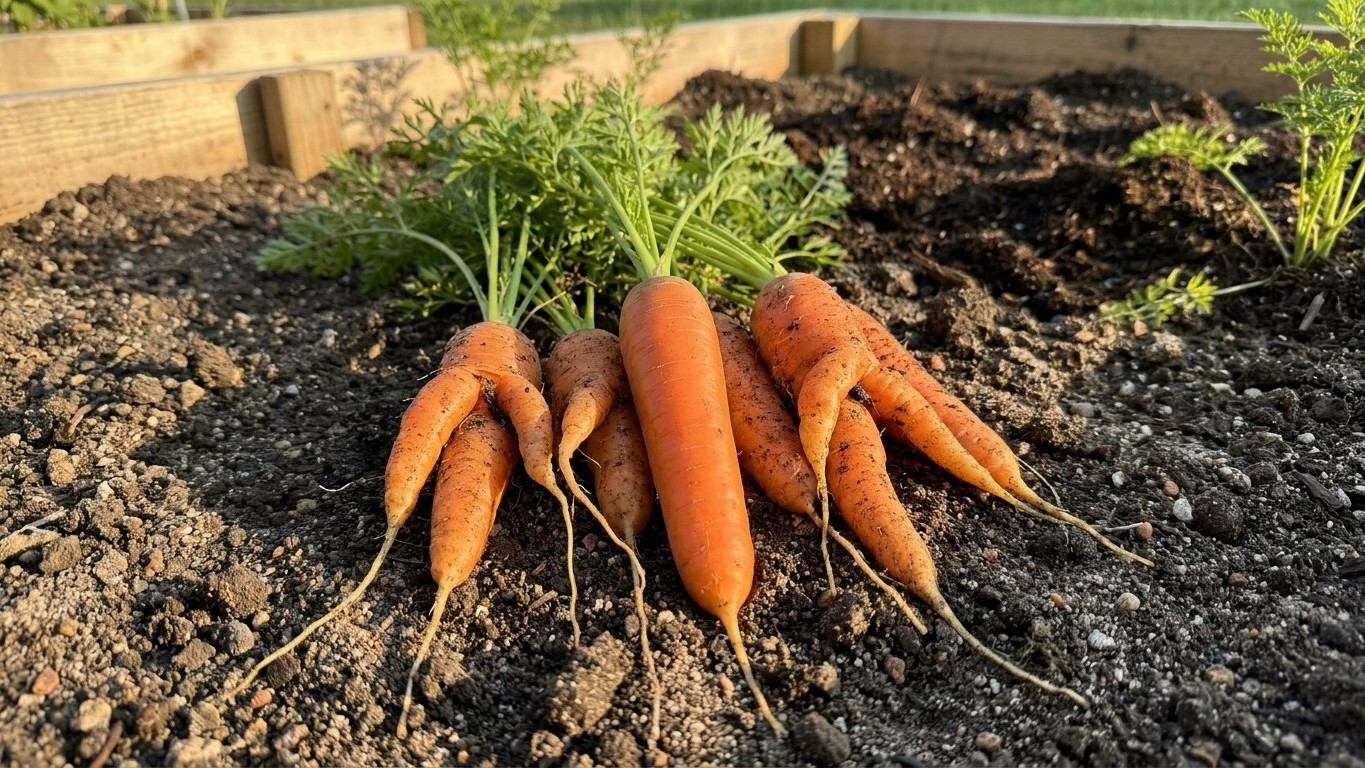
Pull carrots when a test root has reached the width on the seed packet. That usually means 70 to 100 days from seeding, since carrots are sown in place…
Home & garden, state by state
Everything we have worked out for Indiana: what to plant and when, which varieties finish in time, the pests that actually turn up here, and the jobs that pay off month by month. We also cover the rest of the property, from lawns and soil to home care and energy, because a garden rarely stops at the vegetable bed.
The numbers first, because everything else follows from them. Measured at the weather station in Indianapolis, the last spring freeze runs April 9 to April 21 and the first fall freeze runs October 21 to October 30, USDA zones 5b-7a, 3,822 growing degree days in the year.
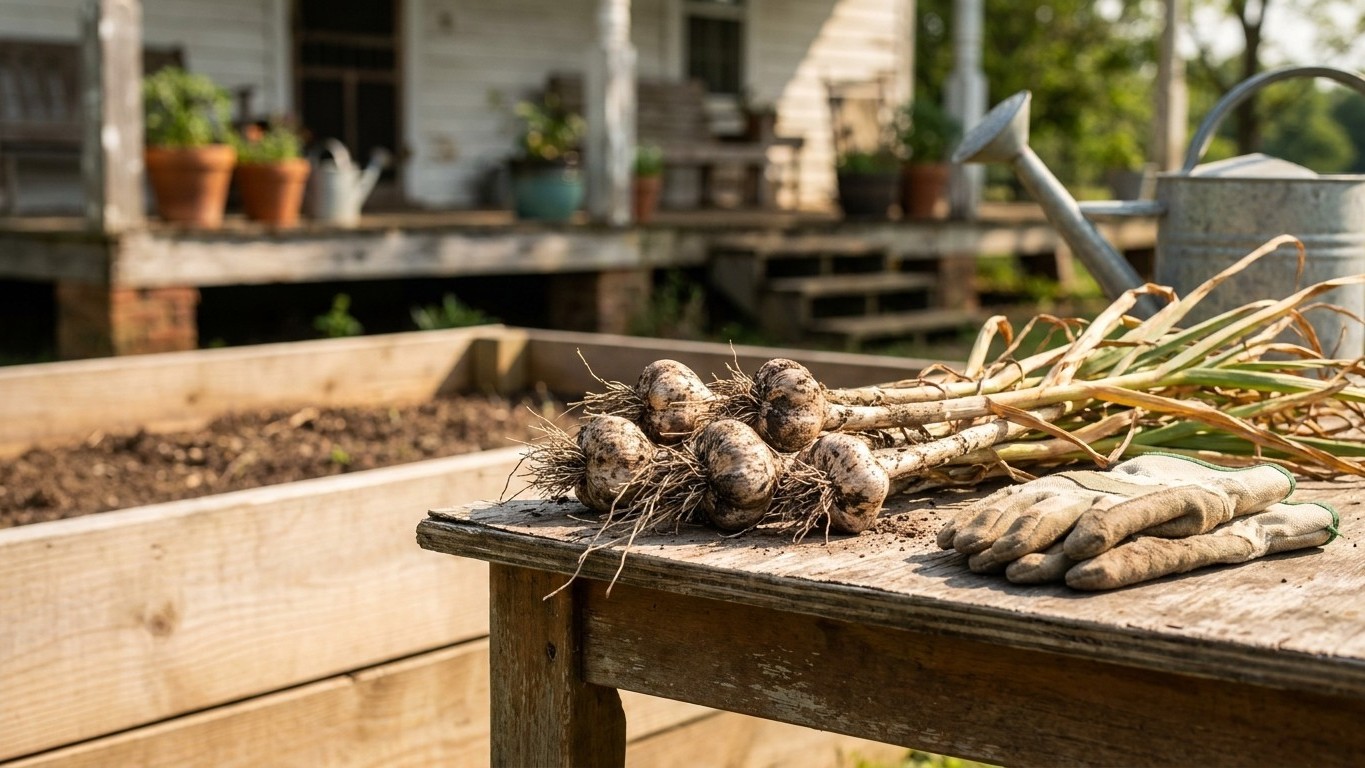
Garlic does well: 21.8 weeks below 40 °F, comfortably past the six it needs to form a proper head.
Elsewhere on the property in Indiana: the pests that turn up here.
Figures from NOAA's 1991-2020 climate normals. A state is not one climate: elevation, a large lake or the coast can move these dates by two weeks either way, so check your own county with the extension service before you spend money.
Pull carrots when a test root has reached the width on the seed packet. That usually means 70 to 100 days from seeding, since carrots are sown in place…
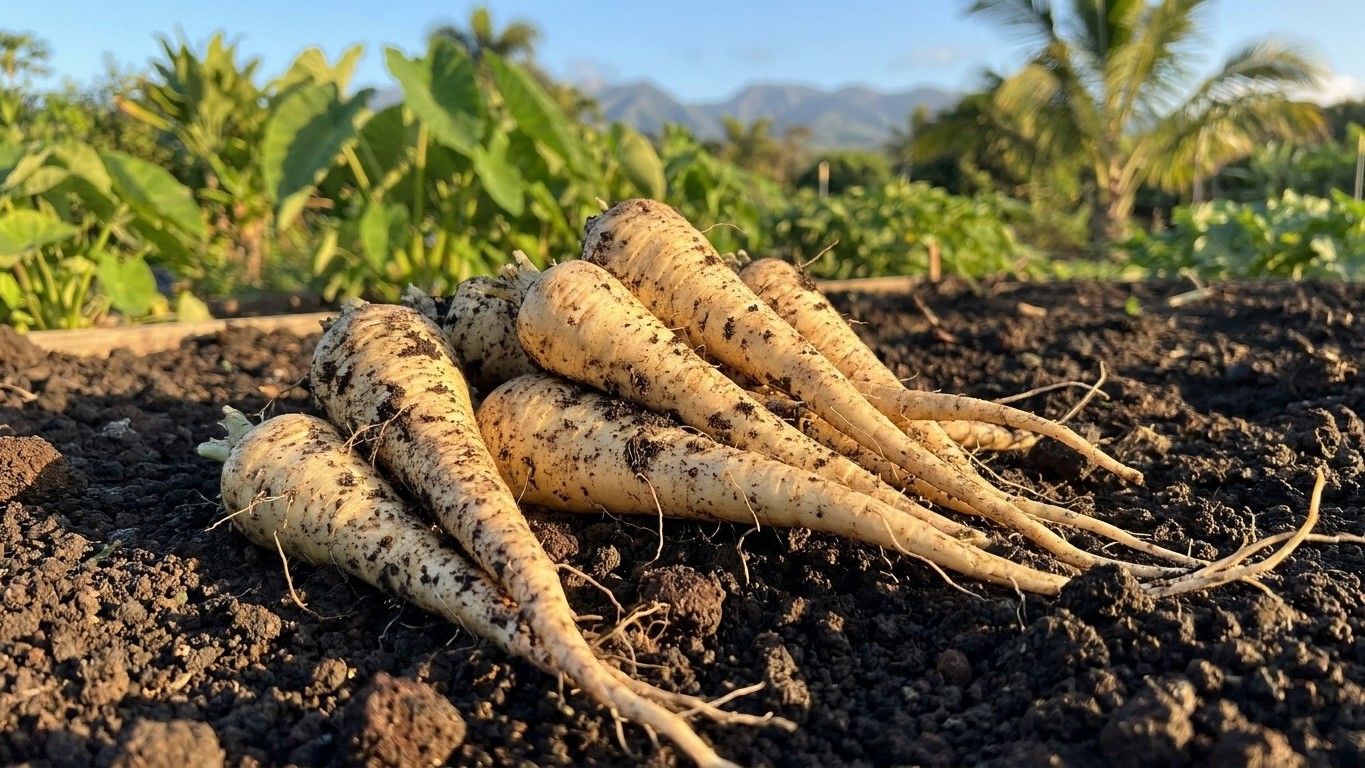
In Indiana, lift parsnips from mid to late November onward, once several weeks of frost have worked on the roots.
Pull Indiana beets 60 to 80 days after seeding, while the roots are still young and before summer heat can toughen them.
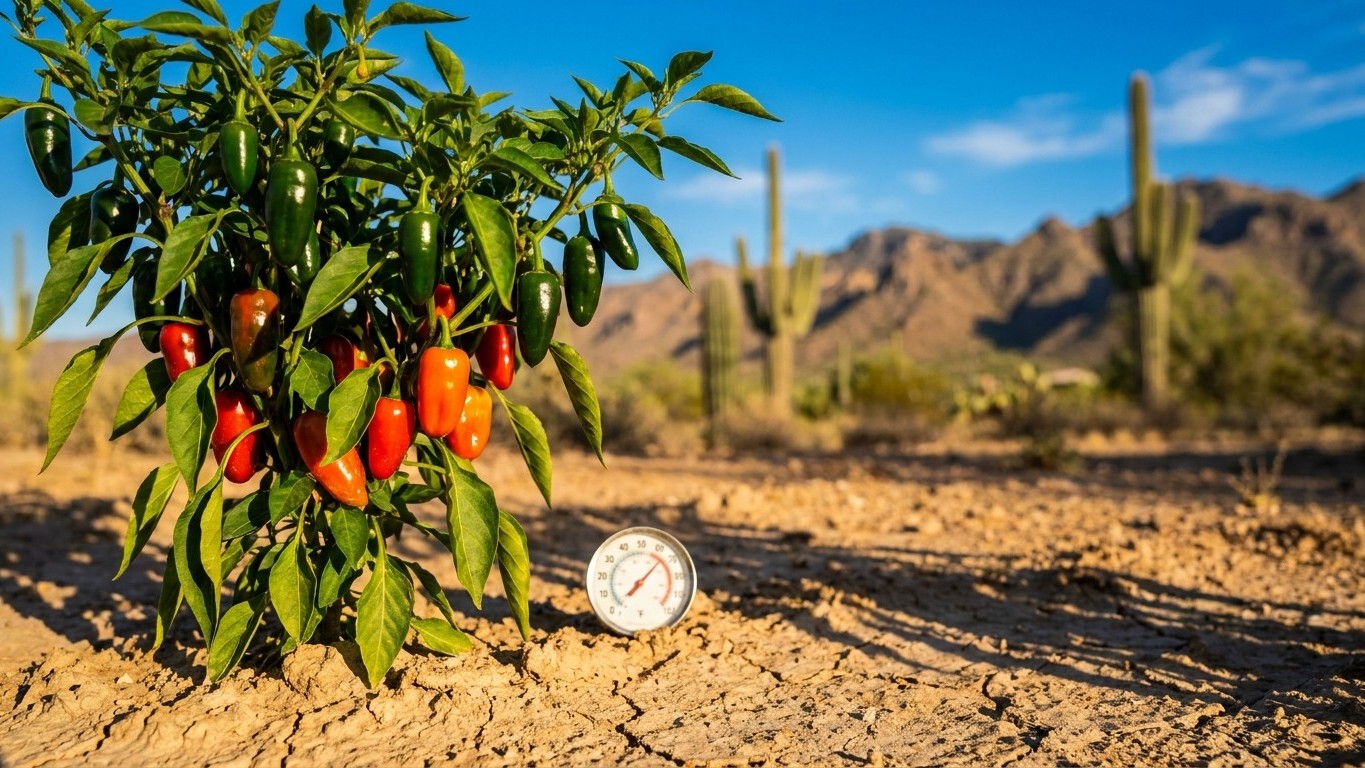
Pick peppers once they reach full size, which in Indiana usually means 70 to 85 days after the transplant went into the ground.
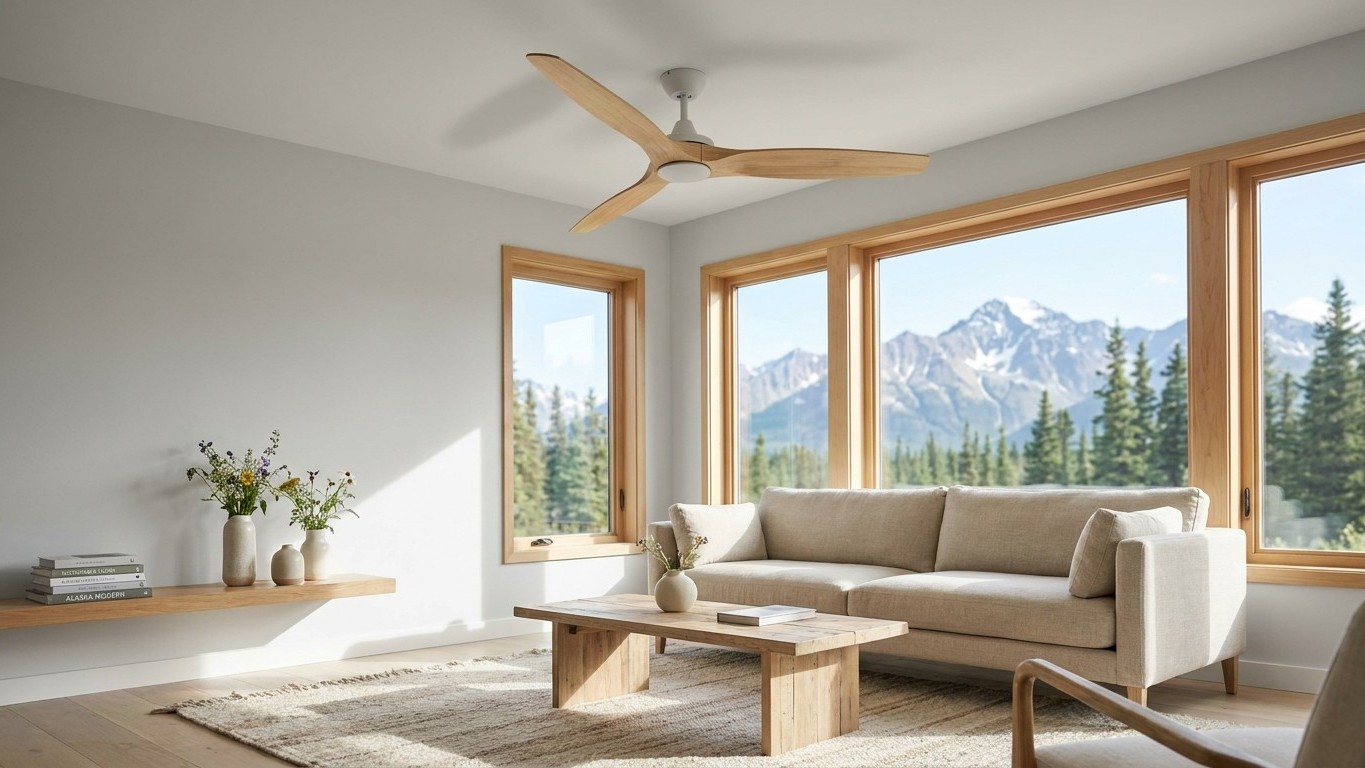
Central air, for the most part. Indiana homes lean heavily on ducted systems, with window units, portables and ductless mini-splits filling in around the…
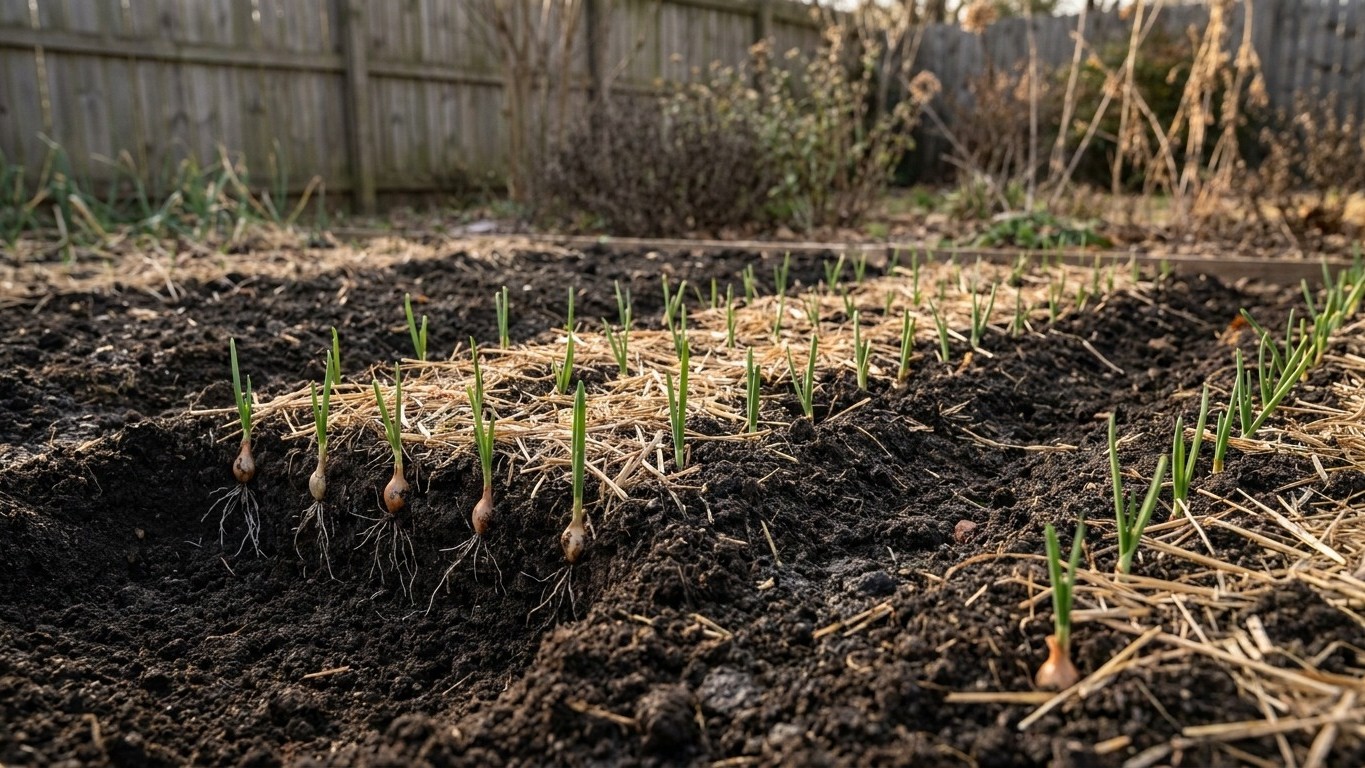
Most of what eats a vegetable garden leaves garlic alone, so Indiana growers lose bulbs to a short list of culprits.
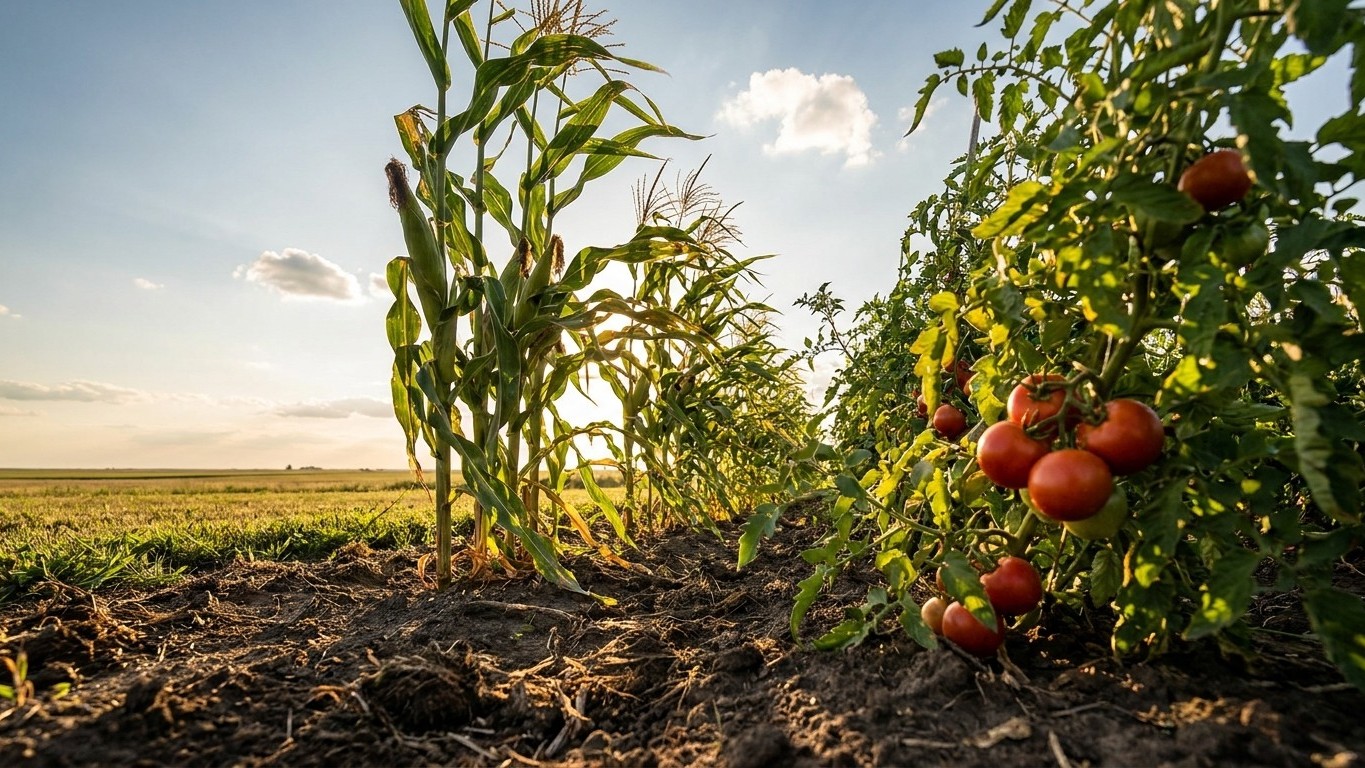
Sweet corn in Indiana is ready 60 to 90 days after planting, and planting has to wait for soil above 60 F, which arrives well after the last frost.
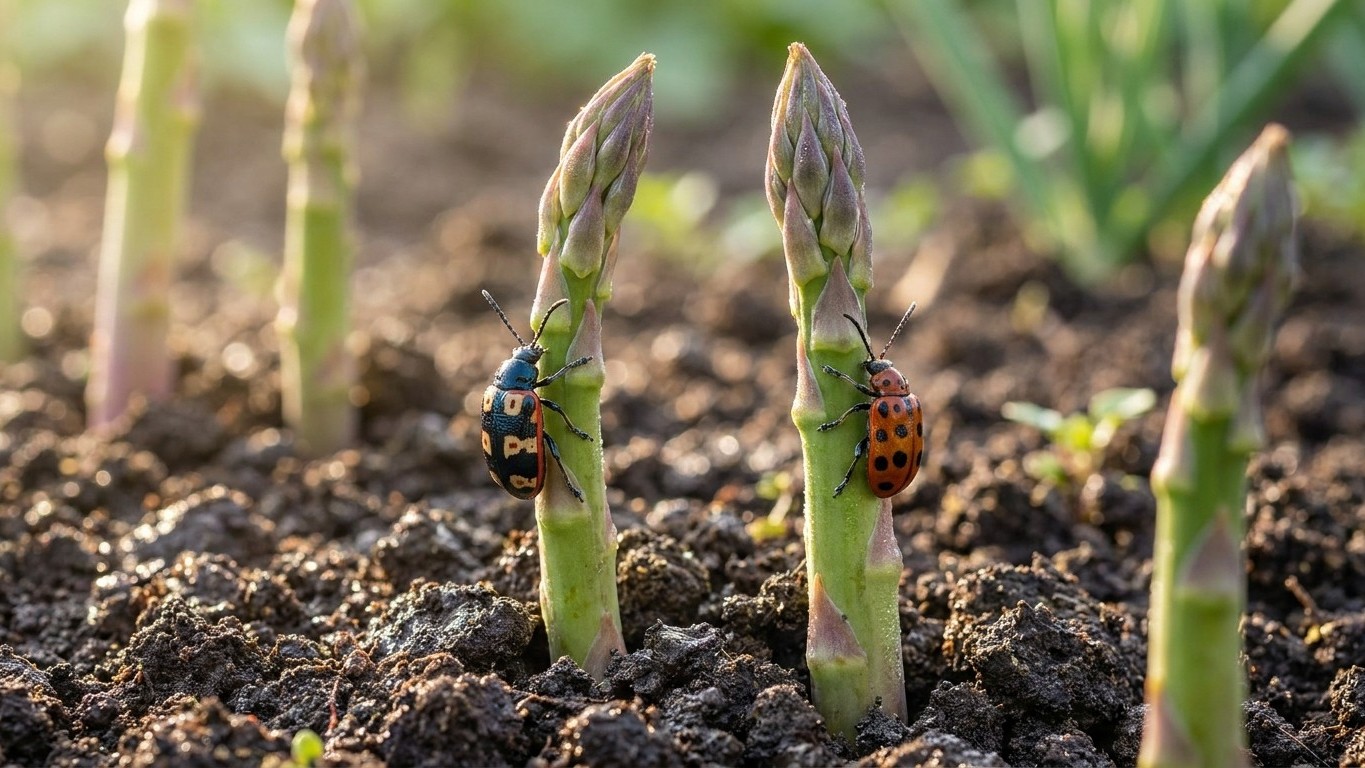
Stop cutting when most of the spears coming up are thinner than a pencil. That is the whole rule, and it is an object you check by eye, not a date on the…
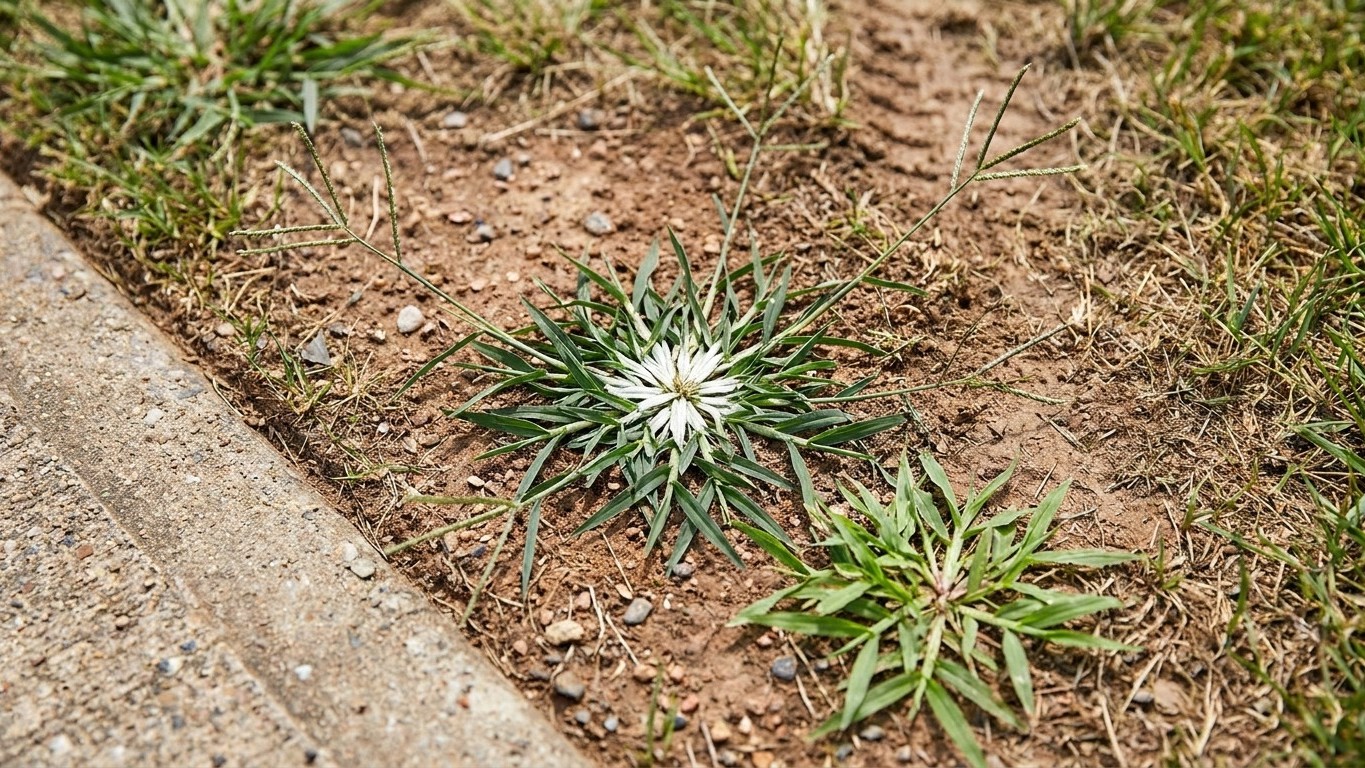
Three inches is the safest single setting for an Indiana lawn. It works for tall fescue, Kentucky bluegrass and fine fescues alike.
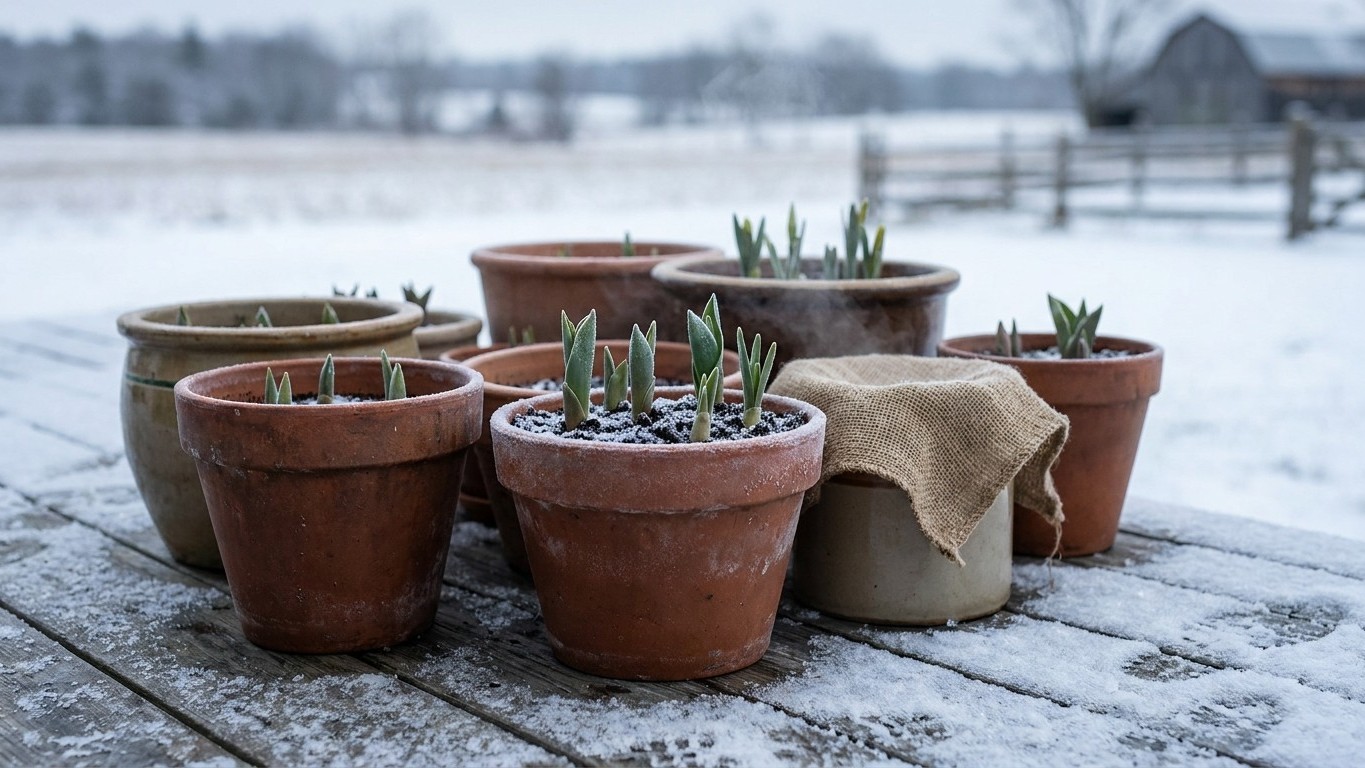
In Indianapolis, dig dahlias, cannas and gladiolus after the first hard frost blackens the foliage.